





입원 치료를 넘어선 지원

Post-rehab transitional housing program

Following your residential program, our transitional housing rehab program gives you a safe, supportive place to rebuild your life with aftercare therapy and real-world reintegration support. 

지금 바로 자기 평가를 해보거나 상담사와 이야기해보세요. 어떠한 의무도 없습니다.
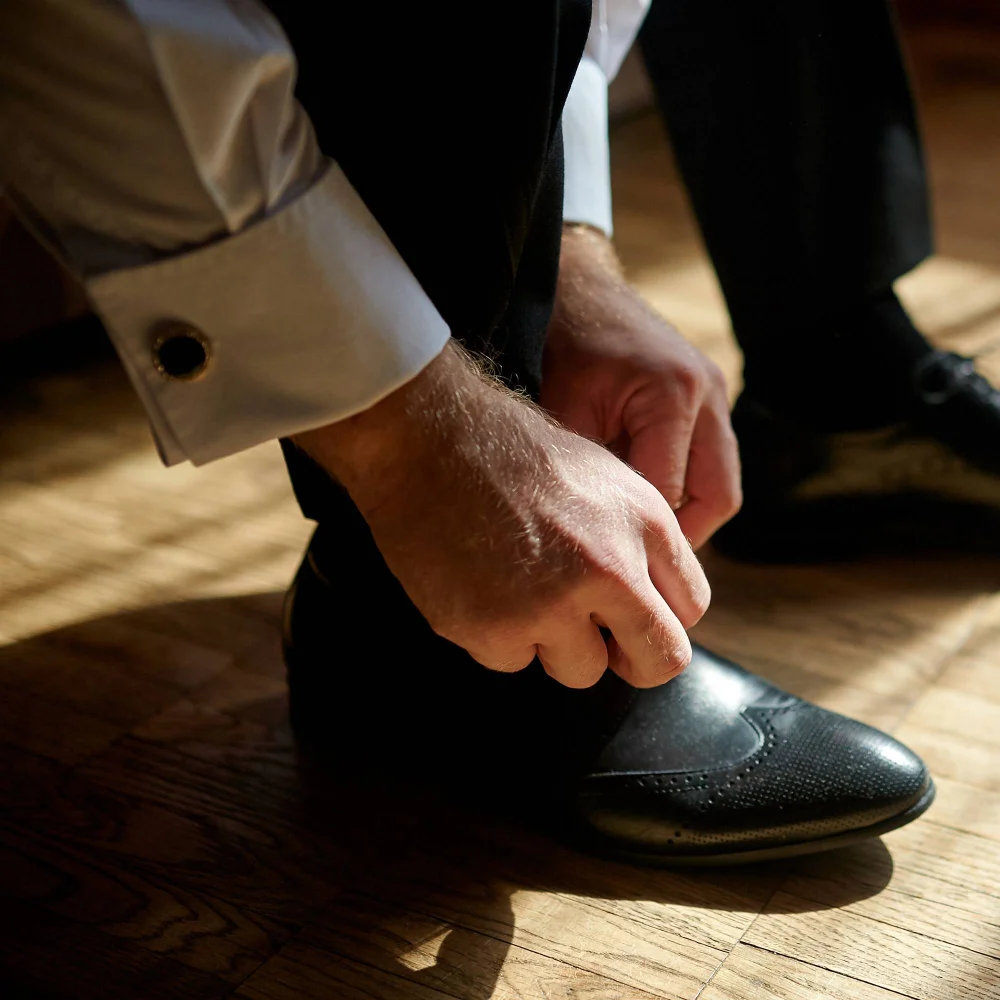
전환 주택에 거주하는 한 남성이 입원 재활 치료 후 구조와 독립성을 재건하며 새로운 하루의 일을 준비하며 신발끈을 묶고 있다.

Safe, substance-free shared housing

Peer support and accountability

Continued access to therapy

Help with work or study

Fresh coffee brewing in a shared kitchen on an early morning, capturing the simple routines that support daily life and recovery in transitional housing.
A bridge between rehab and real life

What the transitional housing program offers

Our transitional housing gives you a safe, supportive home after rehab where you can continue your substance addiction recovery with structure, guidance, and a strong community around you. We consider it part of our commitment to helping our clients as best we can on their sober journey.

As with all of our rehab programs, you’ll have access to therapy, peer support, and help getting re-settled in the community — from finding work or study to developing healthy routines and planning for the long term.

Who this program is for

We offer transitional housing to clients who have completed our 90-day inpatient rehab program at our Essendon residential facility. This program provides more time, guidance, and support before returning to full independence. If you’re feeling unsure about facing life on your own again, transitional housing offers a bridge between treatment and real-world recovery.

How this program helps

You’ll continue with individual therapy and group sessions, live in a stable, recovery-focused home, and receive daily support as you rebuild routines, develop life skills, and prepare for work or study. This recovery schedule helps you stay grounded while building momentum toward your goals.

Why this program works

Long-term success requires sustained support. Transitional housing gives you time, accountability, and a community of peers walking the same path. It’s a proven way to reduce the risk of relapse and build confidence step by step.

What’s included in the program

What you can expect in transitional housing

From the moment you arrive, you’ll be supported with stable housing, continued therapy, peer support, and opportunities to re-engage with life at your own pace.

  • You’ll live in fully furnished, shared accommodation designed to support your recovery.
  • You’ll have access to therapy sessions and peer-led recovery groups to stay on track.
  • We’ll help you explore work, volunteering, or study pathways that fit your recovery goals.
  • You’ll learn essential life skills like cooking, budgeting, and managing your routine.
  • You'll continue developing your relapse prevention tools with regular coaching and check-ins.
  • We’ll support your reintegration into the community through wellness activities and planning.
Moving forward with structure

How the transitional housing program is structured

The program is built around three core stages, giving you time to stabilise, build life skills, and prepare to rejoin the world on your own terms.

어디서부터 시작해야 할지 모르시나요? 자기 평가를 해보거나 상담 시간을 예약하세요 – 둘 다 100% 비밀이 보장됩니다.

모듈
1

Settling in and finding your footing

기간:
Weeks 1-4

You’ll move into a safe, supportive home designed for recovery, where you can adjust to new routines and build early momentum.

  • Live in fully furnished, substance-free housing
  • Take part in daily check-ins and recovery meetings
  • Begin setting personal goals for reintegration
모듈
2

Building life skills and structure

기간:
5~8주차

This phase focuses on rebuilding daily life, strengthening your recovery and developing practical independence.

  • Attend therapy and peer-led support sessions
  • Learn skills like budgeting, cooking, and self-care
  • Strengthen relapse prevention strategies
모듈
3

다음 단계를 준비하며

기간:
Weeks 9-12 (or longer, if needed)

As you gain confidence, we’ll support your transition into work, study, or volunteering, with a plan for lasting independence.

  • Get help applying for jobs or education
  • Build a long-term recovery and exit strategy
  • Stay connected with group support and coaching
Why our transitional housing program stands out

How our transitional housing program compares to others

Our recovery housing stands out for its structure, transparency, and support. We offer clearer outcomes, more flexibility, and stronger integration than other providers.

기능 / 제공 사항
우리 프로그램
대부분의 경쟁사 프로그램
83% of clients that complete our transitional program remain clean 12 months after discharge
No published success rates
60% of residents secure work or study during their stay
Career support rarely included
Structured 3, 6, or 12-month program options
Fixed durations only
Weekly therapy, coaching, and peer group sessions
2–3 group sessions per week
Life skills development: budgeting, cooking, routines
Minimal practical life skills support
Peer accountability built into the housing model
Little or no peer structure
Access to external community work and education opportunities
Limited integration with community
Wellness activities and structured daily planning
Unstructured time common
Separate male and female accommodation options
Often mixed or shared housing
Transparent pricing and cost structures
Costs often unclear or hidden
Step-down pathway from inpatient or outpatient rehab
Rarely integrated with rehab services
Continued access to Hader Clinic therapy and support services
Disconnected from treatment providers
Focus on long-term reintegration, not just short-term stay
Short-stay focus without long-term planning
기밀 자체 평가 도구

음주나 약물 사용이 걱정되시나요?

이 짧은 비밀 보장 퀴즈는 2분도 채 걸리지 않으며, 현재 상황을 이해하는 데 도움이 될 수 있습니다. 알코올, 약물 또는 여러 가지 우려 사항 중 가장 관련성이 높다고 느껴지는 범주를 선택하시면, 간단한 예/아니오 질문 몇 가지를 안내해 드리겠습니다.

마지막에는 답변을 바탕으로 재활 치료를 고려할 시점인지 알려드리며, 시작하기 위한 안전하고 비밀 보장되는 옵션을 공유해 드립니다.

지금 퀴즈를 풀어보세요
Understanding the cost

How much the transitional housing program costs

We keep costs clear and straightforward, so you can focus on your recovery, not the paperwork or confusion.

$14,245

과도기적 주거

This covers everything in your 12-week transitional housing stay and is non-refundable. We have payment solutions to make housing as accessible as possible.

Understanding the cost

How much the transitional housing program costs

We keep costs clear and straightforward, so you can focus on your recovery, not the paperwork or confusion.

$14,245

과도기적 주거

This covers everything in your 12-week transitional housing stay and is non-refundable. We have payment solutions to make housing as accessible as possible.

Making support more accessible

Funding options for transitional housing

We offer flexible ways to cover the cost of care, so you can focus on your recovery, not your finances.

01

사설 건강 보험

자체 자금 조달

자비로 지불하다

If you’re funding your stay yourself, you’ll have direct access to admissions without needing approval or documentation from a third party.

$14,245 for 12 weeks
  • The fastest path to enrolment
  • No health insurance required
  • Payment plans available on request
  • Accepted via bank transfer or card
  • Deposit required before intake
02

자체 자금 조달

퇴직연금

Early release of super

Under the ATO's compassionate grounds criteria, you may be able to use your superannuation to help pay for treatment.

$14,245 for 12 weeks
  • Requires medical and financial documentation
  • Can cover full or partial treatment costs
  • We can assist with your application
  • Available to self-managed and standard funds
  • The process may take 2–4 weeks
03

퇴직연금 수령

납부 계획

Spread the cost over time

We can tailor a payment plan that suits your situation, making transitional housing more accessible when upfront payment isn’t possible.

$14,245 for 12 weeks
  • Flexible terms with no hidden fees
  • A deposit is required to begin
  • Options for weekly or fortnightly payments
  • The plan must be approved before intake
  • Requires direct debit setup
04

납부 계획

국가 장애 보험 제도

Support through your NDIS plan

NDIS may fund parts of your transitional support, especially if you have a dual diagnosis or mental health support needs in your plan.

Varies by coverage
  • Funding may include housing, therapy, or coaching
  • Must have relevant support in your NDIS plan
  • We’ll work with your plan manager
  • Not all services are NDIS funded
  • Requires pre-approval
Why this stage matters

The benefits of transitional housing

This program gives you the time, structure, and support you need to truly rebuild in a real-world setting that bridges treatment and independence.

Structured support with flexibility

You’ll live in a real-world setting with a daily rhythm while still having the freedom to grow at your own pace.

Therapy and recovery that continue

Keep working with a professional team, staying grounded with therapy, peer support, and relapse prevention.

Connection and accountability

You’ll live alongside others on the same journey, with built-in support, encouragement, and shared growth.

Pathways to independence

We help you find work, study, or purpose, and build the confidence to step into life again on your terms.

What you’ll need to get started

Admission requirements for transitional housing

To join the program, you’ll need to have completed rehab, be willing to stay for at least three months and be ready to take part in structured recovery support.

Who is eligible to join the program

We have a few criteria to ensure every resident gets the right support. You’ll need to have finished an inpatient rehab or equivalent program, be ready for a 3-month commitment, and actively engage in recovery. If you're self-funding, you’ll also need to contribute to housing costs unless you’re covered by DVA or financial assistance.

  • Must have completed 90-day inpatient rehab or equivalent
  • Minimum 3-month commitment required
  • Must be willing to engage in structured support

How to get started with admissions

Once you’re ready, our admissions team will guide you through every step, from checking your funding options to setting up your housing plan. We'll make sure the transition is as smooth and supportive as possible.

  • Speak with our client liaisons to explore the program
  • Complete a short pre-admission and funding assessment
  • Secure housing and prepare for move-in and next steps

Start your next chapter with the right support

You don’t have to figure this out alone. We’ll listen, answer your questions, and help you explore whether transitional housing is the right next step in your recovery.

무료 온라인 평가를 받아보세요

간단한 비공개 퀴즈를 통해 재활 치료가 도움이 될 수 있는지 확인하고 안전한 지원 옵션을 알아보세요.

무료 상담 예약하기

 편하신 시간에 전문가와 비밀 보장되는 전화 상담을 예약하세요.

지금 전화하세요

 즉시 누군가와 상담하여 안내와 지원을 받으십시오.

Real stories from real recovery

What recovery at Hader really looks like

The best way to understand our impact is to hear from the people who’ve lived it. These are former clients who rebuilt their lives with our support and are now thriving in recovery.

피터 엘-쿠리

여러 번의 재발 끝에 피터는 헤더를 통해 장기적인 회복을 이루었습니다. 치료, 공동체, 그리고 임상적 돌봄이 어떻게 그가 삶을 되찾는 데 도움을 주었는지 읽어보세요.

People who understand, people you can trust

회복을 이끄는 팀을 만나보세요

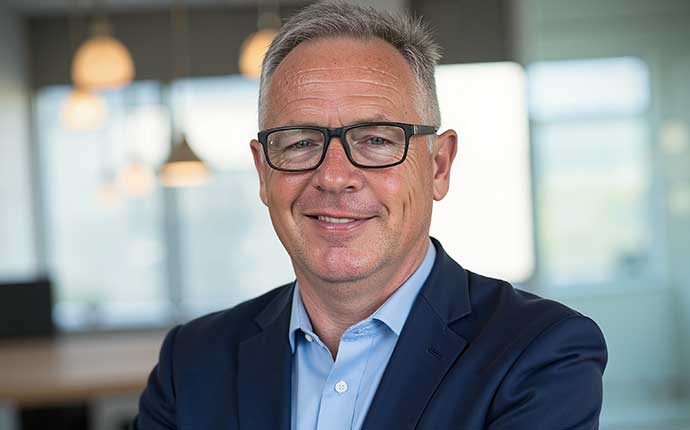
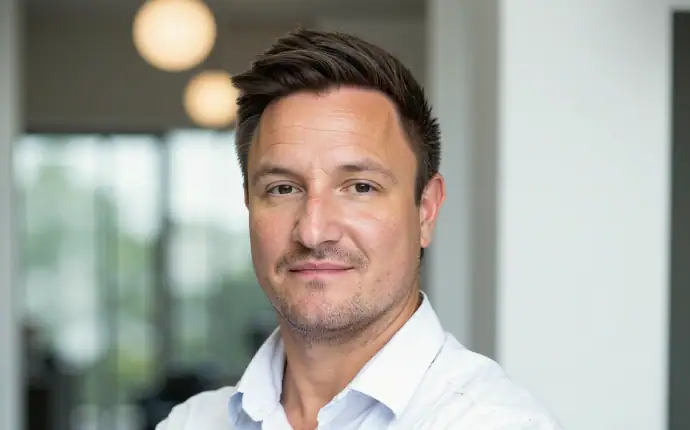
Our team is made up of experienced professionals who genuinely care. Many have walked this road themselves, and all are here to help you feel safe, seen, and supported.

앤디 타니아

이사

앤디 타니아는 운영 리더십과 공감적인 회복 코칭을 결합하여 고객이 재활 과정 전반에 걸쳐 자신의 이야기가 경청되고, 지지받으며, 힘을 얻는 경험을 할 수 있도록 돕습니다.

리처드 스미스

설립자 및 중독 전문가

해더 클리닉의 설립자는 39년의 전문성과 개인적 경험을 바탕으로, 증거 기반의 따뜻한 치료를 통해 타인을 돕는 데 헌신하고 있습니다.

에이미 싱

간호부장

정신건강 및 약물·알코올 중독 간호 분야에서 20년 이상의 경력을 가진 간호부장은 연민을 바탕으로 팀을 이끌며, 팀원들에게 영감을 주고, 양질의 치료를 보장하며, 환자 중심 접근법을 유지합니다.

라이언 우드

고객 연계 관리자

고객 연계 관리자로서 라이언은 전문적인 노하우와 개인적인 회복 경험을 결합하여, 초기 회복 단계에 있는 고객과 가족들을 따뜻한 마음으로 지원합니다.

케플레마리암 요한네스 박사

임상 심리학자

하더 사립병원 임상심리사 케플레마리암 요한네스 박사는 임상 전문성과 따뜻한 이해를 결합한 종합적 치료를 전문으로 합니다.

레이첼 패터슨

등록 정신간호사 및 말 보조 심리치료사

레이첼 패터슨은 전문적인 임상 지식과 자연의 치유력을 결합하여 모든 연령대의 환자들이 회복 과정에서 안정감을 느끼고 지지받으며 스스로의 힘을 되찾을 수 있도록 돕습니다.

조 타이슨

품질과 안전

20년 이상의 정신건강 분야 경력을 보유한 헤더 클리닉의 품질 및 안전 책임자는 안전하고 지원적인 환경을 보장하며, 환자 치료와 직원 지원에 있어 높은 기준을 유지합니다.

비비엔 데스마르셸리에

가족 코디네이터

비비엔 데스마르셸리에르는 회복 과정에서 연결, 소통, 그리고 함께 치유하는 것이 얼마나 중요한지 인식하는 포괄적이고 통합적인 치료를 통해 헤더 클리닉의 가족들을 지원합니다.

피터 엘-쿠리

프로그램 코디네이터

9년간의 지속적인 회복 기간과 알코올 및 기타 약물(AOD) 상담 자격증(AOD 4급 자격증), 정신 건강 자격증(정신 건강 4급 자격증)을 보유한 피터의 깊은 전문성은 그의 실제 경험과 맞먹습니다. 그의 여정은 2015년 헤더 클리닉에서 시작되었으며, 이곳에서 인생을 바꾼 12개월 프로그램을 완수했습니다. 이후 8년간 헤더 클리닉에 헌신해 왔으며, 현재 질롱 소재 헤더 프라이빗 시설에서 회복 프로그램을 총괄하고 있습니다.

자클린 바르코

프로그램 매니저

정신 건강 문제를 겪는 가족들을 위한 믿음직한 안내자로서, 재키는 자신의 회복 경험을 바탕으로 그 여정 속에서 지지와 이해를 제공합니다.

실바나 스케리

고객 연계 담당자

실바나는 헤더 클리닉에서 자비로운 고객 연계 담당관으로 근무하며, 알코올 및 기타 약물(AOD) 및 정신 건강 분야에서 10년간의 귀중한 경험을 보유하고 있습니다. 실바나의 이 분야 여정은 배커스 마쉬에 위치한 여성 전용 헤더 클리닉에서 헌신적인 지원 담당자로 시작되었으며, 그녀는 회복의 길을 걷는 개인들에게 흔들림 없는 지원과 보살핌을 제공했습니다. 그녀의 헌신과 전문성은 헤더 클리닉의 프로그램 코디네이터 역할로 이어졌으며, 이는 회복 여정을 걷는 개인들을 돕겠다는 그녀의 헌신을 더욱 공고히 하는 계기가 되었습니다.

키릴리 워른

행정 및 재무 관리자

2007년 클라이언트로서 회복의 길을 걸었던 키릴리는 현재 알코올 및 약물 중독(AOD)과 정신 건강 분야의 이중 자격을 보유하고 재무 관리 전문성을 바탕으로 클리닉의 성공에 기여하고 있습니다.

재키 웹

접수 담당자

75%

of residents transition to independent living after 6 months

65%

more likely to stay sober compared to unsupported clients

60%

secure employment or education during their stay

50%

reduction in relapse rates with structured housing support

A foundation for long-term success

What outcomes you can expect from transitional housing

Building a stable and fulfilling life is the best way to stay sober. Our results speak for themselves: greater independence, lasting change, and a real chance at long-term recovery.

아래에서 출처를 확인하세요:
Trusted. Certified. Committed to quality.

Our accreditations and professional standards

Our transitional housing program is supported by experienced AOD clinicians, peer workers, and case managers. Guided by the NSQHS Standards and principles set by the ACSQHC, we provide safe, recovery-focused accommodation with ongoing therapeutic support to help you rebuild independence.

Care that treats more than just symptoms

Our holistic approach to living clean

We combine therapy, mindfulness, movement, and purpose-driven living to support your full wellbeing and help you feel more like yourself again.

The Hader Clinic’s team
Guided by people who truly care

The team behind your recovery

Our staff includes clinicians, therapists, and recovery coaches with deep experience and compassion. Many have faced addiction themselves, so they understand what you’re going through and how to help you through it with patience, honesty, and care.

Where recovery continues safely and with support

Our transitional housing locations and facilities

Our recovery housing is located in Ocean Grove and Essendon, offering safe, shared homes with access to therapy, wellness programs, and nearby community services to support your reintegration.

입원 재활 프로그램 및 전환 주택 프로그램.

에센던
150-152 쿠퍼 스트리트, 에센던 빅토리아 3040

28일 금단 및 해독 프로그램을 위한 병원 재활 센터.

질롱
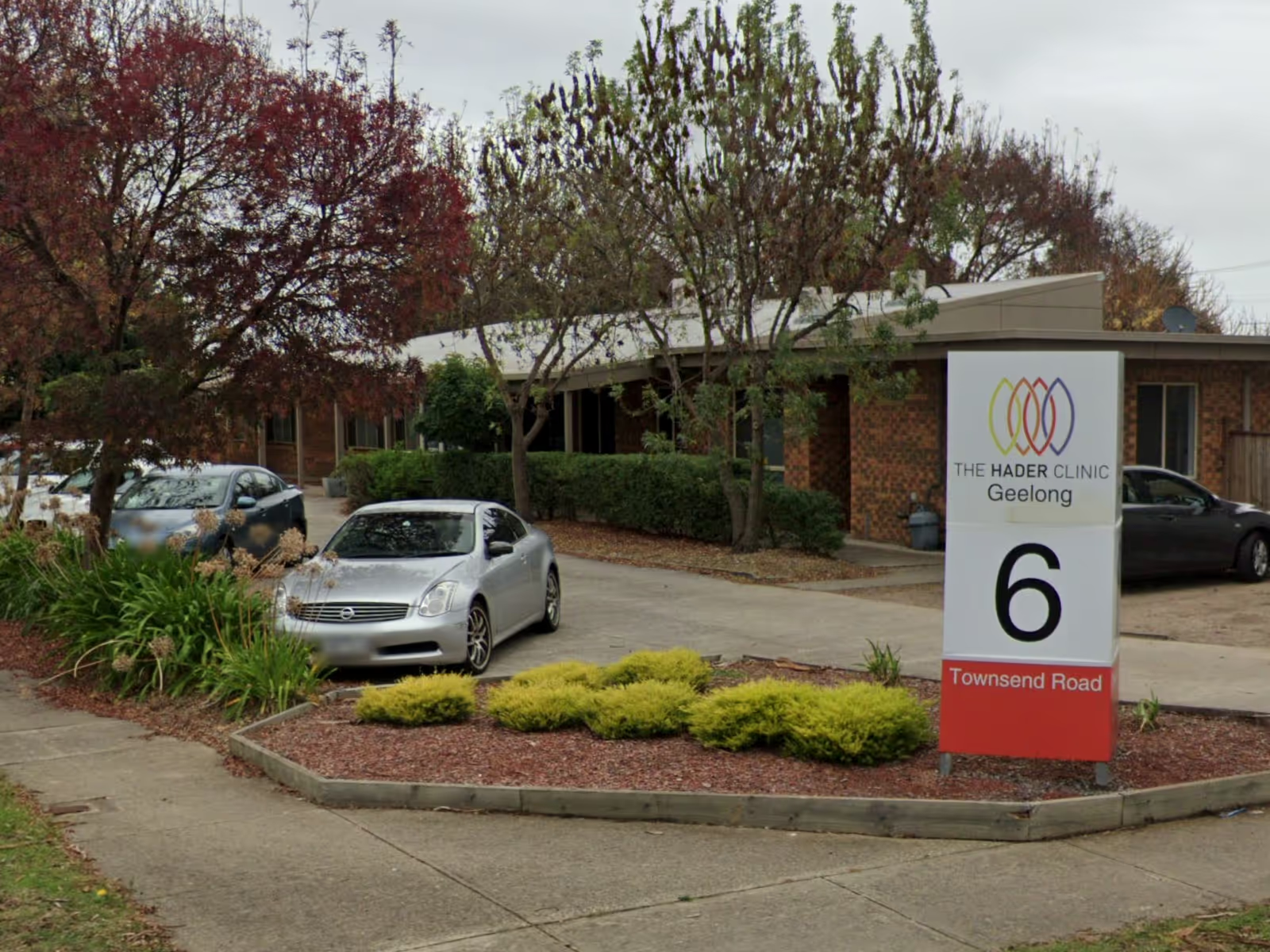
6-8 타운센드 로드, 세인트 앨번스 파크 VIC 3219
오늘 바로 다음 단계를 시작하세요

즉시 평가 받기

If you’re ready for support, we’re ready to help. Fill out the form, and our team will contact you quickly to guide you through the next steps — no pressure, just support.

이해하는 사람과 이야기하세요

감사합니다! 귀하의 제출이 접수되었습니다!
죄송합니다! 양식 제출 중에 문제가 발생했습니다.
Answers when you need them most

Frequently asked questions about transitional housing

Where is the transitional housing located?

Our transitional housing program provides accommodation at two key locations. One is at our Essendon rehab clinic in Melbourne, offering proximity to recovery services, public transport, and employment opportunities. The other is in Ocean Grove, a peaceful coastal town where residents live in shared homes designed to support recovery in a calm and grounded setting. These environments allow clients to reintegrate into the community while remaining connected to care.

Is there separate accommodation for men and women?

Yes. Both our Ocean Grove and Essendon sites offer separate, gender-specific housing options to ensure comfort, privacy, and a supportive environment for all residents. These shared spaces are designed to foster connection and mutual support among recovering addicts while also promoting stability and safety during this critical stage of transition.

What types of therapy are included in the program?

The treatment program includes ongoing individual counselling and guidance, group therapy, recovery coaching, and relapse prevention planning. These sessions take place within a therapeutic community environment and are grounded in evidence-based approaches. Continued support after our residential rehabilitation program is critical, and our therapy offerings help reinforce healthy behaviours and reduce the long-term risk of relapse.

What kind of life skills will I learn in transitional housing?

You’ll learn practical, confidence-building life skills like cooking, budgeting, self-care, time management, and regular living routines. These living skills help you move from recovery into independent living, with personal growth built into every part of the program. The goal is to help you build stability and learn how to work and live in a way that feels balanced and sustainable.

What are the housing facilities like?

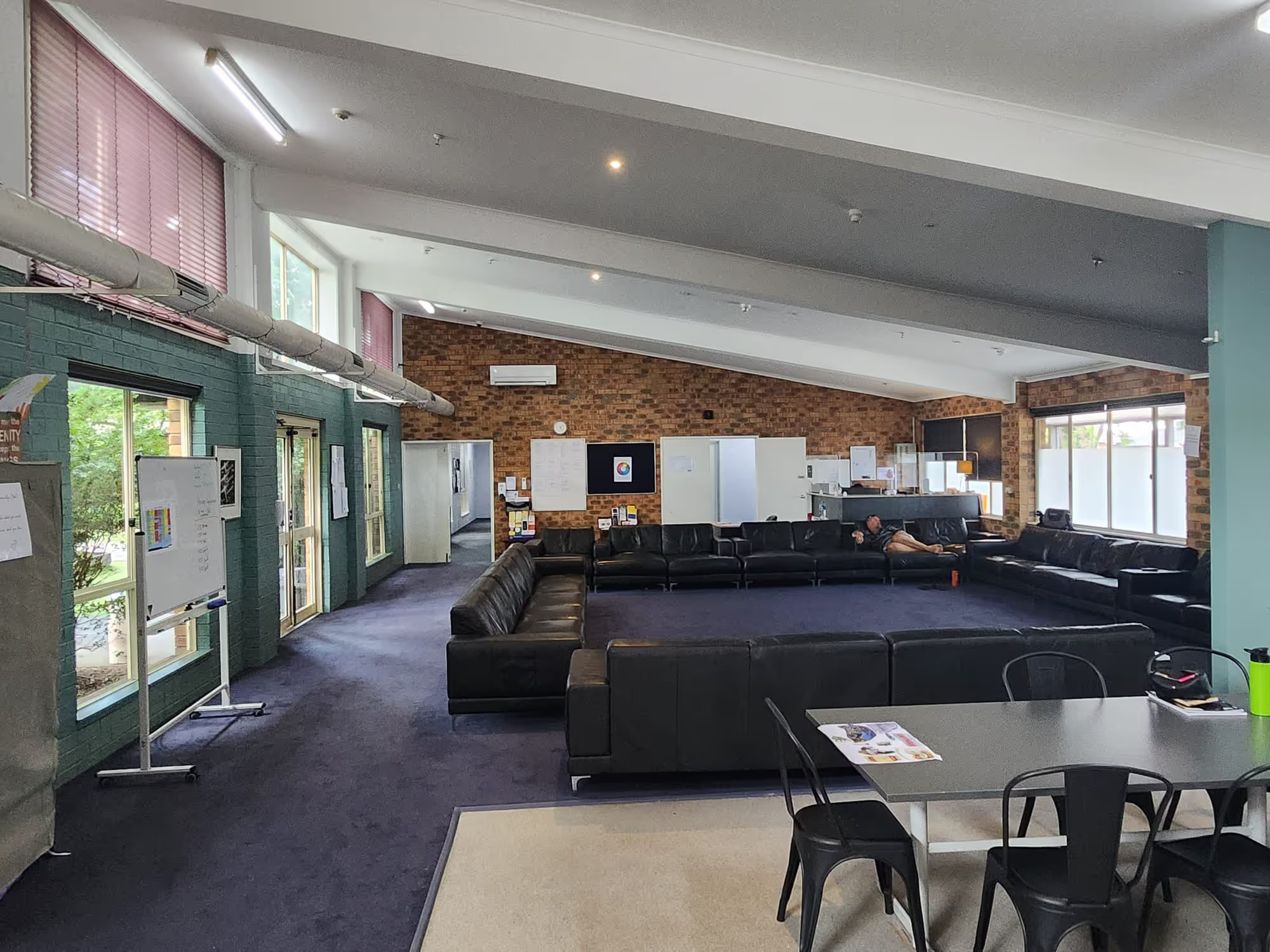
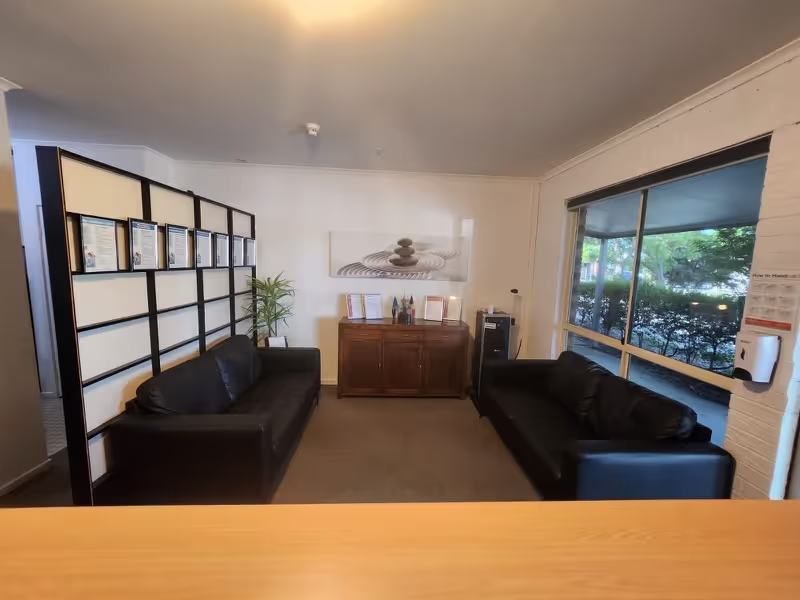
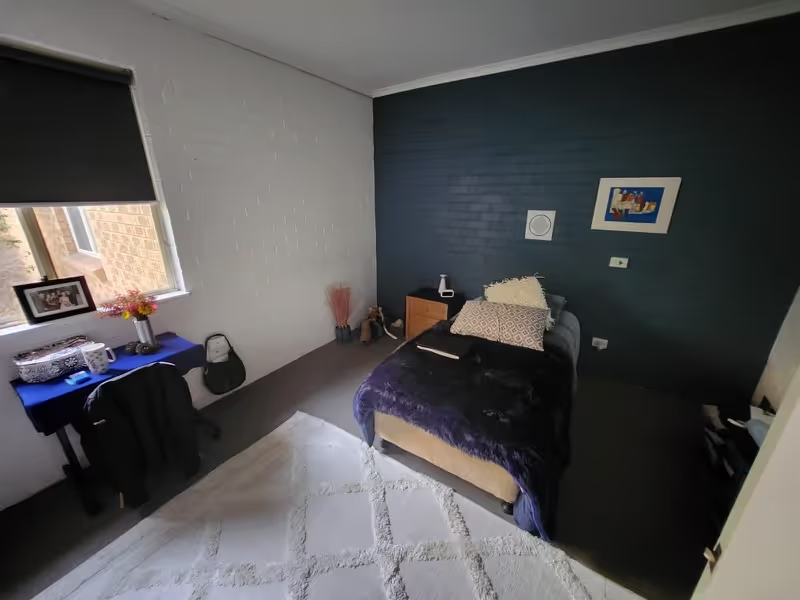
Our transition house facilities are fully furnished and designed to feel like home. Each property includes shared living spaces, kitchens, private or semi-private bedrooms, and access to wellness spaces for exercise and mindfulness. Residents benefit from on-site support and monitoring, ensuring safety and structure throughout their stay. These homes are purpose-built to build social connections and community.

What’s included in the cost of the program?

The cost includes accommodation, access to therapy, recovery group sessions, coaching, workshops, relapse prevention training, wellness activities, and support for employment or study. Transitional living isn’t just about housing — it’s about structured recovery. Everything included in your stay is aimed at helping you rebuild confidence, develop independence, and integrate safely back into life.

What does a typical day in transitional housing look like?

Each day offers a balanced mix of structure, support, and personal development. Mornings often start with goal setting or reflection, followed by group therapy or personal tasks like job applications. Afternoons may include counselling, volunteering, or wellness activities. Evenings offer shared meals and peer support. It’s a second phase of residential treatment, one designed to help you recover while building connections and routines.

What support is available for clients facing housing or cultural barriers?

We understand that recovery looks different for everyone, and that challenges like homelessness, cultural identity, or stigma can make it harder to ask for help. That’s why we partner with trusted organisations, including the Ngwala Willumbong Aboriginal Corporation, to provide culturally appropriate support for Aboriginal and Torres Strait Islander clients. We also create safe, respectful rehab spaces for all people, including LGBTQ+ individuals, seniors, pregnant mothers, and even faith-based rehab support for Christians, Muslims, Jews, and Seventh-day Adventists. As an accredited provider, we’re committed to personalised, inclusive care that honours your background, protects your dignity, and gives you a real chance to heal.