























Dual diagnosis support for OCD and addiction

Rehab for OCD and substance addiction treatment

강박 장애와 물질 사용은 일상생활을 감당하기 어렵게 만드는 방식으로 서로를 강화할 수 있습니다. 하지만 적절한 치료를 받으면 회복이 가능합니다.

지금 바로 자기 평가를 해보거나 상담사와 이야기해보세요. 어떠한 의무도 없습니다.

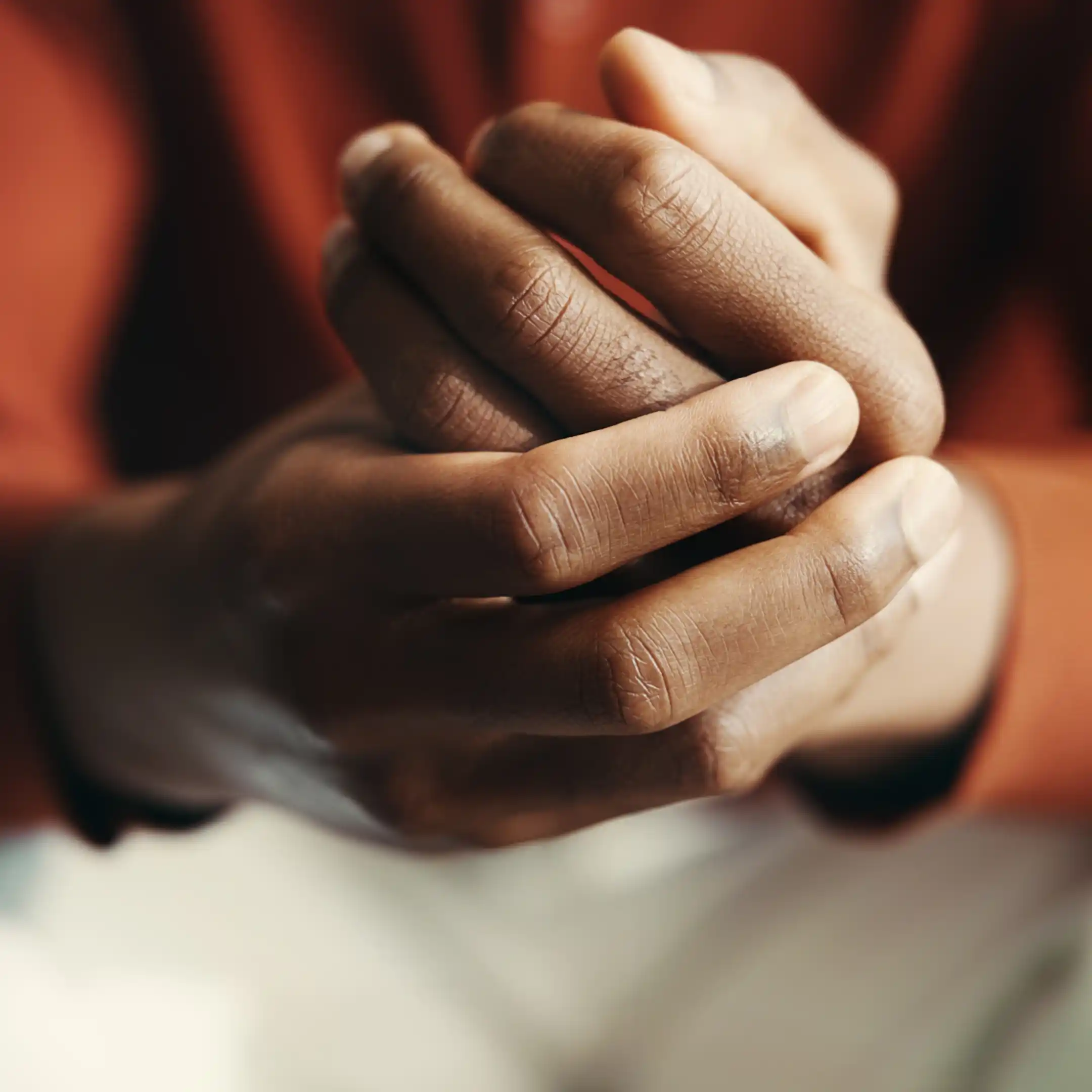
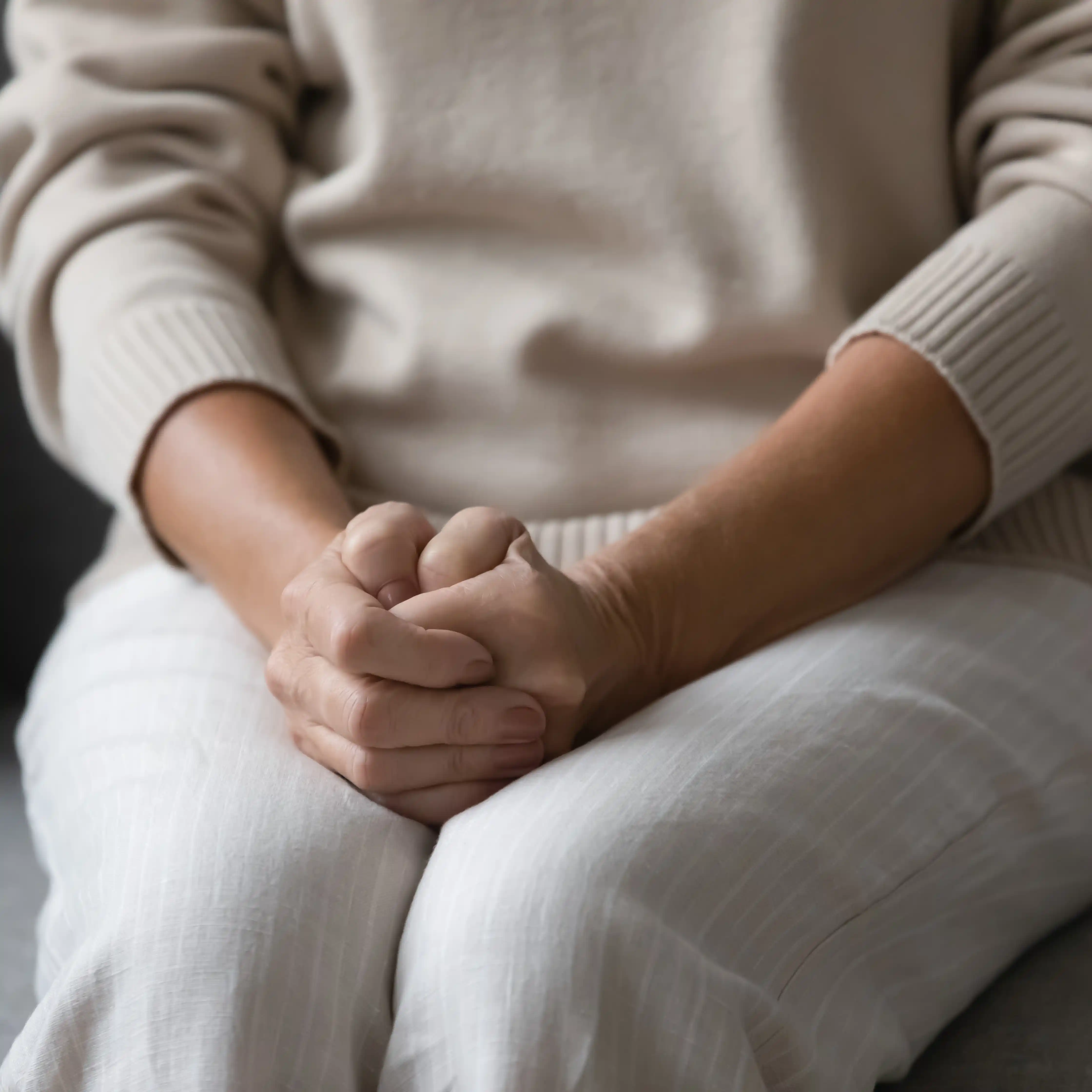
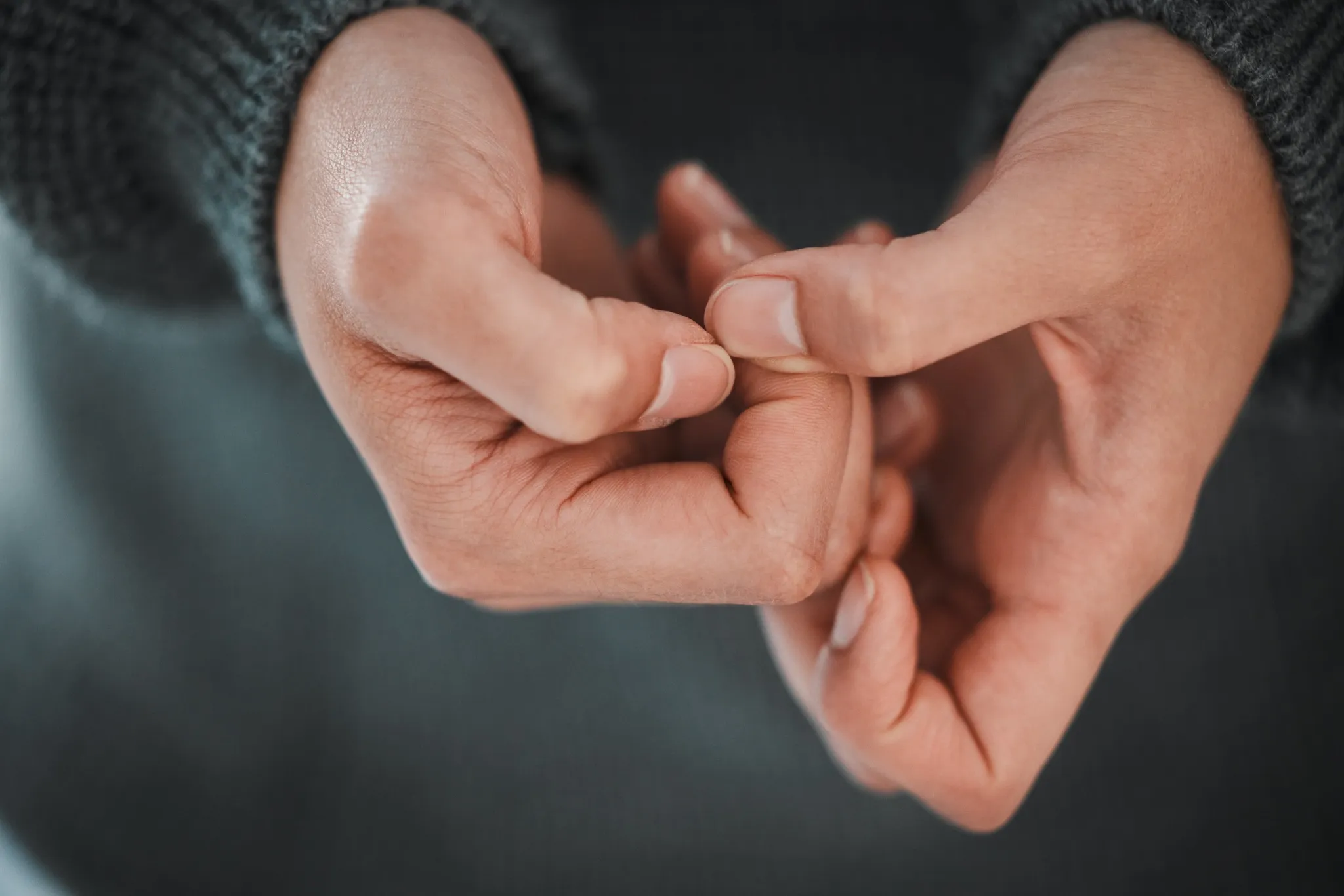
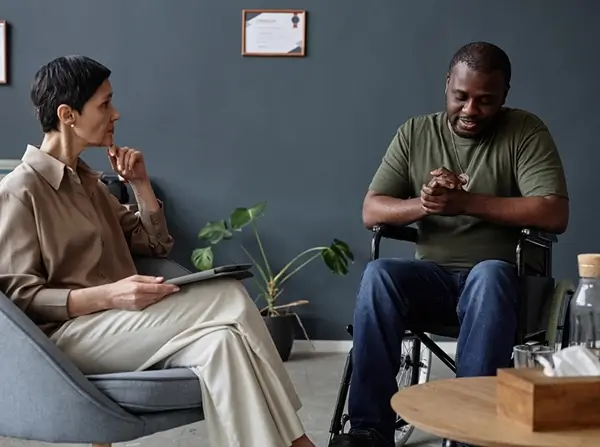
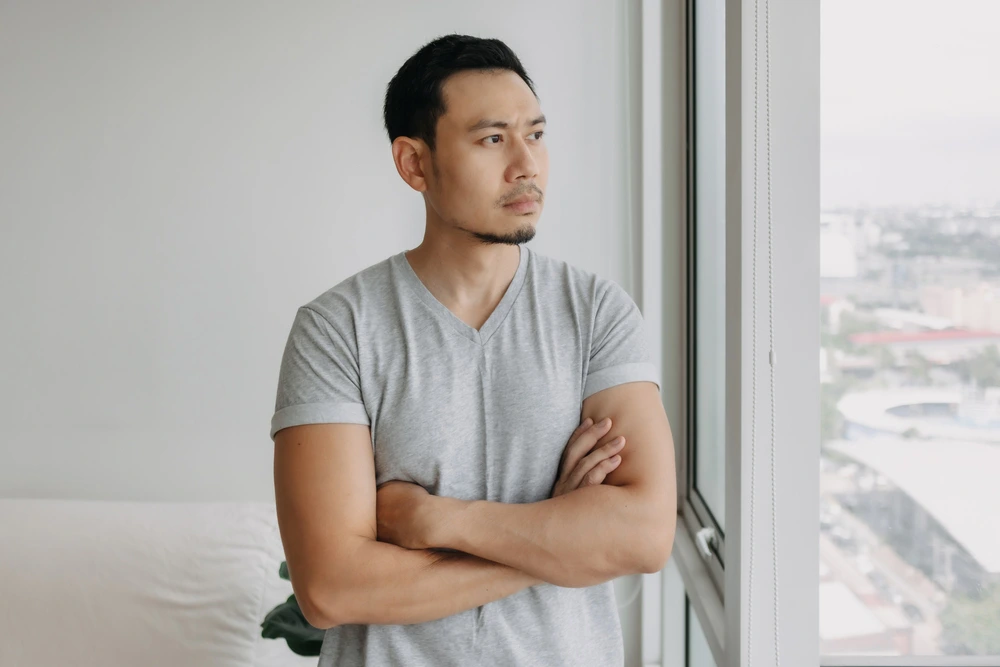
A close-up of a man’s hands clasped tightly in his lap during a therapy session, showing signs of anxiety and distress related to obsessive-compulsive disorder.

Dual diagnosis inpatient treatment

Integrated addiction and OCD care

Support for intrusive thoughts

Help managing compulsive urges

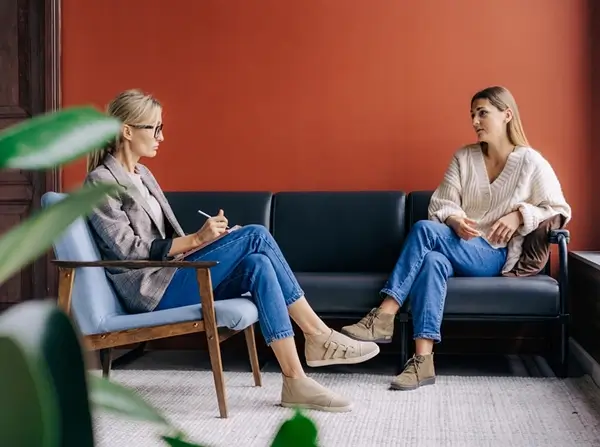
A woman in a yellow sweater sits and talks with a therapist holding a clipboard during a counseling session in a comfortable, modern office setting.
Understanding OCD and substance use

Why these conditions often overlap

One in four people with OCD will also struggle with addiction. Substance use often begins as a way to quiet obsessive thoughts or soothe compulsive behaviour. But instead of helping, it tends to magnify symptoms and lower impulse control.

We provide evidence-based, dual-diagnosis OCD treatment that addresses the neurobiological, emotional, and behavioural patterns behind both OCD and addiction. Our inpatient program includes medical support, cognitive and behavioural therapies, and relapse prevention planning delivered by a team experienced in complex mental health care.

  • At our Geelong private hospital, your detox will be supported by medical staff who understand substance use and compulsive urges
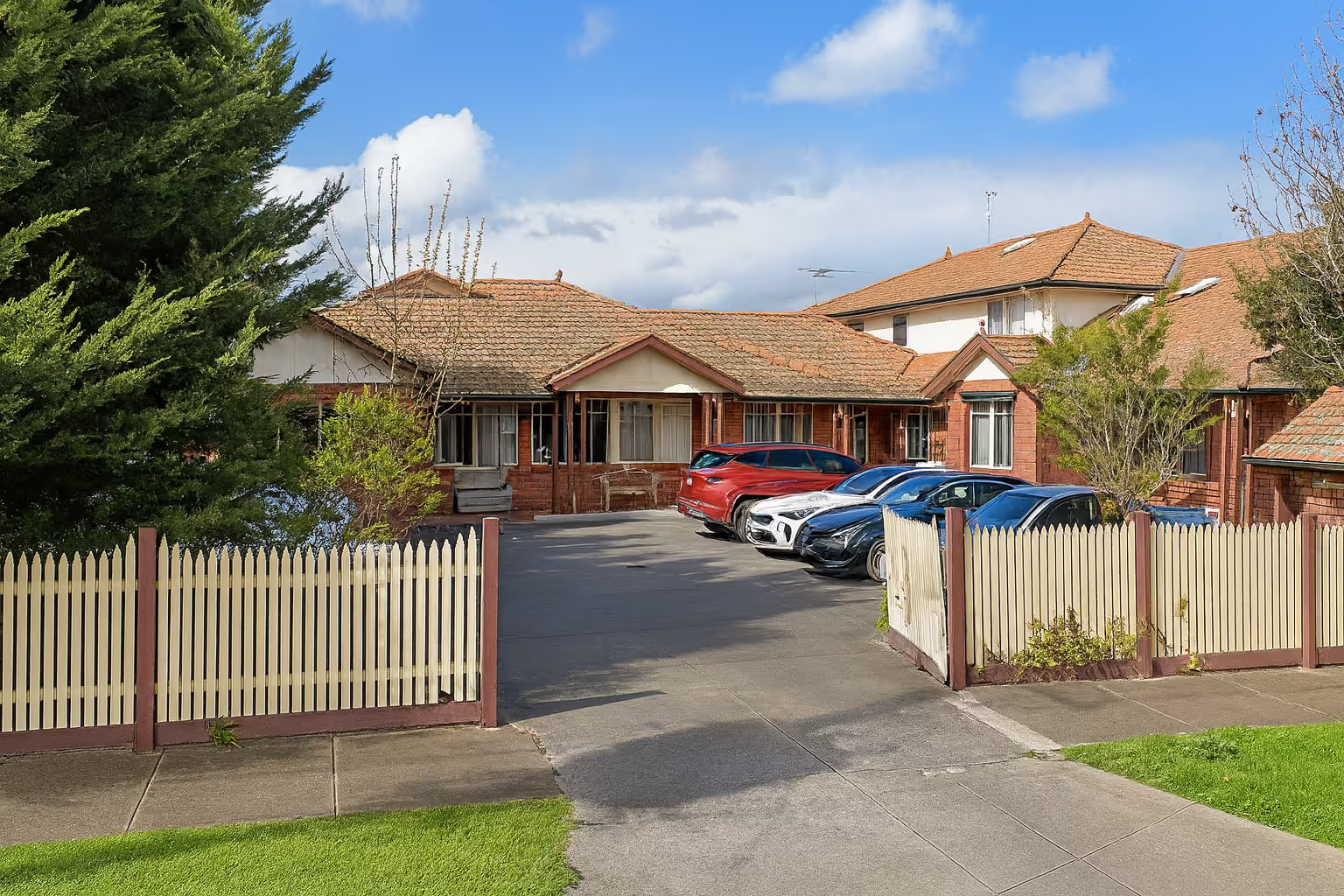
  • Our residential program in Essedon provides daily therapy and steady routine to reduce anxiety and interrupt compulsive patterns
  • The 90-day program gives you time to practise new responses, and stabilise both mental health and recovery together

편하실 때 연락드리겠습니다. 부담 없이 결정하시면 됩니다.

What to expect in our program

What's included and how it helps

We offer structured inpatient care for OCD and substance use, with a focus on stabilisation, skill-building, and long-term support for everyday life.

  • Daily one-on-one and group therapy sessions led by specialists
  • Support to manage intrusive thoughts and compulsive urges
  • Medication review and psychiatric support throughout your stay
  • Exposure and response prevention (ERP) and cognitive behavioural therapy (CBT)
  • Practical coping strategies and relapse prevention planning
  • Discharge planning and access to aftercare programs
More ways we can support your recovery

Mental health support that fits your needs

OCD often overlaps with other mental health conditions. That’s why we offer additional support for anxiety, depression, trauma, and more, so you get care that’s relevant to your experience.

외상 후 스트레스 장애

외상 후 스트레스 장애(PTSD) 및 중독에 대한 근거 기반 치료. 우리는 사람들이 안정화되고, 외상을 재처리하며, 더 안전하고 연결된 삶을 구축하도록 돕습니다.

정신분열증

정신분열증 재활 치료에는 전문적이고 통합적인 관리가 필요합니다. 우리는 정신병적 증상을 치료하고, 정신 건강을 안정시키며, 중독 관리까지 함께 돕습니다.

인격 장애

경계성 인격 장애와 중독은 종종 함께 나타납니다. 둘 다 압도적일 수 있지만, 적절한 치료를 받으면 회복이 가능합니다. 혼자서 맞서 싸울 필요는 없습니다.

강박장애

강박 장애와 물질 사용은 일상생활을 감당하기 어렵게 만드는 방식으로 서로를 강화할 수 있습니다. 하지만 적절한 치료를 받으면 회복이 가능합니다.

가정 폭력

과거 또는 현재 배우자 폭력(IPV)의 영향을 받은 사람들을 위한 지지적이며 트라우마에 대한 이해를 바탕으로 한 중독 재활 프로그램

우울증

우울증과 중독을 겪는 분들을 증거 기반의 따뜻한 치료로 지원합니다. 입원 프로그램을 통해 정신 건강, 약물 사용 및 이 두 가지의 근본적 스트레스 요인에 대한 통합적 지원을 제공합니다.

양극성

양극성 장애는 특히 중독이 동반될 경우 더욱 복잡합니다. 저희 입원 재활 프로그램은 양극성 장애와 중독을 동시에 해결하는 검증된 치료 옵션을 통해 양극성 장애를 가진 분들을 지원합니다.

불안

약물 남용 및 불안 치료 재활

분노 조절

통제되지 않은 분노와 약물 사용은 종종 함께 나타납니다. 우리는 고객이 자신의 행동의 근본 원인을 이해하고, 통제력을 회복하며, 영구적인 회복을 이루도록 돕습니다.

주의력 결핍 과잉 행동 장애

ADHD는 중독 치료를 더 어렵게 만들 수 있지만, 적절한 체계와 지원, 치료를 통해 회복은 분명히 가능합니다.

Understanding OCD and addiction

What this condition looks like and why it matters

OCD is more than a need for neatness or control. It’s a mental health condition driven by distress, repetition, and a sense that something bad might happen if you don’t act. When addiction is also present, it can make the symptoms harder to manage and the recovery path less clear. But there is a way forward.

What is obsessive-compulsive disorder?

OCD, or obsessive-compulsive disorder, is a long-term condition marked by obsessive thoughts and compulsive behaviours. These symptoms create significant emotional distress and can interfere with work, relationships, and…

Symptoms of OCD and what it can feel like

OCD shows up differently for different people. For some, it involves outward rituals like checking or cleaning. For others, the distress is internal and invisible — a mental loop of fear, shame, or the need to feel 'just…

Why addiction gets involved

Many people with OCD turn to substances when compulsions stop working or when intrusive thoughts become too intense. Substances offer short-term relief, but they can deepen distress and reduce impulse control. What…

What treatment looks like

Effective treatment for OCD and addiction means addressing both together. We use evidence-based approaches to help manage distress, challenge patterns, and build lasting recovery. Our team understands the complexity of…

What happens if you don’t get help

OCD and substance use rarely go away on their own. Without treatment, the cycle of thoughts and behaviours can become more intense, time-consuming, and disruptive. Substance use can increase risk and deepen the emotional…

기밀 자체 평가 도구

음주나 약물 사용이 걱정되시나요?

이 짧은 비밀 보장 퀴즈는 2분도 채 걸리지 않으며, 현재 상황을 이해하는 데 도움이 될 수 있습니다. 알코올, 약물 또는 여러 가지 우려 사항 중 가장 관련성이 높다고 느껴지는 범주를 선택하시면, 간단한 예/아니오 질문 몇 가지를 안내해 드리겠습니다.

마지막에는 답변을 바탕으로 재활 치료를 고려할 시점인지 알려드리며, 시작하기 위한 안전하고 비밀 보장되는 옵션을 공유해 드립니다.

지금 퀴즈를 풀어보세요
How our programs help

We support dual diagnosis recovery

Treating OCD and addiction at the same time takes skill, structure, and experience. Our integrated programs provide medical detox, inpatient rehab, behavioural therapy, and long-term support for people with complex needs. Whether you’re just starting out or rebuilding after relapse, we offer practical, personalised care from day one.

주거 프로그램

안전하고 회복 중심의 환경에서 체계적인 지원, 치료 및 생활 기술 훈련을 제공하는 거주형 재활 프로그램.

상담 세션 중 손을 잡고 있는 젊은 부부, 가족 및 관계 치료를 통해 지원을 구하고 있다.

가족 프로그램

교육, 그룹 지원 및 상담을 통해 가족들이 중독을 이해하고 사랑하는 사람의 회복을 지원할 수 있도록 돕습니다.

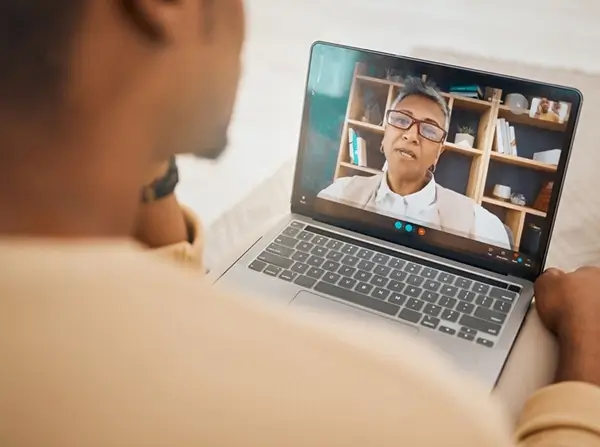
가정을 통해 가상 회복 세션에 참여하는 여성, 'Hader at Home' 온라인 재활 프로그램을 통한 체계적인 치료에 참여 중

헤더의 집

재활 후 관리를 위한 완전 디지털 회복 프로그램으로, 매일 체크인, 온라인 치료, 자가 학습 워크북을 제공합니다.

갈색 머리의 여성이 그룹 치료 중 개인적인 돌파구를 공유하며 미소 짓고, 외래 치료 회복 과정에서의 진전을 축하하고 있다.

집중 외래 치료 프로그램

일상에 맞춰 설계된 체계적인 중독 지원 프로그램으로, 치료, 그룹 세션 및 재발 방지를 포함합니다.

한 남성 거주자가 재활 상담사와 대화를 나누고 있다.

상담

트라우마 중심 치료, 중독 상담 및 가족 지원 서비스를 대면 또는 안전한 온라인 세션을 통해 이용하실 수 있습니다.

집에서 진심 어린 중재를 마친 후, 중독 치료를 받기로 동의한 파트너를 포옹하며 지지와 격려를 보내는 여성.

개입

가족이 안전하고 체계적인 중재를 진행하고 사랑하는 사람을 치료로 이끌 수 있도록 지원하는 전문적인 지원 서비스.

사적인 고급 주거지에서 바라보는 모래로 된 뒷마당과 해변을 조망할 수 있으며, 평화롭고 은밀한 휴식을 위해 설계된 라운저와 열대식물 조경이 마련되어 있습니다.

경영진 재활 프로그램

사적인 1:1 치료를 제공하는 고급스러운 환경에서 완벽한 비밀 보장 및 맞춤형 회복 일정을 제공합니다.

ANZAC 데이 추모 장면: 빈티지 호주 육군 .303 소총, 슬라우치 햇, 떠오르는 태양 휘장, 군인 군번줄, 화환, 그리고 배경에 호주 국기가 배치됨

DVA 재활

참전용사 및 응급구조대원을 위한 외상 중심 전문 입원 치료 서비스로, 자격 요건을 충족하는 DVA 고객에게는 전액 지원됩니다.

법원 명령에 따른 재활 프로그램의 일환으로, 공동 공간의 소파에 앉아 개인 일기를 작성 중인 한 거주자.

법원 명령 재활

구속 또는 선고 요건을 충족하기 위한 해독, 치료 및 법의학적 보고를 포함한 체계적인 입원 프로그램.

전환 주택에 거주하는 한 남성이 입원 재활 치료 후 구조와 독립성을 재건하며 새로운 하루의 일을 준비하며 신발끈을 묶고 있다.

과도기적 주거

재활과 독립 생활 사이의 간극을 메우기 위한 치료, 체계적 지원 및 회복 중심의 주거 서비스.

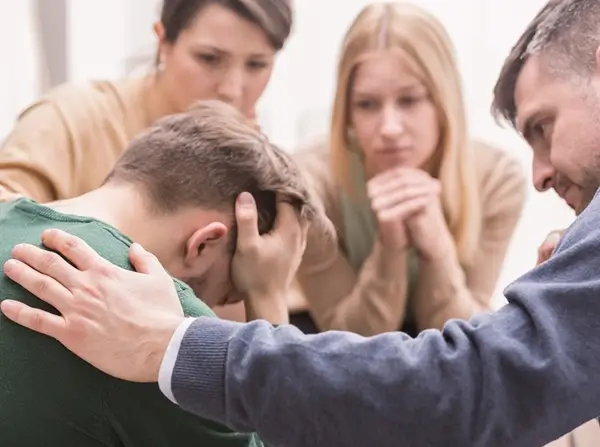
의료적 해독 센터에서 진행되는 지지적 집단 치료 세션. 다양한 배경을 가진 내담자들이 자신의 경험을 나누고, 심리학자가 새로 참여한 내담자를 부드럽게 격려하는 자리.

병원 해독

면허를 취득한 사립 병원에서 24시간 의료진이 감독하는 해독 치료를 제공하며, 금단 증상 지원 및 정신과 치료를 포함합니다.

프로세스가 어떻게 진행되는지

회복을 단계별로 안내하는 방법

단계1

Initial assessment and planning

We begin with a thorough intake and clinical assessment so we can understand your needs, history, and goals.

단계2

Dual diagnosis treatment delivery

You’ll receive an evidence-based program that treats your mental health and substance use with ERP, CBT, and daily therapy.

단계3

Transition and aftercare support

As your program ends, we help you prepare for what’s next with relapse prevention tools and continuing care options.

준비되셨을 때 언제든지 저희가 도와드리겠습니다 – 전화 상담 예약하거나 지금 바로 상담원과 이야기해 보세요.

What makes our approach different

Why our OCD rehab works

We treat OCD and addiction together because we understand how deeply they influence each other. Our team includes experienced dual diagnosis clinicians who personalise care for every client. We prioritise long-term stability and outcomes over short-term fixes.

Integrated support for your diagnoses

We treat both conditions together, not separately, for stronger outcomes and real recovery.

Clinical expertise in dual diagnosis care

Our team understands the specific needs of clients with OCD and addiction.

증거 기반 및 트라우마에 대한 이해를 바탕으로 한

We use ERP, CBT, and trauma-aware approaches in a safe, structured setting.

Personalised care that meets your needs

We tailor your plan with input from you, and adjust it as you progress.

장기적 회복을 지원하는 서비스

전문 재활 서비스를 살펴보세요

We offer a wide range of services that support our clients before, during, and after treatment.

알코올 재활

알코올 의존이 신체적, 정서적, 행동적 측면에 미치는 영향을 다루는 맞춤형 프로그램.

약물 재활

다양한 불법 약물 및 처방약에 대한 체계적이고 지원적인 입원 치료 프로그램.

응급 재활

위기 상황에 처해 긴급한 안정화 치료가 필요한 사람들을 위한 신속 입원 옵션.

재발 방지

실생활에서 적용 가능한 실질적인 전략으로 유발 요인을 관리하고, 재발을 방지하며, 장기적인 회복을 유지하는 방법.

Your care is fully accredited

Accreditation you can trust

저희는 국가 안전 및 품질 보건 서비스(NSQHS) 기준에 따라 완전히 인증받았으며, 호주 의료 안전 및 품질 위원회(ACSQHC)의 관리를 받고 있습니다.

진정한 회복의 이야기들

고객님들의 치료 후기

Many of our clients came to us after years of struggling with OCD, addiction, or both. Through personalised care, they’ve found a path to stability, clarity, and long-term recovery.

알리 아데미

수년간의 트라우마, 중독, 상실 끝에 알리는 자비로운 팀의 지원, 공동체 의식, 그리고 장기적인 치유에 대한 헌신을 통해 삶을 재건할 힘을 찾았다.

32년간의 중독 생활 끝에 민 팜은 헤더 클리닉에서 희망과 치유, 새로운 길을 찾았습니다. 그의 여정은 공동체와 연민, 용기의 힘을 증명하는 사례입니다.

피터 엘-쿠리

여러 번의 재발 끝에 피터는 헤더를 통해 장기적인 회복을 이루었습니다. 치료, 공동체, 그리고 임상적 돌봄이 어떻게 그가 삶을 되찾는 데 도움을 주었는지 읽어보세요.

A safe, private place to heal

Care designed to ease mental overload

Care at The Hader Clinic is delivered through a structured, clinically supported program based in Geelong. Treatment begins in our licensed private hospital with medically supervised detox, providing calm, stabilising support for managing obsessive thoughts and anxiety. Recovery then continues through consistent therapeutic care focused on routine, emotional regulation, and building healthier mental patterns. This approach helps reduce overwhelm while supporting steady, sustainable progress.

질롱

Medically supported detox, inpatient residential rehabilitation, and transitional housing programs.

6-8 타운센드 로드, 세인트 앨번스 파크 VIC 3219

83%

90일 프로그램을 완료한 고객들은 12개월 후에도 금주를 유지합니다.

72%

클라이언트는 장기적 참여를 지원하고 재발 위험을 줄이기 위해 Hader@Home 사후관리 또는 전환 주택 프로그램에 등록합니다.

60%

체계적인 사후 관리를 이용하는 고객들은 회복을 유지하고 재발을 피할 가능성이 현저히 높습니다.

50%

중독을 가진 사람들의 절반은 동반된 정신 건강 문제를 함께 겪고 있어, 이중 진단 지원의 필요성을 강조한다.

Measuring what matters

믿을 수 있는 프로그램 성과

These are our results — not general estimates or industry guesses. Most rehabs don’t track outcomes like these. The few that do rarely match what we’ve achieved. Our statistics reflect what happens when clients with OCD and addiction receive structured, dual diagnosis care from experienced professionals. Every figure below is backed by clinical rigour, personal support, and long-term follow-up.

아래에서 출처를 확인하세요:

Get in touch with our team now

You don’t have to wait until things get worse. We’re here to help you start your recovery safely, confidentially, and without judgement.

무료 온라인 평가를 받아보세요

간단한 비공개 퀴즈를 통해 재활 치료가 도움이 될 수 있는지 확인하고 안전한 지원 옵션을 알아보세요.

무료 상담 예약하기

 편하신 시간에 전문가와 비밀 보장되는 전화 상담을 예약하세요.

지금 전화하세요

 즉시 누군가와 상담하여 안내와 지원을 받으십시오.

비용과 지원 방법

재활 및 회복을 위한 자금 조달 방안

We make addiction and OCD rehab more accessible with flexible funding solutions and clear, upfront pricing.

재활 비용

A full breakdown of inpatient, outpatient, and aftercare program pricing and what’s included.

재활 치료 옵션을 알아보세요

자금 조달 옵션

Explore your options, including private insurance, superannuation access, payment plans, and third-party support.

자금 조달 비용에 대해 자세히 알아보기
The people behind your recovery

Meet our dual diagnosis clinical team

Our team includes addiction specialists, trauma-trained therapists, and medical professionals experienced in treating OCD and substance use together.

앤디 타니아의 이미지
The people behind your recovery

Who we are and why we care

We are a nationally accredited addiction treatment provider with a long track record of helping people overcome complex mental health challenges.

Help for yourself or someone else

Support for you or someone you love

OCD and addiction affect more than just the person using. Whether you need help or want to support someone else, we’re here to guide you.

자신을 위한 재활

Get confidential, personalised care for OCD and addiction that respects your story and supports long-term recovery.

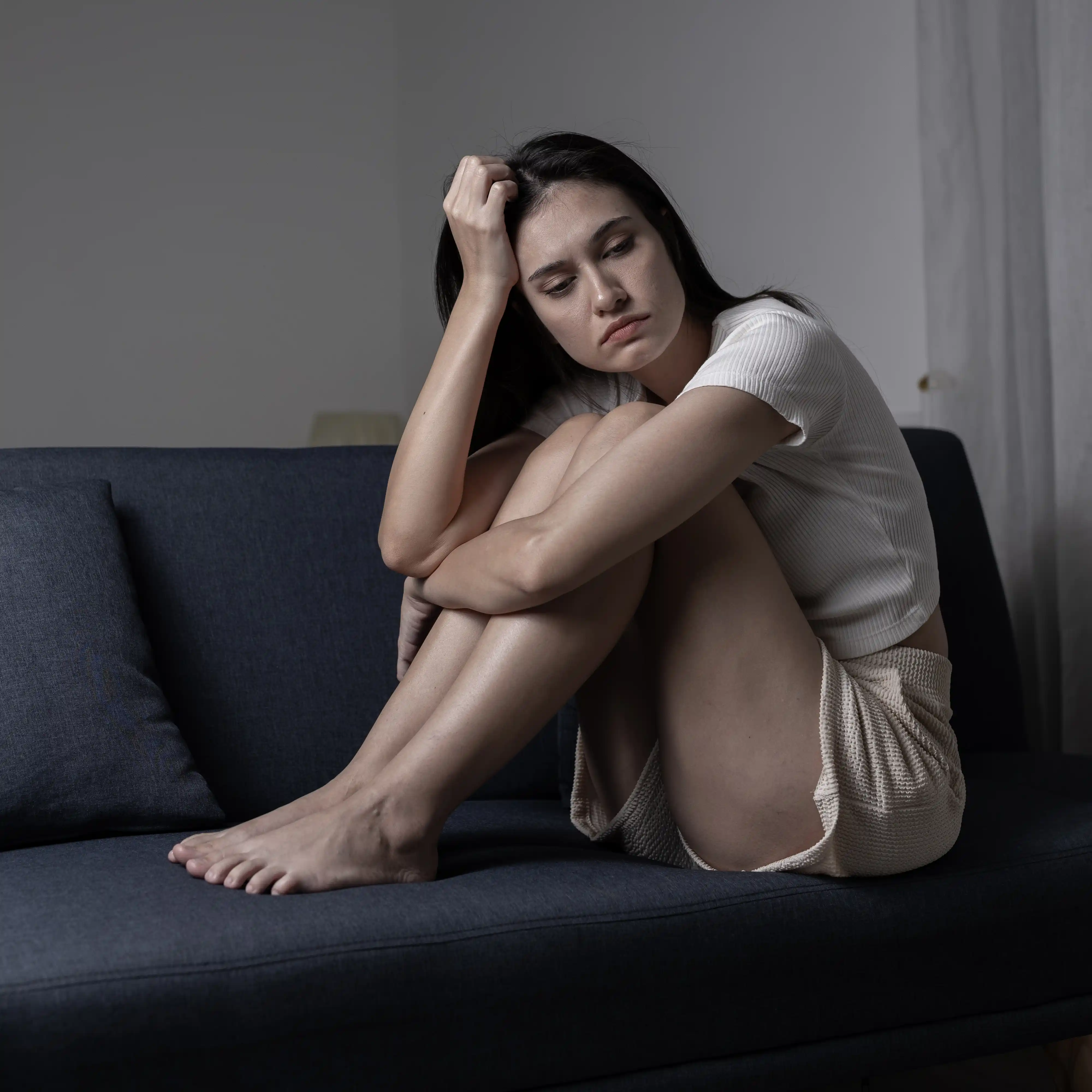
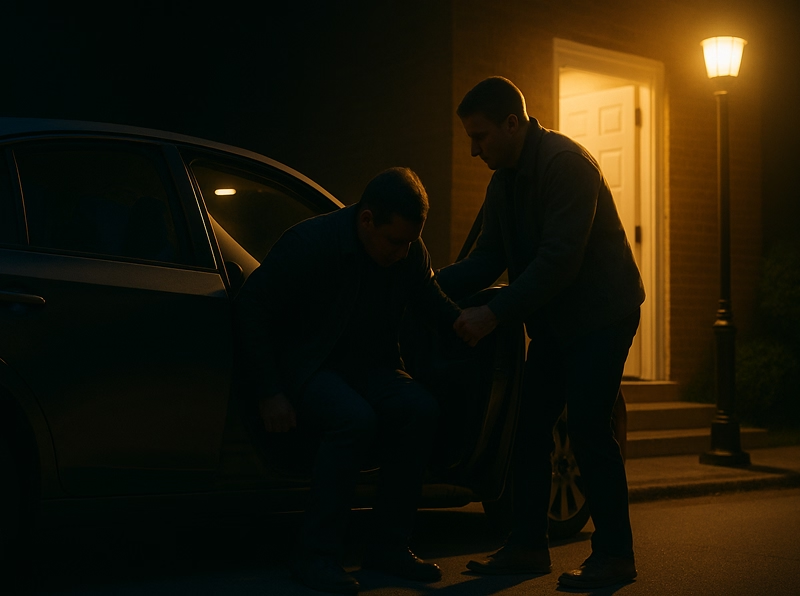
밝은 창가 소파에 몸을 웅크린 채 앉아 있는 여자는 사색에 잠긴 듯한 모습으로 걱정스러운 표정을 띠고 있다.

사랑하는 사람을 위한 재활 치료

If someone you love is struggling, we can help you understand what they need and how to support their recovery.

한 부부가 상담사 사무실에 함께 앉아 걱정과 지지를 담아 경청하고 있다
Insights and information

More about OCD, addiction, and recovery

Our resource centre includes helpful guides and honest advice for people living with OCD and substance use, or supporting someone who is.

Take the first step today

이해하는 사람과 이야기해 보세요

No matter where you’re starting from, we’re here to help. Reach out to our team for confidential advice and practical next steps.

이해하는 사람과 이야기하세요

감사합니다! 귀하의 제출이 접수되었습니다!
죄송합니다! 양식 제출 중에 문제가 발생했습니다.
필요한 명확성을 얻으세요

자주 묻는 질문

What makes dual diagnosis treatment for OCD and addiction different from standard rehab?

Standard rehab often focuses on addiction alone. For individuals with OCD, treating one condition in isolation isn’t enough. At The Hader Clinic, our dual diagnosis rehab addresses both conditions together with:

  • Thorough psychiatric assessment to ensure the correct diagnosis
  • Integrated treatment plans using therapy and medication
  • Behaviour therapy, including ERP and CBT, as part of daily care
  • Relapse prevention and long‑term management

This approach reduces disruption, targets root causes, and builds skills to manage symptoms in day‑to‑day life.

Do you use ERP in your treatment program, and how is it delivered?

Yes. Exposure and Response Prevention (ERP) is a core part of how we treat OCD. ERP is a gold‑standard therapy that helps reduce obsessive thoughts and compulsions over time. We deliver ERP within a broader plan that includes medical care, structured behavioural therapy, and relapse support. Sessions are led by qualified therapists and tailored to your needs.

How do you support people who feel shame or fear about their OCD symptoms?

Shame and fear are common in OCD, especially for taboo or intrusive thoughts. We meet every client with an empathetic, non‑judgemental approach. Through therapy, groups, and education, clients learn that OCD is a disorder driven by distress — not weakness. We also teach safer ways to seek relief without compulsions or substances, and include families through our family program.

Can I start treatment if I haven’t been formally diagnosed with OCD yet?

Yes. You do not need a formal diagnosis before entering treatment. During intake you’ll receive a full psychiatric assessment to explore OCD, addiction, and contributing factors such as trauma or anxiety. If OCD or co‑occurring conditions are identified, we’ll build a personalised plan for stabilisation and long‑term support.

프로그램 중에 재발하면 어떻게 되나요?

Relapse is not failure. OCD symptoms and substance use can both spike under stress. If you relapse, we respond with compassion and clinical support, reassessing and adjusting your plan. You’ll continue receiving care unless safety is a concern. Every program includes relapse prevention to help you spot early signs and stay on track.

Do you offer support for people with OCD who aren’t ready for inpatient rehab?

Yes. We offer flexible outpatient services including therapy, medication reviews, and relapse planning. These help you manage OCD symptoms and reduce substance use in day‑to‑day life — a good option for people with stable but disruptive symptoms.

Is your staff trained specifically in treating OCD alongside addiction?

Yes. Our clinical team includes therapists, psychologists, and medical professionals trained in dual diagnosis and OCD treatment, including ERP and CBT. We support clients with high anxiety, perfectionism, and compulsions like cleaning, checking, or reassurance‑seeking, and adjust care for unique triggers (e.g., contamination fears, religious obsessions, trauma‑based rituals).

How do you personalise treatment for people with compulsions that aren’t visible?

Not all compulsions are obvious. Some are mental rituals like counting or reviewing. Others involve covert reassurance‑seeking. We tailor each plan to internal and external compulsions using modified ERP, skills training, and (when helpful) medication — so you can take back control in everyday life.