










When mental health and addiction overlap

Dual diagnosis rehab for addiction and mental health issues

When mental health symptoms and substance use collide, it takes integrated care to truly heal. By helping you overcome your addiction, we can help alleviate the mental health issues that have grown out of it.

지금 바로 자기 평가를 해보거나 상담사와 이야기해보세요. 어떠한 의무도 없습니다.

A young man in a consultation with his GP in a doctor’s office. He’s getting a mental health plan referral.

Integrated mental health care

Experienced dual diagnosis team

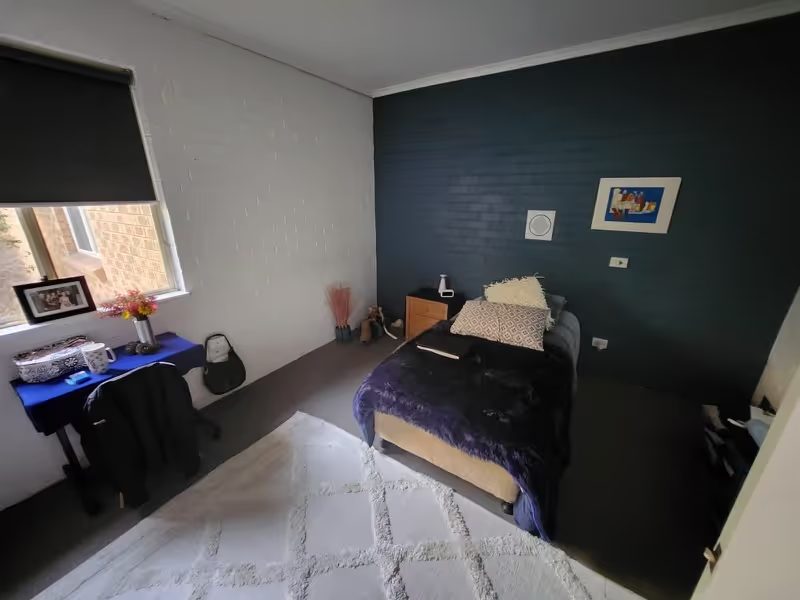
Safe inpatient rehab environment

Tailored recovery treatment plans

A group of our clients in a counselling session in our drug detox program.
One team, one plan, full support

Dual diagnosis rehab helps you recover from addiction and mental illness

Addiction can worsen mental health symptoms, while untreated mental health challenges can make it harder to stay sober. The Hader Clinic’s dual diagnosis treatment helps people living with both a substance use disorder and a co-occurring mental health condition, such as anxiety, depression, PTSD, bipolar disorder, or schizophrenia.

Our priority is to treat the disease of addiction first, while also helping clients understand, manage, and stabilise the psychological symptoms that accompany it. Here’s how we do that:

  • Addiction-focused care with mental health support: We treat addiction as the primary illness while addressing co-occurring mental health symptoms within the same plan.
  • Comprehensive clinical and therapeutic care: Each program blends medical detox, counselling, and evidence-based therapy with compassion and understanding.
  • Holistic recovery pathway: Clients learn to manage their emotional well-being, rebuild daily structure, and reconnect with purpose and community.
Designed for dual diagnosis recovery

What’s included in our integrated rehab

We combine therapeutic support with medical supervision and structured care to address every layer of dual diagnosis.

주요 기능 및 장점

  • Daily mental health and addiction counselling sessions with experienced clinicians
  • Psychiatric assessment and medication support where clinically appropriate
  • Stabilisation and monitoring during drug withdrawal under medical supervision
  • DBT and trauma-informed practices for emotional regulation and safety
  • Peer support from staff who’ve recovered from dual diagnosis themselves
  • Structured daily activity program to rebuild confidence and purpose
Understanding dual diagnosis

Addiction and mental illness often go hand in hand

Many people experiencing addiction are also struggling with a mental health condition, and it’s more common than you might think. Substance use disorders are a type of mental illness, affecting around 650,000 Australian adults in any given year.

이중 진단이란 무엇인가요?

Dual diagnosis refers to the experience of having both a mental health disorder and a substance use issue at the same time. The two problems often feed into each other: people may use drugs or alcohol to manage symptoms like anxiety or depression, while long-term substance use can worsen existing mental illness. Addressing both sides together is essential for real, lasting recovery.

Common symptoms and signs

When mental health and substance use conditions overlap, the symptoms often mimic or mask each other. This can make it hard to identify the root cause, even for health professionals. You might see mood swings, paranoia, withdrawal from loved ones, or unexplained aggression. It’s also common to notice trouble concentrating, erratic behaviour, or worsening psychiatric symptoms after drug or alcohol use.

  • People may isolate, self-medicate or display emotional volatility without a clear cause.
  • Mental health symptoms may fluctuate in severity depending on drug or alcohol use patterns.
  • It’s common to see denial or confusion about which issue is causing what, and what to do next.

How a dual diagnosis affects people

Living with a co-occurring disorder can feel chaotic, especially when support services treat one problem while ignoring the other. Without integrated care, people may bounce between hospitals, detox, and crisis services without ever receiving the right treatment. This can lead to further harm, feelings of failure, and worsening instability, not only for the person but also for their loved ones.

  • It may become difficult to maintain housing, relationships or employment due to instability.
  • Some people are misdiagnosed or turned away from services because of their co-occurring issues.
  • The risk of suicide, overdose, hospitalisation or incarceration increases without integrated care.

Treatment for a dual diagnosis

Treatment needs to reflect the full picture of what someone is facing. At The Hader Clinic, we offer a holistic dual diagnosis program. Our approach includes medical supervision, trauma-informed counselling, medication review, and behavioural therapies like DBT to help clients build skills and regain emotional control.

  • Programs use DBT, trauma-informed care, and medication review to stabilise symptoms.
  • A team of AOD and mental health clinicians work together on one clear treatment plan.
  • Services should be residential, integrated, and specialised in dual diagnosis from day one.

Recovery with dual diagnosis rehab treatments

Recovery is absolutely possible, even for people who feel like they’ve exhausted every option. With the right support, people with dual diagnosis can learn to manage their symptoms, reduce drug use, and rebuild their lives. Ongoing care is essential — recovery doesn’t end after rehab, and we’ll help connect you with the mental health and addiction services you need to keep moving forward.

  • The first step is finding a rehab centre that understands and treats both parts equally.
  • Long-term recovery means ongoing mental health care alongside addiction support.
  • Our team will help you find what works for you — and stay with you throughout the process.
기밀 자체 평가 도구

음주나 약물 사용이 걱정되시나요?

이 짧은 비밀 보장 퀴즈는 2분도 채 걸리지 않으며, 현재 상황을 이해하는 데 도움이 될 수 있습니다. 알코올, 약물 또는 여러 가지 우려 사항 중 가장 관련성이 높다고 느껴지는 범주를 선택하시면, 간단한 예/아니오 질문 몇 가지를 안내해 드리겠습니다.

마지막에는 답변을 바탕으로 재활 치료를 고려할 시점인지 알려드리며, 시작하기 위한 안전하고 비밀 보장되는 옵션을 공유해 드립니다.

지금 퀴즈를 풀어보세요
Real, integrated support from day one

Programs designed for complex dual diagnosis

Treating dual diagnosis means supporting the whole person, not just their addiction or their mental health, but both, together. Our residential rehabilitation facility is staffed by addiction and mental health professionals who collaborate daily. Together, they build tailored treatment plans that adapt as you grow, helping you stabilise, engage, and begin to recover.

주거 프로그램

안전하고 회복 중심의 환경에서 체계적인 지원, 치료 및 생활 기술 훈련을 제공하는 거주형 재활 프로그램.

상담 세션 중 손을 잡고 있는 젊은 부부, 가족 및 관계 치료를 통해 지원을 구하고 있다.

가족 프로그램

교육, 그룹 지원 및 상담을 통해 가족들이 중독을 이해하고 사랑하는 사람의 회복을 지원할 수 있도록 돕습니다.

가정을 통해 가상 회복 세션에 참여하는 여성, 'Hader at Home' 온라인 재활 프로그램을 통한 체계적인 치료에 참여 중

헤더의 집

재활 후 관리를 위한 완전 디지털 회복 프로그램으로, 매일 체크인, 온라인 치료, 자가 학습 워크북을 제공합니다.

갈색 머리의 여성이 그룹 치료 중 개인적인 돌파구를 공유하며 미소 짓고, 외래 치료 회복 과정에서의 진전을 축하하고 있다.

집중 외래 치료 프로그램

일상에 맞춰 설계된 체계적인 중독 지원 프로그램으로, 치료, 그룹 세션 및 재발 방지를 포함합니다.

한 남성 거주자가 재활 상담사와 대화를 나누고 있다.

상담

트라우마 중심 치료, 중독 상담 및 가족 지원 서비스를 대면 또는 안전한 온라인 세션을 통해 이용하실 수 있습니다.

집에서 진심 어린 중재를 마친 후, 중독 치료를 받기로 동의한 파트너를 포옹하며 지지와 격려를 보내는 여성.

개입

가족이 안전하고 체계적인 중재를 진행하고 사랑하는 사람을 치료로 이끌 수 있도록 지원하는 전문적인 지원 서비스.

사적인 고급 주거지에서 바라보는 모래로 된 뒷마당과 해변을 조망할 수 있으며, 평화롭고 은밀한 휴식을 위해 설계된 라운저와 열대식물 조경이 마련되어 있습니다.

경영진 재활 프로그램

사적인 1:1 치료를 제공하는 고급스러운 환경에서 완벽한 비밀 보장 및 맞춤형 회복 일정을 제공합니다.

ANZAC 데이 추모 장면: 빈티지 호주 육군 .303 소총, 슬라우치 햇, 떠오르는 태양 휘장, 군인 군번줄, 화환, 그리고 배경에 호주 국기가 배치됨

DVA 재활

참전용사 및 응급구조대원을 위한 외상 중심 전문 입원 치료 서비스로, 자격 요건을 충족하는 DVA 고객에게는 전액 지원됩니다.

법원 명령에 따른 재활 프로그램의 일환으로, 공동 공간의 소파에 앉아 개인 일기를 작성 중인 한 거주자.

법원 명령 재활

구속 또는 선고 요건을 충족하기 위한 해독, 치료 및 법의학적 보고를 포함한 체계적인 입원 프로그램.

전환 주택에 거주하는 한 남성이 입원 재활 치료 후 구조와 독립성을 재건하며 새로운 하루의 일을 준비하며 신발끈을 묶고 있다.

과도기적 주거

재활과 독립 생활 사이의 간극을 메우기 위한 치료, 체계적 지원 및 회복 중심의 주거 서비스.

의료적 해독 센터에서 진행되는 지지적 집단 치료 세션. 다양한 배경을 가진 내담자들이 자신의 경험을 나누고, 심리학자가 새로 참여한 내담자를 부드럽게 격려하는 자리.

병원 해독

면허를 취득한 사립 병원에서 24시간 의료진이 감독하는 해독 치료를 제공하며, 금단 증상 지원 및 정신과 치료를 포함합니다.

Getting started with the right support

연락을 취할 때 기대할 수 있는 것들

1단계

Reach out for a chat

We’ll talk through what you’re facing and share how we may be able to help. No pressure, no judgement.

2단계

Personalised intake

If you’re ready, we’ll complete an assessment and create a tailored care plan suited to your needs.

단계 3

Begin residential care

You’ll arrive on-site, meet the team, settle in, and begin the next stage of your recovery journey.

준비되셨을 때 언제든지 저희가 도와드리겠습니다 – 전화 상담 예약하거나 지금 바로 상담원과 이야기해 보세요.

We treat every client as an individual

What makes our program different

Our program is built for people with complex needs. Whether you’ve been misdiagnosed, turned away, or misunderstood, we see the full picture. We offer real structure, real clinical oversight, and real empathy. Our goal is to stabilise your symptoms, help you understand your condition, and start the recovery process with treatment that actually fits your life.

Clinicians across addiction and mental health

You'll work with an integrated team of AOD and mental health professionals who share your care.

Personalised, adaptive treatment plans

We update your treatment as you progress, with weekly case reviews and client involvement at every step.

Residential setting for stabilisation

Our inpatient facility is safe, therapeutic, and designed to support you through periods of acute instability.

Programs that work when others haven't

We regularly support clients who've tried rehab before and need something more targeted, compassionate and consistent.

Quality care you can trust

Our accreditations and clinical standards

We are fully accredited under the NSQHS standards and overseen by the Australian Commission on Safety and Quality in Health Care (ACSQHC).

Other rehab services we offer

Programs for a range of support needs

We provide specialised programs for addiction, mental health, and dual diagnosis, with flexible entry points and real-world support.

알코올 재활

Residential alcohol rehab with clinical withdrawal support and long-term relapse prevention.

약물 재활

Structured inpatient care for ice, heroin, cannabis and other drug dependencies.

Dual diagnosis rehab

Integrated support for mental health and substance use issues together, not separately.

Inpatient mental health

Supportive inpatient program for stabilising and managing complex mental health concerns.

Hear from the people who’ve been there

Client stories and real testimonials

Everyone’s experience is different, but you’re not alone. Read how others with dual diagnosis found clarity, strength, and support through our programs.

알리 아데미

수년간의 트라우마, 중독, 상실 끝에 알리는 자비로운 팀의 지원, 공동체 의식, 그리고 장기적인 치유에 대한 헌신을 통해 삶을 재건할 힘을 찾았다.

32년간의 중독 생활 끝에 민 팜은 헤더 클리닉에서 희망과 치유, 새로운 길을 찾았습니다. 그의 여정은 공동체와 연민, 용기의 힘을 증명하는 사례입니다.

피터 엘-쿠리

여러 번의 재발 끝에 피터는 헤더를 통해 장기적인 회복을 이루었습니다. 치료, 공동체, 그리고 임상적 돌봄이 어떻게 그가 삶을 되찾는 데 도움을 주었는지 읽어보세요.

Our facilities and locations across Victoria

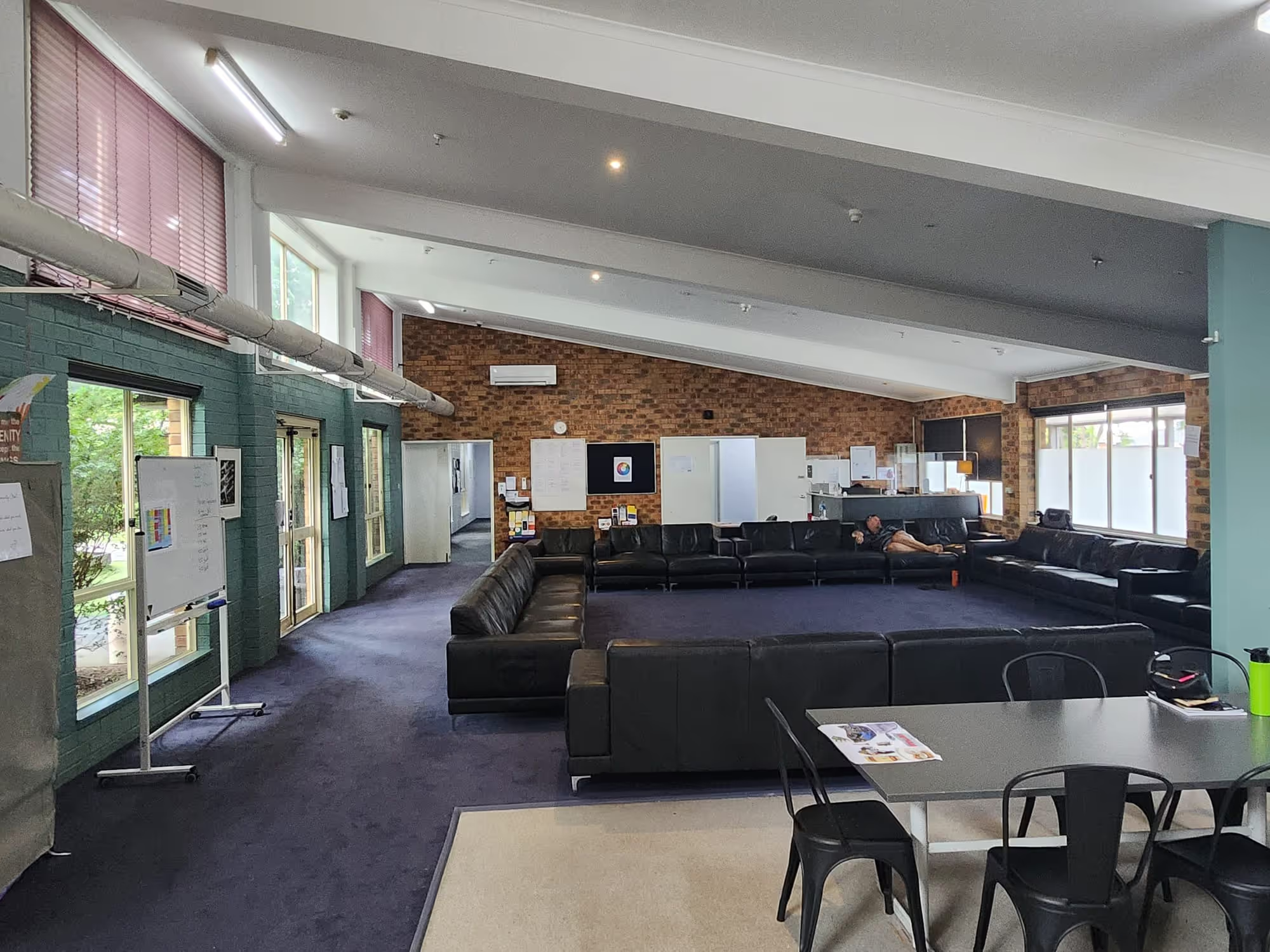
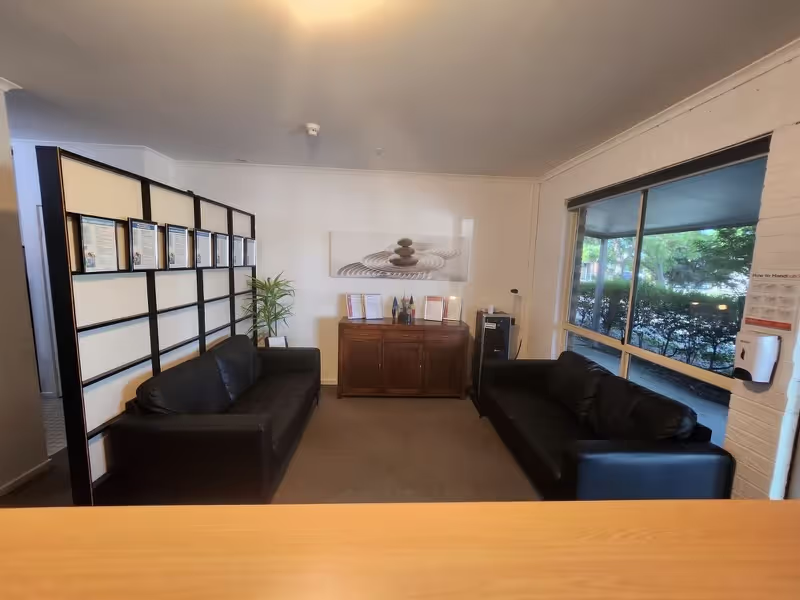
Safe, supportive and purpose-built environments

Our programs run from two specialist centres in Victoria. Each location offers 24/7 support, therapeutic spaces, and the structure needed for real recovery.

입원 재활 프로그램 및 전환 주거 프로그램

에센던
150-152 쿠퍼 스트리트, 에센던 빅토리아 3040

28일 금단 및 해독 프로그램을 위한 병원 재활 센터

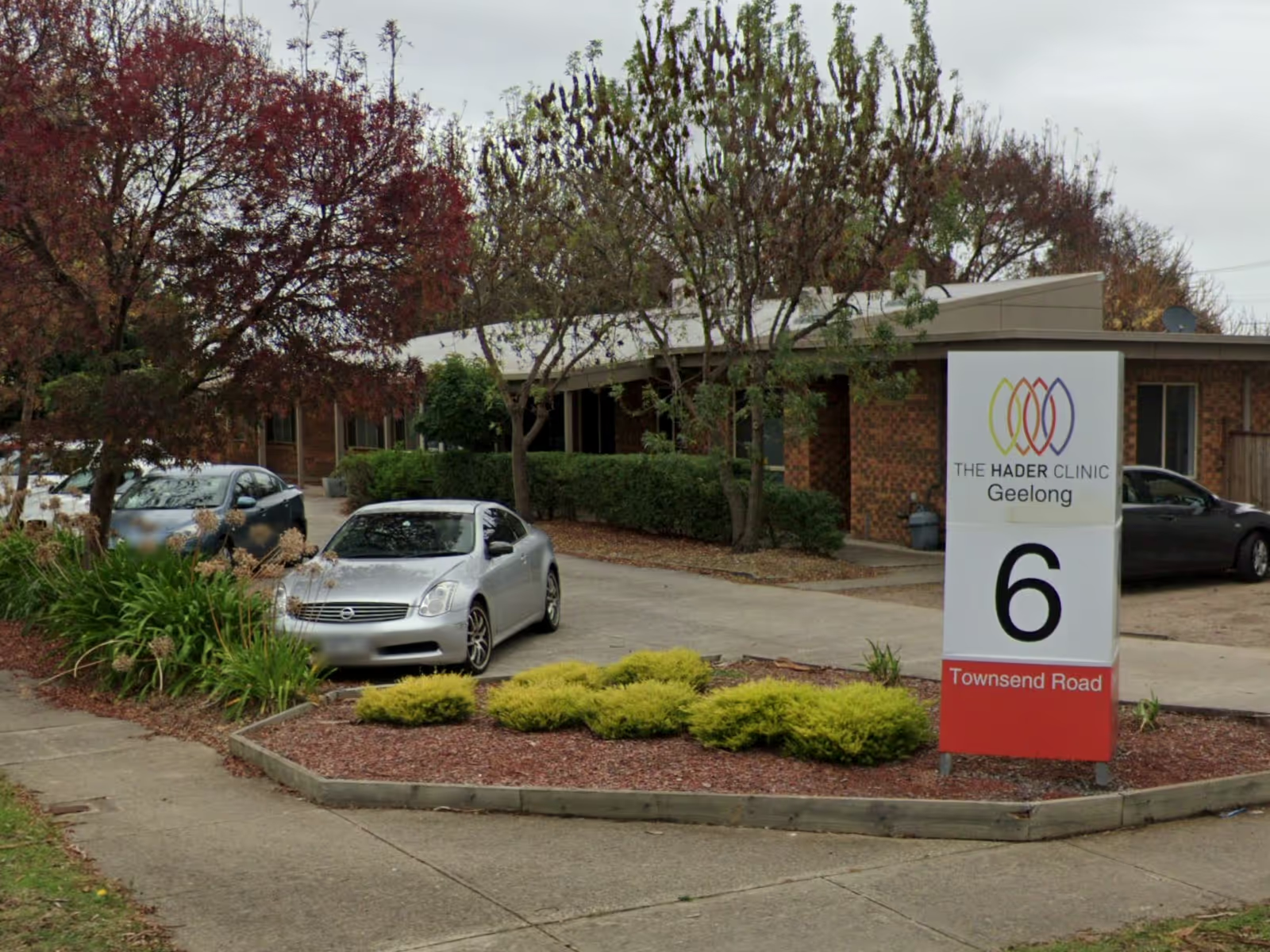
질롱
6-8 타운센드 로드, 세인트 앨번스 파크 VIC 3219

80%

Program completion rate for dual diagnosis clients.

81%

Remain sober at 3-month follow-up.

76%

Report better mood or daily functioning.

4 days

Median wait from first contact to admission.

Outcomes for people with dual diagnosis

Program results backed by real data

Clients with co-occurring conditions are more likely to complete treatment, remain sober after discharge, and report improved well-being during care.

Ready when you are, every step of the way

You don’t need to have everything figured out. If you’re worried about your mental health and substance use, we’re here to help you take the next step safely.

무료 온라인 평가를 받아보세요

간단한 비공개 퀴즈를 통해 재활 치료가 도움이 될 수 있는지 확인하고 안전한 지원 옵션을 알아보세요.

무료 상담 예약하기

 편하신 시간에 전문가와 비밀 보장되는 전화 상담을 예약하세요.

지금 전화하세요

 즉시 누군가와 상담하여 안내와 지원을 받으십시오.

Know what to expect

Funding support and treatment costs

We’ll give you honest information about costs, private health cover, and funding support so you can make confident decisions.

How much does treatment cost?

We clearly explain the cost of dual diagnosis rehab: what’s included, how fees work, and how we support affordability.

자금 조달 옵션을 살펴보세요

Private health and funding help

We’ll help you understand your private health cover and whether any additional funding options may apply.

재활 치료 비용에 대해 자세히 알아보기
A team that understands both sides

Meet the people who’ll be caring for you

We’re not just health professionals. Many of us have lived experience. We listen without judgment and support you with real compassion.

창의적 재활 프로그램에 참여 중인 한 거주자가 정원에 앉아 꽃 그림을 그리고 있다.
앤디 타니아의 이미지
More than a treatment centre

Get to know who we are and what we stand for

We’ve been helping people with co-occurring mental health and addiction issues for over 25 years. We focus on trust, empathy, and lasting recovery.

Support for you or someone you love

There’s no wrong time to ask for help

Whether you’re struggling yourself or supporting someone else, we’ll meet you where you are and walk alongside you toward recovery.

I need help for myself

We support people facing mental illness and substance use. You don’t have to navigate this on your own.

밝은 창가 소파에 몸을 웅크린 채 앉아 있는 여자는 사색에 잠긴 듯한 모습으로 걱정스러운 표정을 띠고 있다.

I need help for someone else

If someone you care about is in crisis, we can help you understand what’s going on and how to support them into

한 부부가 상담사 사무실에 함께 앉아 걱정과 지지를 담아 경청하고 있다
이 일에 혼자가 아니야

Take the first step toward change

Every journey starts with a decision to try. When you’re ready, we're here with expert care, honest guidance, and a place where recovery is truly possible.

이해하는 사람과 이야기하세요

감사합니다! 귀하의 제출이 접수되었습니다!
죄송합니다! 양식 제출 중에 문제가 발생했습니다.
치유를 향한 첫걸음을 내딛으세요

Let’s plan your path to recovery together

What types of mental health conditions do you support in your dual diagnosis program?

Our dual diagnosis unit is equipped to support a wide range of mental health diagnoses, including depression, anxiety, bipolar disorder, PTSD, borderline personality disorder, and schizophrenia. Many of our clients experience complex mental health problems alongside patterns of alcohol or drug use, often for many years before reaching out for help.

We understand how overwhelming it can feel to manage both a mental disorder and substance abuse. Our treatment program brings together addiction treatment and clinical mental health support through an integrated treatment model. Whether you're struggling with bipolar disorder and addiction or another co-occurring condition, our team is here to provide effective treatment tailored to your needs.

You can also explore more about how specific conditions overlap with addiction in our article on bipolar and addiction.

What happens if my mental health symptoms get worse during rehab?

If you're experiencing mental health issues during treatment, you're not alone — and you're not without support. Our dual diagnosis drug and mental health team includes experienced mental health professionals who are trained to respond to changes in mental health symptoms throughout your stay.

We regularly monitor clients for signs of deterioration and work closely with you to adjust your treatment plan as needed. This might include medication review, trauma-focused therapy, or additional mental health service referrals. You’ll never be judged for struggling. It’s all part of dual diagnosis treatment: understanding that mental health and drug issues are deeply connected and need ongoing care.

Do I need to stop all medications before starting the program?

No, you do not need to stop prescribed medication before starting treatment. Many people entering our dual diagnosis program are already taking medications for anxiety, depression, mood stabilisation, or physical health conditions. Suddenly stopping medication can be dangerous, especially when combined with drug or alcohol withdrawal.

Our assessment and treatment process includes a full review of your current prescriptions, and our clinical mental health staff work in collaboration with prescribers where necessary. The goal is always safety, stability, and making sure you feel supported during every stage of your recovery program.

Can I bring existing mental health treatment plans with me?

Yes. We encourage you to bring a treatment plan, support letter, or mental health care plan from your GP or other health services. These documents help us understand your history and coordinate care that aligns with your ongoing mental health service needs.

Being transparent about your mental health diagnoses allows our team to design the best integrated addiction and mental health approach for you. Our drug and mental health unit will review and adapt your existing plan into our dual diagnosis treatment model, giving you continuity and clarity as you begin your recovery.

What if I’ve been turned away from mental health services because of my drug use?

Unfortunately, many people with co-occurring substance abuse and mental health challenges have experienced rejection or stigma from health services. This can leave you feeling like there’s nowhere left to turn.

We created our dual diagnosis unit for exactly this reason. We don’t expect you to separate your addiction and mental health issues — we treat them together, because they are deeply connected. We offer assessment and treatment in a residential rehabilitation facility that understands the realities of drug and alcohol misuse. You might find our article on substance abuse and comorbidity helpful in understanding why this happens and what a better model of care looks like.

What kind of aftercare is available for people with dual diagnosis?

Recovery doesn’t end when the program does. For people managing both substance use and mental health issues, continued treatment and support are essential. After completing your residential treatment rehab, we offer ongoing counselling, relapse prevention strategies, access to mental health teams, and referrals to local dual rehab centres or AOD and mental health services near your home.

Our goal is to set you up with the right combination of clinical mental health and substance use supports for the long term. We also help you understand what to expect after treatment by walking you through the addiction rehab process well before you discharge.

Can this program help me avoid hospitalisation for mental health issues?

Many people come to us after repeated crises, hospital stays, or community mental health service referrals. If you're caught in that cycle, our integrated dual diagnosis treatment program may help.

Our residential facility is designed to be a safe, structured alternative to hospitalisation, especially for those dealing with ongoing alcohol and other drug use. By stabilising your mental health and addiction together, we reduce the need for future emergency interventions. Our addiction and mental health team works with you to address underlying mental health conditions before they escalate.

What if I’ve never talked about my mental health before — where do I start?

It can feel confronting to open up, especially if you’ve spent years managing things alone. Many people enter treatment having never spoken honestly about their mental illness. That’s okay.

You don’t need the right words, a diagnosis, or a polished story. Our job is to help you feel safe enough to begin. Through daily support, therapy, and compassion, our team will work with you to explore your mental health problems and substance abuse patterns together. Every part of dual diagnosis treatment is designed to meet you where you are and walk with you as you build a healthier future.