Stay supported through every step

Drug and alcohol relapse prevention

Relapse prevention is one of the most important parts of drug and alcohol recovery. Our program gives you the tools, structure, and support to move forward and stay there.

ਸਵੈ-ਮੁਲਾਂਕਣ ਕਰੋ ਜਾਂ ਹੁਣੇ ਕਿਸੇ ਨਾਲ ਗੱਲ ਕਰੋ, ਬਿਨਾਂ ਕਿਸੇ ਵਚਨਬੱਧਤਾ ਦੇ।

A small meeting room where a resident-turned-outpatient sits across from a counsellor. On the table between them is an open folder with notes, a recovery plan, and a pen placed mid-page. The counsellor’s hand is mid-gesture while explaining something. Faces are cropped out, with emphasis on continued professional guidance after initial rehab.

Long-term relapse prevention program

Delivered by people with lived experience

Combines clinical and peer-led supports

Trauma-informed therapy and education

A candid side-angle shot of a person leaning against their kitchen counter, holding a phone to their ear, smiling faintly as they talk. A glass of water and a half-eaten snack sit nearby. The background is warmly lit, reflecting informal yet vital check-ins with a peer or sponsor.
Support that’s built on experience

Our approach to relapse prevention for alcohol or drug abuse

There’s nothing easy about staying clean, especially when you’re triggered, stressed, or disconnected. That’s why our relapse prevention program is built around ongoing support, practical tools, and people who understand what recovery really takes.

You’ll work closely with your counsellors and community to build a personal relapse prevention plan. This includes therapy, peer support, and skills for managing stress, cravings, and situations that may put your recovery at risk.

  • We deliver practical relapse prevention therapy grounded in lived experience and trauma-informed care.
  • You'll build personalised strategies to help reduce the risk of relapse and manage real-life challenges.
  • Every part of the program is shaped around your long-term recovery goals and your unique path to healing.
What’s included in our support

What’s included in our relapse prevention support

This service helps you prevent relapse by staying grounded, connected, and supported every day of your recovery.

Tools and support you’ll receive

  • Weekly relapse prevention planning sessions with your case manager.
  • Ongoing relapse prevention therapy tailored to your specific needs.
  • Peer support groups for encouragement, insight, and real connection.
  • Practical tools for identifying and managing triggers in daily life.
  • Education on high-risk situations and how to navigate them safely.
  • Structured relapse prevention plan to maintain recovery over time.
Why relapse is so common and so serious

Abstinence isn't easy. Relapse isn't failure.

According to the National Drug Strategy Household Survey, nearly half of all Australians over 14 have used drugs. It’s a reminder of how widespread and serious this risk is.

What relapse actually means

Relapse isn’t just the act of using again: it’s a process that often starts in the mind and body long before substance use begins. It can sneak in slowly through unprocessed emotions, exposure to past triggers, or the gradual breakdown of daily routines and support systems. Understanding this timeline helps us prevent relapse before it escalates. Relapse is more than just drinking or using again. It’s a process that begins long before the moment of use, often with a trigger, thought, or feeling that hasn’t been addressed or supported. Managing relapse in these early phases is essential to staying on your path to recovery.

Common causes and triggers

Stress, shame, grief, exhaustion: these can all lead us back to dangerous patterns. Often, it’s not one major event but a slow build-up of unresolved emotions or life stress that causes us to use. Recognising early warning signs and common relapse triggers is a critical part of every personalised relapse prevention plan.

  • Feeling isolated or misunderstood can increase risk of relapse.
  • Returning to places and things tied to past use can restart the cycle.
  • Lack of routine or support makes it harder to manage cravings.

What relapse feels like in real life

Relapse often begins with subtle mental shifts: feeling numb, disengaged, or hopeless. We might stop doing the things that kept us well, avoid people who care, or fantasise about using again. These are signs of the internal build-up that leads to a lapse. Identifying and naming these feelings gives us a chance to ask for help and stop the slide.

  • Changes in self-talk or thoughts of using are common early signs.
  • You might notice you're avoiding support or skipping routines.
  • You may start justifying the idea that a little won't hurt.

The emotional toll of relapse

Relapse often comes with a wave of shame, like we’ve failed or wasted everything. But those thoughts are lies that addiction tells us. We need to remember that one step back doesn’t undo our growth. Processing relapse with compassion and support helps us stay connected to our recovery, learn what we missed, and prevent future lapses. This also allows us to build new strategies to help us care of yourself physically and emotionally. That might include getting enough sleep, avoiding risky situations, and using coping mechanisms that have worked in the past.

  • A relapse doesn't erase your progress. It's part of the journey.
  • Working through shame helps rebuild your recovery mindset.
  • Naming and processing your feelings helps prevent future lapses.

Why relapse prevention must be ongoing

Relapse prevention isn’t something you do once: it’s a daily commitment to yourself. What works today may not work next year, and that’s normal. Life keeps changing, and so do our needs in recovery. That’s why we keep showing up, adjusting our supports, and asking for help when the old tools stop working.

  • Your relapse prevention plan should evolve with your circumstances.
  • Having strong peer support can make all the difference long term.
  • Realistic, personal goals keep your focus grounded and hopeful.
ਗੁਪਤ ਸਵੈ-ਮੁਲਾਂਕਣ ਸੰਦ

ਕੀ ਤੁਸੀਂ ਆਪਣੀ ਸ਼ਰਾਬ ਪੀਣ ਜਾਂ ਨਸ਼ੇ ਦੀ ਵਰਤੋਂ ਬਾਰੇ ਚਿੰਤਤ ਹੋ?

ਇਹ ਛੋਟਾ, ਗੁਪਤ ਕਵਿਜ਼ ਦੋ ਮਿੰਟਾਂ ਤੋਂ ਵੀ ਘੱਟ ਸਮਾਂ ਲੈਂਦਾ ਹੈ ਅਤੇ ਤੁਹਾਨੂੰ ਇਹ ਸਮਝਣ ਵਿੱਚ ਮਦਦ ਕਰ ਸਕਦਾ ਹੈ ਕਿ ਕੀ ਹੋ ਰਿਹਾ ਹੈ। ਉਹ ਸ਼੍ਰੇਣੀ ਚੁਣੋ ਜੋ ਤੁਹਾਡੇ ਲਈ ਸਭ ਤੋਂ ਢੁਕਵੀਂ ਲੱਗਦੀ ਹੈ — ਭਾਵੇਂ ਇਹ ਸ਼ਰਾਬ ਹੋਵੇ, ਨਸ਼ੇ ਹੋਣ, ਜਾਂ ਚਿੰਤਾਵਾਂ ਦਾ ਮਿਸ਼ਰਣ ਹੋਵੇ — ਅਤੇ ਅਸੀਂ ਤੁਹਾਨੂੰ ਕੁਝ ਸਧਾਰਨ ਹਾਂ/ਨਹੀਂ ਸਵਾਲਾਂ ਰਾਹੀਂ ਮਾਰਗਦਰਸ਼ਨ ਕਰਾਂਗੇ।

ਅੰਤ ਵਿੱਚ, ਅਸੀਂ ਤੁਹਾਨੂੰ ਦੱਸਾਂਗੇ ਕਿ ਕੀ ਤੁਹਾਡੇ ਜਵਾਬ ਸੁਝਾਅ ਦਿੰਦੇ ਹਨ ਕਿ ਇਹ ਮੁੜ ਵਸੇਬੇ 'ਤੇ ਵਿਚਾਰ ਕਰਨ ਅਤੇ ਸ਼ੁਰੂਆਤ ਕਰਨ ਲਈ ਸੁਰੱਖਿਅਤ, ਗੁਪਤ ਵਿਕਲਪਾਂ ਨੂੰ ਸਾਂਝਾ ਕਰਨ ਦਾ ਸਮਾਂ ਹੋ ਸਕਦਾ ਹੈ।

ਹੁਣੇ ਕੁਇਜ਼ ਲਓ
Programs that support long-term change

The programs we use to help prevent relapse

Relapse prevention doesn’t happen in isolation. It grows from the foundation of consistent care. That’s why we offer a full range of treatment programs, including hospital detox, inpatient treatment, residential rehabilitation, and transitional housing. Every step helps you stabilise, rebuild, and prevent relapse.

ਰਿਹਾਇਸ਼ੀ ਪ੍ਰੋਗਰਾਮ

ਇੱਕ ਸੁਰੱਖਿਅਤ, ਰਿਕਵਰੀ-ਕੇਂਦ੍ਰਿਤ ਸੈਟਿੰਗ ਵਿੱਚ ਢਾਂਚਾਗਤ ਸਹਾਇਤਾ, ਥੈਰੇਪੀ, ਅਤੇ ਜੀਵਨ ਹੁਨਰ ਸਿਖਲਾਈ ਦੇ ਨਾਲ ਲਿਵ-ਇਨ ਪੁਨਰਵਾਸ।

ਇੱਕ ਕਾਉਂਸਲਿੰਗ ਸੈਸ਼ਨ ਦੌਰਾਨ ਹੱਥ ਫੜੀ ਬੈਠੇ ਨੌਜਵਾਨ ਜੋੜੇ, ਪਰਿਵਾਰ ਅਤੇ ਰਿਲੇਸ਼ਨਸ਼ਿਪ ਥੈਰੇਪੀ ਰਾਹੀਂ ਸਹਾਇਤਾ ਦੀ ਮੰਗ ਕਰਦੇ ਹੋਏ।

ਪਰਿਵਾਰਕ ਪ੍ਰੋਗਰਾਮ

ਪਰਿਵਾਰਾਂ ਨੂੰ ਨਸ਼ੇ ਨੂੰ ਸਮਝਣ ਅਤੇ ਆਪਣੇ ਅਜ਼ੀਜ਼ ਦੀ ਰਿਕਵਰੀ ਵਿੱਚ ਸਹਾਇਤਾ ਕਰਨ ਲਈ ਸਿੱਖਿਆ, ਸਮੂਹ ਸਹਾਇਤਾ ਅਤੇ ਸਲਾਹ।

ਘਰ ਤੋਂ ਇੱਕ ਵਰਚੁਅਲ ਰਿਕਵਰੀ ਸੈਸ਼ਨ ਵਿੱਚ ਹਿੱਸਾ ਲੈ ਰਹੀ ਔਰਤ, ਹੈਡਰ ਐਟ ਹੋਮ ਔਨਲਾਈਨ ਰੀਹੈਬ ਪ੍ਰੋਗਰਾਮ ਰਾਹੀਂ ਸਟ੍ਰਕਚਰਡ ਥੈਰੇਪੀ ਵਿੱਚ ਸ਼ਾਮਲ ਹੋ ਰਹੀ ਹੈ

ਘਰ ਵਿੱਚ ਹਾਦਰ

ਪੁਨਰਵਾਸ ਤੋਂ ਬਾਅਦ ਦੀ ਦੇਖਭਾਲ ਲਈ ਰੋਜ਼ਾਨਾ ਚੈੱਕ-ਇਨ, ਔਨਲਾਈਨ ਥੈਰੇਪੀ, ਅਤੇ ਸਵੈ-ਨਿਰਦੇਸ਼ਿਤ ਵਰਕਬੁੱਕਾਂ ਵਾਲਾ ਇੱਕ ਪੂਰੀ ਤਰ੍ਹਾਂ ਡਿਜੀਟਲ ਰਿਕਵਰੀ ਪ੍ਰੋਗਰਾਮ।

ਕਾਲੇ ਰੰਗ ਦੀ ਔਰਤ ਮੁਸਕਰਾਉਂਦੀ ਹੋਈ ਅਤੇ ਗਰੁੱਪ ਥੈਰੇਪੀ ਦੌਰਾਨ ਇੱਕ ਨਿੱਜੀ ਸਫਲਤਾ ਸਾਂਝੀ ਕਰਦੀ ਹੋਈ, ਆਪਣੀ ਬਾਹਰੀ ਮਰੀਜ਼ ਰਿਕਵਰੀ ਯਾਤਰਾ ਵਿੱਚ ਪ੍ਰਗਤੀ ਦਾ ਜਸ਼ਨ ਮਨਾਉਂਦੀ ਹੋਈ।

ਤੀਬਰ ਬਾਹਰੀ ਮਰੀਜ਼ ਪ੍ਰੋਗਰਾਮ

ਰੋਜ਼ਾਨਾ ਜੀਵਨ ਦੇ ਅਨੁਕੂਲ ਹੋਣ ਲਈ ਤਿਆਰ ਕੀਤਾ ਗਿਆ ਥੈਰੇਪੀ, ਸਮੂਹ ਸੈਸ਼ਨਾਂ, ਅਤੇ ਦੁਬਾਰਾ ਹੋਣ ਦੀ ਰੋਕਥਾਮ ਦੇ ਨਾਲ ਢਾਂਚਾਗਤ ਨਸ਼ਾ ਸਹਾਇਤਾ।

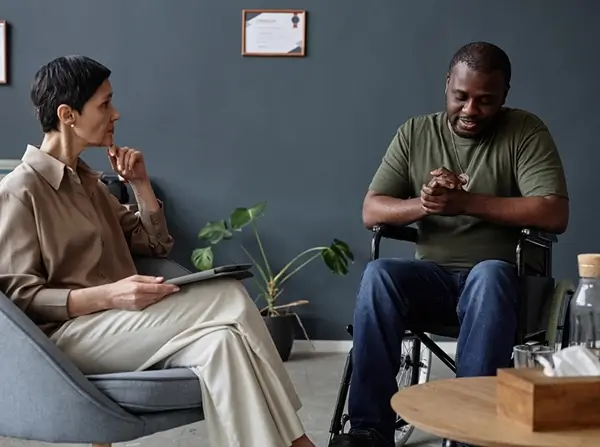
ਇੱਕ ਮਰਦ ਨਿਵਾਸੀ ਆਪਣੇ ਪੁਨਰਵਾਸ ਸਲਾਹਕਾਰ ਨਾਲ ਗੱਲਬਾਤ ਕਰਦਾ ਹੈ।

ਕਾਉਂਸਲਿੰਗ

ਸਦਮੇ-ਜਾਣਕਾਰੀ ਵਾਲੀ ਥੈਰੇਪੀ, ਨਸ਼ਾ ਮੁਕਤੀ ਸਲਾਹ, ਅਤੇ ਪਰਿਵਾਰਕ ਸਹਾਇਤਾ ਵਿਅਕਤੀਗਤ ਤੌਰ 'ਤੇ ਜਾਂ ਸੁਰੱਖਿਅਤ ਔਨਲਾਈਨ ਸੈਸ਼ਨਾਂ ਰਾਹੀਂ ਉਪਲਬਧ ਹੈ।

ਘਰ ਵਿੱਚ ਦਿਲੋਂ ਦਖਲ ਦੇਣ ਤੋਂ ਬਾਅਦ ਆਪਣੇ ਸਾਥੀ ਨੂੰ ਜੱਫੀ ਪਾਉਂਦੀ ਹੋਈ ਔਰਤ, ਸਹਾਇਤਾ ਅਤੇ ਉਤਸ਼ਾਹ ਦੀ ਪੇਸ਼ਕਸ਼ ਕਰਦੀ ਹੋਈ ਜਦੋਂ ਉਹ ਨਸ਼ੇ ਦੀ ਲਤ ਲਈ ਮਦਦ ਲੈਣ ਲਈ ਸਹਿਮਤ ਹੁੰਦਾ ਹੈ।

ਦਖਲਅੰਦਾਜ਼ੀ

ਪਰਿਵਾਰਾਂ ਨੂੰ ਇੱਕ ਸੁਰੱਖਿਅਤ, ਢਾਂਚਾਗਤ ਦਖਲਅੰਦਾਜ਼ੀ ਕਰਨ ਅਤੇ ਉਨ੍ਹਾਂ ਦੇ ਅਜ਼ੀਜ਼ ਨੂੰ ਇਲਾਜ ਲਈ ਮਾਰਗਦਰਸ਼ਨ ਕਰਨ ਵਿੱਚ ਮਦਦ ਕਰਨ ਲਈ ਪੇਸ਼ੇਵਰ ਸਹਾਇਤਾ।

ਇੱਕ ਨਿੱਜੀ ਲਗਜ਼ਰੀ ਰਿਹਾਇਸ਼ ਤੋਂ ਰੇਤਲੇ ਵਿਹੜੇ ਅਤੇ ਸਮੁੰਦਰੀ ਕੰਢੇ ਵੱਲ ਵੇਖਦਾ ਹੋਇਆ ਦ੍ਰਿਸ਼, ਜਿਸ ਵਿੱਚ ਲਾਉਂਜਰਾਂ ਅਤੇ ਗਰਮ ਖੰਡੀ ਲੈਂਡਸਕੇਪਿੰਗ ਸ਼ਾਂਤੀਪੂਰਨ, ਗੁਪਤ ਰਿਕਵਰੀ ਲਈ ਤਿਆਰ ਕੀਤੀ ਗਈ ਹੈ।

ਕਾਰਜਕਾਰੀ ਪੁਨਰਵਾਸ

ਪੂਰੀ ਵਿਵੇਕ ਅਤੇ ਇੱਕ ਵਿਅਕਤੀਗਤ ਰਿਕਵਰੀ ਸ਼ਡਿਊਲ ਦੇ ਨਾਲ ਇੱਕ ਲਗਜ਼ਰੀ ਸੈਟਿੰਗ ਵਿੱਚ ਨਿੱਜੀ, ਇੱਕ-ਨਾਲ-ਇੱਕ ਇਲਾਜ।

ANZAC ਦਿਵਸ ਸ਼ਰਧਾਂਜਲੀ ਜਿਸ ਵਿੱਚ ਇੱਕ ਪੁਰਾਣੀ ਆਸਟ੍ਰੇਲੀਅਨ ਆਰਮੀ .303 ਰਾਈਫਲ ਹੈ ਜਿਸ ਵਿੱਚ ਸਲਾਊਚ ਟੋਪੀ ਅਤੇ ਚੜ੍ਹਦੇ ਸੂਰਜ ਦਾ ਬੈਜ, ਸਿਪਾਹੀ ਦੇ ਕੁੱਤੇ ਦੇ ਟੈਗ, ਫੁੱਲਾਂ ਦੀ ਮਾਲਾ, ਅਤੇ ਪਿਛੋਕੜ ਵਿੱਚ ਆਸਟ੍ਰੇਲੀਅਨ ਝੰਡਾ ਹੈ।

ਡੀਵੀਏ ਪੁਨਰਵਾਸ

ਸਾਬਕਾ ਸੈਨਿਕਾਂ ਅਤੇ ਪਹਿਲੇ ਜਵਾਬ ਦੇਣ ਵਾਲਿਆਂ ਲਈ ਵਿਸ਼ੇਸ਼ ਸਦਮੇ-ਜਾਣਕਾਰੀ ਵਾਲੇ ਇਨਪੇਸ਼ੈਂਟ ਦੇਖਭਾਲ, ਯੋਗ DVA ਗਾਹਕਾਂ ਲਈ ਪੂਰੀ ਤਰ੍ਹਾਂ ਫੰਡ ਪ੍ਰਾਪਤ।

ਇੱਕ ਨਿਵਾਸੀ ਇੱਕ ਸਾਂਝੀ ਜਗ੍ਹਾ ਵਿੱਚ ਸੋਫੇ 'ਤੇ ਬੈਠਾ, ਅਦਾਲਤ ਦੁਆਰਾ ਹੁਕਮ ਦਿੱਤੇ ਗਏ ਆਪਣੇ ਪੁਨਰਵਾਸ ਦੇ ਹਿੱਸੇ ਵਜੋਂ ਆਪਣੀ ਨਿੱਜੀ ਡਾਇਰੀ 'ਤੇ ਕੰਮ ਕਰ ਰਿਹਾ ਹੈ।

ਅਦਾਲਤ ਦੇ ਹੁਕਮ ਅਨੁਸਾਰ ਪੁਨਰਵਾਸ

ਜ਼ਮਾਨਤ ਜਾਂ ਸਜ਼ਾ ਦੀਆਂ ਜ਼ਰੂਰਤਾਂ ਨੂੰ ਪੂਰਾ ਕਰਨ ਲਈ ਡੀਟੌਕਸ, ਥੈਰੇਪੀ, ਅਤੇ ਫੋਰੈਂਸਿਕ ਰਿਪੋਰਟਿੰਗ ਦੇ ਨਾਲ ਸਟ੍ਰਕਚਰਡ ਇਨਪੇਸ਼ੈਂਟ ਪ੍ਰੋਗਰਾਮ।

ਅਸਥਾਈ ਰਿਹਾਇਸ਼ ਵਿੱਚ ਇੱਕ ਆਦਮੀ ਆਪਣੇ ਜੁੱਤੀਆਂ ਦੇ ਤਸਮੇ ਬੰਨ੍ਹਦਾ ਹੋਇਆ ਜਦੋਂ ਉਹ ਕੰਮ ਦੇ ਇੱਕ ਨਵੇਂ ਦਿਨ, ਢਾਂਚੇ ਦੇ ਪੁਨਰ ਨਿਰਮਾਣ ਅਤੇ ਹਸਪਤਾਲ ਵਿੱਚ ਮੁੜ ਵਸੇਬੇ ਤੋਂ ਬਾਅਦ ਆਜ਼ਾਦੀ ਦੀ ਤਿਆਰੀ ਕਰਦਾ ਹੈ।

ਅਸਥਾਈ ਰਿਹਾਇਸ਼

ਪੁਨਰਵਾਸ ਅਤੇ ਸੁਤੰਤਰ ਜੀਵਨ ਵਿਚਕਾਰ ਪਾੜੇ ਨੂੰ ਪੂਰਾ ਕਰਨ ਲਈ ਥੈਰੇਪੀ, ਢਾਂਚੇ ਅਤੇ ਸਹਾਇਤਾ ਦੇ ਨਾਲ ਰਿਕਵਰੀ-ਕੇਂਦ੍ਰਿਤ ਰਿਹਾਇਸ਼।

ਇੱਕ ਮੈਡੀਕਲ ਡੀਟੌਕਸ ਸੈਂਟਰ ਵਿਖੇ ਸਹਾਇਕ ਸਮੂਹ ਥੈਰੇਪੀ ਸੈਸ਼ਨ, ਜਿੱਥੇ ਵਿਭਿੰਨ ਗਾਹਕ ਆਪਣੇ ਅਨੁਭਵ ਸਾਂਝੇ ਕਰਦੇ ਹਨ ਅਤੇ ਇੱਕ ਮਨੋਵਿਗਿਆਨੀ ਇੱਕ ਨਵੇਂ ਭਾਗੀਦਾਰ ਨੂੰ ਨਰਮੀ ਨਾਲ ਉਤਸ਼ਾਹਿਤ ਕਰਦਾ ਹੈ।

ਹਸਪਤਾਲ ਡੀਟੌਕਸ

ਇੱਕ ਲਾਇਸੰਸਸ਼ੁਦਾ ਪ੍ਰਾਈਵੇਟ ਹਸਪਤਾਲ ਵਿੱਚ 24/7 ਡਾਕਟਰੀ ਨਿਗਰਾਨੀ ਹੇਠ ਡੀਟੌਕਸ, ਜਿਸ ਵਿੱਚ ਕਢਵਾਉਣ ਵਿੱਚ ਸਹਾਇਤਾ ਅਤੇ ਮਨੋਵਿਗਿਆਨਕ ਦੇਖਭਾਲ ਸ਼ਾਮਲ ਹੈ।

ਜਦੋਂ ਤੁਸੀਂ ਸੰਪਰਕ ਕਰਦੇ ਹੋ ਤਾਂ ਕੀ ਉਮੀਦ ਕਰਨੀ ਹੈ

Our process for getting started

ਕਦਮ 1

Let’s talk

We’ll start with a private, compassionate phone call to understand what’s happening and how we can support you.

ਕਦਮ 2

Personalised care planning

Together, we’ll look at your needs, history, risks, and goals. Then we’ll shape a treatment path that’s realistic and respectful of where you’re at.

ਕਦਮ 3

Start when you're ready

When it feels right, we’ll help you take the next step, whether that’s detox, residential care, or relapse prevention planning.

ਜਦੋਂ ਵੀ ਤੁਸੀਂ ਤਿਆਰ ਹੋਵੋ ਅਸੀਂ ਇੱਥੇ ਹਾਂ - ਹੁਣੇ ਕਾਲ ਬੁੱਕ ਕਰੋ ਜਾਂ ਕਿਸੇ ਨਾਲ ਗੱਲ ਕਰੋ।

Built around real-life recovery needs

What makes our support different

Most of us here have experienced addiction ourselves. That’s why we don’t offer cookie-cutter advice. We meet you where you’re at and support you with tools that actually work in the messy, difficult moments.

Support from people who truly get it

We've lived through relapse and recovery, and we'll never judge your journey.

Programs shaped around your life

We work with what's real: your job, your family, your fears, your mental health.

Aftercare that actually continues

We don't leave you hanging. Our support keeps going well after discharge.

Tools that feel human, not clinical

Everything we use (from relapse prevention techniques to self-care plans) is grounded in empathy and experience.

Our accreditations and national standards

Accredited by Australia’s health authorities

We’re fully accredited under the NSQHS Standards and regulated by the ACSQHC, so you can trust that our programs meet the highest standards with evidence-based care.


Explore the full range of our services

Rehab programs tailored to your needs

Whether you’re just starting to stabilise or you’ve already experienced a relapse, our services meet you wherever you’re at.

ਬਾਹਰੀ ਮਰੀਜ਼ਾਂ ਦਾ ਪੁਨਰਵਾਸ

Stay supported while living at home with structure, counselling, and peer connection.

ਥੋੜ੍ਹੇ ਸਮੇਂ ਲਈ ਪੁਨਰਵਾਸ

Inpatient care that helps you step away from chaos and reset your recovery.

ਰੀਲੈਪਸ ਰੋਕਥਾਮ

Ongoing therapy and planning support for people trying to stay sober.

ਐਮਰਜੈਂਸੀ ਪੁਨਰਵਾਸ

Immediate admission when relapse puts your health or safety at risk.

What our clients say about their experience

Real stories of recovery and transformation

We’re proud to share stories from people who’ve walked this path, and from the families who supported them.

ਅਲੀ ਅਦੇਮੀ

ਸਾਲਾਂ ਦੇ ਸਦਮੇ, ਨਸ਼ੇ ਅਤੇ ਨੁਕਸਾਨ ਤੋਂ ਬਾਅਦ, ਅਲੀ ਨੂੰ ਇੱਕ ਹਮਦਰਦ ਟੀਮ ਦੇ ਸਮਰਥਨ, ਭਾਈਚਾਰੇ ਦੀ ਭਾਵਨਾ, ਅਤੇ ਲੰਬੇ ਸਮੇਂ ਦੇ ਇਲਾਜ ਲਈ ਵਚਨਬੱਧਤਾ ਰਾਹੀਂ ਆਪਣੀ ਜ਼ਿੰਦਗੀ ਨੂੰ ਦੁਬਾਰਾ ਬਣਾਉਣ ਦੀ ਤਾਕਤ ਮਿਲੀ।

ਮਿਨ੍ਹ

32 ਸਾਲਾਂ ਦੀ ਲਤ ਤੋਂ ਬਾਅਦ, ਮਿਨਹ ਫਾਮ ਨੂੰ ਦ ਹੈਡਰ ਕਲੀਨਿਕ ਵਿੱਚ ਉਮੀਦ, ਇਲਾਜ ਅਤੇ ਇੱਕ ਨਵਾਂ ਰਸਤਾ ਮਿਲਿਆ। ਉਸਦੀ ਯਾਤਰਾ ਭਾਈਚਾਰੇ, ਹਮਦਰਦੀ ਅਤੇ ਹਿੰਮਤ ਦੀ ਸ਼ਕਤੀ ਦਾ ਪ੍ਰਮਾਣ ਹੈ।

ਪੀਟਰ ਅਲ-ਖੁਰੀ

ਕਈ ਵਾਰ ਦੁਬਾਰਾ ਹੋਣ ਤੋਂ ਬਾਅਦ, ਪੀਟਰ ਨੂੰ ਹੈਡਰ ਨਾਲ ਲੰਬੇ ਸਮੇਂ ਲਈ ਰਿਕਵਰੀ ਮਿਲੀ। ਪੜ੍ਹੋ ਕਿ ਕਿਵੇਂ ਥੈਰੇਪੀ, ਕਮਿਊਨਿਟੀ ਅਤੇ ਕਲੀਨਿਕਲ ਦੇਖਭਾਲ ਨੇ ਉਸਨੂੰ ਆਪਣੀ ਜ਼ਿੰਦਗੀ ਮੁੜ ਪ੍ਰਾਪਤ ਕਰਨ ਵਿੱਚ ਮਦਦ ਕੀਤੀ।

Where you’ll find our programs and care

Our facilities and locations across Victoria

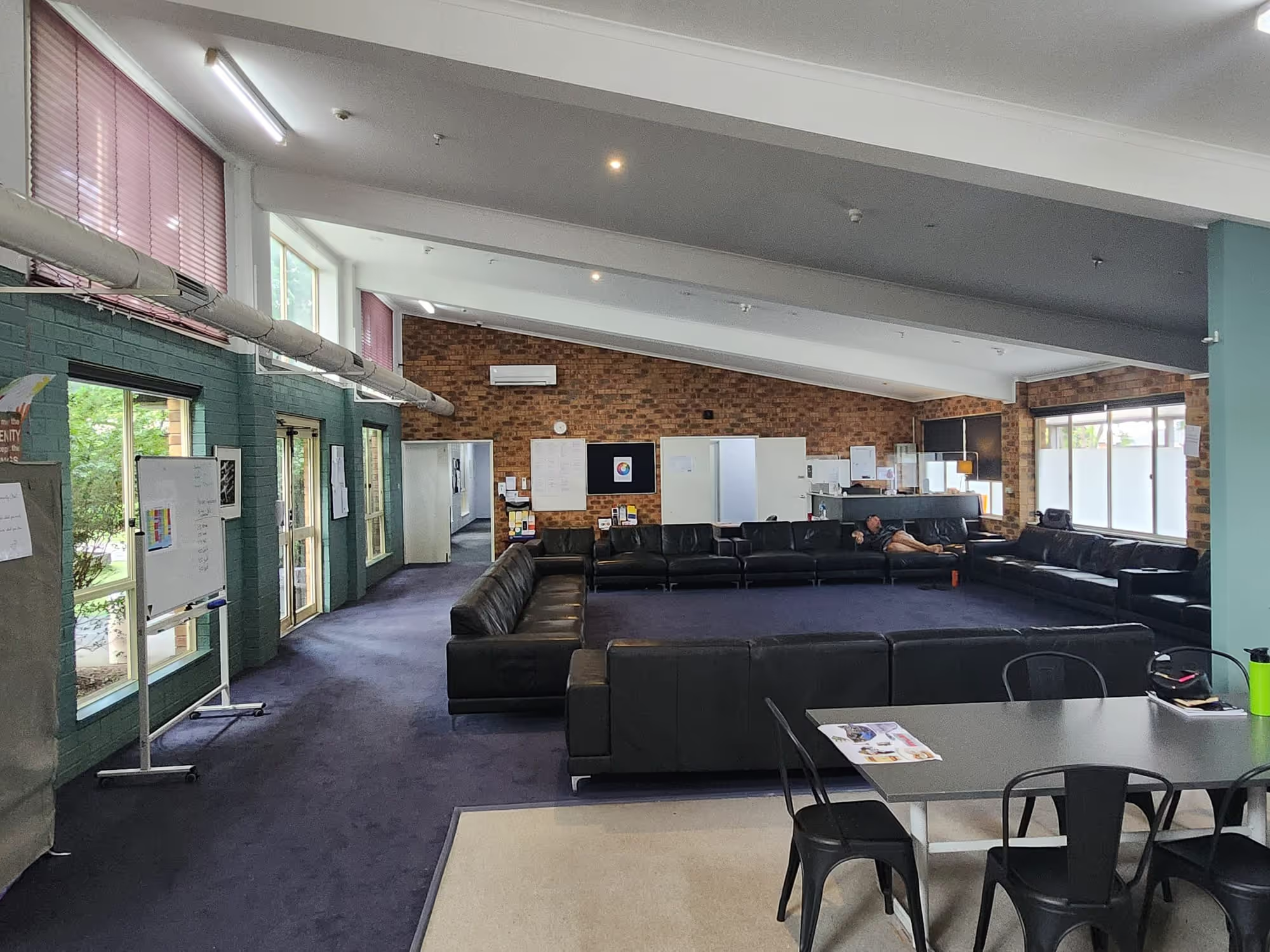
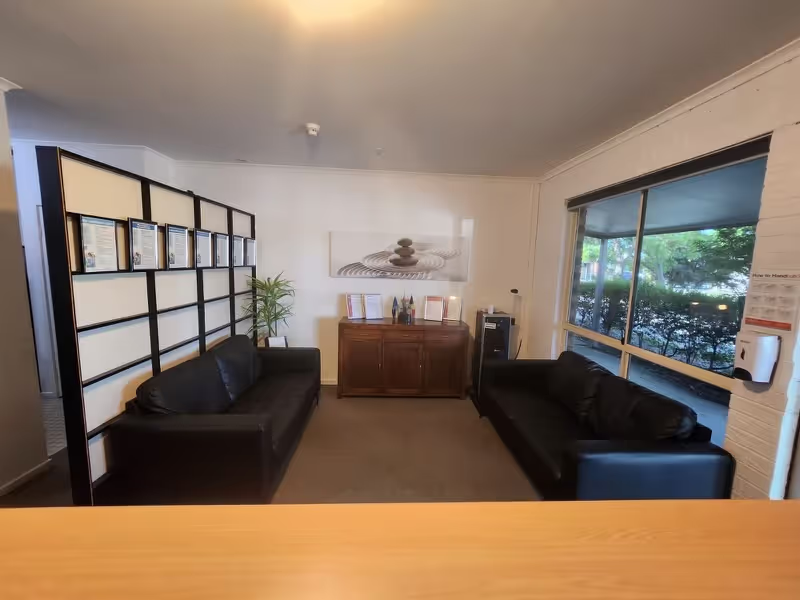
Our programs are delivered across two specialist facilities in Essendon and Geelong, each offering professional care in a supportive, private environment.


ਇਨਪੇਸ਼ੈਂਟ ਰੀਹੈਬਲੀਟੇਸ਼ਨ ਪ੍ਰੋਗਰਾਮ ਅਤੇ ਟ੍ਰਾਂਜਿਸ਼ਨਲ ਹਾਊਸਿੰਗ ਪ੍ਰੋਗਰਾਮ

ਐਸੇਂਡਨ
150-152 ਕੂਪਰ ਸਟ੍ਰੀਟ, ਐਸੇਂਡਨ ਵੀਆਈਸੀ 3040

28-ਦਿਨਾਂ ਦੇ ਕਢਵਾਉਣ ਅਤੇ ਡੀਟੌਕਸ ਪ੍ਰੋਗਰਾਮ ਲਈ ਹਸਪਤਾਲ ਪੁਨਰਵਾਸ ਕੇਂਦਰ

ਗੀਲੋਂਗ
6-8 ਟਾਊਨਸੇਂਡ ਰੋਡ, ਸੇਂਟ ਐਲਬੰਸ ਪਾਰਕ VIC 3219

78%

of clients had no readmission within 12 months of completing their program.

79%

of clients had no readmission within 30 days, showing strong early relapse prevention.

82%

of clients reported feeling connected to their recovery goals after leaving the program.

94%

of clients said our staff understood them and supported their needs.

Our outcomes speak for themselves

What long-term recovery looks like here

There’s no perfect path, but the right support can change everything. We’ve built this program to help reduce the risk of relapse and support long-term recovery goals. These outcomes are proof that healing is possible.

You're not alone in this process

Trying to manage relapse on your own can feel like a losing battle. But you don’t have to carry it alone. We’ll help you find coping skills, structure, and support that actually stick.

ਇੱਕ ਮੁਫ਼ਤ ਔਨਲਾਈਨ ਮੁਲਾਂਕਣ ਲਓ

ਇੱਕ ਤੇਜ਼, ਨਿੱਜੀ ਕਵਿਜ਼ ਲਓ ਅਤੇ ਦੇਖੋ ਕਿ ਕੀ ਪੁਨਰਵਾਸ ਮਦਦ ਕਰ ਸਕਦਾ ਹੈ ਅਤੇ ਸੁਰੱਖਿਅਤ ਸਹਾਇਤਾ ਵਿਕਲਪਾਂ ਦੀ ਪੜਚੋਲ ਕਰੋ।

ਮੁਫ਼ਤ ਚੈਟ ਬੁੱਕ ਕਰੋ

 ਆਪਣੇ ਲਈ ਢੁਕਵੇਂ ਸਮੇਂ 'ਤੇ ਕਿਸੇ ਮਾਹਰ ਨਾਲ ਗੁਪਤ ਕਾਲ ਦਾ ਸਮਾਂ ਤਹਿ ਕਰੋ।

ਸਾਨੂੰ ਹੁਣੇ ਕਾਲ ਕਰੋ

 ਮਾਰਗਦਰਸ਼ਨ ਅਤੇ ਸਹਾਇਤਾ ਲਈ ਤੁਰੰਤ ਕਿਸੇ ਨਾਲ ਗੱਲ ਕਰੋ।

Help is available and it’s more affordable than you think

Understanding the costs of recovery

We know cost is one of the biggest barriers to treatment. That’s why we break everything down clearly and help you explore every available funding option.

Rehab costs explained

We break down everything clearly, from upfront program costs to what’s included, so you can make informed decisions about your care.

ਫੰਡਿੰਗ ਵਿਕਲਪਾਂ ਦੀ ਪੜਚੋਲ ਕਰੋ

Funding options and support

You may be eligible for rebates, Super withdrawal, or funding assistance, and we’ll walk you through it all, step by step. Whether you’re dealing with alcohol addiction, alcoholism, or drug addiction, we’ll help you navigate your options.

ਪੁਨਰਵਾਸ ਦੇ ਖਰਚਿਆਂ ਬਾਰੇ ਹੋਰ ਜਾਣੋ
The people who walk this road with you

Meet the team that makes it possible

You’ll be supported by a team that includes people who’ve lived through addiction, as well as professionals who specialise in relapse prevention and long-term recovery. Many of us have made the decision to seek help after moments of shame, fear, or emotional collapse, and we know that recovering from addiction isn’t just about staying sober, but rebuilding life in all its dimensions.

ਸਾਡੇ ਇੱਕ ਰਚਨਾਤਮਕ ਪੁਨਰਵਾਸ ਪ੍ਰੋਗਰਾਮ ਦਾ ਨਿਵਾਸੀ, ਬਾਗ਼ ਵਿੱਚ ਬੈਠਾ ਫੁੱਲਾਂ ਦੀ ਕਲਾ ਪੇਂਟਿੰਗ ਕਰ ਰਿਹਾ ਹੈ।
ਐਂਡੀ ਥਨੀਆ ਦੀ ਤਸਵੀਰ
Learn who we are, how we work, and why we care

ਹੈਡਰ ਕਲੀਨਿਕ ਬਾਰੇ

For decades, we’ve helped people facing substance use disorders and mental health challenges find safety, clarity, and hope, no matter how many setbacks they’ve faced.

It’s okay to ask for help for you or someone you love

Asking for help is a strength

Whether you’re at risk of relapse, supporting someone in crisis, or just feeling stuck, reaching out is the first step in reconnecting with what matters.

ਆਪਣੇ ਲਈ ਪੁਨਰਵਾਸ

Confidential help for people struggling with substance use, relapse, or mental health.

ਔਰਤ ਇੱਕ ਚਮਕਦਾਰ ਖਿੜਕੀ ਦੇ ਕੋਲ ਸੋਫੇ 'ਤੇ ਝੁਕੀ ਹੋਈ ਬੈਠੀ ਹੈ, ਸੋਚ-ਵਿਚਾਰ ਕਰਦੀ ਅਤੇ ਚਿੰਤਤ ਦਿਖਾਈ ਦੇ ਰਹੀ ਹੈ

ਕਿਸੇ ਅਜ਼ੀਜ਼ ਲਈ ਪੁਨਰਵਾਸ

Guidance and support for family and friends worried about someone’s drug or alcohol use.

ਇੱਕ ਜੋੜਾ ਇੱਕ ਥੈਰੇਪਿਸਟ ਦੇ ਦਫ਼ਤਰ ਵਿੱਚ ਬੈਠਾ ਹੈ, ਚਿੰਤਾ ਅਤੇ ਸਹਾਇਤਾ ਨਾਲ ਸੁਣ ਰਿਹਾ ਹੈ
Take the first step towards recovery

ਕਿਸੇ ਅਜਿਹੇ ਵਿਅਕਤੀ ਨਾਲ ਗੱਲ ਕਰੋ ਜੋ ਸਮਝਦਾ ਹੈ।

There’s no perfect moment to start — just a willingness to try. We’ll help you work through your concerns and take a step that feels possible, wherever you’re at.

ਕਿਸੇ ਅਜਿਹੇ ਵਿਅਕਤੀ ਨਾਲ ਗੱਲ ਕਰੋ ਜੋ ਸਮਝਦਾ ਹੈ।

ਧੰਨਵਾਦ! ਤੁਹਾਡੀ ਸਪੁਰਦਗੀ ਪ੍ਰਾਪਤ ਹੋ ਗਈ ਹੈ!
ਓਹ! ਫਾਰਮ ਜਮ੍ਹਾਂ ਕਰਦੇ ਸਮੇਂ ਕੁਝ ਗਲਤ ਹੋ ਗਿਆ।
Answers to common questions

Frequently asked questions about relapsing

What does a relapse prevention plan actually include?

A relapse prevention plan is a living, personalised roadmap for how you’ll manage your recovery in real life, especially when things get hard. At The Hader Clinic, we build each plan with you, not for you. It’s based on your history, your risks, and your strengths. Your plan will include:

  • A clear list of your personal relapse triggers (people, places, routines, feelings).
  • Coping strategies you can use in the moment when things feel overwhelming.
  • A network of support professionals, peers, and loved ones you can reach out to.
  • Relapse prevention tools like self-talk reframes, grounding techniques, and daily routines that stabilise your mood and thinking.
  • A flexible structure that changes with you. What works now might need to be adapted later, and that’s okay.

We revisit this plan regularly in one-on-one sessions and peer group counselling, not as a checklist but as an honest conversation about what’s working, what’s not, and where we can better support you.

How can I tell if I’m about to relapse?

Relapse usually doesn’t start with using. It starts quietly, in the background of your thoughts, routines, and feelings. At The Hader Clinic, we help you spot those early signs before they take over. Warning signs can include:

  • You start avoiding support or skipping things that used to help, like meetings, calls, or daily structure.
  • Your thinking changes. You might catch yourself romanticising the idea of drinking or using, minimising the risks, or saying “just once won’t hurt.”
  • You feel emotionally flooded or disconnected, irritable, numb, restless, hopeless. And instead of talking about it, you withdraw.

If you notice these signs, it doesn’t mean you’ve failed. It means you’re in a risky moment, and that’s when your relapse prevention plan and support network matter most. We help you catch these moments early and work through them before they escalate.

How do you help clients manage cravings long-term?

Cravings are a normal part of recovery but they don’t have to control you. At The Hader Clinic, we focus on giving you the tools, awareness, and community to manage cravings over time. Long-term craving support includes:

  • Identifying your personal craving patterns and the triggers behind them.
  • Practising mindfulness, grounding, and self-talk strategies to reduce the intensity.
  • Learning how to surf the urge and acknowledge cravings without acting on them.

We also help you plan for high-risk moments and build lifestyle changes that reduce the frequency and power of cravings. These tools become part of your relapse prevention plan, alongside ongoing counselling, group support, and aftercare through our Hader at Home app.

What support is available after I leave residential care?

Leaving residential care doesn’t mean facing recovery alone. In fact, we believe that aftercare is just as important as inpatient rehab treatment. That’s why we offer:

  • Ongoing relapse prevention counselling, peer support groups, and structured check-ins.
  • Personalised aftercare plans tailored to your risks, lifestyle, and long-term goals.
  • Access to our outpatient programs, including the Hader at Home app, transitional housing, and weekly planning sessions.

We stay connected with you through every phase, helping you adjust your relapse prevention tools, rebuild confidence, and stay anchored in recovery. Many of our clients say the support they received after leaving care was the key to long-term sobriety.

I’ve relapsed more than once. Will your program still work for me?

Yes, and you’re not alone in that. Many of us have relapsed too. More than once. Relapse isn’t a failure; it’s feedback. It shows us what wasn’t working, what still hurts, and where we need more support. At The Hader Clinic, we meet you with compassion, not judgment. We revisit your relapse prevention plan, rebuild your support system, and help you work through the thoughts and triggers that led to this moment. No matter how many times you’ve tried, we’ll help you try again with new insight, new tools, and people who truly get it.

How can family and friends support someone after relapse?

It starts with understanding that relapse isn’t about weakness. It’s about pain. People who relapse aren’t giving up. They’re overwhelmed. The best thing you can do is stay open and connected. Gently encourage them to talk about what happened, without jumping to fix it. Offer to help them contact a treatment provider, go to a meeting, or revisit their relapse prevention plan. At The Hader Clinic, we also support families through education, counselling, and honest conversations about boundaries, enabling, and recovery. You don’t have to do this alone, either.

The most important thing is to stay connected. After a relapse, people often feel ashamed, scared, and alone. Your role isn’t to fix them. It’s to remind them they’re still worth loving, and that help is still possible. Listen without interrupting. Encourage them to reach out to a treatment provider. Set boundaries if you need to, but don’t shut them out. At The Hader Clinic, we also offer family counselling and support so you can look after your own wellbeing while staying involved in recovery.

Can I do relapse prevention without going back into rehab?

Yes. In fact, many people we support are living at home, working, or caring for others while still actively managing relapse risks. You don’t have to re-enter residential rehab to stay committed to recovery. We offer flexible options like outpatient rehab, peer support groups, and digital tools through the Hader at Home program. You can also join weekly relapse prevention planning sessions to stay grounded, supported, and proactive. Whether you’re coming out of a tough patch or simply need to feel more anchored, there are ways to reconnect without stepping away from your whole life.