Dopamine and addiction

Compassionate dopamine rehab for addiction and behaviour change

When the brain's reward system is hijacked, it can be hard to feel anything at all. Dopamine rehab helps rebuild your mental, emotional, and physical well-being.

Пройдите самооценку или поговорите с кем-нибудь прямо сейчас, без каких-либо обязательств.

A young woman stands still in a busy university hallway, surrounded by blurred motion as people rush past her. Her expression is tense and withdrawn, capturing the emotional overwhelm and sensory overload often linked to dopamine overstimulation and the need for focused rehabilitation support.

Real treatment for real people

Programs tailored to each person

Detox, rehab, and aftercare support

Safe, trauma-informed environment

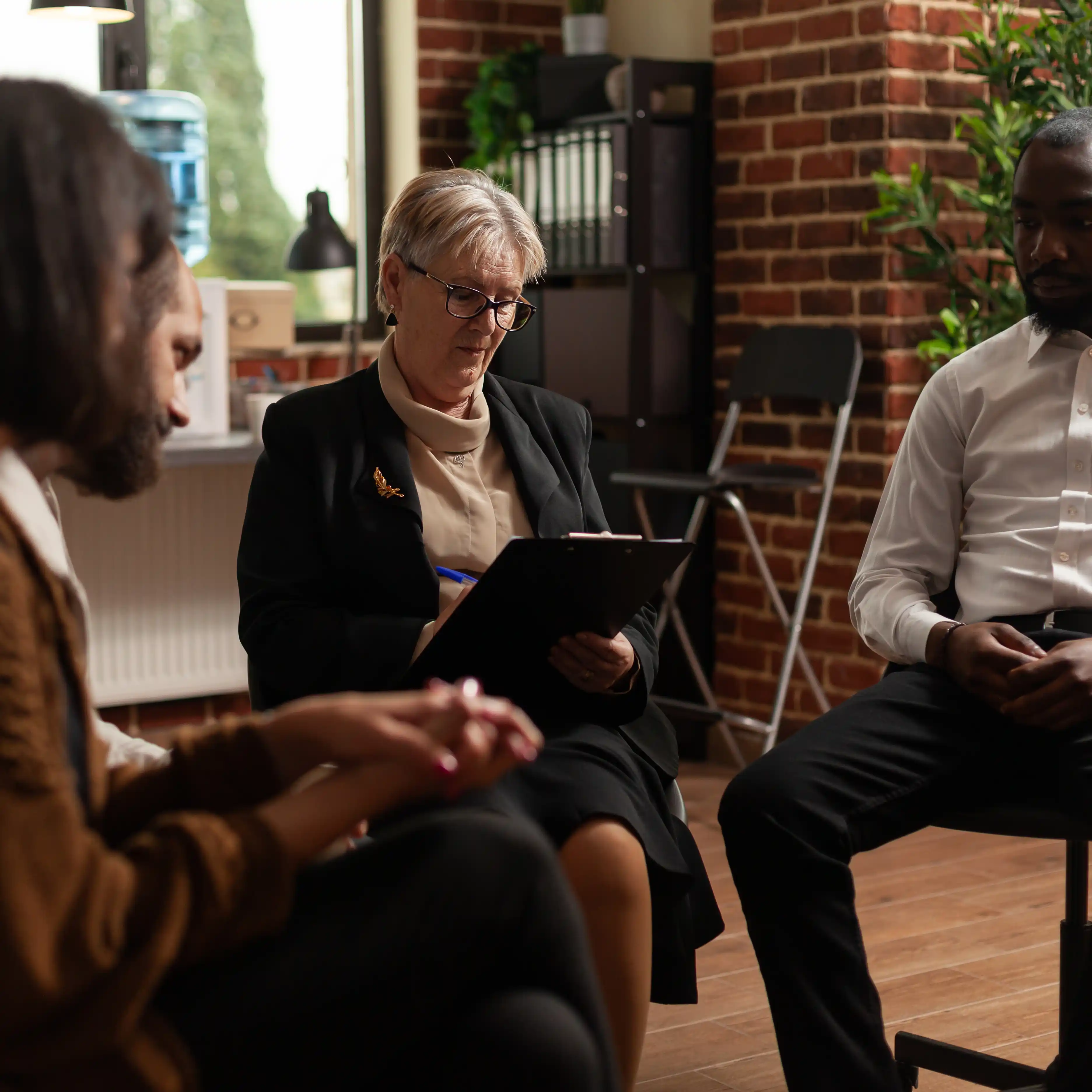
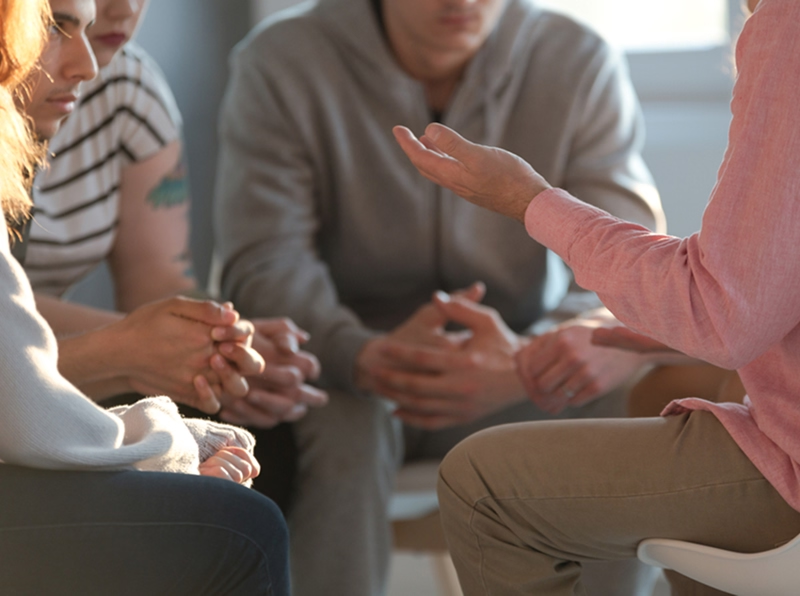
A female therapist speaks with care and focus during a group therapy session, offering guidance to participants seated in a supportive circle. The image reflects the importance of therapeutic connection and shared recovery in addressing dopamine-related behavioural addictions.
The science behind addiction and dopamine

What dopamine does, and how addiction rewires you

Dopamine plays a crucial role in how we experience pleasure, motivation, and reward. But when overstimulated, it can disrupt the brain’s natural balance and lead to addiction over time. According to Yale Medicine, repeated dopamine surges from substances or behaviours can reduce dopamine sensitivity and alter judgement, memory, and decision-making.

Many of us have overcome addiction ourselves. We know how to support people caught in this cycle through detox, rehab, therapy, and long-term aftercare. This page outlines our approach and how we can help you or your loved one take the next step.

  • Detox in our Geelong hospital gives your body and brain time to stabilise in a safe, medically supported environment
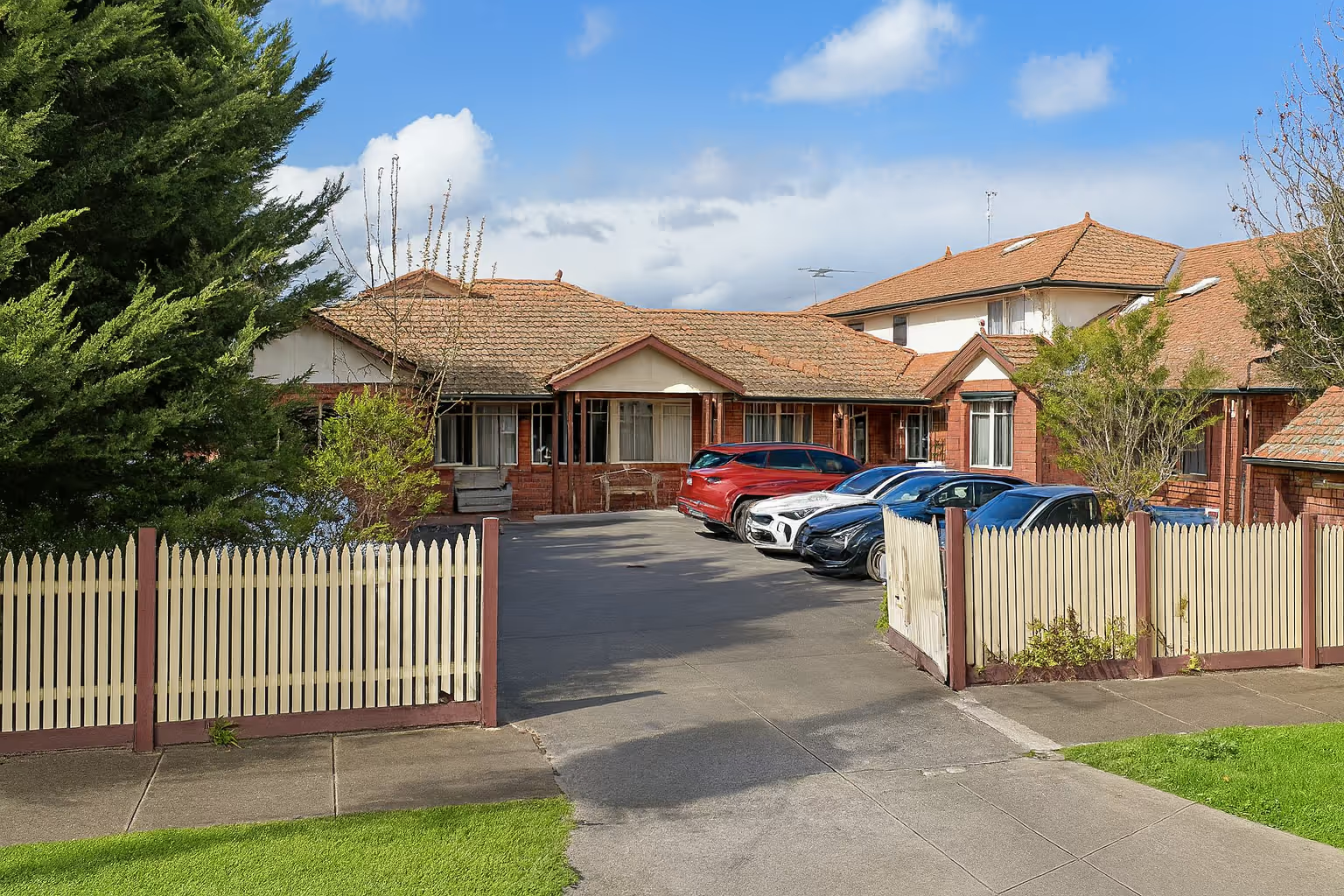
  • Our Essendon residential program offers daily therapy, a structured routine, and support for both mental and physical health
  • The full 90-day program gives you space to reset your dopamine system and build long-term strategies for sobriety
What’s included and how it helps

What you get with our dopamine rehab program

Every person is different, so we offer structured treatment, expert care, and long-term support tailored to your brain, story, and recovery goals.

What’s included in your path to recovery

  • Medically supervised dopamine detox in a supportive environment
  • Inpatient care with daily counselling, group therapy, and wellness support
  • Therapeutic treatment plans informed by neuroscience and behavioural research
  • Dual diagnosis support for addiction and mental health concerns
  • Structured relapse prevention and aftercare programs
  • A team that understands because we’ve been there ourselves
How it works and why it happens

Understanding dopamine overuse and recovery

Many people mistake 'dopamine addiction' as being hooked on dopamine itself, but it's really about overstimulating the brain’s reward system in ways that change how we feel and function.

 young man sits alone on outdoor steps near an office building, hunched over with his head down in visible distress. The image reflects the emotional crash and burnout that can follow compulsive reward-seeking behaviours, highlighting the need for structured recovery in a dopamine addiction rehab program.

When dopamine becomes a problem

When a substance or behaviour floods the brain’s reward system with dopamine, it can overstimulate the network and reduce natural dopamine production. Over time, stronger stimulation becomes necessary just to feel normal. Without it, people often feel low, mentally foggy, or emotionally numb. This is what many people mean by “dopamine addiction.”

Signs and symptoms

When dopamine surges become constant, the brain can lose sensitivity to natural rewards. This can lead to dopamine imbalances, disrupted motivation, and difficulty enjoying normal life.

  • You may feel numb, unmotivated, or emotionally flat without external stimuli or addictive behaviours.
  • Cravings for substances or behaviours that once boosted dopamine levels in the brain.
  • Sleep issues, low mood, impulsivity, or anxiety are common symptoms of dopamine system disruption.

Impacts and effects

Over time, risky or chronic overuse of dopamine-triggering substances or behaviours can impair cognitive function and mental well-being.

  • Decision-making and memory may decline as the brain’s dopamine pathways are overstimulated.
  • Social withdrawal and compulsive engagement in pleasurable yet harmful activities can emerge.
  • The effects of dopamine overuse may include difficulty feeling satisfaction or motivation naturally.

Лечение и поддержка

Dopamine rehab is a form of comprehensive treatment that helps reset the brain’s dopamine function and supports long-term recovery from behavioural or substance-related patterns.

  • Therapeutic counselling helps people understand the root of their reliance and how to avoid relapse triggers.
  • A structured environment and controlled routine help restore natural dopamine production.
  • Support groups, behavioural therapies, and relapse prevention improve psychological resilience.

What recovery looks like

In recovery, the brain slowly restores its balance, improving emotion, cognition, and motivation as dopamine sensitivity returns.

  • Emotional clarity, improved mood, and renewed motivation become more consistent over time.
  • Medically supervised rehab allows people to detox and recover from dopamine disruption in a safe, therapeutic setting.
  • With ongoing support, people regain control and build a healthy, meaningful life post-rehab.
КОНФИДЕНЦИАЛЬНЫЙ ИНСТРУМЕНТ САМООЦЕНКИ

Беспокоитесь о своем употреблении алкоголя или наркотиков?

Этот короткий конфиденциальный тест займет менее двух минут и поможет вам понять, что происходит. Выберите категорию, которая вам наиболее подходит — алкоголь, наркотики или сочетание проблем — и мы зададим вам несколько простых вопросов, на которые нужно ответить «да» или «нет».

В конце мы сообщим вам, если ваши ответы указывают на то, что, возможно, пора подумать о реабилитации, и поделимся безопасными и конфиденциальными вариантами, с которых можно начать.

Пройдите тест сейчас
The programs we offer

Tailored support that adapts to you

We offer short- and long-term options for people experiencing dopamine-related behavioural or substance challenges. Each dopamine rehab program is structured around counselling, behavioural therapy, and therapeutic support groups. Our treatment centre provides a controlled environment that supports healthy dopamine production and lasting recovery.

Программа проживания

Реабилитация с проживанием, включающая структурированную поддержку, терапию и обучение навыкам самостоятельной жизни в безопасной обстановке, ориентированной на выздоровление.

Молодая пара держится за руки во время консультации, ища поддержки в семейной и парной терапии.

Семейная программа

Обучение, групповая поддержка и консультирование, чтобы помочь семьям понять проблему зависимости и поддержать выздоровление своих близких.

Женщина участвует в виртуальной сессии восстановления из дома, занимаясь структурированной терапией в рамках онлайн-программы реабилитации Hader at Home.

Хейдер дома

Полностью цифровая программа восстановления с ежедневными проверками, онлайн-терапией и самоучителями для ухода после реабилитации.

Брюнетка улыбается и делится личным прорывом во время групповой терапии, празднуя прогресс в своем амбулаторном лечении.

Интенсивная амбулаторная программа

Структурированная поддержка при зависимости с помощью терапии, групповых сессий и профилактики рецидивов, разработанная с учетом повседневной жизни.

Мужчина-пациент беседует со своим реабилитационным консультантом.

Консультирование

Терапия с учетом травматического опыта, консультирование по вопросам зависимости и поддержка семьи доступны лично или через безопасные онлайн-сессии.

Женщина обнимает своего партнера после искреннего разговора дома, предлагая ему поддержку и ободрение, когда он соглашается обратиться за помощью в лечении от зависимости.

Вмешательства

Профессиональная поддержка, чтобы помочь семьям организовать безопасное, структурированное вмешательство и направить их близкого человека на лечение.

Вид из частной роскошной резиденции на песчаный задний двор и пляж с шезлонгами и тропическим ландшафтом, созданным для спокойного и уединенного отдыха.

Реабилитация руководителей

Индивидуальное лечение в роскошной обстановке с полной конфиденциальностью и индивидуальным графиком восстановления.

Дань уважения в День АНЗАК с винтажной винтовкой австралийской армии калибра .303, ковбойской шляпой и значком с восходящим солнцем, солдатскими жетонами, цветочным венком и австралийским флагом на заднем плане.

реабилитация DVA

Специализированная стационарная помощь с учетом травматического опыта для ветеранов и сотрудников служб экстренного реагирования, полностью финансируемая для клиентов DVA, имеющих право на такую помощь.

Житель, сидящий на диване в общей комнате, работает над своим личным дневником в рамках реабилитации, назначенной судом.

Реабилитация по решению суда

Структурированная стационарная программа с детоксикацией, терапией и судебно-медицинской экспертизой для выполнения требований по освобождению под залог или вынесению приговора.

Мужчина в переходном жилье завязывает шнурки, готовясь к новому рабочему дню, восстанавливая структуру и независимость после стационарной реабилитации.

Временное жилье

Проживание с акцентом на восстановление, включающее терапию, структурированный режим и поддержку, чтобы преодолеть разрыв между реабилитацией и самостоятельной жизнью.

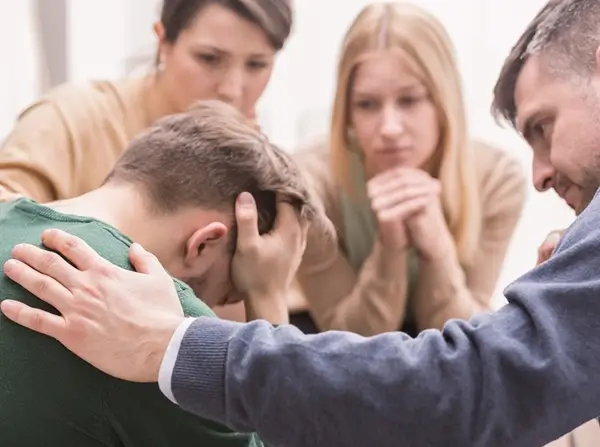
Сеанс групповой терапии в медицинском центре детоксикации, где различные клиенты делятся своим опытом, а психолог мягко поощряет нового участника.

Детоксикация в больнице

Круглосуточная детоксикация под медицинским наблюдением в лицензированной частной больнице, включая поддержку при абстиненции и психиатрическую помощь.

Наш процесс

Here’s what you can expect

Шаг1

Step 1: Understanding your experience

We listen closely to understand your triggers, substance use patterns, and goals so we can tailor your treatment.

Шаг2

Step 2: Building a personal plan

Your plan may include detox, counselling, or inpatient rehab depending on your needs and dopamine imbalances.

Шаг3

Step 3: Walking with you through recovery

We support you through every step with comprehensive treatment strategies and long-term coping mechanisms.

Мы всегда готовы помочь вам – закажите звонок или поговорите с кем-нибудь прямо сейчас.

What makes our rehab different

A trusted, evidence-based approach that works

Every aspect of our program is built on clinical evidence, compassionate care, and real recovery outcomes. Our team understands how the brain’s dopamine system can affect motivation, behaviour, and well-being. We offer support that addresses psychological, behavioural, and cognitive factors in addiction and helps people recover from harmful reliance on external stimuli and begin to rebuild.

Clinically informed, trauma-aware care

Our model integrates physical, emotional, and psychological support.

Staff with real lived experience

Many of us have faced addiction ourselves and know what recovery takes.

Safe, structured, purpose-built spaces

We offer calm, supportive facilities that reduce overwhelm and support healing.

Long-term support that doesn’t stop at discharge

Aftercare, family services, and relapse prevention are built into every plan.

Наши аккредитации

National standards, trusted by health professionals

Our programs are accredited under the NSQHS Standards and overseen by the ACSQHC. These standards recognise our commitment to safety, evidence-based care, and continuous improvement.

More ways we can help

Learn more about our services

We treat a range of addictions, mental health challenges, and complex dual diagnoses with compassion and expertise.

Реабилитация наркозависимых

Inpatient treatment for people struggling with addictive substances, including stimulants, depressants, and prescriptions.

Групповая терапевтическая сессия, посвященная избавлению от зависимости.

Детоксикация от наркотиков

Hospital-based withdrawal support and medication-assisted detox programs in a safe and supportive setting.

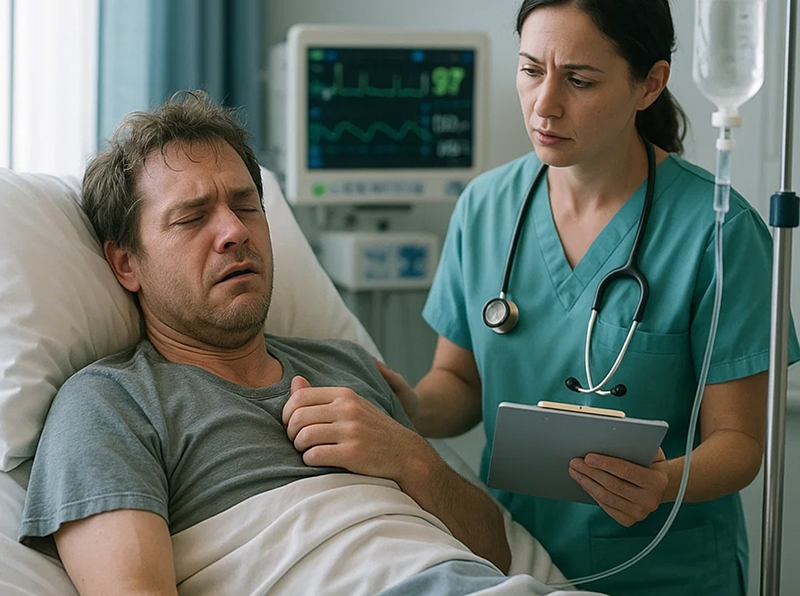
Медсестра проверяет состояние пациента, проходящего курс лечения от наркотической зависимости.

Профилактика рецидивов

Практические, реальные стратегии для управления триггерами, предотвращения срывов и поддержания долгосрочного выздоровления.

Два мужчины обсуждают стратегии предотвращения рецидивов.

Экстренная реабилитация

Ускоренные варианты госпитализации для людей, находящихся в кризисной ситуации и нуждающихся в неотложной стабилизирующей помощи.

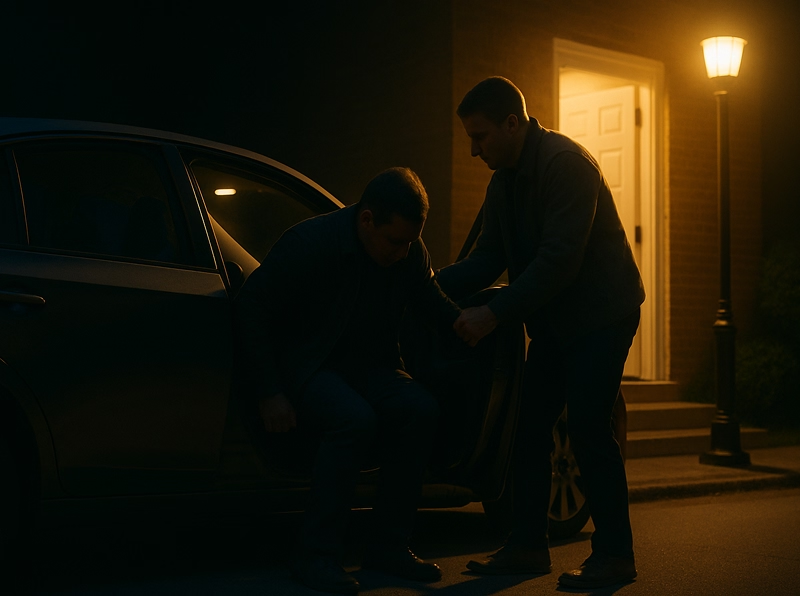
Помощники, помогающие человеку сесть в автомобиль во время кризисного вмешательства.
Истории и отзывы клиентов

Real voices from real recovery

Hear from people who’ve experienced our programs and understand what life looks like on the other side of addiction.

Али Адеми

После многих лет травм, зависимости и утрат Али нашел в себе силы перестроить свою жизнь благодаря поддержке сострадательной команды, чувству общности и стремлению к долгосрочному исцелению.

Мин

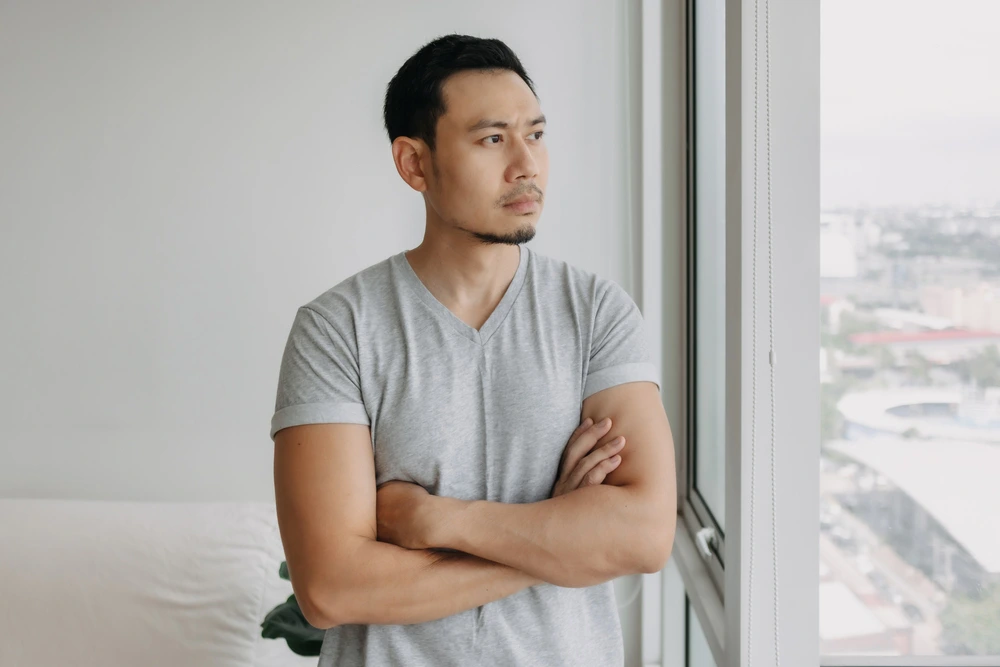
После 32 лет зависимости Мин Фам обрел надежду, исцеление и новый путь в клинике The Hader Clinic. Его путь является свидетельством силы сообщества, сострадания и мужества.

Питер Эль-Кури

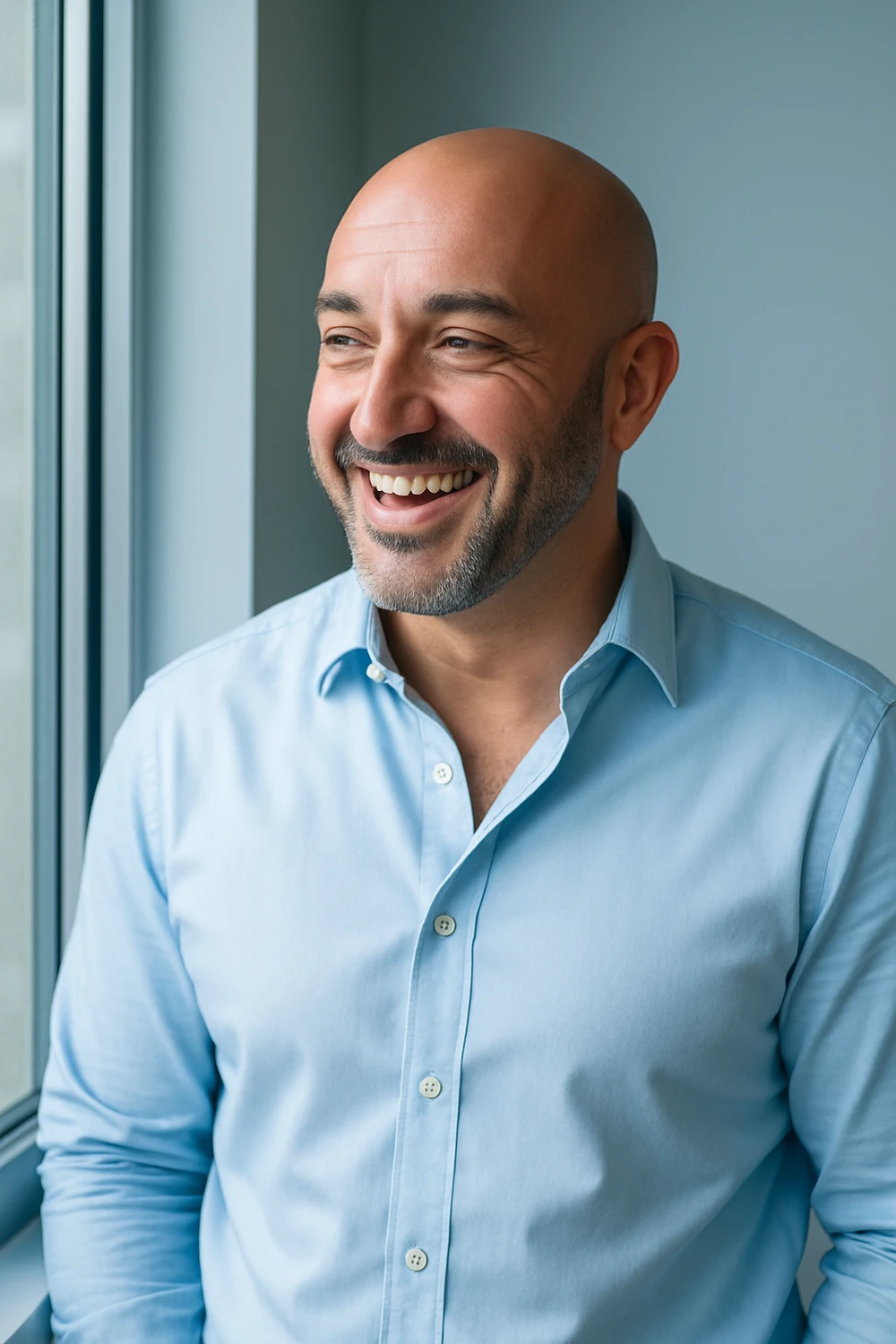
После нескольких рецидивов Питер обрел долгосрочное выздоровление с помощью Хадера. Прочитайте, как терапия, сообщество и клиническая помощь помогли ему вернуть свою жизнь.

Наши местоположения и объекты

Safe, comfortable places to recover

We operate both of our treatment centres to ensure every stage of your recovery is grounded in evidence-based care. In Geelong, our private hospital provides a medical setting where you can safely detox under 24-hour supervision. In Essendon, our residential rehab centre offers a more structured environment where daily routines, counselling, and holistic activities support long-term healing.

Программа стационарной реабилитации и программа переходного жилья

Эссендон
150-152 Cooper St, Essendon VIC 3040

Больничный реабилитационный центр для 28-дневной программы абстиненции и детоксикации

Джилонг
6-8 Townsend Road, Сент-Олбанс-Парк, Виктория 3219

100%

Клиенты получили индивидуальный план лечения.

92%

Завершили полный рекомендуемый курс стационарного лечения.

72%

Сообщалось об улучшении психического здоровья к моменту выписки.

89%

Не было рецидива в течение первых 30 дней после реабилитации.

Your outcomes matter to us

Our programs deliver long-term recovery

Recovery from dopamine-related behavioural and substance issues is possible, and we have the evidence to prove it. Our clients don’t just complete treatment. They rebuild. They stay sober. They stay connected. And they experience long-term, measurable outcomes that significantly exceed national averages.

Смотрите наши источники ниже:

It's never too early to get help

Starting a conversation is the first step towards recovery. Whether you're ready now or still thinking about it, we’re here to talk.

Пройдите бесплатную онлайн-оценку

Пройдите быстрый конфиденциальный тест, чтобы узнать, может ли реабилитация помочь вам, и изучить безопасные варианты поддержки.

Забронируйте бесплатный чат

 Запланируйте конфиденциальный звонок со специалистом в удобное для вас время.

Позвоните нам сейчас

 Немедленно обратитесь к кому-нибудь за советом и поддержкой.

Know what to expect financially

Funding and costs for dopamine rehab

Understanding costs and funding options can make it easier to plan for recovery. We offer transparent pricing and multiple ways to access support.

Explore your funding options

From private insurance to payment plans, our team can talk you through what help is available and how to apply.

Изучите варианты финансирования

Понимание затрат на реабилитацию

Our fees cover medical detox, inpatient care, aftercare, and counselling. We’ll help you understand exactly what your money goes towards.

Узнайте больше о стоимости реабилитации
The people who make it possible

Meet our expert, compassionate team

Our staff includes addiction specialists, counsellors, peer workers, and clinicians, many with lived experience of recovery themselves.

Участник одной из наших творческих реабилитационных программ, сидящий в саду и рисующий цветочные мотивы.
Изображение Анди Тании
Кто мы и почему нам не все равно

О клинике Hader

We’re an Australian rehab service providing evidence-based care, deep personal understanding, and support that lasts long after discharge.

You don't have to face this alone

Get support for yourself or someone else

Whether it’s your own recovery or someone you care about, we can help you take the next step with confidence and clarity.

Для себя

Personalised rehab pathways for people struggling with dopamine-related addiction.

Женщина сидит, сгорбившись на диване у светлого окна, выглядя задумчивой и озабоченной.

Для любимого человека

Support, guidance, and practical next steps for concerned family or friends.

Пара сидит вместе в кабинете терапевта, внимательно слушая и поддерживая друг друга.
More insights on dopamine addiction

Learn more through our expert blogs

Discover articles that explain the neuroscience, symptoms, and real-life recovery journeys behind dopamine-related addiction.

Для себя

Рецидив после реабилитации: статистика и стратегии

Если вы или ваш близкий человек пережили рецидив, присоединяйтесь к нашей программе детоксикации и абстиненции. При необходимости мы можем организовать немедленную экстренную госпитализацию. Звоните сейчас.

Автор
Райан Вуд
23 июля 2024 года
Наркомания

Почему медитация является эффективной частью плана лечения зависимости?

Медитация является ключевым элементом поддержания психического здоровья, а также оказывает поддержку пациентам, проходящим курс лечения и избавляющимся от зависимости.

Автор
Эми Сингх
14 апреля 2020 года
Двойной диагноз

Злоупотребление психоактивными веществами и сопутствующие заболевания

Проблемы злоупотребления психоактивными веществами и проблемы психического здоровья идут рука об руку. Узнайте больше о коморбидности и взаимосвязи между этими двумя проблемами.

Автор
Рэйчел Патерсон
10 февраля 2020 г.
Готовы сделать следующий шаг?

Entering rehab could change your life

We know how hard this decision can be. But when you're ready, we’re here with judgement-free support, proven programs, and a team who gets it.

Поговорите с тем, кто вас понимает

Спасибо! Ваше сообщение получено!
Ой! При отправке формы произошла ошибка.
Common questions about dopamine rehab

Answers to help you move forward

How do you know if dopamine-related treatment is right for you?

There’s no single sign that confirms you need support for dopamine-related addiction, but there are patterns that often point to a deeper issue. If you find yourself unable to stop engaging in certain behaviours or using substances despite negative consequences, or you feel a constant need to chase stimulation, you may be dealing with a dopamine imbalance.

This kind of imbalance can interfere with how your brain responds to natural rewards, leaving you feeling emotionally flat without constant stimulation. It might show up as compulsive gaming, binge-watching, social media use, drug or alcohol use, or chasing risky or euphoric experiences. If these behaviours are escalating and interfering with your relationships, work, or health conditions, it may be time to seek help.

Common indicators that dopamine rehab may be right for you:

  • You’ve lost interest in everyday pleasures unless they come with an intense dopamine hit.
  • You experience emotional crashes or irritability when not engaging in stimulating activities.
  • You’ve tried to stop but keep relapsing into the same behaviours or substances.

To understand your situation more clearly, our rehab quiz can help you reflect on whether it's time for professional support. And if you’re ready to take the next step, we offer a full range of tailored rehab programs that support recovery from dopamine-related addictions.

What kinds of behaviours or substances lead to dopamine imbalance?

Dopamine is a neurotransmitter that plays a crucial role in the brain’s reward system, helping us feel pleasure, stay motivated, and make decisions. But certain behaviours and substances can overwhelm this system, leading to imbalance or even long-term dysfunction. This includes everything from drug use and alcohol to compulsive behaviours like gambling, social media scrolling, or hyper-productivity.

When you repeatedly trigger surges of dopamine (especially through addictive substances or behaviours) your brain starts to adjust. It reduces natural dopamine production, downregulates dopamine receptors, and makes it harder to feel satisfaction from everyday experiences. Over time, this can lead to compulsive use, psychological dependence, and a distorted sense of motivation and pleasure.

Dopamine dysregulation is often associated with:

  • Substance use like alcohol, cocaine, methamphetamine, nicotine, and prescription stimulants.
  • Behavioural patterns such as compulsive gaming, binge eating, or overuse of social media.
  • Chronic stress or trauma, which can disrupt the dopamine system and lead to unhealthy coping behaviours.

Another factor is the tendency to seek quick emotional relief. When everyday discomfort is numbed through excessive stimulation, it becomes harder to sit with uncomfortable feelings, reinforcing compulsive consumption patterns that can fuel addiction.

To support recovery, we offer structured rehab services that address both substance and behavioural addictions. You can also explore how substances like alcohol impact brain chemistry by reading this guide to alcohol and the brain.

Can you be addicted to feelings of pleasure?

Yes — although it's not recognised as a clinical diagnosis, some people experience compulsive behaviour linked to pleasure-seeking that closely mirrors substance addiction. This is often described as a kind of "dopamine addiction," where a person feels driven to pursue specific behaviours or activities that cause a rush of dopamine in the brain’s reward system.

This might include things like gambling, gaming, shopping, sex, or social media use. Over time, repeated exposure to these highly stimulating behaviours can reduce your brain’s dopamine sensitivity. This means it becomes harder to feel good from ordinary activities, which can create a cycle of craving, risk-taking, and emotional distress.

Some signs that your relationship with pleasure may be harmful include:

  • You feel compelled to keep engaging in a behaviour despite negative consequences.
  • You need more of the activity to achieve the same dopamine boost.
  • You feel low, flat, or anxious when you can’t access the stimulus.

At The Hader Clinic, we support people who feel stuck in these cycles, even if they don’t involve drugs or alcohol. Many clients find that a mental health rehab program is a valuable space to explore underlying issues, manage dopamine imbalances, and build healthier patterns of behaviour. For more context, our ultimate guide to rehab for substance abuse outlines how these compulsive cycles form and how we help people recover.

How is dopamine rehab different from drug rehab?

Traditional drug rehab typically focuses on physical withdrawal, detox, and managing cravings for a specific substance. In dopamine rehab, the core issue isn’t a chemical dependence — it’s a pattern of overreliance on behaviours or substances that overstimulate the brain’s dopamine system.

Because of this, our approach to treatment is more focused on the emotional, psychological, and behavioural side of recovery. We help clients understand how their brains have adapted to unnatural dopamine surges, and how that can affect mood, memory, decision-making, and even motor control. Treatment includes counselling, education, structured routines, and therapy to reduce the urge to chase dopamine highs and help the brain rebalance.

We also tailor support around the specific behaviours or substances involved, whether that’s social media, sex, gambling, or prescription stimulants. This may include elements of drug rehab where relevant, but the focus is always personalised. Many clients benefit from our inpatient vs outpatient rehab comparison to find the right level of structure and support.

Our programs help people build sustainable coping mechanisms, boost natural dopamine production, and reclaim a balanced, healthy level of satisfaction in life without relying on artificial stimulation.

What role does the brain’s reward system play in relapse?

Relapse isn’t so much a failure of willpower as a matter of brain function. The brain’s reward system, which governs the release of dopamine in response to pleasurable activities, plays a central role in developing and maintaining addiction. When someone repeatedly uses a substance or engages in a behaviour that overstimulates dopamine release, the brain adapts by producing less natural dopamine and reducing the number of dopamine receptors. This blunts the brain’s ability to feel reward from everyday experiences.

During rehab, dopamine levels in the brain begin to stabilise, but recovery is a gradual process. If someone experiences stress, strong cravings, or exposure to triggers after treatment, the brain’s memory of intense dopamine surges can resurface, creating a powerful drive to re-engage in addictive behaviours. This is particularly true in dopamine-related behavioural addictions, where the trigger and the reward are often closely linked.

That’s why relapse prevention focuses not just on abstinence but on reshaping reward pathways. Our rehab programs combine therapeutic tools, behavioural strategies, and emotional regulation skills that help retrain the brain’s response to stress and reward. Our team also understands how important it is to identify early warning signs and develop personalised coping strategies.

  • Dopamine-related changes can persist even after physical withdrawal ends.
  • The brain's craving for dopamine-driven rewards can be reactivated by stress or reminders.
  • Support networks and relapse prevention tools reduce long-term risk.

Learn more about this process in our relapse prevention guide.

What does detox look like for dopamine-related addictions?

Dopamine-related addictions (whether substance-based or behavioural) don’t always require a conventional medical detox. However, some people may experience intense psychological withdrawal symptoms when they first stop engaging with the behaviour or substance. This can include restlessness, low mood, fatigue, irritability, or a lack of pleasure in daily life. These symptoms are signs that the brain is readjusting its dopamine production and sensitivity.

Unlike opioid or alcohol detox, dopamine detox is less about flushing a substance out of the body and more about providing a controlled environment that reduces stimulation and allows the brain’s dopamine system to stabilise. This often involves a structured break from triggering behaviours, along with therapy, nutrition, meditation, and support. For those also using stimulants like cocaine or methamphetamine, a medical detox may still be needed.

We offer both inpatient and outpatient options depending on the severity of symptoms and any co-occurring medical conditions. Financial help may also be available for eligible clients through available funding options.

  • Detox may focus more on reducing stimulation than managing physical symptoms.
  • Some clients experience a temporary lack of pleasure known as anhedonia.
  • Safe environments and therapeutic care support psychological recovery.

Learn more about how detox works in our guide to detox vs rehab.

What rehab options are available for dopamine addiction?

Dopamine-related addiction often stems from overstimulation of the brain’s reward system. That could be through stimulant use like cocaine or meth, or through behaviours like gambling, gaming, or compulsive internet use. No matter the source, we treat these issues with a comprehensive, personalised approach.

At The Hader Clinic, dopamine-related rehab options include:

  • Inpatient rehab with 28, 60 or 90-day programs in a controlled environment
  • Medically supervised detox to manage withdrawal symptoms safely
  • Therapy and counselling that explore emotional drivers, build coping mechanisms and address any co-occurring conditions

We also offer aftercare and relapse prevention through structured programs like our app, Hader@Home, helping clients stay engaged long after discharge. Our rehab services are designed to support the full recovery journey from early withdrawal to long-term rebuilding. Other therapeutic strategies may include listening to music, improving sleep, and supporting healthy serotonin regulation to aid mood and motivation.
Could mental illness contribute to dopamine addiction?

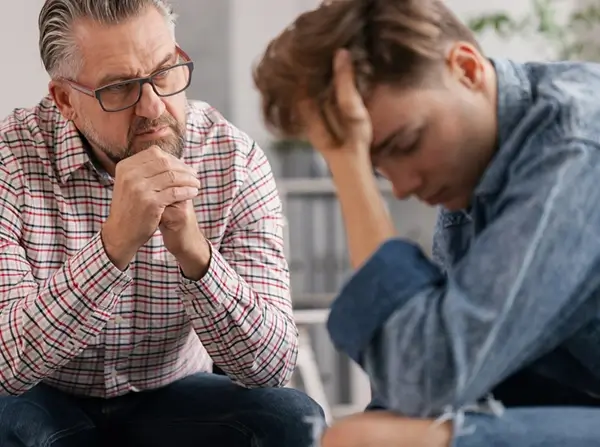
Yes — mental illness can play a major role in driving dopamine-related addiction. People struggling with anxiety, depression, bipolar disorder, or trauma often seek out external stimulus to artificially boost dopamine or numb emotional pain. Over time, this can lead to chronic overstimulation of the brain’s dopamine system and increased reliance on the behaviour.

This is where dual diagnosis treatment becomes essential.

  • We treat both the addiction and the underlying condition at once
  • We support long-term changes in dopamine function and emotional regulation
  • We use integrated care: psychiatry, counselling, and therapeutic supports

Our mental health rehab programs are tailored for clients experiencing this overlap, ensuring treatment that restores both mental well-being and behavioural control. Our clinical team understands how addiction and dopamine include deep neural mechanisms affecting everything from memory to the activity of individual neurons, and our programs are designed with that complexity in mind.

Learn more about our broader rehab services and how they support recovery across the full spectrum of addiction impacts.