











Care that treats more than just symptoms
Our holistic approach to living clean
We combine therapy, mindfulness, movement, and purpose-driven living to support your full wellbeing and help you feel more like yourself again.
Following your residential program, our transitional housing rehab program gives you a safe, supportive place to rebuild your life with aftercare therapy and real-world reintegration support.
قم بإجراء تقييم ذاتي أو تحدث إلى شخص ما الآن، دون أي ضغط للالتزام.
Safe, substance-free shared housing

Peer support and accountability
Continued access to therapy

Help with work or study

Our transitional housing gives you a safe, supportive home after rehab where you can continue your substance addiction recovery with structure, guidance, and a strong community around you. We consider it part of our commitment to helping our clients as best we can on their sober journey.
As with all of our rehab programs, you’ll have access to therapy, peer support, and help getting re-settled in the community — from finding work or study to developing healthy routines and planning for the long term.
We offer transitional housing to clients who have completed our 90-day inpatient rehab program at our residential facility. This program provides more time, guidance, and support before returning to full independence. If you’re feeling unsure about facing life on your own again, transitional housing offers a bridge between treatment and real-world recovery.
You’ll continue with individual therapy and group sessions, live in a stable, recovery-focused home, and receive daily support as you rebuild routines, develop life skills, and prepare for work or study. This recovery schedule helps you stay grounded while building momentum toward your goals.
Long-term success requires sustained support. Transitional housing gives you time, accountability, and a community of peers walking the same path. It’s a proven way to reduce the risk of relapse and build confidence step by step.
From the moment you arrive, you’ll be supported with stable housing, continued therapy, peer support, and opportunities to re-engage with life at your own pace.
The program is built around three core stages, giving you time to stabilise, build life skills, and prepare to rejoin the world on your own terms.
لا تعرف من أين تبدأ؟ قم بإجراء تقييم ذاتي أو احجز موعدًا للدردشة – كلاهما سريان بنسبة 100٪.
You’ll move into a safe, supportive home designed for recovery, where you can adjust to new routines and build early momentum.
This phase focuses on rebuilding daily life, strengthening your recovery and developing practical independence.
As you gain confidence, we’ll support your transition into work, study, or volunteering, with a plan for lasting independence.
Our recovery housing stands out for its structure, transparency, and support. We offer clearer outcomes, more flexibility, and stronger integration than other providers.


هذا الاختبار القصير والسري يستغرق أقل من دقيقتين ويمكن أن يساعدك على فهم ما يحدث. اختر الفئة التي تبدو الأكثر صلة بك - سواء كانت الكحول أو المخدرات أو مزيج من المخاوف - وسنوجهك من خلال بعض الأسئلة البسيطة بنعم/لا.
في النهاية، سنعلمك إذا كانت إجاباتك تشير إلى أنه قد حان الوقت للنظر في إعادة التأهيل، وسنشاركك خيارات آمنة وسرية للبدء.

We keep costs clear and straightforward, so you can focus on your recovery, not the paperwork or confusion.

الإسكان الانتقالي
This covers everything in your 12-week transitional housing stay and is non-refundable. We have payment solutions to make housing as accessible as possible.


We keep costs clear and straightforward, so you can focus on your recovery, not the paperwork or confusion.
الإسكان الانتقالي
This covers everything in your 12-week transitional housing stay and is non-refundable. We have payment solutions to make housing as accessible as possible.
We offer flexible ways to cover the cost of care, so you can focus on your recovery, not your finances.
If you’re funding your stay yourself, you’ll have direct access to admissions without needing approval or documentation from a third party.
Under the ATO's compassionate grounds criteria, you may be able to use your superannuation to help pay for treatment.
We can tailor a payment plan that suits your situation, making transitional housing more accessible when upfront payment isn’t possible.
NDIS may fund parts of your transitional support, especially if you have a dual diagnosis or mental health support needs in your plan.
This program gives you the time, structure, and support you need to truly rebuild in a real-world setting that bridges treatment and independence.
You’ll live in a real-world setting with a daily rhythm while still having the freedom to grow at your own pace.

Keep working with a professional team, staying grounded with therapy, peer support, and relapse prevention.
You’ll live alongside others on the same journey, with built-in support, encouragement, and shared growth.
We help you find work, study, or purpose, and build the confidence to step into life again on your terms.
To join the program, you’ll need to have completed rehab, be willing to stay for at least three months and be ready to take part in structured recovery support.

We have a few criteria to ensure every resident gets the right support. You’ll need to have finished an inpatient rehab or equivalent program, be ready for a 3-month commitment, and actively engage in recovery. If you're self-funding, you’ll also need to contribute to housing costs unless you’re covered by DVA or financial assistance.

Once you’re ready, our admissions team will guide you through every step, from checking your funding options to setting up your housing plan. We'll make sure the transition is as smooth and supportive as possible.
You don’t have to figure this out alone. We’ll listen, answer your questions, and help you explore whether transitional housing is the right next step in your recovery.

أجب على استبيان سريع وسري لاستكشاف خيارات الدعم الآمنة.

حدد موعدًا لإجراء مكالمة سرية مع أحد المتخصصين في الوقت الذي يناسبك.

تحدث إلى شخص ما على الفور للحصول على التوجيه والدعم.
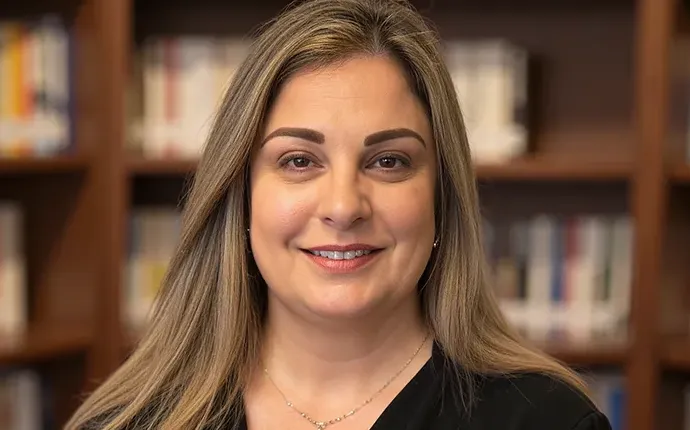
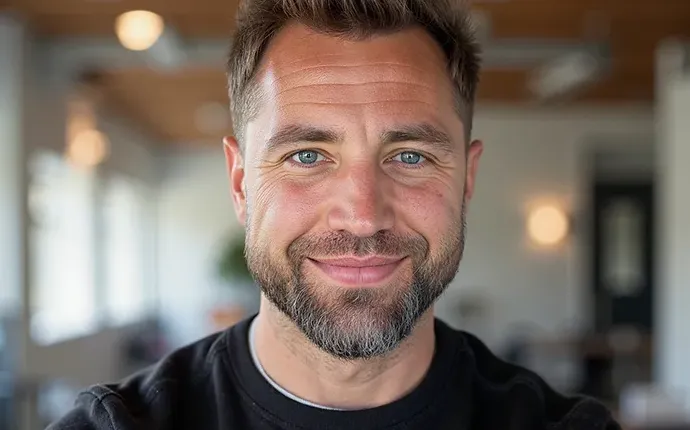
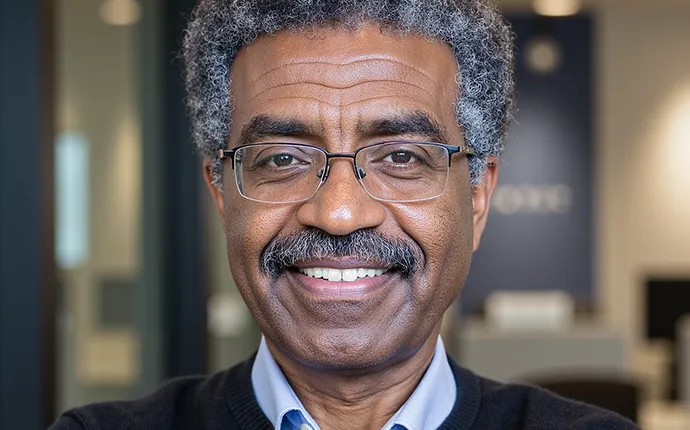
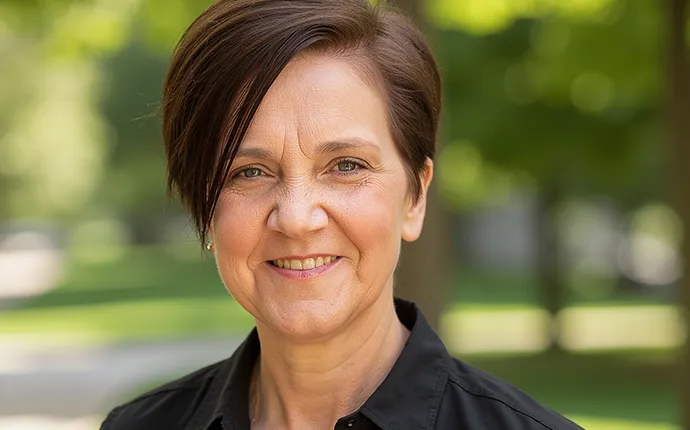
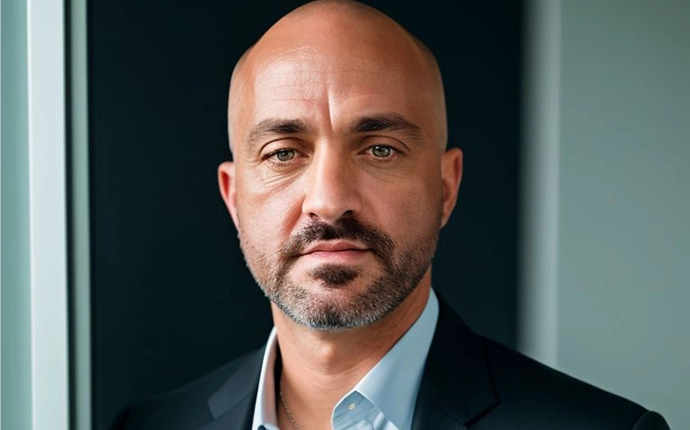
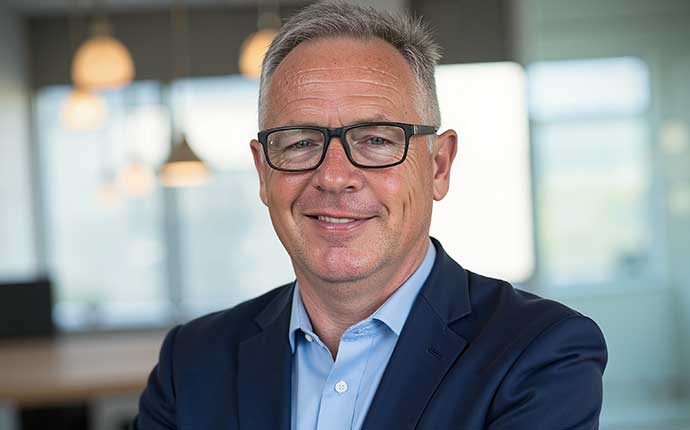
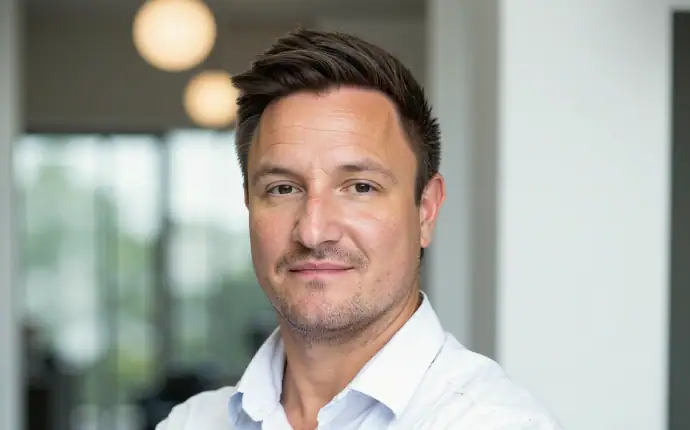
The best way to understand our impact is to hear from the people who’ve lived it. These are former clients who rebuilt their lives with our support and are now thriving in recovery.
Our team is made up of experienced professionals who genuinely care. Many have walked this road themselves, and all are here to help you feel safe, seen, and supported.







of residents transition to independent living after 6 months
more likely to stay sober compared to unsupported clients
secure employment or education during their stay
reduction in relapse rates with structured housing support
Building a stable and fulfilling life is the best way to stay sober. Our results speak for themselves: greater independence, lasting change, and a real chance at long-term recovery.
Our transitional housing program is supported by experienced AOD clinicians, peer workers, and case managers. Guided by the NSQHS Standards and principles set by the ACSQHC, we provide safe, recovery-focused accommodation with ongoing therapeutic support to help you rebuild independence.



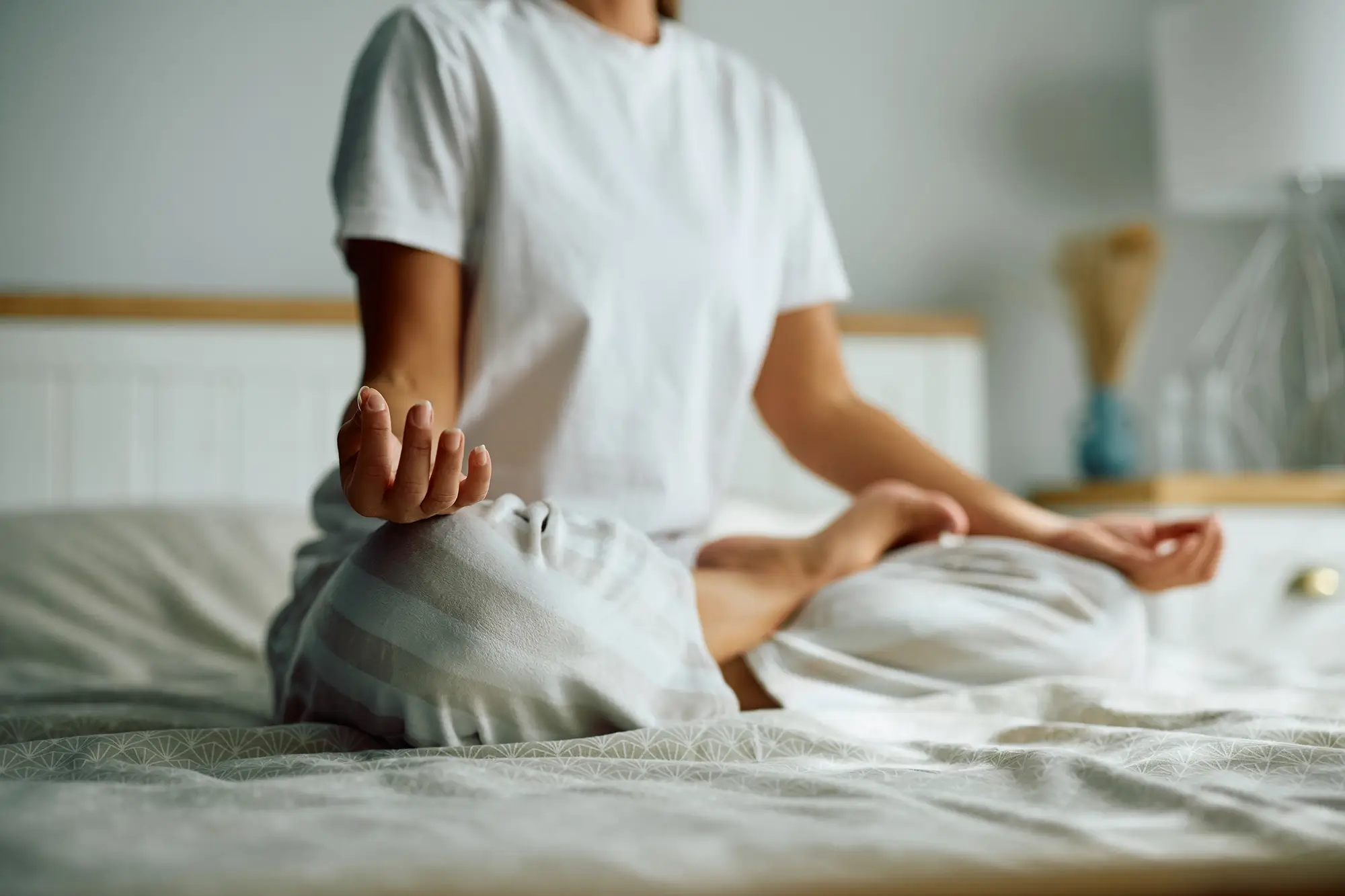
We combine therapy, mindfulness, movement, and purpose-driven living to support your full wellbeing and help you feel more like yourself again.

Our staff includes clinicians, therapists, and recovery coaches with deep experience and compassion. Many have faced addiction themselves, so they understand what you’re going through and how to help you through it with patience, honesty, and care.
Our recovery housing is located in Ocean Grove, offering safe, shared homes with access to therapy, wellness programs, and nearby community services to support your reintegration.
برامج إزالة السموم المدعومة طبياً، وبرامج إعادة التأهيل الداخلي، وبرامج الإسكان الانتقالي.


If you’re ready for support, we’re ready to help. Fill out the form, and our team will contact you quickly to guide you through the next steps — no pressure, just support.
تحدث إلى شخص يفهمك
Our transitional housing program is in Ocean Grove, a peaceful coastal town where residents live in shared homes designed to support recovery in a calm and grounded setting. This environment allow clients to reintegrate into the community while remaining connected to care.
Yes. Both our Ocean Grove site offers separate, gender-specific housing options to ensure comfort, privacy, and a supportive environment for all residents. These shared spaces are designed to foster connection and mutual support among recovering addicts while also promoting stability and safety during this critical stage of transition.
The treatment program includes ongoing individual counselling and guidance, group therapy, recovery coaching, and relapse prevention planning. These sessions take place within a therapeutic community environment and are grounded in evidence-based approaches. Continued support after our residential rehabilitation program is critical, and our therapy offerings help reinforce healthy behaviours and reduce the long-term risk of relapse.
You’ll learn practical, confidence-building life skills like cooking, budgeting, self-care, time management, and regular living routines. These living skills help you move from recovery into independent living, with personal growth built into every part of the program. The goal is to help you build stability and learn how to work and live in a way that feels balanced and sustainable.
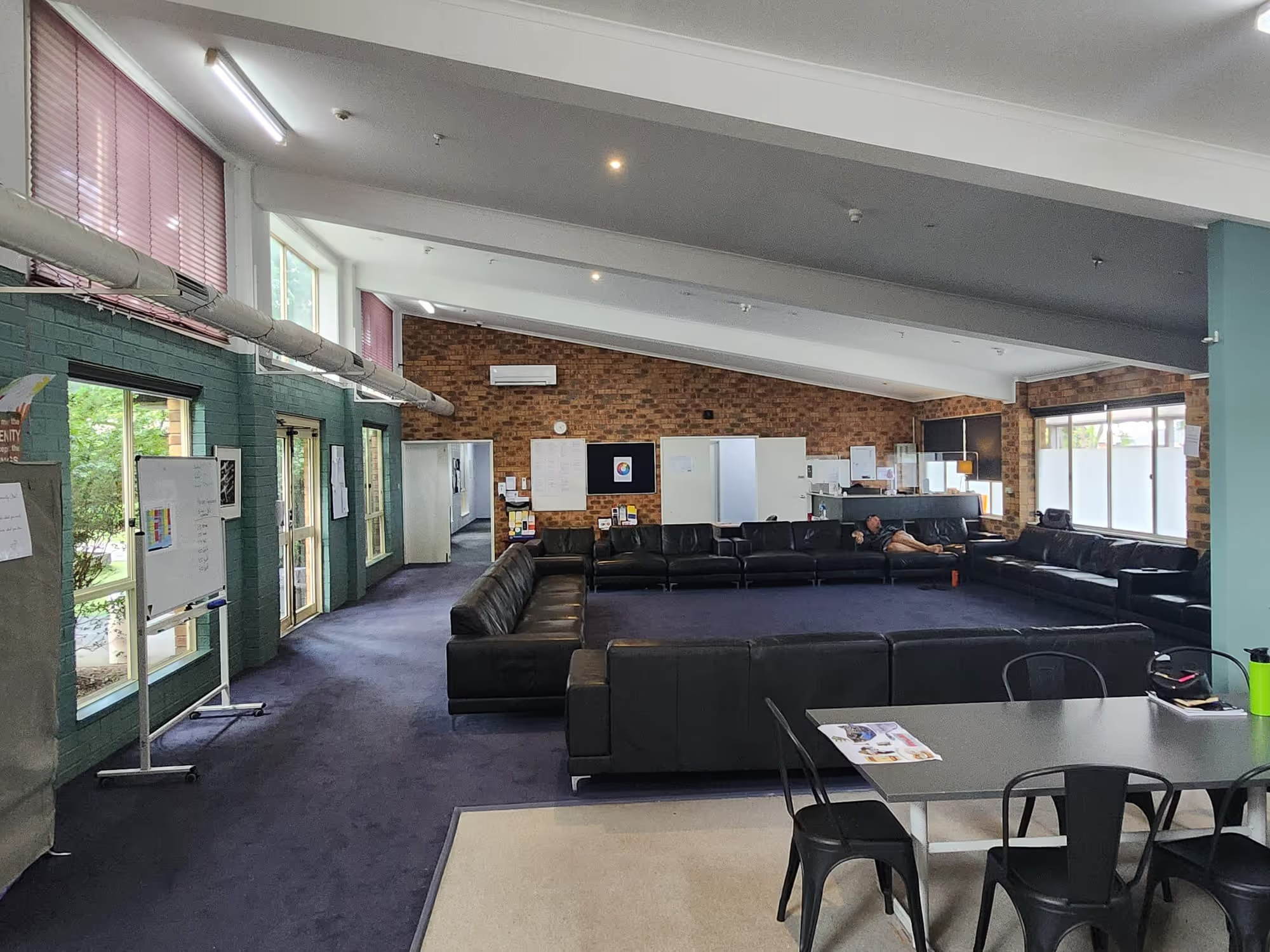
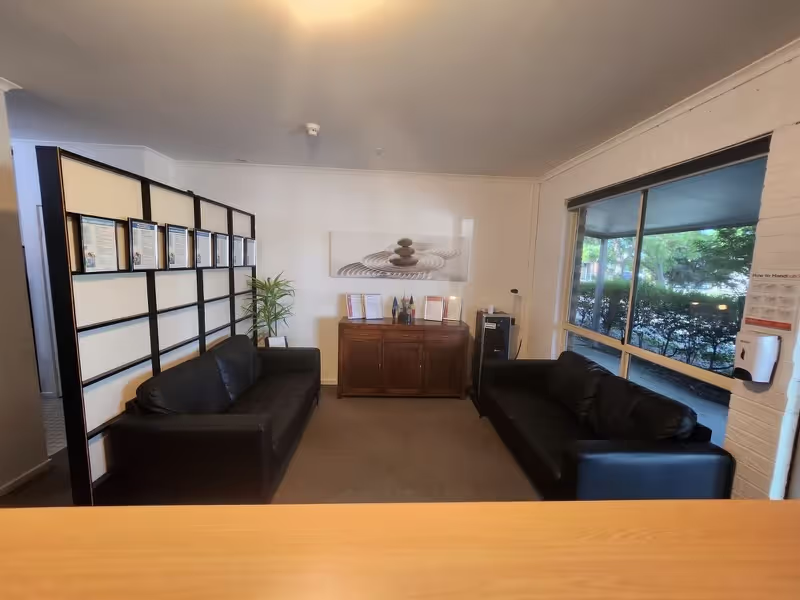
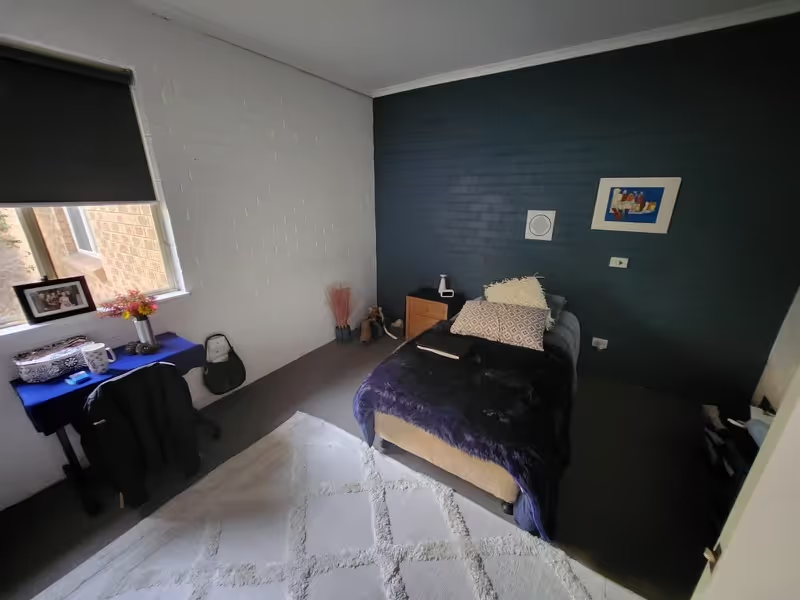
Our transition house facility is fully furnished and designed to feel like home. It includes shared living spaces, kitchens, private or semi-private bedrooms, and access to wellness spaces for exercise and mindfulness. Residents benefit from on-site support and monitoring, ensuring safety and structure throughout their stay.
The cost includes accommodation, access to therapy, recovery group sessions, coaching, workshops, relapse prevention training, wellness activities, and support for employment or study. Transitional living isn’t just about housing — it’s about structured recovery. Everything included in your stay is aimed at helping you rebuild confidence, develop independence, and integrate safely back into life.
Each day offers a balanced mix of structure, support, and personal development. Mornings often start with goal setting or reflection, followed by group therapy or personal tasks like job applications. Afternoons may include counselling, volunteering, or wellness activities. Evenings offer shared meals and peer support. It’s a second phase of residential treatment, one designed to help you recover while building connections and routines.
We understand that recovery looks different for everyone, and that challenges like homelessness, cultural identity, or stigma can make it harder to ask for help. That’s why we partner with trusted organisations, including the Ngwala Willumbong Aboriginal Corporation, to provide culturally appropriate support for Aboriginal and Torres Strait Islander clients. We also create safe, respectful rehab spaces for all people, including LGBTQ+ individuals, seniors, pregnant mothers, and even faith-based rehab support for Christians, Muslims, Jews, and Seventh-day Adventists. As an accredited provider, we’re committed to personalised, inclusive care that honours your background, protects your dignity, and gives you a real chance to heal.