MDMA may seem harmless, until it’s not

Melbourne MDMA rehab for detox and addiction treatment

The experience can feel intense, but when it starts affecting your health, your relationships or your peace of mind, it's time to check into a specialised MDMA rehab centre.

지금 바로 자기 평가를 해보거나 상담사와 이야기해보세요. 어떠한 의무도 없습니다.

A person having an anxiety attack in a nightclub setting. They’re sweating, clenching their jaw, and sitting on the floor.

Inpatient rehab for MDMA in Melbourne

Medical detox and withdrawal support

Specialised MDMA addiction treatment

Therapy for co-occurring mental health

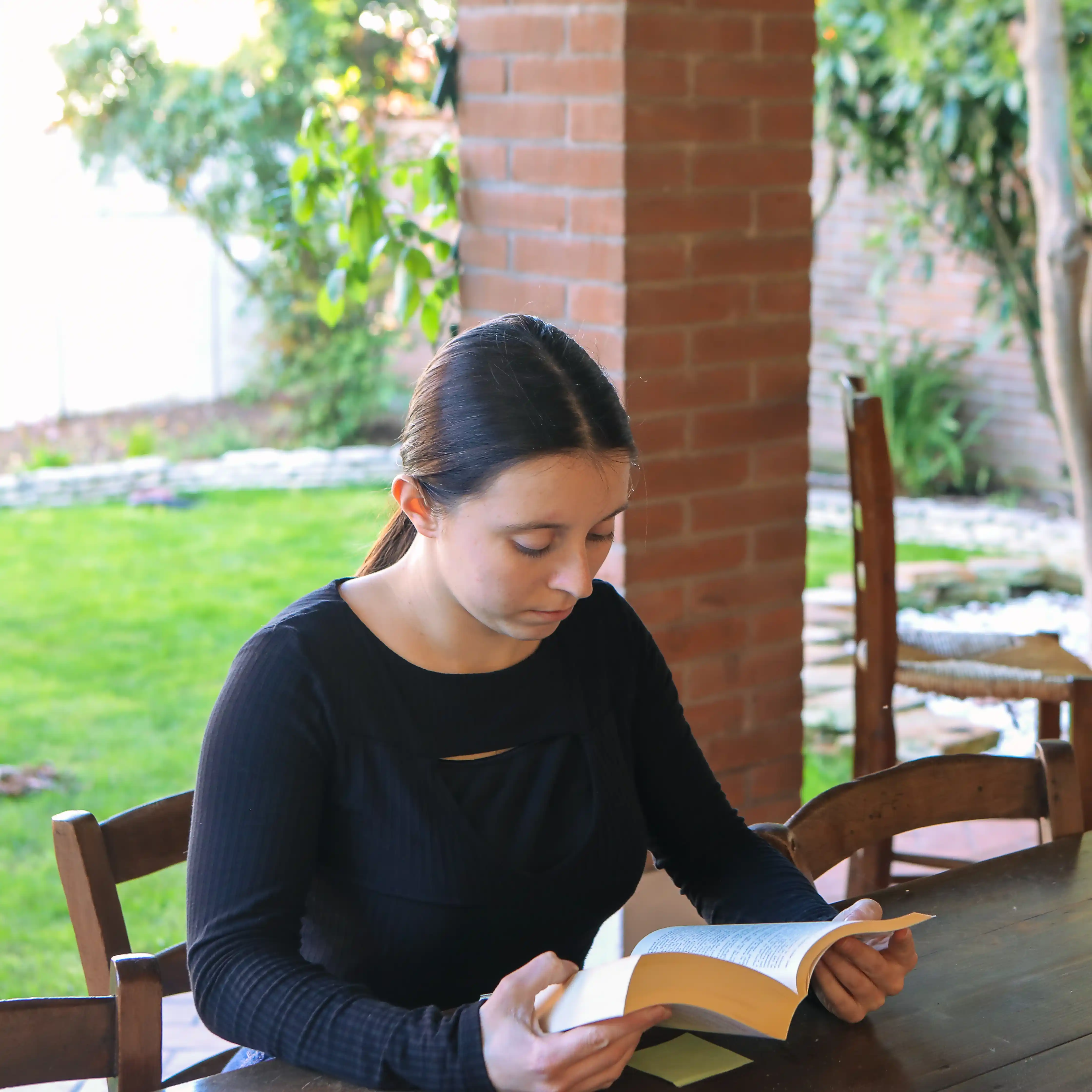
An MDMA rehab client in a garden setting in the afternoon. They’re engrossed in a book, doing their best to keep their focus and to practice their mindfulness.
When partying turns into a pattern

Understanding MDMA rehab and what to expect

MDMA can seem like a harmless party drug, but regular use can lead to serious mental, emotional, and physical effects. Many people come to rehab not because they’ve hit rock bottom, but because they’ve started to notice changes in how they think, feel, and relate to the world.

At The Hader Clinic, we understand that seeking treatment for MDMA use can feel confronting. Our inpatient rehab program offers a calm, structured environment where you’ll be supported to explore your experience without shame, build coping skills, and start to feel like yourself again.

  • MDMA addiction isn’t always obvious, but subtle symptoms can build over time and affect daily life.
  • We provide inpatient treatment tailored to people who use MDMA and may be experiencing other drug use or mental health challenges.
  • If you’re unsure what help looks like, we’re here to talk through your options and help you take the first step towards recovery.
You don’t have to face recovery alone

What’s included in our MDMA rehab program

We combine medical care, structured routine, and expert psychological support to create a safe path out of MDMA dependency.

Our addiction treatment includes:

  • Personalised assessment and treatment plan from day one of admission.
  • Medically supported detox process to manage withdrawal symptoms safely.
  • One-on-one and group therapy with experienced addiction specialists.
  • Support for mental health concerns such as anxiety or depression.
  • Daily routines designed to restore structure, stability, and confidence.
  • Ongoing relapse prevention planning and aftercare coordination.
The realities of MDMA use

What to know about MDMA addiction

MDMA might seem less harmful than other drugs, but the risks are real. It affects the brain’s chemistry, can lead to dependency, and may cause lasting mental health challenges.

A person in their 20s in group therapy. They’re sharing a difficult memory and people are listening supportively.

What is MDMA addiction?

MDMA is a synthetic stimulant that creates strong feelings of euphoria and connection. It’s often sold as ecstasy or molly, though what you’re taking can vary wildly. Many people start casually, at a party or festival, but with repeated use, it becomes harder to feel good without it. That’s when MDMA use can shift from recreational to compulsive, and addiction takes hold.

Recognising the signs of MDMA addiction

You might not notice the shift at first. But over time, MDMA can start to dominate how you manage emotions, relationships, or stress. You may find yourself chasing the high more often, feeling anxious or depressed between uses, or struggling to enjoy life without it. These are all signs the drug is no longer helping — it’s holding you back.

  • You feel emotionally flat or irritable for days after taking MDMA.
  • You notice your social life revolves around drug use or recovery.

  • You experience memory issues, poor sleep, or sudden mood changes.

The short- and long-term effects of MDMA

MDMA floods the brain with feel-good chemicals like serotonin and dopamine. That high feels incredible, but it depletes your system, leaving you low and foggy afterwards. With frequent use, the impact deepens. MDMA can disrupt your memory, emotional balance, and ability to feel natural joy or connection. Some people develop anxiety, paranoia, or persistent low mood.

  • You may feel emotionally unstable or disconnected after each use.
  • Long-term use increases the risk of anxiety, depression, and burnout.
  • Chronic use of MDMA can affect sleep, focus, and social confidence.

How treatment works

A good rehab program gives you structure, safety, and time to heal. MDMA detox is just the first step of the process; it’s also about helping you understand why MDMA became a coping tool, and how to rebuild without it. At The Hader Clinic, we use trauma-informed therapy, relapse prevention, and real-world skill building to create change that lasts.

  • Therapy helps you explore what led to drug use and what’s driving it now.
  • MDMA use seems to be rising, making early support essential.
  • Treatment includes strategies for triggers, cravings, and long-term care.

What recovery can look like

MDMA recovery means learning how to manage stress, emotion, and connection without relying on a drug. It often involves rebuilding trust with yourself and others, reestablishing routines, and gaining tools to feel more stable day-to-day. Many people report better mental clarity, healthier relationships, and greater emotional resilience after treatment.

  • Clients often rediscover meaning and purpose outside of drug use.
  • Peer support and group therapy offer encouragement and connection.
  • You’ll build skills to handle cravings, social pressure, and self-doubt.
기밀 자체 평가 도구

음주나 약물 사용이 걱정되시나요?

이 짧은 비밀 보장 퀴즈는 2분도 채 걸리지 않으며, 현재 상황을 이해하는 데 도움이 될 수 있습니다. 알코올, 약물 또는 여러 가지 우려 사항 중 가장 관련성이 높다고 느껴지는 범주를 선택하시면, 간단한 예/아니오 질문 몇 가지를 안내해 드리겠습니다.

마지막에는 답변을 바탕으로 재활 치료를 고려할 시점인지 알려드리며, 시작하기 위한 안전하고 비밀 보장되는 옵션을 공유해 드립니다.

지금 퀴즈를 풀어보세요
Support that understands your reality

Our programs are built around real MDMA recovery

We offer structured inpatient rehab, medical detox, relapse prevention planning, and aftercare services to support every step of the recovery process. Programs are adapted for each client, based on their use history, physical and psychological health, and level of risk. For those experiencing co-occurring mental health conditions, dual diagnosis treatment is also available.

주거 프로그램

안전하고 회복 중심의 환경에서 체계적인 지원, 치료 및 생활 기술 훈련을 제공하는 거주형 재활 프로그램.

상담 세션 중 손을 잡고 있는 젊은 부부, 가족 및 관계 치료를 통해 지원을 구하고 있다.

가족 프로그램

교육, 그룹 지원 및 상담을 통해 가족들이 중독을 이해하고 사랑하는 사람의 회복을 지원할 수 있도록 돕습니다.

가정을 통해 가상 회복 세션에 참여하는 여성, 'Hader at Home' 온라인 재활 프로그램을 통한 체계적인 치료에 참여 중

헤더의 집

재활 후 관리를 위한 완전 디지털 회복 프로그램으로, 매일 체크인, 온라인 치료, 자가 학습 워크북을 제공합니다.

갈색 머리의 여성이 그룹 치료 중 개인적인 돌파구를 공유하며 미소 짓고, 외래 치료 회복 과정에서의 진전을 축하하고 있다.

집중 외래 치료 프로그램

일상에 맞춰 설계된 체계적인 중독 지원 프로그램으로, 치료, 그룹 세션 및 재발 방지를 포함합니다.

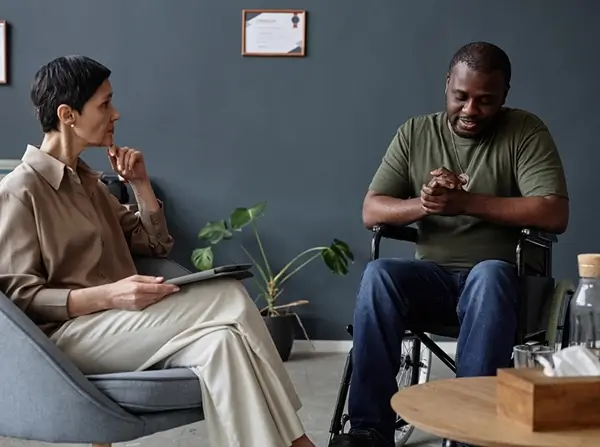
한 남성 거주자가 재활 상담사와 대화를 나누고 있다.

상담

트라우마 중심 치료, 중독 상담 및 가족 지원 서비스를 대면 또는 안전한 온라인 세션을 통해 이용하실 수 있습니다.

집에서 진심 어린 중재를 마친 후, 중독 치료를 받기로 동의한 파트너를 포옹하며 지지와 격려를 보내는 여성.

개입

가족이 안전하고 체계적인 중재를 진행하고 사랑하는 사람을 치료로 이끌 수 있도록 지원하는 전문적인 지원 서비스.

사적인 고급 주거지에서 바라보는 모래로 된 뒷마당과 해변을 조망할 수 있으며, 평화롭고 은밀한 휴식을 위해 설계된 라운저와 열대식물 조경이 마련되어 있습니다.

경영진 재활 프로그램

사적인 1:1 치료를 제공하는 고급스러운 환경에서 완벽한 비밀 보장 및 맞춤형 회복 일정을 제공합니다.

ANZAC 데이 추모 장면: 빈티지 호주 육군 .303 소총, 슬라우치 햇, 떠오르는 태양 휘장, 군인 군번줄, 화환, 그리고 배경에 호주 국기가 배치됨

DVA 재활

참전용사 및 응급구조대원을 위한 외상 중심 전문 입원 치료 서비스로, 자격 요건을 충족하는 DVA 고객에게는 전액 지원됩니다.

법원 명령에 따른 재활 프로그램의 일환으로, 공동 공간의 소파에 앉아 개인 일기를 작성 중인 한 거주자.

법원 명령 재활

구속 또는 선고 요건을 충족하기 위한 해독, 치료 및 법의학적 보고를 포함한 체계적인 입원 프로그램.

전환 주택에 거주하는 한 남성이 입원 재활 치료 후 구조와 독립성을 재건하며 새로운 하루의 일을 준비하며 신발끈을 묶고 있다.

과도기적 주거

재활과 독립 생활 사이의 간극을 메우기 위한 치료, 체계적 지원 및 회복 중심의 주거 서비스.

의료적 해독 센터에서 진행되는 지지적 집단 치료 세션. 다양한 배경을 가진 내담자들이 자신의 경험을 나누고, 심리학자가 새로 참여한 내담자를 부드럽게 격려하는 자리.

병원 해독

면허를 취득한 사립 병원에서 24시간 의료진이 감독하는 해독 치료를 제공하며, 금단 증상 지원 및 정신과 치료를 포함합니다.

A safe, supported path forward

연락을 취할 때 기대할 수 있는 것들

단계1

Speak to our intake team

We’ll listen, answer your questions, and help you decide what kind of support is right for you or your loved one.

단계2

Get assessed and admitted

Once you're ready, we’ll guide you through an intake assessment and organise admission to the right program.

단계3

Begin personalised care

You’ll receive structured, individualised treatment designed to support long-term recovery and wellbeing.

준비되셨을 때 언제든지 저희가 도와드리겠습니다 – 전화 상담 예약하거나 지금 바로 상담원과 이야기해 보세요.

What sets our MDMA rehab apart

A personalised approach grounded in trust

We don’t offer one-size-fits-all programs. Every MDMA recovery journey is unique, and our care reflects that. With lived-experience staff, trauma-informed clinicians, and an integrated treatment model, we support each client’s emotional, physical, and psychological healing. From detox to long-term planning, you’ll never be just a number.

Lived experience you can relate to

Many of our team have overcome addiction themselves and bring compassion, honesty, and real-world insight to your care.

Safe, focused inpatient environment

Accredited private hospital setting with round‑the‑clock clinical supervision for detox and stabilisation.

Integrated dual diagnosis support

Specialists in co‑occurring mental health and substance use, with trauma‑informed, evidence‑based therapy.

Aftercare planning that works

Relapse prevention tools, family involvement, and ongoing support so you can maintain progress after discharge.

Quality care backed by national standards

Accredited, evidence-based MDMA rehab in Victoria

We’re fully accredited under the National Safety and Quality Health Service (NSQHS) Standards, governed by the Australian Commission on Safety and Quality in Health Care (ACSQHC).

Flexible programs for different needs

Rehab services for every stage of recovery

Whether you need detox, inpatient care, relapse prevention or urgent support, we offer structured, compassionate services tailored to where you’re at.

약물 재활

Our structured programs help people overcome addiction to substances like MDMA, ice, heroin, marijuana and more.

중독 회복에 관한 그룹 치료 세션

약물 해독

Medically supported detox services for safe withdrawal from MDMA and other drugs, delivered in a controlled, inpatient setting.

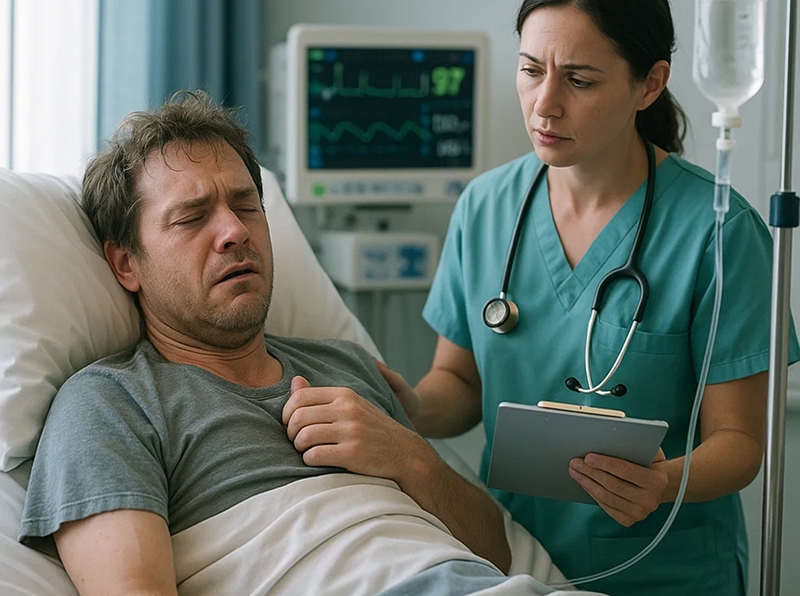
약물 해독 치료를 받고 있는 환자를 확인하는 간호사.

재발 방지

We provide education, planning and psychological support to help clients stay substance-free after rehab.

두 남자가 재발 방지 전략에 대해 논의하고 있다.

응급 재활

Fast admission options for people in urgent crisis due to MDMA, other substances, or a combination of drugs and alcohol.

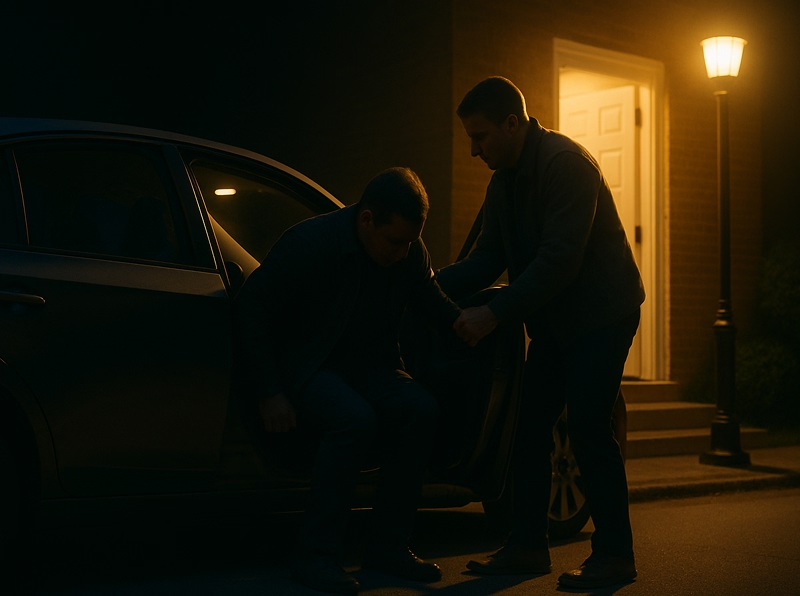
위기 개입 중 한 사람을 차에 태우는 보조자들.
Real voices from real recovery

Stories and testimonials from our clients

Hearing from others who’ve been through the process can offer clarity, connection and hope, whether you’re just starting out or supporting a loved one.

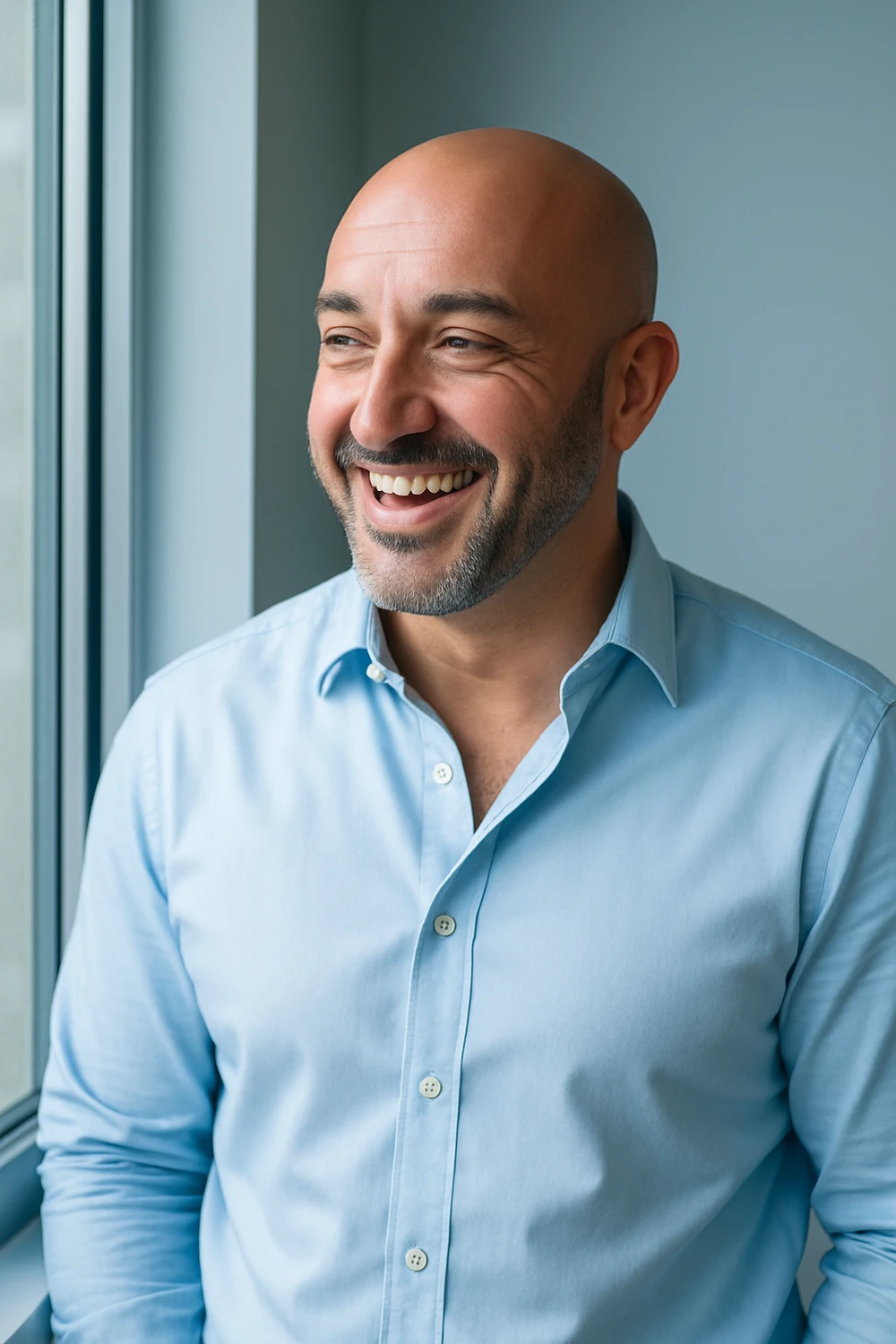
알리 아데미

수년간의 트라우마, 중독, 상실 끝에 알리는 자비로운 팀의 지원, 공동체 의식, 그리고 장기적인 치유에 대한 헌신을 통해 삶을 재건할 힘을 찾았다.

32년간의 중독 생활 끝에 민 팜은 헤더 클리닉에서 희망과 치유, 새로운 길을 찾았습니다. 그의 여정은 공동체와 연민, 용기의 힘을 증명하는 사례입니다.

피터 엘-쿠리

여러 번의 재발 끝에 피터는 헤더를 통해 장기적인 회복을 이루었습니다. 치료, 공동체, 그리고 임상적 돌봄이 어떻게 그가 삶을 되찾는 데 도움을 주었는지 읽어보세요.

A safe and supportive healing environment

Where treatment happens matters

We offer purpose-built facilities in peaceful settings, designed to support emotional safety, physical wellbeing, and strong therapeutic outcomes across every stage of recovery.

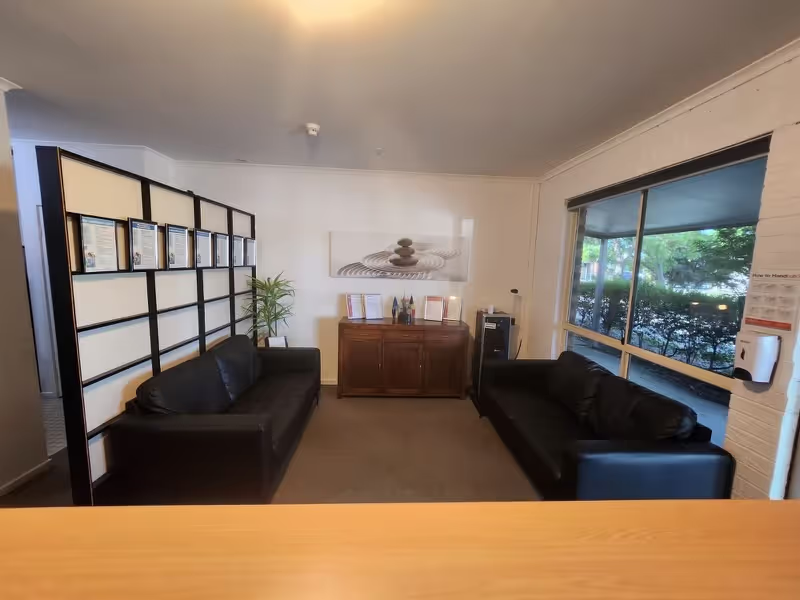
입원 재활 프로그램 및 전환 주거 프로그램

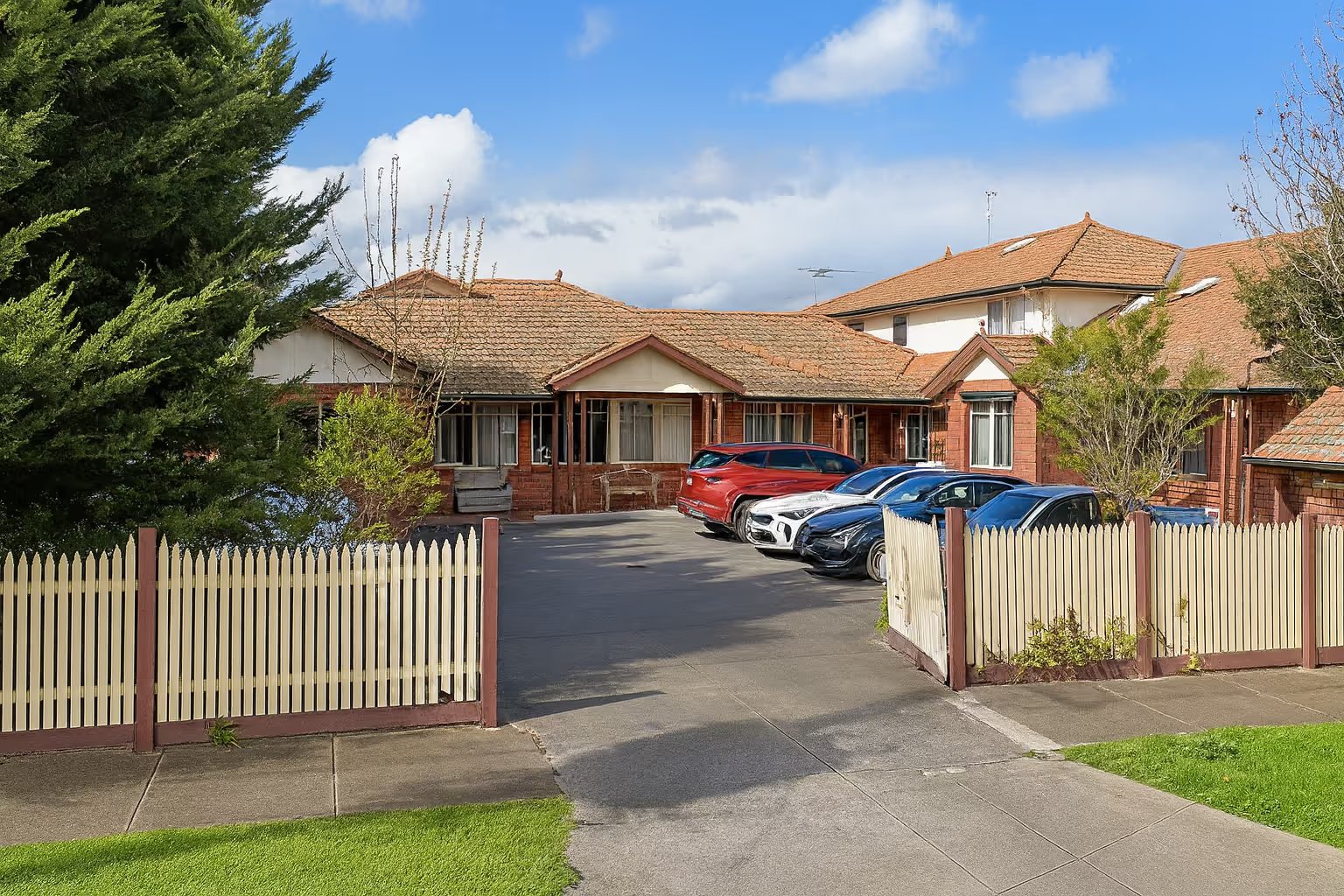
에센던
150-152 쿠퍼 스트리트, 에센던 빅토리아 3040

28일 금단 및 해독 프로그램을 위한 병원 재활 센터

질롱
6-8 타운센드 로드, 세인트 앨번스 파크 VIC 3219

100%

고객들은 맞춤형 치료 계획을 받았습니다.

92%

권장 입원 기간을 모두 마쳤다.

72%

퇴원 시 정신 건강이 개선되었다고 보고됨.

89%

재활 치료 후 첫 30일 동안 재발하지 않았다.

Evidence of long-term success

Real results from people who chose recovery

We don’t just measure success by abstinence, but by long-term stability, mental health, and quality of life. Our approach is proven to reduce relapse risk, rebuild relationships, and help people find lasting change after addiction.

아래에서 출처를 확인하세요:

Ready to talk about treatment?

Whether you're exploring options or feeling unsure, we're here to listen. Reach out today for a confidential, obligation-free conversation about support.

무료 온라인 평가를 받아보세요

간단한 비공개 퀴즈를 통해 재활 치료가 도움이 될 수 있는지 확인하고 안전한 지원 옵션을 알아보세요.

무료 상담 예약하기

 편하신 시간에 전문가와 비밀 보장되는 전화 상담을 예약하세요.

지금 전화하세요

 즉시 누군가와 상담하여 안내와 지원을 받으십시오.

Understand your options

What does MDMA rehab cost?

We’ll guide you through costs and funding options. Whether you're self-funding or using private health, we’ll help make treatment achievable.

Funding and insurance

Learn how private health, WorkCover, or other funding options may apply to your situation. We'll help you navigate the process.

자금 조달 옵션을 살펴보세요

재활 프로그램 비용

Get a detailed breakdown of fees for each program type and what’s included. Payment plans and flexible options are also available.

재활 치료 비용에 대해 자세히 알아보기
Our team is here for you

Meet the people behind our care

From lived experience to clinical expertise, our multidisciplinary team understands addiction from every angle and walks beside you every step.

창의적 재활 프로그램에 참여 중인 한 거주자가 정원에 앉아 꽃 그림을 그리고 있다.
앤디 타니아의 이미지
Behind the programs

헤더 클리닉 소개

We’ve supported recovery for more than 20 years. Learn how our evidence-based model, compassionate care, and long-term focus set us apart.

For you or someone you love

Asking for help is a brave first step

Whether you're struggling yourself or supporting a loved one, we're here to help you take that step. You don’t have to figure this out alone.

당신을 위해

If you’re feeling lost, overwhelmed or unsure, we’ll guide you through what to expect from treatment and how to begin.

밝은 창가 소파에 몸을 웅크린 채 앉아 있는 여자는 사색에 잠긴 듯한 모습으로 걱정스러운 표정을 띠고 있다.

사랑하는 사람을 위해

We’ll help you understand what your loved one is facing and how you can support them without sacrificing your own wellbeing.

한 부부가 상담사 사무실에 함께 앉아 걱정과 지지를 담아 경청하고 있다
Insights and resources

Learn more about MDMA addiction and recovery

Explore practical guides, client perspectives, and evidence-based info to help you understand MDMA, its risks, and what recovery can look like.

이 일에 혼자가 아니야

Start your recovery with the right support

Everything we do is built on honesty, connection, and evidence. If you’re ready to take the first step, we’re ready to walk with you.

이해하는 사람과 이야기하세요

감사합니다! 귀하의 제출이 접수되었습니다!
죄송합니다! 양식 제출 중에 문제가 발생했습니다.
Honest answers to your MDMA concerns

What people ask us before starting MDMA rehab

How does MDMA impact recovery for people with trauma or PTSD?

For people with a history of trauma or PTSD, MDMA can feel like a shortcut to emotional relief. It affects brain chemicals like dopamine and serotonin, sometimes creating a fleeting sense of connection. But this short-term effect often comes at a cost. The emotional intensity, flashbacks, and confusion that follow can deepen existing distress and delay true healing.

MDMA rehab must go beyond detox. If you're managing trauma or anxiety, it's critical to find a program that understands the link between drug addiction and mental health. A trauma-informed treatment program will gently support you through both the psychological effects of the MDMA drug and the deeper emotional wounds underneath.

Are there signs that someone is using MDMA to self-medicate emotional pain?

Yes, and it’s more common than you might think. People struggling with substance use often turn to synthetic drugs like MDMA to block out emotional pain or feel connected in ways they otherwise can’t. They may be withdrawing from others, skipping responsibilities, or showing sudden bursts of emotion followed by burnout.

When someone is using MDMA to cope rather than to connect, it’s a sign they may be dealing with a substance use disorder. Our drug rehab centre can offer real relief, addressing not just drug use but also the emotional drivers beneath it. Early treatment can prevent long-term dependence and allow space for recovery.
Can I join a program even if I’m still unsure whether I’m addicted?

You can. Rehab isn’t just for people who’ve hit rock bottom. If you're taking MDMA regularly or finding it hard to stop, that’s reason enough to speak with someone. You don’t need to be certain you have an addiction to start the conversation.

A compassionate, professional assessment can help you understand your use and addiction more clearly. If MDMA use is impacting your well-being or relationships, exploring a treatment program now could make recovery more straightforward. You’re allowed to take the first step towards support before things worsen.


If I’ve relapsed on MDMA multiple times, is rehab still worth it?

Yes. Relapse is not the end of your journey; it’s a signal that something in your approach needs adjusting. For many people who use MDMA, the triggers are emotional or social, and repeated attempts to quit alone can feel disheartening.

The good news is that a specialised MDMA rehab program can help you understand what hasn’t worked and create a treatment plan that suits your life. Whether you need structure, therapy, or a new support system, inpatient drug rehab can help you build lasting recovery skills.

Can MDMA rehab help if I’m also using other drugs or alcohol?

Absolutely. Many people who come to us for MDMA treatment are also using other substances, including alcohol, cannabis, or stimulants. Treating one without the other often leads to relapse or frustration.

At The Hader Clinic, our drug rehab programs address the full spectrum of substance use. Whether you're seeking detox and rehab under one roof or ongoing care for co-occurring issues, we provide a safe, evidence-based environment for recovery from multiple forms of drug abuse.

What role do support groups play in MDMA addiction recovery?

Support groups can be a lifeline in recovery, especially when dealing with a drug like MDMA that’s often tied to social experiences. These groups help you rebuild honest connections and stay accountable without judgment.

Whether you're in inpatient treatment or outpatient support, sharing space with people facing similar struggles reduces isolation. Groups also complement one-on-one care, offering practical tools for addiction recovery and space to process setbacks or cravings. The structure and consistency can make all the difference.

How does long-term MDMA use affect motivation, memory, or relationships?

MDMA may offer a temporary sense of euphoria, but over time, the effects on brain chemistry can be disruptive. Chronic use can lead to memory issues, low motivation, and emotional detachment, often straining close relationships.

People who use MDMA frequently often report difficulty feeling joy or focus even after stopping. These symptoms don’t mean recovery is impossible; they reflect real neurological impacts that can be healed through addiction rehab and mental health support. With time, stability, and connection, these side effects often improve.

How is MDMA rehab different from ecstasy rehab?

Although MDMA and ecstasy are chemically linked, ecstasy is often cut with unknown substances, which makes the effects more unpredictable. This is especially important during detox and rehab, where knowing what you're treating matters.

MDMA rehab focuses on treating the psychological patterns and emotional triggers that come with pure MDMA use. If you or someone you love has been using mixed substances, it's worth exploring what to expect from ecstasy rehab to understand the risks and treatment differences. Our programs address both with clarity and care.