Dopamine and addiction

Compassionate dopamine rehab for addiction and behaviour change

When the brain's reward system is hijacked, it can be hard to feel anything at all. Dopamine rehab helps rebuild your mental, emotional, and physical well-being.
எந்தவொரு அழுத்தமும் இல்லாமல், இப்போதே சுய மதிப்பீடு செய்யுங்கள் அல்லது யாரிடமாவது பேசுங்கள்.

A young woman stands still in a busy university hallway, surrounded by blurred motion as people rush past her. Her expression is tense and withdrawn, capturing the emotional overwhelm and sensory overload often linked to dopamine overstimulation and the need for focused rehabilitation support.

Real treatment for real people

Programs tailored to each person

Detox, rehab, and aftercare support

Safe, trauma-informed environment

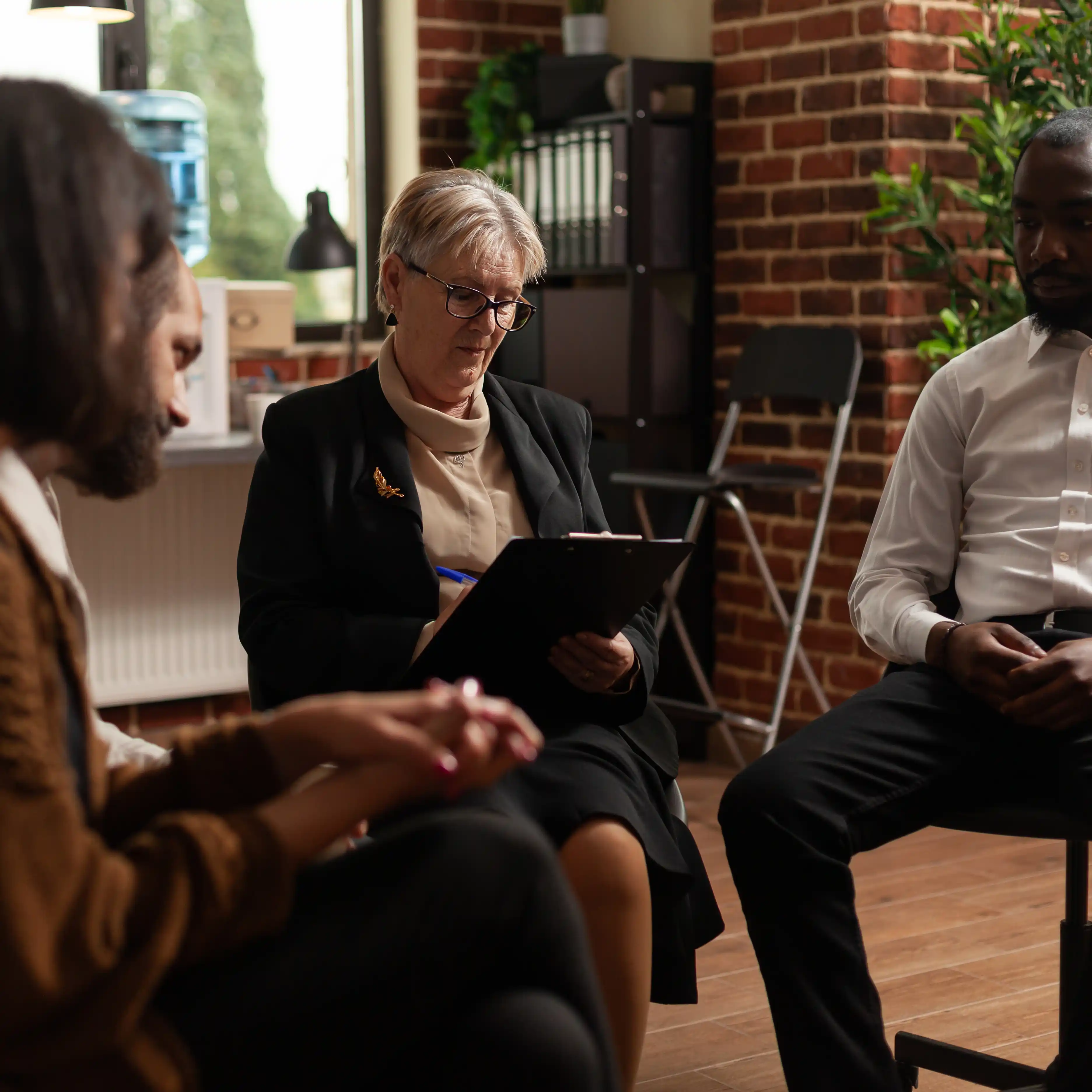
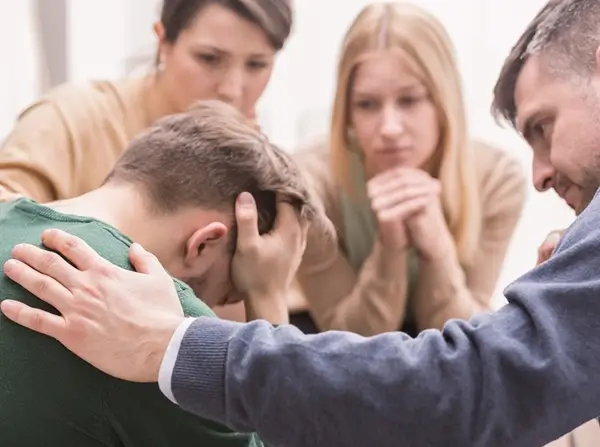
A female therapist speaks with care and focus during a group therapy session, offering guidance to participants seated in a supportive circle. The image reflects the importance of therapeutic connection and shared recovery in addressing dopamine-related behavioural addictions.
The science behind addiction and dopamine

What dopamine does, and how addiction rewires you

Dopamine plays a crucial role in how we experience pleasure, motivation, and reward. But when overstimulated, it can disrupt the brain’s natural balance and lead to addiction over time. According to Yale Medicine, repeated dopamine surges from substances or behaviours can reduce dopamine sensitivity and alter judgement, memory, and decision-making.

Many of us have overcome addiction ourselves. We know how to support people caught in this cycle through detox, rehab, therapy, and long-term aftercare. This page outlines our approach and how we can help you or your loved one take the next step.

  • Detox in our Geelong hospital gives your body and brain time to stabilise in a safe, medically supported environment
  • Our Essendon residential program offers daily therapy, a structured routine, and support for both mental and physical health
  • The full 90-day program gives you space to reset your dopamine system and build long-term strategies for sobriety
What’s included and how it helps

What you get with our dopamine rehab program

Every person is different, so we offer structured treatment, expert care, and long-term support tailored to your brain, story, and recovery goals.

What’s included in your path to recovery

  • Medically supervised dopamine detox in a supportive environment
  • Inpatient care with daily counselling, group therapy, and wellness support
  • Therapeutic treatment plans informed by neuroscience and behavioural research
  • Dual diagnosis support for addiction and mental health concerns
  • Structured relapse prevention and aftercare programs
  • A team that understands because we’ve been there ourselves
How it works and why it happens

Understanding dopamine overuse and recovery

Many people mistake 'dopamine addiction' as being hooked on dopamine itself, but it's really about overstimulating the brain’s reward system in ways that change how we feel and function.

 young man sits alone on outdoor steps near an office building, hunched over with his head down in visible distress. The image reflects the emotional crash and burnout that can follow compulsive reward-seeking behaviours, highlighting the need for structured recovery in a dopamine addiction rehab program.

When dopamine becomes a problem

When a substance or behaviour floods the brain’s reward system with dopamine, it can overstimulate the network and reduce natural dopamine production. Over time, stronger stimulation becomes necessary just to feel normal. Without it, people often feel low, mentally foggy, or emotionally numb. This is what many people mean by “dopamine addiction.”

Signs and symptoms

When dopamine surges become constant, the brain can lose sensitivity to natural rewards. This can lead to dopamine imbalances, disrupted motivation, and difficulty enjoying normal life.

  • You may feel numb, unmotivated, or emotionally flat without external stimuli or addictive behaviours.
  • Cravings for substances or behaviours that once boosted dopamine levels in the brain.
  • Sleep issues, low mood, impulsivity, or anxiety are common symptoms of dopamine system disruption.

Impacts and effects

Over time, risky or chronic overuse of dopamine-triggering substances or behaviours can impair cognitive function and mental well-being.

  • Decision-making and memory may decline as the brain’s dopamine pathways are overstimulated.
  • Social withdrawal and compulsive engagement in pleasurable yet harmful activities can emerge.
  • The effects of dopamine overuse may include difficulty feeling satisfaction or motivation naturally.

சிகிச்சை மற்றும் ஆதரவு

Dopamine rehab is a form of comprehensive treatment that helps reset the brain’s dopamine function and supports long-term recovery from behavioural or substance-related patterns.

  • Therapeutic counselling helps people understand the root of their reliance and how to avoid relapse triggers.
  • A structured environment and controlled routine help restore natural dopamine production.
  • Support groups, behavioural therapies, and relapse prevention improve psychological resilience.

What recovery looks like

In recovery, the brain slowly restores its balance, improving emotion, cognition, and motivation as dopamine sensitivity returns.

  • Emotional clarity, improved mood, and renewed motivation become more consistent over time.
  • Medically supervised rehab allows people to detox and recover from dopamine disruption in a safe, therapeutic setting.
  • With ongoing support, people regain control and build a healthy, meaningful life post-rehab.
ரகசிய சுய மதிப்பீட்டு கருவி

உங்கள் குடிப்பழக்கம் அல்லது போதைப்பொருள் பயன்பாடு குறித்து கவலைப்படுகிறீர்களா?

இந்த குறுகிய, ரகசியமான வினாடி வினா இரண்டு நிமிடங்களுக்கும் குறைவான நேரத்தை எடுக்கும், மேலும் என்ன நடக்கிறது என்பதைப் புரிந்துகொள்ள இது உங்களுக்கு உதவும். உங்களுக்கு மிகவும் பொருத்தமானதாகத் தோன்றும் வகையைத் தேர்வுசெய்யவும் - அது மது, போதைப்பொருள் அல்லது கவலைகளின் கலவையாக இருந்தாலும் சரி - சில எளிய ஆம்/இல்லை கேள்விகளுக்கு நாங்கள் உங்களுக்கு வழிகாட்டுவோம்.

முடிவில், உங்கள் பதில்கள் மறுவாழ்வைப் பரிசீலிக்க வேண்டிய நேரம் இது என்று கூறினால் உங்களுக்குத் தெரிவிப்போம், மேலும் தொடங்குவதற்கான பாதுகாப்பான, ரகசிய விருப்பங்களைப் பகிர்ந்து கொள்வோம்.

இப்போதே வினாடி வினாவை எடுங்கள்.
The programs we offer

Tailored support that adapts to you

We offer short- and long-term options for people experiencing dopamine-related behavioural or substance challenges. Each dopamine rehab program is structured around counselling, behavioural therapy, and therapeutic support groups. Our treatment centre provides a controlled environment that supports healthy dopamine production and lasting recovery.

குடியிருப்பு திட்டம்

பாதுகாப்பான, மீட்சியை மையமாகக் கொண்ட அமைப்பில் கட்டமைக்கப்பட்ட ஆதரவு, சிகிச்சை மற்றும் வாழ்க்கைத் திறன் பயிற்சியுடன் நேரடி மறுவாழ்வு.

குடும்பம் மற்றும் உறவு சிகிச்சை மூலம் ஆதரவைத் தேடி, ஆலோசனை அமர்வின் போது இளம் தம்பதிகள் கைகளைப் பிடித்துக் கொள்கிறார்கள்.

குடும்ப நிகழ்ச்சி

குடும்பங்கள் போதை பழக்கத்தைப் புரிந்துகொள்ளவும், தங்கள் அன்புக்குரியவரின் மீட்சியை ஆதரிக்கவும் கல்வி, குழு ஆதரவு மற்றும் ஆலோசனை.

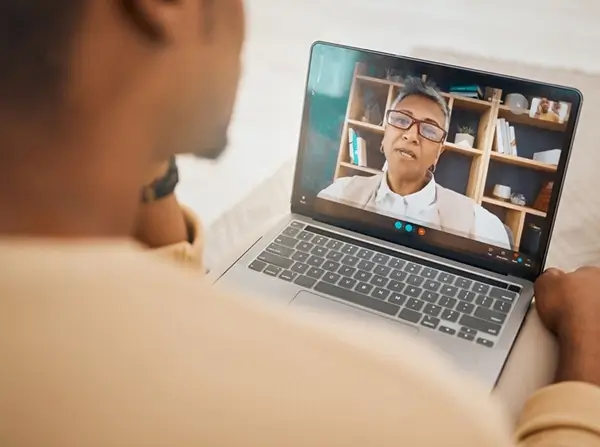
ஹேடர் அட் ஹோம் ஆன்லைன் மறுவாழ்வு திட்டத்தின் மூலம் கட்டமைக்கப்பட்ட சிகிச்சையில் ஈடுபடும், வீட்டிலிருந்து ஒரு மெய்நிகர் மீட்பு அமர்வில் பங்கேற்கும் பெண்.

வீட்டில் ஹேடர்

மறுவாழ்வுக்குப் பிந்தைய பராமரிப்புக்கான தினசரி செக்-இன்கள், ஆன்லைன் சிகிச்சை மற்றும் சுய வழிகாட்டப்பட்ட பணிப்புத்தகங்களுடன் கூடிய முழுமையான டிஜிட்டல் மீட்புத் திட்டம்.

குழு சிகிச்சையின் போது புன்னகைத்து, தனிப்பட்ட முன்னேற்றத்தைப் பகிர்ந்து கொள்ளும் அழகி பெண், தனது வெளிநோயாளர் மீட்புப் பயணத்தில் முன்னேற்றத்தைக் கொண்டாடுகிறார்.

தீவிர வெளிநோயாளர் திட்டம்

சிகிச்சை, குழு அமர்வுகள் மற்றும் மறுபிறப்பு தடுப்பு ஆகியவற்றுடன் கட்டமைக்கப்பட்ட போதைப்பொருள் ஆதரவு, அன்றாட வாழ்க்கைக்கு ஏற்றவாறு வடிவமைக்கப்பட்டுள்ளது.

ஒரு ஆண் குடியிருப்பாளர் தனது மறுவாழ்வு ஆலோசகருடன் அரட்டை அடிக்கிறார்.

ஆலோசனை

அதிர்ச்சி-தகவல் சிகிச்சை, போதைப்பொருள் ஆலோசனை மற்றும் குடும்ப ஆதரவு நேரிலோ அல்லது பாதுகாப்பான ஆன்லைன் அமர்வுகள் மூலமாகவோ கிடைக்கும்.

வீட்டில் மனமார்ந்த தலையீட்டிற்குப் பிறகு தனது துணையை கட்டிப்பிடிக்கும் பெண், போதைக்கு உதவி பெற அவர் ஒப்புக்கொண்டதால் ஆதரவையும் ஊக்கத்தையும் அளிக்கிறார்.

தலையீடுகள்

குடும்பங்கள் பாதுகாப்பான, கட்டமைக்கப்பட்ட தலையீட்டை நடத்தவும், தங்கள் அன்புக்குரியவரை சிகிச்சைக்கு வழிநடத்தவும் உதவும் தொழில்முறை ஆதரவு.

அமைதியான, விவேகமான மீட்சிக்காக வடிவமைக்கப்பட்ட லவுஞ்சர்கள் மற்றும் வெப்பமண்டல நிலத்தோற்றத்துடன், மணல் நிறைந்த கொல்லைப்புறம் மற்றும் கடற்கரை முகப்பைப் பார்க்கும் ஒரு தனியார் சொகுசு இல்லத்தின் காட்சி.

நிர்வாக மறுவாழ்வு

முழுமையான விருப்புரிமை மற்றும் தனிப்பயனாக்கப்பட்ட மீட்பு அட்டவணையுடன் ஆடம்பர அமைப்பில் தனிப்பட்ட, தனிப்பட்ட சிகிச்சை.

ஸ்லோச் தொப்பி மற்றும் உதய சூரிய பேட்ஜ் கொண்ட விண்டேஜ் ஆஸ்திரேலிய இராணுவ .303 துப்பாக்கி, சிப்பாயின் நாய் குறிச்சொற்கள், மலர் மாலை மற்றும் பின்னணியில் ஆஸ்திரேலியக் கொடி ஆகியவற்றைக் கொண்ட ANZAC தின அஞ்சலி.

DVA மறுவாழ்வு

தகுதியுள்ள DVA வாடிக்கையாளர்களுக்கு முழுமையாக நிதியளிக்கப்பட்ட, முன்னாள் படைவீரர்கள் மற்றும் முதலுதவி அளிப்பவர்களுக்கான சிறப்பு அதிர்ச்சி-தகவல் உள்நோயாளி பராமரிப்பு.

நீதிமன்ற உத்தரவின் பேரில் மறுவாழ்வுப் பணியின் ஒரு பகுதியாக, பகிரப்பட்ட இடத்தில் சோபாவில் அமர்ந்து தனது தனிப்பட்ட நாட்குறிப்பில் பணிபுரியும் ஒரு குடியிருப்பாளர்.

நீதிமன்ற உத்தரவின் பேரில் மறுவாழ்வு

ஜாமீன் அல்லது தண்டனைத் தேவைகளைப் பூர்த்தி செய்ய, போதை நீக்கம், சிகிச்சை மற்றும் தடயவியல் அறிக்கையிடலுடன் கட்டமைக்கப்பட்ட உள்நோயாளி திட்டம்.

உள்நோயாளி மறுவாழ்வுக்குப் பிறகு, புதிய வேலை நாளுக்குத் தயாராகும் போது, ​​தனது ஷூ லேஸ்களைக் கட்டும் ஒரு இடைக்கால வீட்டுவசதியில் உள்ள மனிதன், கட்டமைப்பு மற்றும் சுதந்திரத்தை மீண்டும் கட்டியெழுப்புகிறான்.

இடைக்கால வீடுகள்

மறுவாழ்வு மற்றும் சுதந்திரமான வாழ்க்கைக்கு இடையிலான இடைவெளியைக் குறைக்க சிகிச்சை, கட்டமைப்பு மற்றும் ஆதரவுடன் மீட்பு சார்ந்த தங்குமிடம்.

மருத்துவ போதை நீக்க மையத்தில் ஆதரவு குழு சிகிச்சை அமர்வு, இதில் பல்வேறு வாடிக்கையாளர்கள் தங்கள் அனுபவங்களைப் பகிர்ந்து கொள்கிறார்கள் மற்றும் ஒரு உளவியலாளர் புதிய பங்கேற்பாளரை மெதுவாக ஊக்குவிக்கிறார்.

மருத்துவமனை நச்சு நீக்கம்

உரிமம் பெற்ற தனியார் மருத்துவமனையில் 24/7 மருத்துவ மேற்பார்வையில் போதை நீக்கம், இதில் திரும்பப் பெறுதல் ஆதரவு மற்றும் மனநல பராமரிப்பு ஆகியவை அடங்கும்.

எங்கள் செயல்முறை

Here’s what you can expect

படி 1

Step 1: Understanding your experience

We listen closely to understand your triggers, substance use patterns, and goals so we can tailor your treatment.

படி 2

Step 2: Building a personal plan

Your plan may include detox, counselling, or inpatient rehab depending on your needs and dopamine imbalances.

படி 3

Step 3: Walking with you through recovery

We support you through every step with comprehensive treatment strategies and long-term coping mechanisms.

நீங்கள் தயாராக இருக்கும் போதெல்லாம் நாங்கள் இங்கே இருக்கிறோம் - இப்போதே அழைப்பை முன்பதிவு செய்யுங்கள் அல்லது யாரிடமாவது பேசுங்கள்.

What makes our rehab different

A trusted, evidence-based approach that works

Every aspect of our program is built on clinical evidence, compassionate care, and real recovery outcomes. Our team understands how the brain’s dopamine system can affect motivation, behaviour, and well-being. We offer support that addresses psychological, behavioural, and cognitive factors in addiction and helps people recover from harmful reliance on external stimuli and begin to rebuild.

Clinically informed, trauma-aware care

Our model integrates physical, emotional, and psychological support.

Staff with real lived experience

Many of us have faced addiction ourselves and know what recovery takes.

Safe, structured, purpose-built spaces

We offer calm, supportive facilities that reduce overwhelm and support healing.

Long-term support that doesn’t stop at discharge

Aftercare, family services, and relapse prevention are built into every plan.

எங்கள் அங்கீகாரங்கள்

National standards, trusted by health professionals

Our programs are accredited under the NSQHS Standards and overseen by the ACSQHC. These standards recognise our commitment to safety, evidence-based care, and continuous improvement.

More ways we can help

Learn more about our services

We treat a range of addictions, mental health challenges, and complex dual diagnoses with compassion and expertise.

போதை மறுவாழ்வு

Inpatient treatment for people struggling with addictive substances, including stimulants, depressants, and prescriptions.

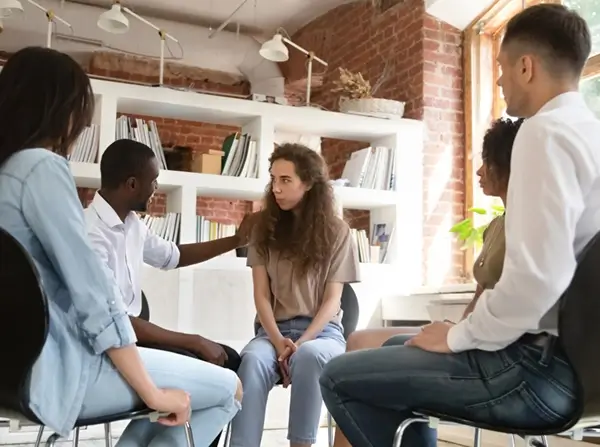
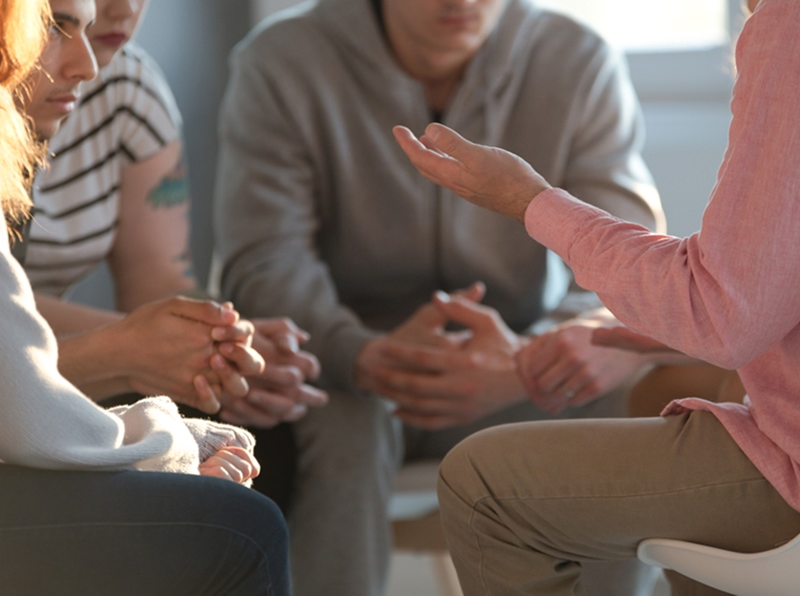
போதை பழக்கத்திலிருந்து மீள்வது பற்றி விவாதிக்கும் குழு சிகிச்சை அமர்வு.

போதைப்பொருள் நீக்கம்

Hospital-based withdrawal support and medication-assisted detox programs in a safe and supportive setting.

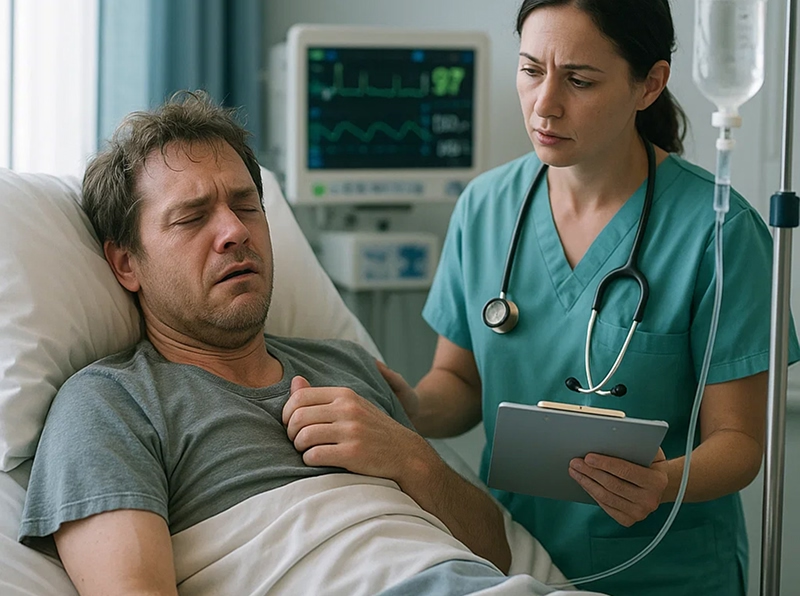
போதைப்பொருள் நீக்க சிகிச்சைக்கு உட்படுத்தப்படும் நோயாளியை செவிலியர் பரிசோதிக்கிறார்.

மறுபிறப்பு தடுப்பு

தூண்டுதல்களை நிர்வகிக்கவும், பின்னடைவுகளைத் தவிர்க்கவும், நீண்டகால மீட்சியைப் பராமரிக்கவும் நடைமுறை, நிஜ உலக உத்திகள்.

மறுபிறப்பு தடுப்பு உத்திகளைப் பற்றி விவாதிக்கும் இரண்டு ஆண்கள்.

அவசரகால மறுவாழ்வு

அவசர, உறுதிப்படுத்தும் பராமரிப்பு தேவைப்படும் நெருக்கடியில் உள்ளவர்களுக்கு விரைவான சேர்க்கை விருப்பங்கள்.

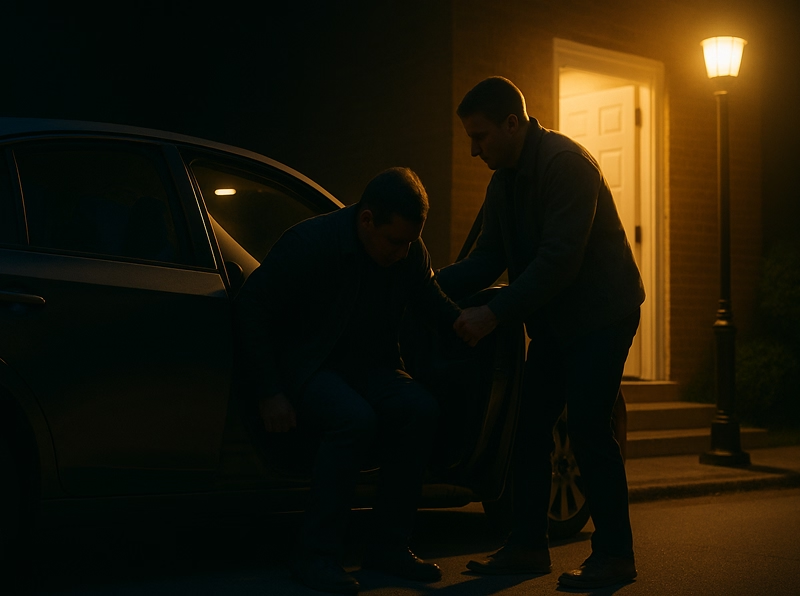
நெருக்கடி நிலை தலையீட்டின் போது ஒருவரை காரில் ஏற்ற உதவும் உதவியாளர்கள்.
வாடிக்கையாளர் கதைகள் மற்றும் சான்றுகள்

Real voices from real recovery

Hear from people who’ve experienced our programs and understand what life looks like on the other side of addiction.

அலி அடேமி

பல வருட அதிர்ச்சி, போதை மற்றும் இழப்புக்குப் பிறகு, ஒரு இரக்கமுள்ள குழுவின் ஆதரவு, சமூக உணர்வு மற்றும் நீண்டகால குணப்படுத்துதலுக்கான அர்ப்பணிப்பு மூலம் அலி தனது வாழ்க்கையை மீண்டும் கட்டியெழுப்ப வலிமையைக் கண்டார்.

மின்

32 வருட போதைப் பழக்கத்திற்குப் பிறகு, தி ஹேடர் கிளினிக்கில் மின் பாம் நம்பிக்கை, குணப்படுத்துதல் மற்றும் ஒரு புதிய பாதையைக் கண்டார். அவரது பயணம் சமூகம், இரக்கம் மற்றும் தைரியத்தின் சக்திக்கு ஒரு சான்றாகும்.

பீட்டர் எல்-கௌரி

பலமுறை மீண்டும் வந்த பிறகு, ஹேடருடன் பீட்டர் நீண்டகால மீட்சியைக் கண்டார். சிகிச்சை, சமூகம் மற்றும் மருத்துவ பராமரிப்பு எவ்வாறு அவரது வாழ்க்கையை மீட்டெடுக்க உதவியது என்பதைப் படியுங்கள்.

Our locations and facilities

Safe, comfortable places to recover

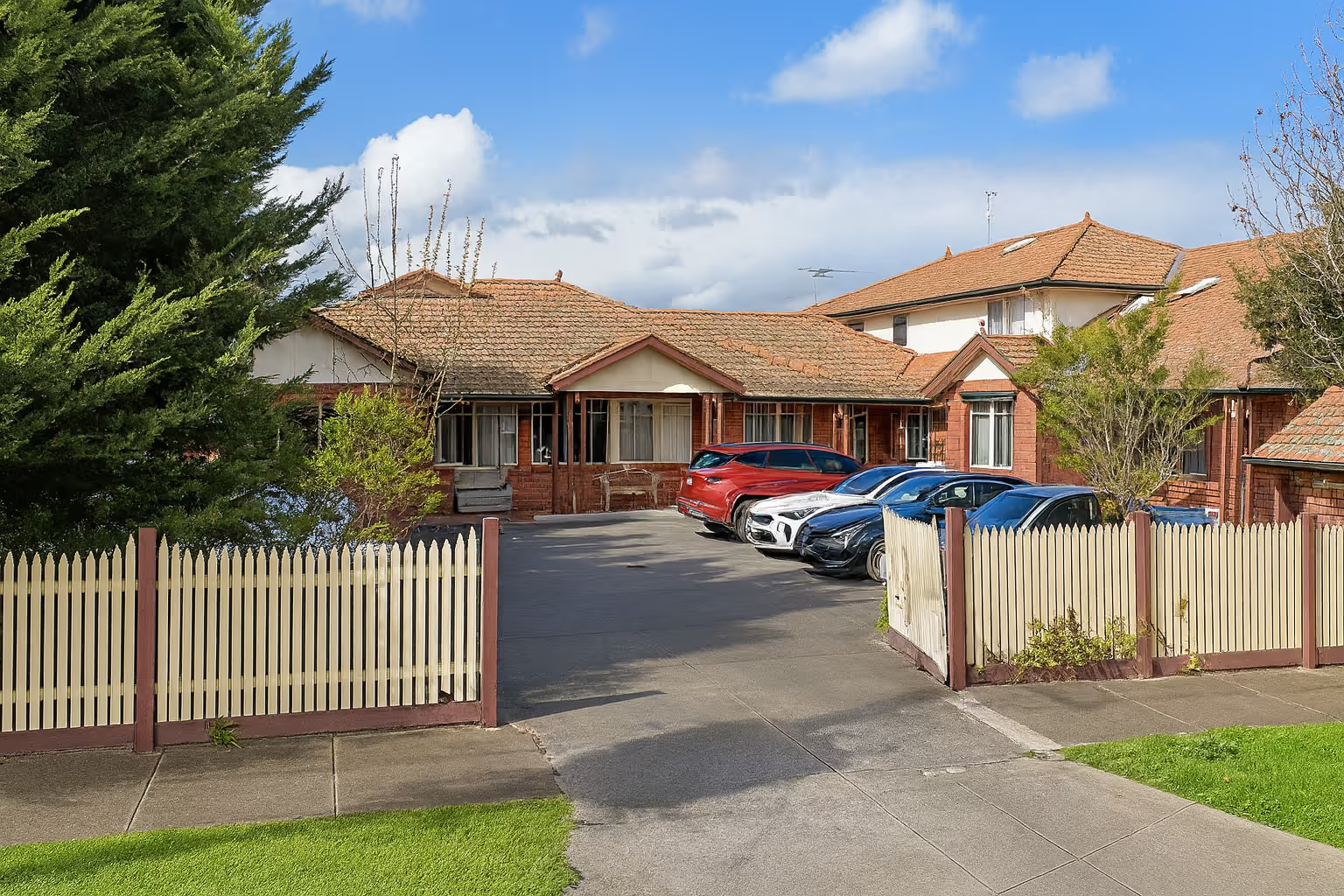
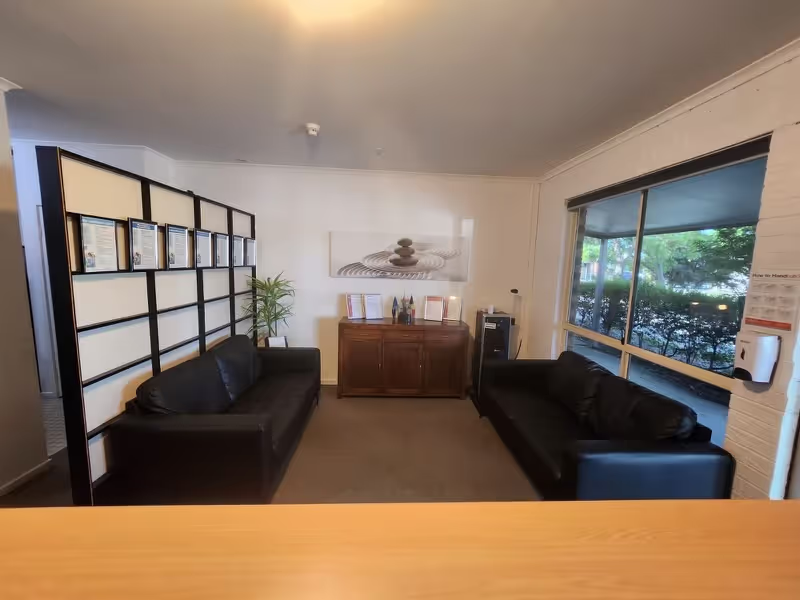
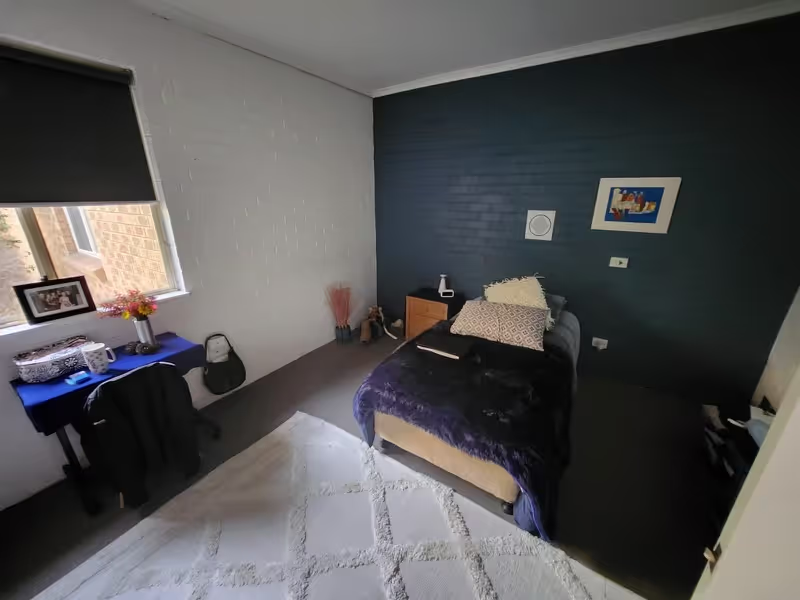
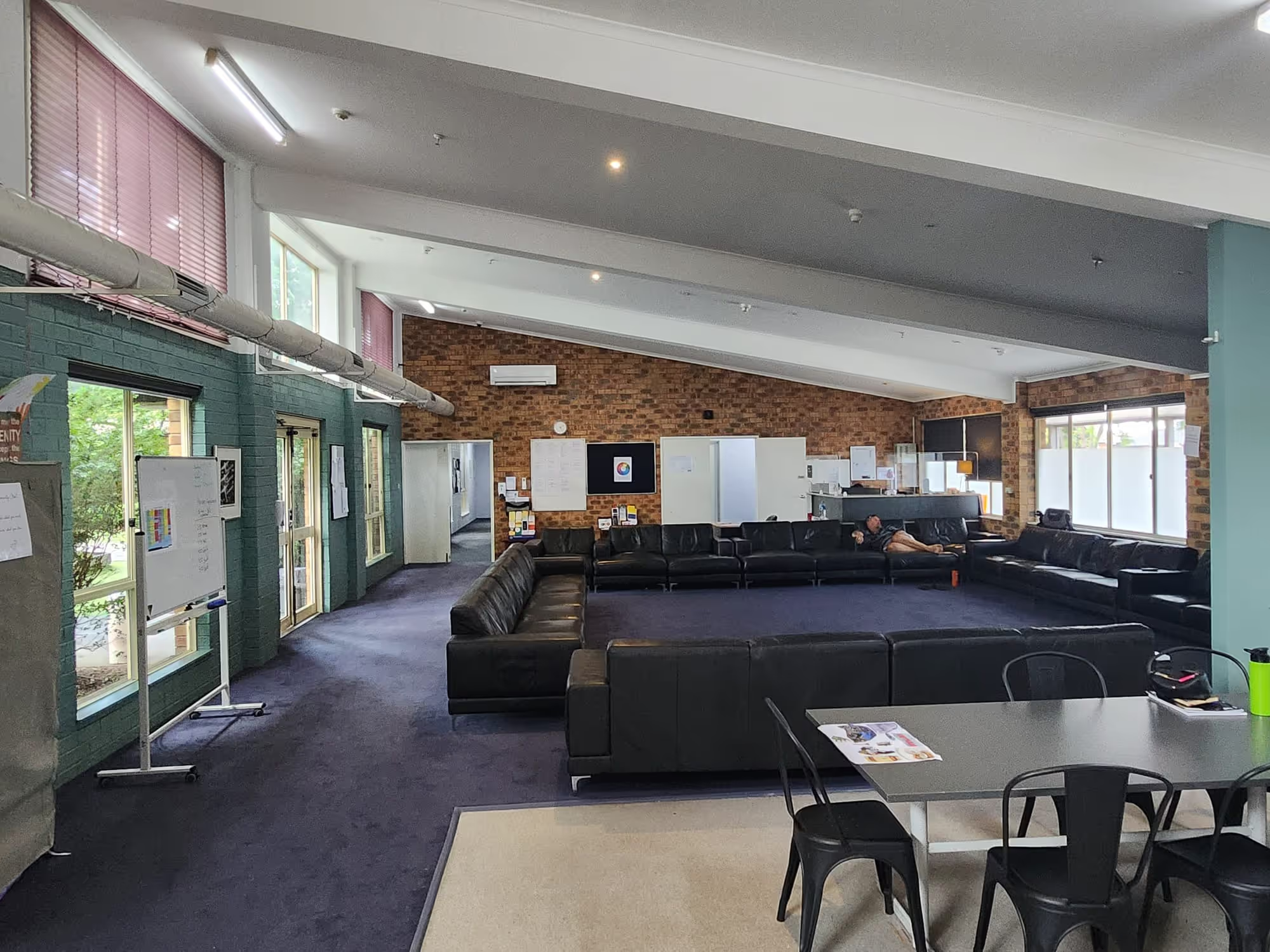
We operate both of our treatment centres to ensure every stage of your recovery is grounded in evidence-based care. In Geelong, our private hospital provides a medical setting where you can safely detox under 24-hour supervision. In Essendon, our residential rehab centre offers a more structured environment where daily routines, counselling, and holistic activities support long-term healing.

உள்நோயாளி மறுவாழ்வு திட்டம் மற்றும் இடைக்கால வீட்டுவசதி திட்டம்

எசென்டன்
150-152 கூப்பர் தெரு, எசென்டன் VIC 3040

28 நாள் திரும்பப் பெறுதல் & போதை நீக்க திட்டத்திற்கான மருத்துவமனை மறுவாழ்வு மையம்

கீலாங்
6-8 டவுன்சென்ட் சாலை, செயிண்ட் ஆல்பன்ஸ் பார்க் VIC 3219

100%

வாடிக்கையாளர்கள் தனிப்பயனாக்கப்பட்ட சிகிச்சைத் திட்டத்தைப் பெற்றனர்.

92%

பரிந்துரைக்கப்பட்ட முழு உள்நோயாளி தங்குதலையும் முடித்தனர்.

72%

வெளியேற்றத்தால் மன ஆரோக்கியம் மேம்பட்டதாக தெரிவிக்கப்பட்டது.

89%

மறுவாழ்வுக்குப் பிறகு முதல் 30 நாட்களில் மீண்டும் நோய் ஏற்படவில்லை.

Your outcomes matter to us

Our programs deliver long-term recovery

Recovery from dopamine-related behavioural and substance issues is possible, and we have the evidence to prove it. Our clients don’t just complete treatment. They rebuild. They stay sober. They stay connected. And they experience long-term, measurable outcomes that significantly exceed national averages.

கீழே உள்ள எங்கள் ஆதாரங்களைக் காண்க:

It's never too early to get help

Starting a conversation is the first step towards recovery. Whether you're ready now or still thinking about it, we’re here to talk.

இலவச ஆன்லைன் மதிப்பீட்டை மேற்கொள்ளுங்கள்

மறுவாழ்வு உதவுமா என்பதைப் பார்க்க ஒரு விரைவான, தனிப்பட்ட வினாடி வினாவை எடுத்து, பாதுகாப்பான ஆதரவு விருப்பங்களை ஆராயுங்கள்.

இலவச அரட்டையை முன்பதிவு செய்யுங்கள்

 உங்களுக்குப் பொருத்தமான நேரத்தில் ஒரு நிபுணருடன் ரகசிய அழைப்பைத் திட்டமிடுங்கள்.

இப்போது எங்களை அழைக்கவும்

 வழிகாட்டுதல் மற்றும் ஆதரவுக்காக உடனடியாக யாரிடமாவது பேசுங்கள்.

Know what to expect financially

Funding and costs for dopamine rehab

Understanding costs and funding options can make it easier to plan for recovery. We offer transparent pricing and multiple ways to access support.

Explore your funding options

From private insurance to payment plans, our team can talk you through what help is available and how to apply.

நிதி விருப்பங்களை ஆராயுங்கள்

மறுவாழ்வு செலவுகளைப் புரிந்துகொள்வது

Our fees cover medical detox, inpatient care, aftercare, and counselling. We’ll help you understand exactly what your money goes towards.

மறுவாழ்வு செலவுகள் பற்றி மேலும் அறிக.
The people who make it possible

Meet our expert, compassionate team

Our staff includes addiction specialists, counsellors, peer workers, and clinicians, many with lived experience of recovery themselves.

எங்கள் படைப்பு மறுவாழ்வு திட்டங்களில் ஒன்றில் வசிப்பவர், தோட்டத்தில் அமர்ந்து மலர் கலையை வரைகிறார்.
ஆண்டி தானியாவின் படம்
Who we are and why we care

ஹேடர் கிளினிக் பற்றி

We’re an Australian rehab service providing evidence-based care, deep personal understanding, and support that lasts long after discharge.

You don't have to face this alone

Get support for yourself or someone else

Whether it’s your own recovery or someone you care about, we can help you take the next step with confidence and clarity.

உனக்காக

Personalised rehab pathways for people struggling with dopamine-related addiction.

பிரகாசமான ஜன்னலுக்கு அருகில் சோபாவில் சுருண்டு படுத்து, சிந்தனையுடனும் கவலையுடனும் காணப்படும் பெண்

அன்புக்குரியவருக்கு

Support, guidance, and practical next steps for concerned family or friends.

ஒரு சிகிச்சையாளரின் அலுவலகத்தில் ஒரு தம்பதியினர் ஒன்றாக அமர்ந்து, அக்கறையுடனும் ஆதரவுடனும் கேட்கிறார்கள்
More insights on dopamine addiction

Learn more through our expert blogs

Discover articles that explain the neuroscience, symptoms, and real-life recovery journeys behind dopamine-related addiction.

எனக்காக

மறுவாழ்வுக்குப் பிறகு மறுபிறப்பு: புள்ளிவிவரங்கள் மற்றும் உத்திகள்

நீங்களோ அல்லது உங்கள் அன்புக்குரியவரோ மீண்டும் போதைப் பழக்கத்திற்கு ஆளாகியிருந்தால், எங்கள் போதை நீக்கம் மற்றும் திரும்பப் பெறும் திட்டத்தில் சேருங்கள். தேவைப்பட்டால், உடனடி அவசர சிகிச்சைப் பிரிவுகளில் சேர நாங்கள் உதவ முடியும். இப்போதே அழைக்கவும்.

மூலம்
ரியான் வுட்
ஜூலை 23, 2024
போதைப் பழக்கம்

போதை பழக்க சிகிச்சை திட்டத்தின் ஒரு பயனுள்ள பகுதியாக தியானம் ஏன் இருக்கிறது?

போதை பழக்கத்திலிருந்து மீண்டு, சிகிச்சை பெற விரும்பும் நோயாளிகளுக்கு ஆதரவை வழங்குவதோடு, மன ஆரோக்கியத்தைப் பேணுவதற்கும் தியானம் ஒரு முக்கிய அங்கமாகும்.

மூலம்
ஆமி சிங்
ஏப்ரல் 14, 2020
இரட்டை நோயறிதல்

பொருள் துஷ்பிரயோகம் மற்றும் பிறவி நோய்கள்

போதைப்பொருள் துஷ்பிரயோகம் தொடர்பான பிரச்சினைகளும் மனநலப் பிரச்சினைகளும் ஒன்றோடொன்று தொடர்புடையவை. இரண்டு பிரச்சினைகளுக்கும் இடையிலான தொடர்பு மற்றும் பிற நோய்கள் பற்றி மேலும் அறிக.

மூலம்
ரேச்சல் பேட்டர்சன்
பிப்ரவரி 10, 2020
அடுத்த அடியை எடுக்க தயாரா?

Entering rehab could change your life

We know how hard this decision can be. But when you're ready, we’re here with judgement-free support, proven programs, and a team who gets it.

புரிந்துகொள்ளும் ஒருவரிடம் பேசுங்கள்.

நன்றி! உங்கள் சமர்ப்பிப்பு பெறப்பட்டது!
அச்சச்சோ! படிவத்தைச் சமர்ப்பிக்கும் போது ஏதோ தவறு ஏற்பட்டது.
Common questions about dopamine rehab

Answers to help you move forward

How do you know if dopamine-related treatment is right for you?

There’s no single sign that confirms you need support for dopamine-related addiction, but there are patterns that often point to a deeper issue. If you find yourself unable to stop engaging in certain behaviours or using substances despite negative consequences, or you feel a constant need to chase stimulation, you may be dealing with a dopamine imbalance.

This kind of imbalance can interfere with how your brain responds to natural rewards, leaving you feeling emotionally flat without constant stimulation. It might show up as compulsive gaming, binge-watching, social media use, drug or alcohol use, or chasing risky or euphoric experiences. If these behaviours are escalating and interfering with your relationships, work, or health conditions, it may be time to seek help.

Common indicators that dopamine rehab may be right for you:

  • You’ve lost interest in everyday pleasures unless they come with an intense dopamine hit.
  • You experience emotional crashes or irritability when not engaging in stimulating activities.
  • You’ve tried to stop but keep relapsing into the same behaviours or substances.

To understand your situation more clearly, our rehab quiz can help you reflect on whether it's time for professional support. And if you’re ready to take the next step, we offer a full range of tailored rehab programs that support recovery from dopamine-related addictions.

What kinds of behaviours or substances lead to dopamine imbalance?

Dopamine is a neurotransmitter that plays a crucial role in the brain’s reward system, helping us feel pleasure, stay motivated, and make decisions. But certain behaviours and substances can overwhelm this system, leading to imbalance or even long-term dysfunction. This includes everything from drug use and alcohol to compulsive behaviours like gambling, social media scrolling, or hyper-productivity.

When you repeatedly trigger surges of dopamine (especially through addictive substances or behaviours) your brain starts to adjust. It reduces natural dopamine production, downregulates dopamine receptors, and makes it harder to feel satisfaction from everyday experiences. Over time, this can lead to compulsive use, psychological dependence, and a distorted sense of motivation and pleasure.

Dopamine dysregulation is often associated with:

  • Substance use like alcohol, cocaine, methamphetamine, nicotine, and prescription stimulants.
  • Behavioural patterns such as compulsive gaming, binge eating, or overuse of social media.
  • Chronic stress or trauma, which can disrupt the dopamine system and lead to unhealthy coping behaviours.

Another factor is the tendency to seek quick emotional relief. When everyday discomfort is numbed through excessive stimulation, it becomes harder to sit with uncomfortable feelings, reinforcing compulsive consumption patterns that can fuel addiction.

To support recovery, we offer structured rehab services that address both substance and behavioural addictions. You can also explore how substances like alcohol impact brain chemistry by reading this guide to alcohol and the brain.

Can you be addicted to feelings of pleasure?

Yes — although it's not recognised as a clinical diagnosis, some people experience compulsive behaviour linked to pleasure-seeking that closely mirrors substance addiction. This is often described as a kind of "dopamine addiction," where a person feels driven to pursue specific behaviours or activities that cause a rush of dopamine in the brain’s reward system.

This might include things like gambling, gaming, shopping, sex, or social media use. Over time, repeated exposure to these highly stimulating behaviours can reduce your brain’s dopamine sensitivity. This means it becomes harder to feel good from ordinary activities, which can create a cycle of craving, risk-taking, and emotional distress.

Some signs that your relationship with pleasure may be harmful include:

  • You feel compelled to keep engaging in a behaviour despite negative consequences.
  • You need more of the activity to achieve the same dopamine boost.
  • You feel low, flat, or anxious when you can’t access the stimulus.

At The Hader Clinic, we support people who feel stuck in these cycles, even if they don’t involve drugs or alcohol. Many clients find that a mental health rehab program is a valuable space to explore underlying issues, manage dopamine imbalances, and build healthier patterns of behaviour. For more context, our ultimate guide to rehab for substance abuse outlines how these compulsive cycles form and how we help people recover.

How is dopamine rehab different from drug rehab?

Traditional drug rehab typically focuses on physical withdrawal, detox, and managing cravings for a specific substance. In dopamine rehab, the core issue isn’t a chemical dependence — it’s a pattern of overreliance on behaviours or substances that overstimulate the brain’s dopamine system.

Because of this, our approach to treatment is more focused on the emotional, psychological, and behavioural side of recovery. We help clients understand how their brains have adapted to unnatural dopamine surges, and how that can affect mood, memory, decision-making, and even motor control. Treatment includes counselling, education, structured routines, and therapy to reduce the urge to chase dopamine highs and help the brain rebalance.

We also tailor support around the specific behaviours or substances involved, whether that’s social media, sex, gambling, or prescription stimulants. This may include elements of drug rehab where relevant, but the focus is always personalised. Many clients benefit from our inpatient vs outpatient rehab comparison to find the right level of structure and support.

Our programs help people build sustainable coping mechanisms, boost natural dopamine production, and reclaim a balanced, healthy level of satisfaction in life without relying on artificial stimulation.

What role does the brain’s reward system play in relapse?

Relapse isn’t so much a failure of willpower as a matter of brain function. The brain’s reward system, which governs the release of dopamine in response to pleasurable activities, plays a central role in developing and maintaining addiction. When someone repeatedly uses a substance or engages in a behaviour that overstimulates dopamine release, the brain adapts by producing less natural dopamine and reducing the number of dopamine receptors. This blunts the brain’s ability to feel reward from everyday experiences.

During rehab, dopamine levels in the brain begin to stabilise, but recovery is a gradual process. If someone experiences stress, strong cravings, or exposure to triggers after treatment, the brain’s memory of intense dopamine surges can resurface, creating a powerful drive to re-engage in addictive behaviours. This is particularly true in dopamine-related behavioural addictions, where the trigger and the reward are often closely linked.

That’s why relapse prevention focuses not just on abstinence but on reshaping reward pathways. Our rehab programs combine therapeutic tools, behavioural strategies, and emotional regulation skills that help retrain the brain’s response to stress and reward. Our team also understands how important it is to identify early warning signs and develop personalised coping strategies.

  • Dopamine-related changes can persist even after physical withdrawal ends.
  • The brain's craving for dopamine-driven rewards can be reactivated by stress or reminders.
  • Support networks and relapse prevention tools reduce long-term risk.

Learn more about this process in our relapse prevention guide.

What does detox look like for dopamine-related addictions?

Dopamine-related addictions (whether substance-based or behavioural) don’t always require a conventional medical detox. However, some people may experience intense psychological withdrawal symptoms when they first stop engaging with the behaviour or substance. This can include restlessness, low mood, fatigue, irritability, or a lack of pleasure in daily life. These symptoms are signs that the brain is readjusting its dopamine production and sensitivity.

Unlike opioid or alcohol detox, dopamine detox is less about flushing a substance out of the body and more about providing a controlled environment that reduces stimulation and allows the brain’s dopamine system to stabilise. This often involves a structured break from triggering behaviours, along with therapy, nutrition, meditation, and support. For those also using stimulants like cocaine or methamphetamine, a medical detox may still be needed.

We offer both inpatient and outpatient options depending on the severity of symptoms and any co-occurring medical conditions. Financial help may also be available for eligible clients through available funding options.

  • Detox may focus more on reducing stimulation than managing physical symptoms.
  • Some clients experience a temporary lack of pleasure known as anhedonia.
  • Safe environments and therapeutic care support psychological recovery.

Learn more about how detox works in our guide to detox vs rehab.

What rehab options are available for dopamine addiction?

Dopamine-related addiction often stems from overstimulation of the brain’s reward system. That could be through stimulant use like cocaine or meth, or through behaviours like gambling, gaming, or compulsive internet use. No matter the source, we treat these issues with a comprehensive, personalised approach.

At The Hader Clinic, dopamine-related rehab options include:

  • Inpatient rehab with 28, 60 or 90-day programs in a controlled environment
  • Medically supervised detox to manage withdrawal symptoms safely
  • Therapy and counselling that explore emotional drivers, build coping mechanisms and address any co-occurring conditions

We also offer aftercare and relapse prevention through structured programs like our app, Hader@Home, helping clients stay engaged long after discharge. Our rehab services are designed to support the full recovery journey from early withdrawal to long-term rebuilding. Other therapeutic strategies may include listening to music, improving sleep, and supporting healthy serotonin regulation to aid mood and motivation.

Could mental illness contribute to dopamine addiction?

Yes — mental illness can play a major role in driving dopamine-related addiction. People struggling with anxiety, depression, bipolar disorder, or trauma often seek out external stimulus to artificially boost dopamine or numb emotional pain. Over time, this can lead to chronic overstimulation of the brain’s dopamine system and increased reliance on the behaviour.

This is where dual diagnosis treatment becomes essential.

  • We treat both the addiction and the underlying condition at once
  • We support long-term changes in dopamine function and emotional regulation
  • We use integrated care: psychiatry, counselling, and therapeutic supports

Our mental health rehab programs are tailored for clients experiencing this overlap, ensuring treatment that restores both mental well-being and behavioural control. Our clinical team understands how addiction and dopamine include deep neural mechanisms affecting everything from memory to the activity of individual neurons, and our programs are designed with that complexity in mind.

Learn more about our broader rehab services and how they support recovery across the full spectrum of addiction impacts.