Dopamine and addiction

Compassionate dopamine rehab for addiction and behaviour change

When the brain's reward system is hijacked, it can be hard to feel anything at all. Dopamine rehab helps rebuild your mental, emotional, and physical well-being.

지금 바로 자기 평가를 해보거나 상담사와 이야기해보세요. 어떠한 의무도 없습니다.

A young woman stands still in a busy university hallway, surrounded by blurred motion as people rush past her. Her expression is tense and withdrawn, capturing the emotional overwhelm and sensory overload often linked to dopamine overstimulation and the need for focused rehabilitation support.

Real treatment for real people

Programs tailored to each person

Detox, rehab, and aftercare support

Safe, trauma-informed environment

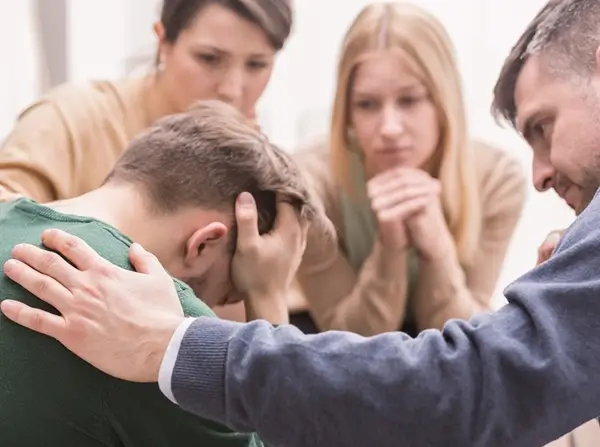
A female therapist speaks with care and focus during a group therapy session, offering guidance to participants seated in a supportive circle. The image reflects the importance of therapeutic connection and shared recovery in addressing dopamine-related behavioural addictions.
The science behind addiction and dopamine

What dopamine does, and how addiction rewires you

Dopamine plays a crucial role in how we experience pleasure, motivation, and reward. But when overstimulated, it can disrupt the brain’s natural balance and lead to addiction over time. According to Yale Medicine, repeated dopamine surges from substances or behaviours can reduce dopamine sensitivity and alter judgement, memory, and decision-making.

Many of us have overcome addiction ourselves. We know how to support people caught in this cycle through detox, rehab, therapy, and long-term aftercare. This page outlines our approach and how we can help you or your loved one take the next step.

  • Detox in our Geelong hospital gives your body and brain time to stabilise in a safe, medically supported environment
  • Our residential program offers daily therapy, a structured routine, and support for both mental and physical health
  • The full 90-day program gives you space to reset your dopamine system and build long-term strategies for sobriety
What’s included and how it helps

What you get with our dopamine rehab program

Every person is different, so we offer structured treatment, expert care, and long-term support tailored to your brain, story, and recovery goals.

What’s included in your path to recovery

  • Medically supervised dopamine detox in a supportive environment
  • Inpatient care with daily counselling, group therapy, and wellness support
  • Therapeutic treatment plans informed by neuroscience and behavioural research
  • Dual diagnosis support for addiction and mental health concerns
  • Structured relapse prevention and aftercare programs
  • A team that understands because we’ve been there ourselves
How it works and why it happens

Understanding dopamine overuse and recovery

Many people mistake 'dopamine addiction' as being hooked on dopamine itself, but it's really about overstimulating the brain’s reward system in ways that change how we feel and function.

 young man sits alone on outdoor steps near an office building, hunched over with his head down in visible distress. The image reflects the emotional crash and burnout that can follow compulsive reward-seeking behaviours, highlighting the need for structured recovery in a dopamine addiction rehab program.

When dopamine becomes a problem

When a substance or behaviour floods the brain’s reward system with dopamine, it can overstimulate the network and reduce natural dopamine production. Over time, stronger stimulation becomes necessary just to feel normal. Without it, people often feel low, mentally foggy, or emotionally numb. This is what many people mean by “dopamine addiction.”

Signs and symptoms

When dopamine surges become constant, the brain can lose sensitivity to natural rewards. This can lead to dopamine imbalances, disrupted motivation, and difficulty enjoying normal life.

  • You may feel numb, unmotivated, or emotionally flat without external stimuli or addictive behaviours.
  • Cravings for substances or behaviours that once boosted dopamine levels in the brain.
  • Sleep issues, low mood, impulsivity, or anxiety are common symptoms of dopamine system disruption.

Impacts and effects

Over time, risky or chronic overuse of dopamine-triggering substances or behaviours can impair cognitive function and mental well-being.

  • Decision-making and memory may decline as the brain’s dopamine pathways are overstimulated.
  • Social withdrawal and compulsive engagement in pleasurable yet harmful activities can emerge.
  • The effects of dopamine overuse may include difficulty feeling satisfaction or motivation naturally.

치료 및 지원

Dopamine rehab is a form of comprehensive treatment that helps reset the brain’s dopamine function and supports long-term recovery from behavioural or substance-related patterns.

  • Therapeutic counselling helps people understand the root of their reliance and how to avoid relapse triggers.
  • A structured environment and controlled routine help restore natural dopamine production.
  • Support groups, behavioural therapies, and relapse prevention improve psychological resilience.

What recovery looks like

In recovery, the brain slowly restores its balance, improving emotion, cognition, and motivation as dopamine sensitivity returns.

  • Emotional clarity, improved mood, and renewed motivation become more consistent over time.
  • Medically supervised rehab allows people to detox and recover from dopamine disruption in a safe, therapeutic setting.
  • With ongoing support, people regain control and build a healthy, meaningful life post-rehab.
기밀 자체 평가 도구

음주나 약물 사용이 걱정되시나요?

이 짧은 비밀 보장 퀴즈는 2분도 채 걸리지 않으며, 현재 상황을 이해하는 데 도움이 될 수 있습니다. 알코올, 약물 또는 여러 가지 우려 사항 중 가장 관련성이 높다고 느껴지는 범주를 선택하시면, 간단한 예/아니오 질문 몇 가지를 안내해 드리겠습니다.

마지막에는 답변을 바탕으로 재활 치료를 고려할 시점인지 알려드리며, 시작하기 위한 안전하고 비밀 보장되는 옵션을 공유해 드립니다.

지금 퀴즈를 풀어보세요
The programs we offer

Tailored support that adapts to you

We offer short- and long-term options for people experiencing dopamine-related behavioural or substance challenges. Each dopamine rehab program is structured around counselling, behavioural therapy, and therapeutic support groups. Our treatment centre provides a controlled environment that supports healthy dopamine production and lasting recovery.

주거 프로그램

안전하고 회복 중심의 환경에서 체계적인 지원, 치료 및 생활 기술 훈련을 제공하는 거주형 재활 프로그램.

상담 세션 중 손을 잡고 있는 젊은 부부, 가족 및 관계 치료를 통해 지원을 구하고 있다.

가족 프로그램

교육, 그룹 지원 및 상담을 통해 가족들이 중독을 이해하고 사랑하는 사람의 회복을 지원할 수 있도록 돕습니다.

가정을 통해 가상 회복 세션에 참여하는 여성, 'Hader at Home' 온라인 재활 프로그램을 통한 체계적인 치료에 참여 중

헤더의 집

재활 후 관리를 위한 완전 디지털 회복 프로그램으로, 매일 체크인, 온라인 치료, 자가 학습 워크북을 제공합니다.

갈색 머리의 여성이 그룹 치료 중 개인적인 돌파구를 공유하며 미소 짓고, 외래 치료 회복 과정에서의 진전을 축하하고 있다.

집중 외래 치료 프로그램

일상에 맞춰 설계된 체계적인 중독 지원 프로그램으로, 치료, 그룹 세션 및 재발 방지를 포함합니다.

한 남성 거주자가 재활 상담사와 대화를 나누고 있다.

상담

트라우마 중심 치료, 중독 상담 및 가족 지원 서비스를 대면 또는 안전한 온라인 세션을 통해 이용하실 수 있습니다.

집에서 진심 어린 중재를 마친 후, 중독 치료를 받기로 동의한 파트너를 포옹하며 지지와 격려를 보내는 여성.

개입

가족이 안전하고 체계적인 중재를 진행하고 사랑하는 사람을 치료로 이끌 수 있도록 지원하는 전문적인 지원 서비스.

사적인 고급 주거지에서 바라보는 모래로 된 뒷마당과 해변을 조망할 수 있으며, 평화롭고 은밀한 휴식을 위해 설계된 라운저와 열대식물 조경이 마련되어 있습니다.

경영진 재활 프로그램

사적인 1:1 치료를 제공하는 고급스러운 환경에서 완벽한 비밀 보장 및 맞춤형 회복 일정을 제공합니다.

ANZAC 데이 추모 장면: 빈티지 호주 육군 .303 소총, 슬라우치 햇, 떠오르는 태양 휘장, 군인 군번줄, 화환, 그리고 배경에 호주 국기가 배치됨

DVA 재활

참전용사 및 응급구조대원을 위한 외상 중심 전문 입원 치료 서비스로, 자격 요건을 충족하는 DVA 고객에게는 전액 지원됩니다.

법원 명령에 따른 재활 프로그램의 일환으로, 공동 공간의 소파에 앉아 개인 일기를 작성 중인 한 거주자.

법원 명령 재활

구속 또는 선고 요건을 충족하기 위한 해독, 치료 및 법의학적 보고를 포함한 체계적인 입원 프로그램.

전환 주택에 거주하는 한 남성이 입원 재활 치료 후 구조와 독립성을 재건하며 새로운 하루의 일을 준비하며 신발끈을 묶고 있다.

과도기적 주거

재활과 독립 생활 사이의 간극을 메우기 위한 치료, 체계적 지원 및 회복 중심의 주거 서비스.

의료적 해독 센터에서 진행되는 지지적 집단 치료 세션. 다양한 배경을 가진 내담자들이 자신의 경험을 나누고, 심리학자가 새로 참여한 내담자를 부드럽게 격려하는 자리.

병원 해독

면허를 취득한 사립 병원에서 24시간 의료진이 감독하는 해독 치료를 제공하며, 금단 증상 지원 및 정신과 치료를 포함합니다.

우리의 프로세스

Here’s what you can expect

단계1

Step 1: Understanding your experience

We listen closely to understand your triggers, substance use patterns, and goals so we can tailor your treatment.

단계2

Step 2: Building a personal plan

Your plan may include detox, counselling, or inpatient rehab depending on your needs and dopamine imbalances.

단계3

Step 3: Walking with you through recovery

We support you through every step with comprehensive treatment strategies and long-term coping mechanisms.

준비되셨을 때 언제든지 저희가 도와드리겠습니다 – 전화 상담 예약하거나 지금 바로 상담원과 이야기해 보세요.

What makes our rehab different

A trusted, evidence-based approach that works

Every aspect of our program is built on clinical evidence, compassionate care, and real recovery outcomes. Our team understands how the brain’s dopamine system can affect motivation, behaviour, and well-being. We offer support that addresses psychological, behavioural, and cognitive factors in addiction and helps people recover from harmful reliance on external stimuli and begin to rebuild.

Clinically informed, trauma-aware care

Our model integrates physical, emotional, and psychological support.

Staff with real lived experience

Many of us have faced addiction ourselves and know what recovery takes.

Safe, structured, purpose-built spaces

We offer a calm, supportive facility that reduce overwhelm and support healing.

Long-term support that doesn’t stop at discharge

Aftercare, family services, and relapse prevention are built into every plan.

우리의 인증

National standards, trusted by health professionals

Our programs are accredited under the NSQHS Standards and overseen by the ACSQHC. These standards recognise our commitment to safety, evidence-based care, and continuous improvement.

More ways we can help

Learn more about our services

We treat a range of addictions, mental health challenges, and complex dual diagnoses with compassion and expertise.

약물 재활

Inpatient treatment for people struggling with addictive substances, including stimulants, depressants, and prescriptions.

중독 회복에 관한 그룹 치료 세션

약물 해독

Hospital-based withdrawal support and medication-assisted detox programs in a safe and supportive setting.

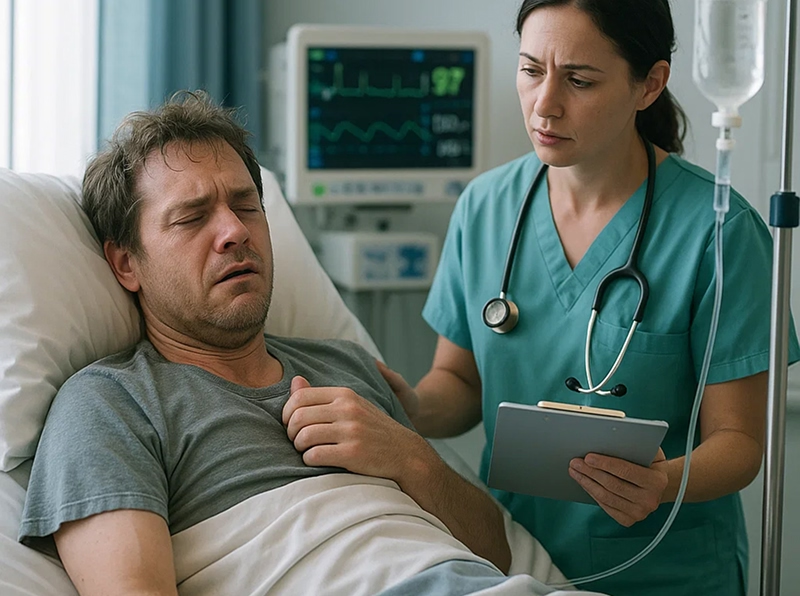
약물 해독 치료를 받고 있는 환자를 확인하는 간호사.

재발 방지

실생활에서 적용 가능한 실질적인 전략으로 유발 요인을 관리하고, 재발을 방지하며, 장기적인 회복을 유지하는 방법.

두 남자가 재발 방지 전략에 대해 논의하고 있다.

응급 재활

위기 상황에 처해 긴급한 안정화 치료가 필요한 사람들을 위한 신속 입원 옵션.

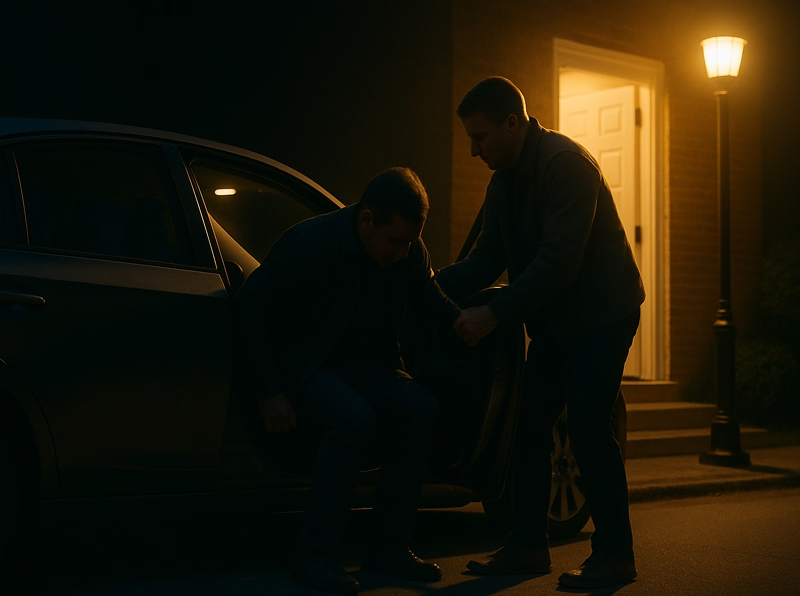
위기 개입 중 한 사람을 차에 태우는 보조자들.
고객 사례 및 추천사

Real voices from real recovery

Hear from people who’ve experienced our programs and understand what life looks like on the other side of addiction.

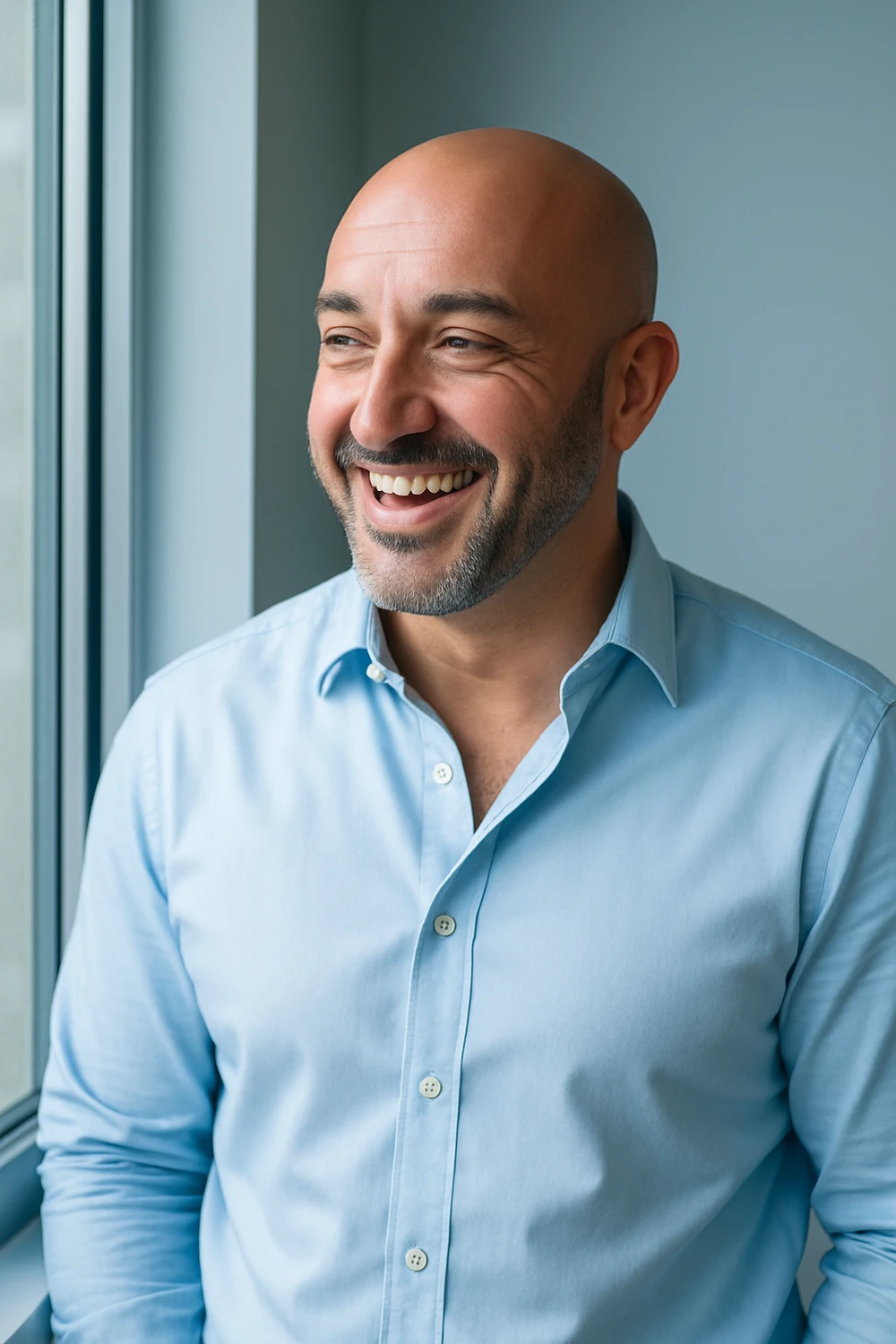
알리 아데미

수년간의 트라우마, 중독, 상실 끝에 알리는 자비로운 팀의 지원, 공동체 의식, 그리고 장기적인 치유에 대한 헌신을 통해 삶을 재건할 힘을 찾았다.

32년간의 중독 생활 끝에 민 팜은 헤더 클리닉에서 희망과 치유, 새로운 길을 찾았습니다. 그의 여정은 공동체와 연민, 용기의 힘을 증명하는 사례입니다.

피터 엘-쿠리

여러 번의 재발 끝에 피터는 헤더를 통해 장기적인 회복을 이루었습니다. 치료, 공동체, 그리고 임상적 돌봄이 어떻게 그가 삶을 되찾는 데 도움을 주었는지 읽어보세요.

Our treatment environment

A safe, comfortable place to recover

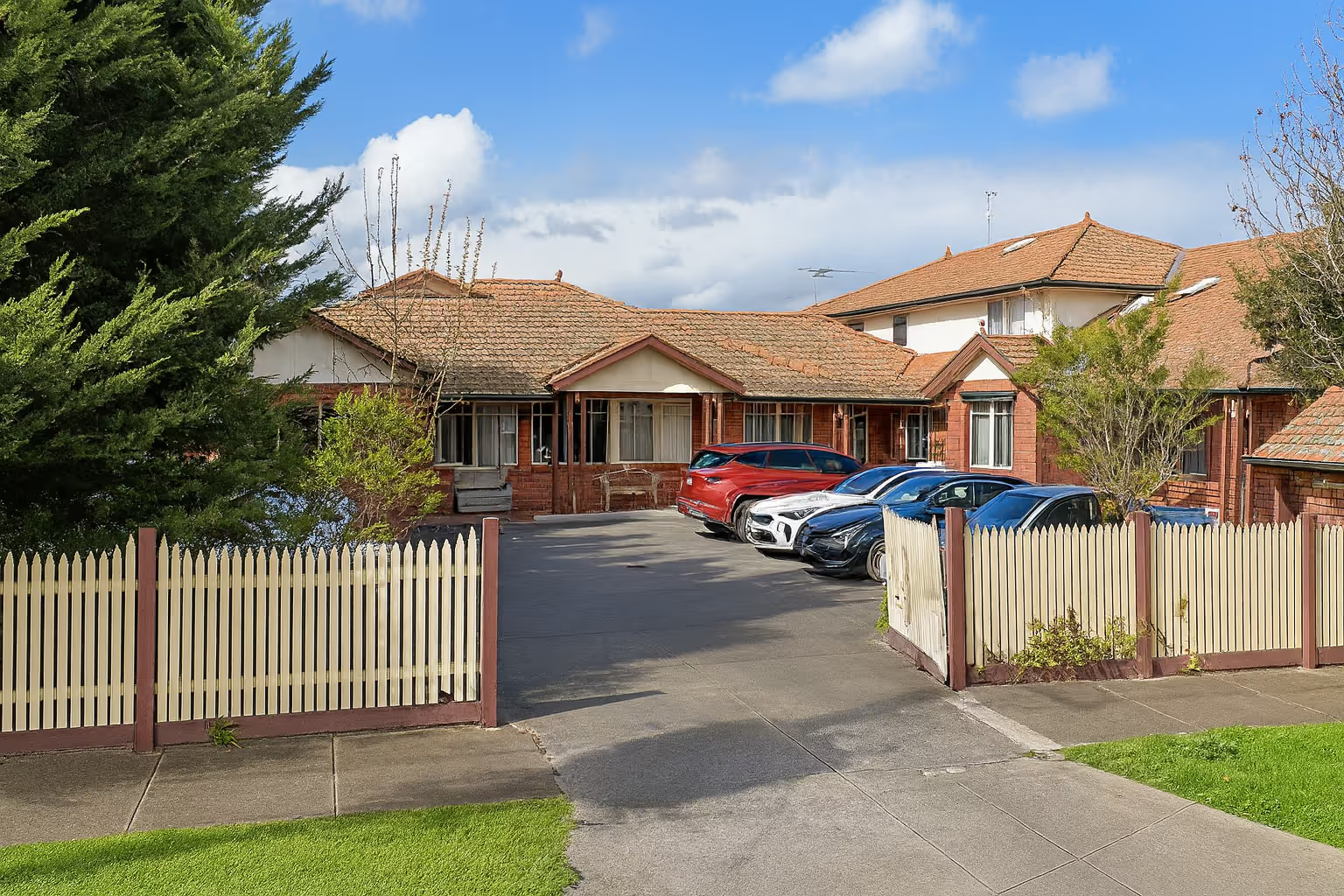
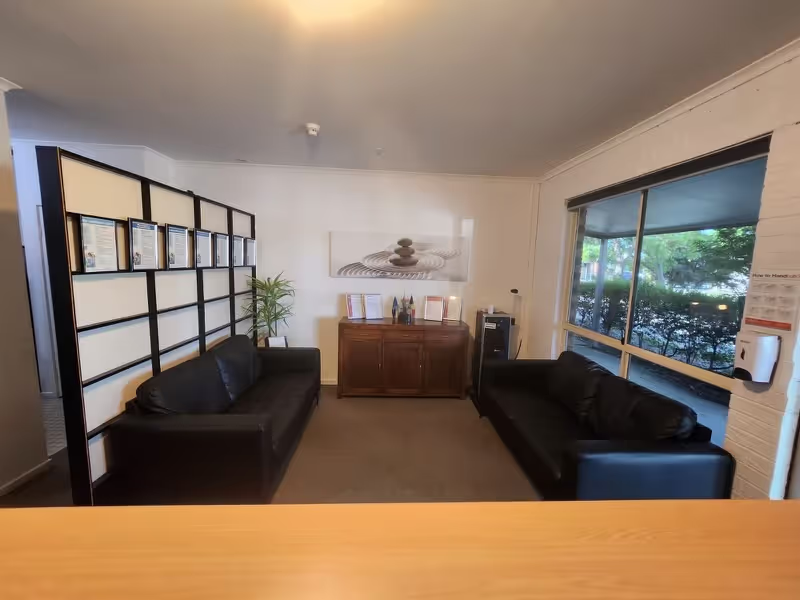
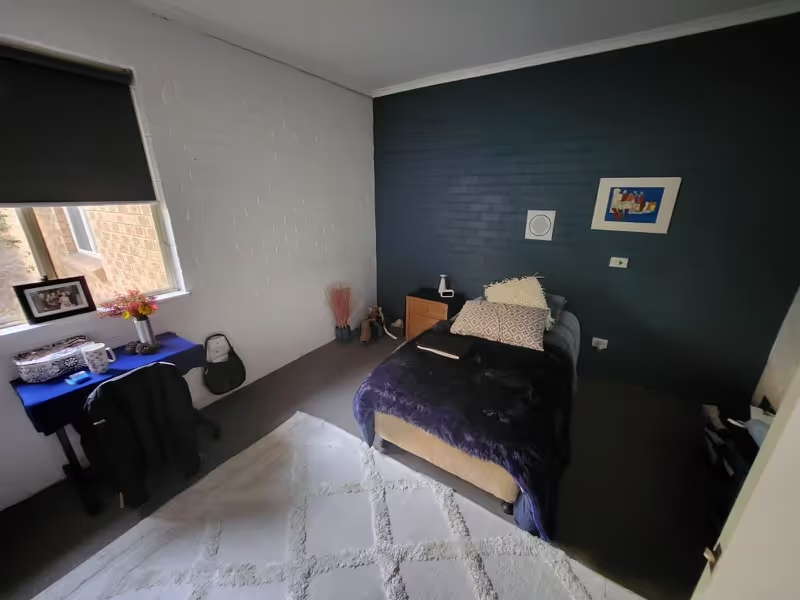
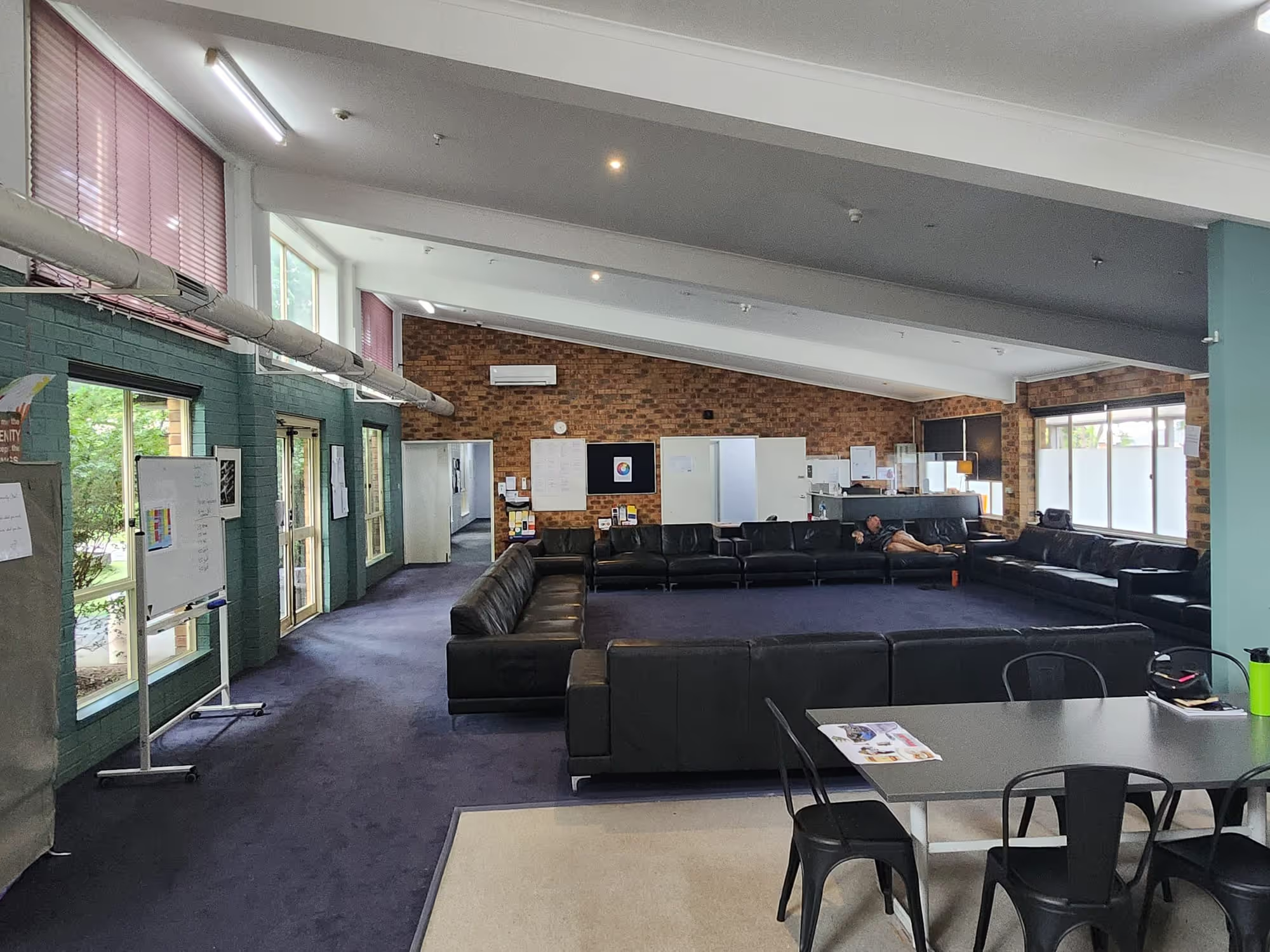
All care at The Hader Clinic is delivered from our Geelong location, where recovery is supported through evidence-based, trauma-informed treatment. Here, clients can safely detox with 24-hour medical supervision before continuing into structured therapeutic care within the same calm, supportive environment. This continuity allows recovery to unfold at a steady pace, with clinical oversight, routine, and counselling working together to support long-term healing.

질롱

Medically supported detox, inpatient residential rehabilitation, and transitional housing programs.

6-8 타운센드 로드, 세인트 앨번스 파크 VIC 3219

100%

고객들은 맞춤형 치료 계획을 받았습니다.

92%

권장 입원 기간을 모두 마쳤다.

72%

퇴원 시 정신 건강이 개선되었다고 보고됨.

89%

재활 치료 후 첫 30일 동안 재발하지 않았다.

Your outcomes matter to us

Our programs deliver long-term recovery

Recovery from dopamine-related behavioural and substance issues is possible, and we have the evidence to prove it. Our clients don’t just complete treatment. They rebuild. They stay sober. They stay connected. And they experience long-term, measurable outcomes that significantly exceed national averages.

아래에서 출처를 확인하세요:

It's never too early to get help

Starting a conversation is the first step towards recovery. Whether you're ready now or still thinking about it, we’re here to talk.

무료 온라인 평가를 받아보세요

간단한 비공개 퀴즈를 통해 재활 치료가 도움이 될 수 있는지 확인하고 안전한 지원 옵션을 알아보세요.

무료 상담 예약하기

 편하신 시간에 전문가와 비밀 보장되는 전화 상담을 예약하세요.

지금 전화하세요

 즉시 누군가와 상담하여 안내와 지원을 받으십시오.

Know what to expect financially

Funding and costs for dopamine rehab

Understanding costs and funding options can make it easier to plan for recovery. We offer transparent pricing and multiple ways to access support.

Explore your funding options

From private insurance to payment plans, our team can talk you through what help is available and how to apply.

자금 조달 옵션을 살펴보세요

재활 치료 비용 이해하기

Our fees cover medical detox, inpatient care, aftercare, and counselling. We’ll help you understand exactly what your money goes towards.

재활 치료 비용에 대해 자세히 알아보기
The people who make it possible

Meet our expert, compassionate team

Our staff includes addiction specialists, counsellors, peer workers, and clinicians, many with lived experience of recovery themselves.

창의적 재활 프로그램에 참여 중인 한 거주자가 정원에 앉아 꽃 그림을 그리고 있다.
앤디 타니아의 이미지
Who we are and why we care

헤더 클리닉 소개

We’re an Australian rehab service providing evidence-based care, deep personal understanding, and support that lasts long after discharge.

You don't have to face this alone

Get support for yourself or someone else

Whether it’s your own recovery or someone you care about, we can help you take the next step with confidence and clarity.

당신을 위해

Personalised rehab pathways for people struggling with dopamine-related addiction.

밝은 창가 소파에 몸을 웅크린 채 앉아 있는 여자는 사색에 잠긴 듯한 모습으로 걱정스러운 표정을 띠고 있다.

사랑하는 사람을 위해

Support, guidance, and practical next steps for concerned family or friends.

한 부부가 상담사 사무실에 함께 앉아 걱정과 지지를 담아 경청하고 있다
More insights on dopamine addiction

Learn more through our expert blogs

Discover articles that explain the neuroscience, symptoms, and real-life recovery journeys behind dopamine-related addiction.

다음 단계를 준비하셨나요?

Entering rehab could change your life

We know how hard this decision can be. But when you're ready, we’re here with judgement-free support, proven programs, and a team who gets it.

이해하는 사람과 이야기하세요

감사합니다! 귀하의 제출이 접수되었습니다!
죄송합니다! 양식 제출 중에 문제가 발생했습니다.
Common questions about dopamine rehab

Answers to help you move forward

How do you know if dopamine-related treatment is right for you?

There’s no single sign that confirms you need support for dopamine-related addiction, but there are patterns that often point to a deeper issue. If you find yourself unable to stop engaging in certain behaviours or using substances despite negative consequences, or you feel a constant need to chase stimulation, you may be dealing with a dopamine imbalance.

This kind of imbalance can interfere with how your brain responds to natural rewards, leaving you feeling emotionally flat without constant stimulation. It might show up as compulsive gaming, binge-watching, social media use, drug or alcohol use, or chasing risky or euphoric experiences. If these behaviours are escalating and interfering with your relationships, work, or health conditions, it may be time to seek help.

Common indicators that dopamine rehab may be right for you:

  • You’ve lost interest in everyday pleasures unless they come with an intense dopamine hit.
  • You experience emotional crashes or irritability when not engaging in stimulating activities.
  • You’ve tried to stop but keep relapsing into the same behaviours or substances.

To understand your situation more clearly, our rehab quiz can help you reflect on whether it's time for professional support. And if you’re ready to take the next step, we offer a full range of tailored rehab programs that support recovery from dopamine-related addictions.

What kinds of behaviours or substances lead to dopamine imbalance?

Dopamine is a neurotransmitter that plays a crucial role in the brain’s reward system, helping us feel pleasure, stay motivated, and make decisions. But certain behaviours and substances can overwhelm this system, leading to imbalance or even long-term dysfunction. This includes everything from drug use and alcohol to compulsive behaviours like gambling, social media scrolling, or hyper-productivity.

When you repeatedly trigger surges of dopamine (especially through addictive substances or behaviours) your brain starts to adjust. It reduces natural dopamine production, downregulates dopamine receptors, and makes it harder to feel satisfaction from everyday experiences. Over time, this can lead to compulsive use, psychological dependence, and a distorted sense of motivation and pleasure.

Dopamine dysregulation is often associated with:

  • Substance use like alcohol, cocaine, methamphetamine, nicotine, and prescription stimulants.
  • Behavioural patterns such as compulsive gaming, binge eating, or overuse of social media.
  • Chronic stress or trauma, which can disrupt the dopamine system and lead to unhealthy coping behaviours.

Another factor is the tendency to seek quick emotional relief. When everyday discomfort is numbed through excessive stimulation, it becomes harder to sit with uncomfortable feelings, reinforcing compulsive consumption patterns that can fuel addiction.

To support recovery, we offer structured rehab services that address both substance and behavioural addictions. You can also explore how substances like alcohol impact brain chemistry by reading this guide to alcohol and the brain.

Can you be addicted to feelings of pleasure?

Yes — although it's not recognised as a clinical diagnosis, some people experience compulsive behaviour linked to pleasure-seeking that closely mirrors substance addiction. This is often described as a kind of "dopamine addiction," where a person feels driven to pursue specific behaviours or activities that cause a rush of dopamine in the brain’s reward system.

This might include things like gambling, gaming, shopping, sex, or social media use. Over time, repeated exposure to these highly stimulating behaviours can reduce your brain’s dopamine sensitivity. This means it becomes harder to feel good from ordinary activities, which can create a cycle of craving, risk-taking, and emotional distress.

Some signs that your relationship with pleasure may be harmful include:

  • You feel compelled to keep engaging in a behaviour despite negative consequences.
  • You need more of the activity to achieve the same dopamine boost.
  • You feel low, flat, or anxious when you can’t access the stimulus.

At The Hader Clinic, we support people who feel stuck in these cycles, even if they don’t involve drugs or alcohol. Many clients find that a mental health rehab program is a valuable space to explore underlying issues, manage dopamine imbalances, and build healthier patterns of behaviour. For more context, our ultimate guide to rehab for substance abuse outlines how these compulsive cycles form and how we help people recover.

How is dopamine rehab different from drug rehab?

Traditional drug rehab typically focuses on physical withdrawal, detox, and managing cravings for a specific substance. In dopamine rehab, the core issue isn’t a chemical dependence — it’s a pattern of overreliance on behaviours or substances that overstimulate the brain’s dopamine system.

Because of this, our approach to treatment is more focused on the emotional, psychological, and behavioural side of recovery. We help clients understand how their brains have adapted to unnatural dopamine surges, and how that can affect mood, memory, decision-making, and even motor control. Treatment includes counselling, education, structured routines, and therapy to reduce the urge to chase dopamine highs and help the brain rebalance.

We also tailor support around the specific behaviours or substances involved, whether that’s social media, sex, gambling, or prescription stimulants. This may include elements of drug rehab where relevant, but the focus is always personalised. Many clients benefit from our inpatient vs outpatient rehab comparison to find the right level of structure and support.

Our programs help people build sustainable coping mechanisms, boost natural dopamine production, and reclaim a balanced, healthy level of satisfaction in life without relying on artificial stimulation.

What role does the brain’s reward system play in relapse?

Relapse isn’t so much a failure of willpower as a matter of brain function. The brain’s reward system, which governs the release of dopamine in response to pleasurable activities, plays a central role in developing and maintaining addiction. When someone repeatedly uses a substance or engages in a behaviour that overstimulates dopamine release, the brain adapts by producing less natural dopamine and reducing the number of dopamine receptors. This blunts the brain’s ability to feel reward from everyday experiences.

During rehab, dopamine levels in the brain begin to stabilise, but recovery is a gradual process. If someone experiences stress, strong cravings, or exposure to triggers after treatment, the brain’s memory of intense dopamine surges can resurface, creating a powerful drive to re-engage in addictive behaviours. This is particularly true in dopamine-related behavioural addictions, where the trigger and the reward are often closely linked.

That’s why relapse prevention focuses not just on abstinence but on reshaping reward pathways. Our rehab programs combine therapeutic tools, behavioural strategies, and emotional regulation skills that help retrain the brain’s response to stress and reward. Our team also understands how important it is to identify early warning signs and develop personalised coping strategies.

  • Dopamine-related changes can persist even after physical withdrawal ends.
  • The brain's craving for dopamine-driven rewards can be reactivated by stress or reminders.
  • Support networks and relapse prevention tools reduce long-term risk.

Learn more about this process in our relapse prevention guide.

What does detox look like for dopamine-related addictions?

Dopamine-related addictions (whether substance-based or behavioural) don’t always require a conventional medical detox. However, some people may experience intense psychological withdrawal symptoms when they first stop engaging with the behaviour or substance. This can include restlessness, low mood, fatigue, irritability, or a lack of pleasure in daily life. These symptoms are signs that the brain is readjusting its dopamine production and sensitivity.

Unlike opioid or alcohol detox, dopamine detox is less about flushing a substance out of the body and more about providing a controlled environment that reduces stimulation and allows the brain’s dopamine system to stabilise. This often involves a structured break from triggering behaviours, along with therapy, nutrition, meditation, and support. For those also using stimulants like cocaine or methamphetamine, a medical detox may still be needed.

We offer both inpatient and outpatient options depending on the severity of symptoms and any co-occurring medical conditions. Financial help may also be available for eligible clients through available funding options.

  • Detox may focus more on reducing stimulation than managing physical symptoms.
  • Some clients experience a temporary lack of pleasure known as anhedonia.
  • Safe environments and therapeutic care support psychological recovery.

Learn more about how detox works in our guide to detox vs rehab.

What rehab options are available for dopamine addiction?

Dopamine-related addiction often stems from overstimulation of the brain’s reward system. That could be through stimulant use like cocaine or meth, or through behaviours like gambling, gaming, or compulsive internet use. No matter the source, we treat these issues with a comprehensive, personalised approach.

At The Hader Clinic, dopamine-related rehab options include:

  • Inpatient rehab with 28, 60 or 90-day programs in a controlled environment
  • Medically supervised detox to manage withdrawal symptoms safely
  • Therapy and counselling that explore emotional drivers, build coping mechanisms and address any co-occurring conditions

We also offer aftercare and relapse prevention through structured programs like our app, Hader@Home, helping clients stay engaged long after discharge. Our rehab services are designed to support the full recovery journey from early withdrawal to long-term rebuilding. Other therapeutic strategies may include listening to music, improving sleep, and supporting healthy serotonin regulation to aid mood and motivation.
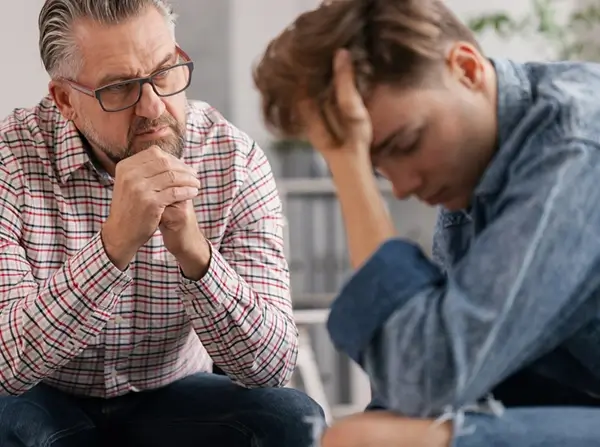
Could mental illness contribute to dopamine addiction?

Yes — mental illness can play a major role in driving dopamine-related addiction. People struggling with anxiety, depression, bipolar disorder, or trauma often seek out external stimulus to artificially boost dopamine or numb emotional pain. Over time, this can lead to chronic overstimulation of the brain’s dopamine system and increased reliance on the behaviour.

This is where dual diagnosis treatment becomes essential.

  • We treat both the addiction and the underlying condition at once
  • We support long-term changes in dopamine function and emotional regulation
  • We use integrated care: psychiatry, counselling, and therapeutic supports

Our mental health rehab programs are tailored for clients experiencing this overlap, ensuring treatment that restores both mental well-being and behavioural control. Our clinical team understands how addiction and dopamine include deep neural mechanisms affecting everything from memory to the activity of individual neurons, and our programs are designed with that complexity in mind.

Learn more about our broader rehab services and how they support recovery across the full spectrum of addiction impacts.