






















Compassionate support for ecstasy addiction

Ecstasy rehab programs

Ecstasy addiction can feel overwhelming. We help you stop using ecstasy, manage withdrawal, and build a healthy, sober life through specialised care.

Faites une auto-évaluation ou parlez à quelqu'un dès maintenant, sans aucune obligation.

An extreme close-up of a dilated eye under moody, coloured lighting, with sweat visible on the skin — symbolising the intense physical effects of ecstasy use and the need for ecstasy rehab programs to support long-term recovery.

24/7 medical detox supervision

Therapy for mental health and trauma

Personalised treatment plan for recovery

Individual and group counselling sessions

A woman sits curled up on a chair, warming her feet with a blanket in a chilly room — symbolising the physical and emotional vulnerability that can accompany ecstasy addiction and the need for a supportive ecstasy rehab environment to foster warmth, safety, and healing.
Understanding ecstasy addiction

Personalised care for ecstasy users

Ecstasy may feel like a party drug, but it can take hold of your life in ways you never expected. According to the National Drug Strategy Household Survey (2022–2023), 400,000 people in Australia used ecstasy in the past year. That’s fewer than in past years, but the risks remain. If you are using ecstasy, now is the time to get help.

We provide safe, supportive detox, therapy for mental health and trauma, and long-term care to help you recover. We will walk with you through the fear, the cravings, and the hard days — because you deserve a chance to rebuild.

  • Our private Geelong hospital offers medically supervised detox for ecstasy withdrawal.
  • You’ll receive structured, holistic and personalised therapy every day at our Essendon residential rehab.
  • We offer short and long inpatient stays plus aftercare, with our 90-day rehab program earning exceptional sobriety results
What’s included in your care

Comprehensive treatment and benefits

Our ecstasy rehab program is built on evidence-based care that supports every part of your recovery. We offer detox, personalised therapy plans, and long-term support in a safe, understanding space.

  • Your health is closely monitored to manage withdrawal safely.
  • The psychological impact of ecstasy addiction is addressed with specialised therapies.
  • We explore how ecstasy use affects mental health and cognitive function.
  • Craving management and relapse prevention strategies are taught for ongoing recovery.
  • Family relationships and social support systems are strengthened to aid long-term stability.
  • You are supported through every stage, from withdrawal to building a life free from ecstasy.
What you need to know

Understanding ecstasy addiction

Ecstasy use can seem harmless at first, but it often leads to dependence, mental health issues, and risky behaviour. If you are struggling with ecstasy use, we are here to help you take the first step towards recovery.

A man sits alone on a sofa at night, overwhelmed by anxiety and withdrawal symptoms from ecstasy addiction — highlighting the emotional toll of substance abuse and the urgent need for professional ecstasy rehab programs to support recovery.

What ecstasy addiction is

Ecstasy is a synthetic stimulant and hallucinogenic drug that can affect mood, decision-making, and long-term health. It increases dopamine in the brain, creating feelings of euphoria and connection. Repeated ecstasy use can lead to dependence, withdrawal symptoms, and long-lasting mental health challenges. Our recovery specialists understand how ecstasy impacts your mind, body, and relationships.

Symptoms of ecstasy addiction

Recognising the symptoms of ecstasy addiction is an important step towards getting help. Ecstasy addiction often leads to changes in mental health, behaviour, and physical wellbeing. Symptoms can include mood swings, anxiety, and withdrawal symptoms when you try to stop.

  • You may feel anxious, paranoid, or emotionally unstable.
  • You may struggle to control how much ecstasy you use once you start.
  • You may experience dehydration, high body temperature, and increased heart rate.

Effects of ecstasy addiction

Ecstasy addiction can impact many areas of your life. It affects the brain’s dopamine system, leading to psychological and physical strain. Long-term use may result in cognitive changes, chronic anxiety, and emotional instability.

  • Ecstasy use can increase the risk of overdose, dehydration, and long-term health issues.
  • It can lead to financial and legal problems due to risky behaviour.
  • Relationships with family, friends, and loved ones can be strained or broken.

Treatment for ecstasy addiction

Treatment for ecstasy addiction should address physical withdrawal, mental health, and emotional wellbeing. At The Hader Clinic, we provide a safe detox process, therapy for psychological health, and relapse prevention support.

  • Our inpatient and outpatient programs are designed specifically for ecstasy addiction.
  • We combine behavioural therapy, individual and group counselling, and holistic care.
  • Ongoing support helps you overcome cravings, manage triggers, and maintain sobriety.

Recovery from ecstasy addiction

Recovery from ecstasy addiction is possible, and you do not have to do it alone. With the right support, you can stop using ecstasy and build a stable, sober life. We specialise in helping people regain control, heal, and thrive.

  • Recovery is a long-term journey that requires patience and care.
  • We help you learn new ways to manage mood, cravings, and stress.
  • You can rebuild your confidence, repair relationships, and find purpose.
OUTIL D'AUTO-ÉVALUATION CONFIDENTIEL

Vous vous inquiétez au sujet de votre consommation d'alcool ou de drogues ?

Ce petit questionnaire confidentiel prend moins de deux minutes et peut vous aider à comprendre ce qui se passe. Choisissez la catégorie qui vous semble la plus pertinente — qu'il s'agisse d'alcool, de drogues ou d'un mélange de préoccupations — et nous vous guiderons à travers quelques questions simples auxquelles vous répondrez par oui ou par non.

À la fin, nous vous dirons si vos réponses suggèrent qu'il est peut-être temps d'envisager une cure de désintoxication et nous vous proposerons des options sûres et confidentielles pour vous aider à vous lancer.

Répondez au questionnaire dès maintenant
How we can help you

Programmes qui soutiennent votre rétablissement

Our ecstasy rehab programs are designed to help you stop using ecstasy and build a stable, healthy life. We offer medically supervised detox, therapy for mental health, and long-term recovery support in a safe and caring environment.

Programme résidentiel

Réadaptation en résidence avec soutien structuré, thérapie et formation aux compétences de la vie courante dans un environnement sûr et axé sur le rétablissement.

Jeune couple se tenant la main pendant une séance de conseil, cherchant du soutien à travers une thérapie familiale et relationnelle.

Programme familial

Éducation, soutien de groupe et counseling pour aider les familles à comprendre la dépendance et à soutenir le rétablissement de leur proche.

Une femme participe à une séance de rétablissement virtuelle depuis son domicile, suivant une thérapie structurée dans le cadre du programme de rééducation en ligne Hader at Home.

Hader à la maison

Un programme de rétablissement entièrement numérique comprenant des contrôles quotidiens, une thérapie en ligne et des cahiers d'exercices autoguidés pour les soins post-réadaptation.

Une femme brune sourit et partage une avancée personnelle lors d'une thérapie de groupe, célébrant les progrès accomplis dans son parcours de rétablissement en ambulatoire.

Programme ambulatoire intensif

Soutien structuré en matière de dépendance, comprenant une thérapie, des séances de groupe et la prévention des rechutes, conçu pour s'adapter à la vie quotidienne.

Un résident discute avec son conseiller en réadaptation.

Conseil

Thérapie tenant compte des traumatismes, counseling en matière de toxicomanie et soutien familial disponibles en personne ou via des séances en ligne sécurisées.

Une femme embrassant son partenaire après une intervention sincère à la maison, lui offrant son soutien et ses encouragements alors qu'il accepte de chercher de l'aide pour lutter contre sa dépendance.

Interventions

Soutien professionnel pour aider les familles à mettre en place une intervention sûre et structurée et à orienter leur proche vers un traitement.

Vue depuis une résidence privée de luxe donnant sur un jardin sablonneux et le front de mer, avec des chaises longues et un aménagement paysager tropical conçu pour un repos paisible et discret.

Rééducation des cadres

Traitement privé et individuel dans un cadre luxueux, en toute discrétion et avec un programme de rétablissement personnalisé.

Hommage à l'ANZAC Day avec un fusil vintage .303 de l'armée australienne, un chapeau mou et un insigne représentant le soleil levant, des plaques d'identité de soldat, une couronne de fleurs et le drapeau australien en arrière-plan.

Réadaptation DVA

Soins hospitaliers spécialisés tenant compte des traumatismes pour les anciens combattants et les premiers intervenants, entièrement financés pour les clients admissibles du ministère des Anciens Combattants.

Un résident assis sur un canapé dans un espace commun, travaillant sur son journal intime dans le cadre de sa réadaptation ordonnée par le tribunal.

Réadaptation ordonnée par le tribunal

Programme hospitalier structuré comprenant une cure de désintoxication, une thérapie et un rapport médico-légal afin de satisfaire aux exigences en matière de caution ou de condamnation.

Un homme vivant dans un logement de transition lace ses chaussures alors qu'il se prépare pour une nouvelle journée de travail, reconstruisant sa vie et son indépendance après une rééducation en milieu hospitalier.

Logement de transition

Hébergement axé sur le rétablissement, avec thérapie, structure et soutien pour faire le pont entre la réadaptation et la vie autonome.

Séance de thérapie de groupe de soutien dans un centre de désintoxication médicale, où divers clients partagent leurs expériences et où un psychologue encourage gentiment un nouveau participant.

Désintoxication à l'hôpital

Désintoxication sous surveillance médicale 24 heures sur 24, 7 jours sur 7, dans un hôpital privé agréé, comprenant une aide au sevrage et des soins psychiatriques.

Votre chemin vers la guérison

Our process for helping you heal

Aucun élément trouvé.

Nous sommes là quand vous êtes prêt : prenez rendez-vous pour un appel ou discutez avec quelqu'un dès maintenant.

Why The Hader Clinic is different

Ce qui rend notre programme unique

Our ecstasy rehab program offers more than just detox. We specialise in care for stimulant and hallucinogenic drug use, providing therapy, family support, and relapse prevention. Every program is tailored for the level of addiction and personal needs.

Specialist support for ecstasy users

Our team understands the specific challenges of ecstasy addiction.

Long-term recovery support

We offer ongoing care beyond detox to help you stay sober.

Individualised care plans

Your recovery plan is built around your unique journey.

Holistic and psychological support

We integrate therapy, mindfulness, and care for mental health.

Trusted and accredited care

Accredited by leading national standards

The Hader Clinic is fully accredited by the NSQHS and the ACSQHC, meeting the highest standards for safety, care, and quality in drug rehabilitation.

Find the support you need

Our services for ecstasy addiction

We provide a range of services to help you recover from ecstasy addiction. Your personalised program is designed to support your needs and give you the tools for long-term recovery.

Réadaptation pour toxicomanes

Our drug rehab program helps you stop using ecstasy and develop healthy coping strategies for long-term recovery.

Séance de thérapie de groupe sur le rétablissement après une dépendance.

Désintoxication médicamenteuse

Our drug detox service offers safe, medically supervised support to help you withdraw from ecstasy in a supportive setting.

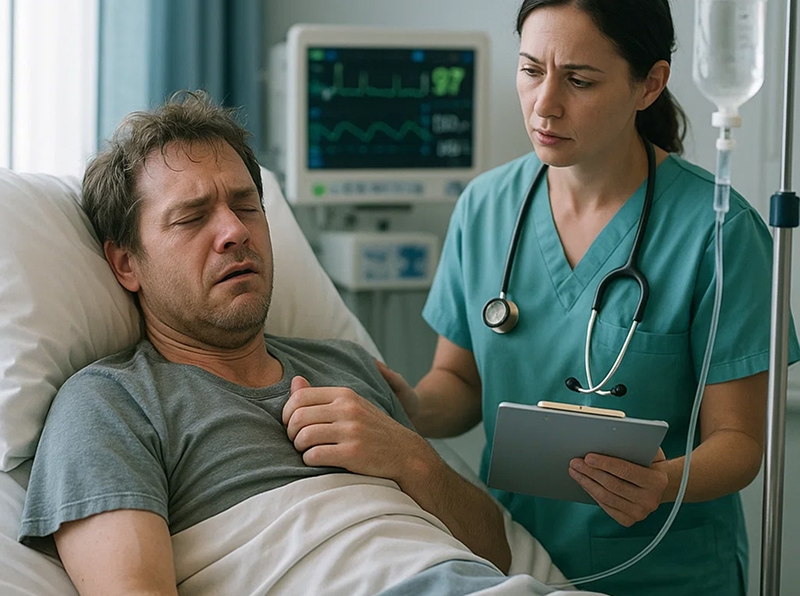
Infirmière vérifiant l'état d'un patient suivant un traitement de désintoxication.

Prévention des rechutes

Relapse prevention helps you build resilience, manage cravings, and maintain your progress after ecstasy rehab.

Deux hommes discutent des stratégies de prévention des rechutes.

Rééducation d'urgence

Emergency rehab provides urgent support if you or a loved one need immediate care for ecstasy addiction.

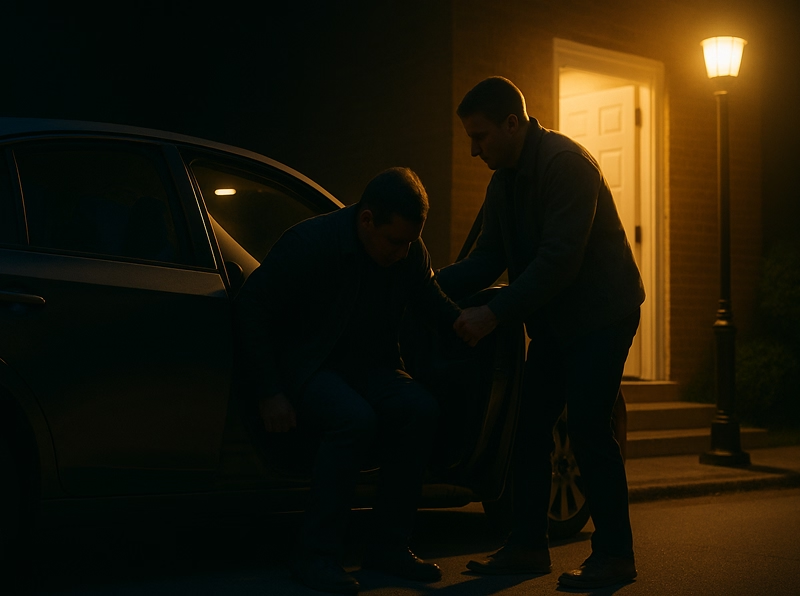
Aides aidant une personne à monter dans une voiture lors d'une intervention d'urgence.
Histoires vraies d'espoir et de guérison

Témoignages et témoignages de clients

Hearing from people who have been through addiction and recovery can give you hope. Read stories of real clients and testimonials that show change is possible.

Ali Ademi

Après des années de traumatismes, de dépendance et de pertes, Ali a trouvé la force de reconstruire sa vie grâce au soutien d'une équipe compatissante, à un sentiment d'appartenance à une communauté et à son engagement envers un processus de guérison à long terme.

Minh

Après 32 ans de dépendance, Minh Pham a trouvé l'espoir, la guérison et une nouvelle voie à la clinique Hader. Son parcours témoigne de la puissance de la communauté, de la compassion et du courage.

Peter El-Khouri

Après plusieurs rechutes, Peter a trouvé un rétablissement durable grâce à Hader. Découvrez comment la thérapie, la communauté et les soins cliniques l'ont aidé à reprendre sa vie en main.

Safe, trusted facilities in Victoria

Nos installations et nos sites

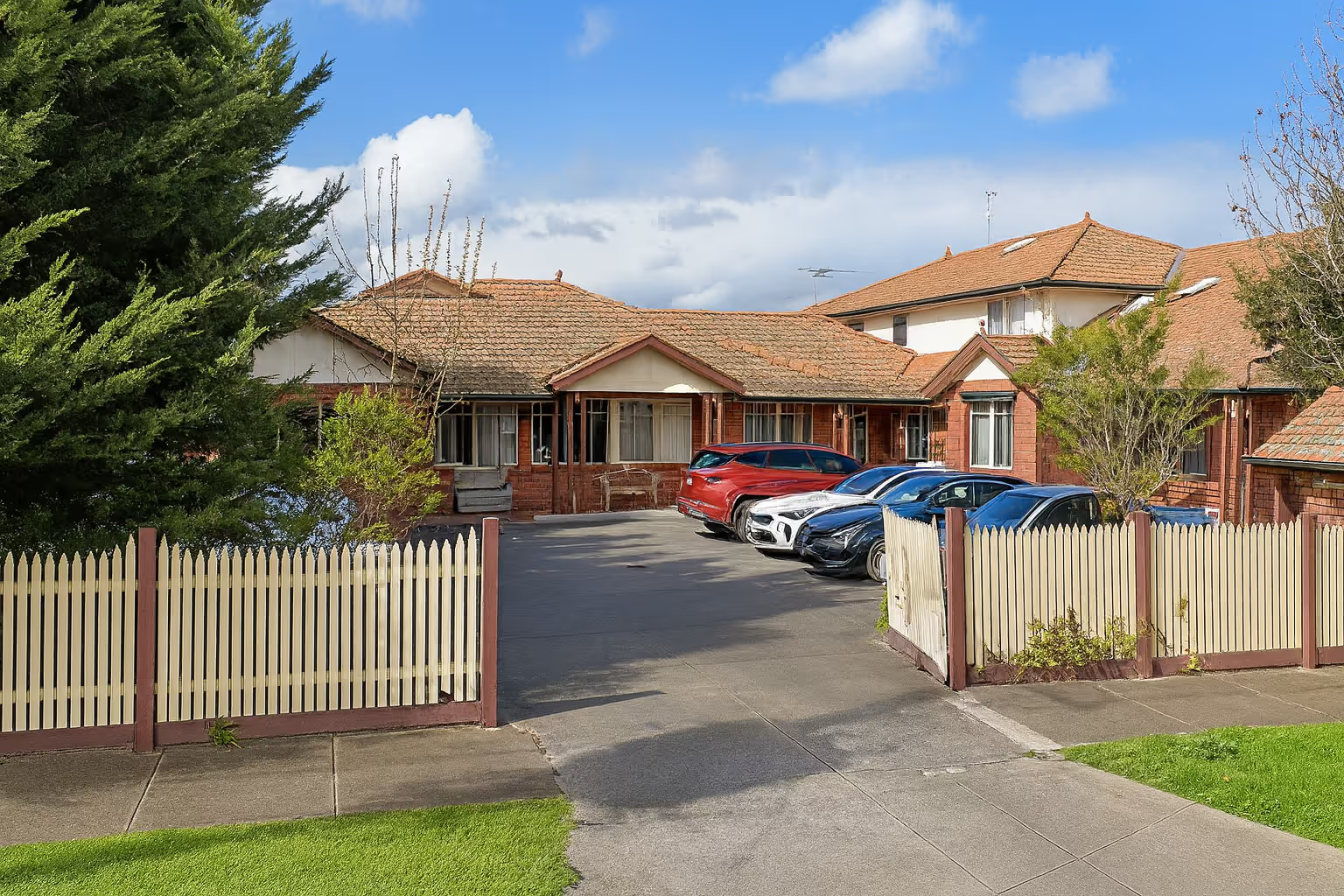
Ecstasy use can affect both the mind and body in powerful ways, and recovery often starts with the right environment. In Geelong, our private hospital provides medical detox with round-the-clock support, helping you stabilise safely. In Essendon, our residential rehab program offers a more immersive experience, with structured therapy, emotional support, and holistic healing woven into each day. Both settings work together to support your recovery, wherever you are starting from.
Programme de réadaptation pour patients hospitalisés et programme de logement de transition

Essendon
150-152 Cooper St, Essendon VIC 3040

Centre hospitalier de réadaptation proposant un programme de sevrage et de désintoxication de 28 jours

Geelong
6-8 Townsend Road, St Albans Park VIC 3219

100%

Les clients ont reçu un plan de traitement personnalisé.

92%

Avoir effectué la totalité du séjour hospitalier recommandé.

72%

Amélioration de la santé mentale signalée à la sortie.

89%

N'a pas fait de rechute au cours des 30 premiers jours suivant la cure de désintoxication.

The outcomes you can expect

Program outcomes for ecstasy addiction

Our ecstasy rehab programs are built on evidence, compassion, and long-term support. We provide structured care and relapse prevention strategies that help you build a life free from ecstasy. Our outcomes reflect real change—our clients leave stronger, healthier, and more prepared for the future.

Consultez nos sources ci-dessous :

Reach out for support today

Getting help is the first step towards a life free from ecstasy. Our team is here to guide you with compassion, care, and expertise.

Passez une évaluation en ligne gratuite

Répondez à un petit questionnaire confidentiel pour savoir si une cure de désintoxication pourrait vous aider et découvrir les options de soutien sécurisées qui s'offrent à vous.

Réservez une consultation gratuite

 Prenez rendez-vous pour un entretien confidentiel avec un spécialiste à l'heure qui vous convient.

Appelez-nous dès maintenant

 Parlez immédiatement à quelqu'un pour obtenir des conseils et du soutien.

Comprendre vos options

Funding and costs for ecstasy rehab

We understand that costs matter when seeking support. We’re here to help you explore available funding options and make treatment as accessible as possible.

Funding options for rehab

Explore funding options like private health, superannuation, and payment plans. We can guide you through your options.

Explorer les options de financement

Comprendre les coûts de réadaptation

Rehab costs can vary depending on program length, location, and services. We provide clear information to help you plan your recovery journey.

En savoir plus sur les coûts de rééducation
Meet the team who care

Compassionate experts in addiction recovery

Our team is made up of experienced professionals with lived experience, clinical expertise, and a deep understanding of addiction. We’re here to walk with you every step of the way.

Un résident participant à l'un de nos programmes de réadaptation créative, assis dans le jardin et peignant des fleurs.
Image d'Andi Thania
À propos de la clinique Hader

Our mission and approach to care

For over 25 years, The Hader Clinic has been helping people recover from addiction. We offer personalised programs, trusted care, and a community of support.

Asking for help takes courage

Support for you or a loved one

Reaching out for support can feel overwhelming. Whether you are seeking help for yourself or a loved one, we are here to guide you with care and understanding.

Pour vous-même

If you are struggling with ecstasy addiction, we can help you take the first step towards a healthier, sober life. Find support for yourself

Une femme est assise recroquevillée sur un canapé près d'une fenêtre lumineuse, l'air pensif et inquiet.

Pour un être cher

If someone you care about is struggling, we can help you find the right support to encourage their recovery. Find support for a loved one

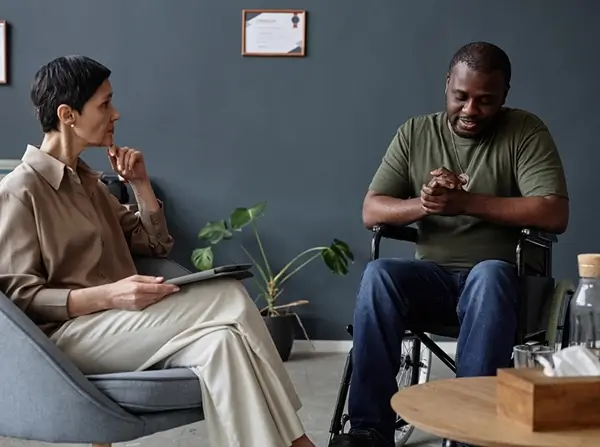
Un couple est assis ensemble dans le bureau d'un thérapeute, écoutant avec attention et soutien.
Learn more about ecstasy addiction

Resources, insights, and expert advice

Our blog covers a wide range of topics about ecstasy addiction, recovery, and mental health. Ask us for a list of blog posts and we’ll recommend three.

Take the first step towards recovery

Reach out for confidential support

If you are struggling with ecstasy use, help is available. Contact us to learn more about our programs and how we can support your recovery.

Parlez à quelqu'un qui comprend

Merci ! Votre demande a bien été reçue !
Oups ! Une erreur s'est produite lors de l'envoi du formulaire.
Common questions about ecstasy rehab

FAQs about ecstasy rehab and recovery

How do I know if I’m addicted to ecstasy and need help?

It’s not always easy to recognise when occasional ecstasy use has turned into a problem. Ecstasy is often seen as a recreational drug, but the side effects and long-term consequences can lead to serious health issues, mental health challenges, and even dependence. If you find yourself using ecstasy regularly, struggling to stop, or noticing changes in your mood, sleep, or relationships, these may be signs you need help.

Addiction is a complex use disorder that affects your brain, body, and relationships. The Hader Clinic’s help you identify patterns of misuse and take the first step towards recovery.

What happens in ecstasy rehab—will I be safe and supported?

Ecstasy rehab is designed to keep you safe, supported, and cared for throughout the recovery process. At The Hader Clinic, we begin with a full assessment to understand your unique needs. From there, you’ll enter a structured treatment program that may include detoxification, therapy for mental health and trauma, and relapse prevention planning.

Our provides 24/7 support. We monitor your health closely during detox and help you build skills to manage cravings and triggers. You are never alone—we walk with you every step of the way.

How long will I be away from home for ecstasy rehab?

The length of your stay in rehab depends on your level of addiction, your mental health needs, and your treatment goals. Ecstasy addiction affects everyone differently, so we create a plan that works for you. Some people benefit from a short-term 28-day program, while others may need longer.

Our residential program offers a safe, caring environment for focused recovery. The time you spend in rehab is an investment in your long-term health.

What does detox from ecstasy feel like, and how will I cope?

Detox from ecstasy can bring a range of symptoms, including fatigue, anxiety, and changes in mood. Some people experience hallucinations, paranoia, or difficulty concentrating. These withdrawal symptoms happen because of how ecstasy interacts with the brain’s dopamine system.

Our team provides with medical supervision to help you cope safely. We use therapies that are effective in treating both the physical and psychological aspects of withdrawal. You don’t have to do it alone.

Can I still work or study while in rehab for ecstasy addiction?

Ecstasy rehab is a full-time commitment, but it’s an important step toward a healthier life. While you may need to take time away from work or study during your stay, our team will help you plan for your return.

If you’re struggling with the decision, know that getting help now can prevent future harm. Our programs include relapse prevention and life skills support to help you re-enter work or study when you’re ready.

How much does ecstasy rehab cost, and are there payment options?

We understand that the can feel overwhelming. At The Hader Clinic, we’re transparent about pricing and work with you to explore , including private health insurance, superannuation, and payment plans.

What support is there after rehab to help me stay sober?

Staying sober after rehab takes ongoing care and support. That’s why we offer aftercare programs, including therapy, relapse prevention, and group support. You can also access structured aftercare through our Hader@Home program.

We help you identify triggers, manage stress, and build a life free from ecstasy. Recovery is a journey, and we’re with you every step of the way.

How do I help someone I love get into rehab for ecstasy addiction?

Watching someone you care about struggle with substance abuse addiction can be painful. It’s important to approach the situation with empathy and avoid blame. Start by having an honest conversation, letting them know you care and want to help.

If they are in crisis or at risk, our can provide immediate care. We also offer to guide families through the process of encouraging a loved one to seek help. With professional support, you can help them take the first step toward recovery.

Heroin Rehab