






















When anxiety and substance use overlap

Réadaptation pour le traitement de la toxicomanie et de l'anxiété

If anxiety is fuelling your substance use — or the other way around — we offer integrated care that treats both, not just one. We help you break the cycle and start feeling in control again.

Faites une auto-évaluation ou parlez à quelqu'un dès maintenant, sans aucune obligation.

A man sitting on a couch holding his temples and looking distressed, appearing to have a headache or feeling stressed, in a bright living room with a plant in the background.

Inpatient rehab for anxiety and substance use

Dual diagnosis treatment plans from day one

Trauma-informed and medically supported

CBT, DBT, mindfulness and art therapy

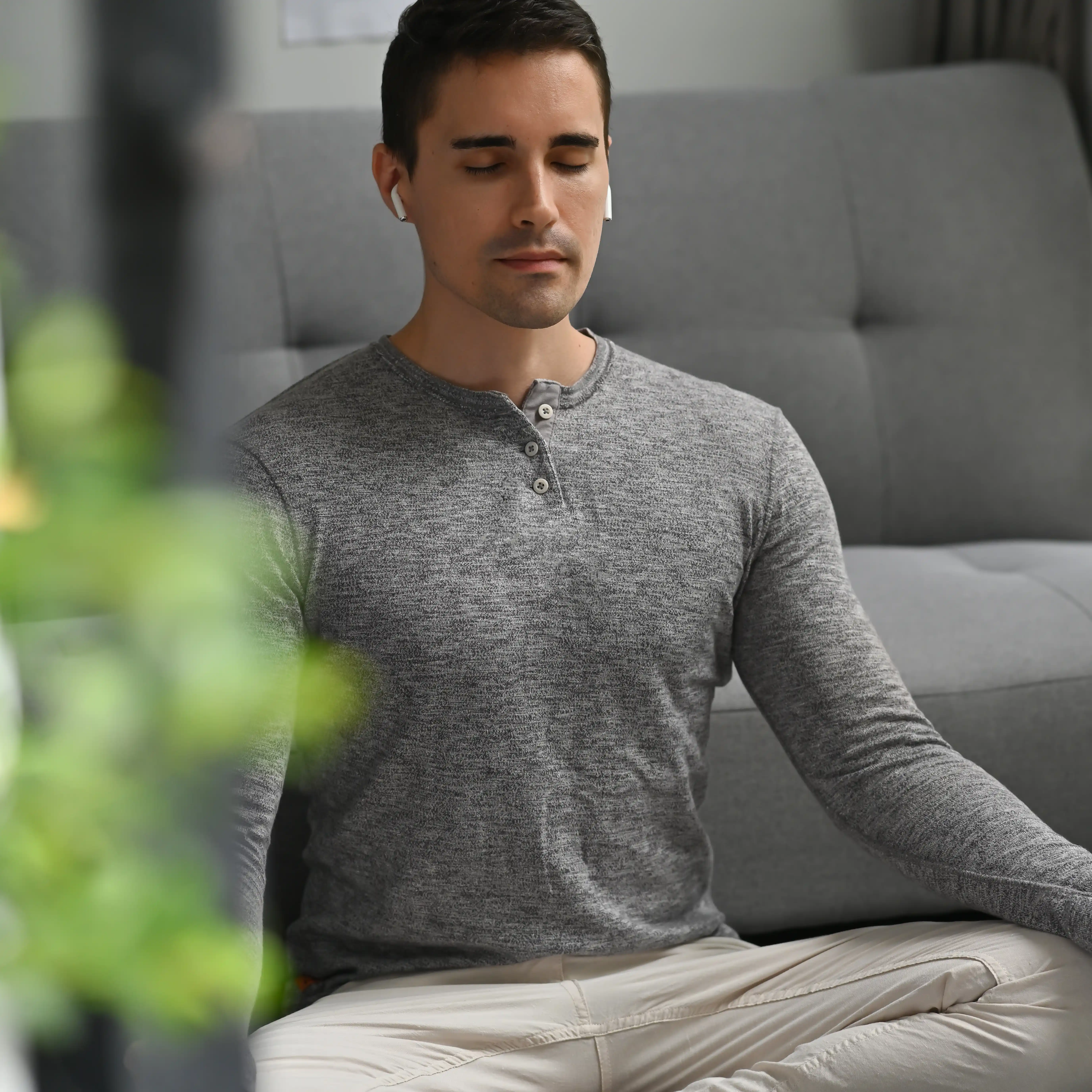
A young man practices meditation during inpatient rehab at The Hader Clinic, using mindfulness and movement to manage anxiety and support recovery.
Anxiety is more than just stress

How anxiety disorder and substance use reinforce each other

Anxiety and substance use disorders frequently co-occur, often much more than expected by chance. A review of the data on anxiety and substance abuse shows people with generalised or panic disorders are up to six times more likely to develop substance dependence. At The Hader Clinic, we help clients untangle these patterns and break the cycle.

  • Anxiety can worsen during withdrawal or early recovery
  • Substance use often starts as a coping mechanism
  • Treating anxiety reduces the risk of relapse long-term

Nous vous appellerons quand cela vous conviendra, sans aucune pression pour vous engager.

Safe, structured and evidence-based

Treatment options in our anxiety rehab program

Our inpatient program includes a therapeutic daily routine tailored for emotional safety and gradual recovery. We use proven approaches like CBT and DBT alongside mindfulness and expressive therapies to help you reduce distress, identify triggers, and regain control.

  • Daily group therapy and recovery-focused education
  • One-on-one counselling with trauma-informed clinicians
  • Art therapy, mindfulness, breathwork and journaling
  • Psychiatric support and medication reviews as needed
  • Reflective evening sessions to slow racing thoughts
  • 24/7 clinical and peer support from staff who understand
More than just anxiety support

Help for other mental health conditions

Anxiety rarely exists in isolation. We support clients with overlapping symptoms like panic attacks, trauma responses, depression or compulsive behaviours.

TSPT

Soins fondés sur des données probantes pour le syndrome de stress post-traumatique (SSPT) et la toxicomanie. Nous aidons les personnes à se stabiliser, à surmonter leur traumatisme et à se construire une vie plus sûre et plus épanouie.

Schizophrénie

La réadaptation pour la schizophrénie nécessite des soins spécialisés et intégrés. Nous traitons les symptômes psychotiques, stabilisons la santé mentale et aidons les personnes à gérer leur dépendance.

Trouble de la personnalité

Le trouble de la personnalité borderline et la dépendance vont souvent de pair. Les deux peuvent être accablants, mais avec un traitement adapté, il est possible de s'en sortir. Vous n'avez pas à y faire face seul.

TOC

Le trouble obsessionnel compulsif et la consommation de substances psychoactives peuvent se renforcer mutuellement, rendant la vie quotidienne ingérable. Mais avec des soins adaptés, il est possible de s'en sortir.

Violence domestique

Réadaptation en matière de toxicomanie, axée sur le soutien et tenant compte des traumatismes, pour les personnes touchées par la violence conjugale (IPV), passée ou présente.

Dépression

Nous aidons les personnes souffrant de dépression et de dépendance grâce à des traitements fondés sur des données probantes et empreints de compassion. Notre programme hospitalier offre un soutien intégré pour la santé mentale, la consommation de substances psychoactives et les facteurs de stress qui sous-tendent ces deux problèmes.

Bipolaire

Le trouble bipolaire est complexe, en particulier lorsqu'il est associé à une addiction. Notre programme de réadaptation en milieu hospitalier aide les personnes atteintes de trouble bipolaire à l'aide de traitements éprouvés qui traitent ces deux troubles.

Anxiété

Réadaptation pour le traitement de la toxicomanie et de l'anxiété

Gestion de la colère

La colère incontrôlée et la consommation de substances psychoactives vont souvent de pair. Nous aidons nos clients à comprendre les causes profondes de leur comportement, à reprendre le contrôle et à se rétablir définitivement.

TDAH

Le TDAH peut rendre la dépendance plus difficile à traiter, mais avec une structure, un soutien et des soins adaptés, le rétablissement est tout à fait possible.

Why anxiety needs targeted support

Understanding anxiety in addiction recovery

Anxiety isn’t just a side effect of addiction; it can be one of the driving forces behind it. When left untreated, it can fuel shame, avoidance, and relapse.

What is anxiety?

Anxiety is more than worry. It’s a state of chronic alertness that can affect your body, sleep, appetite, focus, and mood. In recovery, anxiety is common, especially early on. Whether it shows up as generalised tension…

Symptoms of anxiety

In rehab, anxiety doesn’t always look like panic. It can present as avoidance, emotional shutdown, agitation, or intrusive thoughts. Many clients experience increased sensitivity in group settings or struggle to trust…

How substance use masks and worsens anxiety

Many clients use alcohol, cannabis, stimulants, or benzos to cope with anxious feelings. But these substances don’t cure anxiety, they just defer it. In the long run, substance use can disrupt sleep, spike adrenaline,…

Our combined treatment for anxiety and addiction

We use a dual diagnosis model that treats anxiety and addiction in parallel. Our programs combine CBT and DBT with mindfulness, breathwork, and art therapy. We also provide medical and psychiatric oversight for clients…

Who benefits from anxiety rehab?

Our program is for anyone who feels overwhelmed, reactive, or stuck in cycles of avoidance or emotional distress, especially when substance use is involved. You don’t need a formal diagnosis to access care. If anxiety is…

OUTIL D'AUTO-ÉVALUATION CONFIDENTIEL

Vous vous inquiétez au sujet de votre consommation d'alcool ou de drogues ?

Ce petit questionnaire confidentiel prend moins de deux minutes et peut vous aider à comprendre ce qui se passe. Choisissez la catégorie qui vous semble la plus pertinente — qu'il s'agisse d'alcool, de drogues ou d'un mélange de préoccupations — et nous vous guiderons à travers quelques questions simples auxquelles vous répondrez par oui ou par non.

À la fin, nous vous dirons si vos réponses suggèrent qu'il est peut-être temps d'envisager une cure de désintoxication et nous vous proposerons des options sûres et confidentielles pour vous aider à vous lancer.

Répondez au questionnaire dès maintenant
Support across every stage of care

How we treat anxiety and substance use

We offer detox, residential, outpatient, and aftercare programs designed to address both anxiety and addiction over time. Each step reinforces the next.

Programme résidentiel

Réadaptation en résidence avec soutien structuré, thérapie et formation aux compétences de la vie courante dans un environnement sûr et axé sur le rétablissement.

Jeune couple se tenant la main pendant une séance de conseil, cherchant du soutien à travers une thérapie familiale et relationnelle.

Programme familial

Éducation, soutien de groupe et counseling pour aider les familles à comprendre la dépendance et à soutenir le rétablissement de leur proche.

Une femme participe à une séance de rétablissement virtuelle depuis son domicile, suivant une thérapie structurée dans le cadre du programme de rééducation en ligne Hader at Home.

Hader à la maison

Un programme de rétablissement entièrement numérique comprenant des contrôles quotidiens, une thérapie en ligne et des cahiers d'exercices autoguidés pour les soins post-réadaptation.

Une femme brune sourit et partage une avancée personnelle lors d'une thérapie de groupe, célébrant les progrès accomplis dans son parcours de rétablissement en ambulatoire.

Programme ambulatoire intensif

Soutien structuré en matière de dépendance, comprenant une thérapie, des séances de groupe et la prévention des rechutes, conçu pour s'adapter à la vie quotidienne.

Un résident discute avec son conseiller en réadaptation.

Conseil

Thérapie tenant compte des traumatismes, counseling en matière de toxicomanie et soutien familial disponibles en personne ou via des séances en ligne sécurisées.

Une femme embrassant son partenaire après une intervention sincère à la maison, lui offrant son soutien et ses encouragements alors qu'il accepte de chercher de l'aide pour lutter contre sa dépendance.

Interventions

Soutien professionnel pour aider les familles à mettre en place une intervention sûre et structurée et à orienter leur proche vers un traitement.

Vue depuis une résidence privée de luxe donnant sur un jardin sablonneux et le front de mer, avec des chaises longues et un aménagement paysager tropical conçu pour un repos paisible et discret.

Rééducation des cadres

Traitement privé et individuel dans un cadre luxueux, en toute discrétion et avec un programme de rétablissement personnalisé.

Hommage à l'ANZAC Day avec un fusil vintage .303 de l'armée australienne, un chapeau mou et un insigne représentant le soleil levant, des plaques d'identité de soldat, une couronne de fleurs et le drapeau australien en arrière-plan.

Réadaptation DVA

Soins hospitaliers spécialisés tenant compte des traumatismes pour les anciens combattants et les premiers intervenants, entièrement financés pour les clients admissibles du ministère des Anciens Combattants.

Un résident assis sur un canapé dans un espace commun, travaillant sur son journal intime dans le cadre de sa réadaptation ordonnée par le tribunal.

Réadaptation ordonnée par le tribunal

Programme hospitalier structuré comprenant une cure de désintoxication, une thérapie et un rapport médico-légal afin de satisfaire aux exigences en matière de caution ou de condamnation.

Un homme vivant dans un logement de transition lace ses chaussures alors qu'il se prépare pour une nouvelle journée de travail, reconstruisant sa vie et son indépendance après une rééducation en milieu hospitalier.

Logement de transition

Hébergement axé sur le rétablissement, avec thérapie, structure et soutien pour faire le pont entre la réadaptation et la vie autonome.

Séance de thérapie de groupe de soutien dans un centre de désintoxication médicale, où divers clients partagent leurs expériences et où un psychologue encourage gentiment un nouveau participant.

Désintoxication à l'hôpital

Désintoxication sous surveillance médicale 24 heures sur 24, 7 jours sur 7, dans un hôpital privé agréé, comprenant une aide au sevrage et des soins psychiatriques.

A supportive process that builds confidence

Our admissions journey

Étape1

Parlez à quelqu'un qui comprend

Our team listens without judgement and explains your options clearly, whether you're ready now or just asking questions.

Étape2

Get a tailored intake plan

We help you understand your treatment options and choose a care pathway that suits your anxiety symptoms, funding and timing.

Étape3

Start your anxiety rehab program

Once you're ready, we guide you into a safe, structured space where recovery begins.

Nous sommes là quand vous êtes prêt : prenez rendez-vous pour un appel ou discutez avec quelqu'un dès maintenant.

Why our program works

What makes our anxiety rehab different

We don’t just manage symptoms — we help clients explore the drivers behind their anxiety, develop emotional regulation, and rebuild daily confidence. Everything from trauma-informed care to aftercare planning is designed to support sustainable, long-term recovery.

Dual diagnosis from day one

We treat anxiety and addiction together with fully integrated therapeutic and clinical care.

Emotional safety and flexibility

Sessions are paced to reduce overwhelm and help clients stay engaged without emotional shutdown.

Skills that translate to real life

We teach tools to calm your body, shift anxious thoughts and express emotion safely in real life.

A team that truly understands

Our staff includes clinicians and peers who understand anxiety and recovery from real experience.

We treat more than anxiety and addiction

Découvrez notre gamme complète de services

From substance-specific rehab to trauma support and family care, we help clients with all types of addiction, mental health issues and recovery goals.

Cure de désintoxication alcoolique

Programmes personnalisés qui traitent les répercussions physiques, émotionnelles et comportementales de la dépendance à l'alcool.

Réadaptation pour toxicomanes

Programmes hospitaliers structurés et adaptés pour une gamme de drogues illicites et de médicaments sur ordonnance.

Rééducation d'urgence

Options d'admission accélérée pour les personnes en situation de crise qui ont besoin de soins urgents et stabilisateurs.

Prévention des rechutes

Stratégies pratiques et concrètes pour gérer les déclencheurs, éviter les rechutes et maintenir un rétablissement à long terme.

Reconnu au niveau national et accrédité de manière indépendante

Your care meets Australia's highest clinical standards

The Hader Clinic is accredited under the National Safety and Quality Health Service (NSQHS) Standards by the Australian Commission on Safety and Quality in Health Care (ACSQHC).

De vraies personnes. Un vrai rétablissement.

Stories from clients and their families

Our clients often arrive overwhelmed, anxious and unsure. But with the right support, many find clarity and connection again. Read real stories from clients and loved ones.

Ali Ademi

Après des années de traumatismes, de dépendance et de pertes, Ali a trouvé la force de reconstruire sa vie grâce au soutien d'une équipe compatissante, à un sentiment d'appartenance à une communauté et à son engagement envers un processus de guérison à long terme.

Minh

Après 32 ans de dépendance, Minh Pham a trouvé l'espoir, la guérison et une nouvelle voie à la clinique Hader. Son parcours témoigne de la puissance de la communauté, de la compassion et du courage.

Peter El-Khouri

Après plusieurs rechutes, Peter a trouvé un rétablissement durable grâce à Hader. Découvrez comment la thérapie, la communauté et les soins cliniques l'ont aidé à reprendre sa vie en main.

Calme, accrédité et sensibilisé aux traumatismes

Where anxiety rehab happens

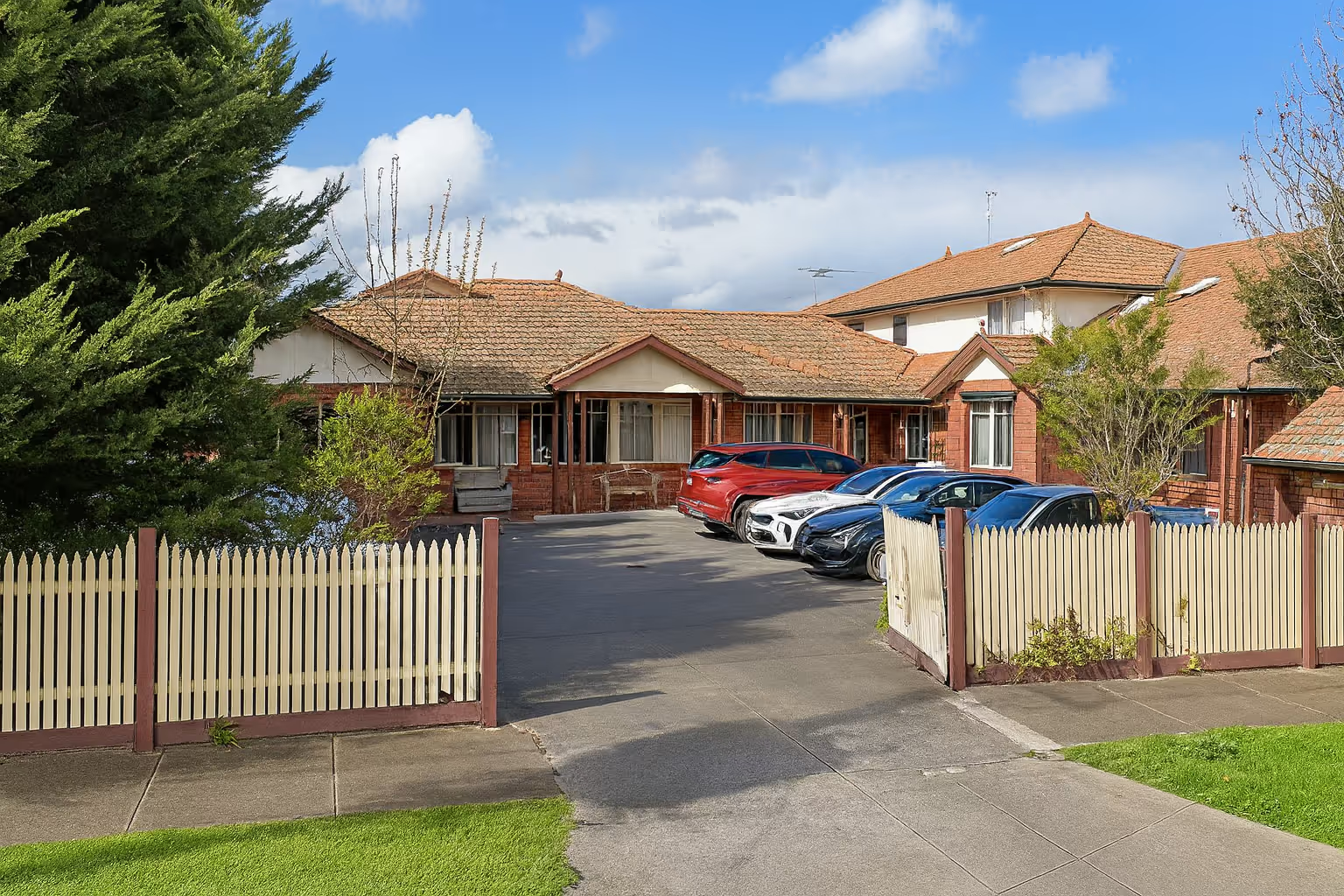
We offer care across two dedicated locations. In Geelong, our private hospital provides inpatient medical support in a quiet, stabilising setting that helps ease physical symptoms of anxiety and withdrawal. In Essendon, our residential rehab centre offers structured daily programs, including our highly effective 90-day program, with therapy, routine, and emotional support designed to help clients manage anxiety and build long-term resilience.

Programme de réadaptation pour patients hospitalisés et programme de logement de transition

Essendon
150-152 Cooper St, Essendon VIC 3040

Centre hospitalier de réadaptation proposant un programme de sevrage et de désintoxication de 28 jours

Geelong
6-8 Townsend Road, St Albans Park VIC 3219

83%

Les clients qui terminent notre programme de 90 jours restent sobres après 12 mois.

72%

Les clients s'inscrivent au programme de suivi ou au logement de transition Hader@Home afin de favoriser un engagement à long terme et de réduire le risque de rechute.

60%

Les clients qui ont accès à un suivi structuré ont beaucoup plus de chances de rester sur la voie du rétablissement et d'éviter une rechute.

50%

La moitié des personnes souffrant d'une addiction présentent également un trouble mental concomitant, ce qui souligne la nécessité d'un soutien en matière de double diagnostic.

Des résultats mesurables qui comptent

Real recovery results

We don’t just track attendance; we measure outcomes that show real emotional, behavioural and relational change for people living with anxiety and addiction.

Consultez nos sources ci-dessous :

Support for anxiety and addiction starts here

Whether you're dealing with panic, stress, compulsive thoughts or substance use, our team can help. We’ll guide you through your options and create a plan that fits.

Passez une évaluation en ligne gratuite

Répondez à un petit questionnaire confidentiel pour savoir si une cure de désintoxication pourrait vous aider et découvrir les options de soutien sécurisées qui s'offrent à vous.

Réservez une consultation gratuite

 Prenez rendez-vous pour un entretien confidentiel avec un spécialiste à l'heure qui vous convient.

Appelez-nous dès maintenant

 Parlez immédiatement à quelqu'un pour obtenir des conseils et du soutien.

Funding support that fits your life

Flexible options for anxiety rehab

We offer multiple funding types and can help you find the best one (or a combination) that fits your circumstances.

Coûts de rééducation

We explain all costs up front, including accommodation, meals, therapy and clinical support.

Explorer les options de réadaptation

Options de financement

We support payment plans, insurance, super, DVA and more, and we’ll help you navigate your eligibility.

En savoir plus sur les coûts de financement
Meet the people behind your care

Expert, compassionate, trauma-informed

Our team includes trauma therapists, nurses, addiction counsellors, psychiatrists and peer workers, all deeply experienced in supporting anxiety recovery.

Image d'Andi Thania
Meet the people behind your care

À propos de la clinique Hader

We’ve supported clients facing addiction, trauma and mental health challenges for over 25 years. Our approach blends evidence, empathy and real-world experience.

Help for yourself or someone else

Whether it’s you or someone you care about

No matter how anxiety or addiction shows up, we’ll help you take the next step or support a loved one who’s struggling.

Rééducation pour vous-même

If anxiety and substance use are affecting your safety or quality of life, we're here to help.

Une femme est assise recroquevillée sur un canapé près d'une fenêtre lumineuse, l'air pensif et inquiet.

Rééducation pour un proche

We’ll help you understand their behaviour and offer the kind of support that can actually make a difference.

Un couple est assis ensemble dans le bureau d'un thérapeute, écoutant avec attention et soutien.
Learn more about anxiety, addiction and recovery

Articles that go deeper

If you're seeking clarity, encouragement or evidence-based advice, these blogs can help. Each one explores the overlap between mental health and substance use, and what recovery really looks like.

A safe next step starts here

Enquire about anxiety rehab

You don’t need to be sure. You just need to reach out. Whether you're ready for rehab or still exploring your options, we’ll help you move forward.

Parlez à quelqu'un qui comprend

Merci ! Votre demande a bien été reçue !
Oups ! Une erreur s'est produite lors de l'envoi du formulaire.
Obtenez la clarté dont vous avez besoin

Questions fréquentes

Can I go to rehab for anxiety without a diagnosis?

Yes. You don’t need an official diagnosis of generalised anxiety disorder or any other specific mental health condition to access care. Many people with anxiety begin treatment without ever having seen a mental health professional before. What matters most is how the symptoms are affecting your life.

If anxiety is impacting your work, relationships, sleep, or ability to function day-to-day — especially if it’s leading to or being worsened by substance use — you’re not alone. We offer an open, non-judgemental space to assess your needs and help you take a meaningful step toward recovery.

You can contact us today to discuss your individual situation. There’s no obligation to commit. Starting a conversation is the first step toward better mental health and well-being.

What if my anxiety gets worse in early recovery?

In early recovery, symptoms of anxiety can spike — especially in clients experiencing severe anxiety or withdrawal-related distress. This is a common response as your system readjusts to emotional regulation without substance use. We use a combination of exposure therapy, cognitive behaviour therapy and structured routines to help reduce symptoms of anxiety gradually.

This approach to treating anxiety recognises that symptoms may intensify as substances are removed. We make space to explore these feelings while building safer regulation patterns.

We use grounding exercises, breathwork, cognitive behaviour therapy and emotional safety practices throughout the day to help reduce anxiety and build tolerance. Over time, these strategies strengthen your capacity to sit with distress without needing to escape it.

If your anxiety is connected to past trauma, we may also explore specialised care such as our PTSD support stream.

How do you treat anxiety alongside addiction?

We use an integrated dual diagnosis model that addresses anxiety and addiction together. Our team of psychiatrists and therapists work collaboratively to create a personalised treatment plan designed to address your specific needs. This includes behaviour therapy, mindfulness, interpersonal therapy, and cognitive strategies for stabilising mood and reducing cravings.

Our approach to treating anxiety focuses on identifying root causes and supporting consistent therapeutic engagement. We offer a range of mental health services that target both emotional regulation and addiction.

Depending on the type of anxiety you’re living with — such as panic attacks, generalised anxiety disorder, or social fears — we tailor both the therapeutic approach and the pace of care. This may include referral into our depression rehab stream if mood symptoms are a core factor.

Anxiety and addiction often overlap with other mental health challenges. Our blog on substance abuse and comorbidity explains why integrated care is so important for long-term recovery.

Will I be in therapy all day?

Therapy is scheduled in blocks to avoid overwhelm and encourage engagement. You’ll have space to explore your thoughts, regulate your body, and gradually build emotional safety. For people with anxiety, this balance is key — it helps reduce anxiety without creating shutdown or avoidance.

This structure is part of what makes us effective for people seeking an anxiety-specific approach to care. We recognise that each person arrives with a different capacity for emotional exposure and pace.

Sessions are spaced to reduce anxiety and avoid burnout. We also provide optional supports like OCD treatment and quiet spaces for clients who experience sensory overload or need time to decompress.

This structure is especially helpful for people with anxiety disorders who find emotional intensity or group settings difficult to manage.

If you’d like a clearer picture of how therapy and daily life work in a rehab setting, check out our blog on what happens in rehab. It offers a detailed look at what to expect from the structure and routine of treatment.

What’s the difference between this and general rehab?

Our anxiety rehab supports a broader range of mental health problems. We tailor your care depending on the type of anxiety you experience. That includes cognitive therapy, interpersonal therapy, and structured strategies that address emotional reactivity and underlying triggers. For some clients, anxiety is linked to a specific object or situation — and our exposure work helps reduce those effects over time.

We also treat clients experiencing broader mental health problems that interact with anxiety and substance use. Our treatment setting supports a range of mental health needs, from social withdrawal to high emotional reactivity.

We also use specific therapeutic tools, such as cognitive behaviour therapy and exposure therapy, to help clients identify and confront triggers safely.

If your anxiety is related to past trauma or medication use, we may also recommend targeted care like our prescription drug support program.

Can I stay connected to loved ones during the program?

Yes — in a way that supports both your recovery and your emotional safety.

Early in the program, there may be limits on external contact to help reduce distractions and emotional overwhelm. But as stability builds, we encourage structured contact with loved ones, often as part of therapy or aftercare planning.

For many people with anxiety or depression, relationships are both a source of support and a trigger. Our clinicians help you set healthy boundaries, rebuild trust and communicate more clearly as part of your path to healing.

We also offer family support through education, sessions, and aftercare. The goal is to move toward better mental health with a strong, informed support network behind you.

If you’re wondering how to support a loved one who’s hesitant to seek help, our article on how to convince an addict to go to rehab offers helpful strategies for opening the conversation.

Is medication used for anxiety in rehab?

Yes, medication is available when clinically appropriate. We offer anxiety treatment in Melbourne with full psychiatric oversight, helping clients explore effective treatment for anxiety, depression and related symptoms. All medication decisions are discussed in detail to ensure safety and long-term fit within your overall care plan.

If medication is part of your care, we’ll discuss it with you thoroughly. We encourage you to talk to your doctor or our team to learn more about the risks, benefits and alternatives.

Medication is only one part of anxiety treatment in Melbourne. Our programs are clinically accredited and delivered by an experienced multidisciplinary team including therapists, GPs, and psychiatrists.

Therapy remains the foundation. We integrate medication alongside cognitive behaviour therapy, behaviour therapy, and emotional regulation work. The goal is to improve your quality of life and help you feel better — not to mask what’s happening underneath.

Clients with anxiety or depression related to long-term medication use may also be referred into our dual diagnosis stream for additional oversight and support.

What happens after I finish the program?

Our team helps you build a personalised treatment plan for aftercare. The goal is to ensure continuity, reduce risk of relapse, and provide support as you step back into daily life. This is especially important for clients recovering from complex symptoms of depression, anxiety, or trauma.

Depending on your individual needs and the admissions process, we’ll work with you to build an aftercare plan. This may include:

Ongoing counselling or therapy sessions

Participation in our Hader@Home digital day program

Support group or alumni involvement

Gradual re-engagement with work, study or family life

For many clients with symptoms of anxiety and depression, this transition phase is critical. We help you integrate tools, stabilise routines, and maintain the gains you’ve made so far.

Ongoing support can make a big difference — and we’re with you every step toward recovery.