MDMA may seem harmless, until it’s not

Melbourne MDMA rehab for detox and addiction treatment

The experience can feel intense, but when it starts affecting your health, your relationships or your peace of mind, it's time to check into a specialised MDMA rehab centre.

Realice una autoevaluación o hable con alguien ahora mismo, sin compromiso.

A person having an anxiety attack in a nightclub setting. They’re sweating, clenching their jaw, and sitting on the floor.

Inpatient rehab for MDMA in Melbourne

Medical detox and withdrawal support

Specialised MDMA addiction treatment

Therapy for co-occurring mental health

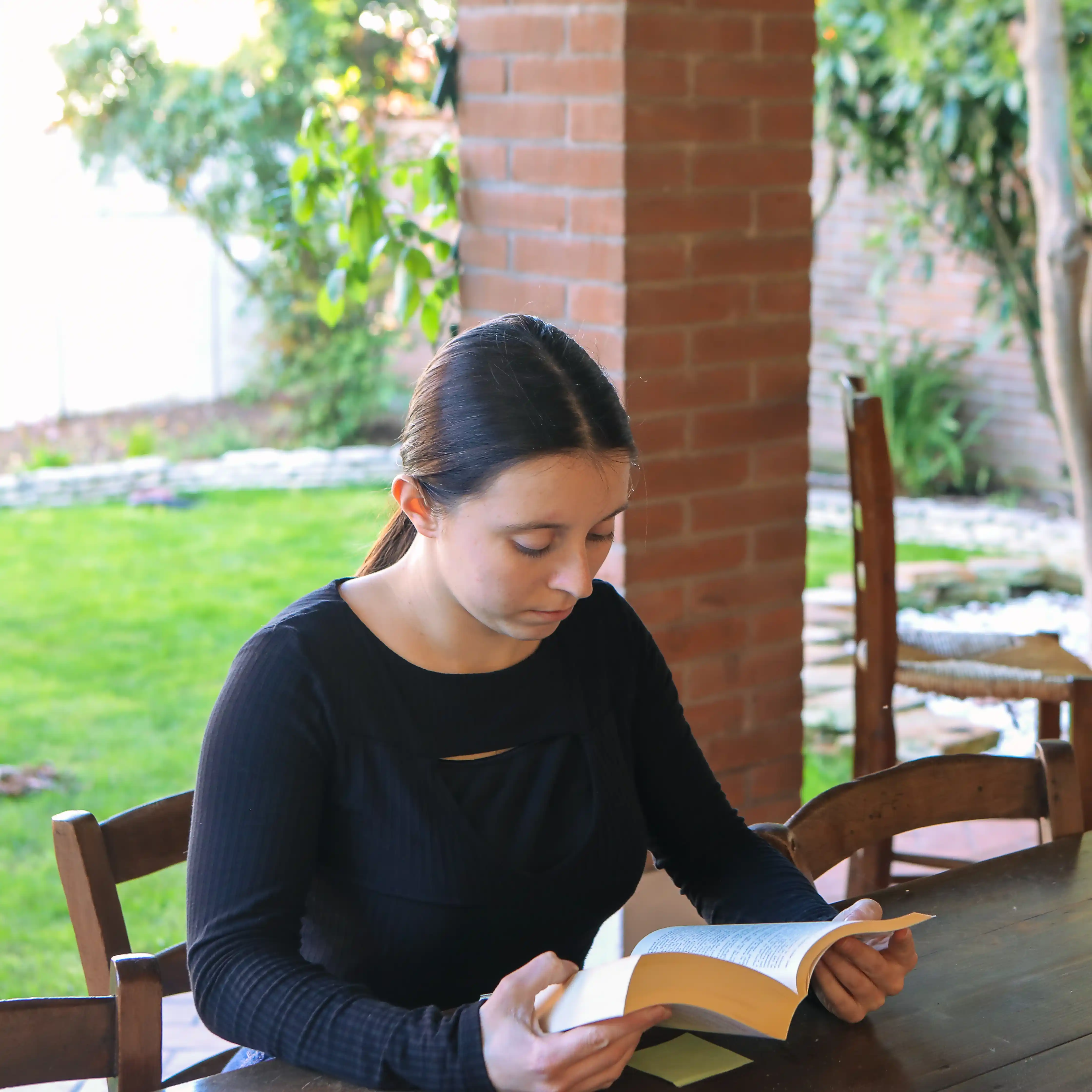
An MDMA rehab client in a garden setting in the afternoon. They’re engrossed in a book, doing their best to keep their focus and to practice their mindfulness.
When partying turns into a pattern

Understanding MDMA rehab and what to expect

MDMA can seem like a harmless party drug, but regular use can lead to serious mental, emotional, and physical effects. Many people come to rehab not because they’ve hit rock bottom, but because they’ve started to notice changes in how they think, feel, and relate to the world.

At The Hader Clinic, we understand that seeking treatment for MDMA use can feel confronting. Our inpatient rehab program offers a calm, structured environment where you’ll be supported to explore your experience without shame, build coping skills, and start to feel like yourself again.

  • MDMA addiction isn’t always obvious, but subtle symptoms can build over time and affect daily life.
  • We provide inpatient treatment tailored to people who use MDMA and may be experiencing other drug use or mental health challenges.
  • If you’re unsure what help looks like, we’re here to talk through your options and help you take the first step towards recovery.
You don’t have to face recovery alone

What’s included in our MDMA rehab program

We combine medical care, structured routine, and expert psychological support to create a safe path out of MDMA dependency.

Our addiction treatment includes:

  • Personalised assessment and treatment plan from day one of admission.
  • Medically supported detox process to manage withdrawal symptoms safely.
  • One-on-one and group therapy with experienced addiction specialists.
  • Support for mental health concerns such as anxiety or depression.
  • Daily routines designed to restore structure, stability, and confidence.
  • Ongoing relapse prevention planning and aftercare coordination.
The realities of MDMA use

What to know about MDMA addiction

MDMA might seem less harmful than other drugs, but the risks are real. It affects the brain’s chemistry, can lead to dependency, and may cause lasting mental health challenges.

A person in their 20s in group therapy. They’re sharing a difficult memory and people are listening supportively.

What is MDMA addiction?

MDMA is a synthetic stimulant that creates strong feelings of euphoria and connection. It’s often sold as ecstasy or molly, though what you’re taking can vary wildly. Many people start casually, at a party or festival, but with repeated use, it becomes harder to feel good without it. That’s when MDMA use can shift from recreational to compulsive, and addiction takes hold.

Recognising the signs of MDMA addiction

You might not notice the shift at first. But over time, MDMA can start to dominate how you manage emotions, relationships, or stress. You may find yourself chasing the high more often, feeling anxious or depressed between uses, or struggling to enjoy life without it. These are all signs the drug is no longer helping — it’s holding you back.

  • You feel emotionally flat or irritable for days after taking MDMA.
  • You notice your social life revolves around drug use or recovery.

  • You experience memory issues, poor sleep, or sudden mood changes.

The short- and long-term effects of MDMA

MDMA floods the brain with feel-good chemicals like serotonin and dopamine. That high feels incredible, but it depletes your system, leaving you low and foggy afterwards. With frequent use, the impact deepens. MDMA can disrupt your memory, emotional balance, and ability to feel natural joy or connection. Some people develop anxiety, paranoia, or persistent low mood.

  • You may feel emotionally unstable or disconnected after each use.
  • Long-term use increases the risk of anxiety, depression, and burnout.
  • Chronic use of MDMA can affect sleep, focus, and social confidence.

How treatment works

A good rehab program gives you structure, safety, and time to heal. MDMA detox is just the first step of the process; it’s also about helping you understand why MDMA became a coping tool, and how to rebuild without it. At The Hader Clinic, we use trauma-informed therapy, relapse prevention, and real-world skill building to create change that lasts.

  • Therapy helps you explore what led to drug use and what’s driving it now.
  • MDMA use seems to be rising, making early support essential.
  • Treatment includes strategies for triggers, cravings, and long-term care.

What recovery can look like

MDMA recovery means learning how to manage stress, emotion, and connection without relying on a drug. It often involves rebuilding trust with yourself and others, reestablishing routines, and gaining tools to feel more stable day-to-day. Many people report better mental clarity, healthier relationships, and greater emotional resilience after treatment.

  • Clients often rediscover meaning and purpose outside of drug use.
  • Peer support and group therapy offer encouragement and connection.
  • You’ll build skills to handle cravings, social pressure, and self-doubt.
HERRAMIENTA DE AUTOEVALUACIÓN CONFIDENCIAL

¿Te preocupa tu consumo de alcohol o drogas?

Este breve cuestionario confidencial te llevará menos de dos minutos y te ayudará a comprender lo que está pasando. Elige la categoría que te parezca más relevante, ya sea alcohol, drogas o una combinación de problemas, y te guiaremos a través de unas sencillas preguntas de sí/no.

Al final, te diremos si tus respuestas sugieren que tal vez sea el momento de plantearte la rehabilitación y te ofreceremos opciones seguras y confidenciales para empezar.

Haz el test ahora
Support that understands your reality

Our programs are built around real MDMA recovery

We offer structured inpatient rehab, medical detox, relapse prevention planning, and aftercare services to support every step of the recovery process. Programs are adapted for each client, based on their use history, physical and psychological health, and level of risk. For those experiencing co-occurring mental health conditions, dual diagnosis treatment is also available.

Programa residencial

Rehabilitación con alojamiento, apoyo estructurado, terapia y formación en habilidades para la vida en un entorno seguro y centrado en la recuperación.

Pareja joven cogida de la mano durante una sesión de asesoramiento, buscando apoyo a través de terapia familiar y de pareja.

Programa familiar

Educación, apoyo grupal y asesoramiento para ayudar a las familias a comprender la adicción y apoyar la recuperación de sus seres queridos.

Mujer participando en una sesión de recuperación virtual desde casa, realizando una terapia estructurada a través del programa de rehabilitación online Hader at Home.

Hader en casa

Un programa de recuperación totalmente digital con controles diarios, terapia en línea y cuadernos de ejercicios autoguiados para el cuidado posterior a la rehabilitación.

Mujer morena sonriendo y compartiendo un avance personal durante una terapia de grupo, celebrando el progreso en su proceso de recuperación ambulatoria.

Programa intensivo ambulatorio

Apoyo estructurado para la adicción con terapia, sesiones grupales y prevención de recaídas, diseñado para adaptarse a la vida cotidiana.

Un residente masculino charla con su consejero de rehabilitación.

Asesoramiento

Terapia especializada en traumas, asesoramiento sobre adicciones y apoyo familiar disponibles en persona o a través de sesiones online seguras.

Mujer abrazando a su pareja tras una sincera intervención en casa, ofreciéndole apoyo y ánimos mientras él acepta buscar ayuda para su adicción.

Intervenciones

Apoyo profesional para ayudar a las familias a organizar una intervención segura y estructurada y guiar a su ser querido hacia el tratamiento.

Vista desde una residencia privada de lujo con vistas a un patio trasero arenoso y a la playa, con tumbonas y un paisaje tropical diseñado para una recuperación tranquila y discreta.

Rehabilitación ejecutiva

Tratamiento privado e individualizado en un entorno de lujo con total discreción y un programa de recuperación personalizado.

Homenaje al Día de ANZAC con un rifle vintage del ejército australiano calibre .303 con sombrero flexible y insignia del sol naciente, placas de identificación de soldado, corona de flores y la bandera australiana al fondo.

Rehabilitación DVA

Atención hospitalaria especializada y adaptada al trauma para veteranos y personal de primeros auxilios, totalmente financiada para los clientes del Departamento de Asuntos de Veteranos (DVA) que cumplan los requisitos.

Un residente sentado en un sofá en un espacio compartido, trabajando en su diario personal como parte de su rehabilitación ordenada por el tribunal.

Rehabilitación ordenada por un tribunal

Programa estructurado para pacientes hospitalizados con desintoxicación, terapia e informes forenses para cumplir con los requisitos de fianza o sentencia.

Hombre en una vivienda de transición atándose los cordones de los zapatos mientras se prepara para un nuevo día de trabajo, reconstruyendo su estructura e independencia tras una rehabilitación hospitalaria.

Vivienda de transición

Alojamiento centrado en la recuperación con terapia, estructura y apoyo para salvar la brecha entre la rehabilitación y la vida independiente.

Sesión de terapia de grupo de apoyo en un centro médico de desintoxicación, donde diversos clientes comparten sus experiencias y un psicólogo anima con delicadeza a un nuevo participante.

Desintoxicación hospitalaria

Desintoxicación supervisada médicamente las 24 horas del día, los 7 días de la semana, en un hospital privado autorizado, que incluye apoyo para la abstinencia y atención psiquiátrica.

A safe, supported path forward

Qué esperar cuando te pongas en contacto

Paso1

Speak to our intake team

We’ll listen, answer your questions, and help you decide what kind of support is right for you or your loved one.

Paso2

Get assessed and admitted

Once you're ready, we’ll guide you through an intake assessment and organise admission to the right program.

Paso3

Begin personalised care

You’ll receive structured, individualised treatment designed to support long-term recovery and wellbeing.

Estamos aquí cuando usted esté listo: reserve una llamada o hable con alguien ahora mismo.

What sets our MDMA rehab apart

A personalised approach grounded in trust

We don’t offer one-size-fits-all programs. Every MDMA recovery journey is unique, and our care reflects that. With lived-experience staff, trauma-informed clinicians, and an integrated treatment model, we support each client’s emotional, physical, and psychological healing. From detox to long-term planning, you’ll never be just a number.

Lived experience you can relate to

Many of our team have overcome addiction themselves and bring compassion, honesty, and real-world insight to your care.

Safe, focused inpatient environment

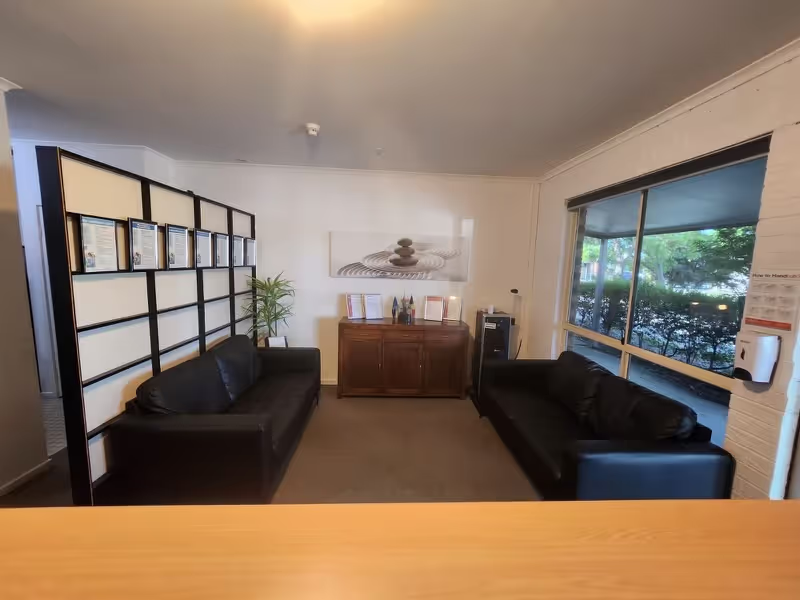
Accredited private hospital setting with round‑the‑clock clinical supervision for detox and stabilisation.

Integrated dual diagnosis support

Specialists in co‑occurring mental health and substance use, with trauma‑informed, evidence‑based therapy.

Aftercare planning that works

Relapse prevention tools, family involvement, and ongoing support so you can maintain progress after discharge.

Quality care backed by national standards

Accredited, evidence-based MDMA rehab in Victoria

We’re fully accredited under the National Safety and Quality Health Service (NSQHS) Standards, governed by the Australian Commission on Safety and Quality in Health Care (ACSQHC).

Flexible programs for different needs

Rehab services for every stage of recovery

Whether you need detox, inpatient care, relapse prevention or urgent support, we offer structured, compassionate services tailored to where you’re at.

Rehabilitación de drogas

Our structured programs help people overcome addiction to substances like MDMA, ice, heroin, marijuana and more.

Sesión de terapia grupal para hablar sobre la recuperación de la adicción.

Desintoxicación de drogas

Medically supported detox services for safe withdrawal from MDMA and other drugs, delivered in a controlled, inpatient setting.

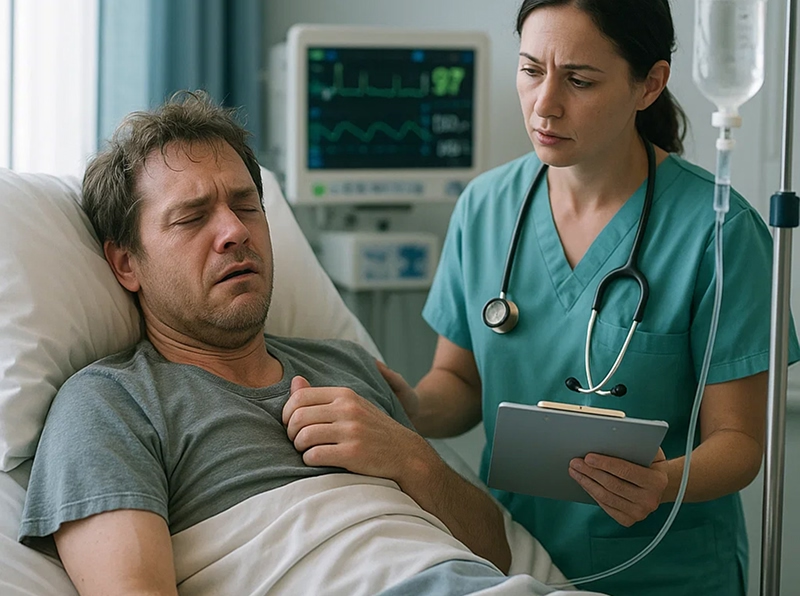
Enfermera revisando a un paciente sometido a un tratamiento de desintoxicación de drogas.

Prevención de recaídas

We provide education, planning and psychological support to help clients stay substance-free after rehab.

Dos hombres discutiendo estrategias para prevenir recaídas.

Rehabilitación de emergencia

Fast admission options for people in urgent crisis due to MDMA, other substances, or a combination of drugs and alcohol.

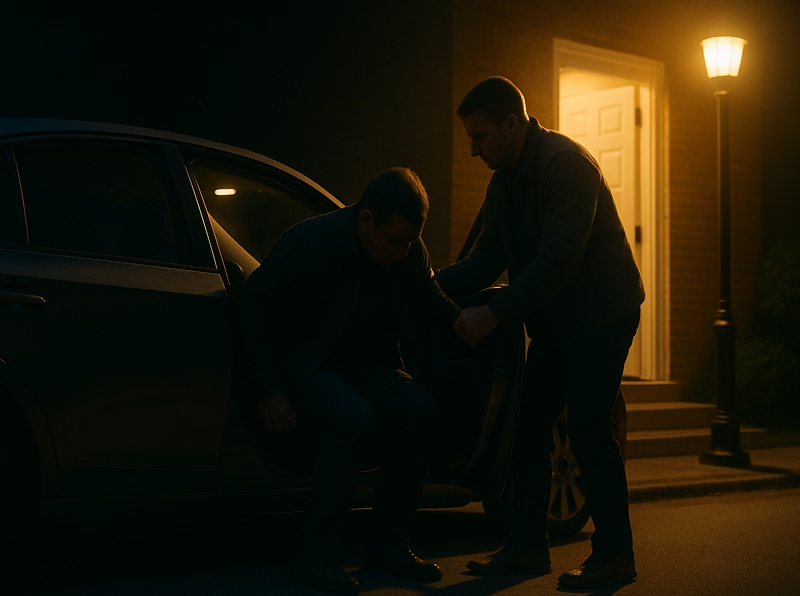
Ayudantes que asisten a una persona a subir a un coche durante una intervención en caso de crisis.
Voces reales de una recuperación real

Stories and testimonials from our clients

Hearing from others who’ve been through the process can offer clarity, connection and hope, whether you’re just starting out or supporting a loved one.

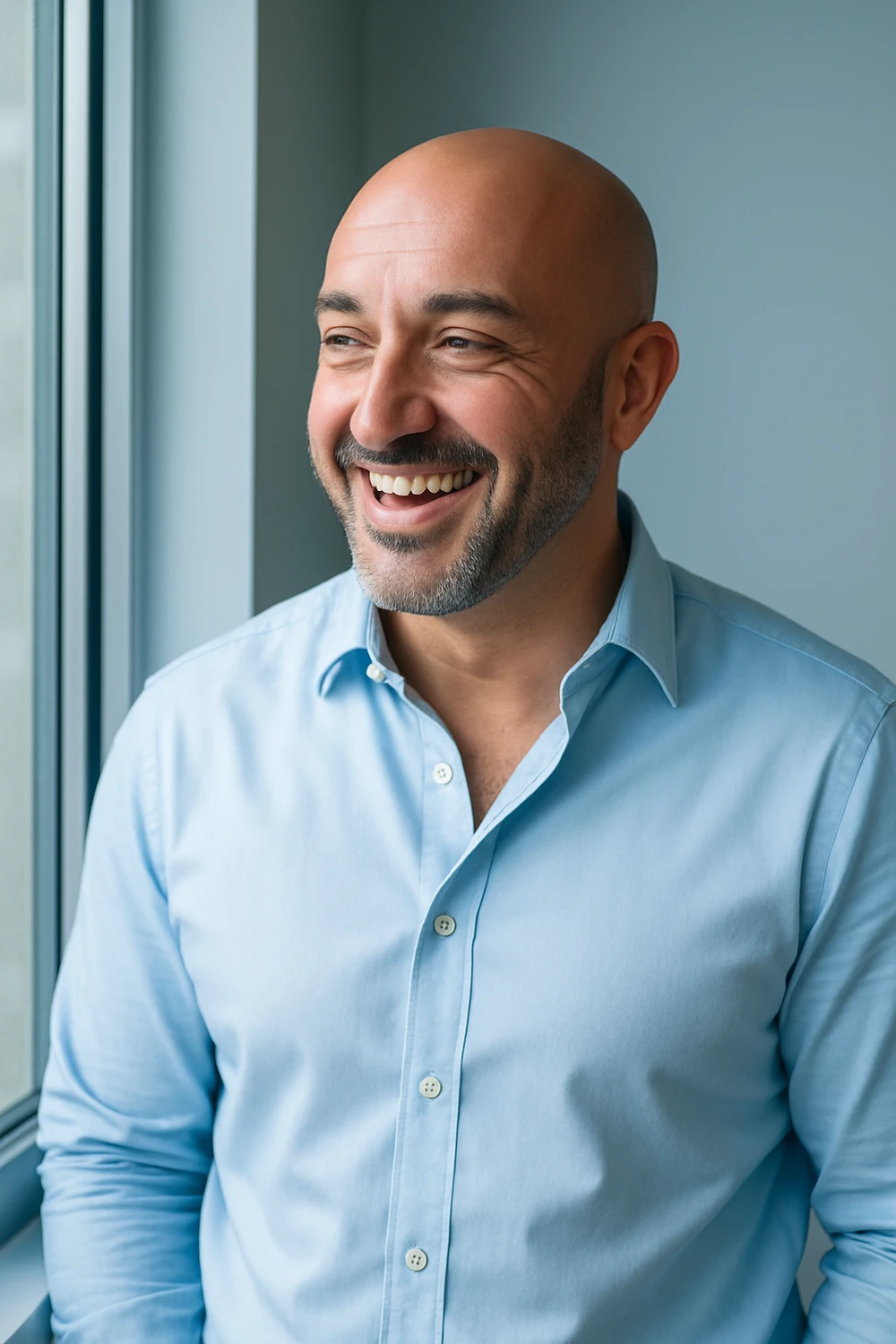
Ali Ademi

Tras años de traumas, adicciones y pérdidas, Ali encontró la fuerza para reconstruir su vida gracias al apoyo de un equipo compasivo, un sentido de comunidad y un compromiso con la sanación a largo plazo.

Minh

Tras 32 años de adicción, Minh Pham encontró esperanza, curación y un nuevo camino en The Hader Clinic. Su trayectoria es un testimonio del poder de la comunidad, la compasión y el coraje.

Peter El-Khouri

Tras múltiples recaídas, Peter logró una recuperación duradera con Hader. Lea cómo la terapia, la comunidad y la atención clínica le ayudaron a recuperar su vida.

A safe and supportive healing environment

Where treatment happens matters

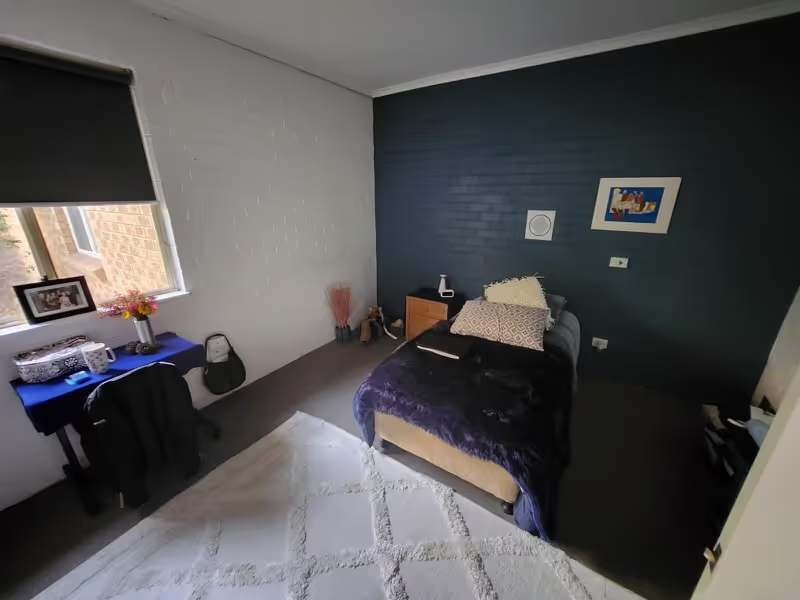
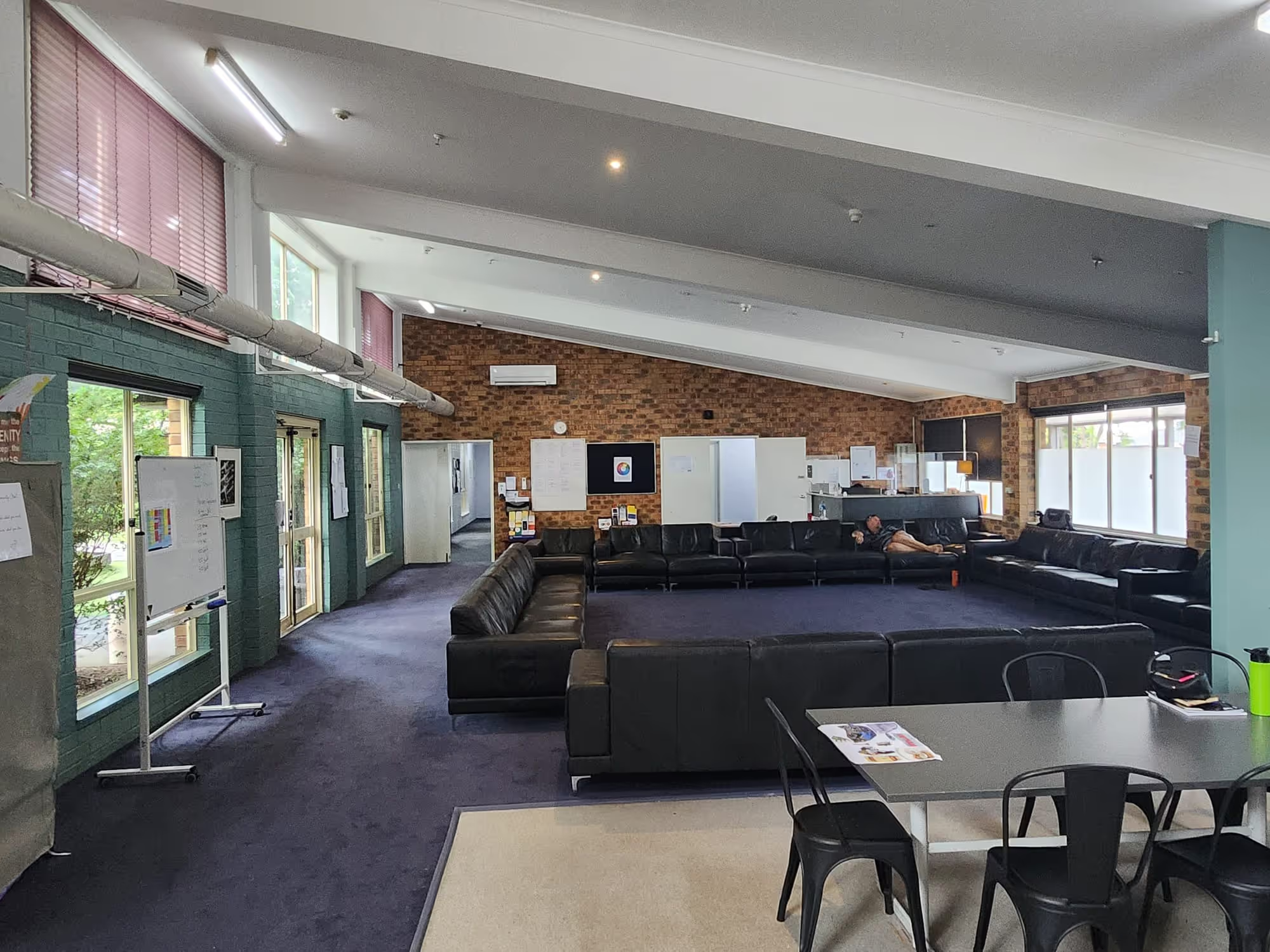
We offer purpose-built facilities in peaceful settings, designed to support emotional safety, physical wellbeing, and strong therapeutic outcomes across every stage of recovery.

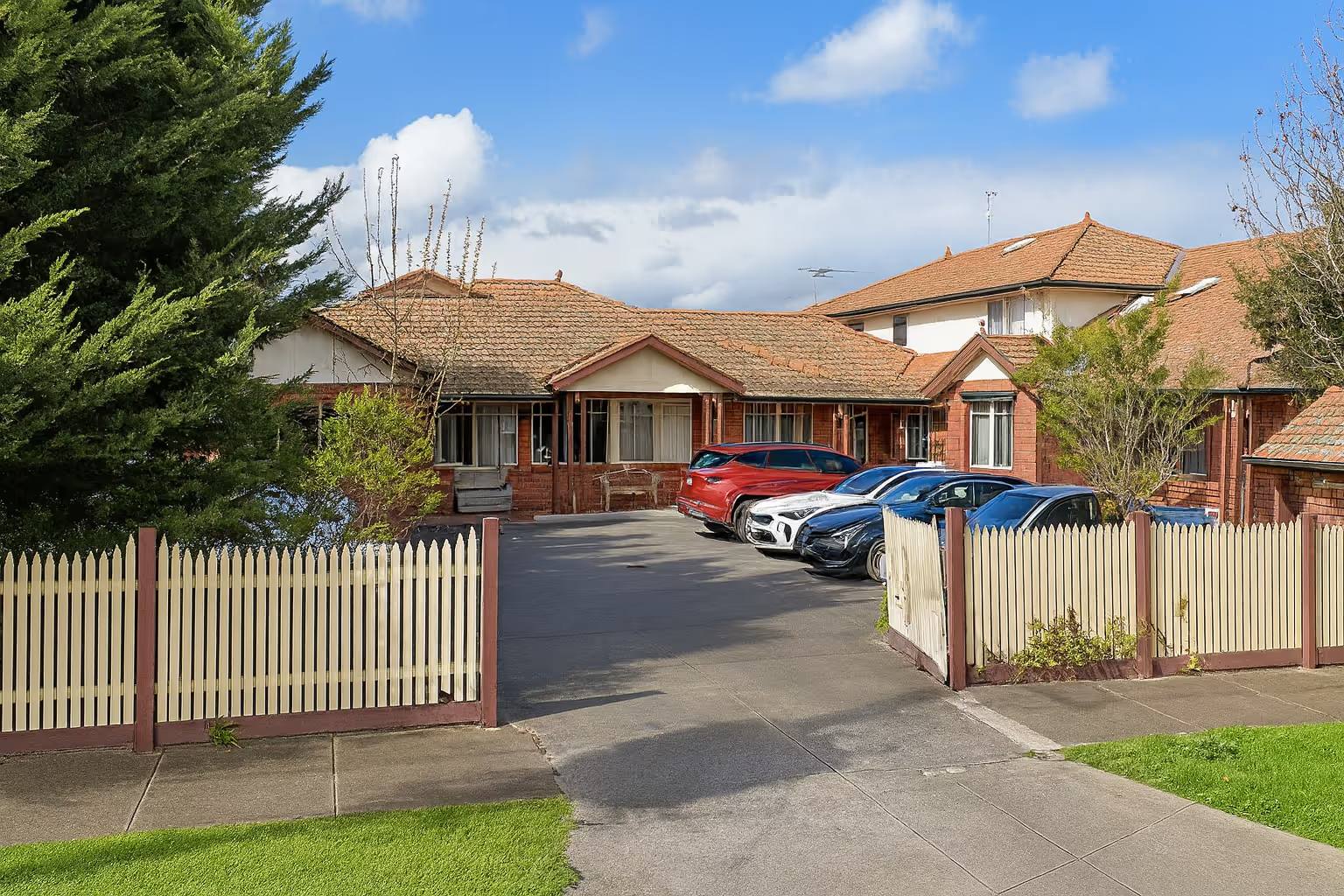
Programa de rehabilitación para pacientes hospitalizados y programa de vivienda de transición

Essendon
150-152 Cooper St, Essendon VIC 3040

Centro hospitalario de rehabilitación para programas de desintoxicación y abstinencia de 28 días.

Geelong
6-8 Townsend Road, St Albans Park, Victoria 3219

100%

Los clientes recibieron un plan de tratamiento personalizado.

92%

Completaron la estancia hospitalaria recomendada.

72%

Mejora de la salud mental al alta.

89%

No recayó en los primeros 30 días después de la rehabilitación.

Evidence of long-term success

Real results from people who chose recovery

We don’t just measure success by abstinence, but by long-term stability, mental health, and quality of life. Our approach is proven to reduce relapse risk, rebuild relationships, and help people find lasting change after addiction.

Consulte nuestras fuentes a continuación:

Ready to talk about treatment?

Whether you're exploring options or feeling unsure, we're here to listen. Reach out today for a confidential, obligation-free conversation about support.

Realiza una evaluación gratuita en línea.

Realice una breve prueba privada para ver si la rehabilitación podría ayudarle y explore opciones de apoyo seguras.

Reserva una charla gratuita

 Programe una llamada confidencial con un especialista en el momento que más le convenga.

Llámenos ahora

 Habla con alguien inmediatamente para obtener orientación y apoyo.

Understand your options

What does MDMA rehab cost?

We’ll guide you through costs and funding options. Whether you're self-funding or using private health, we’ll help make treatment achievable.

Funding and insurance

Learn how private health, WorkCover, or other funding options may apply to your situation. We'll help you navigate the process.

Explora las opciones de financiación

Costes del programa de rehabilitación

Get a detailed breakdown of fees for each program type and what’s included. Payment plans and flexible options are also available.

Más información sobre los costes de la rehabilitación
Our team is here for you

Meet the people behind our care

From lived experience to clinical expertise, our multidisciplinary team understands addiction from every angle and walks beside you every step.

Un residente de uno de nuestros programas de rehabilitación creativa, sentado en el jardín y pintando arte floral.
Imagen de Andi Thania
Behind the programs

Acerca de la Clínica Hader

We’ve supported recovery for more than 20 years. Learn how our evidence-based model, compassionate care, and long-term focus set us apart.

For you or someone you love

Asking for help is a brave first step

Whether you're struggling yourself or supporting a loved one, we're here to help you take that step. You don’t have to figure this out alone.

Para ti mismo

If you’re feeling lost, overwhelmed or unsure, we’ll guide you through what to expect from treatment and how to begin.

Una mujer está sentada acurrucada en un sofá junto a una ventana luminosa, con aire reflexivo y preocupado.

Para un ser querido

We’ll help you understand what your loved one is facing and how you can support them without sacrificing your own wellbeing.

Una pareja se sienta junta en la consulta de un terapeuta, escuchando con preocupación y apoyo.
Insights and resources

Learn more about MDMA addiction and recovery

Explore practical guides, client perspectives, and evidence-based info to help you understand MDMA, its risks, and what recovery can look like.

No estás solo en esto.

Start your recovery with the right support

Everything we do is built on honesty, connection, and evidence. If you’re ready to take the first step, we’re ready to walk with you.

Habla con alguien que te entienda.

¡Gracias! ¡Hemos recibido tu envío!
¡Vaya! Se ha producido un error al enviar el formulario.
Honest answers to your MDMA concerns

What people ask us before starting MDMA rehab

How does MDMA impact recovery for people with trauma or PTSD?

For people with a history of trauma or PTSD, MDMA can feel like a shortcut to emotional relief. It affects brain chemicals like dopamine and serotonin, sometimes creating a fleeting sense of connection. But this short-term effect often comes at a cost. The emotional intensity, flashbacks, and confusion that follow can deepen existing distress and delay true healing.

MDMA rehab must go beyond detox. If you're managing trauma or anxiety, it's critical to find a program that understands the link between drug addiction and mental health. A trauma-informed treatment program will gently support you through both the psychological effects of the MDMA drug and the deeper emotional wounds underneath.

Are there signs that someone is using MDMA to self-medicate emotional pain?

Yes, and it’s more common than you might think. People struggling with substance use often turn to synthetic drugs like MDMA to block out emotional pain or feel connected in ways they otherwise can’t. They may be withdrawing from others, skipping responsibilities, or showing sudden bursts of emotion followed by burnout.

When someone is using MDMA to cope rather than to connect, it’s a sign they may be dealing with a substance use disorder. Our drug rehab centre can offer real relief, addressing not just drug use but also the emotional drivers beneath it. Early treatment can prevent long-term dependence and allow space for recovery.
Can I join a program even if I’m still unsure whether I’m addicted?

You can. Rehab isn’t just for people who’ve hit rock bottom. If you're taking MDMA regularly or finding it hard to stop, that’s reason enough to speak with someone. You don’t need to be certain you have an addiction to start the conversation.

A compassionate, professional assessment can help you understand your use and addiction more clearly. If MDMA use is impacting your well-being or relationships, exploring a treatment program now could make recovery more straightforward. You’re allowed to take the first step towards support before things worsen.

If I’ve relapsed on MDMA multiple times, is rehab still worth it?

Yes. Relapse is not the end of your journey; it’s a signal that something in your approach needs adjusting. For many people who use MDMA, the triggers are emotional or social, and repeated attempts to quit alone can feel disheartening.

The good news is that a specialised MDMA rehab program can help you understand what hasn’t worked and create a treatment plan that suits your life. Whether you need structure, therapy, or a new support system, inpatient drug rehab can help you build lasting recovery skills.

Can MDMA rehab help if I’m also using other drugs or alcohol?

Absolutely. Many people who come to us for MDMA treatment are also using other substances, including alcohol, cannabis, or stimulants. Treating one without the other often leads to relapse or frustration.

At The Hader Clinic, our drug rehab programs address the full spectrum of substance use. Whether you're seeking detox and rehab under one roof or ongoing care for co-occurring issues, we provide a safe, evidence-based environment for recovery from multiple forms of drug abuse.

What role do support groups play in MDMA addiction recovery?

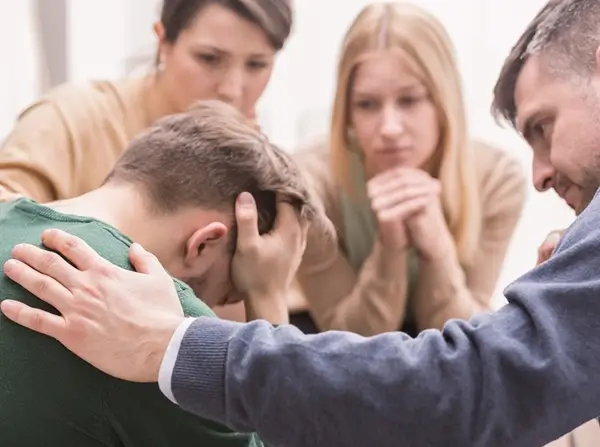
Support groups can be a lifeline in recovery, especially when dealing with a drug like MDMA that’s often tied to social experiences. These groups help you rebuild honest connections and stay accountable without judgment.

Whether you're in inpatient treatment or outpatient support, sharing space with people facing similar struggles reduces isolation. Groups also complement one-on-one care, offering practical tools for addiction recovery and space to process setbacks or cravings. The structure and consistency can make all the difference.

How does long-term MDMA use affect motivation, memory, or relationships?

MDMA may offer a temporary sense of euphoria, but over time, the effects on brain chemistry can be disruptive. Chronic use can lead to memory issues, low motivation, and emotional detachment, often straining close relationships.

People who use MDMA frequently often report difficulty feeling joy or focus even after stopping. These symptoms don’t mean recovery is impossible; they reflect real neurological impacts that can be healed through addiction rehab and mental health support. With time, stability, and connection, these side effects often improve.

How is MDMA rehab different from ecstasy rehab?

Although MDMA and ecstasy are chemically linked, ecstasy is often cut with unknown substances, which makes the effects more unpredictable. This is especially important during detox and rehab, where knowing what you're treating matters.

MDMA rehab focuses on treating the psychological patterns and emotional triggers that come with pure MDMA use. If you or someone you love has been using mixed substances, it's worth exploring what to expect from ecstasy rehab to understand the risks and treatment differences. Our programs address both with clarity and care.