When bipolar disorder and substance use collide

Rehab for bipolar disorder and addiction

El trastorno bipolar es complejo, especialmente cuando también hay adicción. Nuestro programa de rehabilitación para pacientes hospitalizados brinda apoyo a las personas con trastorno bipolar mediante opciones de tratamiento probadas que abordan ambos problemas.

Realice una autoevaluación o hable con alguien ahora mismo, sin compromiso.

A woman dressed in black lies on a brown leather couch, looking upward thoughtfully with one hand on her forehead, in a dimly lit room with a maroon wall.

Inpatient rehab for bipolar and substance use

Dual diagnosis care from experienced mental health professionals

Structured daily routine that supports emotional stability

Bipolar disorder treatment using evidence-based methods

A woman sits quietly on a sofa during her inpatient stay at The Hader Clinic, reflecting on the emotional lows of bipolar disorder and beginning her recovery.
Managing bipolar and addiction together

A dual diagnosis approach built around stability

More than half of people diagnosed with bipolar disorder also experience a substance use disorder. When these conditions occur together, they often amplify each other, leading to greater instability, higher relapse risk, and disrupted treatment.

According to the Bipolar Disorder and Comorbid Use of Illicit Substances study, the most effective treatment combines psychiatric and addiction support in one place. Our residential rehab program does exactly that, helping people with bipolar disorder stabilise, reduce reliance on substances, and rebuild emotional structure and insight.

  • Begin in our Geelong hospital with medical detox and psychiatric support to help stabilise mood and manage withdrawal safely
  • Continue in our residential program, where therapy, structure, and medication work together to promote stability
  • Choose our full 90-day program for the time and consistency needed to manage both bipolar symptoms and substance use

Te llamaremos cuando te venga bien, sin presionarte para que te comprometas.

Designed for long-term recovery

What’s included in our bipolar disorder and addiction treatment plans

We offer a structured inpatient setting that balances therapy, medication support, emotional regulation, and behavioural routines. Each program is guided by your needs and diagnosis.

  • Daily group therapy and individual sessions
  • Psychiatric oversight for diagnosis and medication reviews
  • Mindfulness, art therapy, and social rhythm tools
  • Education on relapse prevention and emotional cycles
  • Support for major depression and bipolar depression
  • Evening routines to slow thinking and reduce agitation
More than just bipolar rehab

Help for overlapping mental health conditions

We support clients with complex or unclear diagnoses, including overlapping symptoms like depression, anxiety, trauma, and emotional dysregulation.

trastorno por estrés postraumático

Tratamiento basado en la evidencia para el trastorno por estrés postraumático (TEPT) y la adicción. Ayudamos a las personas a estabilizarse, reprocesar el trauma y construir una vida más segura y conectada.

Esquizofrenia

La rehabilitación de la esquizofrenia requiere una atención especializada e integrada. Tratamos los síntomas psicóticos, estabilizamos la salud mental y ayudamos a las personas a controlar su adicción.

Trastorno de personalidad

El trastorno límite de la personalidad y la adicción suelen ir de la mano. Ambos pueden ser abrumadores, pero con el tratamiento adecuado, la recuperación es posible. No tienes que enfrentarlo solo.

TOC

El trastorno obsesivo-compulsivo y el consumo de sustancias pueden reforzarse mutuamente de tal manera que la vida cotidiana se vuelva inmanejable. Sin embargo, con la atención adecuada, la recuperación es posible.

Violencia doméstica

Rehabilitación de adicciones con apoyo y basada en el trauma para personas afectadas por violencia de pareja (IPV), pasada o presente.

Depresión

Apoyamos a las personas que sufren depresión y adicción con un tratamiento compasivo y basado en la evidencia. Nuestro programa de hospitalización ofrece apoyo integral para la salud mental, el consumo de sustancias y los factores estresantes que subyacen a ambos.

Bipolar

El trastorno bipolar es complejo, especialmente cuando también hay adicción. Nuestro programa de rehabilitación para pacientes hospitalizados brinda apoyo a las personas con trastorno bipolar mediante opciones de tratamiento probadas que abordan ambos problemas.

Ansiedad

Rehabilitación para el abuso de sustancias y tratamiento de la ansiedad

Control de la ira

La ira descontrolada y el consumo de sustancias suelen ir de la mano. Ayudamos a los clientes a comprender el origen de su comportamiento, a recuperar el control y a recuperarse definitivamente.

TDAH

El TDAH puede dificultar el tratamiento de la adicción, pero con la estructura, el apoyo y la atención adecuados, la recuperación es totalmente posible.

Education and understanding build clarity

What you need to know before starting rehab

Bipolar disorder is a lifelong condition that affects mood, energy, and decision-making. With the right support, people with bipolar disorder can live full and stable lives, including recovery from substance use.

¿Qué es el trastorno bipolar?

Bipolar disorder is a mental health condition that causes shifts between episodes of depression and mania. It can affect sleep, energy, focus, and relationships. The disorder may begin during adolescence or adulthood and…

Symptoms of bipolar disorder

Symptoms vary by type of bipolar disorder. Common signs include elevated mood, impulsive decisions, rapid speech, agitation, hopelessness, and social withdrawal.

Causes and contributing factors

Bipolar disorder may run in families, and it often appears alongside trauma or addiction. Risk factors include brain chemistry, stress, and sleep disruption.

Diagnosis and treatment options

There are several types of bipolar disorder, including bipolar I, bipolar II, and cyclothymia. Diagnosis involves clinical assessment, history, and ongoing observation.

Who benefits from bipolar rehab?

Anyone diagnosed with bipolar who is also struggling with addiction, emotional instability, or loss of function. We support clients with clear diagnoses, mixed features, or early-stage episodes.

HERRAMIENTA DE AUTOEVALUACIÓN CONFIDENCIAL

¿Te preocupa tu consumo de alcohol o drogas?

Este breve cuestionario confidencial te llevará menos de dos minutos y te ayudará a comprender lo que está pasando. Elige la categoría que te parezca más relevante, ya sea alcohol, drogas o una combinación de problemas, y te guiaremos a través de unas sencillas preguntas de sí/no.

Al final, te diremos si tus respuestas sugieren que tal vez sea el momento de plantearte la rehabilitación y te ofreceremos opciones seguras y confidenciales para empezar.

Haz el test ahora
From stabilisation to long-term support

A structured pathway with coordinated care

We offer a full pathway of care, beginning with inpatient rehab and extending into transitional housing, outpatient therapy, and digital aftercare. Each program is coordinated to ensure continuity and stability across every stage of your recovery.

Our team helps you transition from detox and stabilisation into therapeutic treatment and then back into daily life with tools, insight, and confidence.

Programa residencial

Rehabilitación con alojamiento, apoyo estructurado, terapia y formación en habilidades para la vida en un entorno seguro y centrado en la recuperación.

Pareja joven cogida de la mano durante una sesión de asesoramiento, buscando apoyo a través de terapia familiar y de pareja.

Programa familiar

Educación, apoyo grupal y asesoramiento para ayudar a las familias a comprender la adicción y apoyar la recuperación de sus seres queridos.

Mujer participando en una sesión de recuperación virtual desde casa, realizando una terapia estructurada a través del programa de rehabilitación online Hader at Home.

Hader en casa

Un programa de recuperación totalmente digital con controles diarios, terapia en línea y cuadernos de ejercicios autoguiados para el cuidado posterior a la rehabilitación.

Mujer morena sonriendo y compartiendo un avance personal durante una terapia de grupo, celebrando el progreso en su proceso de recuperación ambulatoria.

Programa intensivo ambulatorio

Apoyo estructurado para la adicción con terapia, sesiones grupales y prevención de recaídas, diseñado para adaptarse a la vida cotidiana.

Un residente masculino charla con su consejero de rehabilitación.

Asesoramiento

Terapia especializada en traumas, asesoramiento sobre adicciones y apoyo familiar disponibles en persona o a través de sesiones online seguras.

Mujer abrazando a su pareja tras una sincera intervención en casa, ofreciéndole apoyo y ánimos mientras él acepta buscar ayuda para su adicción.

Intervenciones

Apoyo profesional para ayudar a las familias a organizar una intervención segura y estructurada y guiar a su ser querido hacia el tratamiento.

Vista desde una residencia privada de lujo con vistas a un patio trasero arenoso y a la playa, con tumbonas y un paisaje tropical diseñado para una recuperación tranquila y discreta.

Rehabilitación ejecutiva

Tratamiento privado e individualizado en un entorno de lujo con total discreción y un programa de recuperación personalizado.

Homenaje al Día de ANZAC con un rifle vintage del ejército australiano calibre .303 con sombrero flexible y insignia del sol naciente, placas de identificación de soldado, corona de flores y la bandera australiana al fondo.

Rehabilitación DVA

Atención hospitalaria especializada y adaptada al trauma para veteranos y personal de primeros auxilios, totalmente financiada para los clientes del Departamento de Asuntos de Veteranos (DVA) que cumplan los requisitos.

Un residente sentado en un sofá en un espacio compartido, trabajando en su diario personal como parte de su rehabilitación ordenada por el tribunal.

Rehabilitación ordenada por un tribunal

Programa estructurado para pacientes hospitalizados con desintoxicación, terapia e informes forenses para cumplir con los requisitos de fianza o sentencia.

Hombre en una vivienda de transición atándose los cordones de los zapatos mientras se prepara para un nuevo día de trabajo, reconstruyendo su estructura e independencia tras una rehabilitación hospitalaria.

Vivienda de transición

Alojamiento centrado en la recuperación con terapia, estructura y apoyo para salvar la brecha entre la rehabilitación y la vida independiente.

Sesión de terapia de grupo de apoyo en un centro médico de desintoxicación, donde diversos clientes comparten sus experiencias y un psicólogo anima con delicadeza a un nuevo participante.

Desintoxicación hospitalaria

Desintoxicación supervisada médicamente las 24 horas del día, los 7 días de la semana, en un hospital privado autorizado, que incluye apoyo para la abstinencia y atención psiquiátrica.

Safe, supported, and tailored to you

Our admissions process

Paso1

Talk to a mental health professional

We’ll help you clarify your goals, explore your treatment options, and determine if our program is the right fit.

Paso2

Get an intake plan designed for your needs

We’ll create a personalised treatment plan that fits your timeline, your symptoms, and your level of support.

Paso3

Begin your program with expert guidance

Whether you're starting with detox, rehab, or transitional care, we’ll support you from day one.

Estamos aquí cuando usted esté listo: reserve una llamada o hable con alguien ahora mismo.

A rehab program that actually works

What makes our bipolar rehab unique

Our rehab program was designed for people with bipolar disorder, not retrofitted. That means therapy, routines and support are all structured to reduce chaos, regulate mood, and help clients build a daily rhythm they can maintain.

Purpose-built for dual diagnosis

We treat bipolar disorder and addiction together with a clinical framework that supports both.

Structure without rigidity

Daily routine, therapeutic rhythm and flexibility for clients experiencing instability or overwhelm.

Stabilisation and medication support

Our psychiatric team supports medication reviews and emotional regulation throughout the program.

Designed for real-world recovery

Clients leave with structure, insight and relapse prevention tools that support long-term change.

A full suite of rehab services

More than bipolar treatment

We support a wide range of substance use and mental health conditions. Whether you're dealing with alcohol, prescription drugs, or behavioural dependencies, our team can help you move forward with care that fits.

Rehabilitación por alcoholismo

Programas individualizados que abordan los efectos físicos, emocionales y conductuales de la dependencia del alcohol.

Rehabilitación de drogas

Programas hospitalarios estructurados y de apoyo para una amplia gama de drogas ilegales y medicamentos recetados.

Rehabilitación de emergencia

Opciones de admisión rápida para personas en crisis que necesitan atención urgente y estabilizadora.

Prevención de recaídas

Estrategias prácticas y reales para gestionar los desencadenantes, evitar los contratiempos y mantener la recuperación a largo plazo.

Evidence-based, client-focused, accredited

Cumplimos con los más altos estándares nacionales.

We’re fully accredited under the National Safety and Quality Health Service (NSQHS) Standards, developed by the Australian Commission on Safety and Quality in Health Care (ACSQHC).

Real people, real change

Stories from our clients

We treat individuals, not statistics. Every recovery journey is different, and each one reveals what’s possible with the right support. Read honest, hopeful stories from our clients and their loved ones.

Ali Ademi

Tras años de traumas, adicciones y pérdidas, Ali encontró la fuerza para reconstruir su vida gracias al apoyo de un equipo compasivo, un sentido de comunidad y un compromiso con la sanación a largo plazo.

Minh

Tras 32 años de adicción, Minh Pham encontró esperanza, curación y un nuevo camino en The Hader Clinic. Su trayectoria es un testimonio del poder de la comunidad, la compasión y el coraje.

Peter El-Khouri

Tras múltiples recaídas, Peter logró una recuperación duradera con Hader. Lea cómo la terapia, la comunidad y la atención clínica le ayudaron a recuperar su vida.

A safe place to recover

Care designed to support healing

We provide inpatient care and transitional support through a single, coordinated program delivered in Victoria. Treatment is designed to prioritise privacy, consistency, and therapeutic structure, supporting both mental health recovery and long-term wellbeing. Every element of care is intentionally designed to help clients feel safe, supported, and focused on recovery.

Geelong

Medically supported detox, inpatient residential rehabilitation, and transitional housing programs.

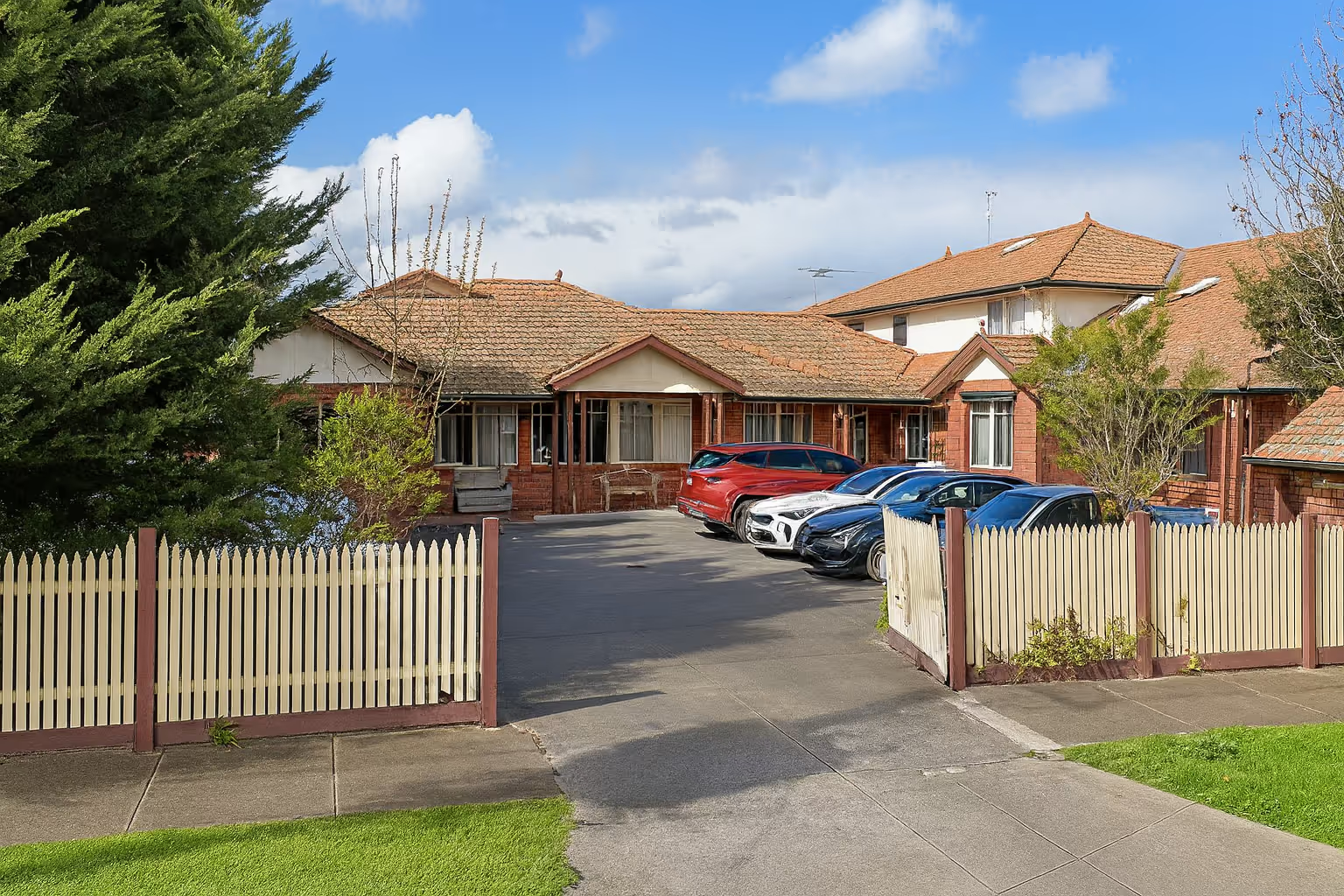
6-8 Townsend Road, St Albans Park, Victoria 3219

83%

Los clientes que completan nuestro programa de 90 días siguen sobrios al cabo de 12 meses.

72%

Los clientes se inscriben en el programa de asistencia posthospitalaria o en el programa de vivienda de transición de Hader@Home para apoyar el compromiso a largo plazo y reducir el riesgo de recaída.

60%

Los clientes que acceden a un programa de seguimiento estructurado tienen muchas más probabilidades de mantener la recuperación y evitar recaídas.

50%

La mitad de las personas con adicción también padecen un trastorno mental concomitante, lo que pone de relieve la necesidad de apoyo para el diagnóstico dual.

Evidence that backs our approach

Bipolar rehab outcomes that matter

We track more than attendance. Our outcome data focuses on long-term emotional stability, relapse prevention, and improved daily functioning for people with bipolar disorder.

Consulte nuestras fuentes a continuación:

Start your recovery with expert support

You don’t need to have everything figured out. Whether you’re asking for yourself or a loved one, we’re here to listen, guide and support your next step.

Realiza una evaluación gratuita en línea.

Realice una breve prueba privada para ver si la rehabilitación podría ayudarle y explore opciones de apoyo seguras.

Reserva una charla gratuita

 Programe una llamada confidencial con un especialista en el momento que más le convenga.

Llámenos ahora

 Habla con alguien inmediatamente para obtener orientación y apoyo.

Flexible, inclusive and transparent

Costos de rehabilitación y opciones de financiación

We offer several funding pathways and can help you explore the best option (or combination of options) based on your needs and eligibility.

Costos de rehabilitación 

Our pricing covers every part of your inpatient stay, including accommodation, meals, therapy, clinical care, medication reviews and discharge planning.

Explora las opciones de rehabilitación

Opciones de financiación 

We accept a range of payment options, including private health insurance, superannuation release, DVA, and tailored payment plans. We’ll help you find what works.

Más información sobre los costes de financiación
El equipo que está detrás de tu recuperación

Clinical, compassionate and experienced

Our staff includes psychiatrists, nurses, therapists, peer workers and case managers, many of whom have lived experience with addiction and mental health recovery.

Imagen de Andi Thania
El equipo que está detrás de tu recuperación

Acerca de la Clínica Hader

We’ve supported Australians with addiction and mental health conditions for more than 25 years. Our programs are trauma-informed, clinically accredited and shaped by real-world experience.

Support for yourself or someone else

Rehab for every kind of journey

Whether you’re seeking help for yourself or supporting someone you love, we’ll guide you toward the right program, explain your options, and support you from day one.

Rehabilitación para ti mismo

Individualised programs for people living with bipolar and addiction who are ready to stabilise, recover, and build a better future.

Una mujer está sentada acurrucada en un sofá junto a una ventana luminosa, con aire reflexivo y preocupado.

Rehabilitación para un ser querido

Programs, advice and emotional support for those trying to help someone with bipolar and substance use challenges.

Una pareja se sienta junta en la consulta de un terapeuta, escuchando con preocupación y apoyo.
Learn more about bipolar and recovery

Articles that go deeper

These blogs explore the complexities of bipolar disorder, substance use, dual diagnosis and real-world recovery. They’re written to support your next step with honest, evidence-informed insight.

A safe place to begin

You don’t need to do this alone

If you’re ready for help, or even just curious about what’s next, we’re here. Whether it’s for yourself or someone you love, we’ll guide you through the options and support your next step.

Habla con alguien que te entienda.

¡Gracias! ¡Hemos recibido tu envío!
¡Vaya! Se ha producido un error al enviar el formulario.
Consigue la claridad que necesitas.

Preguntas frecuentes

Can bipolar disorder and substance use really be treated together?

Yes. Bipolar disorder and substance use often occur together, and they must be treated together. Research shows that individuals with bipolar disorder who also struggle with addiction have higher relapse rates and poorer outcomes unless both conditions are addressed at the same time.

Our rehab program provides integrated treatment for bipolar disorder and substance abuse. That includes psychiatric oversight, therapeutic support, medication stabilisation and addiction-focused care, all in one setting. This kind of comprehensive treatment plan is essential for people dealing with bipolar disorder and substance use, because each condition affects the other.

We also support co-occurring issues like anger management, anxiety, and PTSD, which are common in people with dual diagnoses.

If you’d like to learn more about how bipolar disorder and addiction often overlap, our blog on substance abuse and comorbidity explains the importance of integrated care and why treating both conditions together is so crucial.

What if I don’t have a formal diagnosis yet?

You don’t need to have an existing diagnosis to begin treatment. Many people come to us unsure if they meet the diagnostic criteria for bipolar disorder or whether they’re experiencing another mental health condition.

We start by listening. Our intake and assessment process includes time with a mental health professional who will help you understand your symptoms and explore treatment options that suit your situation.

Whether you're dealing with episodes of mania and depression or symptoms that don’t fit neatly into a label, we’ll guide you toward the right path. You don’t need a diagnosis to get help — just a willingness to start the conversation.

Will this program help with bipolar II or mixed episodes?

Yes. Our program supports people with bipolar I, bipolar II, and mixed presentations. People with bipolar II disorder often struggle with extended depressive episodes and periods of elevated mood that don't reach full mania, but are still highly disruptive.

We also support clients experiencing complex cycles, mood instability, and overlapping symptoms that don’t fit neatly into one form of bipolar. If you're unsure whether you have bipolar II, a milder form of bipolar disorder, or something else entirely, we’ll support you with assessment, stabilisation, and personalised care planning.

If you're currently experiencing a mixed episode — where symptoms of mania or depression happen at the same time — we can help you reduce overwhelm, establish structure, and feel safe again.

What if I’ve tried treatment before and it didn’t work?

Many individuals with bipolar disorder have tried treatment before, and that doesn’t mean recovery isn’t possible. Sometimes the approach wasn’t the right fit. Sometimes it wasn’t integrated, or it didn’t address co-occurring issues like addiction.

At Hader, we offer long-term treatment of bipolar disorder with wraparound support. That means we treat the whole person, not just the symptoms, and we provide a consistent team and stable environment across every stage of care.

We also work closely with family members through our family program to rebuild relationships and offer insight into the lived experience of mental health and addiction.

Recovery can look different for everyone, and the structure of a rehab program plays a big role in success. If you're curious about what to expect, our article on what happens in rehab offers a detailed breakdown of the daily routine, therapies, and support systems that help clients build long-term recovery.

How long does rehab for bipolar typically take?

That depends on your symptoms, your substance use history, and your recovery goals. Many people with bipolar and related disorders benefit from a longer stay, especially if they’re experiencing ongoing instability or struggling to manage bipolar disorder day to day.

At Hader, we recommend at least 30–90 days of inpatient care, followed by transitional support and aftercare. This long-term rehab pathway is especially useful for those with disrupted sleep, frequent mood episodes, or poor treatment adherence.

You can learn more about our long-term rehab options and get help creating a timeline that suits you.

What therapies do you use to treat bipolar disorder?

We combine structured therapies with medication support and emotional regulation. Every client receives a personalised treatment plan built around their symptoms and goals.

Common approaches include CBT, mindfulness, and interpersonal therapy. For some clients, we also use alcohol rehab or drug rehab streams if substance use is a core issue.

We also use social rhythm therapy to help stabilise sleep, structure and energy levels. This is a highly effective approach for treating bipolar depression and managing the highs and lows of bipolar.

Will I still have access to care after I leave?

Yes. Ongoing treatment is a critical part of managing bipolar disorder. We offer several aftercare options — including counselling, online therapy, and relapse prevention planning.

You’ll work with your team before discharge to create a comprehensive treatment plan that supports stability, medication adherence and long-term change. We’ll also help you re-engage with work, study, or community life as part of your recovery process.

Whether you're living with anxiety, adjusting to life after rehab, or still building support networks, we stay in touch and stay involved.

Supporting someone with bipolar disorder and addiction after rehab can be challenging. If you’re unsure how to approach it, our guide on how to convince an addict to go to rehab offers practical tips for families and friends navigating the early stages of recovery together.

Can you help if I’m experiencing suicidal thoughts?

Yes. Many individuals with bipolar disorder experience suicidal thoughts, especially during depressive episodes or mixed states. You are not alone, and support is available. Our inpatient rehab setting provides immediate structure, clinical supervision, and daily therapy to reduce risk and build emotional safety. Treatment can help you move from crisis to recovery. If you’re thinking about suicide, reach out. We’ll help you take the next step safely.