



















When mental health and addiction overlap

Dual diagnosis rehab for addiction and mental health issues

When mental health symptoms and substance use collide, it takes integrated care to truly heal. By helping you overcome your addiction, we can help alleviate the mental health issues that have grown out of it.

Realice una autoevaluación o hable con alguien ahora mismo, sin compromiso.

A young man in a consultation with his GP in a doctor’s office. He’s getting a mental health plan referral.

Integrated mental health care

Experienced dual diagnosis team

Safe inpatient rehab environment

Tailored recovery treatment plans

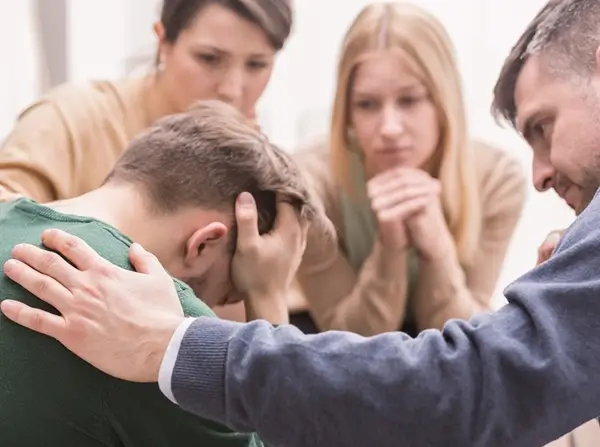
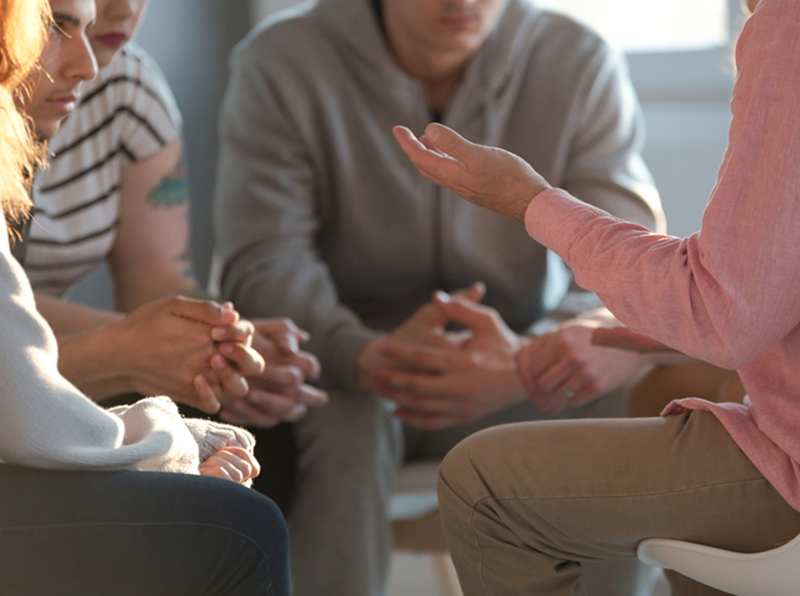
A group of our clients in a counselling session in our drug detox program.
One team, one plan, full support

Dual diagnosis rehab helps you recover from addiction and mental illness

Addiction can worsen mental health symptoms, while untreated mental health challenges can make it harder to stay sober. The Hader Clinic’s dual diagnosis treatment helps people living with both a substance use disorder and a co-occurring mental health condition, such as anxiety, depression, PTSD, bipolar disorder, or schizophrenia.

Our priority is to treat the disease of addiction first, while also helping clients understand, manage, and stabilise the psychological symptoms that accompany it. Here’s how we do that:

  • Addiction-focused care with mental health support: We treat addiction as the primary illness while addressing co-occurring mental health symptoms within the same plan.
  • Comprehensive clinical and therapeutic care: Each program blends medical detox, counselling, and evidence-based therapy with compassion and understanding.
  • Holistic recovery pathway: Clients learn to manage their emotional well-being, rebuild daily structure, and reconnect with purpose and community.
Designed for dual diagnosis recovery

What’s included in our integrated rehab

We combine therapeutic support with medical supervision and structured care to address every layer of dual diagnosis.

Características y ventajas principales

  • Daily mental health and addiction counselling sessions with experienced clinicians
  • Psychiatric assessment and medication support where clinically appropriate
  • Stabilisation and monitoring during drug withdrawal under medical supervision
  • DBT and trauma-informed practices for emotional regulation and safety
  • Peer support from staff who’ve recovered from dual diagnosis themselves
  • Structured daily activity program to rebuild confidence and purpose
Understanding dual diagnosis

Addiction and mental illness often go hand in hand

Many people experiencing addiction are also struggling with a mental health condition, and it’s more common than you might think. Substance use disorders are a type of mental illness, affecting around 650,000 Australian adults in any given year.

¿Qué es un diagnóstico dual?

Dual diagnosis refers to the experience of having both a mental health disorder and a substance use issue at the same time. The two problems often feed into each other: people may use drugs or alcohol to manage symptoms like anxiety or depression, while long-term substance use can worsen existing mental illness. Addressing both sides together is essential for real, lasting recovery.

Common symptoms and signs

When mental health and substance use conditions overlap, the symptoms often mimic or mask each other. This can make it hard to identify the root cause, even for health professionals. You might see mood swings, paranoia, withdrawal from loved ones, or unexplained aggression. It’s also common to notice trouble concentrating, erratic behaviour, or worsening psychiatric symptoms after drug or alcohol use.

  • People may isolate, self-medicate or display emotional volatility without a clear cause.
  • Mental health symptoms may fluctuate in severity depending on drug or alcohol use patterns.
  • It’s common to see denial or confusion about which issue is causing what, and what to do next.

How a dual diagnosis affects people

Living with a co-occurring disorder can feel chaotic, especially when support services treat one problem while ignoring the other. Without integrated care, people may bounce between hospitals, detox, and crisis services without ever receiving the right treatment. This can lead to further harm, feelings of failure, and worsening instability, not only for the person but also for their loved ones.

  • It may become difficult to maintain housing, relationships or employment due to instability.
  • Some people are misdiagnosed or turned away from services because of their co-occurring issues.
  • The risk of suicide, overdose, hospitalisation or incarceration increases without integrated care.

Treatment for a dual diagnosis

Treatment needs to reflect the full picture of what someone is facing. At The Hader Clinic, we offer a holistic dual diagnosis program. Our approach includes medical supervision, trauma-informed counselling, medication review, and behavioural therapies like DBT to help clients build skills and regain emotional control.

  • Programs use DBT, trauma-informed care, and medication review to stabilise symptoms.
  • A team of AOD and mental health clinicians work together on one clear treatment plan.
  • Services should be residential, integrated, and specialised in dual diagnosis from day one.

Recovery with dual diagnosis rehab treatments

Recovery is absolutely possible, even for people who feel like they’ve exhausted every option. With the right support, people with dual diagnosis can learn to manage their symptoms, reduce drug use, and rebuild their lives. Ongoing care is essential — recovery doesn’t end after rehab, and we’ll help connect you with the mental health and addiction services you need to keep moving forward.

  • The first step is finding a rehab centre that understands and treats both parts equally.
  • Long-term recovery means ongoing mental health care alongside addiction support.
  • Our team will help you find what works for you — and stay with you throughout the process.
HERRAMIENTA DE AUTOEVALUACIÓN CONFIDENCIAL

¿Te preocupa tu consumo de alcohol o drogas?

Este breve cuestionario confidencial te llevará menos de dos minutos y te ayudará a comprender lo que está pasando. Elige la categoría que te parezca más relevante, ya sea alcohol, drogas o una combinación de problemas, y te guiaremos a través de unas sencillas preguntas de sí/no.

Al final, te diremos si tus respuestas sugieren que tal vez sea el momento de plantearte la rehabilitación y te ofreceremos opciones seguras y confidenciales para empezar.

Haz el test ahora
Real, integrated support from day one

Programs designed for complex dual diagnosis

Treating dual diagnosis means supporting the whole person, not just their addiction or their mental health, but both, together. Our residential rehabilitation facility is staffed by addiction and mental health professionals who collaborate daily. Together, they build tailored treatment plans that adapt as you grow, helping you stabilise, engage, and begin to recover.

Programa residencial

Rehabilitación con alojamiento, apoyo estructurado, terapia y formación en habilidades para la vida en un entorno seguro y centrado en la recuperación.

Pareja joven cogida de la mano durante una sesión de asesoramiento, buscando apoyo a través de terapia familiar y de pareja.

Programa familiar

Educación, apoyo grupal y asesoramiento para ayudar a las familias a comprender la adicción y apoyar la recuperación de sus seres queridos.

Mujer participando en una sesión de recuperación virtual desde casa, realizando una terapia estructurada a través del programa de rehabilitación online Hader at Home.

Hader en casa

Un programa de recuperación totalmente digital con controles diarios, terapia en línea y cuadernos de ejercicios autoguiados para el cuidado posterior a la rehabilitación.

Mujer morena sonriendo y compartiendo un avance personal durante una terapia de grupo, celebrando el progreso en su proceso de recuperación ambulatoria.

Programa intensivo ambulatorio

Apoyo estructurado para la adicción con terapia, sesiones grupales y prevención de recaídas, diseñado para adaptarse a la vida cotidiana.

Un residente masculino charla con su consejero de rehabilitación.

Asesoramiento

Terapia especializada en traumas, asesoramiento sobre adicciones y apoyo familiar disponibles en persona o a través de sesiones online seguras.

Mujer abrazando a su pareja tras una sincera intervención en casa, ofreciéndole apoyo y ánimos mientras él acepta buscar ayuda para su adicción.

Intervenciones

Apoyo profesional para ayudar a las familias a organizar una intervención segura y estructurada y guiar a su ser querido hacia el tratamiento.

Vista desde una residencia privada de lujo con vistas a un patio trasero arenoso y a la playa, con tumbonas y un paisaje tropical diseñado para una recuperación tranquila y discreta.

Rehabilitación ejecutiva

Tratamiento privado e individualizado en un entorno de lujo con total discreción y un programa de recuperación personalizado.

Homenaje al Día de ANZAC con un rifle vintage del ejército australiano calibre .303 con sombrero flexible y insignia del sol naciente, placas de identificación de soldado, corona de flores y la bandera australiana al fondo.

Rehabilitación DVA

Atención hospitalaria especializada y adaptada al trauma para veteranos y personal de primeros auxilios, totalmente financiada para los clientes del Departamento de Asuntos de Veteranos (DVA) que cumplan los requisitos.

Un residente sentado en un sofá en un espacio compartido, trabajando en su diario personal como parte de su rehabilitación ordenada por el tribunal.

Rehabilitación ordenada por un tribunal

Programa estructurado para pacientes hospitalizados con desintoxicación, terapia e informes forenses para cumplir con los requisitos de fianza o sentencia.

Hombre en una vivienda de transición atándose los cordones de los zapatos mientras se prepara para un nuevo día de trabajo, reconstruyendo su estructura e independencia tras una rehabilitación hospitalaria.

Vivienda de transición

Alojamiento centrado en la recuperación con terapia, estructura y apoyo para salvar la brecha entre la rehabilitación y la vida independiente.

Sesión de terapia de grupo de apoyo en un centro médico de desintoxicación, donde diversos clientes comparten sus experiencias y un psicólogo anima con delicadeza a un nuevo participante.

Desintoxicación hospitalaria

Desintoxicación supervisada médicamente las 24 horas del día, los 7 días de la semana, en un hospital privado autorizado, que incluye apoyo para la abstinencia y atención psiquiátrica.

Getting started with the right support

Qué esperar cuando te pongas en contacto

Paso 1

Reach out for a chat

We’ll talk through what you’re facing and share how we may be able to help. No pressure, no judgement.

paso 2

Personalised intake

If you’re ready, we’ll complete an assessment and create a tailored care plan suited to your needs.

paso 3

Begin residential care

You’ll arrive on-site, meet the team, settle in, and begin the next stage of your recovery journey.

Estamos aquí cuando usted esté listo: reserve una llamada o hable con alguien ahora mismo.

We treat every client as an individual

¿Qué hace que nuestro programa sea diferente?

Our program is built for people with complex needs. Whether you’ve been misdiagnosed, turned away, or misunderstood, we see the full picture. We offer real structure, real clinical oversight, and real empathy. Our goal is to stabilise your symptoms, help you understand your condition, and start the recovery process with treatment that actually fits your life.

Clinicians across addiction and mental health

You'll work with an integrated team of AOD and mental health professionals who share your care.

Personalised, adaptive treatment plans

We update your treatment as you progress, with weekly case reviews and client involvement at every step.

Residential setting for stabilisation

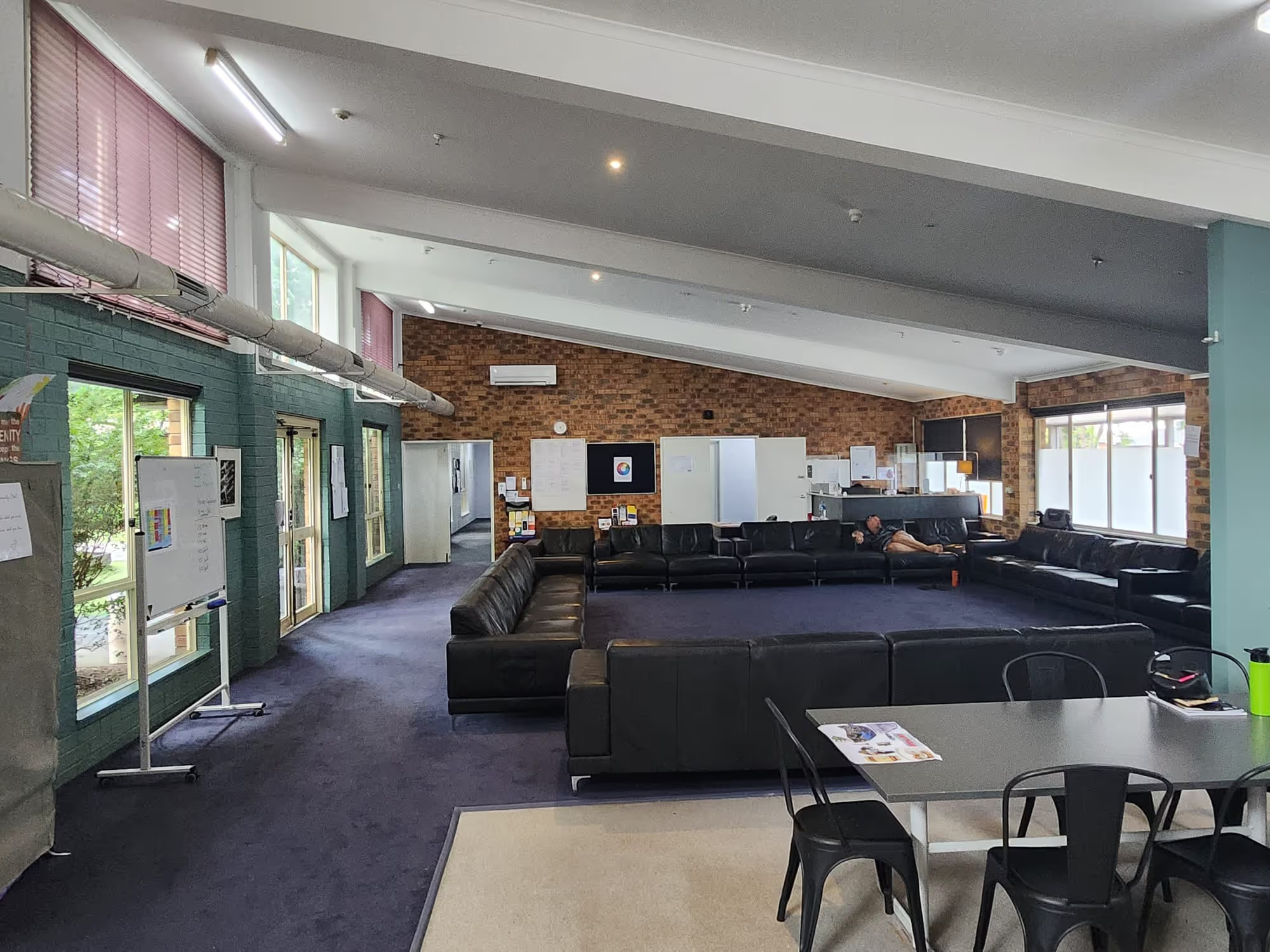
Our inpatient facility is safe, therapeutic, and designed to support you through periods of acute instability.

Programs that work when others haven't

We regularly support clients who've tried rehab before and need something more targeted, compassionate and consistent.

Atención de calidad en la que puede confiar

Nuestras acreditaciones y estándares clínicos

We are fully accredited under the NSQHS standards and overseen by the Australian Commission on Safety and Quality in Health Care (ACSQHC).

Otros servicios de rehabilitación que ofrecemos

Programs for a range of support needs

We provide specialised programs for addiction, mental health, and dual diagnosis, with flexible entry points and real-world support.

Rehabilitación por alcoholismo

Residential alcohol rehab with clinical withdrawal support and long-term relapse prevention.

Rehabilitación de drogas

Structured inpatient care for ice, heroin, cannabis and other drug dependencies.

Rehabilitación para diagnóstico dual

Integrated support for mental health and substance use issues together, not separately.

Inpatient mental health

Supportive inpatient program for stabilising and managing complex mental health concerns.

Hear from the people who’ve been there

Client stories and real testimonials

Everyone’s experience is different, but you’re not alone. Read how others with dual diagnosis found clarity, strength, and support through our programs.

Ali Ademi

Tras años de traumas, adicciones y pérdidas, Ali encontró la fuerza para reconstruir su vida gracias al apoyo de un equipo compasivo, un sentido de comunidad y un compromiso con la sanación a largo plazo.

Minh

Tras 32 años de adicción, Minh Pham encontró esperanza, curación y un nuevo camino en The Hader Clinic. Su trayectoria es un testimonio del poder de la comunidad, la compasión y el coraje.

Peter El-Khouri

Tras múltiples recaídas, Peter logró una recuperación duradera con Hader. Lea cómo la terapia, la comunidad y la atención clínica le ayudaron a recuperar su vida.

Nuestras instalaciones y ubicaciones en Victoria

Safe, supportive and purpose-built environments

Our programs run from two specialist centres in Victoria. Each location offers 24/7 support, therapeutic spaces, and the structure needed for real recovery.

Programa de rehabilitación para pacientes hospitalizados y programa de vivienda de transición

Essendon
150-152 Cooper St, Essendon VIC 3040

Centro hospitalario de rehabilitación para programas de desintoxicación y abstinencia de 28 días.

Geelong
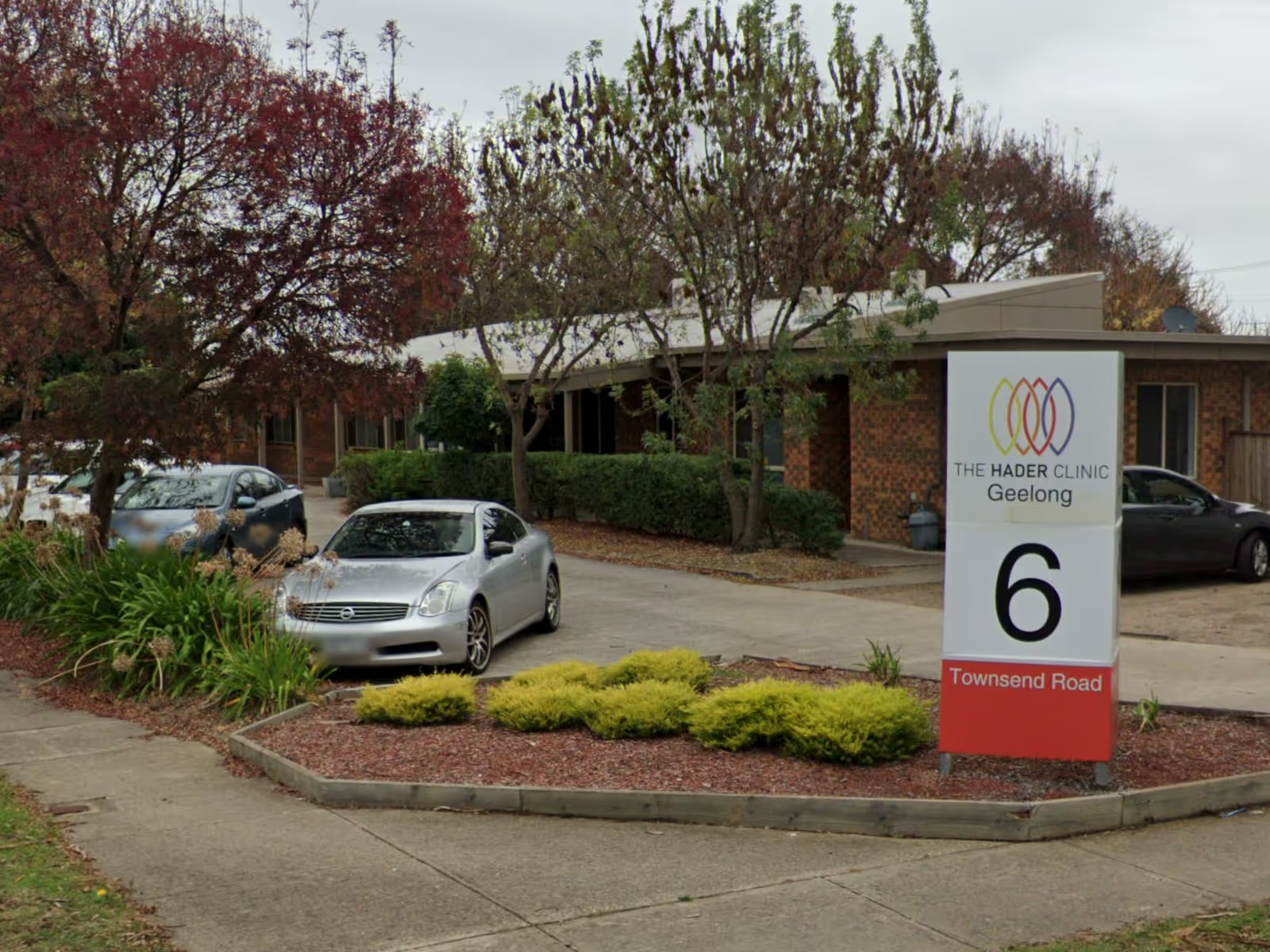
6-8 Townsend Road, St Albans Park, Victoria 3219

80%

Program completion rate for dual diagnosis clients.

81%

Remain sober at 3-month follow-up.

76%

Report better mood or daily functioning.

4 days

Median wait from first contact to admission.

Outcomes for people with dual diagnosis

Program results backed by real data

Clients with co-occurring conditions are more likely to complete treatment, remain sober after discharge, and report improved well-being during care.

Ready when you are, every step of the way

You don’t need to have everything figured out. If you’re worried about your mental health and substance use, we’re here to help you take the next step safely.

Realiza una evaluación gratuita en línea.

Realice una breve prueba privada para ver si la rehabilitación podría ayudarle y explore opciones de apoyo seguras.

Reserva una charla gratuita

 Programe una llamada confidencial con un especialista en el momento que más le convenga.

Llámenos ahora

 Habla con alguien inmediatamente para obtener orientación y apoyo.

Sepa qué esperar

Funding support and treatment costs

We’ll give you honest information about costs, private health cover, and funding support so you can make confident decisions.

How much does treatment cost?

We clearly explain the cost of dual diagnosis rehab: what’s included, how fees work, and how we support affordability.

Explora las opciones de financiación

Private health and funding help

We’ll help you understand your private health cover and whether any additional funding options may apply.

Más información sobre los costes de la rehabilitación
A team that understands both sides

Meet the people who’ll be caring for you

We’re not just health professionals. Many of us have lived experience. We listen without judgment and support you with real compassion.

Un residente de uno de nuestros programas de rehabilitación creativa, sentado en el jardín y pintando arte floral.
Imagen de Andi Thania
More than a treatment centre

Get to know who we are and what we stand for

We’ve been helping people with co-occurring mental health and addiction issues for over 25 years. We focus on trust, empathy, and lasting recovery.

Apoyo para usted o para un ser querido

There’s no wrong time to ask for help

Whether you’re struggling yourself or supporting someone else, we’ll meet you where you are and walk alongside you toward recovery.

I need help for myself

We support people facing mental illness and substance use. You don’t have to navigate this on your own.

Una mujer está sentada acurrucada en un sofá junto a una ventana luminosa, con aire reflexivo y preocupado.

I need help for someone else

If someone you care about is in crisis, we can help you understand what’s going on and how to support them into

Una pareja se sienta junta en la consulta de un terapeuta, escuchando con preocupación y apoyo.
No estás solo en esto.

Take the first step toward change

Every journey starts with a decision to try. When you’re ready, we're here with expert care, honest guidance, and a place where recovery is truly possible.

Habla con alguien que te entienda.

¡Gracias! ¡Hemos recibido tu envío!
¡Vaya! Se ha producido un error al enviar el formulario.
Da el primer paso hacia la curación.

Let’s plan your path to recovery together

What types of mental health conditions do you support in your dual diagnosis program?

Our dual diagnosis unit is equipped to support a wide range of mental health diagnoses, including depression, anxiety, bipolar disorder, PTSD, borderline personality disorder, and schizophrenia. Many of our clients experience complex mental health problems alongside patterns of alcohol or drug use, often for many years before reaching out for help.

We understand how overwhelming it can feel to manage both a mental disorder and substance abuse. Our treatment program brings together addiction treatment and clinical mental health support through an integrated treatment model. Whether you're struggling with bipolar disorder and addiction or another co-occurring condition, our team is here to provide effective treatment tailored to your needs.

You can also explore more about how specific conditions overlap with addiction in our article on bipolar and addiction.

What happens if my mental health symptoms get worse during rehab?

If you're experiencing mental health issues during treatment, you're not alone — and you're not without support. Our dual diagnosis drug and mental health team includes experienced mental health professionals who are trained to respond to changes in mental health symptoms throughout your stay.

We regularly monitor clients for signs of deterioration and work closely with you to adjust your treatment plan as needed. This might include medication review, trauma-focused therapy, or additional mental health service referrals. You’ll never be judged for struggling. It’s all part of dual diagnosis treatment: understanding that mental health and drug issues are deeply connected and need ongoing care.

Do I need to stop all medications before starting the program?

No, you do not need to stop prescribed medication before starting treatment. Many people entering our dual diagnosis program are already taking medications for anxiety, depression, mood stabilisation, or physical health conditions. Suddenly stopping medication can be dangerous, especially when combined with drug or alcohol withdrawal.

Our assessment and treatment process includes a full review of your current prescriptions, and our clinical mental health staff work in collaboration with prescribers where necessary. The goal is always safety, stability, and making sure you feel supported during every stage of your recovery program.

Can I bring existing mental health treatment plans with me?

Yes. We encourage you to bring a treatment plan, support letter, or mental health care plan from your GP or other health services. These documents help us understand your history and coordinate care that aligns with your ongoing mental health service needs.

Being transparent about your mental health diagnoses allows our team to design the best integrated addiction and mental health approach for you. Our drug and mental health unit will review and adapt your existing plan into our dual diagnosis treatment model, giving you continuity and clarity as you begin your recovery.

What if I’ve been turned away from mental health services because of my drug use?

Unfortunately, many people with co-occurring substance abuse and mental health challenges have experienced rejection or stigma from health services. This can leave you feeling like there’s nowhere left to turn.

We created our dual diagnosis unit for exactly this reason. We don’t expect you to separate your addiction and mental health issues — we treat them together, because they are deeply connected. We offer assessment and treatment in a residential rehabilitation facility that understands the realities of drug and alcohol misuse. You might find our article on substance abuse and comorbidity helpful in understanding why this happens and what a better model of care looks like.

What kind of aftercare is available for people with dual diagnosis?

Recovery doesn’t end when the program does. For people managing both substance use and mental health issues, continued treatment and support are essential. After completing your residential treatment rehab, we offer ongoing counselling, relapse prevention strategies, access to mental health teams, and referrals to local dual rehab centres or AOD and mental health services near your home.

Our goal is to set you up with the right combination of clinical mental health and substance use supports for the long term. We also help you understand what to expect after treatment by walking you through the addiction rehab process well before you discharge.

Can this program help me avoid hospitalisation for mental health issues?

Many people come to us after repeated crises, hospital stays, or community mental health service referrals. If you're caught in that cycle, our integrated dual diagnosis treatment program may help.

Our residential facility is designed to be a safe, structured alternative to hospitalisation, especially for those dealing with ongoing alcohol and other drug use. By stabilising your mental health and addiction together, we reduce the need for future emergency interventions. Our addiction and mental health team works with you to address underlying mental health conditions before they escalate.

What if I’ve never talked about my mental health before — where do I start?

It can feel confronting to open up, especially if you’ve spent years managing things alone. Many people enter treatment having never spoken honestly about their mental illness. That’s okay.

You don’t need the right words, a diagnosis, or a polished story. Our job is to help you feel safe enough to begin. Through daily support, therapy, and compassion, our team will work with you to explore your mental health problems and substance abuse patterns together. Every part of dual diagnosis treatment is designed to meet you where you are and walk with you as you build a healthier future.