When bipolar disorder and substance use collide

Rehab for bipolar disorder and addiction

Rối loạn lưỡng cực rất phức tạp, đặc biệt khi có thêm chứng nghiện. Chương trình cai nghiện nội trú của chúng tôi hỗ trợ những người mắc rối loạn lưỡng cực bằng các phương pháp điều trị đã được chứng minh hiệu quả, giải quyết cả hai vấn đề.

Hãy tự đánh giá bản thân hoặc nói chuyện với ai đó ngay bây giờ, không cần phải vội vàng cam kết.

A woman dressed in black lies on a brown leather couch, looking upward thoughtfully with one hand on her forehead, in a dimly lit room with a maroon wall.

Inpatient rehab for bipolar and substance use

Dual diagnosis care from experienced mental health professionals

Structured daily routine that supports emotional stability

Bipolar disorder treatment using evidence-based methods

A woman sits quietly on a sofa during her inpatient stay at The Hader Clinic, reflecting on the emotional lows of bipolar disorder and beginning her recovery.
Managing bipolar and addiction together

A dual diagnosis approach built around stability

More than half of people diagnosed with bipolar disorder also experience a substance use disorder. When these conditions occur together, they often amplify each other, leading to greater instability, higher relapse risk, and disrupted treatment.

According to the Bipolar Disorder and Comorbid Use of Illicit Substances study, the most effective treatment combines psychiatric and addiction support in one place. Our residential rehab program does exactly that, helping people with bipolar disorder stabilise, reduce reliance on substances, and rebuild emotional structure and insight.

  • Begin in our Geelong hospital with medical detox and psychiatric support to help stabilise mood and manage withdrawal safely
  • Continue in our Essendon residential program, where therapy, structure, and medication work together to promote stability
  • Choose our full 90-day program for the time and consistency needed to manage both bipolar symptoms and substance use

Chúng tôi sẽ gọi lại vào thời điểm thuận tiện cho bạn, không có áp lực phải cam kết.

Designed for long-term recovery

What’s included in our bipolar disorder and addiction treatment plans

We offer a structured inpatient setting that balances therapy, medication support, emotional regulation, and behavioural routines. Each program is guided by your needs and diagnosis.

  • Daily group therapy and individual sessions
  • Psychiatric oversight for diagnosis and medication reviews
  • Mindfulness, art therapy, and social rhythm tools
  • Education on relapse prevention and emotional cycles
  • Support for major depression and bipolar depression
  • Evening routines to slow thinking and reduce agitation
More than just bipolar rehab

Help for overlapping mental health conditions

We support clients with complex or unclear diagnoses, including overlapping symptoms like depression, anxiety, trauma, and emotional dysregulation.

PTSD

Chăm sóc dựa trên bằng chứng cho rối loạn căng thẳng sau chấn thương (PTSD) và nghiện. Chúng tôi giúp mọi người ổn định, xử lý lại chấn thương và xây dựng một cuộc sống an toàn hơn, kết nối hơn.

Tâm thần phân liệt

Điều trị cai nghiện tâm thần phân liệt đòi hỏi sự chăm sóc chuyên biệt và tích hợp. Chúng tôi điều trị các triệu chứng loạn thần, ổn định sức khỏe tâm thần và giúp người bệnh cùng nhau quản lý chứng nghiện.

rối loạn nhân cách

Rối loạn nhân cách ranh giới và nghiện ngập thường đi đôi với nhau. Cả hai đều có thể gây ra những khó khăn tột cùng, nhưng với phương pháp điều trị đúng đắn, việc phục hồi là hoàn toàn có thể. Bạn không cần phải đối mặt với nó một mình.

rối loạn ám ảnh cưỡng chế

Rối loạn ám ảnh cưỡng chế và lạm dụng chất gây nghiện có thể tác động lẫn nhau theo những cách khiến cuộc sống hàng ngày trở nên khó kiểm soát. Nhưng việc phục hồi là hoàn toàn có thể nếu được chăm sóc đúng cách.

Bạo lực gia đình

Chương trình cai nghiện hỗ trợ, thấu hiểu chấn thương tâm lý dành cho những người bị ảnh hưởng bởi bạo lực gia đình (IPV), trong quá khứ hoặc hiện tại.

Trầm cảm

Chúng tôi hỗ trợ những người đang trải qua trầm cảm và nghiện ngập bằng phương pháp điều trị dựa trên bằng chứng và đầy lòng nhân ái. Chương trình nội trú của chúng tôi cung cấp sự hỗ trợ toàn diện cho sức khỏe tâm thần, lạm dụng chất gây nghiện và những căng thẳng dẫn đến cả hai vấn đề này.

Lưỡng cực

Rối loạn lưỡng cực rất phức tạp, đặc biệt khi có thêm chứng nghiện. Chương trình cai nghiện nội trú của chúng tôi hỗ trợ những người mắc rối loạn lưỡng cực bằng các phương pháp điều trị đã được chứng minh hiệu quả, giải quyết cả hai vấn đề.

Sự lo lắng

Trung tâm cai nghiện điều trị nghiện chất và rối loạn lo âu

Quản lý cơn giận

Sự giận dữ không kiểm soát và việc lạm dụng chất gây nghiện thường đi đôi với nhau. Chúng tôi giúp khách hàng hiểu được nguyên nhân gốc rễ của hành vi, lấy lại sự kiểm soát và phục hồi hoàn toàn.

ADHD

Rối loạn tăng động giảm chú ý (ADHD) có thể khiến việc điều trị chứng nghiện trở nên khó khăn hơn, nhưng với cấu trúc, sự hỗ trợ và chăm sóc đúng đắn, việc phục hồi hoàn toàn có thể đạt được.

Education and understanding build clarity

What you need to know before starting rehab

Bipolar disorder is a lifelong condition that affects mood, energy, and decision-making. With the right support, people with bipolar disorder can live full and stable lives, including recovery from substance use.

Rối loạn lưỡng cực là gì?

Bipolar disorder is a mental health condition that causes shifts between episodes of depression and mania. It can affect sleep, energy, focus, and relationships. The disorder may begin during adolescence or adulthood and…

Symptoms of bipolar disorder

Symptoms vary by type of bipolar disorder. Common signs include elevated mood, impulsive decisions, rapid speech, agitation, hopelessness, and social withdrawal.

Causes and contributing factors

Bipolar disorder may run in families, and it often appears alongside trauma or addiction. Risk factors include brain chemistry, stress, and sleep disruption.

Diagnosis and treatment options

There are several types of bipolar disorder, including bipolar I, bipolar II, and cyclothymia. Diagnosis involves clinical assessment, history, and ongoing observation.

Who benefits from bipolar rehab?

Anyone diagnosed with bipolar who is also struggling with addiction, emotional instability, or loss of function. We support clients with clear diagnoses, mixed features, or early-stage episodes.

CÔNG CỤ TỰ ĐÁNH GIÁ BÍ MẬT

Bạn lo lắng về việc uống rượu hoặc sử dụng ma túy?

Bài trắc nghiệm ngắn gọn, bảo mật này chỉ mất chưa đến hai phút và có thể giúp bạn hiểu rõ hơn những gì đang diễn ra. Hãy chọn danh mục mà bạn cảm thấy phù hợp nhất — cho dù đó là rượu, ma túy, hay sự kết hợp của nhiều vấn đề — và chúng tôi sẽ hướng dẫn bạn trả lời một vài câu hỏi đơn giản có/không.

Cuối cùng, chúng tôi sẽ cho bạn biết liệu câu trả lời của bạn có cho thấy đã đến lúc cần xem xét việc cai nghiện hay không, và chia sẻ các lựa chọn an toàn, bảo mật để bắt đầu.

Hãy làm bài kiểm tra ngay bây giờ
From stabilisation to long-term support

A structured pathway with coordinated care

We offer a full pathway of care, beginning with inpatient rehab and extending into transitional housing, outpatient therapy, and digital aftercare. Each program is coordinated to ensure continuity and stability across every stage of your recovery.

Our team helps you transition from detox and stabilisation into therapeutic treatment and then back into daily life with tools, insight, and confidence.

Chương trình nội trú

Chương trình cai nghiện nội trú với sự hỗ trợ bài bản, trị liệu và huấn luyện kỹ năng sống trong một môi trường an toàn, tập trung vào phục hồi.

Một cặp đôi trẻ nắm tay nhau trong buổi tư vấn, tìm kiếm sự hỗ trợ thông qua liệu pháp gia đình và mối quan hệ.

Chương trình dành cho gia đình

Cung cấp giáo dục, hỗ trợ nhóm và tư vấn để giúp các gia đình hiểu về chứng nghiện và hỗ trợ người thân của họ trong quá trình hồi phục.

Một phụ nữ tham gia buổi trị liệu phục hồi trực tuyến tại nhà, tham gia liệu pháp có cấu trúc thông qua chương trình cai nghiện trực tuyến Hader at Home.

Hader ở nhà

Một chương trình phục hồi hoàn toàn kỹ thuật số với việc kiểm tra sức khỏe hàng ngày, trị liệu trực tuyến và sổ tay tự học dành cho việc chăm sóc sau cai nghiện.

Một phụ nữ tóc nâu mỉm cười và chia sẻ một bước đột phá cá nhân trong buổi trị liệu nhóm, ăn mừng sự tiến bộ trong hành trình phục hồi ngoại trú của mình.

Chương trình điều trị ngoại trú chuyên sâu

Chương trình hỗ trợ cai nghiện bài bản với liệu pháp tâm lý, các buổi sinh hoạt nhóm và phòng ngừa tái nghiện, được thiết kế phù hợp với cuộc sống hàng ngày.

Một bệnh nhân nam đang trò chuyện với chuyên viên tư vấn cai nghiện của mình.

Tư vấn

Liệu pháp tâm lý dựa trên hiểu biết về chấn thương tâm lý, tư vấn cai nghiện và hỗ trợ gia đình có sẵn trực tiếp hoặc thông qua các phiên trực tuyến an toàn.

Người phụ nữ ôm chầm lấy bạn đời sau một cuộc can thiệp đầy xúc động tại nhà, thể hiện sự ủng hộ và động viên khi anh ấy đồng ý tìm kiếm sự giúp đỡ để cai nghiện.

Các biện pháp can thiệp

Hỗ trợ chuyên nghiệp giúp các gia đình dàn dựng một cuộc can thiệp an toàn, có cấu trúc và hướng dẫn người thân của họ tham gia điều trị.

Khung cảnh nhìn từ một khu nhà ở sang trọng riêng tư ra sân sau đầy cát và bãi biển, với ghế nằm thư giãn và cảnh quan nhiệt đới được thiết kế để mang lại sự thư thái, kín đáo khi nghỉ ngơi.

Phục hồi chức năng dành cho quản lý cấp cao

Liệu trình điều trị riêng tư, một kèm một trong không gian sang trọng, đảm bảo sự riêng tư tuyệt đối và lịch trình phục hồi được cá nhân hóa.

Hình ảnh tưởng niệm Ngày ANZAC gồm khẩu súng trường .303 cổ điển của Quân đội Úc, mũ rộng vành và huy hiệu mặt trời mọc, thẻ quân nhân, vòng hoa và quốc kỳ Úc ở phía sau.

phục hồi chức năng DVA

Chăm sóc nội trú chuyên biệt, thấu hiểu chấn thương tâm lý, dành cho cựu chiến binh và nhân viên cứu hộ, được DVA tài trợ toàn bộ cho các khách hàng đủ điều kiện.

Một cư dân đang ngồi trên ghế dài trong không gian chung, viết nhật ký cá nhân như một phần của chương trình cai nghiện theo lệnh của tòa án.

Chương trình cai nghiện theo lệnh tòa án

Chương trình điều trị nội trú có cấu trúc bao gồm cai nghiện, trị liệu và báo cáo pháp y để đáp ứng các yêu cầu bảo lãnh hoặc tuyên án.

Một người đàn ông đang buộc dây giày trong khu nhà ở tạm thời, chuẩn bị cho một ngày làm việc mới, xây dựng lại cấu trúc cuộc sống và sự độc lập sau thời gian điều trị nội trú.

Nhà ở chuyển tiếp

Nơi ở tập trung vào phục hồi chức năng, cung cấp liệu pháp, cấu trúc và sự hỗ trợ để thu hẹp khoảng cách giữa quá trình cai nghiện và cuộc sống độc lập.

Buổi trị liệu nhóm hỗ trợ tại một trung tâm cai nghiện y tế, nơi các bệnh nhân khác nhau chia sẻ kinh nghiệm của họ và một nhà tâm lý học nhẹ nhàng khuyến khích người tham gia mới.

cai nghiện tại bệnh viện

Chương trình cai nghiện được giám sát y tế 24/7 tại bệnh viện tư nhân có giấy phép, bao gồm hỗ trợ cai nghiện và chăm sóc tâm thần.

Safe, supported, and tailored to you

Our admissions process

Bước 1

Talk to a mental health professional

We’ll help you clarify your goals, explore your treatment options, and determine if our program is the right fit.

Bước 2

Get an intake plan designed for your needs

We’ll create a personalised treatment plan that fits your timeline, your symptoms, and your level of support.

Bước 3

Begin your program with expert guidance

Whether you're starting with detox, rehab, or transitional care, we’ll support you from day one.

Chúng tôi luôn sẵn sàng hỗ trợ bạn bất cứ khi nào bạn cần – hãy đặt lịch gọi điện hoặc liên hệ với chúng tôi ngay bây giờ.

A rehab program that actually works

What makes our bipolar rehab unique

Our rehab program was designed for people with bipolar disorder, not retrofitted. That means therapy, routines and support are all structured to reduce chaos, regulate mood, and help clients build a daily rhythm they can maintain.

Purpose-built for dual diagnosis

We treat bipolar disorder and addiction together with a clinical framework that supports both.

Structure without rigidity

Daily routine, therapeutic rhythm and flexibility for clients experiencing instability or overwhelm.

Stabilisation and medication support

Our psychiatric team supports medication reviews and emotional regulation throughout the program.

Designed for real-world recovery

Clients leave with structure, insight and relapse prevention tools that support long-term change.

A full suite of rehab services

More than bipolar treatment

We support a wide range of substance use and mental health conditions. Whether you're dealing with alcohol, prescription drugs, or behavioural dependencies, our team can help you move forward with care that fits.

Trung tâm cai nghiện rượu

Các chương trình cá nhân hóa nhằm giải quyết các tác động về thể chất, cảm xúc và hành vi của chứng nghiện rượu.

Trung tâm cai nghiện ma túy

Các chương trình nội trú có cấu trúc, hỗ trợ dành cho việc cai nghiện nhiều loại ma túy bất hợp pháp và thuốc kê đơn.

Phục hồi chức năng khẩn cấp

Các lựa chọn nhập viện nhanh chóng dành cho những người đang trong tình trạng khủng hoảng, cần được chăm sóc khẩn cấp để ổn định tình trạng.

Phòng ngừa tái phát

Các chiến lược thực tiễn, ứng dụng trong đời sống để quản lý các yếu tố gây kích thích, tránh tái phát và duy trì sự phục hồi lâu dài.

Evidence-based, client-focused, accredited

Chúng tôi đáp ứng các tiêu chuẩn quốc gia cao nhất.

We’re fully accredited under the National Safety and Quality Health Service (NSQHS) Standards, developed by the Australian Commission on Safety and Quality in Health Care (ACSQHC).

Real people, real change

Stories from our clients

We treat individuals, not statistics. Every recovery journey is different, and each one reveals what’s possible with the right support. Read honest, hopeful stories from our clients and their loved ones.

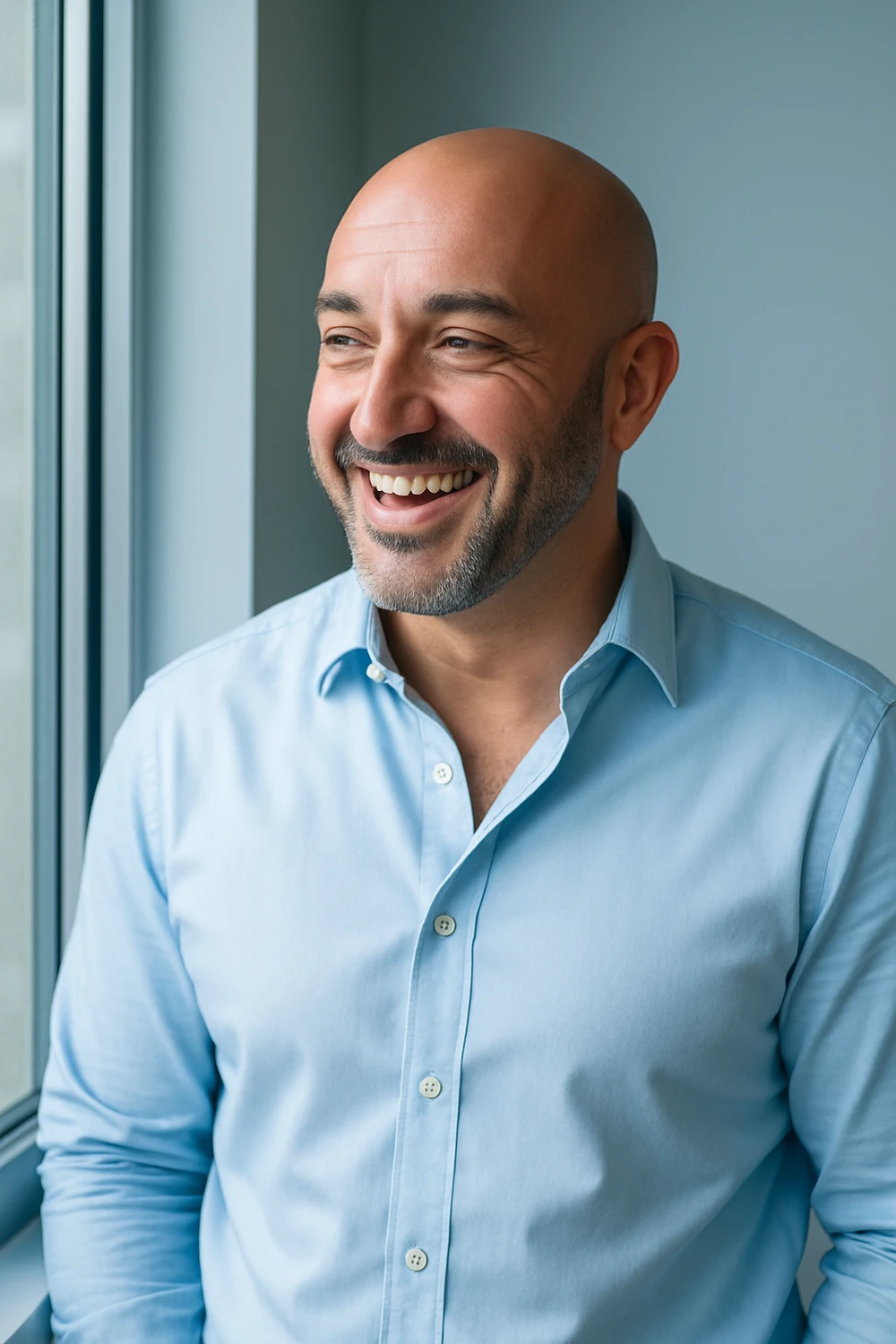
Ali Ademi

Sau nhiều năm trải qua chấn thương tâm lý, nghiện ngập và mất mát, Ali đã tìm thấy sức mạnh để xây dựng lại cuộc sống của mình nhờ sự hỗ trợ của một đội ngũ tận tâm, tinh thần cộng đồng và cam kết hướng đến sự hồi phục lâu dài.

Minh

Sau 32 năm vật lộn với chứng nghiện, Minh Pham đã tìm thấy hy vọng, sự chữa lành và một con đường mới tại Phòng khám Hader. Hành trình của anh là minh chứng cho sức mạnh của cộng đồng, lòng trắc ẩn và sự dũng cảm.

Peter El-Khouri

Sau nhiều lần tái phát, Peter đã tìm thấy sự hồi phục lâu dài nhờ Hader. Hãy đọc xem liệu pháp, cộng đồng và chăm sóc y tế đã giúp anh ấy lấy lại cuộc sống của mình như thế nào.

A safe place to recover

Cơ sở vật chất và địa điểm

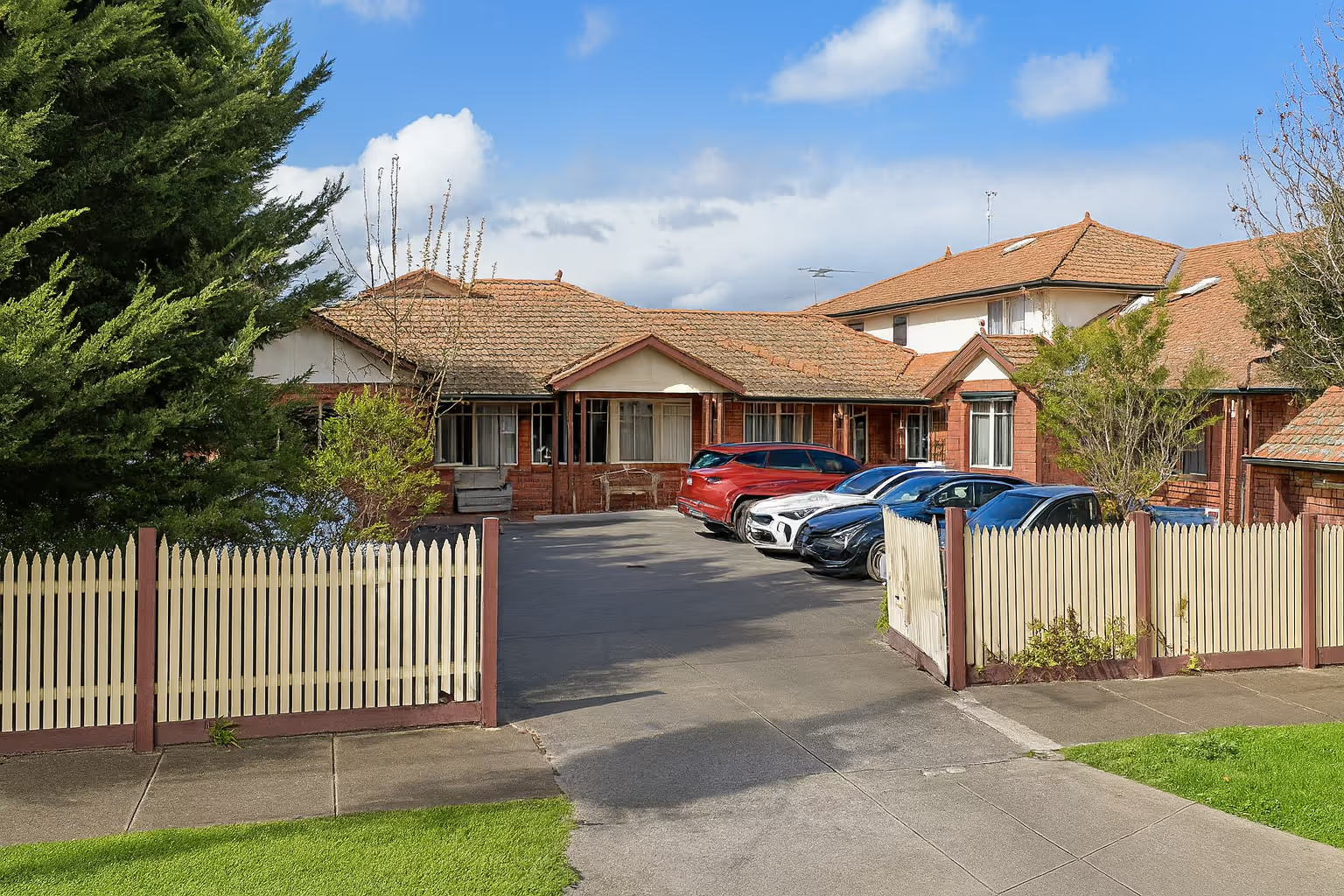
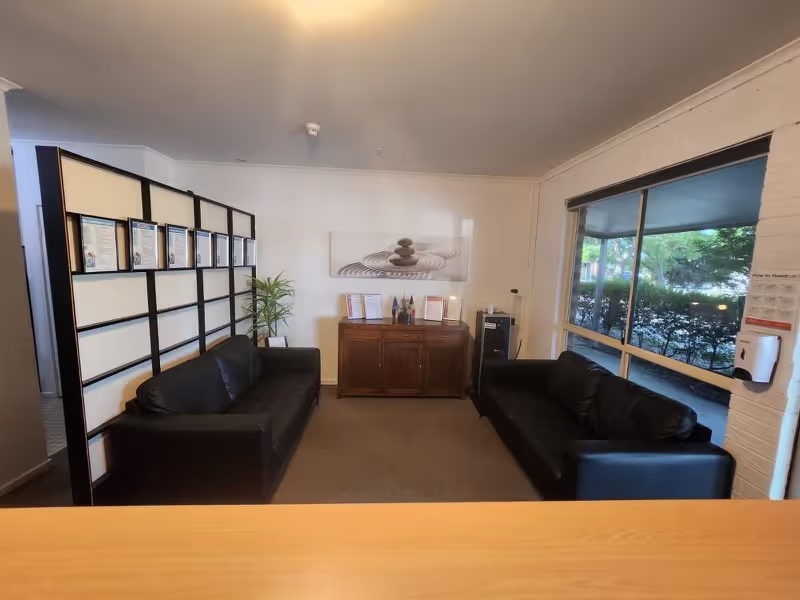
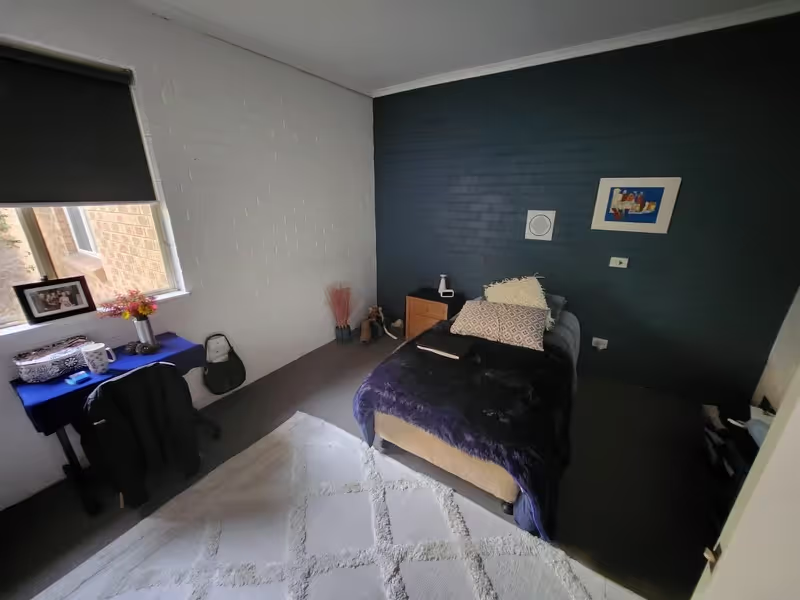
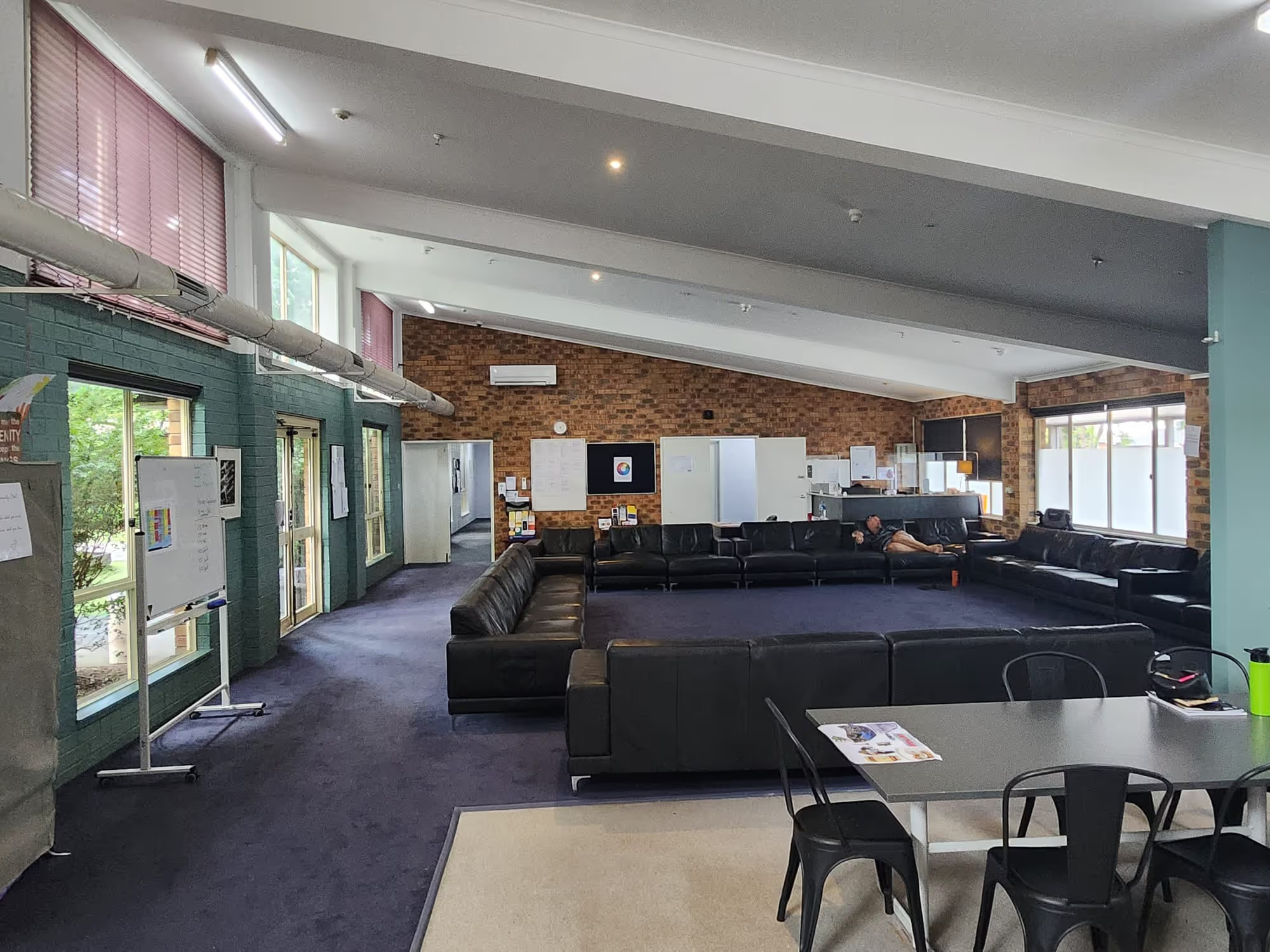
We provide inpatient care and transitional housing across two residential sites in Victoria. Both are calm, private, and purpose-designed to support therapeutic structure and mental health recovery.

Chương trình phục hồi chức năng nội trú và chương trình nhà ở chuyển tiếp

Essendon
150-152 Đường Cooper, Essendon VIC 3040

Trung tâm phục hồi chức năng bệnh viện dành cho chương trình cai nghiện và giải độc 28 ngày.

Geelong
6-8 Townsend Road, St Albans Park, VIC 3219

83%

Những khách hàng hoàn thành chương trình 90 ngày của chúng tôi đều duy trì được sự tỉnh táo sau 12 tháng.

72%

Khách hàng đăng ký tham gia chương trình chăm sóc sau điều trị Hader@Home hoặc nhà ở chuyển tiếp để hỗ trợ sự tham gia lâu dài và giảm nguy cơ tái nghiện.

60%

Những bệnh nhân tham gia chương trình chăm sóc sau điều trị có cấu trúc sẽ có khả năng duy trì sự hồi phục và tránh tái phát cao hơn đáng kể.

50%

Một nửa số người nghiện cũng mắc đồng thời các vấn đề sức khỏe tâm thần khác, điều này nhấn mạnh sự cần thiết của hỗ trợ cho những người mắc cả hai chứng bệnh.

Evidence that backs our approach

Bipolar rehab outcomes that matter

We track more than attendance. Our outcome data focuses on long-term emotional stability, relapse prevention, and improved daily functioning for people with bipolar disorder.

Xem các nguồn tham khảo của chúng tôi bên dưới:

Start your recovery with expert support

You don’t need to have everything figured out. Whether you’re asking for yourself or a loved one, we’re here to listen, guide and support your next step.

Làm bài kiểm tra trực tuyến miễn phí

Hãy làm một bài kiểm tra nhanh, riêng tư để xem liệu cai nghiện có thể giúp ích được không và tìm hiểu các lựa chọn hỗ trợ an toàn.

Đặt lịch trò chuyện miễn phí

 Hãy lên lịch một cuộc gọi riêng tư với chuyên gia vào thời gian phù hợp với bạn.

Hãy gọi cho chúng tôi ngay bây giờ

 Hãy liên hệ ngay với ai đó để được hướng dẫn và hỗ trợ.

Flexible, inclusive and transparent

Chi phí cai nghiện và các lựa chọn tài trợ

We offer several funding pathways and can help you explore the best option (or combination of options) based on your needs and eligibility.

Chi phí cai nghiện 

Our pricing covers every part of your inpatient stay, including accommodation, meals, therapy, clinical care, medication reviews and discharge planning.

Tìm hiểu các lựa chọn cai nghiện

Các lựa chọn tài trợ 

We accept a range of payment options, including private health insurance, superannuation release, DVA, and tailored payment plans. We’ll help you find what works.

Tìm hiểu thêm về chi phí tài trợ
The team behind your recovery

Clinical, compassionate and experienced

Our staff includes psychiatrists, nurses, therapists, peer workers and case managers, many of whom have lived experience with addiction and mental health recovery.

Hình ảnh của Andi Thania
The team behind your recovery

Giới thiệu về Phòng khám Hader

We’ve supported Australians with addiction and mental health conditions for more than 25 years. Our programs are trauma-informed, clinically accredited and shaped by real-world experience.

Support for yourself or someone else

Rehab for every kind of journey

Whether you’re seeking help for yourself or supporting someone you love, we’ll guide you toward the right program, explain your options, and support you from day one.

Tự mình cai nghiện

Individualised programs for people living with bipolar and addiction who are ready to stabilise, recover, and build a better future.

Người phụ nữ ngồi co ro trên ghế dài cạnh cửa sổ sáng sủa, vẻ mặt trầm tư và lo lắng.

Điều trị cai nghiện cho người thân yêu

Programs, advice and emotional support for those trying to help someone with bipolar and substance use challenges.

Một cặp đôi ngồi cạnh nhau trong phòng trị liệu, lắng nghe với sự quan tâm và hỗ trợ.
Learn more about bipolar and recovery

Articles that go deeper

These blogs explore the complexities of bipolar disorder, substance use, dual diagnosis and real-world recovery. They’re written to support your next step with honest, evidence-informed insight.

A safe place to begin

You don’t need to do this alone

If you’re ready for help, or even just curious about what’s next, we’re here. Whether it’s for yourself or someone you love, we’ll guide you through the options and support your next step.

Hãy nói chuyện với người nào đó hiểu rõ vấn đề.

Cảm ơn bạn! Chúng tôi đã nhận được bài gửi của bạn!
Ôi! Đã xảy ra lỗi khi gửi biểu mẫu.
Hãy tìm kiếm sự rõ ràng mà bạn cần

Câu hỏi thường gặp

Can bipolar disorder and substance use really be treated together?

Yes. Bipolar disorder and substance use often occur together, and they must be treated together. Research shows that individuals with bipolar disorder who also struggle with addiction have higher relapse rates and poorer outcomes unless both conditions are addressed at the same time.

Our rehab program provides integrated treatment for bipolar disorder and substance abuse. That includes psychiatric oversight, therapeutic support, medication stabilisation and addiction-focused care, all in one setting. This kind of comprehensive treatment plan is essential for people dealing with bipolar disorder and substance use, because each condition affects the other.

We also support co-occurring issues like anger management, anxiety, and PTSD, which are common in people with dual diagnoses.

If you’d like to learn more about how bipolar disorder and addiction often overlap, our blog on substance abuse and comorbidity explains the importance of integrated care and why treating both conditions together is so crucial.

What if I don’t have a formal diagnosis yet?

You don’t need to have an existing diagnosis to begin treatment. Many people come to us unsure if they meet the diagnostic criteria for bipolar disorder or whether they’re experiencing another mental health condition.

We start by listening. Our intake and assessment process includes time with a mental health professional who will help you understand your symptoms and explore treatment options that suit your situation.

Whether you're dealing with episodes of mania and depression or symptoms that don’t fit neatly into a label, we’ll guide you toward the right path. You don’t need a diagnosis to get help — just a willingness to start the conversation.

Will this program help with bipolar II or mixed episodes?

Yes. Our program supports people with bipolar I, bipolar II, and mixed presentations. People with bipolar II disorder often struggle with extended depressive episodes and periods of elevated mood that don't reach full mania, but are still highly disruptive.

We also support clients experiencing complex cycles, mood instability, and overlapping symptoms that don’t fit neatly into one form of bipolar. If you're unsure whether you have bipolar II, a milder form of bipolar disorder, or something else entirely, we’ll support you with assessment, stabilisation, and personalised care planning.

If you're currently experiencing a mixed episode — where symptoms of mania or depression happen at the same time — we can help you reduce overwhelm, establish structure, and feel safe again.

What if I’ve tried treatment before and it didn’t work?

Many individuals with bipolar disorder have tried treatment before, and that doesn’t mean recovery isn’t possible. Sometimes the approach wasn’t the right fit. Sometimes it wasn’t integrated, or it didn’t address co-occurring issues like addiction.

At Hader, we offer long-term treatment of bipolar disorder with wraparound support. That means we treat the whole person, not just the symptoms, and we provide a consistent team and stable environment across every stage of care.

We also work closely with family members through our family program to rebuild relationships and offer insight into the lived experience of mental health and addiction.

Recovery can look different for everyone, and the structure of a rehab program plays a big role in success. If you're curious about what to expect, our article on what happens in rehab offers a detailed breakdown of the daily routine, therapies, and support systems that help clients build long-term recovery.

How long does rehab for bipolar typically take?

That depends on your symptoms, your substance use history, and your recovery goals. Many people with bipolar and related disorders benefit from a longer stay, especially if they’re experiencing ongoing instability or struggling to manage bipolar disorder day to day.

At Hader, we recommend at least 30–90 days of inpatient care, followed by transitional support and aftercare. This long-term rehab pathway is especially useful for those with disrupted sleep, frequent mood episodes, or poor treatment adherence.

You can learn more about our long-term rehab options and get help creating a timeline that suits you.

What therapies do you use to treat bipolar disorder?

We combine structured therapies with medication support and emotional regulation. Every client receives a personalised treatment plan built around their symptoms and goals.

Common approaches include CBT, mindfulness, and interpersonal therapy. For some clients, we also use alcohol rehab or drug rehab streams if substance use is a core issue.

We also use social rhythm therapy to help stabilise sleep, structure and energy levels. This is a highly effective approach for treating bipolar depression and managing the highs and lows of bipolar.

Will I still have access to care after I leave?

Yes. Ongoing treatment is a critical part of managing bipolar disorder. We offer several aftercare options — including counselling, online therapy, and relapse prevention planning.

You’ll work with your team before discharge to create a comprehensive treatment plan that supports stability, medication adherence and long-term change. We’ll also help you re-engage with work, study, or community life as part of your recovery process.

Whether you're living with anxiety, adjusting to life after rehab, or still building support networks, we stay in touch and stay involved.

Supporting someone with bipolar disorder and addiction after rehab can be challenging. If you’re unsure how to approach it, our guide on how to convince an addict to go to rehab offers practical tips for families and friends navigating the early stages of recovery together.

Can you help if I’m experiencing suicidal thoughts?

Yes. Many individuals with bipolar disorder experience suicidal thoughts, especially during depressive episodes or mixed states. You are not alone, and support is available. Our inpatient rehab setting provides immediate structure, clinical supervision, and daily therapy to reduce risk and build emotional safety. Treatment can help you move from crisis to recovery. If you’re thinking about suicide, reach out. We’ll help you take the next step safely.