Hỗ trợ ngoài phạm vi chăm sóc nội trú

Post-rehab transitional housing program

Following your residential program, our transitional housing rehab program gives you a safe, supportive place to rebuild your life with aftercare therapy and real-world reintegration support. 

Hãy tự đánh giá bản thân hoặc nói chuyện với ai đó ngay bây giờ, không cần phải vội vàng cam kết.

Một người đàn ông đang buộc dây giày trong khu nhà ở tạm thời, chuẩn bị cho một ngày làm việc mới, xây dựng lại cấu trúc cuộc sống và sự độc lập sau thời gian điều trị nội trú.

Safe, substance-free shared housing

Peer support and accountability

Continued access to therapy

Help with work or study

Fresh coffee brewing in a shared kitchen on an early morning, capturing the simple routines that support daily life and recovery in transitional housing.
A bridge between rehab and real life

What the transitional housing program offers

Our transitional housing gives you a safe, supportive home after rehab where you can continue your substance addiction recovery with structure, guidance, and a strong community around you. We consider it part of our commitment to helping our clients as best we can on their sober journey.

As with all of our rehab programs, you’ll have access to therapy, peer support, and help getting re-settled in the community — from finding work or study to developing healthy routines and planning for the long term.

Who this program is for

We offer transitional housing to clients who have completed our 90-day inpatient rehab program at our Essendon residential facility. This program provides more time, guidance, and support before returning to full independence. If you’re feeling unsure about facing life on your own again, transitional housing offers a bridge between treatment and real-world recovery.

How this program helps

You’ll continue with individual therapy and group sessions, live in a stable, recovery-focused home, and receive daily support as you rebuild routines, develop life skills, and prepare for work or study. This recovery schedule helps you stay grounded while building momentum toward your goals.

Why this program works

Long-term success requires sustained support. Transitional housing gives you time, accountability, and a community of peers walking the same path. It’s a proven way to reduce the risk of relapse and build confidence step by step.

What’s included in the program

What you can expect in transitional housing

From the moment you arrive, you’ll be supported with stable housing, continued therapy, peer support, and opportunities to re-engage with life at your own pace.

  • You’ll live in fully furnished, shared accommodation designed to support your recovery.
  • You’ll have access to therapy sessions and peer-led recovery groups to stay on track.
  • We’ll help you explore work, volunteering, or study pathways that fit your recovery goals.
  • You’ll learn essential life skills like cooking, budgeting, and managing your routine.
  • You'll continue developing your relapse prevention tools with regular coaching and check-ins.
  • We’ll support your reintegration into the community through wellness activities and planning.
Moving forward with structure

How the transitional housing program is structured

The program is built around three core stages, giving you time to stabilise, build life skills, and prepare to rejoin the world on your own terms.

Bạn không biết bắt đầu từ đâu? Hãy tự đánh giá bản thân hoặc đặt lịch hẹn để trò chuyện – cả hai đều đảm bảo bảo mật 100%.

Mô-đun
1

Settling in and finding your footing

Khoảng thời gian:
Weeks 1-4

You’ll move into a safe, supportive home designed for recovery, where you can adjust to new routines and build early momentum.

  • Live in fully furnished, substance-free housing
  • Take part in daily check-ins and recovery meetings
  • Begin setting personal goals for reintegration
Mô-đun
2

Building life skills and structure

Khoảng thời gian:
Tuần 5-8

This phase focuses on rebuilding daily life, strengthening your recovery and developing practical independence.

  • Attend therapy and peer-led support sessions
  • Learn skills like budgeting, cooking, and self-care
  • Strengthen relapse prevention strategies
Mô-đun
3

Chuẩn bị cho những điều sắp tới

Khoảng thời gian:
Weeks 9-12 (or longer, if needed)

As you gain confidence, we’ll support your transition into work, study, or volunteering, with a plan for lasting independence.

  • Get help applying for jobs or education
  • Build a long-term recovery and exit strategy
  • Stay connected with group support and coaching
Why our transitional housing program stands out

How our transitional housing program compares to others

Our recovery housing stands out for its structure, transparency, and support. We offer clearer outcomes, more flexibility, and stronger integration than other providers.

Tính năng/Ưu đãi
Chương trình của chúng tôi
Hầu hết các chương trình cạnh tranh
83% of clients that complete our transitional program remain clean 12 months after discharge
No published success rates
60% of residents secure work or study during their stay
Career support rarely included
Structured 3, 6, or 12-month program options
Fixed durations only
Weekly therapy, coaching, and peer group sessions
2–3 group sessions per week
Life skills development: budgeting, cooking, routines
Minimal practical life skills support
Peer accountability built into the housing model
Little or no peer structure
Access to external community work and education opportunities
Limited integration with community
Wellness activities and structured daily planning
Unstructured time common
Separate male and female accommodation options
Often mixed or shared housing
Transparent pricing and cost structures
Costs often unclear or hidden
Step-down pathway from inpatient or outpatient rehab
Rarely integrated with rehab services
Continued access to Hader Clinic therapy and support services
Disconnected from treatment providers
Focus on long-term reintegration, not just short-term stay
Short-stay focus without long-term planning
CÔNG CỤ TỰ ĐÁNH GIÁ BÍ MẬT

Bạn lo lắng về việc uống rượu hoặc sử dụng ma túy?

Bài trắc nghiệm ngắn gọn, bảo mật này chỉ mất chưa đến hai phút và có thể giúp bạn hiểu rõ hơn những gì đang diễn ra. Hãy chọn danh mục mà bạn cảm thấy phù hợp nhất — cho dù đó là rượu, ma túy, hay sự kết hợp của nhiều vấn đề — và chúng tôi sẽ hướng dẫn bạn trả lời một vài câu hỏi đơn giản có/không.

Cuối cùng, chúng tôi sẽ cho bạn biết liệu câu trả lời của bạn có cho thấy đã đến lúc cần xem xét việc cai nghiện hay không, và chia sẻ các lựa chọn an toàn, bảo mật để bắt đầu.

Hãy làm bài kiểm tra ngay bây giờ
Understanding the cost

How much the transitional housing program costs

We keep costs clear and straightforward, so you can focus on your recovery, not the paperwork or confusion.

$14,245

Nhà ở chuyển tiếp

This covers everything in your 12-week transitional housing stay and is non-refundable. We have payment solutions to make housing as accessible as possible.

Understanding the cost

How much the transitional housing program costs

We keep costs clear and straightforward, so you can focus on your recovery, not the paperwork or confusion.

$14,245

Nhà ở chuyển tiếp

This covers everything in your 12-week transitional housing stay and is non-refundable. We have payment solutions to make housing as accessible as possible.

Making support more accessible

Funding options for transitional housing

We offer flexible ways to cover the cost of care, so you can focus on your recovery, not your finances.

01

Bảo hiểm y tế tư nhân

Tự túc kinh phí

Thanh toán bằng tiền túi

If you’re funding your stay yourself, you’ll have direct access to admissions without needing approval or documentation from a third party.

$14,245 for 12 weeks
  • The fastest path to enrolment
  • No health insurance required
  • Payment plans available on request
  • Accepted via bank transfer or card
  • Deposit required before intake
02

Tự túc kinh phí

Lương hưu

Early release of super

Under the ATO's compassionate grounds criteria, you may be able to use your superannuation to help pay for treatment.

$14,245 for 12 weeks
  • Requires medical and financial documentation
  • Can cover full or partial treatment costs
  • We can assist with your application
  • Available to self-managed and standard funds
  • The process may take 2–4 weeks
03

Quyền truy cập quỹ hưu trí

Kế hoạch thanh toán

Spread the cost over time

We can tailor a payment plan that suits your situation, making transitional housing more accessible when upfront payment isn’t possible.

$14,245 for 12 weeks
  • Flexible terms with no hidden fees
  • A deposit is required to begin
  • Options for weekly or fortnightly payments
  • The plan must be approved before intake
  • Requires direct debit setup
04

Kế hoạch thanh toán

NDIS

Support through your NDIS plan

NDIS may fund parts of your transitional support, especially if you have a dual diagnosis or mental health support needs in your plan.

Varies by coverage
  • Funding may include housing, therapy, or coaching
  • Must have relevant support in your NDIS plan
  • We’ll work with your plan manager
  • Not all services are NDIS funded
  • Requires pre-approval
Why this stage matters

The benefits of transitional housing

This program gives you the time, structure, and support you need to truly rebuild in a real-world setting that bridges treatment and independence.

Structured support with flexibility

You’ll live in a real-world setting with a daily rhythm while still having the freedom to grow at your own pace.

Therapy and recovery that continue

Keep working with a professional team, staying grounded with therapy, peer support, and relapse prevention.

Connection and accountability

You’ll live alongside others on the same journey, with built-in support, encouragement, and shared growth.

Pathways to independence

We help you find work, study, or purpose, and build the confidence to step into life again on your terms.

What you’ll need to get started

Admission requirements for transitional housing

To join the program, you’ll need to have completed rehab, be willing to stay for at least three months and be ready to take part in structured recovery support.

Who is eligible to join the program

We have a few criteria to ensure every resident gets the right support. You’ll need to have finished an inpatient rehab or equivalent program, be ready for a 3-month commitment, and actively engage in recovery. If you're self-funding, you’ll also need to contribute to housing costs unless you’re covered by DVA or financial assistance.

  • Must have completed 90-day inpatient rehab or equivalent
  • Minimum 3-month commitment required
  • Must be willing to engage in structured support

How to get started with admissions

Once you’re ready, our admissions team will guide you through every step, from checking your funding options to setting up your housing plan. We'll make sure the transition is as smooth and supportive as possible.

  • Speak with our client liaisons to explore the program
  • Complete a short pre-admission and funding assessment
  • Secure housing and prepare for move-in and next steps

Start your next chapter with the right support

You don’t have to figure this out alone. We’ll listen, answer your questions, and help you explore whether transitional housing is the right next step in your recovery.

Làm bài kiểm tra trực tuyến miễn phí

Hãy làm một bài kiểm tra nhanh, riêng tư để xem liệu cai nghiện có thể giúp ích được không và tìm hiểu các lựa chọn hỗ trợ an toàn.

Đặt lịch trò chuyện miễn phí

 Hãy lên lịch một cuộc gọi riêng tư với chuyên gia vào thời gian phù hợp với bạn.

Hãy gọi cho chúng tôi ngay bây giờ

 Hãy liên hệ ngay với ai đó để được hướng dẫn và hỗ trợ.

Real stories from real recovery

What recovery at Hader really looks like

The best way to understand our impact is to hear from the people who’ve lived it. These are former clients who rebuilt their lives with our support and are now thriving in recovery.

Peter El-Khouri

Sau nhiều lần tái phát, Peter đã tìm thấy sự hồi phục lâu dài nhờ Hader. Hãy đọc xem liệu pháp, cộng đồng và chăm sóc y tế đã giúp anh ấy lấy lại cuộc sống của mình như thế nào.

People who understand, people you can trust

Gặp gỡ đội ngũ đứng sau quá trình phục hồi của bạn.

Our team is made up of experienced professionals who genuinely care. Many have walked this road themselves, and all are here to help you feel safe, seen, and supported.

Andi Thania

Giám đốc

Andi Thania kết hợp khả năng lãnh đạo điều hành và huấn luyện phục hồi đầy lòng trắc ẩn để giúp khách hàng cảm thấy được lắng nghe, hỗ trợ và trao quyền trong suốt hành trình phục hồi của họ.

Richard Smith

Người sáng lập & Chuyên gia về nghiện

Người sáng lập Phòng khám Hader, với 39 năm kinh nghiệm chuyên môn và thực tiễn, cam kết giúp đỡ người khác thông qua phương pháp chăm sóc tận tâm và dựa trên bằng chứng khoa học.

Amy Singh

Giám đốc điều dưỡng

Với hơn 20 năm kinh nghiệm trong lĩnh vực điều dưỡng sức khỏe tâm thần và cai nghiện ma túy, Giám đốc Điều dưỡng dẫn dắt bằng lòng trắc ẩn, truyền cảm hứng cho đội ngũ của mình, đảm bảo chất lượng chăm sóc và duy trì phương pháp tiếp cận lấy bệnh nhân làm trung tâm.

Ryan Wood

Quản lý liên lạc khách hàng

Với vai trò Quản lý Quan hệ Khách hàng, Ryan kết hợp chuyên môn nghiệp vụ và kinh nghiệm phục hồi cá nhân, hỗ trợ khách hàng và gia đình trong giai đoạn phục hồi ban đầu với thái độ đầy lòng trắc ẩn.

Tiến sĩ Keflemariam Yohannes

Nhà tâm lý học lâm sàng

Tiến sĩ Keflemariam Yohannes, nhà tâm lý học lâm sàng tại Bệnh viện tư nhân Hader, chuyên về chăm sóc toàn diện, kết hợp chuyên môn lâm sàng với sự thấu hiểu đầy lòng trắc ẩn.

Rachael Paterson

Y tá tâm thần được cấp chứng chỉ hành nghề và nhà trị liệu tâm lý hỗ trợ bằng ngựa.

Rachael Paterson kết hợp kiến thức lâm sàng chuyên môn và sức mạnh chữa lành của thiên nhiên để giúp bệnh nhân ở mọi lứa tuổi cảm thấy vững vàng, được hỗ trợ và được trao quyền trong quá trình hồi phục của họ.

Jo Tyson

Chất lượng và An toàn

Với hơn 20 năm kinh nghiệm trong lĩnh vực sức khỏe tâm thần, người phụ trách chất lượng và an toàn tại Phòng khám Hader đảm bảo môi trường an toàn, hỗ trợ, duy trì các tiêu chuẩn cao về chăm sóc bệnh nhân và hỗ trợ nhân viên.

Vivienne Desmarchelier

Điều phối viên gia đình

Vivienne Desmarchelier hỗ trợ các gia đình tại Phòng khám Hader thông qua phương pháp chăm sóc toàn diện, bao quát, thừa nhận vai trò thiết yếu của sự kết nối, giao tiếp và chữa lành chung trong hành trình phục hồi.

Peter El-Khouri

Điều phối viên chương trình

Với chín năm kinh nghiệm phục hồi bền vững, các chứng chỉ về tư vấn cai nghiện rượu và ma túy (Chứng chỉ IV về AOD) và sức khỏe tâm thần (Chứng chỉ IV về sức khỏe tâm thần), chuyên môn sâu rộng của Peter được minh chứng bằng kinh nghiệm sống thực tế của chính anh. Hành trình của anh bắt đầu tại Phòng khám Hader vào năm 2015, nơi anh đã hoàn thành một chương trình kéo dài 12 tháng thay đổi cuộc đời. Kể từ đó, anh đã cống hiến tám năm cho Phòng khám Hader, hiện đang điều phối các chương trình phục hồi tại cơ sở tư nhân Hader ở Geelong.

Jakline Barkho

Quản lý chương trình

Với vai trò là người hướng dẫn đáng tin cậy cho các gia đình đang đối mặt với những thách thức về sức khỏe tâm thần, Jackie sử dụng kinh nghiệm hồi phục của chính mình để cung cấp sự hỗ trợ và thấu hiểu trong suốt hành trình.

Silvana Scerri

Nhân viên liên lạc khách hàng

Silvana là một nhân viên liên lạc khách hàng tận tâm tại Phòng khám Hader, mang đến một thập kỷ kinh nghiệm quý báu trong lĩnh vực cai nghiện rượu và ma túy (AOD) cũng như sức khỏe tâm thần. Hành trình của Silvana trong lĩnh vực này bắt đầu từ vị trí nhân viên hỗ trợ tận tụy tại Phòng khám Hader dành cho nữ giới ở Bacchus Marsh, nơi cô luôn hết lòng hỗ trợ và chăm sóc những người đang trên con đường hồi phục. Sự tận tâm và chuyên môn của cô đã dẫn đến việc cô đảm nhiệm vai trò Điều phối viên Chương trình tại Phòng khám Hader, củng cố thêm cam kết của cô trong việc hỗ trợ các cá nhân trên hành trình hồi phục của họ.

Kirrily Warn

Quản lý Hành chính và Tài chính

Từng trải qua quá trình hồi phục với tư cách là một bệnh nhân vào năm 2007, Kirrily hiện đang đóng góp vào sự thành công của phòng khám, sở hữu bằng cấp kép về Lạm dụng chất gây nghiện và Sức khỏe Tâm thần cùng chuyên môn về quản lý tài chính.

Jacki Webb

Nhân viên lễ tân

75%

of residents transition to independent living after 6 months

65%

more likely to stay sober compared to unsupported clients

60%

secure employment or education during their stay

50%

reduction in relapse rates with structured housing support

A foundation for long-term success

What outcomes you can expect from transitional housing

Building a stable and fulfilling life is the best way to stay sober. Our results speak for themselves: greater independence, lasting change, and a real chance at long-term recovery.

Xem các nguồn tham khảo của chúng tôi bên dưới:
Trusted. Certified. Committed to quality.

Our accreditations and professional standards

Our transitional housing program is supported by experienced AOD clinicians, peer workers, and case managers. Guided by the NSQHS Standards and principles set by the ACSQHC, we provide safe, recovery-focused accommodation with ongoing therapeutic support to help you rebuild independence.

Care that treats more than just symptoms

Our holistic approach to living clean

We combine therapy, mindfulness, movement, and purpose-driven living to support your full wellbeing and help you feel more like yourself again.

The Hader Clinic’s team
Guided by people who truly care

The team behind your recovery

Our staff includes clinicians, therapists, and recovery coaches with deep experience and compassion. Many have faced addiction themselves, so they understand what you’re going through and how to help you through it with patience, honesty, and care.

Where recovery continues safely and with support

Our transitional housing locations and facilities

Our recovery housing is located in Ocean Grove and Essendon, offering safe, shared homes with access to therapy, wellness programs, and nearby community services to support your reintegration.

Chương trình phục hồi chức năng nội trú và chương trình nhà ở chuyển tiếp.

Essendon
150-152 Đường Cooper, Essendon VIC 3040

Trung tâm phục hồi chức năng bệnh viện cung cấp chương trình cai nghiện và giải độc 28 ngày.

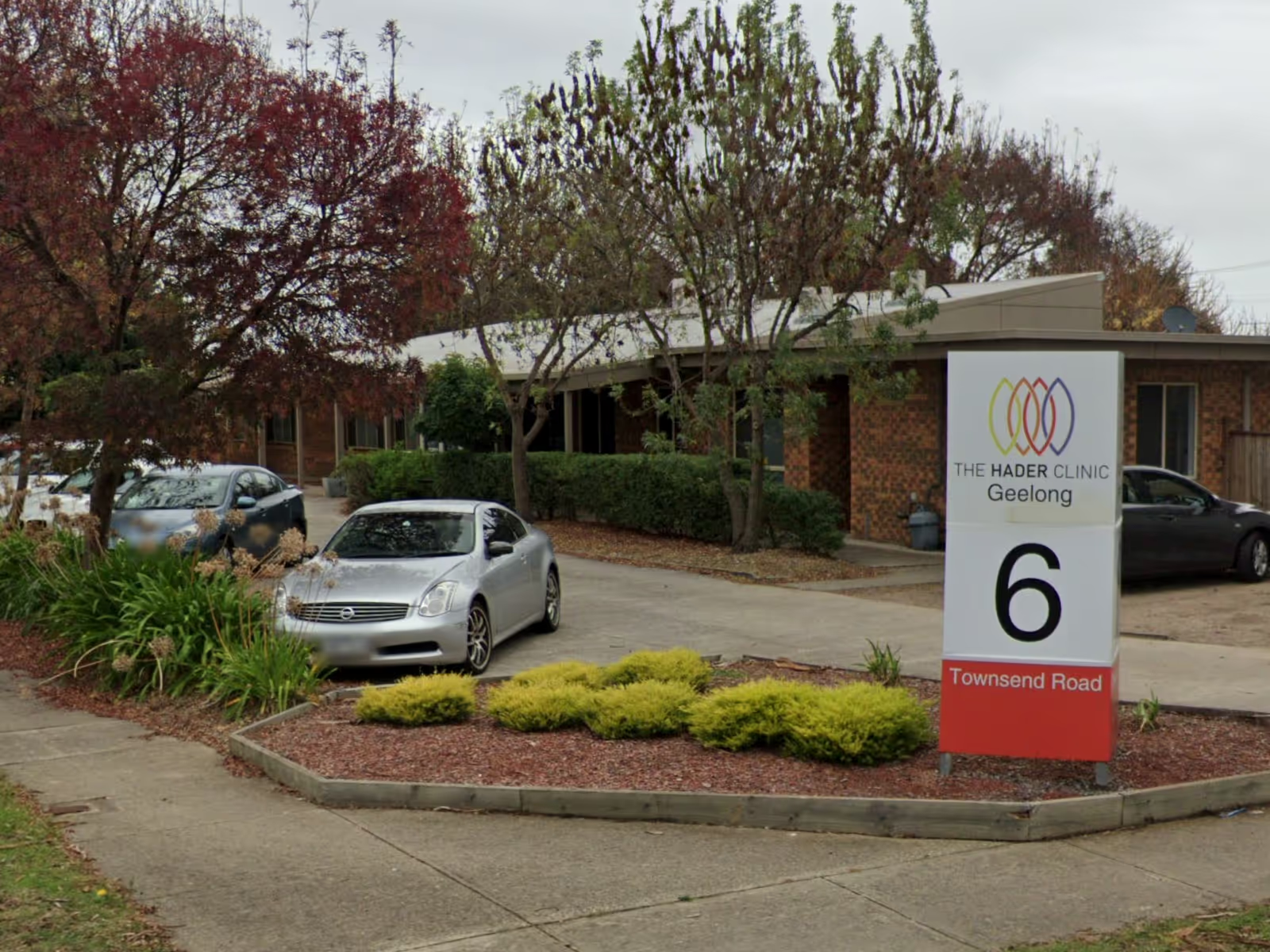
Geelong
6-8 Townsend Road, St Albans Park, VIC 3219
Hãy tiến thêm một bước nữa ngay hôm nay!

Nhận đánh giá ngay lập tức

If you’re ready for support, we’re ready to help. Fill out the form, and our team will contact you quickly to guide you through the next steps — no pressure, just support.

Hãy nói chuyện với người nào đó hiểu rõ vấn đề.

Cảm ơn bạn! Chúng tôi đã nhận được bài gửi của bạn!
Ôi! Đã xảy ra lỗi khi gửi biểu mẫu.
Answers when you need them most

Frequently asked questions about transitional housing

Where is the transitional housing located?

Our transitional housing program provides accommodation at two key locations. One is at our Essendon rehab clinic in Melbourne, offering proximity to recovery services, public transport, and employment opportunities. The other is in Ocean Grove, a peaceful coastal town where residents live in shared homes designed to support recovery in a calm and grounded setting. These environments allow clients to reintegrate into the community while remaining connected to care.

Is there separate accommodation for men and women?

Yes. Both our Ocean Grove and Essendon sites offer separate, gender-specific housing options to ensure comfort, privacy, and a supportive environment for all residents. These shared spaces are designed to foster connection and mutual support among recovering addicts while also promoting stability and safety during this critical stage of transition.

What types of therapy are included in the program?

The treatment program includes ongoing individual counselling and guidance, group therapy, recovery coaching, and relapse prevention planning. These sessions take place within a therapeutic community environment and are grounded in evidence-based approaches. Continued support after our residential rehabilitation program is critical, and our therapy offerings help reinforce healthy behaviours and reduce the long-term risk of relapse.

What kind of life skills will I learn in transitional housing?

You’ll learn practical, confidence-building life skills like cooking, budgeting, self-care, time management, and regular living routines. These living skills help you move from recovery into independent living, with personal growth built into every part of the program. The goal is to help you build stability and learn how to work and live in a way that feels balanced and sustainable.

What are the housing facilities like?

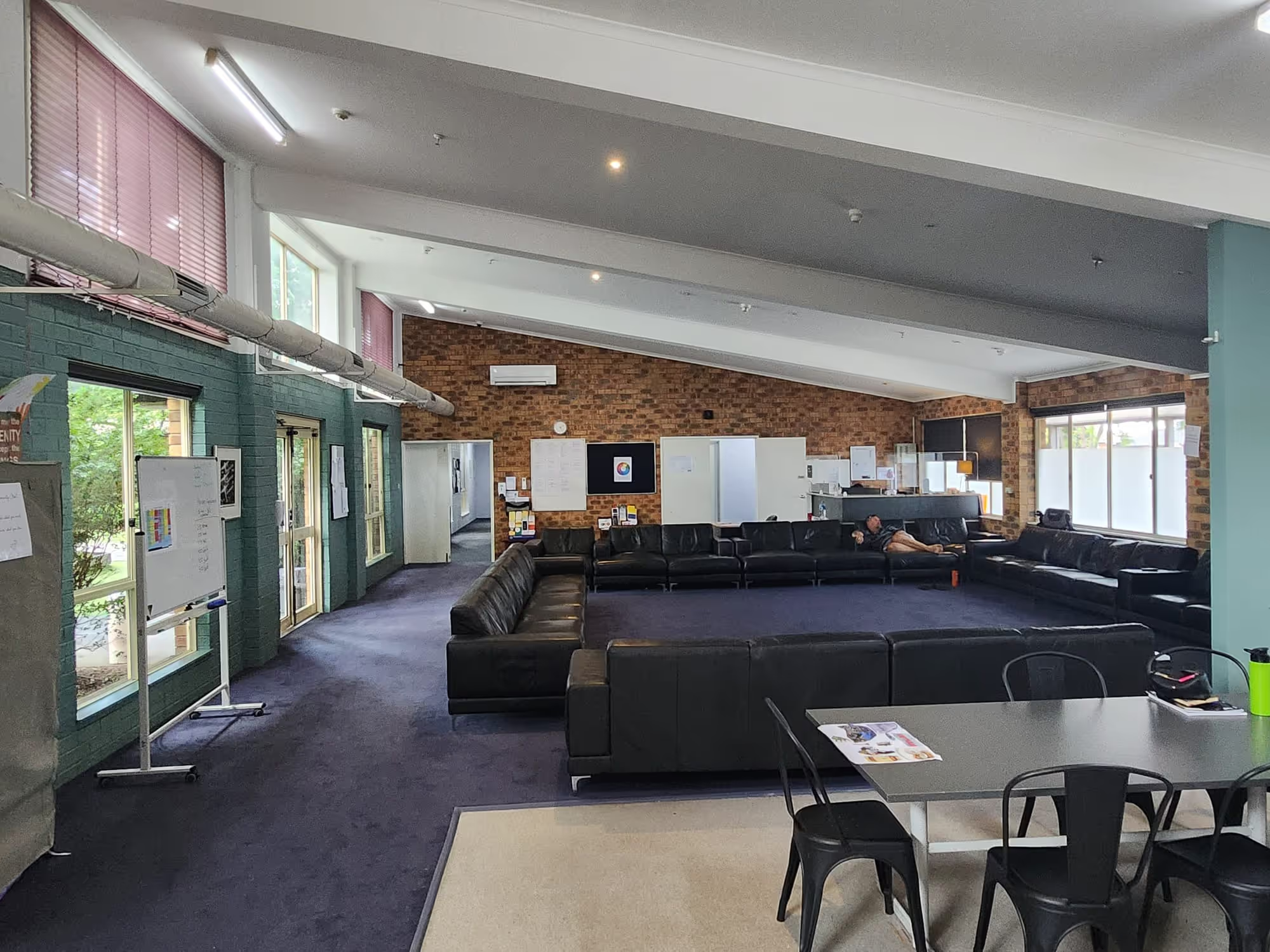
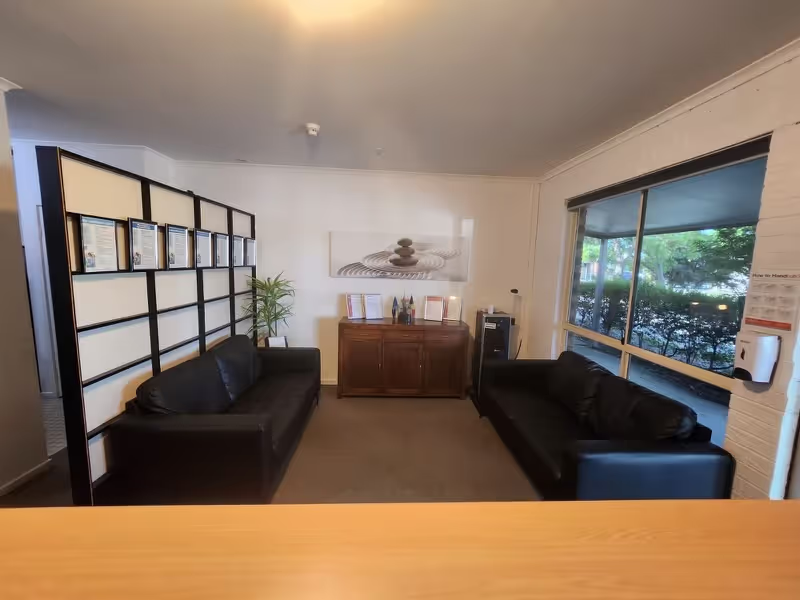
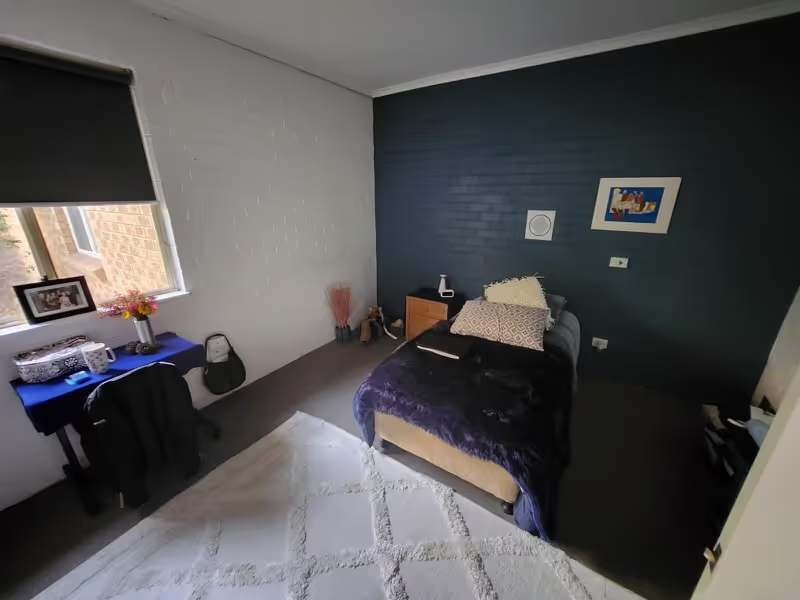
Our transition house facilities are fully furnished and designed to feel like home. Each property includes shared living spaces, kitchens, private or semi-private bedrooms, and access to wellness spaces for exercise and mindfulness. Residents benefit from on-site support and monitoring, ensuring safety and structure throughout their stay. These homes are purpose-built to build social connections and community.

What’s included in the cost of the program?

The cost includes accommodation, access to therapy, recovery group sessions, coaching, workshops, relapse prevention training, wellness activities, and support for employment or study. Transitional living isn’t just about housing — it’s about structured recovery. Everything included in your stay is aimed at helping you rebuild confidence, develop independence, and integrate safely back into life.

What does a typical day in transitional housing look like?

Each day offers a balanced mix of structure, support, and personal development. Mornings often start with goal setting or reflection, followed by group therapy or personal tasks like job applications. Afternoons may include counselling, volunteering, or wellness activities. Evenings offer shared meals and peer support. It’s a second phase of residential treatment, one designed to help you recover while building connections and routines.

What support is available for clients facing housing or cultural barriers?

We understand that recovery looks different for everyone, and that challenges like homelessness, cultural identity, or stigma can make it harder to ask for help. That’s why we partner with trusted organisations, including the Ngwala Willumbong Aboriginal Corporation, to provide culturally appropriate support for Aboriginal and Torres Strait Islander clients. We also create safe, respectful rehab spaces for all people, including LGBTQ+ individuals, seniors, pregnant mothers, and even faith-based rehab support for Christians, Muslims, Jews, and Seventh-day Adventists. As an accredited provider, we’re committed to personalised, inclusive care that honours your background, protects your dignity, and gives you a real chance to heal.