





















When mental health and addiction overlap

Dual diagnosis rehab for addiction and mental health issues

When mental health symptoms and substance use collide, it takes integrated care to truly heal. By helping you overcome your addiction, we can help alleviate the mental health issues that have grown out of it.

Hãy tự đánh giá bản thân hoặc nói chuyện với ai đó ngay bây giờ, không cần phải vội vàng cam kết.

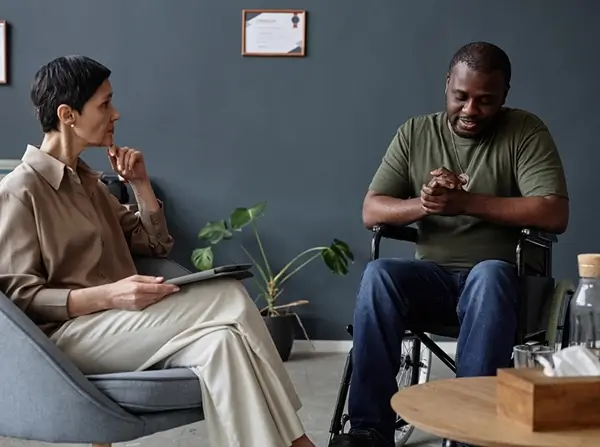
A young man in a consultation with his GP in a doctor’s office. He’s getting a mental health plan referral.

Integrated mental health care

Experienced dual diagnosis team

Safe inpatient rehab environment

Tailored recovery treatment plans

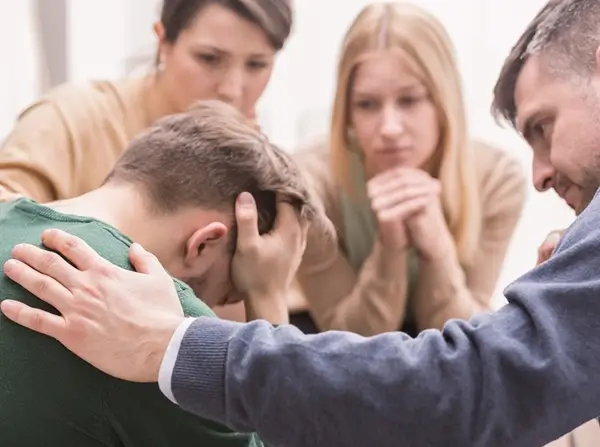
A group of our clients in a counselling session in our drug detox program.
One team, one plan, full support

Dual diagnosis rehab helps you recover from addiction and mental illness

Addiction can worsen mental health symptoms, while untreated mental health challenges can make it harder to stay sober. The Hader Clinic’s dual diagnosis treatment helps people living with both a substance use disorder and a co-occurring mental health condition, such as anxiety, depression, PTSD, bipolar disorder, or schizophrenia.

Our priority is to treat the disease of addiction first, while also helping clients understand, manage, and stabilise the psychological symptoms that accompany it. Here’s how we do that:

  • Addiction-focused care with mental health support: We treat addiction as the primary illness while addressing co-occurring mental health symptoms within the same plan.
  • Comprehensive clinical and therapeutic care: Each program blends medical detox, counselling, and evidence-based therapy with compassion and understanding.
  • Holistic recovery pathway: Clients learn to manage their emotional well-being, rebuild daily structure, and reconnect with purpose and community.
Designed for dual diagnosis recovery

What’s included in our integrated rehab

We combine therapeutic support with medical supervision and structured care to address every layer of dual diagnosis.

Các tính năng và lợi ích chính

  • Daily mental health and addiction counselling sessions with experienced clinicians
  • Psychiatric assessment and medication support where clinically appropriate
  • Stabilisation and monitoring during drug withdrawal under medical supervision
  • DBT and trauma-informed practices for emotional regulation and safety
  • Peer support from staff who’ve recovered from dual diagnosis themselves
  • Structured daily activity program to rebuild confidence and purpose
Understanding dual diagnosis

Addiction and mental illness often go hand in hand

Many people experiencing addiction are also struggling with a mental health condition, and it’s more common than you might think. Substance use disorders are a type of mental illness, affecting around 650,000 Australian adults in any given year.

Chẩn đoán kép là gì?

Dual diagnosis refers to the experience of having both a mental health disorder and a substance use issue at the same time. The two problems often feed into each other: people may use drugs or alcohol to manage symptoms like anxiety or depression, while long-term substance use can worsen existing mental illness. Addressing both sides together is essential for real, lasting recovery.

Common symptoms and signs

When mental health and substance use conditions overlap, the symptoms often mimic or mask each other. This can make it hard to identify the root cause, even for health professionals. You might see mood swings, paranoia, withdrawal from loved ones, or unexplained aggression. It’s also common to notice trouble concentrating, erratic behaviour, or worsening psychiatric symptoms after drug or alcohol use.

  • People may isolate, self-medicate or display emotional volatility without a clear cause.
  • Mental health symptoms may fluctuate in severity depending on drug or alcohol use patterns.
  • It’s common to see denial or confusion about which issue is causing what, and what to do next.

How a dual diagnosis affects people

Living with a co-occurring disorder can feel chaotic, especially when support services treat one problem while ignoring the other. Without integrated care, people may bounce between hospitals, detox, and crisis services without ever receiving the right treatment. This can lead to further harm, feelings of failure, and worsening instability, not only for the person but also for their loved ones.

  • It may become difficult to maintain housing, relationships or employment due to instability.
  • Some people are misdiagnosed or turned away from services because of their co-occurring issues.
  • The risk of suicide, overdose, hospitalisation or incarceration increases without integrated care.

Treatment for a dual diagnosis

Treatment needs to reflect the full picture of what someone is facing. At The Hader Clinic, we offer a holistic dual diagnosis program. Our approach includes medical supervision, trauma-informed counselling, medication review, and behavioural therapies like DBT to help clients build skills and regain emotional control.

  • Programs use DBT, trauma-informed care, and medication review to stabilise symptoms.
  • A team of AOD and mental health clinicians work together on one clear treatment plan.
  • Services should be residential, integrated, and specialised in dual diagnosis from day one.

Recovery with dual diagnosis rehab treatments

Recovery is absolutely possible, even for people who feel like they’ve exhausted every option. With the right support, people with dual diagnosis can learn to manage their symptoms, reduce drug use, and rebuild their lives. Ongoing care is essential — recovery doesn’t end after rehab, and we’ll help connect you with the mental health and addiction services you need to keep moving forward.

  • The first step is finding a rehab centre that understands and treats both parts equally.
  • Long-term recovery means ongoing mental health care alongside addiction support.
  • Our team will help you find what works for you — and stay with you throughout the process.
CÔNG CỤ TỰ ĐÁNH GIÁ BÍ MẬT

Bạn lo lắng về việc uống rượu hoặc sử dụng ma túy?

Bài trắc nghiệm ngắn gọn, bảo mật này chỉ mất chưa đến hai phút và có thể giúp bạn hiểu rõ hơn những gì đang diễn ra. Hãy chọn danh mục mà bạn cảm thấy phù hợp nhất — cho dù đó là rượu, ma túy, hay sự kết hợp của nhiều vấn đề — và chúng tôi sẽ hướng dẫn bạn trả lời một vài câu hỏi đơn giản có/không.

Cuối cùng, chúng tôi sẽ cho bạn biết liệu câu trả lời của bạn có cho thấy đã đến lúc cần xem xét việc cai nghiện hay không, và chia sẻ các lựa chọn an toàn, bảo mật để bắt đầu.

Hãy làm bài kiểm tra ngay bây giờ
Real, integrated support from day one

Programs designed for complex dual diagnosis

Treating dual diagnosis means supporting the whole person, not just their addiction or their mental health, but both, together. Our residential rehabilitation facility is staffed by addiction and mental health professionals who collaborate daily. Together, they build tailored treatment plans that adapt as you grow, helping you stabilise, engage, and begin to recover.

Chương trình nội trú

Chương trình cai nghiện nội trú với sự hỗ trợ bài bản, trị liệu và huấn luyện kỹ năng sống trong một môi trường an toàn, tập trung vào phục hồi.

Một cặp đôi trẻ nắm tay nhau trong buổi tư vấn, tìm kiếm sự hỗ trợ thông qua liệu pháp gia đình và mối quan hệ.

Chương trình dành cho gia đình

Cung cấp giáo dục, hỗ trợ nhóm và tư vấn để giúp các gia đình hiểu về chứng nghiện và hỗ trợ người thân của họ trong quá trình hồi phục.

Một phụ nữ tham gia buổi trị liệu phục hồi trực tuyến tại nhà, tham gia liệu pháp có cấu trúc thông qua chương trình cai nghiện trực tuyến Hader at Home.

Hader ở nhà

Một chương trình phục hồi hoàn toàn kỹ thuật số với việc kiểm tra sức khỏe hàng ngày, trị liệu trực tuyến và sổ tay tự học dành cho việc chăm sóc sau cai nghiện.

Một phụ nữ tóc nâu mỉm cười và chia sẻ một bước đột phá cá nhân trong buổi trị liệu nhóm, ăn mừng sự tiến bộ trong hành trình phục hồi ngoại trú của mình.

Chương trình điều trị ngoại trú chuyên sâu

Chương trình hỗ trợ cai nghiện bài bản với liệu pháp tâm lý, các buổi sinh hoạt nhóm và phòng ngừa tái nghiện, được thiết kế phù hợp với cuộc sống hàng ngày.

Một bệnh nhân nam đang trò chuyện với chuyên viên tư vấn cai nghiện của mình.

Tư vấn

Liệu pháp tâm lý dựa trên hiểu biết về chấn thương tâm lý, tư vấn cai nghiện và hỗ trợ gia đình có sẵn trực tiếp hoặc thông qua các phiên trực tuyến an toàn.

Người phụ nữ ôm chầm lấy bạn đời sau một cuộc can thiệp đầy xúc động tại nhà, thể hiện sự ủng hộ và động viên khi anh ấy đồng ý tìm kiếm sự giúp đỡ để cai nghiện.

Các biện pháp can thiệp

Hỗ trợ chuyên nghiệp giúp các gia đình dàn dựng một cuộc can thiệp an toàn, có cấu trúc và hướng dẫn người thân của họ tham gia điều trị.

Khung cảnh nhìn từ một khu nhà ở sang trọng riêng tư ra sân sau đầy cát và bãi biển, với ghế nằm thư giãn và cảnh quan nhiệt đới được thiết kế để mang lại sự thư thái, kín đáo khi nghỉ ngơi.

Phục hồi chức năng dành cho quản lý cấp cao

Liệu trình điều trị riêng tư, một kèm một trong không gian sang trọng, đảm bảo sự riêng tư tuyệt đối và lịch trình phục hồi được cá nhân hóa.

Hình ảnh tưởng niệm Ngày ANZAC gồm khẩu súng trường .303 cổ điển của Quân đội Úc, mũ rộng vành và huy hiệu mặt trời mọc, thẻ quân nhân, vòng hoa và quốc kỳ Úc ở phía sau.

phục hồi chức năng DVA

Chăm sóc nội trú chuyên biệt, thấu hiểu chấn thương tâm lý, dành cho cựu chiến binh và nhân viên cứu hộ, được DVA tài trợ toàn bộ cho các khách hàng đủ điều kiện.

Một cư dân đang ngồi trên ghế dài trong không gian chung, viết nhật ký cá nhân như một phần của chương trình cai nghiện theo lệnh của tòa án.

Chương trình cai nghiện theo lệnh tòa án

Chương trình điều trị nội trú có cấu trúc bao gồm cai nghiện, trị liệu và báo cáo pháp y để đáp ứng các yêu cầu bảo lãnh hoặc tuyên án.

Một người đàn ông đang buộc dây giày trong khu nhà ở tạm thời, chuẩn bị cho một ngày làm việc mới, xây dựng lại cấu trúc cuộc sống và sự độc lập sau thời gian điều trị nội trú.

Nhà ở chuyển tiếp

Nơi ở tập trung vào phục hồi chức năng, cung cấp liệu pháp, cấu trúc và sự hỗ trợ để thu hẹp khoảng cách giữa quá trình cai nghiện và cuộc sống độc lập.

Buổi trị liệu nhóm hỗ trợ tại một trung tâm cai nghiện y tế, nơi các bệnh nhân khác nhau chia sẻ kinh nghiệm của họ và một nhà tâm lý học nhẹ nhàng khuyến khích người tham gia mới.

cai nghiện tại bệnh viện

Chương trình cai nghiện được giám sát y tế 24/7 tại bệnh viện tư nhân có giấy phép, bao gồm hỗ trợ cai nghiện và chăm sóc tâm thần.

Getting started with the right support

Những điều cần biết khi bạn liên hệ

bước 1

Reach out for a chat

We’ll talk through what you’re facing and share how we may be able to help. No pressure, no judgement.

bước 2

Personalised intake

If you’re ready, we’ll complete an assessment and create a tailored care plan suited to your needs.

bước 3

Begin residential care

You’ll arrive on-site, meet the team, settle in, and begin the next stage of your recovery journey.

Chúng tôi luôn sẵn sàng hỗ trợ bạn bất cứ khi nào bạn cần – hãy đặt lịch gọi điện hoặc liên hệ với chúng tôi ngay bây giờ.

We treat every client as an individual

What makes our program different

Our program is built for people with complex needs. Whether you’ve been misdiagnosed, turned away, or misunderstood, we see the full picture. We offer real structure, real clinical oversight, and real empathy. Our goal is to stabilise your symptoms, help you understand your condition, and start the recovery process with treatment that actually fits your life.

Clinicians across addiction and mental health

You'll work with an integrated team of AOD and mental health professionals who share your care.

Personalised, adaptive treatment plans

We update your treatment as you progress, with weekly case reviews and client involvement at every step.

Residential setting for stabilisation

Our inpatient facility is safe, therapeutic, and designed to support you through periods of acute instability.

Programs that work when others haven't

We regularly support clients who've tried rehab before and need something more targeted, compassionate and consistent.

Quality care you can trust

Our accreditations and clinical standards

We are fully accredited under the NSQHS standards and overseen by the Australian Commission on Safety and Quality in Health Care (ACSQHC).

Other rehab services we offer

Programs for a range of support needs

We provide specialised programs for addiction, mental health, and dual diagnosis, with flexible entry points and real-world support.

Trung tâm cai nghiện rượu

Residential alcohol rehab with clinical withdrawal support and long-term relapse prevention.

Trung tâm cai nghiện ma túy

Structured inpatient care for ice, heroin, cannabis and other drug dependencies.

Dual diagnosis rehab

Integrated support for mental health and substance use issues together, not separately.

Inpatient mental health

Supportive inpatient program for stabilising and managing complex mental health concerns.

Hear from the people who’ve been there

Client stories and real testimonials

Everyone’s experience is different, but you’re not alone. Read how others with dual diagnosis found clarity, strength, and support through our programs.

Ali Ademi

Sau nhiều năm trải qua chấn thương tâm lý, nghiện ngập và mất mát, Ali đã tìm thấy sức mạnh để xây dựng lại cuộc sống của mình nhờ sự hỗ trợ của một đội ngũ tận tâm, tinh thần cộng đồng và cam kết hướng đến sự hồi phục lâu dài.

Minh

Sau 32 năm vật lộn với chứng nghiện, Minh Pham đã tìm thấy hy vọng, sự chữa lành và một con đường mới tại Phòng khám Hader. Hành trình của anh là minh chứng cho sức mạnh của cộng đồng, lòng trắc ẩn và sự dũng cảm.

Peter El-Khouri

Sau nhiều lần tái phát, Peter đã tìm thấy sự hồi phục lâu dài nhờ Hader. Hãy đọc xem liệu pháp, cộng đồng và chăm sóc y tế đã giúp anh ấy lấy lại cuộc sống của mình như thế nào.

Our facilities and locations across Victoria

Safe, supportive and purpose-built environments

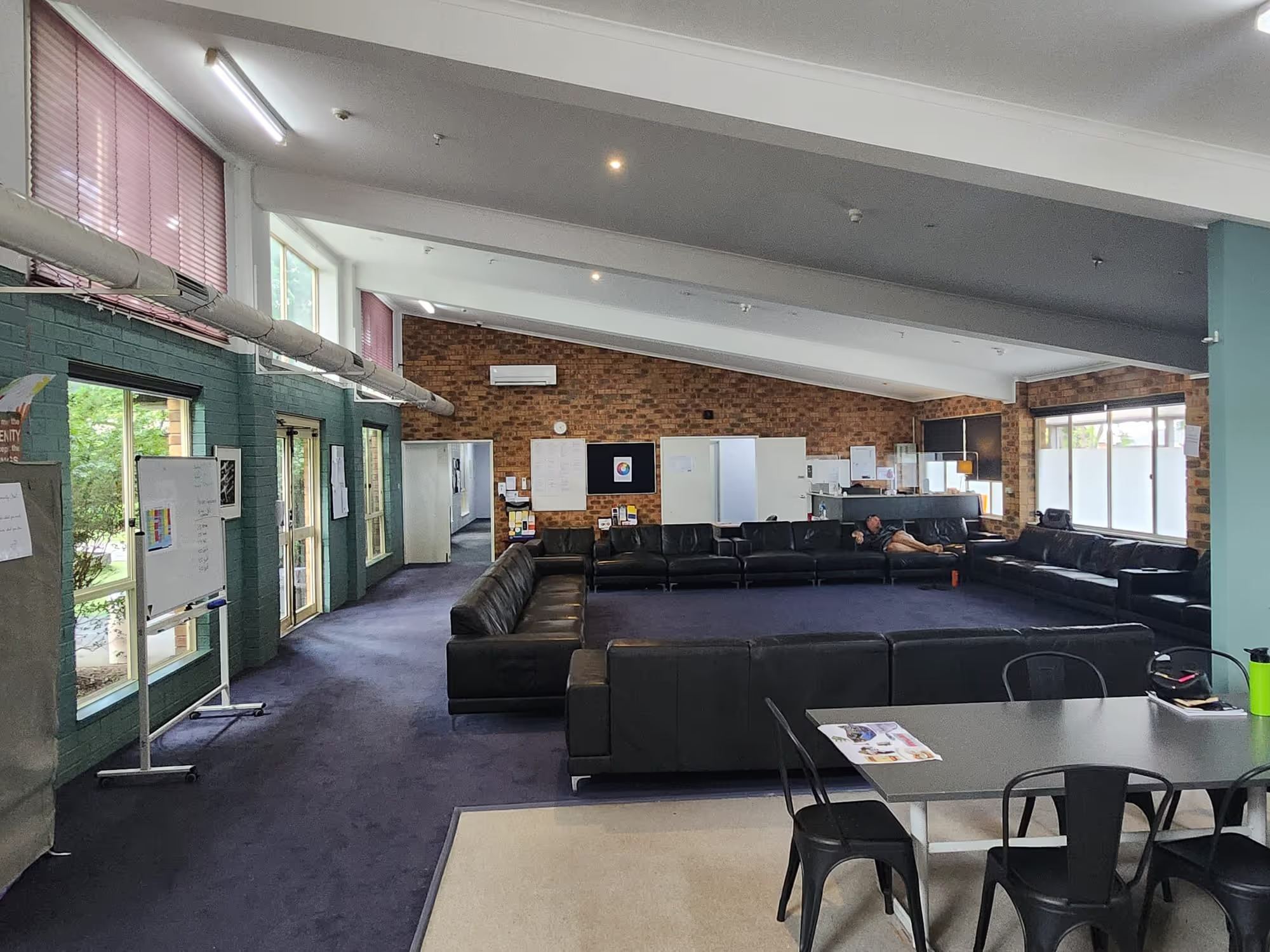
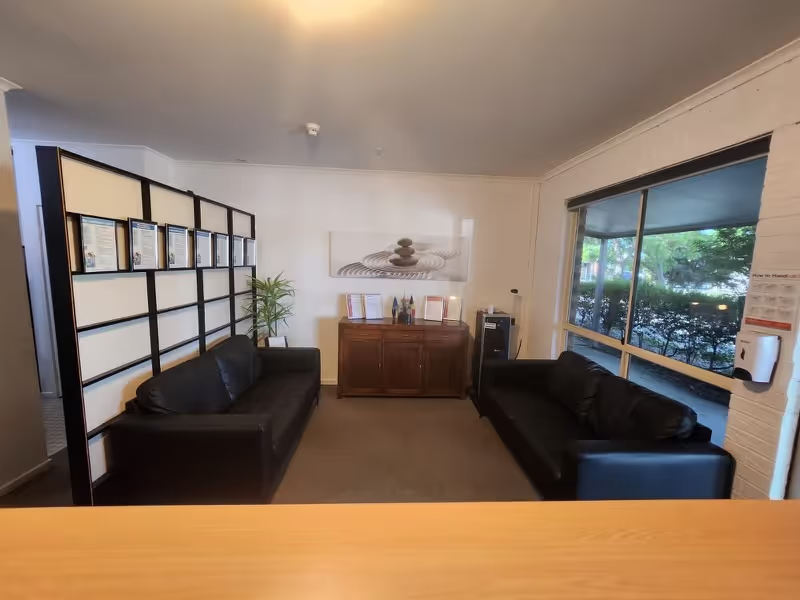
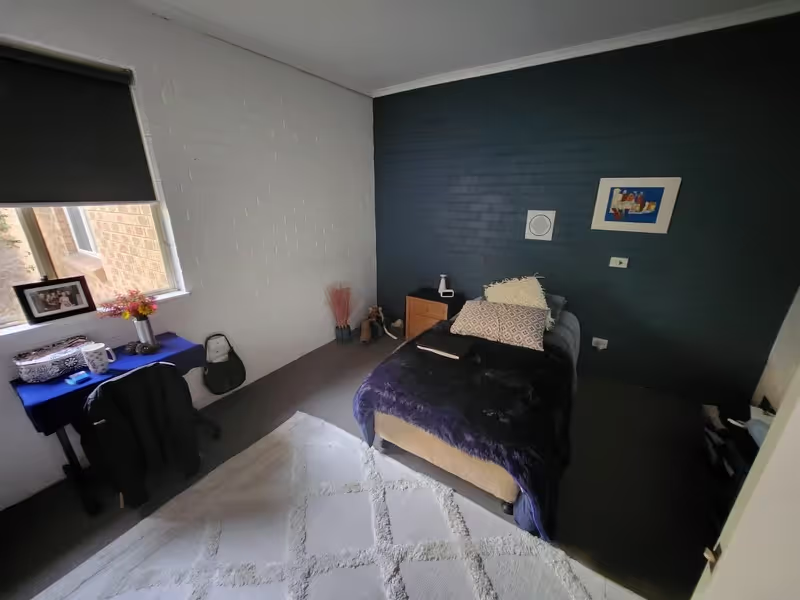
Our programs run from two specialist centres in Victoria. Each location offers 24/7 support, therapeutic spaces, and the structure needed for real recovery.

Chương trình phục hồi chức năng nội trú và chương trình nhà ở chuyển tiếp

Essendon
150-152 Đường Cooper, Essendon VIC 3040

Trung tâm phục hồi chức năng bệnh viện dành cho chương trình cai nghiện và giải độc 28 ngày.

Geelong
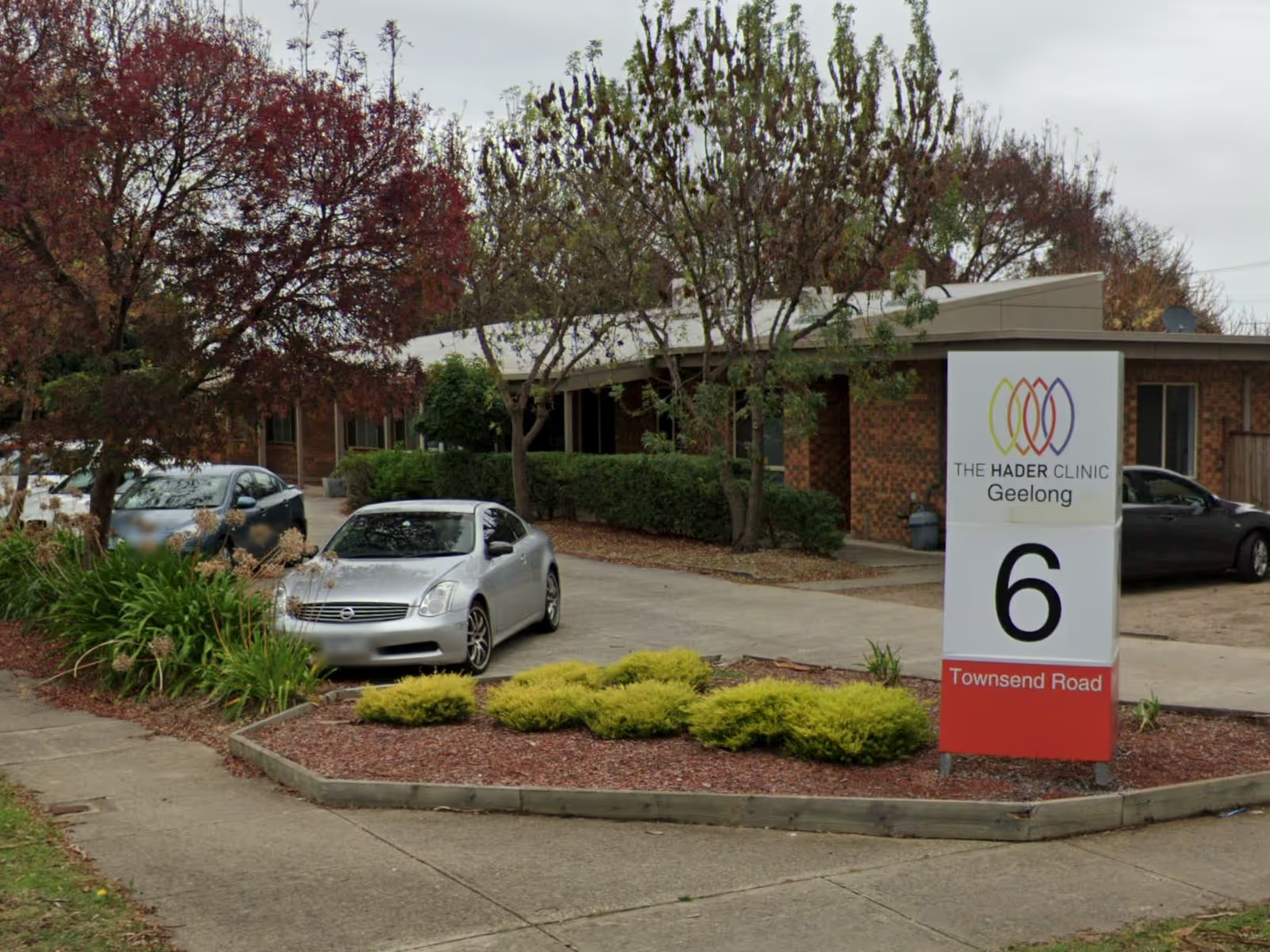
6-8 Townsend Road, St Albans Park, VIC 3219

80%

Program completion rate for dual diagnosis clients.

81%

Remain sober at 3-month follow-up.

76%

Report better mood or daily functioning.

4 days

Median wait from first contact to admission.

Outcomes for people with dual diagnosis

Program results backed by real data

Clients with co-occurring conditions are more likely to complete treatment, remain sober after discharge, and report improved well-being during care.

Ready when you are, every step of the way

You don’t need to have everything figured out. If you’re worried about your mental health and substance use, we’re here to help you take the next step safely.

Làm bài kiểm tra trực tuyến miễn phí

Hãy làm một bài kiểm tra nhanh, riêng tư để xem liệu cai nghiện có thể giúp ích được không và tìm hiểu các lựa chọn hỗ trợ an toàn.

Đặt lịch trò chuyện miễn phí

 Hãy lên lịch một cuộc gọi riêng tư với chuyên gia vào thời gian phù hợp với bạn.

Hãy gọi cho chúng tôi ngay bây giờ

 Hãy liên hệ ngay với ai đó để được hướng dẫn và hỗ trợ.

Know what to expect

Funding support and treatment costs

We’ll give you honest information about costs, private health cover, and funding support so you can make confident decisions.

How much does treatment cost?

We clearly explain the cost of dual diagnosis rehab: what’s included, how fees work, and how we support affordability.

Tìm hiểu các lựa chọn tài trợ

Private health and funding help

We’ll help you understand your private health cover and whether any additional funding options may apply.

Tìm hiểu thêm về chi phí cai nghiện
A team that understands both sides

Meet the people who’ll be caring for you

We’re not just health professionals. Many of us have lived experience. We listen without judgment and support you with real compassion.

Một cư dân trong chương trình phục hồi chức năng sáng tạo của chúng tôi đang ngồi trong vườn và vẽ tranh hoa.
Hình ảnh của Andi Thania
More than a treatment centre

Get to know who we are and what we stand for

We’ve been helping people with co-occurring mental health and addiction issues for over 25 years. We focus on trust, empathy, and lasting recovery.

Support for you or someone you love

There’s no wrong time to ask for help

Whether you’re struggling yourself or supporting someone else, we’ll meet you where you are and walk alongside you toward recovery.

I need help for myself

We support people facing mental illness and substance use. You don’t have to navigate this on your own.

Người phụ nữ ngồi co ro trên ghế dài cạnh cửa sổ sáng sủa, vẻ mặt trầm tư và lo lắng.

I need help for someone else

If someone you care about is in crisis, we can help you understand what’s going on and how to support them into

Một cặp đôi ngồi cạnh nhau trong phòng trị liệu, lắng nghe với sự quan tâm và hỗ trợ.
Bạn không phải là người duy nhất gặp phải tình huống này.

Take the first step toward change

Every journey starts with a decision to try. When you’re ready, we're here with expert care, honest guidance, and a place where recovery is truly possible.

Hãy nói chuyện với người nào đó hiểu rõ vấn đề.

Cảm ơn bạn! Chúng tôi đã nhận được bài gửi của bạn!
Ôi! Đã xảy ra lỗi khi gửi biểu mẫu.
Hãy bắt đầu bước đầu tiên hướng tới sự chữa lành.

Let’s plan your path to recovery together

What types of mental health conditions do you support in your dual diagnosis program?

Our dual diagnosis unit is equipped to support a wide range of mental health diagnoses, including depression, anxiety, bipolar disorder, PTSD, borderline personality disorder, and schizophrenia. Many of our clients experience complex mental health problems alongside patterns of alcohol or drug use, often for many years before reaching out for help.

We understand how overwhelming it can feel to manage both a mental disorder and substance abuse. Our treatment program brings together addiction treatment and clinical mental health support through an integrated treatment model. Whether you're struggling with bipolar disorder and addiction or another co-occurring condition, our team is here to provide effective treatment tailored to your needs.

You can also explore more about how specific conditions overlap with addiction in our article on bipolar and addiction.

What happens if my mental health symptoms get worse during rehab?

If you're experiencing mental health issues during treatment, you're not alone — and you're not without support. Our dual diagnosis drug and mental health team includes experienced mental health professionals who are trained to respond to changes in mental health symptoms throughout your stay.

We regularly monitor clients for signs of deterioration and work closely with you to adjust your treatment plan as needed. This might include medication review, trauma-focused therapy, or additional mental health service referrals. You’ll never be judged for struggling. It’s all part of dual diagnosis treatment: understanding that mental health and drug issues are deeply connected and need ongoing care.

Do I need to stop all medications before starting the program?

No, you do not need to stop prescribed medication before starting treatment. Many people entering our dual diagnosis program are already taking medications for anxiety, depression, mood stabilisation, or physical health conditions. Suddenly stopping medication can be dangerous, especially when combined with drug or alcohol withdrawal.

Our assessment and treatment process includes a full review of your current prescriptions, and our clinical mental health staff work in collaboration with prescribers where necessary. The goal is always safety, stability, and making sure you feel supported during every stage of your recovery program.

Can I bring existing mental health treatment plans with me?

Yes. We encourage you to bring a treatment plan, support letter, or mental health care plan from your GP or other health services. These documents help us understand your history and coordinate care that aligns with your ongoing mental health service needs.

Being transparent about your mental health diagnoses allows our team to design the best integrated addiction and mental health approach for you. Our drug and mental health unit will review and adapt your existing plan into our dual diagnosis treatment model, giving you continuity and clarity as you begin your recovery.

What if I’ve been turned away from mental health services because of my drug use?

Unfortunately, many people with co-occurring substance abuse and mental health challenges have experienced rejection or stigma from health services. This can leave you feeling like there’s nowhere left to turn.

We created our dual diagnosis unit for exactly this reason. We don’t expect you to separate your addiction and mental health issues — we treat them together, because they are deeply connected. We offer assessment and treatment in a residential rehabilitation facility that understands the realities of drug and alcohol misuse. You might find our article on substance abuse and comorbidity helpful in understanding why this happens and what a better model of care looks like.

What kind of aftercare is available for people with dual diagnosis?

Recovery doesn’t end when the program does. For people managing both substance use and mental health issues, continued treatment and support are essential. After completing your residential treatment rehab, we offer ongoing counselling, relapse prevention strategies, access to mental health teams, and referrals to local dual rehab centres or AOD and mental health services near your home.

Our goal is to set you up with the right combination of clinical mental health and substance use supports for the long term. We also help you understand what to expect after treatment by walking you through the addiction rehab process well before you discharge.

Can this program help me avoid hospitalisation for mental health issues?

Many people come to us after repeated crises, hospital stays, or community mental health service referrals. If you're caught in that cycle, our integrated dual diagnosis treatment program may help.

Our residential facility is designed to be a safe, structured alternative to hospitalisation, especially for those dealing with ongoing alcohol and other drug use. By stabilising your mental health and addiction together, we reduce the need for future emergency interventions. Our addiction and mental health team works with you to address underlying mental health conditions before they escalate.

What if I’ve never talked about my mental health before — where do I start?

It can feel confronting to open up, especially if you’ve spent years managing things alone. Many people enter treatment having never spoken honestly about their mental illness. That’s okay.

You don’t need the right words, a diagnosis, or a polished story. Our job is to help you feel safe enough to begin. Through daily support, therapy, and compassion, our team will work with you to explore your mental health problems and substance abuse patterns together. Every part of dual diagnosis treatment is designed to meet you where you are and walk with you as you build a healthier future.