MDMA may seem harmless, until it’s not

Melbourne MDMA rehab for detox and addiction treatment

The experience can feel intense, but when it starts affecting your health, your relationships or your peace of mind, it's time to check into a specialised MDMA rehab centre.

Hãy tự đánh giá bản thân hoặc nói chuyện với ai đó ngay bây giờ, không cần phải vội vàng cam kết.

A person having an anxiety attack in a nightclub setting. They’re sweating, clenching their jaw, and sitting on the floor.

Inpatient rehab for MDMA in Melbourne

Medical detox and withdrawal support

Specialised MDMA addiction treatment

Therapy for co-occurring mental health

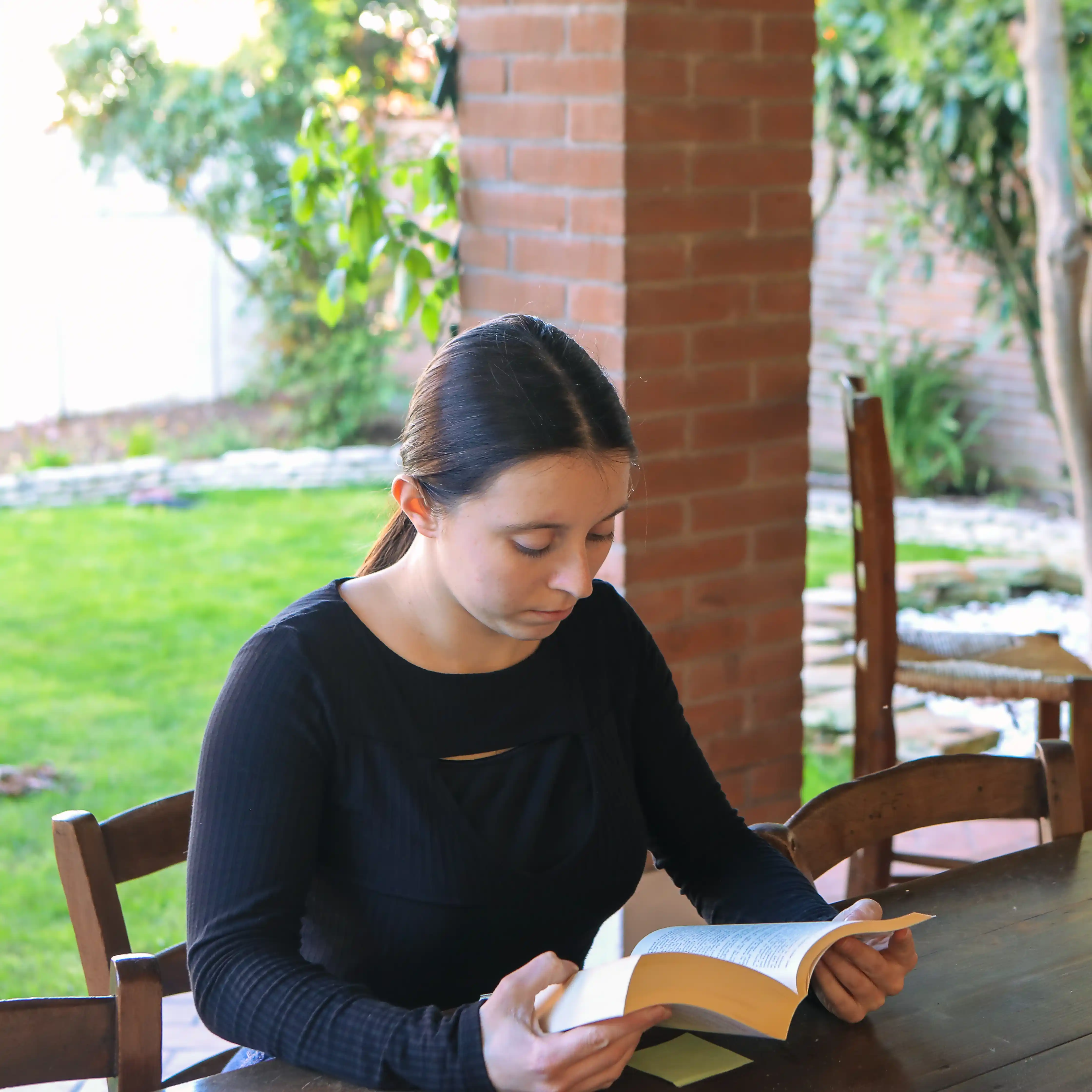
An MDMA rehab client in a garden setting in the afternoon. They’re engrossed in a book, doing their best to keep their focus and to practice their mindfulness.
When partying turns into a pattern

Understanding MDMA rehab and what to expect

MDMA can seem like a harmless party drug, but regular use can lead to serious mental, emotional, and physical effects. Many people come to rehab not because they’ve hit rock bottom, but because they’ve started to notice changes in how they think, feel, and relate to the world.

At The Hader Clinic, we understand that seeking treatment for MDMA use can feel confronting. Our inpatient rehab program offers a calm, structured environment where you’ll be supported to explore your experience without shame, build coping skills, and start to feel like yourself again.

  • MDMA addiction isn’t always obvious, but subtle symptoms can build over time and affect daily life.
  • We provide inpatient treatment tailored to people who use MDMA and may be experiencing other drug use or mental health challenges.
  • If you’re unsure what help looks like, we’re here to talk through your options and help you take the first step towards recovery.
You don’t have to face recovery alone

What’s included in our MDMA rehab program

We combine medical care, structured routine, and expert psychological support to create a safe path out of MDMA dependency.

Our addiction treatment includes:

  • Personalised assessment and treatment plan from day one of admission.
  • Medically supported detox process to manage withdrawal symptoms safely.
  • One-on-one and group therapy with experienced addiction specialists.
  • Support for mental health concerns such as anxiety or depression.
  • Daily routines designed to restore structure, stability, and confidence.
  • Ongoing relapse prevention planning and aftercare coordination.
The realities of MDMA use

What to know about MDMA addiction

MDMA might seem less harmful than other drugs, but the risks are real. It affects the brain’s chemistry, can lead to dependency, and may cause lasting mental health challenges.

A person in their 20s in group therapy. They’re sharing a difficult memory and people are listening supportively.

What is MDMA addiction?

MDMA is a synthetic stimulant that creates strong feelings of euphoria and connection. It’s often sold as ecstasy or molly, though what you’re taking can vary wildly. Many people start casually, at a party or festival, but with repeated use, it becomes harder to feel good without it. That’s when MDMA use can shift from recreational to compulsive, and addiction takes hold.

Recognising the signs of MDMA addiction

You might not notice the shift at first. But over time, MDMA can start to dominate how you manage emotions, relationships, or stress. You may find yourself chasing the high more often, feeling anxious or depressed between uses, or struggling to enjoy life without it. These are all signs the drug is no longer helping — it’s holding you back.

  • You feel emotionally flat or irritable for days after taking MDMA.
  • You notice your social life revolves around drug use or recovery.

  • You experience memory issues, poor sleep, or sudden mood changes.

The short- and long-term effects of MDMA

MDMA floods the brain with feel-good chemicals like serotonin and dopamine. That high feels incredible, but it depletes your system, leaving you low and foggy afterwards. With frequent use, the impact deepens. MDMA can disrupt your memory, emotional balance, and ability to feel natural joy or connection. Some people develop anxiety, paranoia, or persistent low mood.

  • You may feel emotionally unstable or disconnected after each use.
  • Long-term use increases the risk of anxiety, depression, and burnout.
  • Chronic use of MDMA can affect sleep, focus, and social confidence.

How treatment works

A good rehab program gives you structure, safety, and time to heal. MDMA detox is just the first step of the process; it’s also about helping you understand why MDMA became a coping tool, and how to rebuild without it. At The Hader Clinic, we use trauma-informed therapy, relapse prevention, and real-world skill building to create change that lasts.

  • Therapy helps you explore what led to drug use and what’s driving it now.
  • MDMA use seems to be rising, making early support essential.
  • Treatment includes strategies for triggers, cravings, and long-term care.

What recovery can look like

MDMA recovery means learning how to manage stress, emotion, and connection without relying on a drug. It often involves rebuilding trust with yourself and others, reestablishing routines, and gaining tools to feel more stable day-to-day. Many people report better mental clarity, healthier relationships, and greater emotional resilience after treatment.

  • Clients often rediscover meaning and purpose outside of drug use.
  • Peer support and group therapy offer encouragement and connection.
  • You’ll build skills to handle cravings, social pressure, and self-doubt.
CÔNG CỤ TỰ ĐÁNH GIÁ BÍ MẬT

Bạn lo lắng về việc uống rượu hoặc sử dụng ma túy?

Bài trắc nghiệm ngắn gọn, bảo mật này chỉ mất chưa đến hai phút và có thể giúp bạn hiểu rõ hơn những gì đang diễn ra. Hãy chọn danh mục mà bạn cảm thấy phù hợp nhất — cho dù đó là rượu, ma túy, hay sự kết hợp của nhiều vấn đề — và chúng tôi sẽ hướng dẫn bạn trả lời một vài câu hỏi đơn giản có/không.

Cuối cùng, chúng tôi sẽ cho bạn biết liệu câu trả lời của bạn có cho thấy đã đến lúc cần xem xét việc cai nghiện hay không, và chia sẻ các lựa chọn an toàn, bảo mật để bắt đầu.

Hãy làm bài kiểm tra ngay bây giờ
Support that understands your reality

Our programs are built around real MDMA recovery

We offer structured inpatient rehab, medical detox, relapse prevention planning, and aftercare services to support every step of the recovery process. Programs are adapted for each client, based on their use history, physical and psychological health, and level of risk. For those experiencing co-occurring mental health conditions, dual diagnosis treatment is also available.

Chương trình nội trú

Chương trình cai nghiện nội trú với sự hỗ trợ bài bản, trị liệu và huấn luyện kỹ năng sống trong một môi trường an toàn, tập trung vào phục hồi.

Một cặp đôi trẻ nắm tay nhau trong buổi tư vấn, tìm kiếm sự hỗ trợ thông qua liệu pháp gia đình và mối quan hệ.

Chương trình dành cho gia đình

Cung cấp giáo dục, hỗ trợ nhóm và tư vấn để giúp các gia đình hiểu về chứng nghiện và hỗ trợ người thân của họ trong quá trình hồi phục.

Một phụ nữ tham gia buổi trị liệu phục hồi trực tuyến tại nhà, tham gia liệu pháp có cấu trúc thông qua chương trình cai nghiện trực tuyến Hader at Home.

Hader ở nhà

Một chương trình phục hồi hoàn toàn kỹ thuật số với việc kiểm tra sức khỏe hàng ngày, trị liệu trực tuyến và sổ tay tự học dành cho việc chăm sóc sau cai nghiện.

Một phụ nữ tóc nâu mỉm cười và chia sẻ một bước đột phá cá nhân trong buổi trị liệu nhóm, ăn mừng sự tiến bộ trong hành trình phục hồi ngoại trú của mình.

Chương trình điều trị ngoại trú chuyên sâu

Chương trình hỗ trợ cai nghiện bài bản với liệu pháp tâm lý, các buổi sinh hoạt nhóm và phòng ngừa tái nghiện, được thiết kế phù hợp với cuộc sống hàng ngày.

Một bệnh nhân nam đang trò chuyện với chuyên viên tư vấn cai nghiện của mình.

Tư vấn

Liệu pháp tâm lý dựa trên hiểu biết về chấn thương tâm lý, tư vấn cai nghiện và hỗ trợ gia đình có sẵn trực tiếp hoặc thông qua các phiên trực tuyến an toàn.

Người phụ nữ ôm chầm lấy bạn đời sau một cuộc can thiệp đầy xúc động tại nhà, thể hiện sự ủng hộ và động viên khi anh ấy đồng ý tìm kiếm sự giúp đỡ để cai nghiện.

Các biện pháp can thiệp

Hỗ trợ chuyên nghiệp giúp các gia đình dàn dựng một cuộc can thiệp an toàn, có cấu trúc và hướng dẫn người thân của họ tham gia điều trị.

Khung cảnh nhìn từ một khu nhà ở sang trọng riêng tư ra sân sau đầy cát và bãi biển, với ghế nằm thư giãn và cảnh quan nhiệt đới được thiết kế để mang lại sự thư thái, kín đáo khi nghỉ ngơi.

Phục hồi chức năng dành cho quản lý cấp cao

Liệu trình điều trị riêng tư, một kèm một trong không gian sang trọng, đảm bảo sự riêng tư tuyệt đối và lịch trình phục hồi được cá nhân hóa.

Hình ảnh tưởng niệm Ngày ANZAC gồm khẩu súng trường .303 cổ điển của Quân đội Úc, mũ rộng vành và huy hiệu mặt trời mọc, thẻ quân nhân, vòng hoa và quốc kỳ Úc ở phía sau.

phục hồi chức năng DVA

Chăm sóc nội trú chuyên biệt, thấu hiểu chấn thương tâm lý, dành cho cựu chiến binh và nhân viên cứu hộ, được DVA tài trợ toàn bộ cho các khách hàng đủ điều kiện.

Một cư dân đang ngồi trên ghế dài trong không gian chung, viết nhật ký cá nhân như một phần của chương trình cai nghiện theo lệnh của tòa án.

Chương trình cai nghiện theo lệnh tòa án

Chương trình điều trị nội trú có cấu trúc bao gồm cai nghiện, trị liệu và báo cáo pháp y để đáp ứng các yêu cầu bảo lãnh hoặc tuyên án.

Một người đàn ông đang buộc dây giày trong khu nhà ở tạm thời, chuẩn bị cho một ngày làm việc mới, xây dựng lại cấu trúc cuộc sống và sự độc lập sau thời gian điều trị nội trú.

Nhà ở chuyển tiếp

Nơi ở tập trung vào phục hồi chức năng, cung cấp liệu pháp, cấu trúc và sự hỗ trợ để thu hẹp khoảng cách giữa quá trình cai nghiện và cuộc sống độc lập.

Buổi trị liệu nhóm hỗ trợ tại một trung tâm cai nghiện y tế, nơi các bệnh nhân khác nhau chia sẻ kinh nghiệm của họ và một nhà tâm lý học nhẹ nhàng khuyến khích người tham gia mới.

cai nghiện tại bệnh viện

Chương trình cai nghiện được giám sát y tế 24/7 tại bệnh viện tư nhân có giấy phép, bao gồm hỗ trợ cai nghiện và chăm sóc tâm thần.

A safe, supported path forward

Những điều cần biết khi bạn liên hệ

Bước 1

Speak to our intake team

We’ll listen, answer your questions, and help you decide what kind of support is right for you or your loved one.

Bước 2

Get assessed and admitted

Once you're ready, we’ll guide you through an intake assessment and organise admission to the right program.

Bước 3

Begin personalised care

You’ll receive structured, individualised treatment designed to support long-term recovery and wellbeing.

Chúng tôi luôn sẵn sàng hỗ trợ bạn bất cứ khi nào bạn cần – hãy đặt lịch gọi điện hoặc liên hệ với chúng tôi ngay bây giờ.

What sets our MDMA rehab apart

A personalised approach grounded in trust

We don’t offer one-size-fits-all programs. Every MDMA recovery journey is unique, and our care reflects that. With lived-experience staff, trauma-informed clinicians, and an integrated treatment model, we support each client’s emotional, physical, and psychological healing. From detox to long-term planning, you’ll never be just a number.

Lived experience you can relate to

Many of our team have overcome addiction themselves and bring compassion, honesty, and real-world insight to your care.

Safe, focused inpatient environment

Accredited private hospital setting with round‑the‑clock clinical supervision for detox and stabilisation.

Integrated dual diagnosis support

Specialists in co‑occurring mental health and substance use, with trauma‑informed, evidence‑based therapy.

Aftercare planning that works

Relapse prevention tools, family involvement, and ongoing support so you can maintain progress after discharge.

Quality care backed by national standards

Accredited, evidence-based MDMA rehab in Victoria

We’re fully accredited under the National Safety and Quality Health Service (NSQHS) Standards, governed by the Australian Commission on Safety and Quality in Health Care (ACSQHC).

Flexible programs for different needs

Rehab services for every stage of recovery

Whether you need detox, inpatient care, relapse prevention or urgent support, we offer structured, compassionate services tailored to where you’re at.

Trung tâm cai nghiện ma túy

Our structured programs help people overcome addiction to substances like MDMA, ice, heroin, marijuana and more.

Buổi trị liệu nhóm thảo luận về quá trình cai nghiện.

cai nghiện ma túy

Medically supported detox services for safe withdrawal from MDMA and other drugs, delivered in a controlled, inpatient setting.

Y tá kiểm tra tình trạng bệnh nhân đang điều trị cai nghiện ma túy.

Phòng ngừa tái phát

We provide education, planning and psychological support to help clients stay substance-free after rehab.

Hai người đàn ông đang thảo luận về các chiến lược phòng ngừa tái phát bệnh.

Phục hồi chức năng khẩn cấp

Fast admission options for people in urgent crisis due to MDMA, other substances, or a combination of drugs and alcohol.

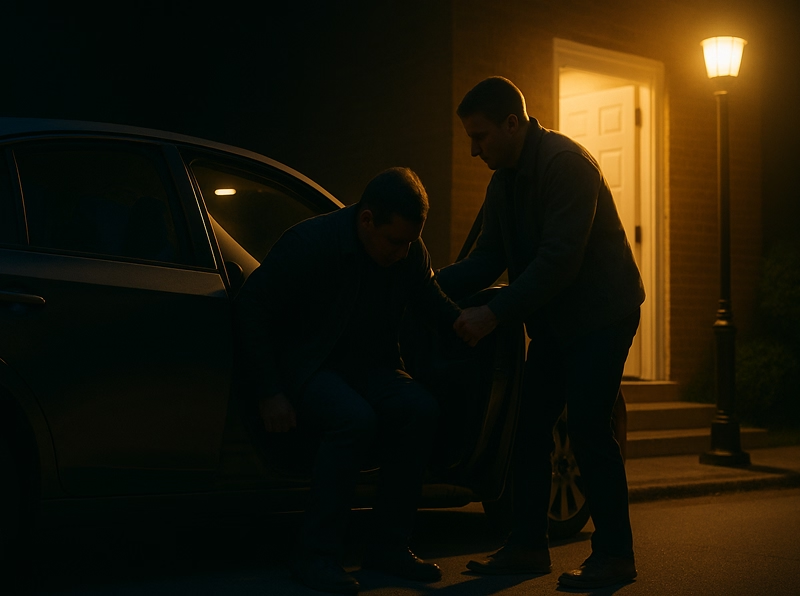
Các nhân viên hỗ trợ đưa một người vào xe trong quá trình can thiệp khẩn cấp.
Real voices from real recovery

Stories and testimonials from our clients

Hearing from others who’ve been through the process can offer clarity, connection and hope, whether you’re just starting out or supporting a loved one.

Ali Ademi

Sau nhiều năm trải qua chấn thương tâm lý, nghiện ngập và mất mát, Ali đã tìm thấy sức mạnh để xây dựng lại cuộc sống của mình nhờ sự hỗ trợ của một đội ngũ tận tâm, tinh thần cộng đồng và cam kết hướng đến sự hồi phục lâu dài.

Minh

Sau 32 năm vật lộn với chứng nghiện, Minh Pham đã tìm thấy hy vọng, sự chữa lành và một con đường mới tại Phòng khám Hader. Hành trình của anh là minh chứng cho sức mạnh của cộng đồng, lòng trắc ẩn và sự dũng cảm.

Peter El-Khouri

Sau nhiều lần tái phát, Peter đã tìm thấy sự hồi phục lâu dài nhờ Hader. Hãy đọc xem liệu pháp, cộng đồng và chăm sóc y tế đã giúp anh ấy lấy lại cuộc sống của mình như thế nào.

A safe and supportive healing environment

Where treatment happens matters

We offer purpose-built facilities in peaceful settings, designed to support emotional safety, physical wellbeing, and strong therapeutic outcomes across every stage of recovery.

Chương trình phục hồi chức năng nội trú và chương trình nhà ở chuyển tiếp

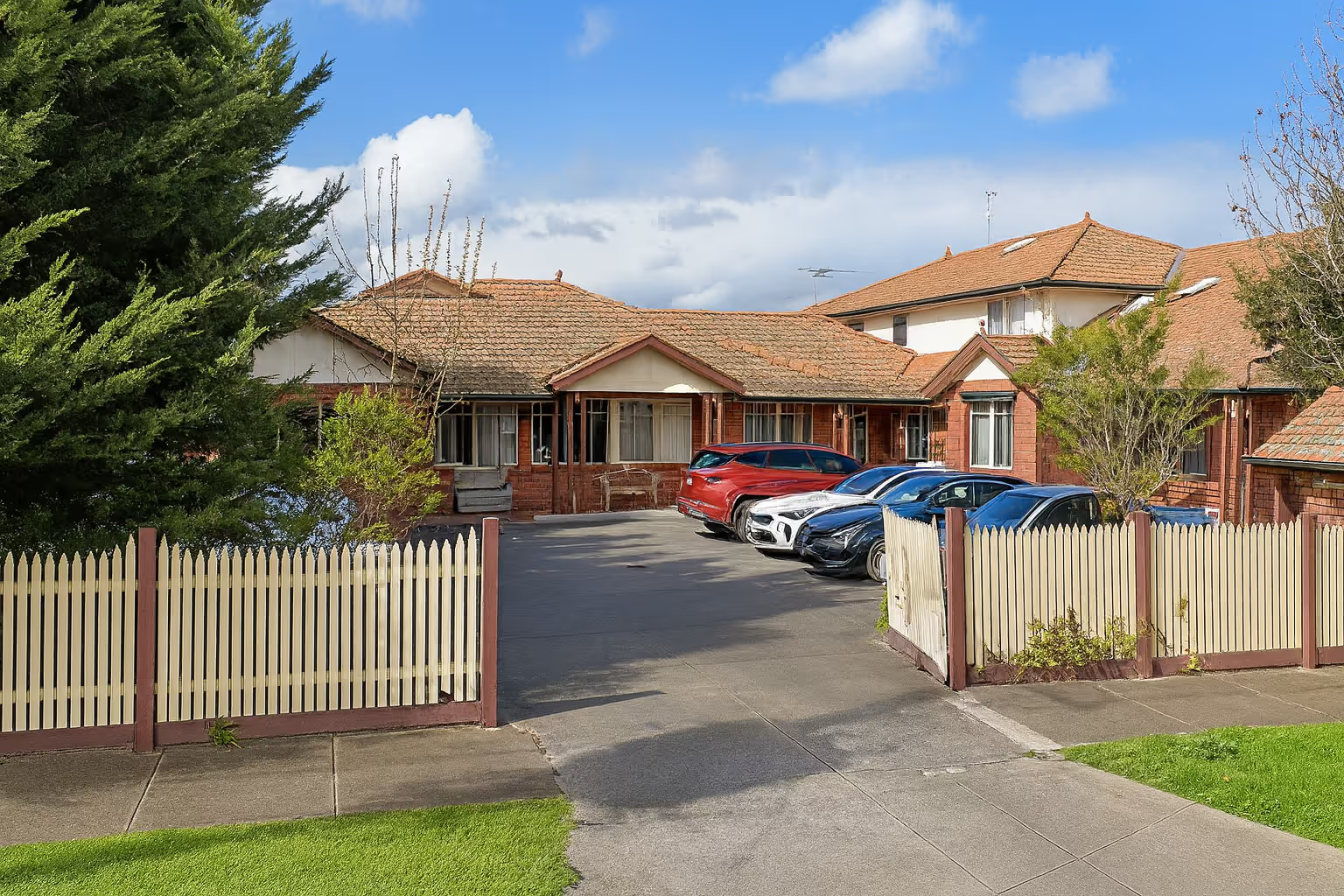
Essendon
150-152 Đường Cooper, Essendon VIC 3040

Trung tâm phục hồi chức năng bệnh viện dành cho chương trình cai nghiện và giải độc 28 ngày.

Geelong
6-8 Townsend Road, St Albans Park, VIC 3219

100%

Khách hàng được nhận một kế hoạch điều trị cá nhân hóa.

92%

Đã hoàn thành toàn bộ thời gian nằm viện theo khuyến nghị.

72%

Tình trạng sức khỏe tâm thần được cải thiện khi xuất viện.

89%

Không tái phát trong 30 ngày đầu tiên sau khi cai nghiện.

Evidence of long-term success

Real results from people who chose recovery

We don’t just measure success by abstinence, but by long-term stability, mental health, and quality of life. Our approach is proven to reduce relapse risk, rebuild relationships, and help people find lasting change after addiction.

Xem các nguồn tham khảo của chúng tôi bên dưới:

Ready to talk about treatment?

Whether you're exploring options or feeling unsure, we're here to listen. Reach out today for a confidential, obligation-free conversation about support.

Làm bài kiểm tra trực tuyến miễn phí

Hãy làm một bài kiểm tra nhanh, riêng tư để xem liệu cai nghiện có thể giúp ích được không và tìm hiểu các lựa chọn hỗ trợ an toàn.

Đặt lịch trò chuyện miễn phí

 Hãy lên lịch một cuộc gọi riêng tư với chuyên gia vào thời gian phù hợp với bạn.

Hãy gọi cho chúng tôi ngay bây giờ

 Hãy liên hệ ngay với ai đó để được hướng dẫn và hỗ trợ.

Understand your options

What does MDMA rehab cost?

We’ll guide you through costs and funding options. Whether you're self-funding or using private health, we’ll help make treatment achievable.

Funding and insurance

Learn how private health, WorkCover, or other funding options may apply to your situation. We'll help you navigate the process.

Tìm hiểu các lựa chọn tài trợ

Chi phí chương trình cai nghiện

Get a detailed breakdown of fees for each program type and what’s included. Payment plans and flexible options are also available.

Tìm hiểu thêm về chi phí cai nghiện
Our team is here for you

Meet the people behind our care

From lived experience to clinical expertise, our multidisciplinary team understands addiction from every angle and walks beside you every step.

Một cư dân trong chương trình phục hồi chức năng sáng tạo của chúng tôi đang ngồi trong vườn và vẽ tranh hoa.
Hình ảnh của Andi Thania
Behind the programs

Giới thiệu về Phòng khám Hader

We’ve supported recovery for more than 20 years. Learn how our evidence-based model, compassionate care, and long-term focus set us apart.

For you or someone you love

Asking for help is a brave first step

Whether you're struggling yourself or supporting a loved one, we're here to help you take that step. You don’t have to figure this out alone.

Vì chính bạn

If you’re feeling lost, overwhelmed or unsure, we’ll guide you through what to expect from treatment and how to begin.

Người phụ nữ ngồi co ro trên ghế dài cạnh cửa sổ sáng sủa, vẻ mặt trầm tư và lo lắng.

Dành tặng người thân yêu

We’ll help you understand what your loved one is facing and how you can support them without sacrificing your own wellbeing.

Một cặp đôi ngồi cạnh nhau trong phòng trị liệu, lắng nghe với sự quan tâm và hỗ trợ.
Insights and resources

Learn more about MDMA addiction and recovery

Explore practical guides, client perspectives, and evidence-based info to help you understand MDMA, its risks, and what recovery can look like.

Bạn không phải là người duy nhất gặp phải tình huống này.

Start your recovery with the right support

Everything we do is built on honesty, connection, and evidence. If you’re ready to take the first step, we’re ready to walk with you.

Hãy nói chuyện với người nào đó hiểu rõ vấn đề.

Cảm ơn bạn! Chúng tôi đã nhận được bài gửi của bạn!
Ôi! Đã xảy ra lỗi khi gửi biểu mẫu.
Honest answers to your MDMA concerns

What people ask us before starting MDMA rehab

How does MDMA impact recovery for people with trauma or PTSD?

For people with a history of trauma or PTSD, MDMA can feel like a shortcut to emotional relief. It affects brain chemicals like dopamine and serotonin, sometimes creating a fleeting sense of connection. But this short-term effect often comes at a cost. The emotional intensity, flashbacks, and confusion that follow can deepen existing distress and delay true healing.

MDMA rehab must go beyond detox. If you're managing trauma or anxiety, it's critical to find a program that understands the link between drug addiction and mental health. A trauma-informed treatment program will gently support you through both the psychological effects of the MDMA drug and the deeper emotional wounds underneath.

Are there signs that someone is using MDMA to self-medicate emotional pain?

Yes, and it’s more common than you might think. People struggling with substance use often turn to synthetic drugs like MDMA to block out emotional pain or feel connected in ways they otherwise can’t. They may be withdrawing from others, skipping responsibilities, or showing sudden bursts of emotion followed by burnout.

When someone is using MDMA to cope rather than to connect, it’s a sign they may be dealing with a substance use disorder. Our drug rehab centre can offer real relief, addressing not just drug use but also the emotional drivers beneath it. Early treatment can prevent long-term dependence and allow space for recovery.

Can I join a program even if I’m still unsure whether I’m addicted?

You can. Rehab isn’t just for people who’ve hit rock bottom. If you're taking MDMA regularly or finding it hard to stop, that’s reason enough to speak with someone. You don’t need to be certain you have an addiction to start the conversation.

A compassionate, professional assessment can help you understand your use and addiction more clearly. If MDMA use is impacting your well-being or relationships, exploring a treatment program now could make recovery more straightforward. You’re allowed to take the first step towards support before things worsen.

If I’ve relapsed on MDMA multiple times, is rehab still worth it?

Yes. Relapse is not the end of your journey; it’s a signal that something in your approach needs adjusting. For many people who use MDMA, the triggers are emotional or social, and repeated attempts to quit alone can feel disheartening.

The good news is that a specialised MDMA rehab program can help you understand what hasn’t worked and create a treatment plan that suits your life. Whether you need structure, therapy, or a new support system, inpatient drug rehab can help you build lasting recovery skills.

Can MDMA rehab help if I’m also using other drugs or alcohol?

Absolutely. Many people who come to us for MDMA treatment are also using other substances, including alcohol, cannabis, or stimulants. Treating one without the other often leads to relapse or frustration.

At The Hader Clinic, our drug rehab programs address the full spectrum of substance use. Whether you're seeking detox and rehab under one roof or ongoing care for co-occurring issues, we provide a safe, evidence-based environment for recovery from multiple forms of drug abuse.

What role do support groups play in MDMA addiction recovery?

Support groups can be a lifeline in recovery, especially when dealing with a drug like MDMA that’s often tied to social experiences. These groups help you rebuild honest connections and stay accountable without judgment.

Whether you're in inpatient treatment or outpatient support, sharing space with people facing similar struggles reduces isolation. Groups also complement one-on-one care, offering practical tools for addiction recovery and space to process setbacks or cravings. The structure and consistency can make all the difference.

How does long-term MDMA use affect motivation, memory, or relationships?

MDMA may offer a temporary sense of euphoria, but over time, the effects on brain chemistry can be disruptive. Chronic use can lead to memory issues, low motivation, and emotional detachment, often straining close relationships.

People who use MDMA frequently often report difficulty feeling joy or focus even after stopping. These symptoms don’t mean recovery is impossible; they reflect real neurological impacts that can be healed through addiction rehab and mental health support. With time, stability, and connection, these side effects often improve.

How is MDMA rehab different from ecstasy rehab?

Although MDMA and ecstasy are chemically linked, ecstasy is often cut with unknown substances, which makes the effects more unpredictable. This is especially important during detox and rehab, where knowing what you're treating matters.

MDMA rehab focuses on treating the psychological patterns and emotional triggers that come with pure MDMA use. If you or someone you love has been using mixed substances, it's worth exploring what to expect from ecstasy rehab to understand the risks and treatment differences. Our programs address both with clarity and care.