















PTSD and addiction recovery starts here

Rehab for PTSD treatment and addiction dual diagnosis

創傷後壓力症候群(PTSD)與成癮問題的實證照護。我們協助人們穩定情緒、重新處理創傷,並建立更安全、更具連結感的生活。

立即進行自我評估或與他人交談,無需承擔任何承諾壓力。

A woman sits alone at home, looking down with a distressed expression — reflecting the anxiety, flashbacks, and emotional exhaustion often experienced with post-traumatic stress disorder.

Dual diagnosis trauma expertise

PTSD-specific therapy every day

EMDR and evidence-based treatment

Peer-led support for veterans

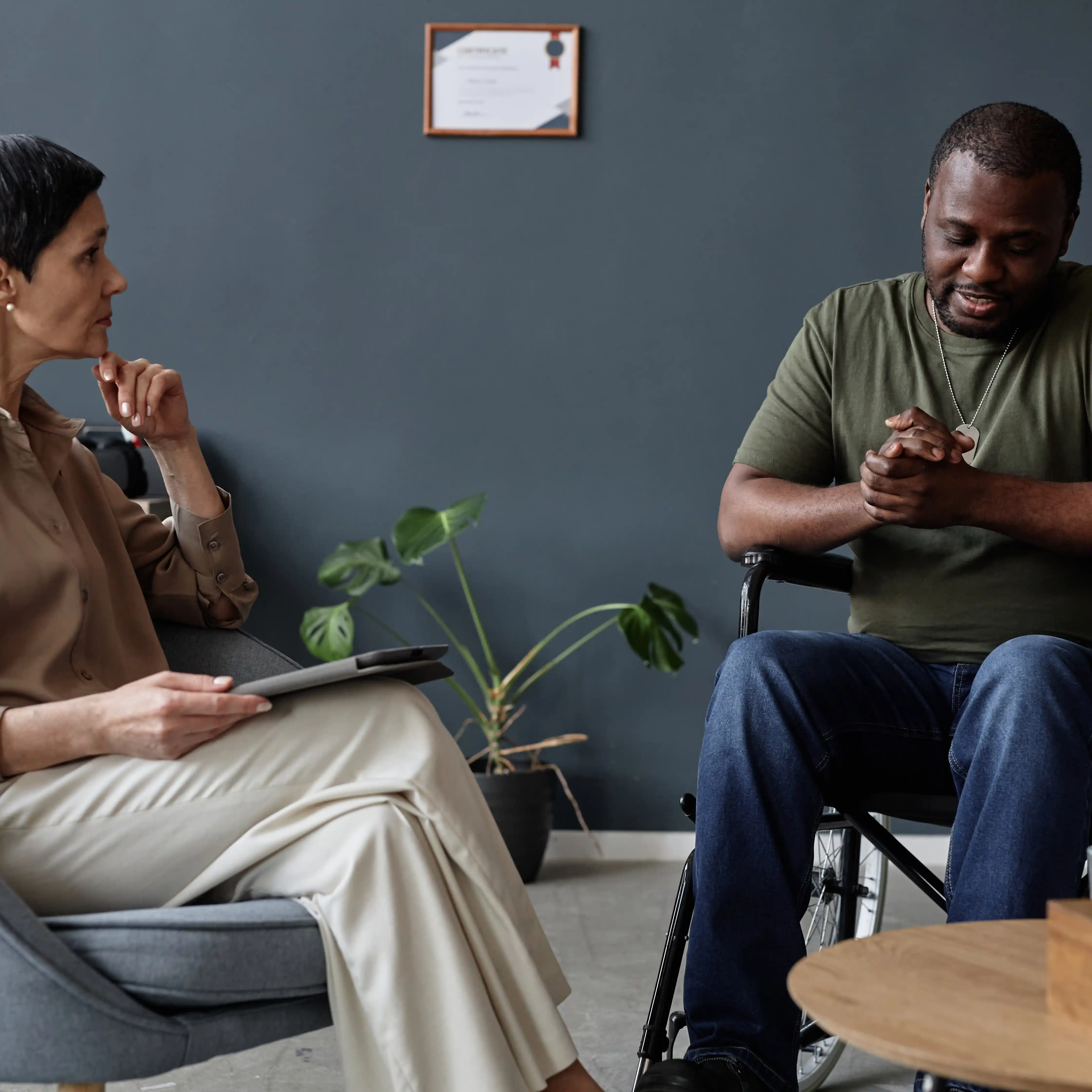
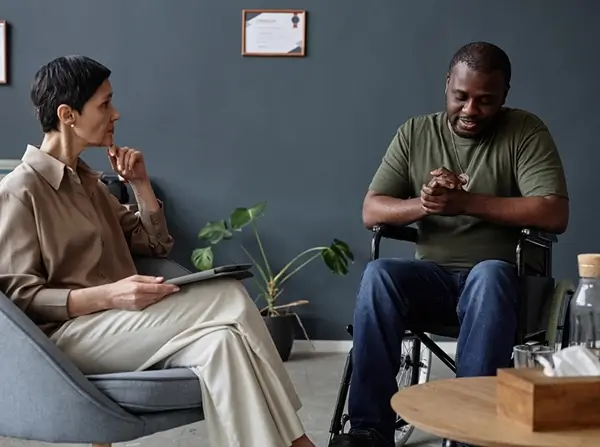
An army veteran shares his mental health struggles with a psychologist during a counselling session, highlighting the impact of post-traumatic stress disorder and the importance of support.
Understanding the connection between trauma and addiction

Why dual diagnosis care for PTSD matters

According to the Substance abuse, memory, and post-traumatic stress disorder review, up to 40% of people living with addiction also meet the criteria for PTSD. These conditions don’t just coexist — they drive each other. PTSD symptoms like avoidance, arousal, and flashbacks can lead to increased reliance on alcohol or drugs. Meanwhile, substance use can interfere with memory, heighten anxiety, and make trauma symptoms worse. 

We use evidence-based methods, including EMDR, trauma-focused therapy, and relapse prevention strategies that support long-term change.

  • Begin with medical detox in our Geelong hospital, where trauma symptoms are monitored and stabilised in a safe, supportive setting
  • In Essendon, daily structure and trauma-informed therapy help reduce anxiety, manage triggers, and support emotional regulation
  • The 90-day program offers time to heal, reprocess trauma safely, and build tools for long-term recovery without relying on substances

我們會配合您的時間聯繫,絕不施加任何承諾壓力

What you can expect from treatment

What’s included in our PTSD rehab programs

Our rehab programs for PTSD and addiction are built to support every step of your recovery. From day one, we create a treatment plan that prioritises safety, trust, and real therapeutic progress.

  • Daily trauma-focused therapy sessions tailored to PTSD symptoms
  • EMDR and evidence-based methods to support recovery
  • Medication review and mental health monitoring with professionals
  • Physical wellness support, including yoga, acupuncture, and nutrition
  • Group therapy with peers who understand trauma and addiction
  • Structured, supervised environments to reduce stress reactions
Other mental health concerns we support

Our support goes beyond PTSD treatment

We understand that PTSD is rarely the only condition someone is facing. Our programs are designed to support a wide range of mental health challenges that can co-occur with addiction.

創傷後壓力症候群

創傷後壓力症候群(PTSD)與成癮問題的實證照護。我們協助人們穩定情緒、重新處理創傷,並建立更安全、更具連結感的生活。

精神分裂症

治療精神分裂症需要專業且整合的照護。我們同時處理精神病症狀、穩定心理健康,並協助患者管理成癮問題。

人格障礙

邊緣型人格障礙與成癮問題往往如影隨形。兩者都可能令人不堪重負,但透過適當的治療,康復是可能的。您不必獨自面對。

強迫症

強迫症與物質使用可能相互強化,使日常生活變得難以掌控。但透過適當的照護,康復仍是可能的。
家庭暴力

為受親密伴侶暴力(IPV)影響者(無論過去或現在)提供具支持性且創傷知情的成癮康復服務。
憂鬱症

我們以實證為基礎、充滿同理心的治療方式,支持經歷憂鬱與成癮困擾的人們。我們的住院療程提供整合性支援,涵蓋心理健康、物質使用問題,以及兩者背後的壓力源。

雙極性

躁鬱症本身已相當複雜,若再併發成癮問題則更為棘手。我們的住院康復計畫採用經實證有效的雙重治療方案,為躁鬱症患者提供全面支援。

焦慮

藥物濫用及焦慮症治療康復中心

憤怒管理

失控的怒氣與物質濫用往往如影隨形。我們協助個案理解行為根源,重建自我掌控力,實現永久康復。
注意力不足過動症

注意力不足過動症(ADHD)可能使成癮問題更難治療,但只要具備適當的結構化安排、支持與照護,康復絕對是可能的。

What PTSD really means — and how we treat it

Understanding post-traumatic stress disorder (PTSD)

PTSD is a mental health condition that can develop after a traumatic event, and it affects far more people than most realise. It often co-occurs with addiction, and the combination can make symptoms more severe, long-lasting, and harder to manage without specialised support.

What is PTSD and how does it relate to addiction?

Post-traumatic stress disorder (PTSD) is a serious mental health condition triggered by exposure to a traumatic experience. It’s different from acute stress disorder; symptoms of PTSD persist for longer than a month and…

What are the symptoms of PTSD?

PTSD symptoms fall into four main categories: intrusive memories, avoidance, mood changes, and arousal.

How does PTSD impact addiction recovery?

PTSD and addiction often interact in a cycle. PTSD symptoms can drive substance use, while drugs or alcohol worsen emotional regulation and memory.

What treatments do we use for PTSD and substance addiction?

We offer a trauma-focused, evidence-based treatment plan designed to treat PTSD and addiction at the same time. Our team includes experts in trauma-related mental health and dual diagnosis.

What does recovery from PTSD and addiction look like?

Recovery from PTSD is possible even if you’ve lived with symptoms for years. We help you stabilise, rebuild trust, and move forward without relying on substances.

機密自評工具

擔心自己的飲酒或藥物使用問題嗎?

這份簡短的保密測驗只需不到兩分鐘,能協助您釐清現況。請選擇最符合您狀況的類別——無論是酒精、藥物或多重困擾——我們將引導您回答幾個簡單的「是/否」問題。

測驗結束時,我們將根據您的回答告知是否需要考慮接受康復治療,並提供安全保密的啟動方案。

立即參加測驗
How we treat PTSD and addiction together

Programs designed for trauma recovery

Our PTSD rehab programs are designed for people who need more than just addiction treatment: they need a trauma-informed approach that addresses the root cause. Every stage of care is built around your safety, stability, and ability to heal.

住宿計劃

提供住宿式康復服務,於安全且以康復為核心的環境中,提供結構化支援、治療及生活技能培訓。

年輕伴侶在諮商過程中牽手,透過家庭與關係治療尋求支持。

家庭計劃

教育、團體支持與諮商服務,協助家庭理解成癮問題,並支持所愛之人的康復過程。

一名女性在家中參與虛擬復健課程,透過「Hader at Home」線上復健計畫進行結構化治療。

哈德在家

一套完整的數位康復計劃,包含每日簽到、線上治療及自導式工作手冊,專為康復後護理設計。

深髮色女子在團體治療中展露笑容,分享個人突破時刻,慶祝她在門診康復旅程中的進展。

強化門診治療計劃

結構化的成癮支援服務,包含治療、團體課程及復發預防,設計上能配合日常生活安排。

一名男性住客正與他的復健輔導員交談。

輔導

創傷知情治療、成癮諮詢及家庭支持服務,可透過面對面或安全線上會談進行。

在家中經過真摯的勸說後,女子擁抱她的伴侶,給予支持與鼓勵,而他同意為戒除毒癮尋求幫助。

干預措施

專業支援協助家庭策劃安全、有條理的介入行動,引導所愛之人接受治療。

從私人豪華住宅眺望沙質後院與海濱景致,配備休閒躺椅與熱帶景觀設計,專為寧靜私密的療癒時光打造。

高管康復

在奢華環境中提供私密的一對一療程,確保絕對保密,並為您量身打造專屬康復計劃。

澳新軍團紀念日致敬場景:陳年澳洲陸軍.303步槍配斜頂帽與旭日徽章,士兵軍牌,花環,背景為澳洲國旗

退伍軍人事務部復健

專為退伍軍人及第一線應變人員設計的創傷知情住院照護服務,符合資格的退伍軍人事務部客戶可獲全額資助。

一名居民坐在公共區域的沙發上,正撰寫個人日記作為法院命令的康復計劃之一環。

法院命令的戒毒治療

結構化住院計劃,包含戒毒、治療及法醫報告,以滿足保釋或量刑要求。

一位住在過渡性住房的男子正繫著鞋帶,準備迎接新的一天工作。在住院康復治療後,他正逐步重建生活結構與獨立能力。

過渡性住房

以康復為核心的住宿服務,提供治療、結構化支持與協助,旨在填補康復治療與獨立生活之間的過渡期。

在醫療戒毒中心進行的支持性團體治療課程,來自不同背景的個案分享自身經歷,心理師溫和地鼓勵新加入的參與者。

醫院戒毒

在持牌私立醫院提供全天候醫療監護的戒毒服務,包含戒斷症狀支援及精神科護理。

當您主動聯繫時,您將獲得什麼

How our rehab process works

步驟1

Personalised assessment

We begin by understanding your trauma history, substance use, and current mental health needs.

步驟2

Tailored program recommendation

Our team matches you with a treatment program that fits your clinical needs and personal goals.

步驟3

Supported admission

From pre-admission support to your first therapy session, we guide you through every step of the process.

隨時為您服務——立即預約通話或與專員洽談。

Why our PTSD rehab works

Designed for long-term change

Our program is built specifically for trauma-related addiction. We combine clinical excellence with compassion, helping people feel safe enough to recover and supported enough to stay well.

Daily trauma-specific care

Our clients engage with trauma-informed therapy every day, not just once a week.

Experienced trauma therapists

Every member of our clinical team is trained in treating post-traumatic stress disorder.

Evidence-based treatment plans

We use proven methods like EMDR and SSRIs, backed by research and real-world results.

Wraparound support for every stage

From detox to aftercare, we guide you through every step of the way.

Our full range of addiction services

Rehab support for all kinds of substance use

We offer specialised care for a wide range of addictive substances. Whether you’re dealing with long-term dependence or recent escalation, we provide tailored rehab options that treat both addiction and underlying trauma.

酒精戒癮治療

針對酒精依賴所引發的生理、情緒及行為影響而設計的個人化方案。

戒毒治療

針對各類非法藥物及處方藥物的結構化、支持性住院治療計劃。

緊急康復

為處於危機狀態且需要緊急穩定治療的人士提供快速通道入院選項。

復發預防

實用且切合實際的策略,助您管理誘發因素、避免復發,並維持長期的康復狀態。

Your care is fully accredited

A program you can trust

Our services are accredited under NSQHS and assessed by the Australian Commission on Safety and Quality in Health Care (ACSQHC).

Stories of change and healing

Real clients, real recovery

We’ve helped hundreds of people living with PTSD and addiction reclaim their lives. Read their stories or hear directly from families who’ve seen the change first-hand.

阿里·阿德米

歷經多年的創傷、成癮與失去,阿里在充滿同理心的團隊支持、社群歸屬感,以及對長期療癒的承諾下,找到了重建人生的力量。

歷經三十二年的成癮掙扎,明·范在海德診所尋得希望、療癒與新生之路。他的蛻變歷程,正是社群力量、同理心與勇氣交織的見證。

彼得·艾爾-庫里

歷經多次復發後,彼得在海德的協助下實現了長期康復。了解治療、社群支持與臨床照護如何助他重拾人生。

Where your recovery begins

我們的設施與地點

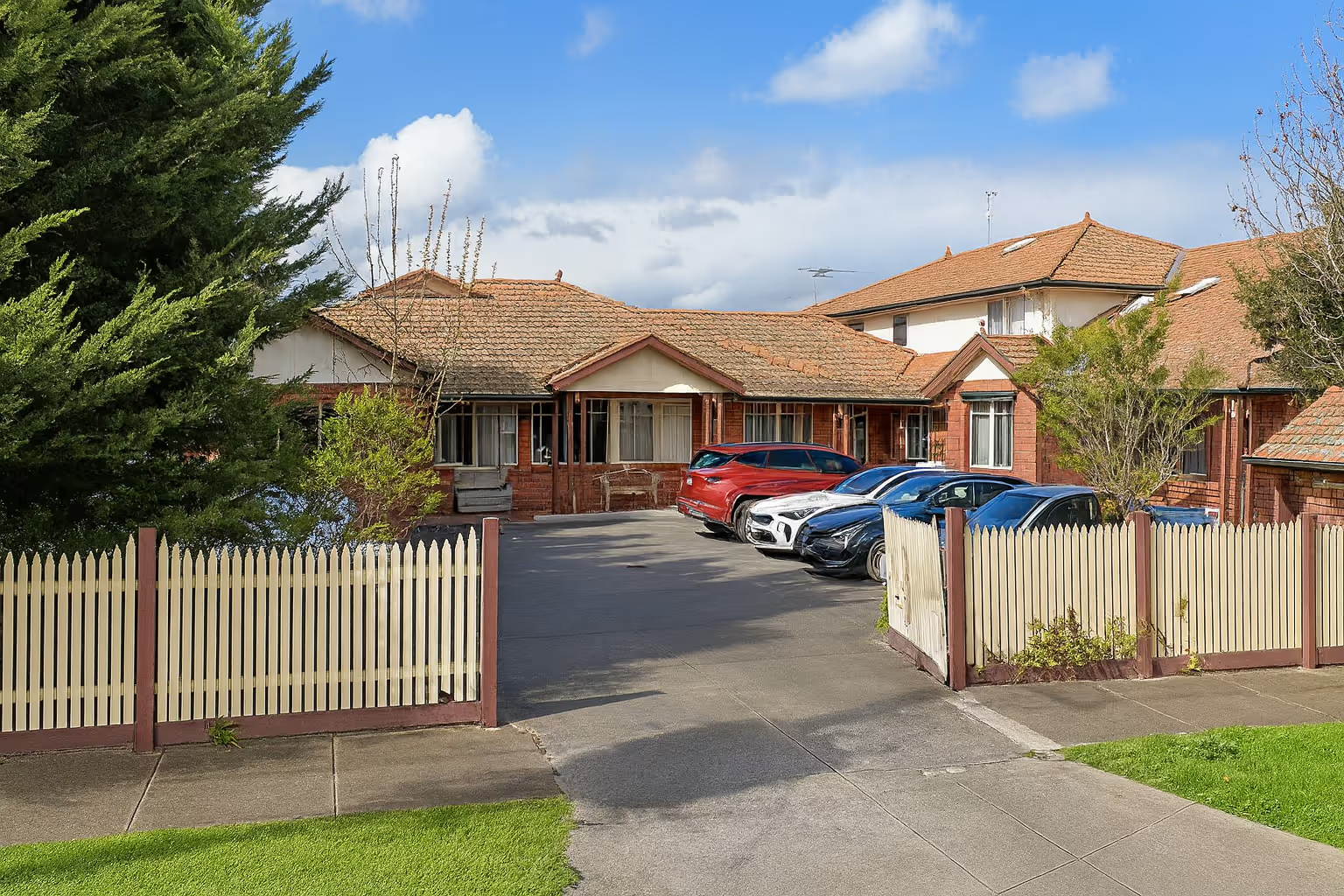
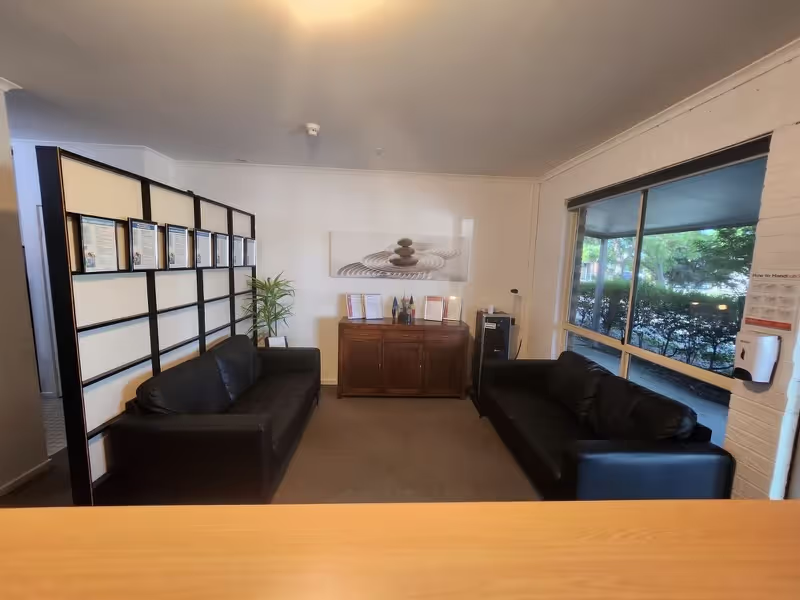
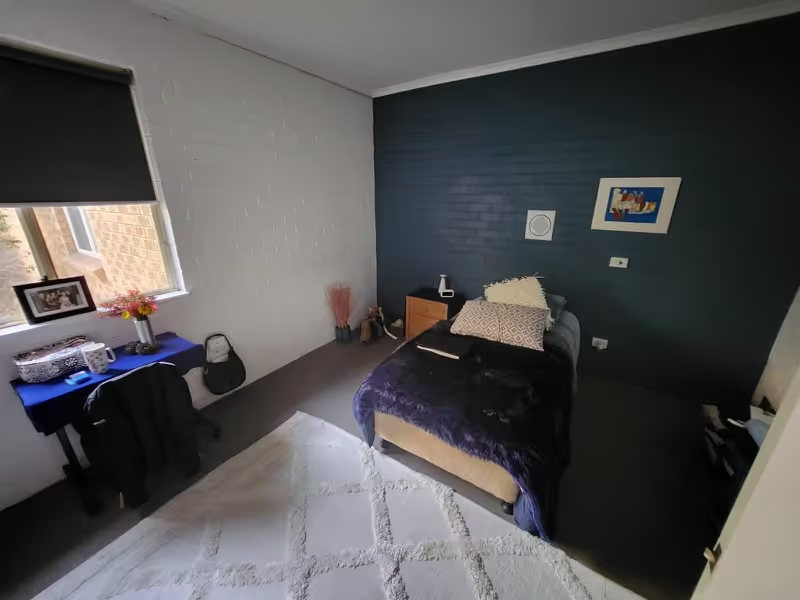
In our Geelong hospital, we help you begin safely with medical detox and quiet surroundings that reduce the risk of re-traumatisation. When you are ready, our Essendon rehab centre gives you space to process, reflect, and reconnect through structured therapy and steady support. Both settings are designed to hold you through the difficult early stages of trauma recovery and help you move forward at your own pace.

住院復健計畫與過渡性住房計畫

埃森登
維多利亞州埃森登區庫珀街150-152號,郵編3040

醫院康復中心——28天戒斷與排毒療程

吉朗
維多利亞州聖奧爾本斯公園鎮湯森路6-8號,郵編3219

83%

完成我們90天療程的客戶,在12個月後仍能保持清醒。

72%

客戶可報名參加Hader@Home的後續照護或過渡性住房計畫,以支持長期參與並降低復發風險。

60%

接受結構化後續照護的客戶,維持康復狀態並避免復發的可能性顯著更高。

50%

半數成癮者同時伴有共病性心理健康問題,凸顯出雙重診斷支援的必要性。

What our clients achieve

Measurable outcomes that build confidence

Our trauma-focused rehab programs don’t just feel supportive — they get real results. We track long-term data across symptom reduction, recovery stability, and quality of life after treatment. These outcomes reflect our commitment to safe, evidence-based PTSD and addiction recovery.

請參閱以下來源:

今天就邁出下一步

We know how hard it can be to reach out. Whether you’re asking for yourself or someone you love, we’re here to help you find the right care.

進行免費線上評估

立即進行快速私密測驗,了解康復治療是否適合您,並探索安全的支援方案。

預約免費諮詢

 請選擇您方便的時間,預約與專家的保密通話。

立即致電我們

 立即與他人交談以獲取指引與支持。

Funding and costs

Options to help make treatment possible

We believe that finances should never be a barrier to getting help. From private insurance to super access to payment plans, learn more about how to access funding support for our programs.

復健費用

We offer transparent pricing across all programs with no hidden fees.

探索復健方案

資金來源選項

From private health to payment plans, we’ll help you find a funding solution.

進一步了解資金成本
認識團隊成員

A team you can trust

Our staff includes trauma specialists, addiction counsellors, nurses, psychiatrists, and peer support workers — all committed to your care. We’re here with you every step of the way.

安迪·塔尼亞的影像
認識團隊成員

A legacy of trauma-informed care

We’ve spent decades helping people find freedom from trauma and addiction. With deep clinical experience and a human-centred approach, we support every person who walks through our doors.

為自己或所愛之人提供支持

你並不孤單

Whether you're living with PTSD yourself or supporting someone who is, help is available. We'll guide you through the next step with clarity and care.

為自己進行復健

We offer confidential, evidence-based support for individuals ready to begin their recovery.

女子蜷縮在明亮窗邊的沙發上,神情顯得沉思而憂慮。

為摯愛之人進行康復治療

If you're worried about a loved one, we’re here to help you approach the conversation and access the right care.

一對夫妻並肩坐在心理治療師的辦公室裡,帶著關切與支持的態度傾聽著。
Explore more insights

Learn more about PTSD and recovery

Our resource centre includes evidence-based articles to support your journey. These three blogs are especially relevant for people experiencing trauma and substance use:

Start your recovery today

We're here when you're ready

It’s never too late to get help. Whether your trauma happened recently or long ago, we’ll support you with compassion, clinical care, and experience that makes a difference.

找個懂你的人聊聊

感謝您!您的提交已成功送達!
哎呀!提交表單時發生錯誤。
獲得您所需的清晰度

常見問題

Who gets PTSD, and what increases the risk of developing it alongside addiction?

PTSD can affect anyone after trauma such as accidents, abuse, violence, or loss. Risk increases with pre‑existing mental health conditions and regular alcohol or drug use. Veterans, emergency workers, and survivors of childhood trauma are especially at risk. Early, trauma‑informed care helps break the cycle.

What symptoms suggest someone may have PTSD and not know it?

PTSD is often missed, especially when symptoms overlap with addiction, depression, or anxiety. Signs include:

  • Persistent guilt, shame, or detachment after trauma
  • Flashbacks, nightmares, or intense reactions to reminders
  • Avoidance of people, places, or situations linked to the event

If symptoms last more than a month or disrupt life, seek assessment from a mental health professional.

What are the most effective treatments for PTSD and addiction?

Integrated, trauma‑focused care works best — treating both conditions together. Common treatments include:

  • EMDR (eye movement desensitisation and reprocessing)
  • Trauma‑focused CBT and skills for emotional regulation
  • SSRIs when appropriate for PTSD symptoms

Residential dual diagnosis programs provide structure and specialist support.

What kind of professional help is available for PTSD and substance use?

The best option is a program staffed by trauma‑informed clinicians and addiction specialists who understand dual diagnosis care. Our team includes mental health professionals, addiction nurses, medical staff for detox and withdrawal, and trauma therapists for individual and group counselling.

Are medications like SSRIs used to treat PTSD in rehab?

Yes. SSRIs are often prescribed to reduce intrusive thoughts, irritability, and sleep disturbance. Medication is usually combined with therapy and monitored for side effects. Additional medications may support depression, anxiety, or withdrawal during treatment.

How does PTSD affect recovery and relapse risk in addiction treatment?

PTSD can complicate recovery if trauma symptoms remain untreated. Stress reactions to reminders can drive cravings and avoidance, increasing relapse risk. Treating PTSD and addiction together helps you stay engaged, grounded, and resilient.

Who can you help through your PTSD and addiction programs?

We provide inclusive, trauma‑informed care for people from all walks of life, including:

  • Veterans
  • Aboriginal and Torres Strait Islander peoples
  • Women and pregnant mothers
  • Young adults

Programs are culturally safe, gender‑sensitive, and built around your needs.

How common is PTSD in people with addiction and other mental health problems?

PTSD is one of the most common co‑occurring conditions in addiction treatment — affecting a large proportion of clients. It frequently overlaps with depression and anxiety. Without trauma‑specific support, many people cycle through treatment attempts without lasting recovery. Dual diagnosis care changes that trajectory.