























LSD doesn’t always feel dangerous

Rehab for LSD in Melbourne

Even when it doesn’t feel harmful, LSD use can spiral. If you’re losing touch with reality, we can help you get grounded again.

Realice una autoevaluación o hable con alguien ahora mismo, sin compromiso.

A person’s POV as they’re looking at the glimmering shadows of their hands on a wall.

Safe, evidence-based LSD detox

Rehabilitación hospitalaria en Victoria

Specialists in hallucinogen addiction

Trauma-informed therapy sessions

Two cups of tea on an outdoor bench at our LSD rehab centre in Melbourne
You’re not alone, and you’re not beyond help

Why The Hader Clinic is the right place for LSD rehab

We know how overwhelming it can feel to seek help, especially for something as disorienting as LSD misuse. But we also know that recovery is possible. We’ve helped hundreds of people who felt lost, afraid, or disconnected return to clarity, stability, and hope.

  • Our inpatient treatment team includes addiction specialists, trauma counsellors, and mental health professionals who understand the unique effects of hallucinogens.
  • You’ll receive tailored treatment in a safe, structured, and deeply supportive environment.
  • Whether you’re detoxing from LSD or dealing with co-occurring mental health conditions, we’ll walk with you every step of the way.
What to expect from LSD rehab

Structured, holistic treatment that helps you feel safe again

Our program combines medical support, psychological therapy, and emotional care to guide you through every stage of the recovery process, from the moment you arrive through to life after rehab.

Qué incluye

  • You’ll begin with a comprehensive assessment to tailor your treatment plan from day one.
  • Medically supervised LSD detox ensures you’re supported through every stage of withdrawal.
  • Individual and group therapy helps you explore the root cause of LSD use and build healthy coping strategies.
  • Dual diagnosis treatment addresses depression, anxiety, or other mental health conditions alongside addiction.
  • Daily routine and peer connection help stabilise your mindset and create a sense of belonging.
  • Ongoing relapse prevention planning prepares you for life beyond rehab with confidence and clarity.
Understanding the risks of LSD

LSD may feel harmless, but the risks are real

LSD might not seem like a serious threat, especially compared to other drugs, but its effects can be unpredictable and long-lasting. Even a single trip can cause psychological distress, and repeated use can increase the risk of emotional instability, flashbacks, and lasting mental health concerns. For some people, these effects become overwhelming without support.

A young man, high on LSD and immobile on the couch at a house party.

What LSD is and why it’s a concern

LSD (lysergic acid diethylamide) is a synthetic hallucinogen that alters perception, thoughts, and mood by disrupting communication between brain chemicals. While LSD is not physically addictive, the psychological impact can be intense and long-lasting. For some, it leads to disconnection from reality, extreme mood changes, or lasting trauma, especially for those with pre-existing mental health issues.

Signs someone may be struggling

It’s not always easy to tell when LSD has become a problem, especially if someone uses it irregularly. But the signs can build up over time, affecting both mental state and daily life.

  • Ongoing paranoia, panic attacks, or social withdrawal even during periods of sobriety.
  • Noticeable problems with memory, focus, or emotional regulation.
  • Feeling unmotivated, detached, or lost in thought for extended periods.

How LSD affects the brain and body

LSD’s effects can be unpredictable and intense, with risks that extend far beyond the duration of the trip. It interferes with serotonin pathways, altering perception and mood in destabilising ways.

  • Trips can last 8–12 hours and often cause exhaustion, anxiety, or mental confusion.
  • Flashbacks or hallucinogen persisting perception disorder (HPPD) can occur long after use.
  • Users may act erratically, become disoriented, or put themselves in physical danger.

What treatment looks like

Treatment for LSD misuse focuses on helping individuals feel safe, grounded, and emotionally regulated. While detox may not involve the same physical withdrawal symptoms as other drugs, psychological recovery is essential.

  • Inpatient rehab provides round-the-clock support in a calming environment.
  • Individual and group therapy addresses underlying trauma and thought patterns.
  • Dual diagnosis care helps manage anxiety, depression, or other mental health concerns.

The path to recovery

LSD recovery isn’t about breaking a chemical dependency. It’s about regaining clarity, confidence, and control. With support, people can rebuild trust in themselves and reconnect with the world around them.

  • Structured routines and compassionate care help restore a sense of safety and identity.
  • Ongoing relapse prevention and aftercare planning build confidence after discharge.

Use of hallucinogens continues to increase, highlighting the growing need for effective, tailored support.

HERRAMIENTA DE AUTOEVALUACIÓN CONFIDENCIAL

¿Te preocupa tu consumo de alcohol o drogas?

Este breve cuestionario confidencial te llevará menos de dos minutos y te ayudará a comprender lo que está pasando. Elige la categoría que te parezca más relevante, ya sea alcohol, drogas o una combinación de problemas, y te guiaremos a través de unas sencillas preguntas de sí/no.

Al final, te diremos si tus respuestas sugieren que tal vez sea el momento de plantearte la rehabilitación y te ofreceremos opciones seguras y confidenciales para empezar.

Haz el test ahora
Programs that support lasting recovery

Treatment programs designed for hallucinogen misuse

The Hader Clinic offers a range of structured treatment programs for individuals seeking support with LSD misuse. From short-term inpatient rehab to long-term aftercare, each program is tailored to help clients regain stability and rebuild their lives in a safe, supportive environment. Our team understands the unique challenges of hallucinogen recovery and works with each client to address their needs.

Programa residencial

Rehabilitación con alojamiento, apoyo estructurado, terapia y formación en habilidades para la vida en un entorno seguro y centrado en la recuperación.

Pareja joven cogida de la mano durante una sesión de asesoramiento, buscando apoyo a través de terapia familiar y de pareja.

Programa familiar

Educación, apoyo grupal y asesoramiento para ayudar a las familias a comprender la adicción y apoyar la recuperación de sus seres queridos.

Mujer participando en una sesión de recuperación virtual desde casa, realizando una terapia estructurada a través del programa de rehabilitación online Hader at Home.

Hader en casa

Un programa de recuperación totalmente digital con controles diarios, terapia en línea y cuadernos de ejercicios autoguiados para el cuidado posterior a la rehabilitación.

Mujer morena sonriendo y compartiendo un avance personal durante una terapia de grupo, celebrando el progreso en su proceso de recuperación ambulatoria.

Programa intensivo ambulatorio

Apoyo estructurado para la adicción con terapia, sesiones grupales y prevención de recaídas, diseñado para adaptarse a la vida cotidiana.

Un residente masculino charla con su consejero de rehabilitación.

Asesoramiento

Terapia especializada en traumas, asesoramiento sobre adicciones y apoyo familiar disponibles en persona o a través de sesiones online seguras.

Mujer abrazando a su pareja tras una sincera intervención en casa, ofreciéndole apoyo y ánimos mientras él acepta buscar ayuda para su adicción.

Intervenciones

Apoyo profesional para ayudar a las familias a organizar una intervención segura y estructurada y guiar a su ser querido hacia el tratamiento.

Vista desde una residencia privada de lujo con vistas a un patio trasero arenoso y a la playa, con tumbonas y un paisaje tropical diseñado para una recuperación tranquila y discreta.

Rehabilitación ejecutiva

Tratamiento privado e individualizado en un entorno de lujo con total discreción y un programa de recuperación personalizado.

Homenaje al Día de ANZAC con un rifle vintage del ejército australiano calibre .303 con sombrero flexible y insignia del sol naciente, placas de identificación de soldado, corona de flores y la bandera australiana al fondo.

Rehabilitación DVA

Atención hospitalaria especializada y adaptada al trauma para veteranos y personal de primeros auxilios, totalmente financiada para los clientes del Departamento de Asuntos de Veteranos (DVA) que cumplan los requisitos.

Un residente sentado en un sofá en un espacio compartido, trabajando en su diario personal como parte de su rehabilitación ordenada por el tribunal.

Rehabilitación ordenada por un tribunal

Programa estructurado para pacientes hospitalizados con desintoxicación, terapia e informes forenses para cumplir con los requisitos de fianza o sentencia.

Hombre en una vivienda de transición atándose los cordones de los zapatos mientras se prepara para un nuevo día de trabajo, reconstruyendo su estructura e independencia tras una rehabilitación hospitalaria.

Vivienda de transición

Alojamiento centrado en la recuperación con terapia, estructura y apoyo para salvar la brecha entre la rehabilitación y la vida independiente.

Sesión de terapia de grupo de apoyo en un centro médico de desintoxicación, donde diversos clientes comparten sus experiencias y un psicólogo anima con delicadeza a un nuevo participante.

Desintoxicación hospitalaria

Desintoxicación supervisada médicamente las 24 horas del día, los 7 días de la semana, en un hospital privado autorizado, que incluye apoyo para la abstinencia y atención psiquiátrica.

What the journey looks like

How LSD rehab works at The Hader Clinic

Paso1

Stabilise in a safe space

Detoxing from LSD can be psychologically intense. Our inpatient setting offers calm, structure, and 24/7 clinical and emotional support so you can begin to feel grounded again.

Paso2

Reconnect and rebuild

We help individuals process the root cause of their LSD use through individual and group therapy, trauma counselling, and dual diagnosis mental health support.

Estamos aquí cuando usted esté listo: reserve una llamada o hable con alguien ahora mismo.

Designed to treat the full picture, not just the symptoms

What makes our LSD rehab program different

We don’t just treat the effects of LSD, we work with the whole person. Our approach is trauma-informed, deeply personalised, and supported by clinical staff who understand hallucinogen recovery inside and out. You’ll be seen, heard, and supported every step of the way.

Hallucinogen-specific expertise

We specialise in treating LSD and other hallucinogens, with tailored programs that reflect the unique challenges they present.

Dual diagnosis as standard

Mental health support is integrated from day one, including treatment of depression and anxiety where needed.

Atención informada sobre el trauma

We create a safe, non-judgemental space where the root cause of LSD misuse can be explored and addressed.

Long-term relapse prevention

From discharge planning to ongoing aftercare, we prioritise tools that support lasting stability and sobriety.

Independently accredited, nationally trusted

Backed by Australia’s highest clinical standards

The Hader Clinic is fully accredited under the NSQHS Standards, governed by the ACSQHC, ensuring safe, effective, and accountable care at every stage of your rehab journey.

The services that support LSD recovery

More than just one program

Our LSD rehab pathway draws on a full network of support, from detox to emergency care, designed to meet you where you are and help you keep moving forward.

Rehabilitación de drogas

Long-term inpatient programs for people struggling with addiction to LSD and other substances.

Desintoxicación de drogas

Medically supervised detox helps ease LSD withdrawal symptoms and provides a safe, supportive start to recovery.

Enfermera revisando a un paciente sometido a un tratamiento de desintoxicación de drogas.

Prevención de recaídas

We help you build tools and strategies to stay sober, with ongoing support long after you’ve left inpatient care.

Dos hombres discutiendo estrategias para prevenir recaídas.

Rehabilitación de emergencia

If LSD use is spiralling and safety is a concern, we offer fast-tracked admission to stabilise and begin treatment quickly.

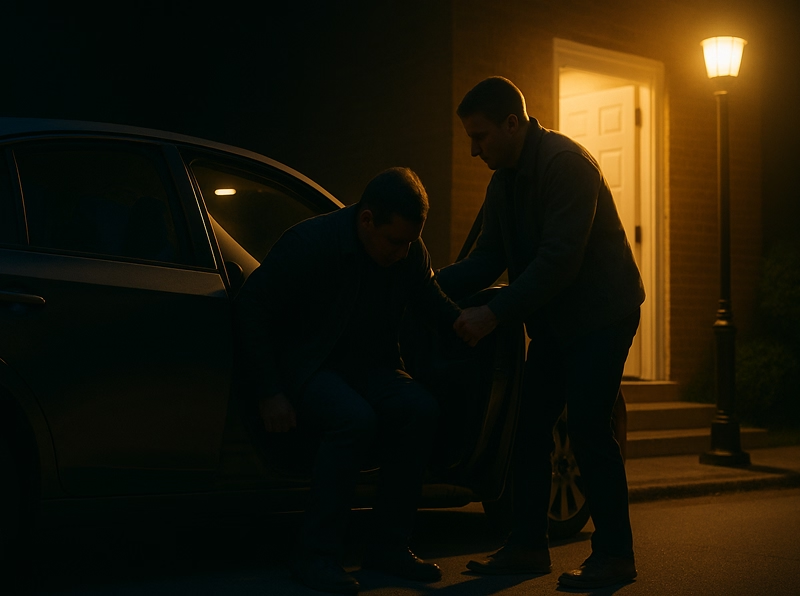
Ayudantes que asisten a una persona a subir a un coche durante una intervención en caso de crisis.
Real people, real outcomes, real recovery

Stories from those who’ve overcome LSD addiction

LSD recovery isn’t easy, but it is possible. Hear directly from people who’ve been through our program, and from the loved ones who supported them along the way.

Ali Ademi

Tras años de traumas, adicciones y pérdidas, Ali encontró la fuerza para reconstruir su vida gracias al apoyo de un equipo compasivo, un sentido de comunidad y un compromiso con la sanación a largo plazo.

Minh

Tras 32 años de adicción, Minh Pham encontró esperanza, curación y un nuevo camino en The Hader Clinic. Su trayectoria es un testimonio del poder de la comunidad, la compasión y el coraje.

Peter El-Khouri

Tras múltiples recaídas, Peter logró una recuperación duradera con Hader. Lea cómo la terapia, la comunidad y la atención clínica le ayudaron a recuperar su vida.

Calm, private, and purpose-built for recovery

Safe, welcoming spaces to heal and reset

Our inpatient and withdrawal facilities are peaceful, discreet, and staffed 24/7 by clinical and support teams. You’ll have room to breathe, space to reflect, and access to everything you need for a safe, supported recovery, whether you’re just starting out or building stability long-term.

Programa de rehabilitación para pacientes hospitalizados y programa de vivienda de transición

Essendon
150-152 Cooper St, Essendon VIC 3040

Centro hospitalario de rehabilitación para programas de desintoxicación y abstinencia de 28 días.

Geelong
6-8 Townsend Road, St Albans Park, Victoria 3219

100%

Los clientes recibieron un plan de tratamiento personalizado.

92%

Completaron la estancia hospitalaria recomendada.

72%

Mejora de la salud mental al alta.

89%

No recayó en los primeros 30 días después de la rehabilitación.

Real outcomes for people who commit to recovery

Measurable success through every stage of care

Our LSD rehab pathway is built on evidence-based treatment, compassionate care, and long-term support. When clients engage with the full continuum, from detox to aftercare, the results speak for themselves.

Consulte nuestras fuentes a continuación:

Habla con alguien que te entienda.

You don’t have to figure this out alone. If you’re worried about LSD use (your own or someone else’s), we’re here to listen and help you take the next step.

Realiza una evaluación gratuita en línea.

Realice una breve prueba privada para ver si la rehabilitación podría ayudarle y explore opciones de apoyo seguras.

Reserva una charla gratuita

 Programe una llamada confidencial con un especialista en el momento que más le convenga.

Llámenos ahora

 Habla con alguien inmediatamente para obtener orientación y apoyo.

Transparent pricing and real support options

Understanding costs and funding for LSD rehab

Rehab can feel like a big commitment, especially financially. We’ll walk you through the costs and help you access the funding support that’s available.

Funding and rebates available

Depending on your circumstances, Medicare, DVA, and private health cover may reduce your out-of-pocket costs. We can help you understand your options.

Explora las opciones de financiación

What LSD rehab costs

We’re upfront about program pricing, with no hidden fees. Whether you’re looking at detox, inpatient rehab or extended care, we’ll help you plan clearly.

Más información sobre los costes de la rehabilitación
A team that understands recovery inside and out

Conoce a las personas que están detrás de tu atención médica.

Our staff include doctors, therapists, counsellors, and support workers, many with lived experience of addiction. Together, we offer clinical insight and real empathy.

Un residente de uno de nuestros programas de rehabilitación creativa, sentado en el jardín y pintando arte floral.
Imagen de Andi Thania
A long-standing commitment to recovery

Más información sobre la Clínica Hader

We’ve helped thousands of people find freedom from addiction. Our model of care blends evidence-based treatment, lived experience, and deep respect for every client.

We’re glad you’re asking for help

Apoyo para usted o para un ser querido

Whether you're struggling yourself or worried about someone else, you're in the right place. We offer judgment-free support from the moment you reach out.

Para ti mismo

If LSD use is affecting your mental health, stability, or relationships, we can help you reset and recover.

Una mujer está sentada acurrucada en un sofá junto a una ventana luminosa, con aire reflexivo y preocupado.

Para un ser querido

Not sure what to do next? We’ll help you understand their options and take action with care and support.

Una pareja se sienta junta en la consulta de un terapeuta, escuchando con preocupación y apoyo.
Resources for navigating LSD and hallucinogen use

Articles that offer guidance, support, and insight

Explore our library of addiction blogs focused on LSD, hallucinogens, and related mental health concerns. Each piece is written with care by our team.

Habla con alguien que te entienda.

¡Gracias! ¡Hemos recibido tu envío!
¡Vaya! Se ha producido un error al enviar el formulario.
Straight answers for when you're feeling overwhelmed

Common questions about LSD addiction and recovery

How does LSD affect the brain and behaviour?

The LSD drug alters brain function by overstimulating serotonin receptors, which play a key role in mood, perception, and cognition. This can result in changes in perception, thought distortion, and intense sensory experiences. While many people associate LSD with vivid colours or hallucinations, the psychological effects can go much deeper. Some users experience intense fear, panic, or dissociation. These effects can last long after the trip, and the influence of LSD may cause difficulties with memory, focus, or emotional regulation. At The Hader Clinic, we support this recovery through dedicated mental health programs that help clients feel safe and grounded again.

Is LSD physically addictive or just psychological?

LSD is not considered physically addictive; it doesn't create chemical dependence or withdrawal symptoms. However, there is a high potential for abuse. Many people take LSD repeatedly to recreate past trips or escape painful emotions. This can lead to psychological reliance, especially when including LSD in regular routines or social use. While someone may not be physically addicted to LSD, the psychological pull can be strong and disruptive. If this feels familiar, our drug rehab programs offer structured support to break harmful patterns and rebuild stability.

What are the signs someone needs LSD addiction treatment?

LSD abuse can be subtle at first, especially because it’s not typically used daily. But over time, certain signs may appear: paranoia, emotional instability, flashbacks, or a sense of detachment from reality. People struggling with LSD may seem distant, erratic, or disconnected from their usual responsibilities and relationships. Some begin to isolate or obsess over altered states. If these changes persist, especially alongside repeated use of LSD, it may be time to seek help. We support both individuals and families through our rehab services for loved ones, offering guidance with compassion and clarity.

What does LSD rehab involve at The Hader Clinic?

LSD addiction treatment options at The Hader Clinic begin with a comprehensive assessment and structured inpatient care. Our approach includes medical support, rehab therapy, dual diagnosis treatment, and relapse prevention planning. The treatment facility offers a calm, safe environment where clients can stabilise and begin the deeper emotional work required for healing. Every treatment process is tailored to the individual, ensuring they receive the right mix of support across detox, therapy, and recovery planning. This comprehensive inpatient model gives clients the stability they need to reset and recover.

How does LSD interact with mental health conditions?

LSD can significantly affect people with existing psychological challenges. Although LSD has been explored in clinical settings, its unregulated use (especially in high doses) can worsen conditions like depression or anxiety. Since LSD targets serotonin receptors, it may amplify emotional swings, increase the risk of psychosis, or destabilise mood in the days or weeks after use. For those with a history of trauma, the effects can be particularly intense. That’s why our dual diagnosis approach treats substance use and mental health together, ensuring clients aren’t left managing either alone.

What happens during detox from LSD?

Detox from LSD typically involves psychological symptoms rather than physical withdrawal. People may experience confusion, anxiety, emotional flooding, or cravings for the drug, especially if they’ve used higher doses or for a prolonged period. We track each client’s use of LSD carefully and create a safe detox process that includes clinical monitoring, rest, and therapeutic grounding. The goal is to stabilise before entering structured rehab. Our drug detox program provides the calm, supportive space needed to make that transition safely.

What long-term support is available after rehab?

Healing takes time, and the journey to recovery doesn’t stop when rehab ends. We offer long-term support through transitional housing, outpatient counselling, and structured relapse prevention. These services help clients manage life after treatment, avoid triggers, and maintain the progress they’ve made. Whether you’re navigating alcohol and drug challenges or adjusting to a sober routine, the right support systems make a difference. Our relapse prevention programs are designed to keep clients connected and accountable through every stage of recovery.

What therapies are used to support LSD recovery?

LSD recovery often requires more than just abstinence: it involves emotional regulation, trauma resolution, and new coping strategies. We use cognitive behavioural therapy (CBT), mindfulness techniques, group sessions, and trauma-informed counselling. Each client receives an individualised treatment plan based on their needs, history, and readiness. These therapies are proven to support drug addiction treatment for individuals and also address the treatment of depression and anxiety. Our full rehab services are built to support sustainable recovery through expert-led, human-centred care.