

























LSD doesn’t always feel dangerous

Rehab for LSD in Melbourne

Even when it doesn’t feel harmful, LSD use can spiral. If you’re losing touch with reality, we can help you get grounded again.

Hãy tự đánh giá bản thân hoặc nói chuyện với ai đó ngay bây giờ, không cần phải vội vàng cam kết.

A person’s POV as they’re looking at the glimmering shadows of their hands on a wall.

Safe, evidence-based LSD detox

Chương trình cai nghiện nội trú tại Victoria

Specialists in hallucinogen addiction

Trauma-informed therapy sessions

Two cups of tea on an outdoor bench at our LSD rehab centre in Melbourne
You’re not alone, and you’re not beyond help

Why The Hader Clinic is the right place for LSD rehab

We know how overwhelming it can feel to seek help, especially for something as disorienting as LSD misuse. But we also know that recovery is possible. We’ve helped hundreds of people who felt lost, afraid, or disconnected return to clarity, stability, and hope.

  • Our inpatient treatment team includes addiction specialists, trauma counsellors, and mental health professionals who understand the unique effects of hallucinogens.
  • You’ll receive tailored treatment in a safe, structured, and deeply supportive environment.
  • Whether you’re detoxing from LSD or dealing with co-occurring mental health conditions, we’ll walk with you every step of the way.
What to expect from LSD rehab

Structured, holistic treatment that helps you feel safe again

Our program combines medical support, psychological therapy, and emotional care to guide you through every stage of the recovery process, from the moment you arrive through to life after rehab.

What’s included

  • You’ll begin with a comprehensive assessment to tailor your treatment plan from day one.
  • Medically supervised LSD detox ensures you’re supported through every stage of withdrawal.
  • Individual and group therapy helps you explore the root cause of LSD use and build healthy coping strategies.
  • Dual diagnosis treatment addresses depression, anxiety, or other mental health conditions alongside addiction.
  • Daily routine and peer connection help stabilise your mindset and create a sense of belonging.
  • Ongoing relapse prevention planning prepares you for life beyond rehab with confidence and clarity.
Understanding the risks of LSD

LSD may feel harmless, but the risks are real

LSD might not seem like a serious threat, especially compared to other drugs, but its effects can be unpredictable and long-lasting. Even a single trip can cause psychological distress, and repeated use can increase the risk of emotional instability, flashbacks, and lasting mental health concerns. For some people, these effects become overwhelming without support.

A young man, high on LSD and immobile on the couch at a house party.

What LSD is and why it’s a concern

LSD (lysergic acid diethylamide) is a synthetic hallucinogen that alters perception, thoughts, and mood by disrupting communication between brain chemicals. While LSD is not physically addictive, the psychological impact can be intense and long-lasting. For some, it leads to disconnection from reality, extreme mood changes, or lasting trauma, especially for those with pre-existing mental health issues.

Signs someone may be struggling

It’s not always easy to tell when LSD has become a problem, especially if someone uses it irregularly. But the signs can build up over time, affecting both mental state and daily life.

  • Ongoing paranoia, panic attacks, or social withdrawal even during periods of sobriety.
  • Noticeable problems with memory, focus, or emotional regulation.
  • Feeling unmotivated, detached, or lost in thought for extended periods.

How LSD affects the brain and body

LSD’s effects can be unpredictable and intense, with risks that extend far beyond the duration of the trip. It interferes with serotonin pathways, altering perception and mood in destabilising ways.

  • Trips can last 8–12 hours and often cause exhaustion, anxiety, or mental confusion.
  • Flashbacks or hallucinogen persisting perception disorder (HPPD) can occur long after use.
  • Users may act erratically, become disoriented, or put themselves in physical danger.

What treatment looks like

Treatment for LSD misuse focuses on helping individuals feel safe, grounded, and emotionally regulated. While detox may not involve the same physical withdrawal symptoms as other drugs, psychological recovery is essential.

  • Inpatient rehab provides round-the-clock support in a calming environment.
  • Individual and group therapy addresses underlying trauma and thought patterns.
  • Dual diagnosis care helps manage anxiety, depression, or other mental health concerns.

The path to recovery

LSD recovery isn’t about breaking a chemical dependency. It’s about regaining clarity, confidence, and control. With support, people can rebuild trust in themselves and reconnect with the world around them.

  • Structured routines and compassionate care help restore a sense of safety and identity.
  • Ongoing relapse prevention and aftercare planning build confidence after discharge.

Use of hallucinogens continues to increase, highlighting the growing need for effective, tailored support.

CÔNG CỤ TỰ ĐÁNH GIÁ BÍ MẬT

Bạn lo lắng về việc uống rượu hoặc sử dụng ma túy?

Bài trắc nghiệm ngắn gọn, bảo mật này chỉ mất chưa đến hai phút và có thể giúp bạn hiểu rõ hơn những gì đang diễn ra. Hãy chọn danh mục mà bạn cảm thấy phù hợp nhất — cho dù đó là rượu, ma túy, hay sự kết hợp của nhiều vấn đề — và chúng tôi sẽ hướng dẫn bạn trả lời một vài câu hỏi đơn giản có/không.

Cuối cùng, chúng tôi sẽ cho bạn biết liệu câu trả lời của bạn có cho thấy đã đến lúc cần xem xét việc cai nghiện hay không, và chia sẻ các lựa chọn an toàn, bảo mật để bắt đầu.

Hãy làm bài kiểm tra ngay bây giờ
Programs that support lasting recovery

Treatment programs designed for hallucinogen misuse

The Hader Clinic offers a range of structured treatment programs for individuals seeking support with LSD misuse. From short-term inpatient rehab to long-term aftercare, each program is tailored to help clients regain stability and rebuild their lives in a safe, supportive environment. Our team understands the unique challenges of hallucinogen recovery and works with each client to address their needs.

Chương trình nội trú

Chương trình cai nghiện nội trú với sự hỗ trợ bài bản, trị liệu và huấn luyện kỹ năng sống trong một môi trường an toàn, tập trung vào phục hồi.

Một cặp đôi trẻ nắm tay nhau trong buổi tư vấn, tìm kiếm sự hỗ trợ thông qua liệu pháp gia đình và mối quan hệ.

Chương trình dành cho gia đình

Cung cấp giáo dục, hỗ trợ nhóm và tư vấn để giúp các gia đình hiểu về chứng nghiện và hỗ trợ người thân của họ trong quá trình hồi phục.

Một phụ nữ tham gia buổi trị liệu phục hồi trực tuyến tại nhà, tham gia liệu pháp có cấu trúc thông qua chương trình cai nghiện trực tuyến Hader at Home.

Hader ở nhà

Một chương trình phục hồi hoàn toàn kỹ thuật số với việc kiểm tra sức khỏe hàng ngày, trị liệu trực tuyến và sổ tay tự học dành cho việc chăm sóc sau cai nghiện.

Một phụ nữ tóc nâu mỉm cười và chia sẻ một bước đột phá cá nhân trong buổi trị liệu nhóm, ăn mừng sự tiến bộ trong hành trình phục hồi ngoại trú của mình.

Chương trình điều trị ngoại trú chuyên sâu

Chương trình hỗ trợ cai nghiện bài bản với liệu pháp tâm lý, các buổi sinh hoạt nhóm và phòng ngừa tái nghiện, được thiết kế phù hợp với cuộc sống hàng ngày.

Một bệnh nhân nam đang trò chuyện với chuyên viên tư vấn cai nghiện của mình.

Tư vấn

Liệu pháp tâm lý dựa trên hiểu biết về chấn thương tâm lý, tư vấn cai nghiện và hỗ trợ gia đình có sẵn trực tiếp hoặc thông qua các phiên trực tuyến an toàn.

Người phụ nữ ôm chầm lấy bạn đời sau một cuộc can thiệp đầy xúc động tại nhà, thể hiện sự ủng hộ và động viên khi anh ấy đồng ý tìm kiếm sự giúp đỡ để cai nghiện.

Các biện pháp can thiệp

Hỗ trợ chuyên nghiệp giúp các gia đình dàn dựng một cuộc can thiệp an toàn, có cấu trúc và hướng dẫn người thân của họ tham gia điều trị.

Khung cảnh nhìn từ một khu nhà ở sang trọng riêng tư ra sân sau đầy cát và bãi biển, với ghế nằm thư giãn và cảnh quan nhiệt đới được thiết kế để mang lại sự thư thái, kín đáo khi nghỉ ngơi.

Phục hồi chức năng dành cho quản lý cấp cao

Liệu trình điều trị riêng tư, một kèm một trong không gian sang trọng, đảm bảo sự riêng tư tuyệt đối và lịch trình phục hồi được cá nhân hóa.

Hình ảnh tưởng niệm Ngày ANZAC gồm khẩu súng trường .303 cổ điển của Quân đội Úc, mũ rộng vành và huy hiệu mặt trời mọc, thẻ quân nhân, vòng hoa và quốc kỳ Úc ở phía sau.

phục hồi chức năng DVA

Chăm sóc nội trú chuyên biệt, thấu hiểu chấn thương tâm lý, dành cho cựu chiến binh và nhân viên cứu hộ, được DVA tài trợ toàn bộ cho các khách hàng đủ điều kiện.

Một cư dân đang ngồi trên ghế dài trong không gian chung, viết nhật ký cá nhân như một phần của chương trình cai nghiện theo lệnh của tòa án.

Chương trình cai nghiện theo lệnh tòa án

Chương trình điều trị nội trú có cấu trúc bao gồm cai nghiện, trị liệu và báo cáo pháp y để đáp ứng các yêu cầu bảo lãnh hoặc tuyên án.

Một người đàn ông đang buộc dây giày trong khu nhà ở tạm thời, chuẩn bị cho một ngày làm việc mới, xây dựng lại cấu trúc cuộc sống và sự độc lập sau thời gian điều trị nội trú.

Nhà ở chuyển tiếp

Nơi ở tập trung vào phục hồi chức năng, cung cấp liệu pháp, cấu trúc và sự hỗ trợ để thu hẹp khoảng cách giữa quá trình cai nghiện và cuộc sống độc lập.

Buổi trị liệu nhóm hỗ trợ tại một trung tâm cai nghiện y tế, nơi các bệnh nhân khác nhau chia sẻ kinh nghiệm của họ và một nhà tâm lý học nhẹ nhàng khuyến khích người tham gia mới.

cai nghiện tại bệnh viện

Chương trình cai nghiện được giám sát y tế 24/7 tại bệnh viện tư nhân có giấy phép, bao gồm hỗ trợ cai nghiện và chăm sóc tâm thần.

What the journey looks like

How LSD rehab works at The Hader Clinic

Bước 1

Stabilise in a safe space

Detoxing from LSD can be psychologically intense. Our inpatient setting offers calm, structure, and 24/7 clinical and emotional support so you can begin to feel grounded again.

Bước 2

Reconnect and rebuild

We help individuals process the root cause of their LSD use through individual and group therapy, trauma counselling, and dual diagnosis mental health support.

Chúng tôi luôn sẵn sàng hỗ trợ bạn bất cứ khi nào bạn cần – hãy đặt lịch gọi điện hoặc liên hệ với chúng tôi ngay bây giờ.

Designed to treat the full picture, not just the symptoms

What makes our LSD rehab program different

We don’t just treat the effects of LSD, we work with the whole person. Our approach is trauma-informed, deeply personalised, and supported by clinical staff who understand hallucinogen recovery inside and out. You’ll be seen, heard, and supported every step of the way.

Hallucinogen-specific expertise

We specialise in treating LSD and other hallucinogens, with tailored programs that reflect the unique challenges they present.

Dual diagnosis as standard

Mental health support is integrated from day one, including treatment of depression and anxiety where needed.

Chăm sóc dựa trên hiểu biết về chấn thương tâm lý

We create a safe, non-judgemental space where the root cause of LSD misuse can be explored and addressed.

Long-term relapse prevention

From discharge planning to ongoing aftercare, we prioritise tools that support lasting stability and sobriety.

Independently accredited, nationally trusted

Backed by Australia’s highest clinical standards

The Hader Clinic is fully accredited under the NSQHS Standards, governed by the ACSQHC, ensuring safe, effective, and accountable care at every stage of your rehab journey.

The services that support LSD recovery

More than just one program

Our LSD rehab pathway draws on a full network of support, from detox to emergency care, designed to meet you where you are and help you keep moving forward.

Trung tâm cai nghiện ma túy

Long-term inpatient programs for people struggling with addiction to LSD and other substances.

cai nghiện ma túy

Medically supervised detox helps ease LSD withdrawal symptoms and provides a safe, supportive start to recovery.

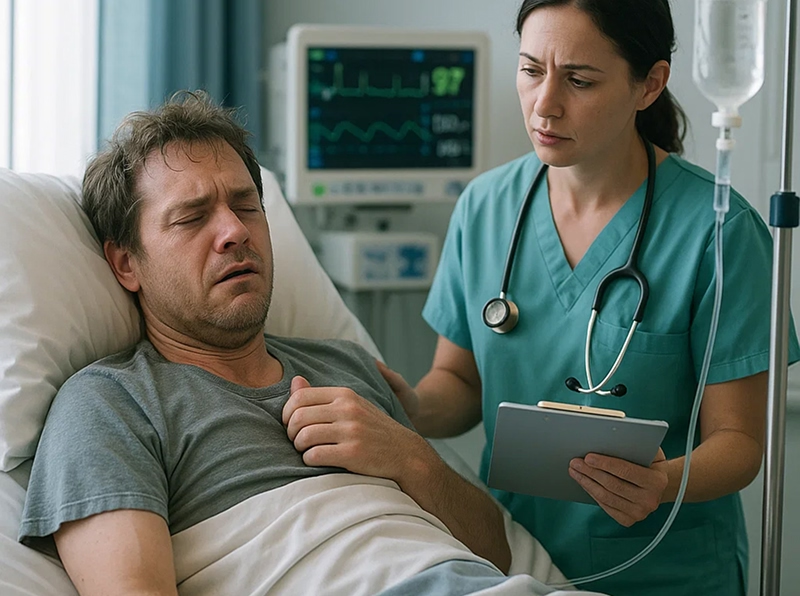
Y tá kiểm tra tình trạng bệnh nhân đang điều trị cai nghiện ma túy.

Phòng ngừa tái phát

We help you build tools and strategies to stay sober, with ongoing support long after you’ve left inpatient care.

Hai người đàn ông đang thảo luận về các chiến lược phòng ngừa tái phát bệnh.

Phục hồi chức năng khẩn cấp

If LSD use is spiralling and safety is a concern, we offer fast-tracked admission to stabilise and begin treatment quickly.

Các nhân viên hỗ trợ đưa một người vào xe trong quá trình can thiệp khẩn cấp.
Real people, real outcomes, real recovery

Stories from those who’ve overcome LSD addiction

LSD recovery isn’t easy, but it is possible. Hear directly from people who’ve been through our program, and from the loved ones who supported them along the way.

Ali Ademi

Sau nhiều năm trải qua chấn thương tâm lý, nghiện ngập và mất mát, Ali đã tìm thấy sức mạnh để xây dựng lại cuộc sống của mình nhờ sự hỗ trợ của một đội ngũ tận tâm, tinh thần cộng đồng và cam kết hướng đến sự hồi phục lâu dài.

Minh

Sau 32 năm vật lộn với chứng nghiện, Minh Pham đã tìm thấy hy vọng, sự chữa lành và một con đường mới tại Phòng khám Hader. Hành trình của anh là minh chứng cho sức mạnh của cộng đồng, lòng trắc ẩn và sự dũng cảm.

Peter El-Khouri

Sau nhiều lần tái phát, Peter đã tìm thấy sự hồi phục lâu dài nhờ Hader. Hãy đọc xem liệu pháp, cộng đồng và chăm sóc y tế đã giúp anh ấy lấy lại cuộc sống của mình như thế nào.

Calm, private, and purpose-built for recovery

Safe, welcoming spaces to heal and reset

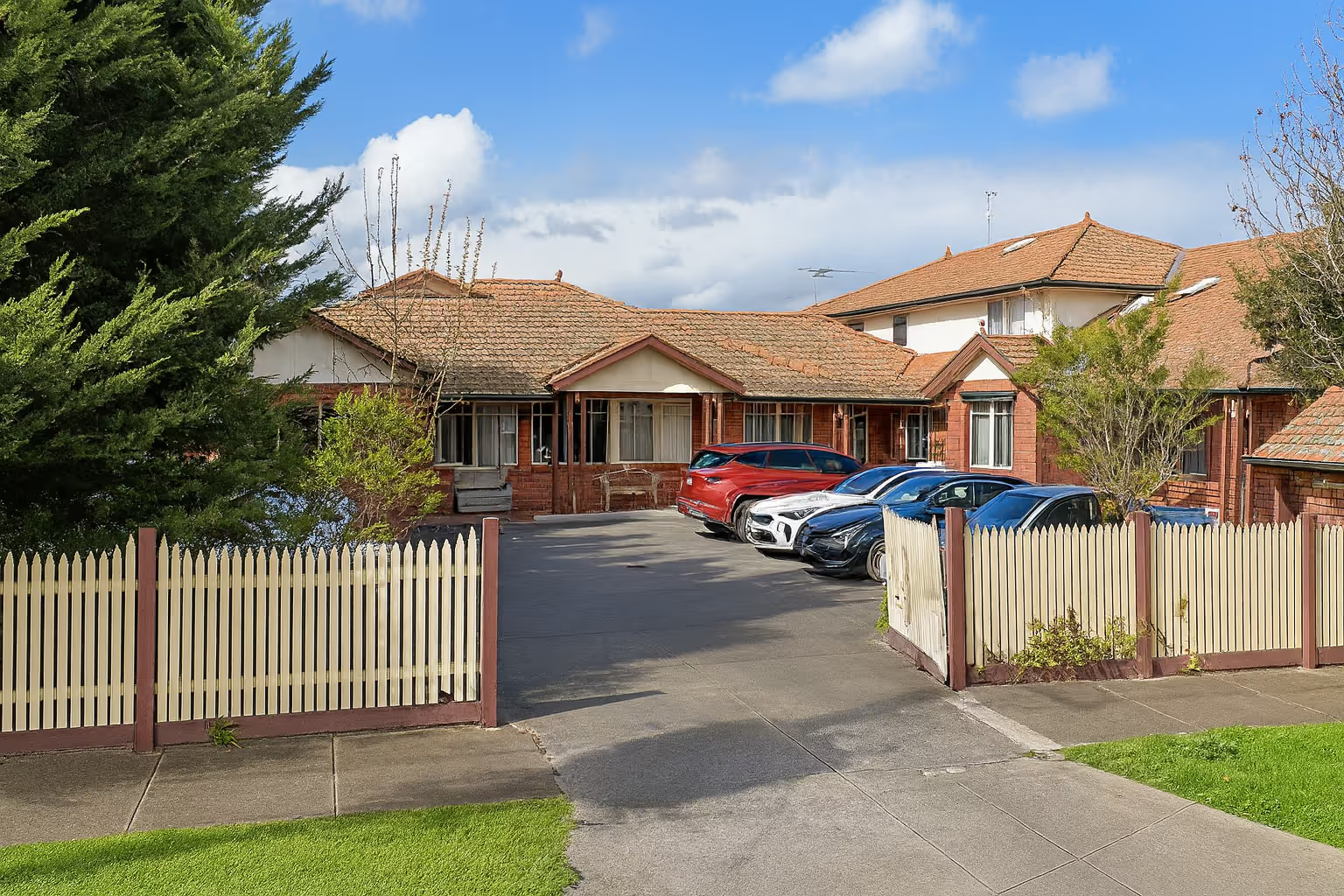
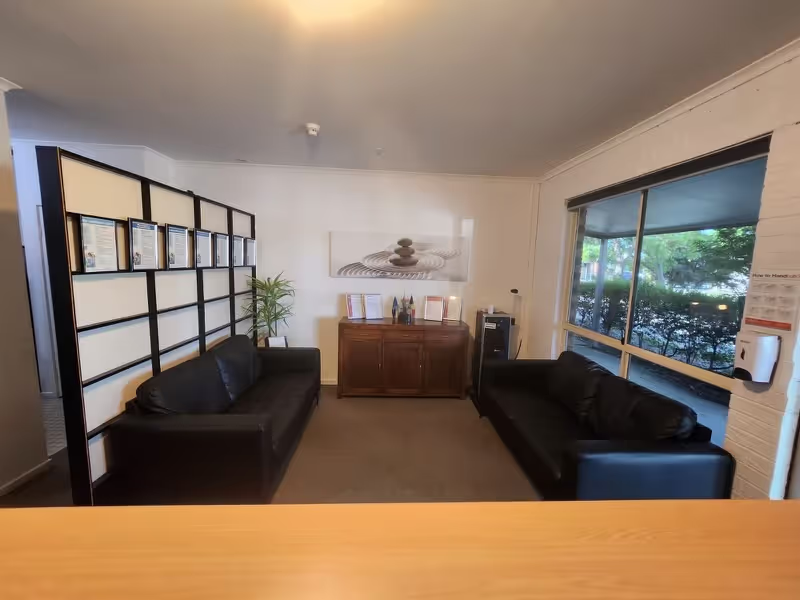
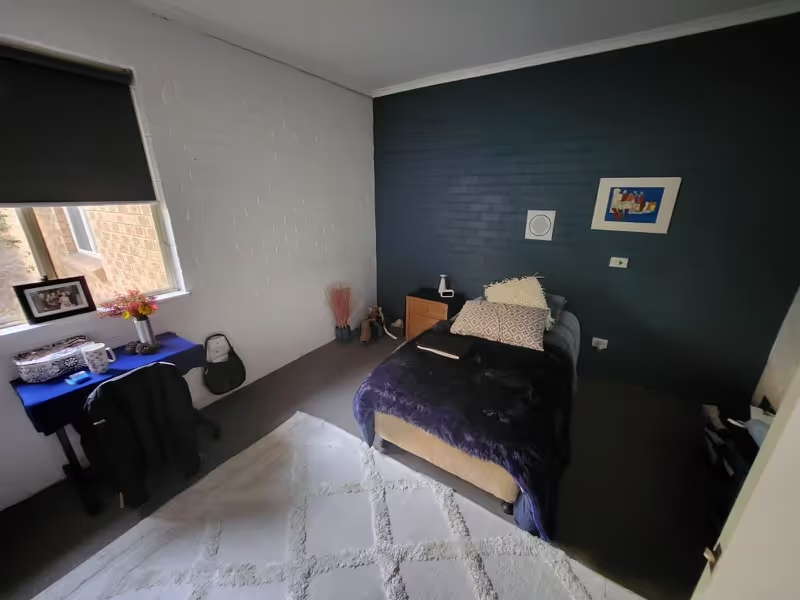
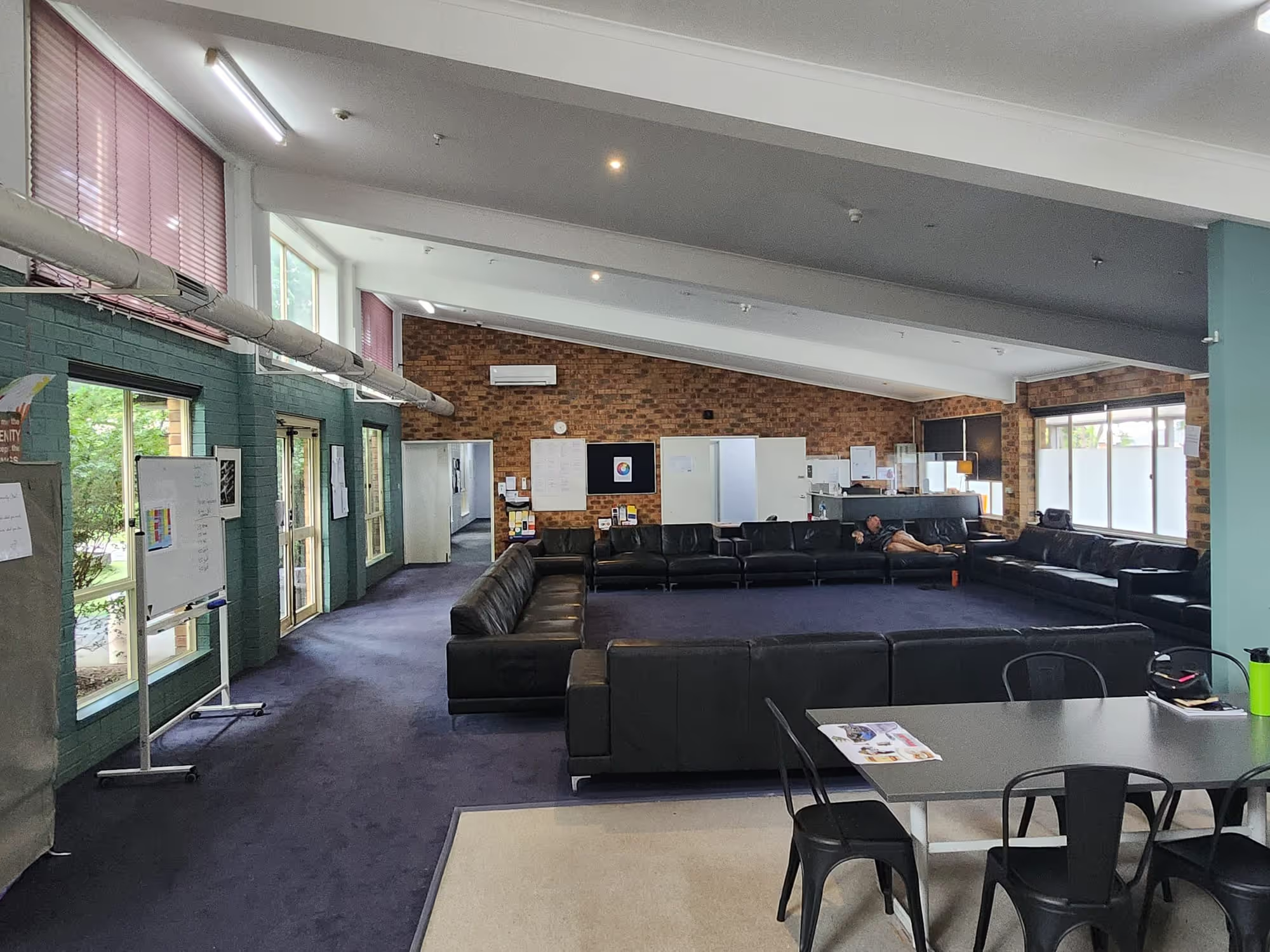
Our inpatient and withdrawal facilities are peaceful, discreet, and staffed 24/7 by clinical and support teams. You’ll have room to breathe, space to reflect, and access to everything you need for a safe, supported recovery, whether you’re just starting out or building stability long-term.

Chương trình phục hồi chức năng nội trú và chương trình nhà ở chuyển tiếp

Essendon
150-152 Đường Cooper, Essendon VIC 3040

Trung tâm phục hồi chức năng bệnh viện dành cho chương trình cai nghiện và giải độc 28 ngày.

Geelong
6-8 Townsend Road, St Albans Park, VIC 3219

100%

Khách hàng được nhận một kế hoạch điều trị cá nhân hóa.

92%

Đã hoàn thành toàn bộ thời gian nằm viện theo khuyến nghị.

72%

Tình trạng sức khỏe tâm thần được cải thiện khi xuất viện.

89%

Không tái phát trong 30 ngày đầu tiên sau khi cai nghiện.

Real outcomes for people who commit to recovery

Measurable success through every stage of care

Our LSD rehab pathway is built on evidence-based treatment, compassionate care, and long-term support. When clients engage with the full continuum, from detox to aftercare, the results speak for themselves.

Xem các nguồn tham khảo của chúng tôi bên dưới:

Hãy nói chuyện với người nào đó hiểu rõ vấn đề.

You don’t have to figure this out alone. If you’re worried about LSD use (your own or someone else’s), we’re here to listen and help you take the next step.

Làm bài kiểm tra trực tuyến miễn phí

Hãy làm một bài kiểm tra nhanh, riêng tư để xem liệu cai nghiện có thể giúp ích được không và tìm hiểu các lựa chọn hỗ trợ an toàn.

Đặt lịch trò chuyện miễn phí

 Hãy lên lịch một cuộc gọi riêng tư với chuyên gia vào thời gian phù hợp với bạn.

Hãy gọi cho chúng tôi ngay bây giờ

 Hãy liên hệ ngay với ai đó để được hướng dẫn và hỗ trợ.

Transparent pricing and real support options

Understanding costs and funding for LSD rehab

Rehab can feel like a big commitment, especially financially. We’ll walk you through the costs and help you access the funding support that’s available.

Funding and rebates available

Depending on your circumstances, Medicare, DVA, and private health cover may reduce your out-of-pocket costs. We can help you understand your options.

Tìm hiểu các lựa chọn tài trợ

What LSD rehab costs

We’re upfront about program pricing, with no hidden fees. Whether you’re looking at detox, inpatient rehab or extended care, we’ll help you plan clearly.

Tìm hiểu thêm về chi phí cai nghiện
A team that understands recovery inside and out

Meet the people behind your care

Our staff include doctors, therapists, counsellors, and support workers, many with lived experience of addiction. Together, we offer clinical insight and real empathy.

Một cư dân trong chương trình phục hồi chức năng sáng tạo của chúng tôi đang ngồi trong vườn và vẽ tranh hoa.
Hình ảnh của Andi Thania
A long-standing commitment to recovery

Tìm hiểu thêm về Phòng khám Hader

We’ve helped thousands of people find freedom from addiction. Our model of care blends evidence-based treatment, lived experience, and deep respect for every client.

We’re glad you’re asking for help

Support for you or someone you love

Whether you're struggling yourself or worried about someone else, you're in the right place. We offer judgment-free support from the moment you reach out.

Vì chính bạn

If LSD use is affecting your mental health, stability, or relationships, we can help you reset and recover.

Người phụ nữ ngồi co ro trên ghế dài cạnh cửa sổ sáng sủa, vẻ mặt trầm tư và lo lắng.

Dành tặng người thân yêu

Not sure what to do next? We’ll help you understand their options and take action with care and support.

Một cặp đôi ngồi cạnh nhau trong phòng trị liệu, lắng nghe với sự quan tâm và hỗ trợ.
Resources for navigating LSD and hallucinogen use

Articles that offer guidance, support, and insight

Explore our library of addiction blogs focused on LSD, hallucinogens, and related mental health concerns. Each piece is written with care by our team.

Hãy nói chuyện với người nào đó hiểu rõ vấn đề.

Cảm ơn bạn! Chúng tôi đã nhận được bài gửi của bạn!
Ôi! Đã xảy ra lỗi khi gửi biểu mẫu.
Straight answers for when you're feeling overwhelmed

Common questions about LSD addiction and recovery

How does LSD affect the brain and behaviour?

The LSD drug alters brain function by overstimulating serotonin receptors, which play a key role in mood, perception, and cognition. This can result in changes in perception, thought distortion, and intense sensory experiences. While many people associate LSD with vivid colours or hallucinations, the psychological effects can go much deeper. Some users experience intense fear, panic, or dissociation. These effects can last long after the trip, and the influence of LSD may cause difficulties with memory, focus, or emotional regulation. At The Hader Clinic, we support this recovery through dedicated mental health programs that help clients feel safe and grounded again.

Is LSD physically addictive or just psychological?

LSD is not considered physically addictive; it doesn't create chemical dependence or withdrawal symptoms. However, there is a high potential for abuse. Many people take LSD repeatedly to recreate past trips or escape painful emotions. This can lead to psychological reliance, especially when including LSD in regular routines or social use. While someone may not be physically addicted to LSD, the psychological pull can be strong and disruptive. If this feels familiar, our drug rehab programs offer structured support to break harmful patterns and rebuild stability.

What are the signs someone needs LSD addiction treatment?

LSD abuse can be subtle at first, especially because it’s not typically used daily. But over time, certain signs may appear: paranoia, emotional instability, flashbacks, or a sense of detachment from reality. People struggling with LSD may seem distant, erratic, or disconnected from their usual responsibilities and relationships. Some begin to isolate or obsess over altered states. If these changes persist, especially alongside repeated use of LSD, it may be time to seek help. We support both individuals and families through our rehab services for loved ones, offering guidance with compassion and clarity.

What does LSD rehab involve at The Hader Clinic?

LSD addiction treatment options at The Hader Clinic begin with a comprehensive assessment and structured inpatient care. Our approach includes medical support, rehab therapy, dual diagnosis treatment, and relapse prevention planning. The treatment facility offers a calm, safe environment where clients can stabilise and begin the deeper emotional work required for healing. Every treatment process is tailored to the individual, ensuring they receive the right mix of support across detox, therapy, and recovery planning. This comprehensive inpatient model gives clients the stability they need to reset and recover.

How does LSD interact with mental health conditions?

LSD can significantly affect people with existing psychological challenges. Although LSD has been explored in clinical settings, its unregulated use (especially in high doses) can worsen conditions like depression or anxiety. Since LSD targets serotonin receptors, it may amplify emotional swings, increase the risk of psychosis, or destabilise mood in the days or weeks after use. For those with a history of trauma, the effects can be particularly intense. That’s why our dual diagnosis approach treats substance use and mental health together, ensuring clients aren’t left managing either alone.

What happens during detox from LSD?

Detox from LSD typically involves psychological symptoms rather than physical withdrawal. People may experience confusion, anxiety, emotional flooding, or cravings for the drug, especially if they’ve used higher doses or for a prolonged period. We track each client’s use of LSD carefully and create a safe detox process that includes clinical monitoring, rest, and therapeutic grounding. The goal is to stabilise before entering structured rehab. Our drug detox program provides the calm, supportive space needed to make that transition safely.

What long-term support is available after rehab?

Healing takes time, and the journey to recovery doesn’t stop when rehab ends. We offer long-term support through transitional housing, outpatient counselling, and structured relapse prevention. These services help clients manage life after treatment, avoid triggers, and maintain the progress they’ve made. Whether you’re navigating alcohol and drug challenges or adjusting to a sober routine, the right support systems make a difference. Our relapse prevention programs are designed to keep clients connected and accountable through every stage of recovery.

What therapies are used to support LSD recovery?

LSD recovery often requires more than just abstinence: it involves emotional regulation, trauma resolution, and new coping strategies. We use cognitive behavioural therapy (CBT), mindfulness techniques, group sessions, and trauma-informed counselling. Each client receives an individualised treatment plan based on their needs, history, and readiness. These therapies are proven to support drug addiction treatment for individuals and also address the treatment of depression and anxiety. Our full rehab services are built to support sustainable recovery through expert-led, human-centred care.