































Quit smoking with expert support

Break your nicotine addiction in smoking rehab

Breaking free from nicotine takes more than willpower. Our smoking rehab program offers expert support, evidence-based care, and a safe place to recover physically and emotionally.

Hãy tự đánh giá bản thân hoặc nói chuyện với ai đó ngay bây giờ, không cần phải vội vàng cam kết.

A middle-aged woman sitting in her car in traffic, looking exhausted and irritable. Nicotine withdrawal can cause severe irritability and mood swings.

Medically supervised detox support

CBT-based relapse prevention tools

Nicotine replacement therapy options

Inpatient and outpatient treatment

Close-up of a person’s face in dramatic lighting, holding a lit cigarette near their mouth with smoke rising in the dark background.
It’s not just about quitting. It’s about recovering.

Why rehab helps when quitting smoking feels impossible

Quitting smoking is hard because nicotine is one of the most addictive substances known. It affects dopamine and norepinephrine, rewiring your brain and deepening dependence. For many, repeated attempts to quit alone have led to frustration, guilt, and relapse.

Rehab offers a different path, one focused on treating both the physical cravings and the mental health issues that fuel tobacco use. We combine medical support with addiction therapy to help you build lasting change.

  • Nicotine is highly addictive and affects the brain’s reward systems, which is why quitting can feel physically and emotionally overwhelming.
  • Our treatment centre helps you build skills, set goals, and replace triggers with healthier behaviours that reduce relapse risk.
  • We support people struggling with cigarettes, cigars, chewing tobacco, and other tobacco products with tailored strategies for each.
What to expect from our smoking rehab program

Practical tools and wraparound support to quit tobacco for good

Our smoking rehab program includes structured medical, psychological, and therapeutic support, all designed to help you quit for good.

What’s included and how it helps

  • CBT to help address triggers, habits, and emotional stressors behind tobacco use
  • Access to inpatient or outpatient services, depending on your lifestyle and needs
  • Nicotine replacement therapy (patches, inhalers, nasal spray) for withdrawal support
  • Group and individual addiction therapy focused on relapse prevention and coping strategies
  • Mental health care for co-occurring anxiety, depression, or trauma
  • Education sessions on smoking’s effects, risks, and recovery pathways
Understanding smoking addiction and recovery

What you need to know about nicotine dependence

Nicotine addiction is a complex physical and psychological condition. Even if someone desperately wants to stop smoking, withdrawal symptoms, stress and habit can make it incredibly hard to quit.

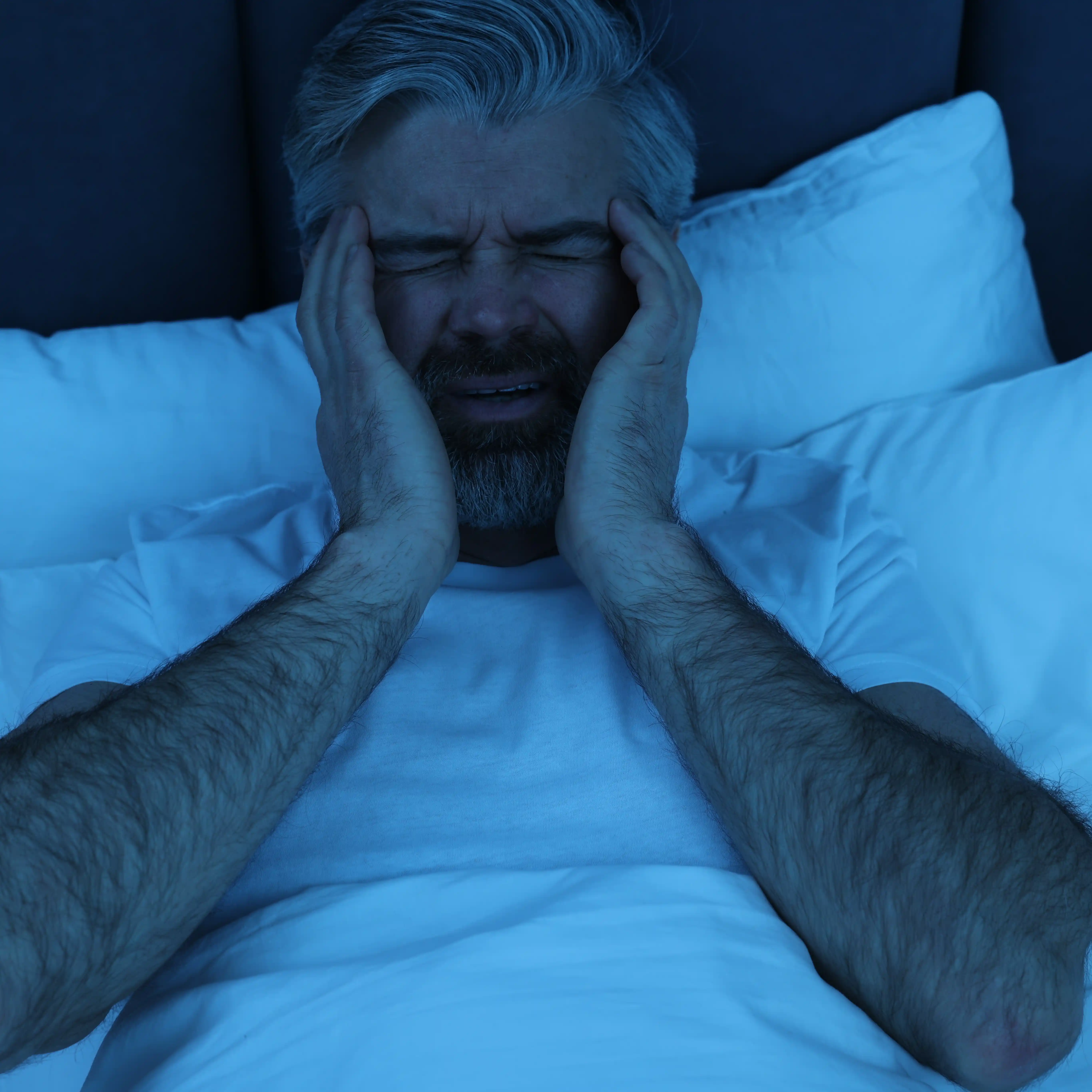
A middle-aged man is awake in bed in the middle of the night. He’s going through nicotine withdrawal and can’t sleep.

What is nicotine addiction?

Nicotine addiction occurs when your body and brain become dependent on nicotine, a highly addictive substance found in tobacco products. It changes the way your brain releases dopamine and norepinephrine, creating powerful cycles of reward, stress relief and craving. Over time, tobacco use rewires behaviour and mood regulation, which makes quitting more than just a physical challenge; it becomes emotional too.

What are the signs and symptoms of nicotine dependence?

When someone is addicted to nicotine, both physical and behavioural symptoms often show up. You may notice increased irritability or restlessness, trouble concentrating, and compulsive smoking even when it causes harm.

  • You feel anxious or stressed if you cannot smoke or vape.
  • You keep smoking despite health concerns or pressure to quit.
  • You’ve tried to stop smoking and relapsed multiple times.

What are the long-term effects of smoking?

Tobacco use is linked to a wide range of serious health risks, including heart disease, respiratory illness and cancer. Long-term use of tobacco can reduce your quality of life, limit your ability to exercise, and increase your risk of chronic conditions like emphysema. The latest government data shows a significant rise in e-cigarette use, especially among young people, and increasing reliance on roll-your-own tobacco.

  • Smoking is a leading contributor to lung cancer and bronchial illness.
  • Use of tobacco products can cause chronic coughing and shortness of breath.
  • Many people smoke to cope with stress or mental health issues.

How is nicotine addiction treated?

Treating nicotine addiction takes more than just willpower. At our treatment centre, we combine nicotine replacement therapy with holistic, evidence-based approaches including CBT, education sessions and addiction therapy. The right treatment plan supports both the physical and emotional aspects of recovery.

  • Nicotine withdrawal symptoms are managed with patches, sprays or medication.
  • Cognitive behavioural therapy helps reframe triggers and patterns.
  • We also address co-occurring mental health care and physical health concerns.

What does recovery from smoking look like?

Recovery is not just about quitting nicotine. It’s about creating a life where you no longer feel controlled by it. This includes building strong coping strategies, learning relapse prevention techniques, and finding support through a smoking cessation program. With structure and support, long-term abstinence is absolutely possible.

  • Residential treatment can be effective for severe or relapsing nicotine addiction.
  • Ongoing outpatient support helps maintain progress in everyday life.
  • Addiction and mental health recovery are deeply connected and addressed together.
CÔNG CỤ TỰ ĐÁNH GIÁ BÍ MẬT

Bạn lo lắng về việc uống rượu hoặc sử dụng ma túy?

Bài trắc nghiệm ngắn gọn, bảo mật này chỉ mất chưa đến hai phút và có thể giúp bạn hiểu rõ hơn những gì đang diễn ra. Hãy chọn danh mục mà bạn cảm thấy phù hợp nhất — cho dù đó là rượu, ma túy, hay sự kết hợp của nhiều vấn đề — và chúng tôi sẽ hướng dẫn bạn trả lời một vài câu hỏi đơn giản có/không.

Cuối cùng, chúng tôi sẽ cho bạn biết liệu câu trả lời của bạn có cho thấy đã đến lúc cần xem xét việc cai nghiện hay không, và chia sẻ các lựa chọn an toàn, bảo mật để bắt đầu.

Hãy làm bài kiểm tra ngay bây giờ
Programs designed for nicotine addiction

The programs we use to help you stop smoking

We use a mix of inpatient and outpatient treatment options, combining nicotine replacement therapy, CBT, education sessions and holistic modalities to treat the physical and emotional aspects of addiction. Every program is guided by your history, triggers and goals.

Chương trình nội trú

Chương trình cai nghiện nội trú với sự hỗ trợ bài bản, trị liệu và huấn luyện kỹ năng sống trong một môi trường an toàn, tập trung vào phục hồi.

Một cặp đôi trẻ nắm tay nhau trong buổi tư vấn, tìm kiếm sự hỗ trợ thông qua liệu pháp gia đình và mối quan hệ.

Chương trình dành cho gia đình

Cung cấp giáo dục, hỗ trợ nhóm và tư vấn để giúp các gia đình hiểu về chứng nghiện và hỗ trợ người thân của họ trong quá trình hồi phục.

Một phụ nữ tham gia buổi trị liệu phục hồi trực tuyến tại nhà, tham gia liệu pháp có cấu trúc thông qua chương trình cai nghiện trực tuyến Hader at Home.

Hader ở nhà

Một chương trình phục hồi hoàn toàn kỹ thuật số với việc kiểm tra sức khỏe hàng ngày, trị liệu trực tuyến và sổ tay tự học dành cho việc chăm sóc sau cai nghiện.

Một phụ nữ tóc nâu mỉm cười và chia sẻ một bước đột phá cá nhân trong buổi trị liệu nhóm, ăn mừng sự tiến bộ trong hành trình phục hồi ngoại trú của mình.

Chương trình điều trị ngoại trú chuyên sâu

Chương trình hỗ trợ cai nghiện bài bản với liệu pháp tâm lý, các buổi sinh hoạt nhóm và phòng ngừa tái nghiện, được thiết kế phù hợp với cuộc sống hàng ngày.

Một bệnh nhân nam đang trò chuyện với chuyên viên tư vấn cai nghiện của mình.

Tư vấn

Liệu pháp tâm lý dựa trên hiểu biết về chấn thương tâm lý, tư vấn cai nghiện và hỗ trợ gia đình có sẵn trực tiếp hoặc thông qua các phiên trực tuyến an toàn.

Người phụ nữ ôm chầm lấy bạn đời sau một cuộc can thiệp đầy xúc động tại nhà, thể hiện sự ủng hộ và động viên khi anh ấy đồng ý tìm kiếm sự giúp đỡ để cai nghiện.

Các biện pháp can thiệp

Hỗ trợ chuyên nghiệp giúp các gia đình dàn dựng một cuộc can thiệp an toàn, có cấu trúc và hướng dẫn người thân của họ tham gia điều trị.

Khung cảnh nhìn từ một khu nhà ở sang trọng riêng tư ra sân sau đầy cát và bãi biển, với ghế nằm thư giãn và cảnh quan nhiệt đới được thiết kế để mang lại sự thư thái, kín đáo khi nghỉ ngơi.

Phục hồi chức năng dành cho quản lý cấp cao

Liệu trình điều trị riêng tư, một kèm một trong không gian sang trọng, đảm bảo sự riêng tư tuyệt đối và lịch trình phục hồi được cá nhân hóa.

Hình ảnh tưởng niệm Ngày ANZAC gồm khẩu súng trường .303 cổ điển của Quân đội Úc, mũ rộng vành và huy hiệu mặt trời mọc, thẻ quân nhân, vòng hoa và quốc kỳ Úc ở phía sau.

phục hồi chức năng DVA

Chăm sóc nội trú chuyên biệt, thấu hiểu chấn thương tâm lý, dành cho cựu chiến binh và nhân viên cứu hộ, được DVA tài trợ toàn bộ cho các khách hàng đủ điều kiện.

Một cư dân đang ngồi trên ghế dài trong không gian chung, viết nhật ký cá nhân như một phần của chương trình cai nghiện theo lệnh của tòa án.

Chương trình cai nghiện theo lệnh tòa án

Chương trình điều trị nội trú có cấu trúc bao gồm cai nghiện, trị liệu và báo cáo pháp y để đáp ứng các yêu cầu bảo lãnh hoặc tuyên án.

Một người đàn ông đang buộc dây giày trong khu nhà ở tạm thời, chuẩn bị cho một ngày làm việc mới, xây dựng lại cấu trúc cuộc sống và sự độc lập sau thời gian điều trị nội trú.

Nhà ở chuyển tiếp

Nơi ở tập trung vào phục hồi chức năng, cung cấp liệu pháp, cấu trúc và sự hỗ trợ để thu hẹp khoảng cách giữa quá trình cai nghiện và cuộc sống độc lập.

Buổi trị liệu nhóm hỗ trợ tại một trung tâm cai nghiện y tế, nơi các bệnh nhân khác nhau chia sẻ kinh nghiệm của họ và một nhà tâm lý học nhẹ nhàng khuyến khích người tham gia mới.

cai nghiện tại bệnh viện

Chương trình cai nghiện được giám sát y tế 24/7 tại bệnh viện tư nhân có giấy phép, bao gồm hỗ trợ cai nghiện và chăm sóc tâm thần.

Những điều cần biết khi bạn liên hệ

Our process for personalised support

Bước 1

Hãy liên hệ với nhóm của chúng tôi.

We’ll talk through your tobacco use, mental health, and readiness to quit so we can understand your situation.

Bước 2

Build your treatment plan

Together, we’ll develop a tailored approach that includes the therapies, services and timeline that best suit your needs.

Bước 3

Bắt đầu quá trình phục hồi của bạn

Your program begins with medical support and counselling, followed by relapse prevention and long-term planning.

Chúng tôi luôn sẵn sàng hỗ trợ bạn bất cứ khi nào bạn cần – hãy đặt lịch gọi điện hoặc liên hệ với chúng tôi ngay bây giờ.

Built to give you the best chance at success

What makes our smoking rehab different

At The Hader Clinic, we recognise that addiction to nicotine is often entangled with stress, trauma and emotional coping. That’s why our programs combine evidence-based treatment with compassion, flexibility and trauma-informed care. We treat you as a person, not a habit, and we’ll walk alongside you for every step of your recovery.

We support both physical and emotional health

We treat nicotine addiction as a health issue, not a bad habit, and support your whole wellbeing.

Flexible options for different needs

We offer residential and outpatient options tailored to different levels of dependency.

Our team understands the struggle to quit

Our staff includes people with lived experience, who know how hard quitting can be.

Relapse prevention is built in

We’ll help you build long-term strategies that support your motivation and resilience.

Quality and safety you can trust

Our accreditations and clinical standards

We are fully accredited under the National Safety and Quality Health Service (NSQHS) Standards, governed by the Australian Commission on Safety and Quality in Health Care (ACSQHC).

Supporting your full recovery

Explore our full range of addiction services

We treat more than nicotine addiction. Explore our full range of drug rehab, detox, relapse prevention and emergency support services.

Trung tâm cai nghiện ma túy

Tailored inpatient and outpatient programs to help people overcome drug addiction and rebuild their lives with expert support.

Buổi trị liệu nhóm thảo luận về quá trình cai nghiện.

cai nghiện ma túy

Medically supervised detox programs that help manage withdrawal symptoms safely and prepare you for ongoing treatment.

Y tá kiểm tra tình trạng bệnh nhân đang điều trị cai nghiện ma túy.

Phòng ngừa tái phát

Support programs designed to help you stay on track long term with practical tools, community connection and personal counselling.

Hai người đàn ông đang thảo luận về các chiến lược phòng ngừa tái phát bệnh.

Phục hồi chức năng khẩn cấp

Rapid admission to treatment for those in crisis, including urgent detox and stabilisation in a safe, supportive environment.

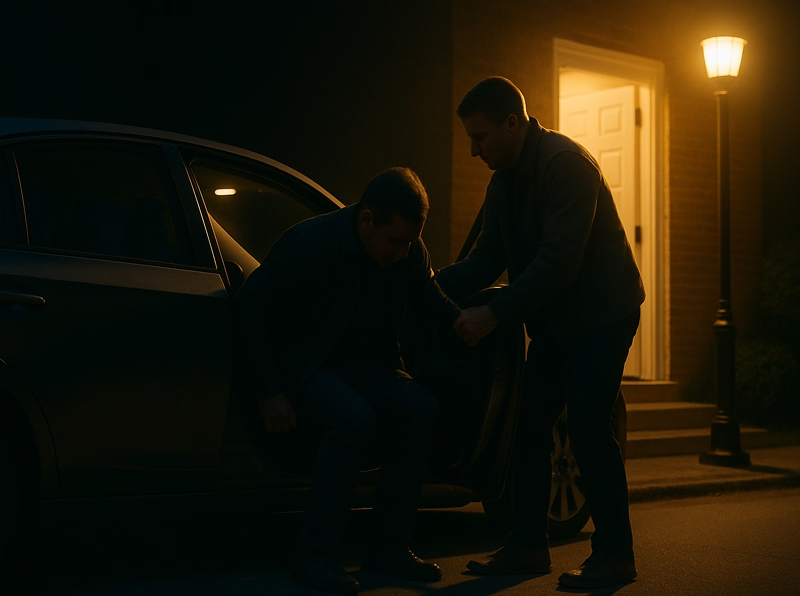
Các nhân viên hỗ trợ đưa một người vào xe trong quá trình can thiệp khẩn cấp.
Hear from people who’ve been there

Câu chuyện và lời chứng thực của khách hàng

Every recovery journey is different, but no one walks it alone. Read the stories of real clients and the families who found support and healing with our help.

Ali Ademi

Sau nhiều năm trải qua chấn thương tâm lý, nghiện ngập và mất mát, Ali đã tìm thấy sức mạnh để xây dựng lại cuộc sống của mình nhờ sự hỗ trợ của một đội ngũ tận tâm, tinh thần cộng đồng và cam kết hướng đến sự hồi phục lâu dài.

Minh

Sau 32 năm vật lộn với chứng nghiện, Minh Pham đã tìm thấy hy vọng, sự chữa lành và một con đường mới tại Phòng khám Hader. Hành trình của anh là minh chứng cho sức mạnh của cộng đồng, lòng trắc ẩn và sự dũng cảm.

Peter El-Khouri

Sau nhiều lần tái phát, Peter đã tìm thấy sự hồi phục lâu dài nhờ Hader. Hãy đọc xem liệu pháp, cộng đồng và chăm sóc y tế đã giúp anh ấy lấy lại cuộc sống của mình như thế nào.

See where care and healing come together

Cơ sở vật chất và địa điểm của chúng tôi

Our rehab centres are designed to support comfort, safety, and structured healing. With dedicated programs at both sites, you’ll find expert care in welcoming, private environments.

Chương trình phục hồi chức năng nội trú và chương trình nhà ở chuyển tiếp

Essendon
150-152 Đường Cooper, Essendon VIC 3040

Trung tâm phục hồi chức năng bệnh viện dành cho chương trình cai nghiện và giải độc 28 ngày.

Geelong
6-8 Townsend Road, St Albans Park, VIC 3219

100%

Khách hàng được nhận một kế hoạch điều trị cá nhân hóa.

92%

Đã hoàn thành toàn bộ thời gian nằm viện theo khuyến nghị.

72%

Tình trạng sức khỏe tâm thần được cải thiện khi xuất viện.

89%

Không tái phát trong 30 ngày đầu tiên sau khi cai nghiện.

Real outcomes from nicotine addiction treatment

What our data shows about recovery from smoking

The outcomes of our smoking cessation program reflect the structured support, therapeutic tools, and relapse prevention planning we offer. Our long-term success rates show that with the right treatment, recovery from nicotine addiction is absolutely possible.

Xem các nguồn tham khảo của chúng tôi bên dưới:

Reach out and take the first step

It’s never too late to get support for nicotine addiction. Whether you’re trying to quit for the first time or need help after a relapse, we’re here to listen and guide you forward.

Làm bài kiểm tra trực tuyến miễn phí

Hãy làm một bài kiểm tra nhanh, riêng tư để xem liệu cai nghiện có thể giúp ích được không và tìm hiểu các lựa chọn hỗ trợ an toàn.

Đặt lịch trò chuyện miễn phí

 Hãy lên lịch một cuộc gọi riêng tư với chuyên gia vào thời gian phù hợp với bạn.

Hãy gọi cho chúng tôi ngay bây giờ

 Hãy liên hệ ngay với ai đó để được hướng dẫn và hỗ trợ.

Understand your financial options

Costs, funding and insurance options

Rehab can be affordable with the right plan. We’ll walk you through available funding options and tailor a pathway that works for your situation.

What funding options are available?

Many private health funds cover addiction treatment, and we’ll help you understand your entitlements. Payment plans are also available.

Tìm hiểu các lựa chọn tài trợ

How much does smoking rehab cost?

The cost of residential or outpatient treatment will depend on your chosen program. We’ll provide transparent pricing before you commit to anything.

Tìm hiểu thêm về chi phí cai nghiện
Support starts with the right people

Meet the team who will support you

From your first conversation through to long-term recovery, our multidisciplinary team brings clinical expertise and genuine care to every stage of your journey.

Một cư dân trong chương trình phục hồi chức năng sáng tạo của chúng tôi đang ngồi trong vườn và vẽ tranh hoa.
Hình ảnh của Andi Thania
A trusted name in addiction care

Giới thiệu về Phòng khám Hader

We’ve been helping Australians recover from addiction for over 20 years. Our programs are built on experience, compassion, and evidence-based care.

For yourself or someone you love

Ask for help. It can change everything.

Whether you're struggling personally or supporting someone else, reaching out can be the turning point. We’re here with the care and answers you need.

Vì chính bạn

Confidential, judgment-free support tailored to your needs and goals.

Người phụ nữ ngồi co ro trên ghế dài cạnh cửa sổ sáng sủa, vẻ mặt trầm tư và lo lắng.

Dành tặng người thân yêu

Guidance, intervention planning and recovery support for families.

Một cặp đôi ngồi cạnh nhau trong phòng trị liệu, lắng nghe với sự quan tâm và hỗ trợ.
Resources to guide and inform you

Blogs on smoking addiction and recovery

Our blogs explore the science, psychology and lived experiences of addiction. If you're curious about smoking rehab, start with these practical reads.

Take the next step forward

Quitting smoking starts with a conversation

Rehab works, and the right support makes it easier to stay committed. If you’re ready to stop smoking for good, we’re here to guide your next step.

Hãy nói chuyện với người nào đó hiểu rõ vấn đề.

Cảm ơn bạn! Chúng tôi đã nhận được bài gửi của bạn!
Ôi! Đã xảy ra lỗi khi gửi biểu mẫu.
Honest answers from our team

What to know about rehab for smoking

Is there rehab for smoking?

Yes, there are specialised rehab centre programs designed to help people overcome nicotine addiction. While nicotine is legal and widely available, it’s also one of the most addictive drugs. For those who have tried to quit multiple times or who are living with mental health issues or a substance use disorder, professional support can make a meaningful difference.

At The Hader Clinic, we offer both inpatient and outpatient treatment options for nicotine dependence. Our nicotine rehab programs use evidence-based approaches like cognitive behavioural therapy (CBT), motivational interviewing, and relapse prevention planning. You’ll work with treatment providers who understand how difficult it can be to quit smoking and who can help you find the right treatment program to suit your lifestyle and goals.

Bạn có được hút thuốc lá trong trung tâm cai nghiện không?

Most rehabs have smoking bans at work and throughout their facilities for health and safety reasons. However, many treatment centres offer designated outdoor smoking areas or structured support to help you begin quitting during your stay. At The Hader Clinic, we understand that people smoke for a range of reasons, and we meet you where you’re at.

If you’re ready to stop smoking, we can include support within your broader addiction recovery program. This includes nicotine replacement therapies like the nicotine patch or inhaler, and counselling that targets both physical cravings and emotional triggers. We may also recommend additional support through our inpatient mental health rehab if your tobacco use is closely tied to anxiety, trauma, or stress.

Why is it so difficult to quit smoking?

Nicotine is a highly addictive substance that activates reward pathways in the brain. It releases dopamine and norepinephrine, which create short bursts of focus and calm. Over time, your brain adjusts to these artificial spikes, and you develop tolerance, dependence, and intense cravings.

Because cigarettes are legal, accessible, and often used in times of stress or boredom, quitting is about more than willpower. It requires addressing your environment, triggers, emotional regulation, and habits. That’s why rehab programs for smoking often include addiction therapy and holistic care: to treat both the physical and emotional reasons people keep smoking.

What are the health effects of nicotine?

The effects of nicotine are wide-ranging. It can increase heart rate, constrict blood vessels, and contribute to long-term health concerns like high blood pressure and respiratory issues. But the real damage often comes from the delivery method, particularly smoking.

Smoking tobacco products exposes your body to carbon monoxide, tar, and hundreds of other toxic chemicals. Over time, this can cause emphysema, bronchial irritation, lung cancer, and cardiovascular disease. Even e-cigarettes and chewing tobacco carry significant health risks. That’s why finding a nicotine rehab program is so important if you want to quit for good.

What are the best treatment options for nicotine dependence?

There’s no one-size-fits-all answer, but the most effective nicotine addiction treatment programs combine behavioural support with pharmacological aids. Treatment options for nicotine dependence include:

  • Cognitive behavioural therapy (CBT): Helps identify and change thought patterns and behaviours that lead to relapse.
  • Nicotine replacement therapy (NRT): Includes nicotine patches, nasal spray, inhalers, and gum to reduce withdrawal.
  • Bupropion or other antidepressants: Non-nicotine medications that reduce cravings and improve mood.

Motivational interviewing, education sessions, and peer support are also important parts of a comprehensive treatment program. We offer all of these at our premier rehabilitation facility.

How can rehab help you quit smoking?

Rehab centres provide a structured, supportive environment with access to experienced treatment providers. At The Hader Clinic, our programs help you:

  • Manage cravings with medical and therapeutic tools
  • Understand and change the habits tied to tobacco use
  • Build long-term relapse prevention strategies

We don’t just focus on smoking; we also consider your mental health, physical well-being, and other life factors. For those who have relapsed multiple times, our relapse prevention program offers practical support and tools to help you stay smoke-free for good.

Are there differences in quit rates with rehab?

Yes. People who access structured support through a rehab centre typically have higher quit rates than those who try to stop smoking on their own. When you combine behavioural counselling, pharmacotherapy like the nicotine patch or bupropion, and follow-up support, your chances of success improve significantly.

In fact, research shows that people enrolled in professional programs are more likely to quit smoking for good, particularly when programs last longer than four weeks. If you’ve been struggling to quit despite multiple attempts, working with addiction rehab professionals can help break the cycle.

Do I need to be addicted to other drugs to go to smoking rehab?

Not at all. While many of our clients are managing co-occurring addictions or mental health conditions, we also support people whose primary concern is smoking. The use of tobacco, whether through cigarettes, cigars, chewing tobacco, or vaping, is a serious health risk on its own.

If you’ve reported smoking regularly or feel that your nicotine use is out of your control, you deserve support. We’ll work with you to assess your needs, offer the right treatment plan, and connect you with compassionate care. It doesn’t matter whether your addiction is visible to others. If it’s hurting your health or happiness, we’re here to help.