
















When mental health and addiction overlap

Dual diagnosis rehab for addiction and mental health issues

When mental health symptoms and substance use collide, it takes integrated care to truly heal. By helping you overcome your addiction, we can help alleviate the mental health issues that have grown out of it.

立即进行自我评估或与他人交流,无需立即做出决定。

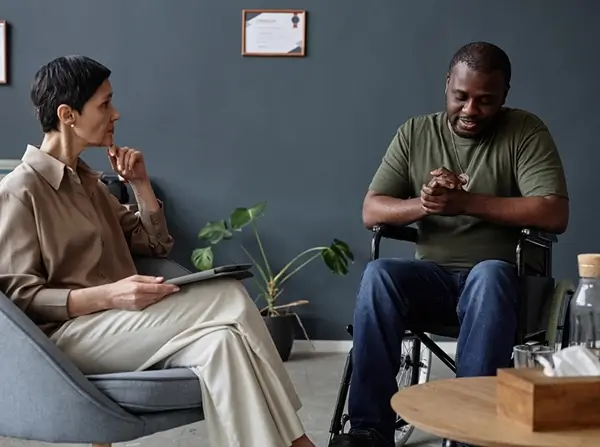
A young man in a consultation with his GP in a doctor’s office. He’s getting a mental health plan referral.

Integrated mental health care

Experienced dual diagnosis team

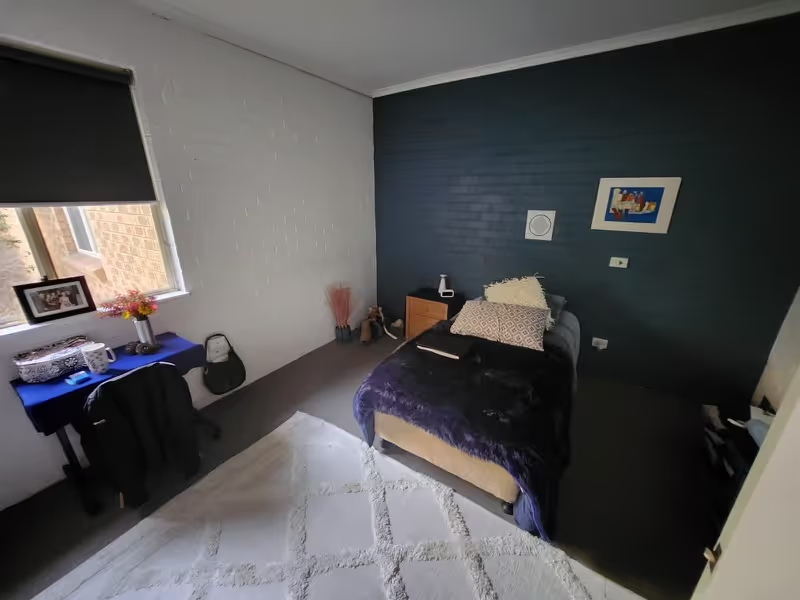
Safe inpatient rehab environment

Tailored recovery treatment plans

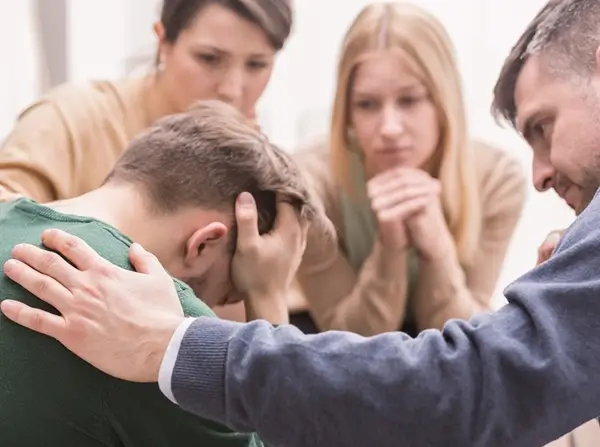
A group of our clients in a counselling session in our drug detox program.
One team, one plan, full support

Dual diagnosis rehab helps you recover from addiction and mental illness

Addiction can worsen mental health symptoms, while untreated mental health challenges can make it harder to stay sober. The Hader Clinic’s dual diagnosis treatment helps people living with both a substance use disorder and a co-occurring mental health condition, such as anxiety, depression, PTSD, bipolar disorder, or schizophrenia.

Our priority is to treat the disease of addiction first, while also helping clients understand, manage, and stabilise the psychological symptoms that accompany it. Here’s how we do that:

  • Addiction-focused care with mental health support: We treat addiction as the primary illness while addressing co-occurring mental health symptoms within the same plan.
  • Comprehensive clinical and therapeutic care: Each program blends medical detox, counselling, and evidence-based therapy with compassion and understanding.
  • Holistic recovery pathway: Clients learn to manage their emotional well-being, rebuild daily structure, and reconnect with purpose and community.
Designed for dual diagnosis recovery

What’s included in our integrated rehab

We combine therapeutic support with medical supervision and structured care to address every layer of dual diagnosis.

主要特点与优势

  • Daily mental health and addiction counselling sessions with experienced clinicians
  • Psychiatric assessment and medication support where clinically appropriate
  • Stabilisation and monitoring during drug withdrawal under medical supervision
  • DBT and trauma-informed practices for emotional regulation and safety
  • Peer support from staff who’ve recovered from dual diagnosis themselves
  • Structured daily activity program to rebuild confidence and purpose
Understanding dual diagnosis

Addiction and mental illness often go hand in hand

Many people experiencing addiction are also struggling with a mental health condition, and it’s more common than you might think. Substance use disorders are a type of mental illness, affecting around 650,000 Australian adults in any given year.

什么是双重诊断?

Dual diagnosis refers to the experience of having both a mental health disorder and a substance use issue at the same time. The two problems often feed into each other: people may use drugs or alcohol to manage symptoms like anxiety or depression, while long-term substance use can worsen existing mental illness. Addressing both sides together is essential for real, lasting recovery.

Common symptoms and signs

When mental health and substance use conditions overlap, the symptoms often mimic or mask each other. This can make it hard to identify the root cause, even for health professionals. You might see mood swings, paranoia, withdrawal from loved ones, or unexplained aggression. It’s also common to notice trouble concentrating, erratic behaviour, or worsening psychiatric symptoms after drug or alcohol use.

  • People may isolate, self-medicate or display emotional volatility without a clear cause.
  • Mental health symptoms may fluctuate in severity depending on drug or alcohol use patterns.
  • It’s common to see denial or confusion about which issue is causing what, and what to do next.

How a dual diagnosis affects people

Living with a co-occurring disorder can feel chaotic, especially when support services treat one problem while ignoring the other. Without integrated care, people may bounce between hospitals, detox, and crisis services without ever receiving the right treatment. This can lead to further harm, feelings of failure, and worsening instability, not only for the person but also for their loved ones.

  • It may become difficult to maintain housing, relationships or employment due to instability.
  • Some people are misdiagnosed or turned away from services because of their co-occurring issues.
  • The risk of suicide, overdose, hospitalisation or incarceration increases without integrated care.

Treatment for a dual diagnosis

Treatment needs to reflect the full picture of what someone is facing. At The Hader Clinic, we offer a holistic dual diagnosis program. Our approach includes medical supervision, trauma-informed counselling, medication review, and behavioural therapies like DBT to help clients build skills and regain emotional control.

  • Programs use DBT, trauma-informed care, and medication review to stabilise symptoms.
  • A team of AOD and mental health clinicians work together on one clear treatment plan.
  • Services should be residential, integrated, and specialised in dual diagnosis from day one.

Recovery with dual diagnosis rehab treatments

Recovery is absolutely possible, even for people who feel like they’ve exhausted every option. With the right support, people with dual diagnosis can learn to manage their symptoms, reduce drug use, and rebuild their lives. Ongoing care is essential — recovery doesn’t end after rehab, and we’ll help connect you with the mental health and addiction services you need to keep moving forward.

  • The first step is finding a rehab centre that understands and treats both parts equally.
  • Long-term recovery means ongoing mental health care alongside addiction support.
  • Our team will help you find what works for you — and stay with you throughout the process.
保密自我评估工具

担心自己的饮酒或吸毒问题吗?

这份简短的保密测评只需不到两分钟,能助您厘清当前状况。请选择最符合您情况的类别——无论是酒精、药物问题,还是多重困扰——我们将引导您完成几个简单的是非题。

测评结束后,我们将根据您的回答告知是否需要考虑康复治疗,并提供安全保密的治疗启动方案。

立即参加测验
Real, integrated support from day one

Programs designed for complex dual diagnosis

Treating dual diagnosis means supporting the whole person, not just their addiction or their mental health, but both, together. Our residential rehabilitation facility is staffed by addiction and mental health professionals who collaborate daily. Together, they build tailored treatment plans that adapt as you grow, helping you stabilise, engage, and begin to recover.

住宿项目

在安全、专注康复的环境中提供住宿式康复服务,包含结构化支持、治疗及生活技能培训。

年轻夫妇在咨询过程中牵手,通过家庭和关系治疗寻求支持。

家庭计划

教育、团体支持和咨询服务,帮助家庭理解成瘾问题并支持亲人的康复。

一名女性在家中参与虚拟康复课程,通过Hader at Home在线康复项目进行结构化治疗。

哈德居家

一套完整的数字化康复计划,包含每日签到、在线治疗及康复后护理的自学手册。

一位深褐色头发女性在团体治疗中微笑着分享个人突破,庆祝她在门诊康复旅程中的进展。

强化门诊治疗计划

结构化成瘾支持服务,包含治疗、团体辅导及复发预防,专为适应日常生活而设计。

一名男性住户正与他的康复顾问交谈。

心理咨询

创伤知情疗法、成瘾咨询及家庭支持服务,可通过面对面或安全在线会话获取。

在家中经历一场真挚的劝说后,女子拥抱她的伴侣,给予支持与鼓励,而他同意寻求戒瘾帮助。

干预措施

专业支持,协助家庭实施安全有序的干预,引导亲人接受治疗。

从私人豪华住宅眺望沙质后院与海滨景观,躺椅与热带景观设计营造出宁静私密的疗愈空间。

高管康复

在奢华环境中享受私密的一对一治疗,全程保密,并提供个性化的康复计划。

澳新军团日纪念场景:陈旧的澳大利亚陆军.303步枪配斜顶软呢帽与旭日徽章,士兵的狗牌,花环,背景是澳大利亚国旗。

退伍军人事务部康复

为退伍军人和第一响应者提供专业的创伤知情住院护理,符合条件的退伍军人事务部客户可享受全额资助。

一位居民坐在公共区域的沙发上,正撰写个人日记,这是他根据法院命令进行康复治疗的一部分。

法院强制戒毒

结构化住院治疗项目,包含戒毒、心理治疗及法医报告服务,以满足保释或量刑要求。

过渡性住房里的男子系着鞋带,准备迎接新一天的工作,在住院康复后重建生活秩序与独立能力。

过渡性住房

以康复为导向的住宿服务,提供治疗、结构化支持及生活指导,旨在衔接康复治疗与独立生活之间的过渡期。

在医疗戒毒中心进行的支持性团体治疗会话中,来自不同背景的患者们分享各自经历,心理咨询师温柔地鼓励一位新参与者。

医院戒毒

在持牌私立医院接受全天候医疗监督下的戒毒治疗,包括戒断症状支持和精神科护理。

Getting started with the right support

当你主动联系时会发生什么

第一步

Reach out for a chat

We’ll talk through what you’re facing and share how we may be able to help. No pressure, no judgement.

步骤2

Personalised intake

If you’re ready, we’ll complete an assessment and create a tailored care plan suited to your needs.

步骤3

Begin residential care

You’ll arrive on-site, meet the team, settle in, and begin the next stage of your recovery journey.

我们随时恭候您的光临--现在就拨打电话或与我们的工作人员联系。

We treat every client as an individual

What makes our program different

Our program is built for people with complex needs. Whether you’ve been misdiagnosed, turned away, or misunderstood, we see the full picture. We offer real structure, real clinical oversight, and real empathy. Our goal is to stabilise your symptoms, help you understand your condition, and start the recovery process with treatment that actually fits your life.

Clinicians across addiction and mental health

You'll work with an integrated team of AOD and mental health professionals who share your care.

Personalised, adaptive treatment plans

We update your treatment as you progress, with weekly case reviews and client involvement at every step.

Residential setting for stabilisation

Our inpatient facility is safe, therapeutic, and designed to support you through periods of acute instability.

Programs that work when others haven't

We regularly support clients who've tried rehab before and need something more targeted, compassionate and consistent.

Quality care you can trust

Our accreditations and clinical standards

We are fully accredited under the NSQHS standards and overseen by the Australian Commission on Safety and Quality in Health Care (ACSQHC).

Other rehab services we offer

Programs for a range of support needs

We provide specialised programs for addiction, mental health, and dual diagnosis, with flexible entry points and real-world support.

酒精康复治疗

Residential alcohol rehab with clinical withdrawal support and long-term relapse prevention.

戒毒康复

Structured inpatient care for ice, heroin, cannabis and other drug dependencies.

Dual diagnosis rehab

Integrated support for mental health and substance use issues together, not separately.

Inpatient mental health

Supportive inpatient program for stabilising and managing complex mental health concerns.

Hear from the people who’ve been there

Client stories and real testimonials

Everyone’s experience is different, but you’re not alone. Read how others with dual diagnosis found clarity, strength, and support through our programs.

阿里·阿德米

历经多年的创伤、成瘾与失去,阿里在充满同情心的团队支持、社区归属感以及对长期康复的承诺中,找到了重建人生的力量。

在32年的成瘾困扰后,明·范在哈德诊所找到了希望、治愈与新生之路。他的经历见证了社区力量、同情心与勇气的非凡力量。

彼得·埃尔-库里

历经多次复发后,彼得在哈德的帮助下实现了长期康复。了解治疗、社区支持和临床护理如何助他重获新生。

Our facilities and locations across Victoria

Safe, supportive and purpose-built environments

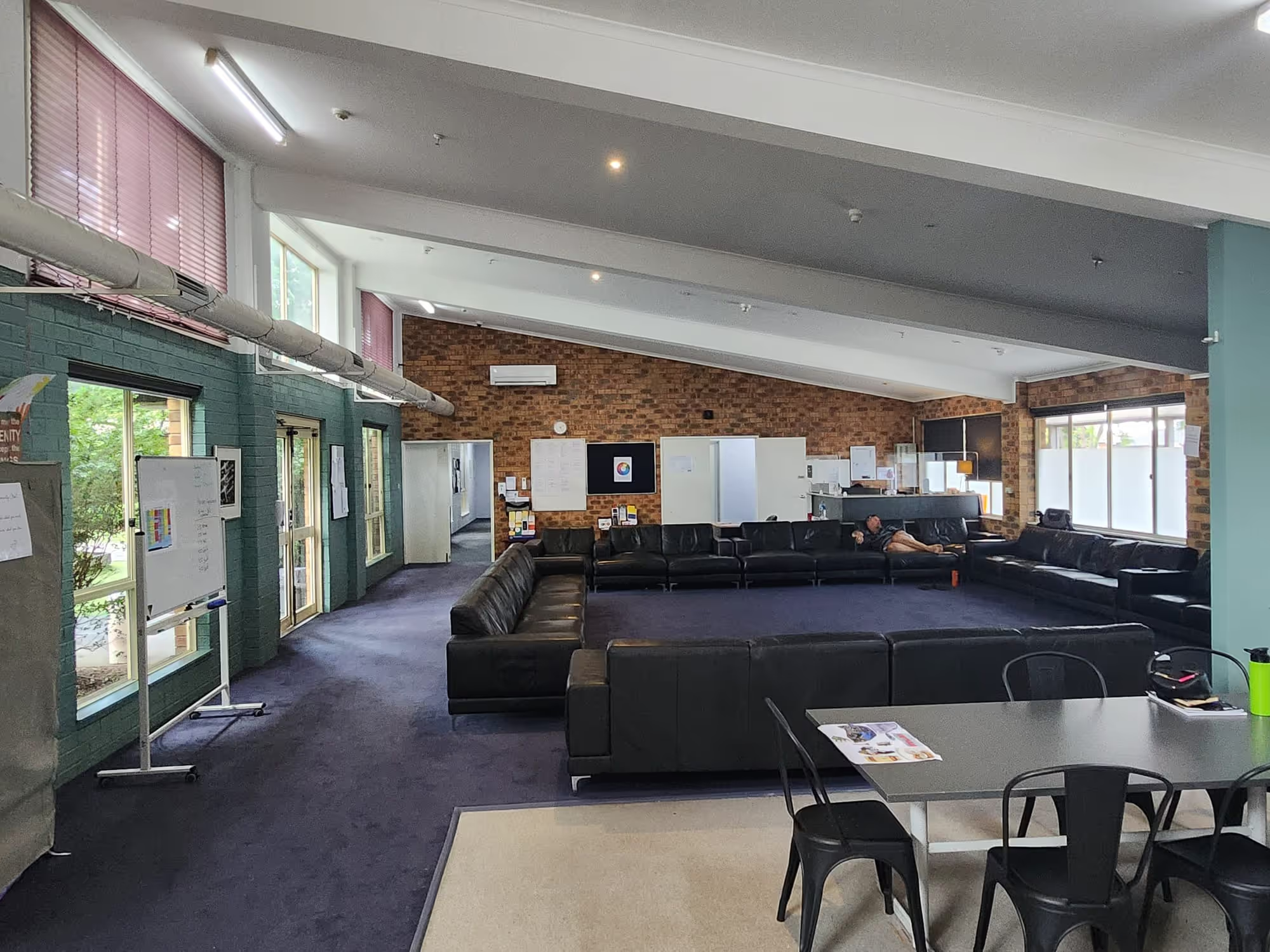
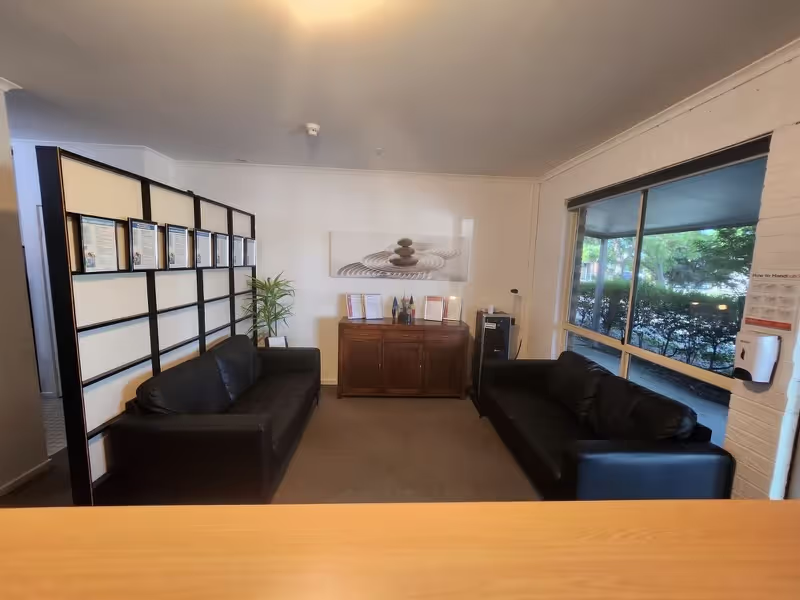
Our programs run from two specialist centres in Victoria. Each location offers 24/7 support, therapeutic spaces, and the structure needed for real recovery.

住院康复计划与过渡性住房计划

埃森登
库珀街150-152号,埃森登,维多利亚州,邮编3040

医院康复中心——28天戒断与排毒项目

吉朗
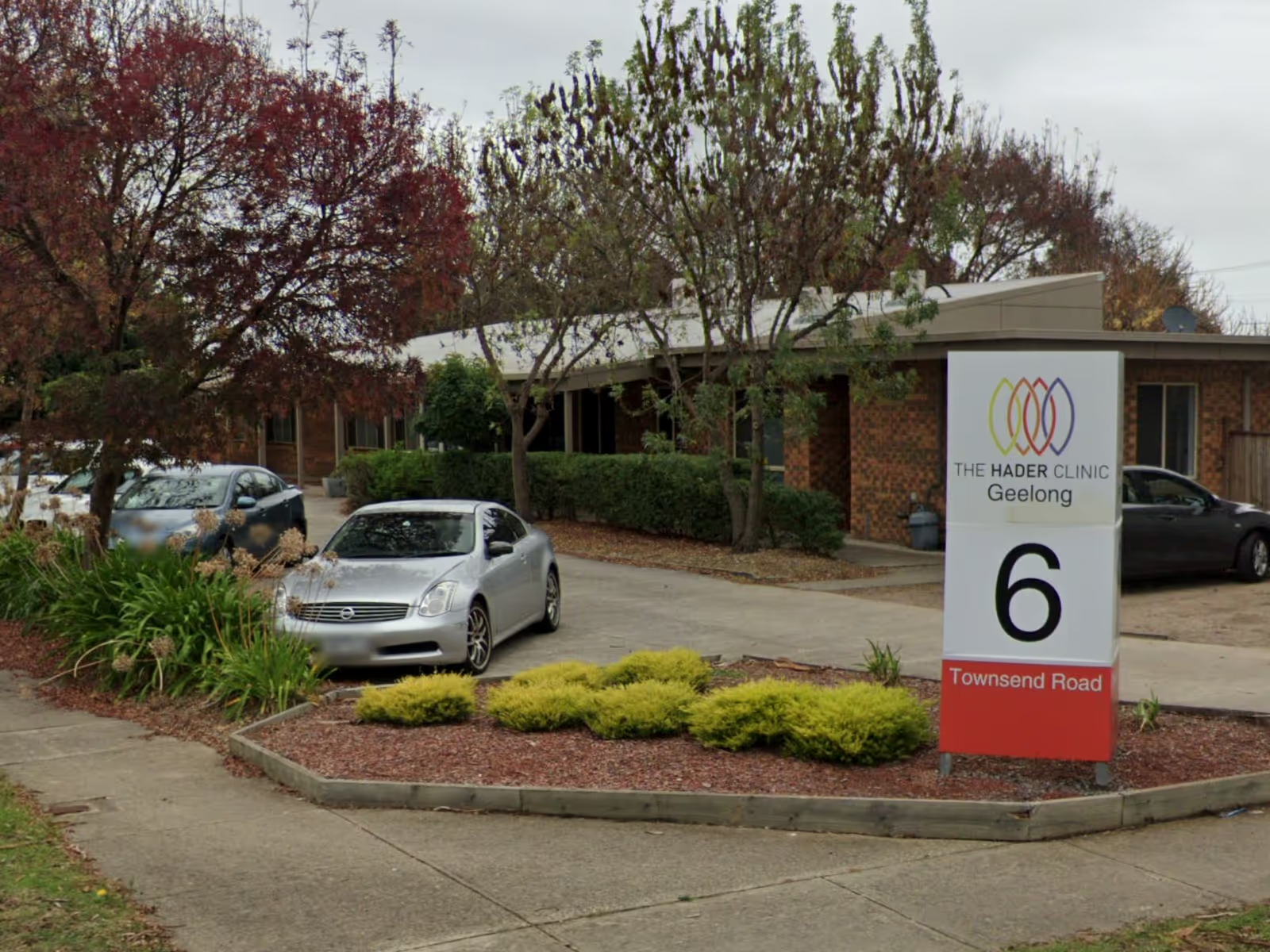
6-8汤森路,圣奥尔本斯公园,维多利亚州 3219

80%

Program completion rate for dual diagnosis clients.

81%

Remain sober at 3-month follow-up.

76%

Report better mood or daily functioning.

4 days

Median wait from first contact to admission.

Outcomes for people with dual diagnosis

Program results backed by real data

Clients with co-occurring conditions are more likely to complete treatment, remain sober after discharge, and report improved well-being during care.

Ready when you are, every step of the way

You don’t need to have everything figured out. If you’re worried about your mental health and substance use, we’re here to help you take the next step safely.

参加免费在线评估

立即进行简短的私密测评,了解康复治疗是否对您有效,并探索安全可靠的支持方案。

预约免费咨询

 请选择适合您的时间,与专家安排一次保密通话。

立即致电我们

 立即与他人沟通以获取指导和支持。

Know what to expect

Funding support and treatment costs

We’ll give you honest information about costs, private health cover, and funding support so you can make confident decisions.

How much does treatment cost?

We clearly explain the cost of dual diagnosis rehab: what’s included, how fees work, and how we support affordability.

探索融资方案

Private health and funding help

We’ll help you understand your private health cover and whether any additional funding options may apply.

了解更多关于康复治疗费用的信息
A team that understands both sides

Meet the people who’ll be caring for you

We’re not just health professionals. Many of us have lived experience. We listen without judgment and support you with real compassion.

一位参与我们创意康复项目的居民,正坐在花园里绘制花卉艺术作品。
安迪·塔尼亚的图像
More than a treatment centre

Get to know who we are and what we stand for

We’ve been helping people with co-occurring mental health and addiction issues for over 25 years. We focus on trust, empathy, and lasting recovery.

Support for you or someone you love

There’s no wrong time to ask for help

Whether you’re struggling yourself or supporting someone else, we’ll meet you where you are and walk alongside you toward recovery.

I need help for myself

We support people facing mental illness and substance use. You don’t have to navigate this on your own.

一位女子蜷缩在明亮窗边的沙发上,神情若有所思又忧心忡忡。

I need help for someone else

If someone you care about is in crisis, we can help you understand what’s going on and how to support them into

一对夫妇坐在心理治疗师的办公室里,带着关切与支持倾听着。
你并不孤单

Take the first step toward change

Every journey starts with a decision to try. When you’re ready, we're here with expert care, honest guidance, and a place where recovery is truly possible.

找个懂你的人聊聊

谢谢!您的提交已收到!
哎呀!提交表单时出了点问题。
迈出康复的第一步

Let’s plan your path to recovery together

What types of mental health conditions do you support in your dual diagnosis program?

Our dual diagnosis unit is equipped to support a wide range of mental health diagnoses, including depression, anxiety, bipolar disorder, PTSD, borderline personality disorder, and schizophrenia. Many of our clients experience complex mental health problems alongside patterns of alcohol or drug use, often for many years before reaching out for help.

We understand how overwhelming it can feel to manage both a mental disorder and substance abuse. Our treatment program brings together addiction treatment and clinical mental health support through an integrated treatment model. Whether you're struggling with bipolar disorder and addiction or another co-occurring condition, our team is here to provide effective treatment tailored to your needs.

You can also explore more about how specific conditions overlap with addiction in our article on bipolar and addiction.

What happens if my mental health symptoms get worse during rehab?

If you're experiencing mental health issues during treatment, you're not alone — and you're not without support. Our dual diagnosis drug and mental health team includes experienced mental health professionals who are trained to respond to changes in mental health symptoms throughout your stay.

We regularly monitor clients for signs of deterioration and work closely with you to adjust your treatment plan as needed. This might include medication review, trauma-focused therapy, or additional mental health service referrals. You’ll never be judged for struggling. It’s all part of dual diagnosis treatment: understanding that mental health and drug issues are deeply connected and need ongoing care.

Do I need to stop all medications before starting the program?

No, you do not need to stop prescribed medication before starting treatment. Many people entering our dual diagnosis program are already taking medications for anxiety, depression, mood stabilisation, or physical health conditions. Suddenly stopping medication can be dangerous, especially when combined with drug or alcohol withdrawal.

Our assessment and treatment process includes a full review of your current prescriptions, and our clinical mental health staff work in collaboration with prescribers where necessary. The goal is always safety, stability, and making sure you feel supported during every stage of your recovery program.

Can I bring existing mental health treatment plans with me?

Yes. We encourage you to bring a treatment plan, support letter, or mental health care plan from your GP or other health services. These documents help us understand your history and coordinate care that aligns with your ongoing mental health service needs.

Being transparent about your mental health diagnoses allows our team to design the best integrated addiction and mental health approach for you. Our drug and mental health unit will review and adapt your existing plan into our dual diagnosis treatment model, giving you continuity and clarity as you begin your recovery.

What if I’ve been turned away from mental health services because of my drug use?

Unfortunately, many people with co-occurring substance abuse and mental health challenges have experienced rejection or stigma from health services. This can leave you feeling like there’s nowhere left to turn.

We created our dual diagnosis unit for exactly this reason. We don’t expect you to separate your addiction and mental health issues — we treat them together, because they are deeply connected. We offer assessment and treatment in a residential rehabilitation facility that understands the realities of drug and alcohol misuse. You might find our article on substance abuse and comorbidity helpful in understanding why this happens and what a better model of care looks like.

What kind of aftercare is available for people with dual diagnosis?

Recovery doesn’t end when the program does. For people managing both substance use and mental health issues, continued treatment and support are essential. After completing your residential treatment rehab, we offer ongoing counselling, relapse prevention strategies, access to mental health teams, and referrals to local dual rehab centres or AOD and mental health services near your home.

Our goal is to set you up with the right combination of clinical mental health and substance use supports for the long term. We also help you understand what to expect after treatment by walking you through the addiction rehab process well before you discharge.

Can this program help me avoid hospitalisation for mental health issues?

Many people come to us after repeated crises, hospital stays, or community mental health service referrals. If you're caught in that cycle, our integrated dual diagnosis treatment program may help.

Our residential facility is designed to be a safe, structured alternative to hospitalisation, especially for those dealing with ongoing alcohol and other drug use. By stabilising your mental health and addiction together, we reduce the need for future emergency interventions. Our addiction and mental health team works with you to address underlying mental health conditions before they escalate.

What if I’ve never talked about my mental health before — where do I start?

It can feel confronting to open up, especially if you’ve spent years managing things alone. Many people enter treatment having never spoken honestly about their mental illness. That’s okay.

You don’t need the right words, a diagnosis, or a polished story. Our job is to help you feel safe enough to begin. Through daily support, therapy, and compassion, our team will work with you to explore your mental health problems and substance abuse patterns together. Every part of dual diagnosis treatment is designed to meet you where you are and walk with you as you build a healthier future.