




































Rehab that understands your brain

ADHD rehab for long-term recovery

注意力缺陷多动障碍(ADHD)可能使成瘾治疗难度增加,但只要具备适当的结构化安排、支持和照护,康复绝对是可能的。

立即进行自我评估或与他人交流,无需立即做出决定。

A close-up of a client’s fidgeting hands. They’re in a counselling session where they’ll discuss both their ADHD and their substance use, and how those two affect each other.

Trauma-informed ADHD treatment

ADHD-safe stimulant withdrawal

Structured routine that supports focus

CBT for emotional regulation

Expert-led dual diagnosis care

24/7 inpatient therapeutic support

App-based aftercare and check-ins

Proven success with ADHD clients

The image shows a young woman sitting on a maroon couch, leaning forward with her elbows on her knees and her face partially buried in her hands.
Real recovery for complex attention needs

How ADHD rehab works

People with ADHD are around 50% more likely to experience drug or alcohol addiction, especially when their condition is undiagnosed or unsupported. As highlighted by the AADPA, ADHD and substance use often feed into one another, creating a cycle of impulsivity, risk, and emotional overwhelm that’s hard to break without specialist care.

That’s why our ADHD rehab program treats both issues at once. From diagnosis and medication to CBT and structured routine, our programs are built to improve emotional regulation and help you build a sustainable recovery plan. We support clients with:

  • Therapeutic routines designed to improve regulation and focus
  • Clinical ADHD screening, diagnosis, and medication oversight
  • Recovery tools for impulsivity, emotional stress, and executive dysfunction

我们会在您方便时联系您,绝不施加任何承诺压力。

What’s included in our ADHD rehab

A program built for focus, structure and safety

Our approach combines medical, therapeutic, and behavioural support to help clients struggling with ADHD and addiction stay engaged, stabilised, and on track — even when recovery feels overwhelming.

  • Daily routines that support consistency and predictability
  • Medication review, counselling and group sessions
  • Neurodivergent-aware care with staff trained in trauma and ADHD
  • Sensory-aware settings and simple, repetitive therapeutic tools
  • Relapse prevention tools designed for impulsivity and stress
  • Ongoing support through Hader@Home and other digital aftercare options
Help for more than just ADHD

Support for co-occurring mental health issues

ADHD often overlaps with other conditions. We offer integrated care for complex cases, with treatment that targets addiction and mental health together.

创伤后应激障碍

创伤后应激障碍(PTSD)与成瘾问题的循证治疗。我们帮助人们稳定情绪、重构创伤经历,并建立更安全、更具联结感的生活。

精神分裂症

精神分裂症康复需要专业化的综合护理。我们同时治疗精神病症状、稳定心理健康状态,并协助患者管理成瘾问题。

人格障碍

边缘型人格障碍与成瘾问题常常相伴而生。这两种状况都可能令人不堪重负,但通过正确的治疗,康复是可能的。你不必独自面对。

强迫症

强迫症与物质滥用可能相互强化,使日常生活变得难以掌控。但通过适当的治疗,康复是可能的。

家庭暴力

为受亲密伴侣暴力(IPV)影响的人士(无论过去或现在)提供支持性、创伤知情的成瘾康复服务。

抑郁症

我们为经历抑郁和成瘾困扰的人群提供基于实证的、富有同情心的治疗。我们的住院项目为心理健康、物质滥用及其背后诱因提供综合支持。

双相情感障碍

双相情感障碍本身就很复杂,尤其当伴有成瘾问题时更是如此。我们的住院康复项目采用经证实有效的治疗方案,同时针对这两种问题为双相情感障碍患者提供支持。

焦虑

药物滥用康复治疗与焦虑症治疗

愤怒管理

失控的愤怒与药物滥用往往相伴而生。我们帮助客户理解行为根源,重建自我控制,实现永久康复。

注意力缺陷多动障碍

注意力缺陷多动障碍(ADHD)可能使成瘾治疗难度增加,但只要具备适当的结构化安排、支持和照护,康复绝对是可能的。

Understanding ADHD and addiction

What ADHD looks like in rehab

ADHD is more than distractibility. In a rehab setting, it often presents as emotional volatility, impulsive decisions, or difficulty with routine, all of which can heighten relapse risk.

What is ADHD?

Attention Deficit Hyperactivity Disorder is a lifelong neurodevelopmental condition that affects how a person pays attention, manages impulses, and processes emotions. It often goes undiagnosed until adulthood, especially when masked by substance use or misinterpreted as behavioural issues. In rehab, untreated ADHD can interfere with engagement, regulation, and recovery planning.

How ADHD interacts with addiction

People with ADHD are significantly more likely to develop substance use disorders. Many turn to drugs or alcohol as a way to manage hyperactivity, restlessness, or emotional pain. But this self-medication cycle often worsens symptoms over time and increases the risk of relapse, particularly without a structured treatment approach tailored to both conditions.

  • Substance use may feel like relief but deepens executive dysfunction
  • ADHD clients may have trouble recognising or avoiding relapse cues
  • Shame from both conditions can stop people from seeking help

Common challenges in ADHD rehab

Standard rehab programs may not meet the needs of clients with ADHD. Clients can struggle to stay engaged without structured routines, sensory-aware spaces, or therapeutic approaches that accommodate neurodivergence. This leads to frustration, early disengagement, or relapse if the core challenges aren’t addressed with tailored care.

  • Disruption of daily structure can make therapy difficult to access
  • Motivation may fluctuate due to delayed reward processing
  • Sensory overload can interfere with focus and participation

Why ADHD clients need tailored care

For clients with ADHD, effective rehab requires a multimodal approach. This means combining medication and behavioural support within a structured, trauma-informed setting. Programs must be adaptive to the emotional, sensory, and cognitive realities of ADHD, especially when stimulant detox and withdrawal, executive dysfunction, or emotional reactivity are involved.

  • Long assessments may need to be broken into smaller segments
  • Sensory-friendly environments support better engagement
  • ADHD clients benefit from frequent reinforcement and breaks

Signs someone with ADHD may need rehab

Substance use can spiral quickly for people with ADHD, particularly when they feel unsupported or misunderstood. If someone is cycling through short-term solutions, unable to stabilise, or at risk of harm, a structured inpatient rehab program can offer the intensive, integrated care they need to move forward.

  • Repeated relapses or escalating substance misuse
  • Dangerous impulsivity or emotional breakdowns
  • Inability to function at work, school or home
保密自我评估工具

担心自己的饮酒或吸毒问题吗?

这份简短的保密测评只需不到两分钟,能助您厘清当前状况。请选择最符合您情况的类别——无论是酒精、药物问题,还是多重困扰——我们将引导您完成几个简单的是非题。

测评结束后,我们将根据您的回答告知是否需要考虑康复治疗,并提供安全保密的治疗启动方案。

立即参加测验
How we support ADHD recovery

How we support ADHD recovery

ADHD recovery takes time, structure, and consistency. That’s why we offer a full continuum of treatment options — from medically supervised detox to inpatient treatment (not to mention our intensive outpatient support) — all tailored to neurodivergent needs.

住宿项目

在安全、专注康复的环境中提供住宿式康复服务,包含结构化支持、治疗及生活技能培训。

年轻夫妇在咨询过程中牵手,通过家庭和关系治疗寻求支持。

家庭计划

教育、团体支持和咨询服务,帮助家庭理解成瘾问题并支持亲人的康复。

一名女性在家中参与虚拟康复课程,通过Hader at Home在线康复项目进行结构化治疗。

哈德居家

一套完整的数字化康复计划,包含每日签到、在线治疗及康复后护理的自学手册。

一位深褐色头发女性在团体治疗中微笑着分享个人突破,庆祝她在门诊康复旅程中的进展。

强化门诊治疗计划

结构化成瘾支持服务,包含治疗、团体辅导及复发预防,专为适应日常生活而设计。

一名男性住户正与他的康复顾问交谈。

心理咨询

创伤知情疗法、成瘾咨询及家庭支持服务,可通过面对面或安全在线会话获取。

在家中经历一场真挚的劝说后,女子拥抱她的伴侣,给予支持与鼓励,而他同意寻求戒瘾帮助。

干预措施

专业支持,协助家庭实施安全有序的干预,引导亲人接受治疗。

从私人豪华住宅眺望沙质后院与海滨景观,躺椅与热带景观设计营造出宁静私密的疗愈空间。

高管康复

在奢华环境中享受私密的一对一治疗,全程保密,并提供个性化的康复计划。

澳新军团日纪念场景:陈旧的澳大利亚陆军.303步枪配斜顶软呢帽与旭日徽章,士兵的狗牌,花环,背景是澳大利亚国旗。

退伍军人事务部康复

为退伍军人和第一响应者提供专业的创伤知情住院护理,符合条件的退伍军人事务部客户可享受全额资助。

一位居民坐在公共区域的沙发上,正撰写个人日记,这是他根据法院命令进行康复治疗的一部分。

法院强制戒毒

结构化住院治疗项目,包含戒毒、心理治疗及法医报告服务,以满足保释或量刑要求。

过渡性住房里的男子系着鞋带,准备迎接新一天的工作,在住院康复后重建生活秩序与独立能力。

过渡性住房

以康复为导向的住宿服务,提供治疗、结构化支持及生活指导,旨在衔接康复治疗与独立生活之间的过渡期。

在医疗戒毒中心进行的支持性团体治疗会话中,来自不同背景的患者们分享各自经历,心理咨询师温柔地鼓励一位新参与者。

医院戒毒

在持牌私立医院接受全天候医疗监督下的戒毒治疗,包括戒断症状支持和精神科护理。

A simple, supportive admissions journey

当你主动联系时会发生什么

步骤1

Speak to a real person

You’ll talk to someone who understands ADHD and addiction — no pressure, just answers.

步骤2

Get a personalised intake

We’ll ask about your needs and goals, then tailor a plan that fits your situation.

步骤3

Begin your ADHD rehab

Your care team will support you from day one with structure, guidance, and compassion.

我们随时恭候您的光临--现在就拨打电话或与我们的工作人员联系。

Care that’s tailored to your needs

What makes our ADHD rehab unique

We don’t believe in one-size-fits-all treatment. Our ADHD rehab combines structured care, clinical expertise, and personal support to help clients with complex neurodiverse needs thrive in recovery.

Designed for neurodivergent clients

Programs are created with ADHD-specific needs in mind, from therapy style to daily routines.

Whole-person dual diagnosis model

We treat ADHD and addiction together, not separately, because that’s how recovery really lasts.

结构与灵活性

We offer structure without rigidity, adapting care to suit emotional regulation, focus and attention.

Personalised support and planning

Each client receives an individualised recovery plan, including counselling, medication and aftercare.

Our ADHD rehab services

Personalised treatment for every person

We support a diverse mix of clients with ADHD and addiction from all backgrounds and belief systems. Our core programs are flexible, inclusive, and guided by lived experience.

酒精康复治疗

针对酒精依赖对身体、情绪和行为影响的个性化治疗方案。

戒毒康复

针对各类非法药物及处方药物的结构化住院治疗项目,提供全面支持。

紧急康复

为处于危机中且需要紧急稳定护理的人群提供快速通道入院方案。

复发预防

实用且切实可行的策略,助您应对诱因、避免复发,并维持长期康复。

Safe, accredited care you can trust

Recognised national clinical standards

我们完全符合国家安全与质量医疗服务(NSQHS)标准,并受澳大利亚医疗保健安全与质量委员会(ACSQHC)监管。

Real experiences from real people

Hear from clients and families

Everyone’s recovery looks different. These stories and testimonials offer honest insight into the rehab journey from the people who’ve lived it.

阿里·阿德米

历经多年的创伤、成瘾与失去,阿里在充满同情心的团队支持、社区归属感以及对长期康复的承诺中,找到了重建人生的力量。

在32年的成瘾困扰后,明·范在哈德诊所找到了希望、治愈与新生之路。他的经历见证了社区力量、同情心与勇气的非凡力量。

彼得·埃尔-库里

历经多次复发后,彼得在哈德的帮助下实现了长期康复。了解治疗、社区支持和临床护理如何助他重获新生。

Designed for calm, privacy and clinical care

Where our rehab programs are delivered

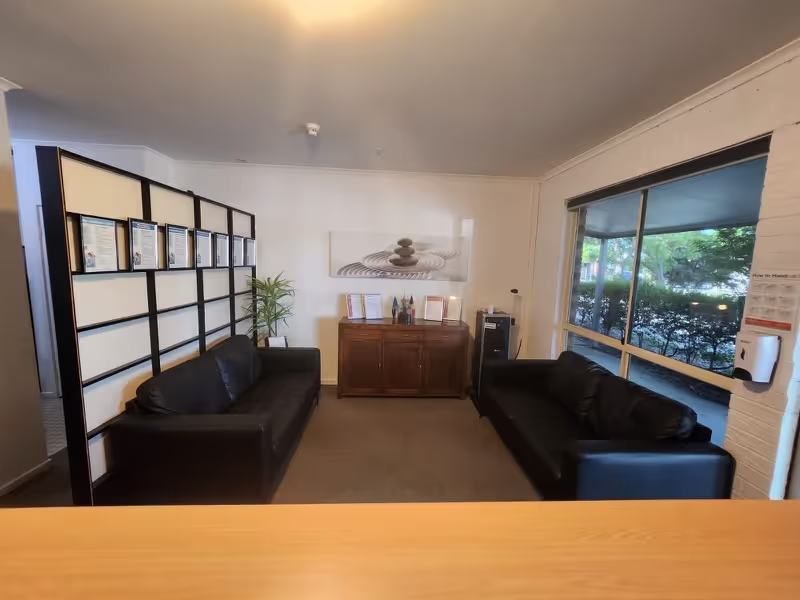
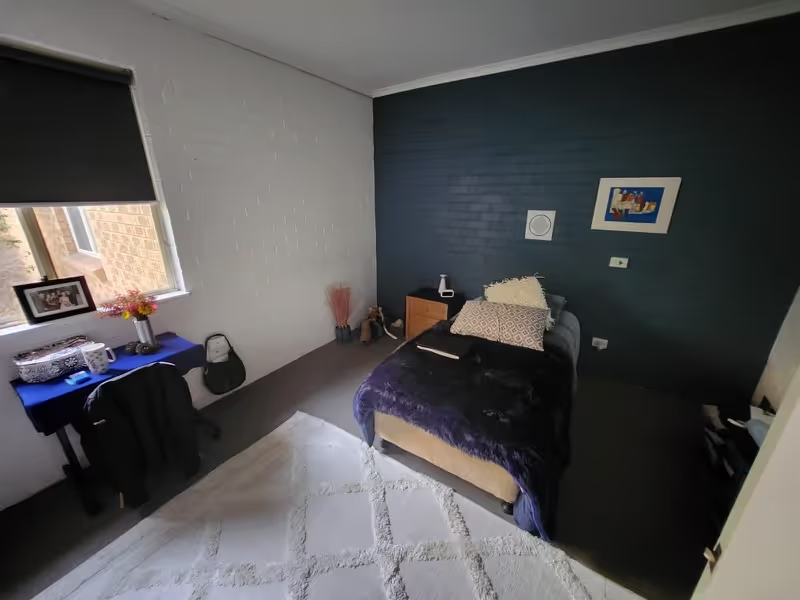
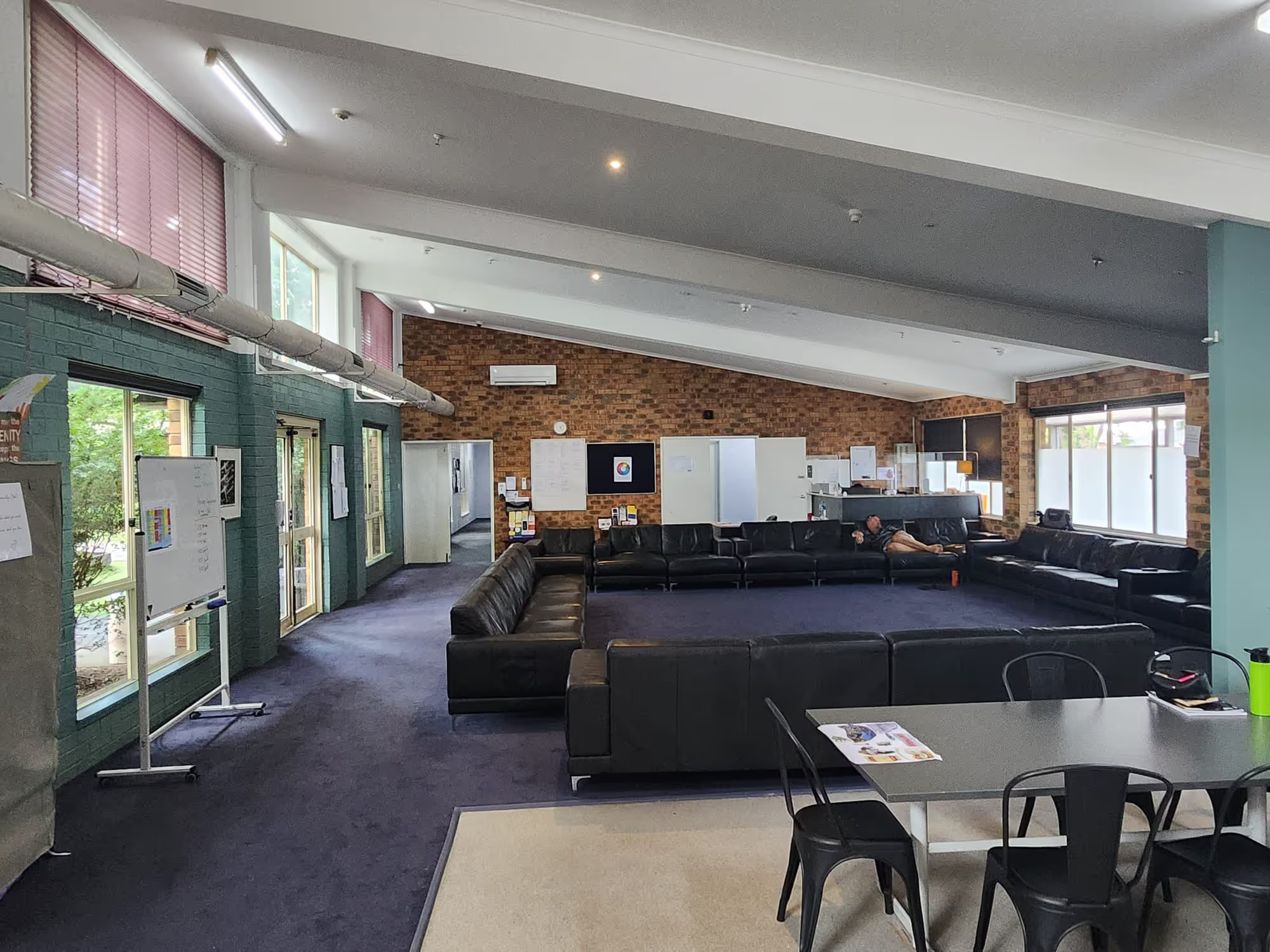
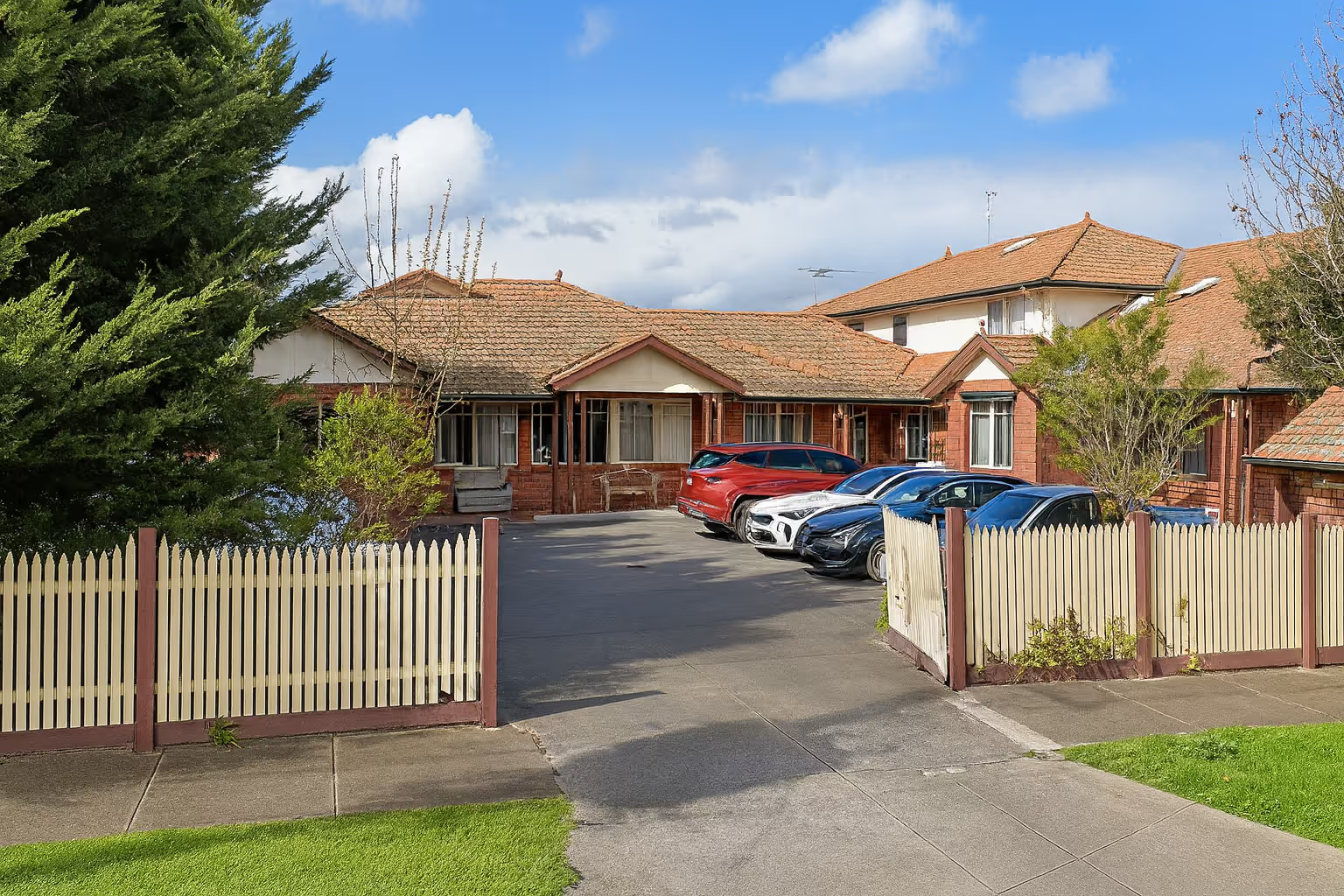
All rehabilitation programs at The Hader Clinic are delivered from our Geelong-based private hospital, in an environment designed to support focus, safety and recovery. Care begins with medically supervised detox and early stabilisation in a quiet, low-stimulus space, followed by structured therapeutic support that prioritises routine, emotional regulation and consistency. This approach creates a calm and predictable experience, allowing clients to feel secure, supported and fully engaged in meaningful therapeutic work.

吉朗

Medically supported detox, inpatient residential rehabilitation, and transitional housing programs.

6-8汤森路,圣奥尔本斯公园,维多利亚州 3219

83%

完成我们90天项目的客户在12个月后仍保持清醒。

72%

客户可报名参加Hader@Home的后续护理或过渡性住房项目,以支持长期参与并降低复发风险。

60%

接受结构化后续护理的客户,其维持康复状态并避免复发的可能性显著更高。

50%

半数成瘾者同时患有共病性心理健康问题,这凸显了双重诊断支持的必要性。

Data-backed recovery outcomes

What our ADHD rehab clients can expect

Our results speak for themselves. From structured care to aftercare engagement, our ADHD and addiction rehab programs achieve strong long-term outcomes.

请查看以下来源:

Ready to talk about ADHD and addiction?

You don’t need to figure it out alone. Our team will listen, answer your questions, and guide you toward the right path.

参加免费在线评估

立即进行简短的私密测评,了解康复治疗是否对您有效,并探索安全可靠的支持方案。

预约免费咨询

 请选择适合您的时间,与专家安排一次保密通话。

立即致电我们

 立即与他人沟通以获取指导和支持。

Get the support you need without financial surprises

费用与资金来源

We make rehab as accessible as possible with flexible pricing, insurance support, and funding help for individuals and families.

康复费用

Fees vary by program length and clinical support. Every quote is clear and confirmed before admission.

探索康复治疗方案

筹资方案

We offer a range of funding solutions for rehab and can help you combine options to suit your needs. From superannuation to DVA and private health, we’ll guide you through every step.

了解更多关于资金成本的信息
MEET THE TEAM

认识我们的团队

Our dedicated team brings compassion, clinical expertise, and lived experience to help you recover from drug addiction.

安迪·塔尼亚的图像
MEET THE TEAM

关于海德尔诊所

For more than 25 years, we’ve supported Australians facing addiction, trauma, and complex mental health needs. Our programs are shaped by evidence, experience, and heart.

Support for yourself or someone else

Rehab for every kind of journey

Whether you’re seeking help for yourself or supporting someone you love, we’ll guide you toward the right program, explain your options, and support you from day one.

自我康复

Individualised programs for people living with ADHD and addiction who are ready to make a change.

一位女子蜷缩在明亮窗边的沙发上,神情若有所思又忧心忡忡。

为所爱之人进行康复治疗

Programs, advice and emotional support for those trying to help someone with ADHD and substance addiction.

一对夫妇坐在心理治疗师的办公室里,带着关切与支持倾听着。
Learn more about ADHD and addiction

Blogs for curious minds and deeper insight

Want to learn more about ADHD, dual diagnosis, or recovery planning? These blogs offer clear, honest insight to help you feel more informed and less alone.

Get the help that fits your needs

Enquire about personalised ADHD treatment

Whether you're seeking care for yourself or supporting someone else, our team will help you take the next step with clarity, respect, and clinical support.

找个懂你的人聊聊

谢谢!您的提交已收到!
哎呀!提交表单时出了点问题。
获得你需要的清晰度

常见问题

How do you screen for ADHD in a rehab setting?

We begin with validated tools like the Adult ADHD Self-Report Scale (ASRS) and follow with a comprehensive clinical assessment. This helps us distinguish between ADHD symptoms and overlapping effects from trauma or substance use.

Our team understands that many adults with ADHD have gone undiagnosed for years. Screening allows us to create a personalised treatment plan that acknowledges the neurodevelopmental disorder that affects attention, regulation, and impulse control.

  • We assess symptoms of ADHD during intake
  • Clients are evaluated for both mental health and addiction disorders
  • Every program includes targeted strategies to manage their symptoms

Can stimulant medications be used during addiction treatment?

Yes, but they must be used cautiously. ADHD medication is reviewed by our medical team in light of each client’s substance use history, clinical needs, and recovery stage. If stimulant medications are not appropriate, non-stimulant alternatives are considered.

Our goal is to help people with ADHD manage symptoms without triggering relapse. Where safe, long-acting stimulants may be used in a structured environment. We also offer non-medication coping strategies to support clients who are not suitable for pharmacological options.

  • Medication is never started without stabilisation and review
  • Individuals with ADHD may respond well to non-stimulants like atomoxetine
  • Treatment is always tailored to risk level, response, and client goals

What therapy methods work best for people with ADHD?

We use cognitive behavioural therapy (CBT), mindfulness, motivational interviewing, and short-format goal-setting sessions. These are proven to support individuals with ADHD who struggle with impulsivity, emotional regulation, and attention.

Effective treatment blends consistency with flexibility. Many people with ADHD may have difficulty engaging with traditional therapy, so we focus on methods that are repetitive, simple, and paced appropriately.

How does Hader tailor rehab for people with executive dysfunction?

Executive dysfunction affects the ability to plan, organise, and follow through on tasks — common challenges for ADHD sufferers. At Hader, our structured environments reduce decision fatigue and support consistent engagement.

Our therapy is modular, flexible, and often reinforced with written aids, coaching, and practical skills. Individuals with ADHD and addiction benefit from approaches that lower pressure, break down expectations, and build confidence.

  • Staff help ADHD clients manage daily routines
  • We use scaffolding strategies to guide participation

Interventions are designed to fit different attention spans

What’s the link between ADHD and addiction?

There is a strong link between ADHD and a substance use disorder. ADHD is a neurodevelopmental disorder that affects impulse control, emotion, and attention. People with ADHD may self-medicate using alcohol, cannabis or stimulants — which can temporarily soothe symptoms, but often lead to dependency.

Studies have shown that individuals with ADHD have a higher risk of developing addiction than those without ADHD. Early treatment is essential because the cycle of addiction and ADHD is self-reinforcing.

  • ADHD can lead to impulsive or risky substance use
  • Addiction can mask symptoms and delay diagnosis of ADHD

Treating both together improves long-term outcomes

I’ve tried therapy before and it didn’t help. Will this be different?

Many individuals with ADHD may have found past therapy frustrating due to long sessions, inconsistent formats, or emotional overwhelm. At Hader, therapy is adapted to meet attention span, processing style, and self-regulation capacity.

We offer short-format CBT, trauma-informed support, and flexible goal-setting. Therapy is delivered in a setting designed to reduce sensory stress and encourage follow-through. Our clients also have access to digital tools and peer support.

  • Sessions are focused, structured, and personalised
  • Therapists understand challenges for ADHD sufferers
  • We support clients to build strategies to manage their symptoms

Can you help someone with ADHD who won’t accept help?

Yes. If a loved one has ADHD and is struggling with addiction and ADHD, our intervention team can help. We support families to understand what the person is experiencing, offer education, and help initiate support pathways.

People with ADHD may have difficulty recognising the extent of their substance use or may fear the loss of routine. With compassionate guidance, clients can be engaged at their own pace.

  • Families are coached on language, timing and follow-up
  • Motivational strategies reduce resistance
  • Early support can reduce the risk of developing addiction

If you're supporting someone who doesn't recognise they need help, you might find our blog on how to convince an addict to go to rehab helpful for starting the conversation.

What if I have ADHD and another mental health condition?

It is common for individuals with ADHD and addiction to also experience other conditions like anxiety, depression, or PTSD. We offer dual diagnosis care that addresses the mental disorder and addiction at the same time.

Our programs combine clinical therapy, psychiatric support, and lifestyle planning. The result is a treatment plan that reflects the person’s whole experience and helps them improve functioning, wellbeing, and overall quality of life.

  • Treatment is aligned across all diagnoses
  • Support is provided by a multidisciplinary team
  • Programs address both symptoms and treatment goals

If you're curious about how ADHD, addiction, and other mental health conditions are treated together, our article on substance abuse and comorbidity explains why integrated care is so important.