When bipolar disorder and substance use collide

Rehab for bipolar disorder and addiction

双相情感障碍本身就很复杂,尤其当伴有成瘾问题时更是如此。我们的住院康复项目采用经证实有效的治疗方案,同时针对这两种问题为双相情感障碍患者提供支持。

立即进行自我评估或与他人交流,无需立即做出决定。

A woman dressed in black lies on a brown leather couch, looking upward thoughtfully with one hand on her forehead, in a dimly lit room with a maroon wall.

Inpatient rehab for bipolar and substance use

Dual diagnosis care from experienced mental health professionals

Structured daily routine that supports emotional stability

Bipolar disorder treatment using evidence-based methods

A woman sits quietly on a sofa during her inpatient stay at The Hader Clinic, reflecting on the emotional lows of bipolar disorder and beginning her recovery.
Managing bipolar and addiction together

A dual diagnosis approach built around stability

More than half of people diagnosed with bipolar disorder also experience a substance use disorder. When these conditions occur together, they often amplify each other, leading to greater instability, higher relapse risk, and disrupted treatment.

According to the Bipolar Disorder and Comorbid Use of Illicit Substances study, the most effective treatment combines psychiatric and addiction support in one place. Our residential rehab program does exactly that, helping people with bipolar disorder stabilise, reduce reliance on substances, and rebuild emotional structure and insight.

  • Begin in our Geelong hospital with medical detox and psychiatric support to help stabilise mood and manage withdrawal safely
  • Continue in our residential program, where therapy, structure, and medication work together to promote stability
  • Choose our full 90-day program for the time and consistency needed to manage both bipolar symptoms and substance use

我们会在您方便时联系您,绝不施加任何承诺压力。

Designed for long-term recovery

What’s included in our bipolar disorder and addiction treatment plans

We offer a structured inpatient setting that balances therapy, medication support, emotional regulation, and behavioural routines. Each program is guided by your needs and diagnosis.

  • Daily group therapy and individual sessions
  • Psychiatric oversight for diagnosis and medication reviews
  • Mindfulness, art therapy, and social rhythm tools
  • Education on relapse prevention and emotional cycles
  • Support for major depression and bipolar depression
  • Evening routines to slow thinking and reduce agitation
More than just bipolar rehab

Help for overlapping mental health conditions

We support clients with complex or unclear diagnoses, including overlapping symptoms like depression, anxiety, trauma, and emotional dysregulation.

创伤后应激障碍

创伤后应激障碍(PTSD)与成瘾问题的循证治疗。我们帮助人们稳定情绪、重构创伤经历,并建立更安全、更具联结感的生活。

精神分裂症

精神分裂症康复需要专业化的综合护理。我们同时治疗精神病症状、稳定心理健康状态,并协助患者管理成瘾问题。

人格障碍

边缘型人格障碍与成瘾问题常常相伴而生。这两种状况都可能令人不堪重负,但通过正确的治疗,康复是可能的。你不必独自面对。

强迫症

强迫症与物质滥用可能相互强化,使日常生活变得难以掌控。但通过适当的治疗,康复是可能的。

家庭暴力

为受亲密伴侣暴力(IPV)影响的人士(无论过去或现在)提供支持性、创伤知情的成瘾康复服务。

抑郁症

我们为经历抑郁和成瘾困扰的人群提供基于实证的、富有同情心的治疗。我们的住院项目为心理健康、物质滥用及其背后诱因提供综合支持。

双相情感障碍

双相情感障碍本身就很复杂,尤其当伴有成瘾问题时更是如此。我们的住院康复项目采用经证实有效的治疗方案,同时针对这两种问题为双相情感障碍患者提供支持。

焦虑

药物滥用康复治疗与焦虑症治疗

愤怒管理

失控的愤怒与药物滥用往往相伴而生。我们帮助客户理解行为根源,重建自我控制,实现永久康复。

注意力缺陷多动障碍

注意力缺陷多动障碍(ADHD)可能使成瘾治疗难度增加,但只要具备适当的结构化安排、支持和照护,康复绝对是可能的。

Education and understanding build clarity

What you need to know before starting rehab

Bipolar disorder is a lifelong condition that affects mood, energy, and decision-making. With the right support, people with bipolar disorder can live full and stable lives, including recovery from substance use.

什么是双相情感障碍?

Bipolar disorder is a mental health condition that causes shifts between episodes of depression and mania. It can affect sleep, energy, focus, and relationships. The disorder may begin during adolescence or adulthood and…

Symptoms of bipolar disorder

Symptoms vary by type of bipolar disorder. Common signs include elevated mood, impulsive decisions, rapid speech, agitation, hopelessness, and social withdrawal.

Causes and contributing factors

Bipolar disorder may run in families, and it often appears alongside trauma or addiction. Risk factors include brain chemistry, stress, and sleep disruption.

Diagnosis and treatment options

There are several types of bipolar disorder, including bipolar I, bipolar II, and cyclothymia. Diagnosis involves clinical assessment, history, and ongoing observation.

Who benefits from bipolar rehab?

Anyone diagnosed with bipolar who is also struggling with addiction, emotional instability, or loss of function. We support clients with clear diagnoses, mixed features, or early-stage episodes.

保密自我评估工具

担心自己的饮酒或吸毒问题吗?

这份简短的保密测评只需不到两分钟,能助您厘清当前状况。请选择最符合您情况的类别——无论是酒精、药物问题,还是多重困扰——我们将引导您完成几个简单的是非题。

测评结束后,我们将根据您的回答告知是否需要考虑康复治疗,并提供安全保密的治疗启动方案。

立即参加测验
From stabilisation to long-term support

A structured pathway with coordinated care

We offer a full pathway of care, beginning with inpatient rehab and extending into transitional housing, outpatient therapy, and digital aftercare. Each program is coordinated to ensure continuity and stability across every stage of your recovery.

Our team helps you transition from detox and stabilisation into therapeutic treatment and then back into daily life with tools, insight, and confidence.

住宿项目

在安全、专注康复的环境中提供住宿式康复服务,包含结构化支持、治疗及生活技能培训。

年轻夫妇在咨询过程中牵手,通过家庭和关系治疗寻求支持。

家庭计划

教育、团体支持和咨询服务,帮助家庭理解成瘾问题并支持亲人的康复。

一名女性在家中参与虚拟康复课程,通过Hader at Home在线康复项目进行结构化治疗。

哈德居家

一套完整的数字化康复计划,包含每日签到、在线治疗及康复后护理的自学手册。

一位深褐色头发女性在团体治疗中微笑着分享个人突破,庆祝她在门诊康复旅程中的进展。

强化门诊治疗计划

结构化成瘾支持服务,包含治疗、团体辅导及复发预防,专为适应日常生活而设计。

一名男性住户正与他的康复顾问交谈。

心理咨询

创伤知情疗法、成瘾咨询及家庭支持服务,可通过面对面或安全在线会话获取。

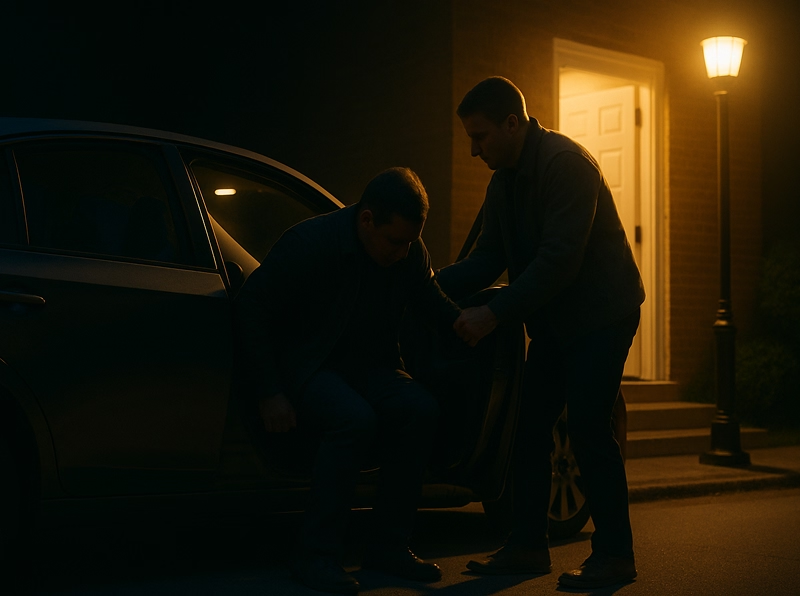
在家中经历一场真挚的劝说后,女子拥抱她的伴侣,给予支持与鼓励,而他同意寻求戒瘾帮助。

干预措施

专业支持,协助家庭实施安全有序的干预,引导亲人接受治疗。

从私人豪华住宅眺望沙质后院与海滨景观,躺椅与热带景观设计营造出宁静私密的疗愈空间。

高管康复

在奢华环境中享受私密的一对一治疗,全程保密,并提供个性化的康复计划。

澳新军团日纪念场景:陈旧的澳大利亚陆军.303步枪配斜顶软呢帽与旭日徽章,士兵的狗牌,花环,背景是澳大利亚国旗。

退伍军人事务部康复

为退伍军人和第一响应者提供专业的创伤知情住院护理,符合条件的退伍军人事务部客户可享受全额资助。

一位居民坐在公共区域的沙发上,正撰写个人日记,这是他根据法院命令进行康复治疗的一部分。

法院强制戒毒

结构化住院治疗项目,包含戒毒、心理治疗及法医报告服务,以满足保释或量刑要求。

过渡性住房里的男子系着鞋带,准备迎接新一天的工作,在住院康复后重建生活秩序与独立能力。

过渡性住房

以康复为导向的住宿服务,提供治疗、结构化支持及生活指导,旨在衔接康复治疗与独立生活之间的过渡期。

在医疗戒毒中心进行的支持性团体治疗会话中,来自不同背景的患者们分享各自经历,心理咨询师温柔地鼓励一位新参与者。

医院戒毒

在持牌私立医院接受全天候医疗监督下的戒毒治疗,包括戒断症状支持和精神科护理。

Safe, supported, and tailored to you

Our admissions process

步骤1

Talk to a mental health professional

We’ll help you clarify your goals, explore your treatment options, and determine if our program is the right fit.

步骤2

Get an intake plan designed for your needs

We’ll create a personalised treatment plan that fits your timeline, your symptoms, and your level of support.

步骤3

Begin your program with expert guidance

Whether you're starting with detox, rehab, or transitional care, we’ll support you from day one.

我们随时恭候您的光临--现在就拨打电话或与我们的工作人员联系。

A rehab program that actually works

What makes our bipolar rehab unique

Our rehab program was designed for people with bipolar disorder, not retrofitted. That means therapy, routines and support are all structured to reduce chaos, regulate mood, and help clients build a daily rhythm they can maintain.

Purpose-built for dual diagnosis

We treat bipolar disorder and addiction together with a clinical framework that supports both.

Structure without rigidity

Daily routine, therapeutic rhythm and flexibility for clients experiencing instability or overwhelm.

Stabilisation and medication support

Our psychiatric team supports medication reviews and emotional regulation throughout the program.

Designed for real-world recovery

Clients leave with structure, insight and relapse prevention tools that support long-term change.

A full suite of rehab services

More than bipolar treatment

We support a wide range of substance use and mental health conditions. Whether you're dealing with alcohol, prescription drugs, or behavioural dependencies, our team can help you move forward with care that fits.

酒精康复治疗

针对酒精依赖对身体、情绪和行为影响的个性化治疗方案。

戒毒康复

针对各类非法药物及处方药物的结构化住院治疗项目,提供全面支持。

紧急康复

为处于危机中且需要紧急稳定护理的人群提供快速通道入院方案。

复发预防

实用且切实可行的策略,助您应对诱因、避免复发,并维持长期康复。

Evidence-based, client-focused, accredited

我们符合国家最高标准

We’re fully accredited under the National Safety and Quality Health Service (NSQHS) Standards, developed by the Australian Commission on Safety and Quality in Health Care (ACSQHC).

Real people, real change

Stories from our clients

We treat individuals, not statistics. Every recovery journey is different, and each one reveals what’s possible with the right support. Read honest, hopeful stories from our clients and their loved ones.

阿里·阿德米

历经多年的创伤、成瘾与失去,阿里在充满同情心的团队支持、社区归属感以及对长期康复的承诺中,找到了重建人生的力量。

在32年的成瘾困扰后,明·范在哈德诊所找到了希望、治愈与新生之路。他的经历见证了社区力量、同情心与勇气的非凡力量。

彼得·埃尔-库里

历经多次复发后,彼得在哈德的帮助下实现了长期康复。了解治疗、社区支持和临床护理如何助他重获新生。

A safe place to recover

Care designed to support healing

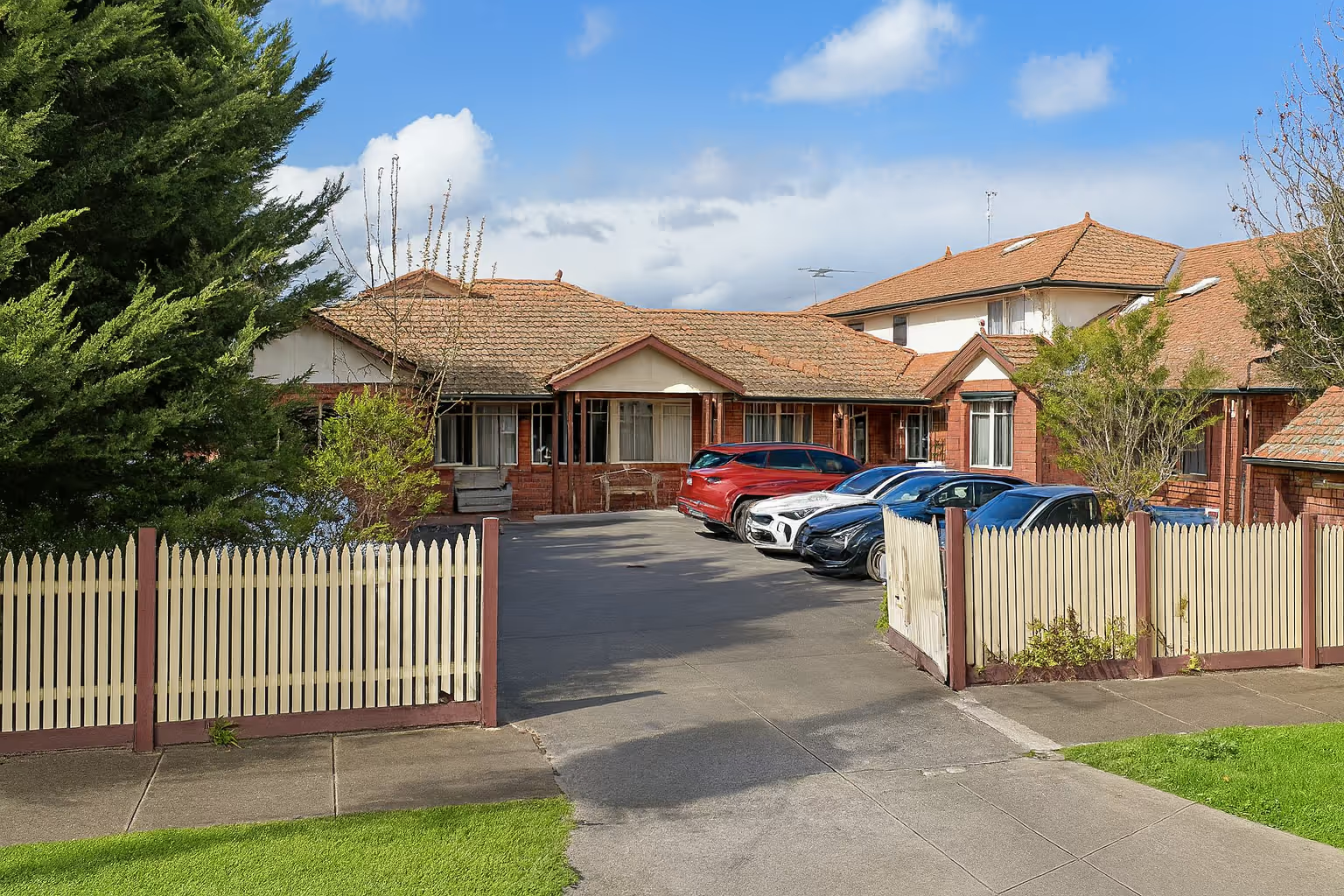
We provide inpatient care and transitional support through a single, coordinated program delivered in Victoria. Treatment is designed to prioritise privacy, consistency, and therapeutic structure, supporting both mental health recovery and long-term wellbeing. Every element of care is intentionally designed to help clients feel safe, supported, and focused on recovery.

吉朗

Medically supported detox, inpatient residential rehabilitation, and transitional housing programs.

6-8汤森路,圣奥尔本斯公园,维多利亚州 3219

83%

完成我们90天项目的客户在12个月后仍保持清醒。

72%

客户可报名参加Hader@Home的后续护理或过渡性住房项目,以支持长期参与并降低复发风险。

60%

接受结构化后续护理的客户,其维持康复状态并避免复发的可能性显著更高。

50%

半数成瘾者同时患有共病性心理健康问题,这凸显了双重诊断支持的必要性。

Evidence that backs our approach

Bipolar rehab outcomes that matter

We track more than attendance. Our outcome data focuses on long-term emotional stability, relapse prevention, and improved daily functioning for people with bipolar disorder.

请查看以下来源:

Start your recovery with expert support

You don’t need to have everything figured out. Whether you’re asking for yourself or a loved one, we’re here to listen, guide and support your next step.

参加免费在线评估

立即进行简短的私密测评,了解康复治疗是否对您有效,并探索安全可靠的支持方案。

预约免费咨询

 请选择适合您的时间,与专家安排一次保密通话。

立即致电我们

 立即与他人沟通以获取指导和支持。

Flexible, inclusive and transparent

康复费用与资金来源

We offer several funding pathways and can help you explore the best option (or combination of options) based on your needs and eligibility.

康复费用 

Our pricing covers every part of your inpatient stay, including accommodation, meals, therapy, clinical care, medication reviews and discharge planning.

探索康复治疗方案

筹资方案 

We accept a range of payment options, including private health insurance, superannuation release, DVA, and tailored payment plans. We’ll help you find what works.

了解更多关于资金成本的信息
The team behind your recovery

Clinical, compassionate and experienced

Our staff includes psychiatrists, nurses, therapists, peer workers and case managers, many of whom have lived experience with addiction and mental health recovery.

安迪·塔尼亚的图像
The team behind your recovery

关于海德尔诊所

We’ve supported Australians with addiction and mental health conditions for more than 25 years. Our programs are trauma-informed, clinically accredited and shaped by real-world experience.

Support for yourself or someone else

Rehab for every kind of journey

Whether you’re seeking help for yourself or supporting someone you love, we’ll guide you toward the right program, explain your options, and support you from day one.

自我康复

Individualised programs for people living with bipolar and addiction who are ready to stabilise, recover, and build a better future.

一位女子蜷缩在明亮窗边的沙发上,神情若有所思又忧心忡忡。

为所爱之人进行康复治疗

Programs, advice and emotional support for those trying to help someone with bipolar and substance use challenges.

一对夫妇坐在心理治疗师的办公室里,带着关切与支持倾听着。
Learn more about bipolar and recovery

Articles that go deeper

These blogs explore the complexities of bipolar disorder, substance use, dual diagnosis and real-world recovery. They’re written to support your next step with honest, evidence-informed insight.

A safe place to begin

You don’t need to do this alone

If you’re ready for help, or even just curious about what’s next, we’re here. Whether it’s for yourself or someone you love, we’ll guide you through the options and support your next step.

找个懂你的人聊聊

谢谢!您的提交已收到!
哎呀!提交表单时出了点问题。
获得你需要的清晰度

常见问题

Can bipolar disorder and substance use really be treated together?

Yes. Bipolar disorder and substance use often occur together, and they must be treated together. Research shows that individuals with bipolar disorder who also struggle with addiction have higher relapse rates and poorer outcomes unless both conditions are addressed at the same time.

Our rehab program provides integrated treatment for bipolar disorder and substance abuse. That includes psychiatric oversight, therapeutic support, medication stabilisation and addiction-focused care, all in one setting. This kind of comprehensive treatment plan is essential for people dealing with bipolar disorder and substance use, because each condition affects the other.

We also support co-occurring issues like anger management, anxiety, and PTSD, which are common in people with dual diagnoses.

If you’d like to learn more about how bipolar disorder and addiction often overlap, our blog on substance abuse and comorbidity explains the importance of integrated care and why treating both conditions together is so crucial.

What if I don’t have a formal diagnosis yet?

You don’t need to have an existing diagnosis to begin treatment. Many people come to us unsure if they meet the diagnostic criteria for bipolar disorder or whether they’re experiencing another mental health condition.

We start by listening. Our intake and assessment process includes time with a mental health professional who will help you understand your symptoms and explore treatment options that suit your situation.

Whether you're dealing with episodes of mania and depression or symptoms that don’t fit neatly into a label, we’ll guide you toward the right path. You don’t need a diagnosis to get help — just a willingness to start the conversation.

Will this program help with bipolar II or mixed episodes?

Yes. Our program supports people with bipolar I, bipolar II, and mixed presentations. People with bipolar II disorder often struggle with extended depressive episodes and periods of elevated mood that don't reach full mania, but are still highly disruptive.

We also support clients experiencing complex cycles, mood instability, and overlapping symptoms that don’t fit neatly into one form of bipolar. If you're unsure whether you have bipolar II, a milder form of bipolar disorder, or something else entirely, we’ll support you with assessment, stabilisation, and personalised care planning.

If you're currently experiencing a mixed episode — where symptoms of mania or depression happen at the same time — we can help you reduce overwhelm, establish structure, and feel safe again.

What if I’ve tried treatment before and it didn’t work?

Many individuals with bipolar disorder have tried treatment before, and that doesn’t mean recovery isn’t possible. Sometimes the approach wasn’t the right fit. Sometimes it wasn’t integrated, or it didn’t address co-occurring issues like addiction.

At Hader, we offer long-term treatment of bipolar disorder with wraparound support. That means we treat the whole person, not just the symptoms, and we provide a consistent team and stable environment across every stage of care.

We also work closely with family members through our family program to rebuild relationships and offer insight into the lived experience of mental health and addiction.

Recovery can look different for everyone, and the structure of a rehab program plays a big role in success. If you're curious about what to expect, our article on what happens in rehab offers a detailed breakdown of the daily routine, therapies, and support systems that help clients build long-term recovery.

How long does rehab for bipolar typically take?

That depends on your symptoms, your substance use history, and your recovery goals. Many people with bipolar and related disorders benefit from a longer stay, especially if they’re experiencing ongoing instability or struggling to manage bipolar disorder day to day.

At Hader, we recommend at least 30–90 days of inpatient care, followed by transitional support and aftercare. This long-term rehab pathway is especially useful for those with disrupted sleep, frequent mood episodes, or poor treatment adherence.

You can learn more about our long-term rehab options and get help creating a timeline that suits you.

What therapies do you use to treat bipolar disorder?

We combine structured therapies with medication support and emotional regulation. Every client receives a personalised treatment plan built around their symptoms and goals.

Common approaches include CBT, mindfulness, and interpersonal therapy. For some clients, we also use alcohol rehab or drug rehab streams if substance use is a core issue.

We also use social rhythm therapy to help stabilise sleep, structure and energy levels. This is a highly effective approach for treating bipolar depression and managing the highs and lows of bipolar.

Will I still have access to care after I leave?

Yes. Ongoing treatment is a critical part of managing bipolar disorder. We offer several aftercare options — including counselling, online therapy, and relapse prevention planning.

You’ll work with your team before discharge to create a comprehensive treatment plan that supports stability, medication adherence and long-term change. We’ll also help you re-engage with work, study, or community life as part of your recovery process.

Whether you're living with anxiety, adjusting to life after rehab, or still building support networks, we stay in touch and stay involved.

Supporting someone with bipolar disorder and addiction after rehab can be challenging. If you’re unsure how to approach it, our guide on how to convince an addict to go to rehab offers practical tips for families and friends navigating the early stages of recovery together.

Can you help if I’m experiencing suicidal thoughts?

Yes. Many individuals with bipolar disorder experience suicidal thoughts, especially during depressive episodes or mixed states. You are not alone, and support is available. Our inpatient rehab setting provides immediate structure, clinical supervision, and daily therapy to reduce risk and build emotional safety. Treatment can help you move from crisis to recovery. If you’re thinking about suicide, reach out. We’ll help you take the next step safely.