











住院治疗之外的支持

Post-rehab transitional housing program

Following your residential program, our transitional housing rehab program gives you a safe, supportive place to rebuild your life with aftercare therapy and real-world reintegration support. 

立即进行自我评估或与他人交流,无需立即做出决定。

过渡性住房里的男子系着鞋带,准备迎接新一天的工作,在住院康复后重建生活秩序与独立能力。

Safe, substance-free shared housing

Peer support and accountability

Continued access to therapy

Help with work or study

Fresh coffee brewing in a shared kitchen on an early morning, capturing the simple routines that support daily life and recovery in transitional housing.
A bridge between rehab and real life

What the transitional housing program offers

Our transitional housing gives you a safe, supportive home after rehab where you can continue your substance addiction recovery with structure, guidance, and a strong community around you. We consider it part of our commitment to helping our clients as best we can on their sober journey.

As with all of our rehab programs, you’ll have access to therapy, peer support, and help getting re-settled in the community — from finding work or study to developing healthy routines and planning for the long term.

Who this program is for

We offer transitional housing to clients who have completed our 90-day inpatient rehab program at our Essendon residential facility. This program provides more time, guidance, and support before returning to full independence. If you’re feeling unsure about facing life on your own again, transitional housing offers a bridge between treatment and real-world recovery.

How this program helps

You’ll continue with individual therapy and group sessions, live in a stable, recovery-focused home, and receive daily support as you rebuild routines, develop life skills, and prepare for work or study. This recovery schedule helps you stay grounded while building momentum toward your goals.

Why this program works

Long-term success requires sustained support. Transitional housing gives you time, accountability, and a community of peers walking the same path. It’s a proven way to reduce the risk of relapse and build confidence step by step.

What’s included in the program

What you can expect in transitional housing

From the moment you arrive, you’ll be supported with stable housing, continued therapy, peer support, and opportunities to re-engage with life at your own pace.

  • You’ll live in fully furnished, shared accommodation designed to support your recovery.
  • You’ll have access to therapy sessions and peer-led recovery groups to stay on track.
  • We’ll help you explore work, volunteering, or study pathways that fit your recovery goals.
  • You’ll learn essential life skills like cooking, budgeting, and managing your routine.
  • You'll continue developing your relapse prevention tools with regular coaching and check-ins.
  • We’ll support your reintegration into the community through wellness activities and planning.
Moving forward with structure

How the transitional housing program is structured

The program is built around three core stages, giving you time to stabilise, build life skills, and prepare to rejoin the world on your own terms.

不知从何开始?进行自我评估或预约咨询时间——两者均完全保密。

模块
1

Settling in and finding your footing

时长:
Weeks 1-4

You’ll move into a safe, supportive home designed for recovery, where you can adjust to new routines and build early momentum.

  • Live in fully furnished, substance-free housing
  • Take part in daily check-ins and recovery meetings
  • Begin setting personal goals for reintegration
模块
2

Building life skills and structure

时长:
第5-8周

This phase focuses on rebuilding daily life, strengthening your recovery and developing practical independence.

  • Attend therapy and peer-led support sessions
  • Learn skills like budgeting, cooking, and self-care
  • Strengthen relapse prevention strategies
模块
3

为下一步做准备

时长:
Weeks 9-12 (or longer, if needed)

As you gain confidence, we’ll support your transition into work, study, or volunteering, with a plan for lasting independence.

  • Get help applying for jobs or education
  • Build a long-term recovery and exit strategy
  • Stay connected with group support and coaching
Why our transitional housing program stands out

How our transitional housing program compares to others

Our recovery housing stands out for its structure, transparency, and support. We offer clearer outcomes, more flexibility, and stronger integration than other providers.

特色 / 服务
我们的项目
大多数竞争对手计划
83% of clients that complete our transitional program remain clean 12 months after discharge
No published success rates
60% of residents secure work or study during their stay
Career support rarely included
Structured 3, 6, or 12-month program options
Fixed durations only
Weekly therapy, coaching, and peer group sessions
2–3 group sessions per week
Life skills development: budgeting, cooking, routines
Minimal practical life skills support
Peer accountability built into the housing model
Little or no peer structure
Access to external community work and education opportunities
Limited integration with community
Wellness activities and structured daily planning
Unstructured time common
Separate male and female accommodation options
Often mixed or shared housing
Transparent pricing and cost structures
Costs often unclear or hidden
Step-down pathway from inpatient or outpatient rehab
Rarely integrated with rehab services
Continued access to Hader Clinic therapy and support services
Disconnected from treatment providers
Focus on long-term reintegration, not just short-term stay
Short-stay focus without long-term planning
保密自我评估工具

担心自己的饮酒或吸毒问题吗?

这份简短的保密测评只需不到两分钟,能助您厘清当前状况。请选择最符合您情况的类别——无论是酒精、药物问题,还是多重困扰——我们将引导您完成几个简单的是非题。

测评结束后,我们将根据您的回答告知是否需要考虑康复治疗,并提供安全保密的治疗启动方案。

立即参加测验
Understanding the cost

How much the transitional housing program costs

We keep costs clear and straightforward, so you can focus on your recovery, not the paperwork or confusion.

$14,245

过渡性住房

This covers everything in your 12-week transitional housing stay and is non-refundable. We have payment solutions to make housing as accessible as possible.

Understanding the cost

How much the transitional housing program costs

We keep costs clear and straightforward, so you can focus on your recovery, not the paperwork or confusion.

$14,245

过渡性住房

This covers everything in your 12-week transitional housing stay and is non-refundable. We have payment solutions to make housing as accessible as possible.

Making support more accessible

Funding options for transitional housing

We offer flexible ways to cover the cost of care, so you can focus on your recovery, not your finances.

01

私人医疗保险

自筹资金

自费支付

If you’re funding your stay yourself, you’ll have direct access to admissions without needing approval or documentation from a third party.

$14,245 for 12 weeks
  • The fastest path to enrolment
  • No health insurance required
  • Payment plans available on request
  • Accepted via bank transfer or card
  • Deposit required before intake
02

自筹资金

退休金

Early release of super

Under the ATO's compassionate grounds criteria, you may be able to use your superannuation to help pay for treatment.

$14,245 for 12 weeks
  • Requires medical and financial documentation
  • Can cover full or partial treatment costs
  • We can assist with your application
  • Available to self-managed and standard funds
  • The process may take 2–4 weeks
03

养老金提取

付款计划

Spread the cost over time

We can tailor a payment plan that suits your situation, making transitional housing more accessible when upfront payment isn’t possible.

$14,245 for 12 weeks
  • Flexible terms with no hidden fees
  • A deposit is required to begin
  • Options for weekly or fortnightly payments
  • The plan must be approved before intake
  • Requires direct debit setup
04

付款计划

NDIS

Support through your NDIS plan

NDIS may fund parts of your transitional support, especially if you have a dual diagnosis or mental health support needs in your plan.

Varies by coverage
  • Funding may include housing, therapy, or coaching
  • Must have relevant support in your NDIS plan
  • We’ll work with your plan manager
  • Not all services are NDIS funded
  • Requires pre-approval
Why this stage matters

The benefits of transitional housing

This program gives you the time, structure, and support you need to truly rebuild in a real-world setting that bridges treatment and independence.

Structured support with flexibility

You’ll live in a real-world setting with a daily rhythm while still having the freedom to grow at your own pace.

Therapy and recovery that continue

Keep working with a professional team, staying grounded with therapy, peer support, and relapse prevention.

Connection and accountability

You’ll live alongside others on the same journey, with built-in support, encouragement, and shared growth.

Pathways to independence

We help you find work, study, or purpose, and build the confidence to step into life again on your terms.

What you’ll need to get started

Admission requirements for transitional housing

To join the program, you’ll need to have completed rehab, be willing to stay for at least three months and be ready to take part in structured recovery support.

Who is eligible to join the program

We have a few criteria to ensure every resident gets the right support. You’ll need to have finished an inpatient rehab or equivalent program, be ready for a 3-month commitment, and actively engage in recovery. If you're self-funding, you’ll also need to contribute to housing costs unless you’re covered by DVA or financial assistance.

  • Must have completed 90-day inpatient rehab or equivalent
  • Minimum 3-month commitment required
  • Must be willing to engage in structured support

How to get started with admissions

Once you’re ready, our admissions team will guide you through every step, from checking your funding options to setting up your housing plan. We'll make sure the transition is as smooth and supportive as possible.

  • Speak with our client liaisons to explore the program
  • Complete a short pre-admission and funding assessment
  • Secure housing and prepare for move-in and next steps

Start your next chapter with the right support

You don’t have to figure this out alone. We’ll listen, answer your questions, and help you explore whether transitional housing is the right next step in your recovery.

参加免费在线评估

立即进行简短的私密测评,了解康复治疗是否对您有效,并探索安全可靠的支持方案。

预约免费咨询

 请选择适合您的时间,与专家安排一次保密通话。

立即致电我们

 立即与他人沟通以获取指导和支持。

Real stories from real recovery

What recovery at Hader really looks like

The best way to understand our impact is to hear from the people who’ve lived it. These are former clients who rebuilt their lives with our support and are now thriving in recovery.

彼得·埃尔-库里

历经多次复发后,彼得在哈德的帮助下实现了长期康复。了解治疗、社区支持和临床护理如何助他重获新生。

People who understand, people you can trust

认识助力您康复的团队

Our team is made up of experienced professionals who genuinely care. Many have walked this road themselves, and all are here to help you feel safe, seen, and supported.

安迪·塔尼亚

主任

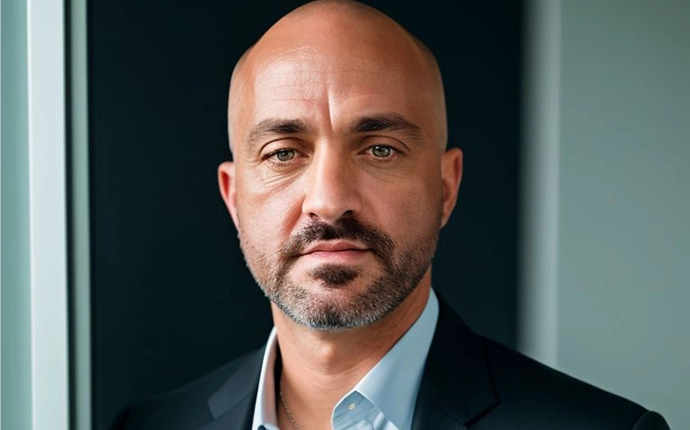
安迪·塔尼亚将运营领导力与富有同理心的康复辅导相结合,在客户整个康复过程中,帮助他们感受到被倾听、被支持,并获得力量。

理查德-史密斯

创始人兼成瘾治疗专家

哈德诊所的创始人凭借39年的专业经验与亲身经历,致力于通过循证医疗与仁心关怀帮助他人。

艾米-辛格

护理部主任

护理部主任在心理健康和戒毒护理方面有 20 多年的工作经验,她以同情心为本,激励团队,确保护理质量,坚持以病人为中心。

赖安-伍德

客户联络经理

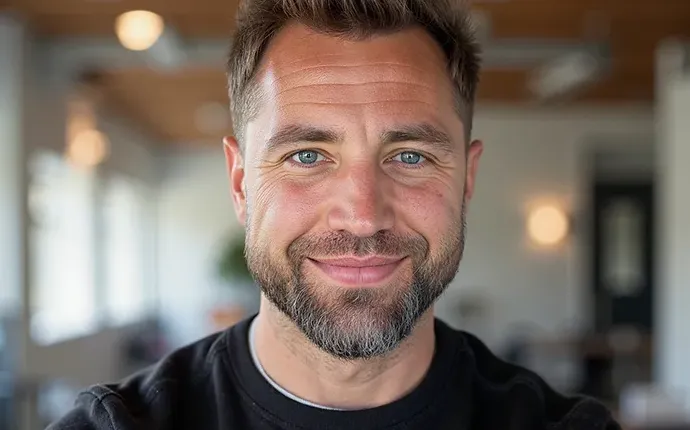
作为客户联络经理,瑞安将专业知识与个人康复经历相结合,以充满同情心的方式支持处于早期康复阶段的客户及其家庭。

凯弗莱玛丽亚姆·约翰内斯博士

临床心理学家

哈德私立医院临床心理学家凯弗莱玛丽安·约翰尼斯博士专精于整体护理,将临床专业知识与富有同理心的理解相结合。

瑞秋·帕特森

注册精神科护士及马术辅助心理治疗师

蕾切尔·帕特森将专业的临床知识与自然的治愈力量相结合,帮助各年龄段的患者在康复过程中获得踏实感、支持感与力量感。

乔·泰森

质量与安全

在心理健康领域拥有20余年经验的哈德诊所质量与安全负责人,致力于营造安全、支持性的环境,始终保持高标准的患者护理和员工支持体系。

薇薇安·德玛谢利埃

家庭协调员

薇薇安·德玛谢利埃在哈德诊所通过整体性、包容性的护理支持患者家庭,这种护理模式充分认可联结、沟通与共同疗愈在康复旅程中的关键作用。

彼得·埃尔-库里

项目协调员

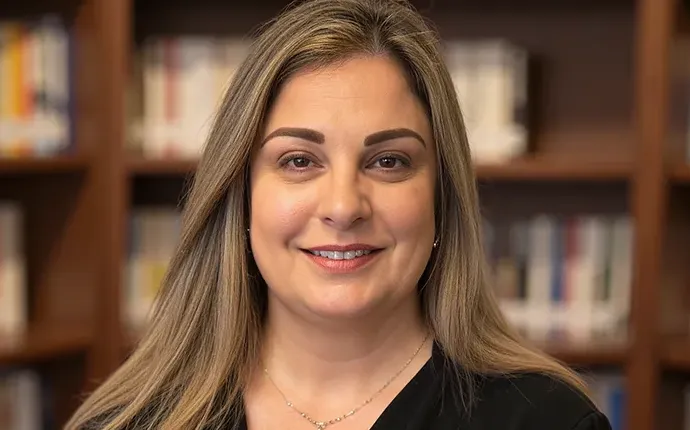
彼得拥有九年的持续康复经历,持有酒精及其他药物(AOD)咨询(AOD四级证书)和心理健康(心理健康四级证书)双认证,其深厚的专业知识与亲身经历相得益彰。 他的康复之旅始于2015年在哈德诊所完成的改变人生的12个月疗程。此后八年间,他始终致力于哈德诊所的事业,现任吉朗市哈德私立诊所康复项目协调员。

贾克琳·巴克霍

项目经理

作为引导家庭应对心理健康挑战的可靠向导,杰基凭借自身康复经历,在整个过程中提供支持与理解。

西尔瓦娜·谢里

客户联络专员

西尔瓦娜在哈德诊所担任富有同情心的客户联络官,拥有十年酒精及其他药物(AOD)和心理健康领域的宝贵经验。她的职业生涯始于巴克斯马什女性哈德诊所的专职支持工作者,在那里她为康复之路上的个体提供了坚定不移的支持与关怀。 凭借专业素养与奉献精神,她晋升为哈德诊所项目协调员,进一步深化了对康复者旅程的扶持承诺。

Kirrily Warn

行政与财务经理

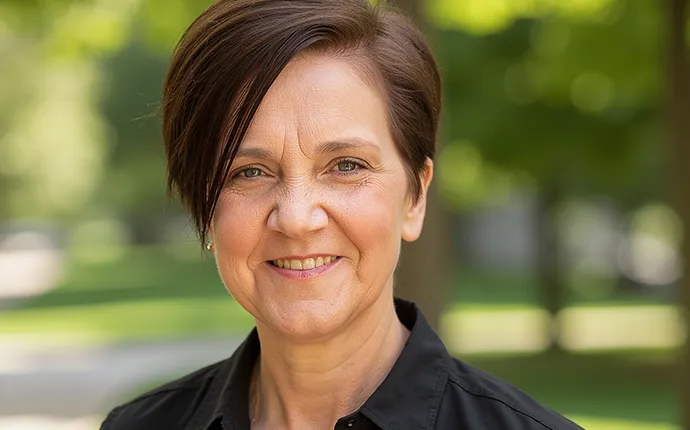
2007年作为康复患者走过康复之路后,基莉莉如今凭借其在酒精药物滥用与心理健康领域的双重资质及财务管理专长,为诊所的成功发展贡献力量。

杰基·韦布

接待员

75%

of residents transition to independent living after 6 months

65%

more likely to stay sober compared to unsupported clients

60%

secure employment or education during their stay

50%

reduction in relapse rates with structured housing support

A foundation for long-term success

What outcomes you can expect from transitional housing

Building a stable and fulfilling life is the best way to stay sober. Our results speak for themselves: greater independence, lasting change, and a real chance at long-term recovery.

请查看以下来源:
Trusted. Certified. Committed to quality.

Our accreditations and professional standards

Our transitional housing program is supported by experienced AOD clinicians, peer workers, and case managers. Guided by the NSQHS Standards and principles set by the ACSQHC, we provide safe, recovery-focused accommodation with ongoing therapeutic support to help you rebuild independence.

Care that treats more than just symptoms

Our holistic approach to living clean

We combine therapy, mindfulness, movement, and purpose-driven living to support your full wellbeing and help you feel more like yourself again.

The Hader Clinic’s team
Guided by people who truly care

The team behind your recovery

Our staff includes clinicians, therapists, and recovery coaches with deep experience and compassion. Many have faced addiction themselves, so they understand what you’re going through and how to help you through it with patience, honesty, and care.

Where recovery continues safely and with support

Our transitional housing locations and facilities

Our recovery housing is located in Ocean Grove and Essendon, offering safe, shared homes with access to therapy, wellness programs, and nearby community services to support your reintegration.

住院康复计划与过渡性住房计划。

埃森登
库珀街150-152号,埃森登,维多利亚州,邮编3040

医院康复中心提供为期28天的戒断与排毒项目。

吉朗
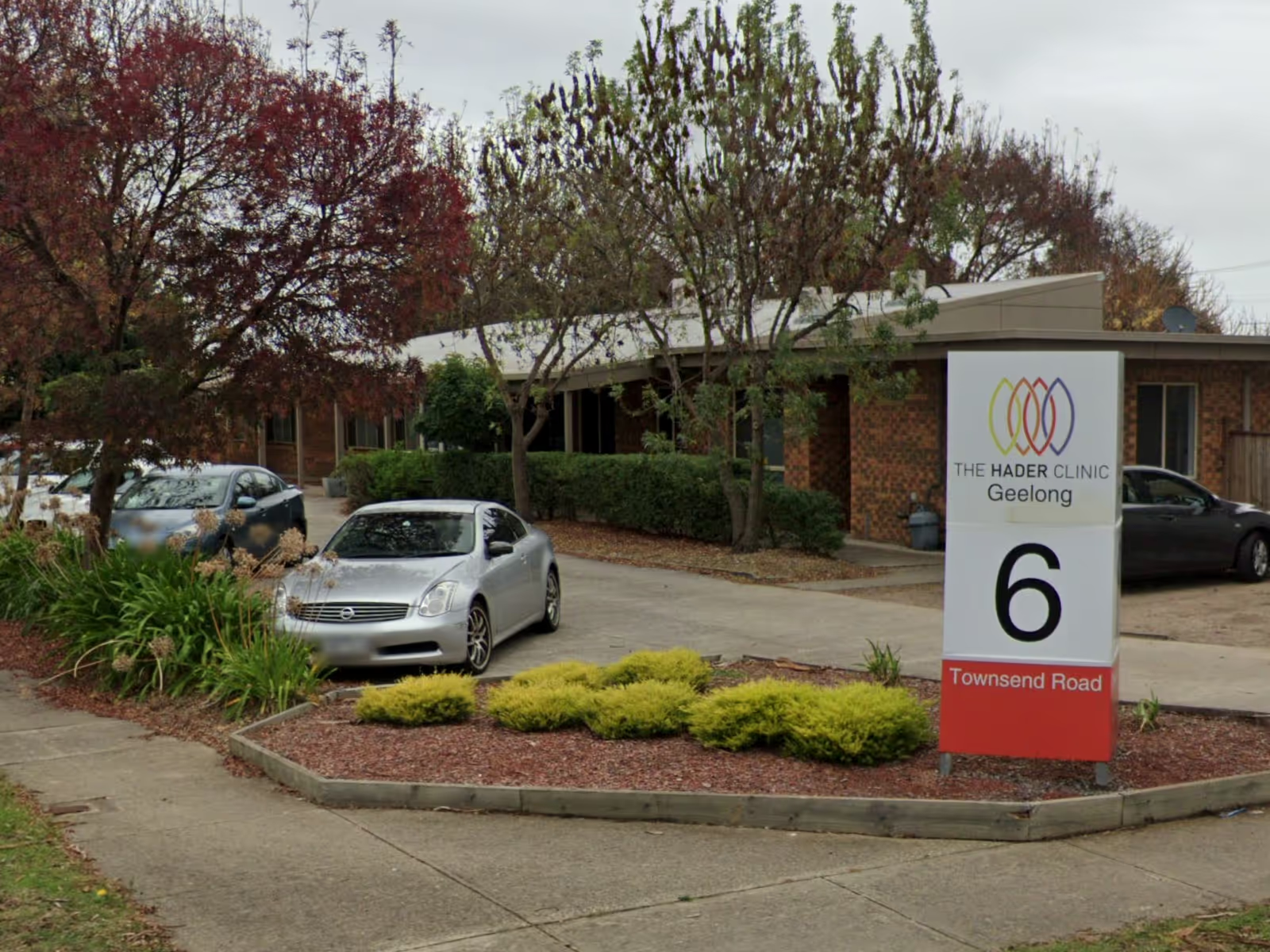
6-8汤森路,圣奥尔本斯公园,维多利亚州 3219
今天就迈出下一步

立即获取评估

If you’re ready for support, we’re ready to help. Fill out the form, and our team will contact you quickly to guide you through the next steps — no pressure, just support.

找个懂你的人聊聊

谢谢!您的提交已收到!
哎呀!提交表单时出了点问题。
Answers when you need them most

Frequently asked questions about transitional housing

Where is the transitional housing located?

Our transitional housing program provides accommodation at two key locations. One is at our Essendon rehab clinic in Melbourne, offering proximity to recovery services, public transport, and employment opportunities. The other is in Ocean Grove, a peaceful coastal town where residents live in shared homes designed to support recovery in a calm and grounded setting. These environments allow clients to reintegrate into the community while remaining connected to care.

Is there separate accommodation for men and women?

Yes. Both our Ocean Grove and Essendon sites offer separate, gender-specific housing options to ensure comfort, privacy, and a supportive environment for all residents. These shared spaces are designed to foster connection and mutual support among recovering addicts while also promoting stability and safety during this critical stage of transition.

What types of therapy are included in the program?

The treatment program includes ongoing individual counselling and guidance, group therapy, recovery coaching, and relapse prevention planning. These sessions take place within a therapeutic community environment and are grounded in evidence-based approaches. Continued support after our residential rehabilitation program is critical, and our therapy offerings help reinforce healthy behaviours and reduce the long-term risk of relapse.

What kind of life skills will I learn in transitional housing?

You’ll learn practical, confidence-building life skills like cooking, budgeting, self-care, time management, and regular living routines. These living skills help you move from recovery into independent living, with personal growth built into every part of the program. The goal is to help you build stability and learn how to work and live in a way that feels balanced and sustainable.

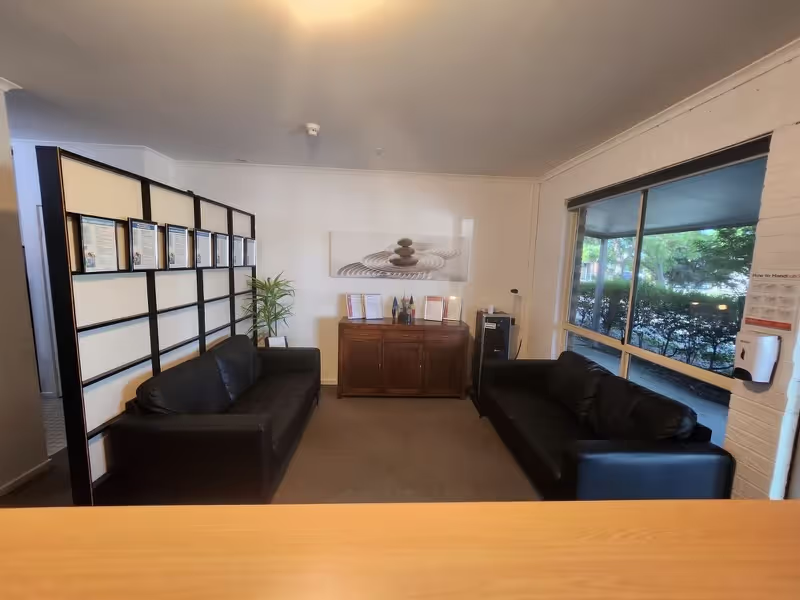
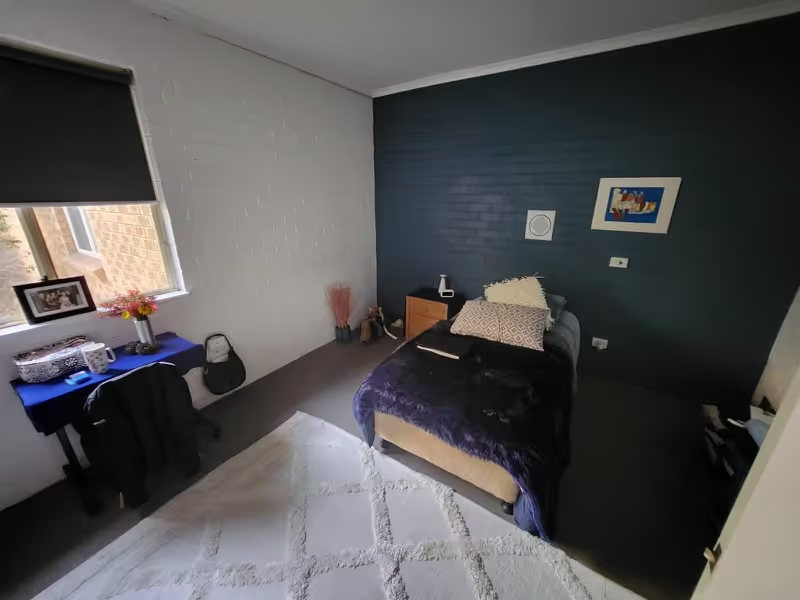
What are the housing facilities like?

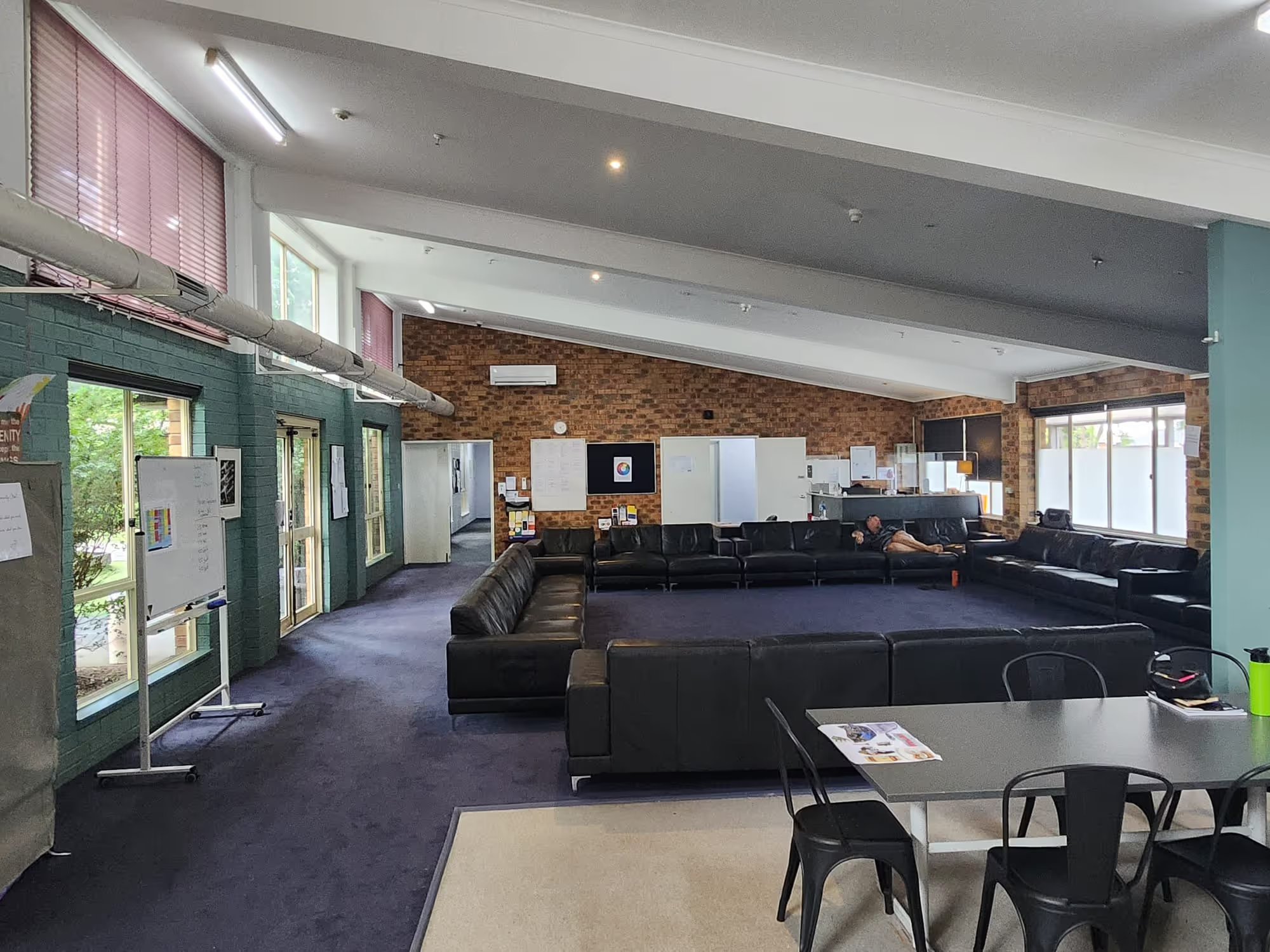
Our transition house facilities are fully furnished and designed to feel like home. Each property includes shared living spaces, kitchens, private or semi-private bedrooms, and access to wellness spaces for exercise and mindfulness. Residents benefit from on-site support and monitoring, ensuring safety and structure throughout their stay. These homes are purpose-built to build social connections and community.

What’s included in the cost of the program?

The cost includes accommodation, access to therapy, recovery group sessions, coaching, workshops, relapse prevention training, wellness activities, and support for employment or study. Transitional living isn’t just about housing — it’s about structured recovery. Everything included in your stay is aimed at helping you rebuild confidence, develop independence, and integrate safely back into life.

What does a typical day in transitional housing look like?

Each day offers a balanced mix of structure, support, and personal development. Mornings often start with goal setting or reflection, followed by group therapy or personal tasks like job applications. Afternoons may include counselling, volunteering, or wellness activities. Evenings offer shared meals and peer support. It’s a second phase of residential treatment, one designed to help you recover while building connections and routines.

What support is available for clients facing housing or cultural barriers?

We understand that recovery looks different for everyone, and that challenges like homelessness, cultural identity, or stigma can make it harder to ask for help. That’s why we partner with trusted organisations, including the Ngwala Willumbong Aboriginal Corporation, to provide culturally appropriate support for Aboriginal and Torres Strait Islander clients. We also create safe, respectful rehab spaces for all people, including LGBTQ+ individuals, seniors, pregnant mothers, and even faith-based rehab support for Christians, Muslims, Jews, and Seventh-day Adventists. As an accredited provider, we’re committed to personalised, inclusive care that honours your background, protects your dignity, and gives you a real chance to heal.