






















PTSD and addiction recovery starts here

Rehab for PTSD treatment and addiction dual diagnosis

创伤后应激障碍(PTSD)与成瘾问题的循证治疗。我们帮助人们稳定情绪、重构创伤经历,并建立更安全、更具联结感的生活。

立即进行自我评估或与他人交流,无需立即做出决定。

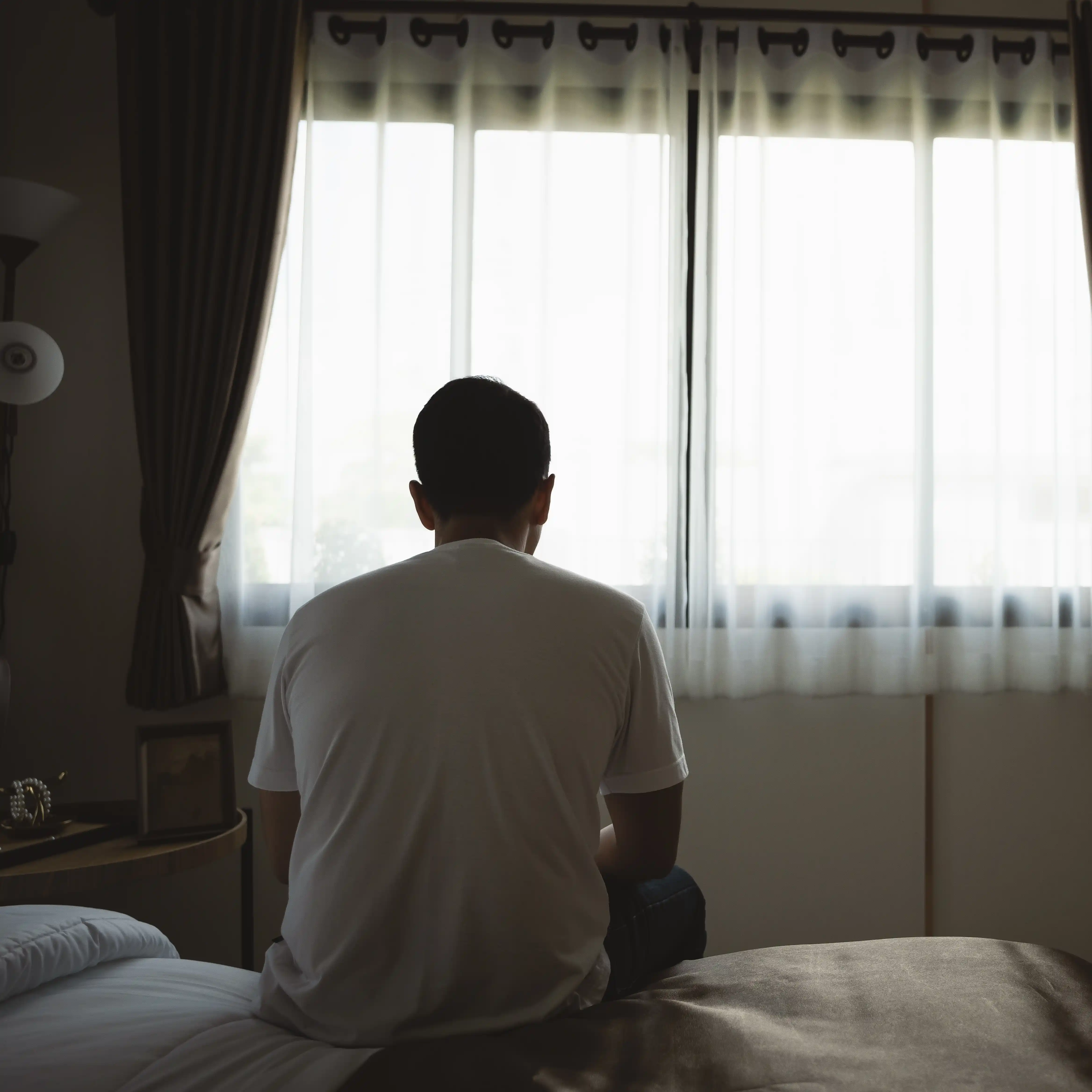
A woman sits alone at home, looking down with a distressed expression — reflecting the anxiety, flashbacks, and emotional exhaustion often experienced with post-traumatic stress disorder.

Dual diagnosis trauma expertise

PTSD-specific therapy every day

EMDR and evidence-based treatment

Peer-led support for veterans

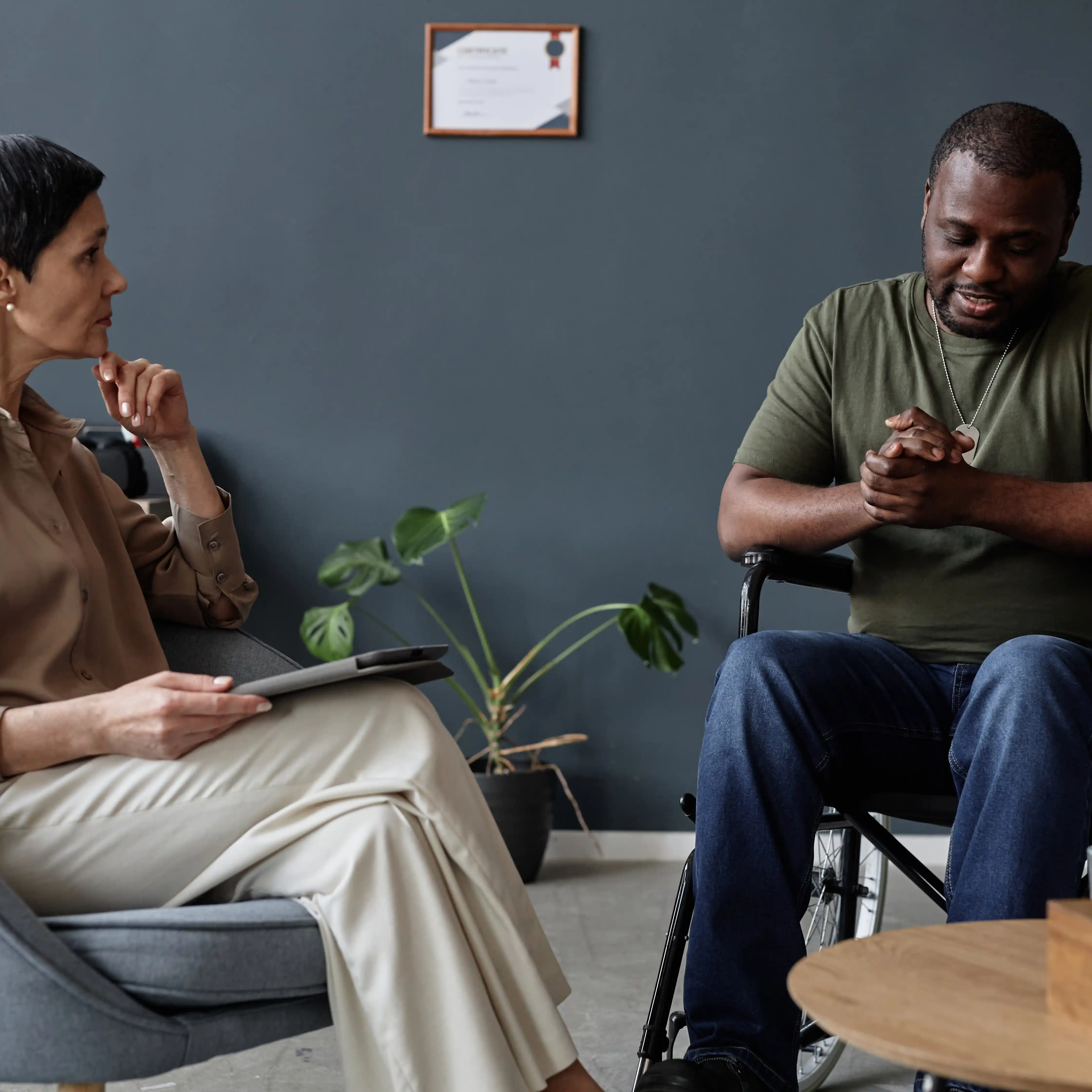
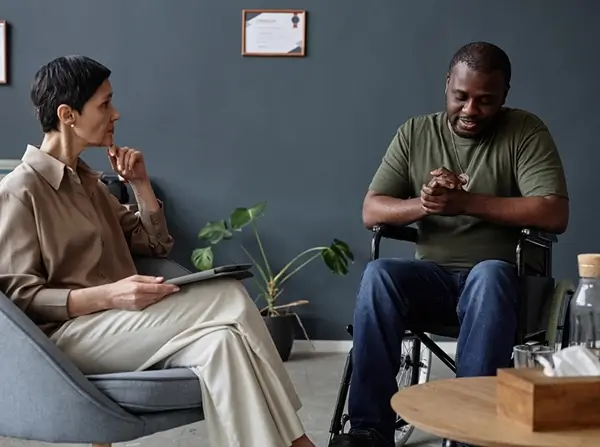
An army veteran shares his mental health struggles with a psychologist during a counselling session, highlighting the impact of post-traumatic stress disorder and the importance of support.
Understanding the connection between trauma and addiction

Why dual diagnosis care for PTSD matters

According to the Substance abuse, memory, and post-traumatic stress disorder review, up to 40% of people living with addiction also meet the criteria for PTSD. These conditions don’t just coexist — they drive each other. PTSD symptoms like avoidance, arousal, and flashbacks can lead to increased reliance on alcohol or drugs. Meanwhile, substance use can interfere with memory, heighten anxiety, and make trauma symptoms worse. 

We use evidence-based methods, including EMDR, trauma-focused therapy, and relapse prevention strategies that support long-term change.

  • Begin with medical detox in our Geelong hospital, where trauma symptoms are monitored and stabilised in a safe, supportive setting
  • Daily structure and trauma-informed therapy help reduce anxiety, manage triggers, and support emotional regulation
  • The 90-day program offers time to heal, reprocess trauma safely, and build tools for long-term recovery without relying on substances

我们会在您方便时联系您,绝不施加任何承诺压力。

What you can expect from treatment

What’s included in our PTSD rehab programs

Our rehab programs for PTSD and addiction are built to support every step of your recovery. From day one, we create a treatment plan that prioritises safety, trust, and real therapeutic progress.

  • Daily trauma-focused therapy sessions tailored to PTSD symptoms
  • EMDR and evidence-based methods to support recovery
  • Medication review and mental health monitoring with professionals
  • Physical wellness support, including yoga, acupuncture, and nutrition
  • Group therapy with peers who understand trauma and addiction
  • Structured, supervised environments to reduce stress reactions
Other mental health concerns we support

Our support goes beyond PTSD treatment

We understand that PTSD is rarely the only condition someone is facing. Our programs are designed to support a wide range of mental health challenges that can co-occur with addiction.

创伤后应激障碍

创伤后应激障碍(PTSD)与成瘾问题的循证治疗。我们帮助人们稳定情绪、重构创伤经历,并建立更安全、更具联结感的生活。

精神分裂症

精神分裂症康复需要专业化的综合护理。我们同时治疗精神病症状、稳定心理健康状态,并协助患者管理成瘾问题。

人格障碍

边缘型人格障碍与成瘾问题常常相伴而生。这两种状况都可能令人不堪重负,但通过正确的治疗,康复是可能的。你不必独自面对。

强迫症

强迫症与物质滥用可能相互强化,使日常生活变得难以掌控。但通过适当的治疗,康复是可能的。

家庭暴力

为受亲密伴侣暴力(IPV)影响的人士(无论过去或现在)提供支持性、创伤知情的成瘾康复服务。

抑郁症

我们为经历抑郁和成瘾困扰的人群提供基于实证的、富有同情心的治疗。我们的住院项目为心理健康、物质滥用及其背后诱因提供综合支持。

双相情感障碍

双相情感障碍本身就很复杂,尤其当伴有成瘾问题时更是如此。我们的住院康复项目采用经证实有效的治疗方案,同时针对这两种问题为双相情感障碍患者提供支持。

焦虑

药物滥用康复治疗与焦虑症治疗

愤怒管理

失控的愤怒与药物滥用往往相伴而生。我们帮助客户理解行为根源,重建自我控制,实现永久康复。

注意力缺陷多动障碍

注意力缺陷多动障碍(ADHD)可能使成瘾治疗难度增加,但只要具备适当的结构化安排、支持和照护,康复绝对是可能的。

What PTSD really means — and how we treat it

Understanding post-traumatic stress disorder (PTSD)

PTSD is a mental health condition that can develop after a traumatic event, and it affects far more people than most realise. It often co-occurs with addiction, and the combination can make symptoms more severe, long-lasting, and harder to manage without specialised support.

What is PTSD and how does it relate to addiction?

Post-traumatic stress disorder (PTSD) is a serious mental health condition triggered by exposure to a traumatic experience. It’s different from acute stress disorder; symptoms of PTSD persist for longer than a month and…

What are the symptoms of PTSD?

PTSD symptoms fall into four main categories: intrusive memories, avoidance, mood changes, and arousal.

How does PTSD impact addiction recovery?

PTSD and addiction often interact in a cycle. PTSD symptoms can drive substance use, while drugs or alcohol worsen emotional regulation and memory.

What treatments do we use for PTSD and substance addiction?

We offer a trauma-focused, evidence-based treatment plan designed to treat PTSD and addiction at the same time. Our team includes experts in trauma-related mental health and dual diagnosis.

What does recovery from PTSD and addiction look like?

Recovery from PTSD is possible even if you’ve lived with symptoms for years. We help you stabilise, rebuild trust, and move forward without relying on substances.

保密自我评估工具

担心自己的饮酒或吸毒问题吗?

这份简短的保密测评只需不到两分钟,能助您厘清当前状况。请选择最符合您情况的类别——无论是酒精、药物问题,还是多重困扰——我们将引导您完成几个简单的是非题。

测评结束后,我们将根据您的回答告知是否需要考虑康复治疗,并提供安全保密的治疗启动方案。

立即参加测验
How we treat PTSD and addiction together

Programs designed for trauma recovery

Our PTSD rehab programs are designed for people who need more than just addiction treatment: they need a trauma-informed approach that addresses the root cause. Every stage of care is built around your safety, stability, and ability to heal.

住宿项目

在安全、专注康复的环境中提供住宿式康复服务,包含结构化支持、治疗及生活技能培训。

年轻夫妇在咨询过程中牵手,通过家庭和关系治疗寻求支持。

家庭计划

教育、团体支持和咨询服务,帮助家庭理解成瘾问题并支持亲人的康复。

一名女性在家中参与虚拟康复课程,通过Hader at Home在线康复项目进行结构化治疗。

哈德居家

一套完整的数字化康复计划,包含每日签到、在线治疗及康复后护理的自学手册。

一位深褐色头发女性在团体治疗中微笑着分享个人突破,庆祝她在门诊康复旅程中的进展。

强化门诊治疗计划

结构化成瘾支持服务,包含治疗、团体辅导及复发预防,专为适应日常生活而设计。

一名男性住户正与他的康复顾问交谈。

心理咨询

创伤知情疗法、成瘾咨询及家庭支持服务,可通过面对面或安全在线会话获取。

在家中经历一场真挚的劝说后,女子拥抱她的伴侣,给予支持与鼓励,而他同意寻求戒瘾帮助。

干预措施

专业支持,协助家庭实施安全有序的干预,引导亲人接受治疗。

从私人豪华住宅眺望沙质后院与海滨景观,躺椅与热带景观设计营造出宁静私密的疗愈空间。

高管康复

在奢华环境中享受私密的一对一治疗,全程保密,并提供个性化的康复计划。

澳新军团日纪念场景:陈旧的澳大利亚陆军.303步枪配斜顶软呢帽与旭日徽章,士兵的狗牌,花环,背景是澳大利亚国旗。

退伍军人事务部康复

为退伍军人和第一响应者提供专业的创伤知情住院护理,符合条件的退伍军人事务部客户可享受全额资助。

一位居民坐在公共区域的沙发上,正撰写个人日记,这是他根据法院命令进行康复治疗的一部分。

法院强制戒毒

结构化住院治疗项目,包含戒毒、心理治疗及法医报告服务,以满足保释或量刑要求。

过渡性住房里的男子系着鞋带,准备迎接新一天的工作,在住院康复后重建生活秩序与独立能力。

过渡性住房

以康复为导向的住宿服务,提供治疗、结构化支持及生活指导,旨在衔接康复治疗与独立生活之间的过渡期。

在医疗戒毒中心进行的支持性团体治疗会话中,来自不同背景的患者们分享各自经历,心理咨询师温柔地鼓励一位新参与者。

医院戒毒

在持牌私立医院接受全天候医疗监督下的戒毒治疗,包括戒断症状支持和精神科护理。

当你主动联系时会发生什么

How our rehab process works

步骤1

Personalised assessment

We begin by understanding your trauma history, substance use, and current mental health needs.

步骤2

Tailored program recommendation

Our team matches you with a treatment program that fits your clinical needs and personal goals.

步骤3

Supported admission

From pre-admission support to your first therapy session, we guide you through every step of the process.

我们随时恭候您的光临--现在就拨打电话或与我们的工作人员联系。

Why our PTSD rehab works

Designed for long-term change

Our program is built specifically for trauma-related addiction. We combine clinical excellence with compassion, helping people feel safe enough to recover and supported enough to stay well.

Daily trauma-specific care

Our clients engage with trauma-informed therapy every day, not just once a week.

Experienced trauma therapists

Every member of our clinical team is trained in treating post-traumatic stress disorder.

Evidence-based treatment plans

We use proven methods like EMDR and SSRIs, backed by research and real-world results.

Wraparound support for every stage

From detox to aftercare, we guide you through every step of the way.

Our full range of addiction services

Rehab support for all kinds of substance use

We offer specialised care for a wide range of addictive substances. Whether you’re dealing with long-term dependence or recent escalation, we provide tailored rehab options that treat both addiction and underlying trauma.

酒精康复治疗

针对酒精依赖对身体、情绪和行为影响的个性化治疗方案。

戒毒康复

针对各类非法药物及处方药物的结构化住院治疗项目,提供全面支持。

紧急康复

为处于危机中且需要紧急稳定护理的人群提供快速通道入院方案。

复发预防

实用且切实可行的策略,助您应对诱因、避免复发,并维持长期康复。

Your care is fully accredited

A program you can trust

Our services are accredited under NSQHS and assessed by the Australian Commission on Safety and Quality in Health Care (ACSQHC).

Stories of change and healing

Real clients, real recovery

We’ve helped hundreds of people living with PTSD and addiction reclaim their lives. Read their stories or hear directly from families who’ve seen the change first-hand.

阿里·阿德米

历经多年的创伤、成瘾与失去,阿里在充满同情心的团队支持、社区归属感以及对长期康复的承诺中,找到了重建人生的力量。

在32年的成瘾困扰后,明·范在哈德诊所找到了希望、治愈与新生之路。他的经历见证了社区力量、同情心与勇气的非凡力量。

彼得·埃尔-库里

历经多次复发后,彼得在哈德的帮助下实现了长期康复。了解治疗、社区支持和临床护理如何助他重获新生。

Where your recovery begins

A supportive start, at your pace

At The Hader Clinic, recovery begins with safety, calm, and clinical support. Based in Geelong, care starts in our licensed private hospital with medically supervised detox designed to reduce distress and minimise the risk of re-traumatisation. As you’re ready, recovery continues through structured therapeutic support that allows space to process, reflect, and rebuild with consistency and care. This approach is designed to support you through the early stages of trauma recovery and help you move forward at a pace that feels right for you.

吉朗

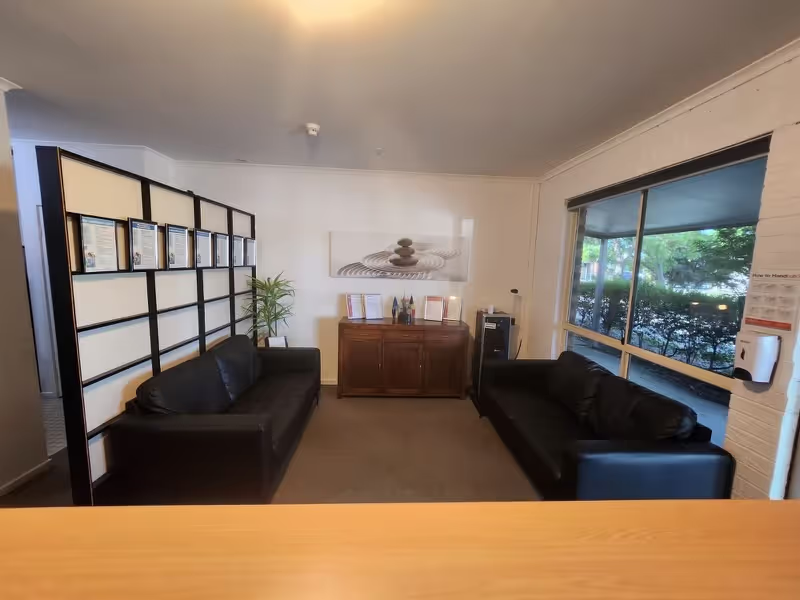
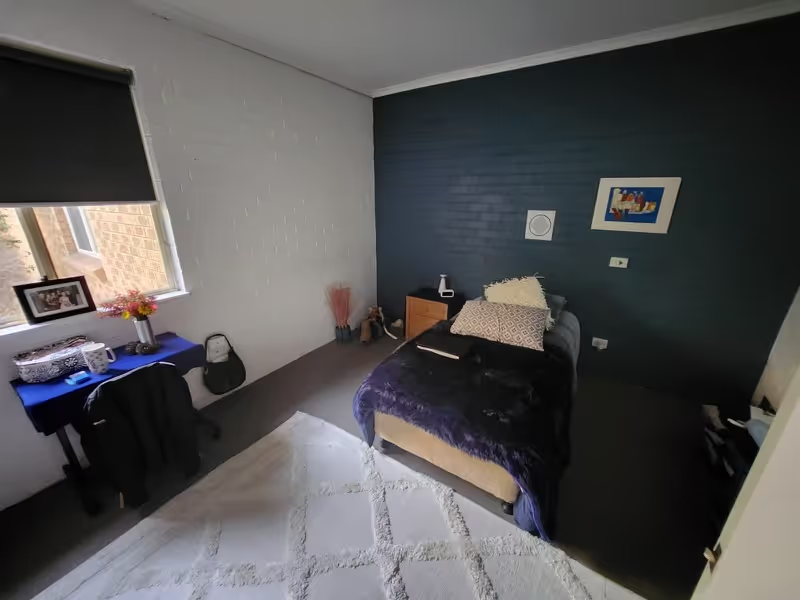
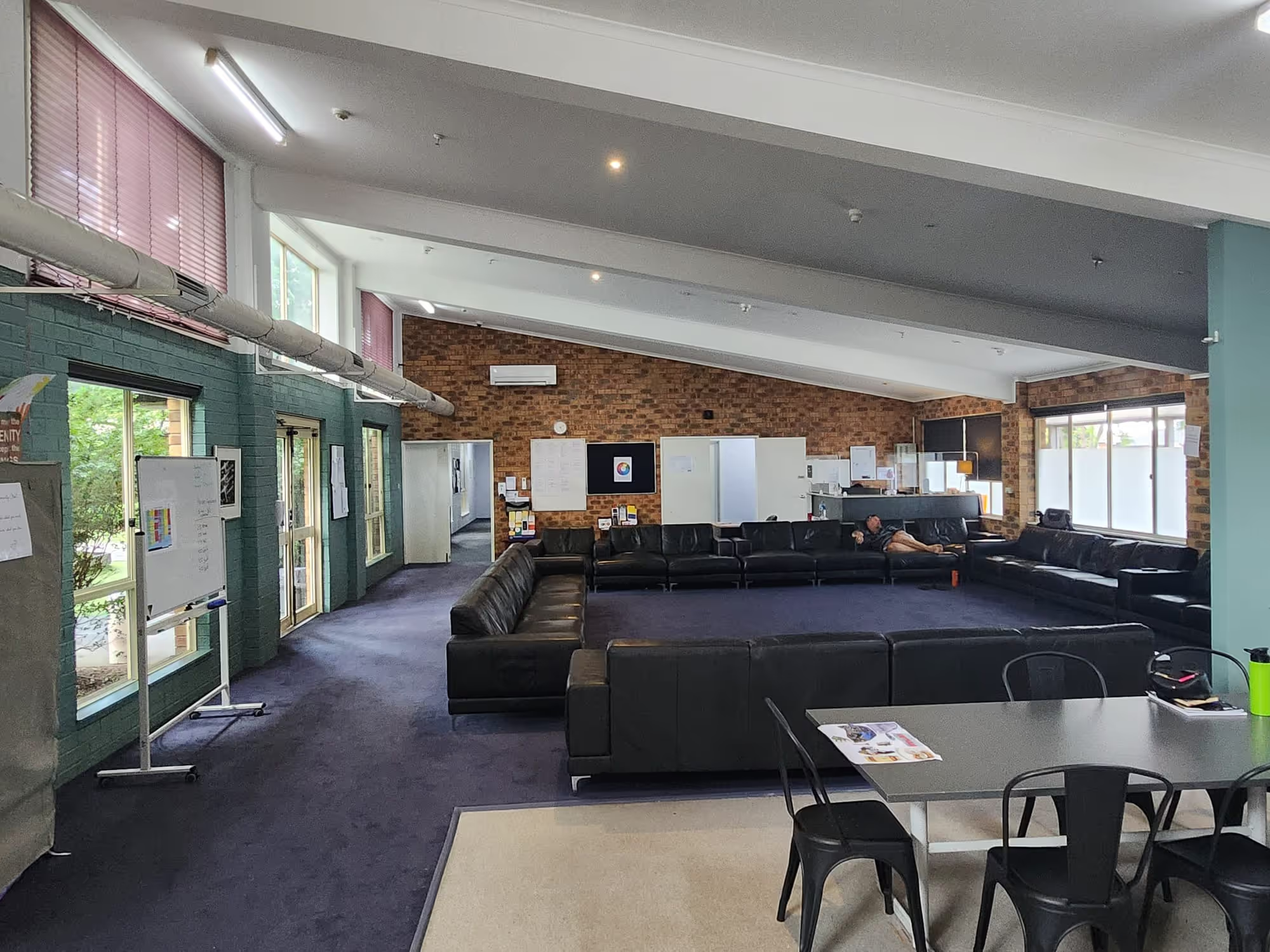
Medically supported detox, inpatient residential rehabilitation, and transitional housing programs.

6-8汤森路,圣奥尔本斯公园,维多利亚州 3219

83%

完成我们90天项目的客户在12个月后仍保持清醒。

72%

客户可报名参加Hader@Home的后续护理或过渡性住房项目,以支持长期参与并降低复发风险。

60%

接受结构化后续护理的客户,其维持康复状态并避免复发的可能性显著更高。

50%

半数成瘾者同时患有共病性心理健康问题,这凸显了双重诊断支持的必要性。

What our clients achieve

Measurable outcomes that build confidence

Our trauma-focused rehab programs don’t just feel supportive — they get real results. We track long-term data across symptom reduction, recovery stability, and quality of life after treatment. These outcomes reflect our commitment to safe, evidence-based PTSD and addiction recovery.

请查看以下来源:

今天就迈出下一步

We know how hard it can be to reach out. Whether you’re asking for yourself or someone you love, we’re here to help you find the right care.

参加免费在线评估

立即进行简短的私密测评,了解康复治疗是否对您有效,并探索安全可靠的支持方案。

预约免费咨询

 请选择适合您的时间,与专家安排一次保密通话。

立即致电我们

 立即与他人沟通以获取指导和支持。

Funding and costs

Options to help make treatment possible

We believe that finances should never be a barrier to getting help. From private insurance to super access to payment plans, learn more about how to access funding support for our programs.

康复费用

We offer transparent pricing across all programs with no hidden fees.

探索康复治疗方案

筹资方案

From private health to payment plans, we’ll help you find a funding solution.

了解更多关于资金成本的信息
认识团队

A team you can trust

Our staff includes trauma specialists, addiction counsellors, nurses, psychiatrists, and peer support workers — all committed to your care. We’re here with you every step of the way.

安迪·塔尼亚的图像
认识团队

A legacy of trauma-informed care

We’ve spent decades helping people find freedom from trauma and addiction. With deep clinical experience and a human-centred approach, we support every person who walks through our doors.

为自己或所爱之人提供支持

You're not alone in this

Whether you're living with PTSD yourself or supporting someone who is, help is available. We'll guide you through the next step with clarity and care.

自我康复

We offer confidential, evidence-based support for individuals ready to begin their recovery.

一位女子蜷缩在明亮窗边的沙发上,神情若有所思又忧心忡忡。

为所爱之人进行康复治疗

If you're worried about a loved one, we’re here to help you approach the conversation and access the right care.

一对夫妇坐在心理治疗师的办公室里,带着关切与支持倾听着。
Explore more insights

Learn more about PTSD and recovery

Our resource centre includes evidence-based articles to support your journey. These three blogs are especially relevant for people experiencing trauma and substance use:

Start your recovery today

We're here when you're ready

It’s never too late to get help. Whether your trauma happened recently or long ago, we’ll support you with compassion, clinical care, and experience that makes a difference.

找个懂你的人聊聊

谢谢!您的提交已收到!
哎呀!提交表单时出了点问题。
获得你需要的清晰度

常见问题

Who gets PTSD, and what increases the risk of developing it alongside addiction?

PTSD can affect anyone after trauma such as accidents, abuse, violence, or loss. Risk increases with pre‑existing mental health conditions and regular alcohol or drug use. Veterans, emergency workers, and survivors of childhood trauma are especially at risk. Early, trauma‑informed care helps break the cycle.

What symptoms suggest someone may have PTSD and not know it?

PTSD is often missed, especially when symptoms overlap with addiction, depression, or anxiety. Signs include:

  • Persistent guilt, shame, or detachment after trauma
  • Flashbacks, nightmares, or intense reactions to reminders
  • Avoidance of people, places, or situations linked to the event

If symptoms last more than a month or disrupt life, seek assessment from a mental health professional.

What are the most effective treatments for PTSD and addiction?

Integrated, trauma‑focused care works best — treating both conditions together. Common treatments include:

  • EMDR (eye movement desensitisation and reprocessing)
  • Trauma‑focused CBT and skills for emotional regulation
  • SSRIs when appropriate for PTSD symptoms

Residential dual diagnosis programs provide structure and specialist support.

What kind of professional help is available for PTSD and substance use?

The best option is a program staffed by trauma‑informed clinicians and addiction specialists who understand dual diagnosis care. Our team includes mental health professionals, addiction nurses, medical staff for detox and withdrawal, and trauma therapists for individual and group counselling.

Are medications like SSRIs used to treat PTSD in rehab?

Yes. SSRIs are often prescribed to reduce intrusive thoughts, irritability, and sleep disturbance. Medication is usually combined with therapy and monitored for side effects. Additional medications may support depression, anxiety, or withdrawal during treatment.

How does PTSD affect recovery and relapse risk in addiction treatment?

PTSD can complicate recovery if trauma symptoms remain untreated. Stress reactions to reminders can drive cravings and avoidance, increasing relapse risk. Treating PTSD and addiction together helps you stay engaged, grounded, and resilient.

Who can you help through your PTSD and addiction programs?

We provide inclusive, trauma‑informed care for people from all walks of life, including:

  • Veterans
  • Aboriginal and Torres Strait Islander peoples
  • Women and pregnant mothers
  • Young adults

Programs are culturally safe, gender‑sensitive, and built around your needs.

How common is PTSD in people with addiction and other mental health problems?

PTSD is one of the most common co‑occurring conditions in addiction treatment — affecting a large proportion of clients. It frequently overlaps with depression and anxiety. Without trauma‑specific support, many people cycle through treatment attempts without lasting recovery. Dual diagnosis care changes that trajectory.