MDMA may seem harmless, until it’s not

Melbourne MDMA rehab for detox and addiction treatment

The experience can feel intense, but when it starts affecting your health, your relationships or your peace of mind, it's time to check into a specialised MDMA rehab centre.

立即进行自我评估或与他人交流,无需立即做出决定。

A person having an anxiety attack in a nightclub setting. They’re sweating, clenching their jaw, and sitting on the floor.

Inpatient rehab for MDMA in Melbourne

Medical detox and withdrawal support

Specialised MDMA addiction treatment

Therapy for co-occurring mental health

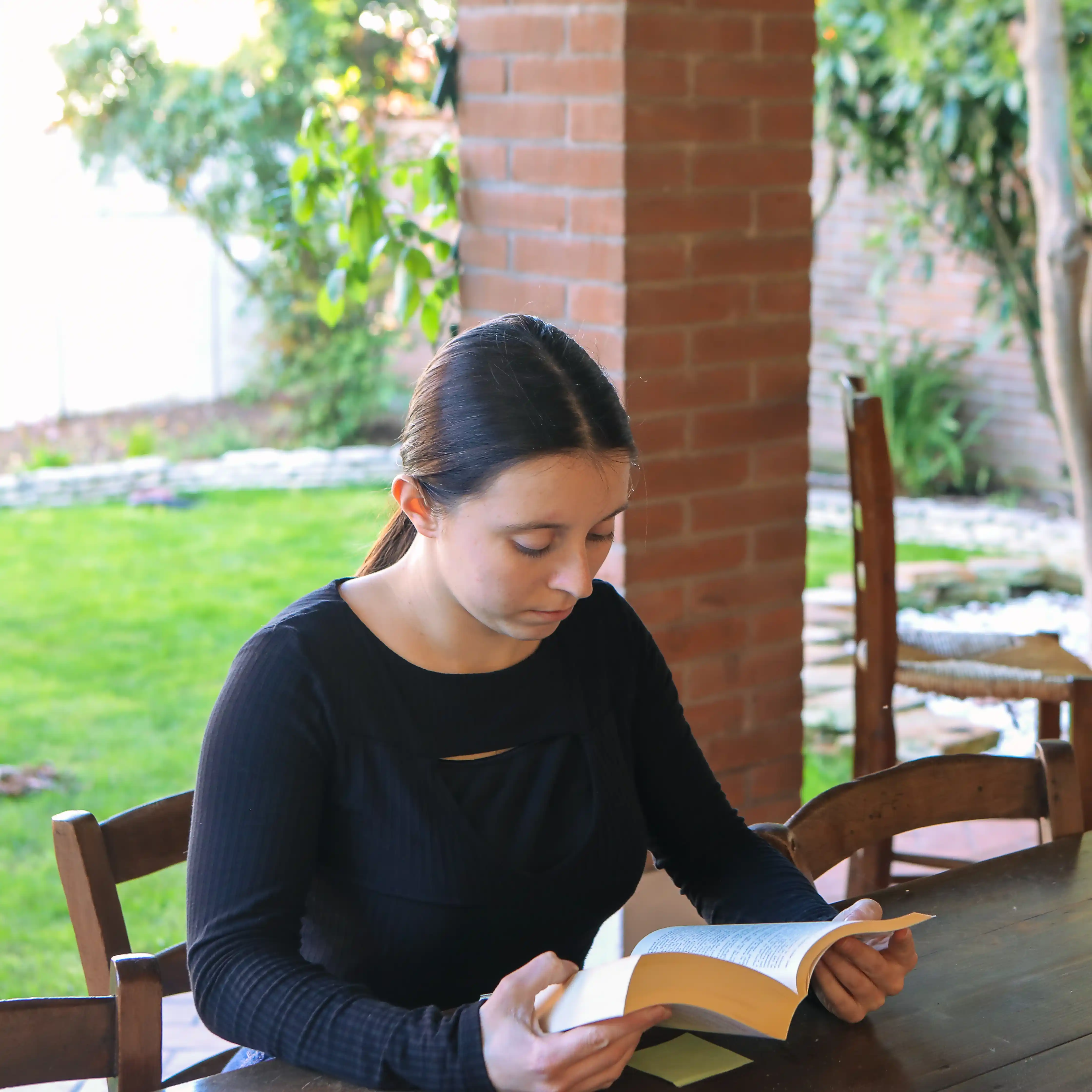
An MDMA rehab client in a garden setting in the afternoon. They’re engrossed in a book, doing their best to keep their focus and to practice their mindfulness.
When partying turns into a pattern

Understanding MDMA rehab and what to expect

MDMA can seem like a harmless party drug, but regular use can lead to serious mental, emotional, and physical effects. Many people come to rehab not because they’ve hit rock bottom, but because they’ve started to notice changes in how they think, feel, and relate to the world.

At The Hader Clinic, we understand that seeking treatment for MDMA use can feel confronting. Our inpatient rehab program offers a calm, structured environment where you’ll be supported to explore your experience without shame, build coping skills, and start to feel like yourself again.

  • MDMA addiction isn’t always obvious, but subtle symptoms can build over time and affect daily life.
  • We provide inpatient treatment tailored to people who use MDMA and may be experiencing other drug use or mental health challenges.
  • If you’re unsure what help looks like, we’re here to talk through your options and help you take the first step towards recovery.
You don’t have to face recovery alone

What’s included in our MDMA rehab program

We combine medical care, structured routine, and expert psychological support to create a safe path out of MDMA dependency.

Our addiction treatment includes:

  • Personalised assessment and treatment plan from day one of admission.
  • Medically supported detox process to manage withdrawal symptoms safely.
  • One-on-one and group therapy with experienced addiction specialists.
  • Support for mental health concerns such as anxiety or depression.
  • Daily routines designed to restore structure, stability, and confidence.
  • Ongoing relapse prevention planning and aftercare coordination.
The realities of MDMA use

What to know about MDMA addiction

MDMA might seem less harmful than other drugs, but the risks are real. It affects the brain’s chemistry, can lead to dependency, and may cause lasting mental health challenges.

A person in their 20s in group therapy. They’re sharing a difficult memory and people are listening supportively.

What is MDMA addiction?

MDMA is a synthetic stimulant that creates strong feelings of euphoria and connection. It’s often sold as ecstasy or molly, though what you’re taking can vary wildly. Many people start casually, at a party or festival, but with repeated use, it becomes harder to feel good without it. That’s when MDMA use can shift from recreational to compulsive, and addiction takes hold.

Recognising the signs of MDMA addiction

You might not notice the shift at first. But over time, MDMA can start to dominate how you manage emotions, relationships, or stress. You may find yourself chasing the high more often, feeling anxious or depressed between uses, or struggling to enjoy life without it. These are all signs the drug is no longer helping — it’s holding you back.

  • You feel emotionally flat or irritable for days after taking MDMA.
  • You notice your social life revolves around drug use or recovery.

  • You experience memory issues, poor sleep, or sudden mood changes.

The short- and long-term effects of MDMA

MDMA floods the brain with feel-good chemicals like serotonin and dopamine. That high feels incredible, but it depletes your system, leaving you low and foggy afterwards. With frequent use, the impact deepens. MDMA can disrupt your memory, emotional balance, and ability to feel natural joy or connection. Some people develop anxiety, paranoia, or persistent low mood.

  • You may feel emotionally unstable or disconnected after each use.
  • Long-term use increases the risk of anxiety, depression, and burnout.
  • Chronic use of MDMA can affect sleep, focus, and social confidence.

How treatment works

A good rehab program gives you structure, safety, and time to heal. MDMA detox is just the first step of the process; it’s also about helping you understand why MDMA became a coping tool, and how to rebuild without it. At The Hader Clinic, we use trauma-informed therapy, relapse prevention, and real-world skill building to create change that lasts.

  • Therapy helps you explore what led to drug use and what’s driving it now.
  • MDMA use seems to be rising, making early support essential.
  • Treatment includes strategies for triggers, cravings, and long-term care.

What recovery can look like

MDMA recovery means learning how to manage stress, emotion, and connection without relying on a drug. It often involves rebuilding trust with yourself and others, reestablishing routines, and gaining tools to feel more stable day-to-day. Many people report better mental clarity, healthier relationships, and greater emotional resilience after treatment.

  • Clients often rediscover meaning and purpose outside of drug use.
  • Peer support and group therapy offer encouragement and connection.
  • You’ll build skills to handle cravings, social pressure, and self-doubt.
保密自我评估工具

担心自己的饮酒或吸毒问题吗?

这份简短的保密测评只需不到两分钟,能助您厘清当前状况。请选择最符合您情况的类别——无论是酒精、药物问题,还是多重困扰——我们将引导您完成几个简单的是非题。

测评结束后,我们将根据您的回答告知是否需要考虑康复治疗,并提供安全保密的治疗启动方案。

立即参加测验
Support that understands your reality

Our programs are built around real MDMA recovery

We offer structured inpatient rehab, medical detox, relapse prevention planning, and aftercare services to support every step of the recovery process. Programs are adapted for each client, based on their use history, physical and psychological health, and level of risk. For those experiencing co-occurring mental health conditions, dual diagnosis treatment is also available.

住宿项目

在安全、专注康复的环境中提供住宿式康复服务,包含结构化支持、治疗及生活技能培训。

年轻夫妇在咨询过程中牵手,通过家庭和关系治疗寻求支持。

家庭计划

教育、团体支持和咨询服务,帮助家庭理解成瘾问题并支持亲人的康复。

一名女性在家中参与虚拟康复课程,通过Hader at Home在线康复项目进行结构化治疗。

哈德居家

一套完整的数字化康复计划,包含每日签到、在线治疗及康复后护理的自学手册。

一位深褐色头发女性在团体治疗中微笑着分享个人突破,庆祝她在门诊康复旅程中的进展。

强化门诊治疗计划

结构化成瘾支持服务,包含治疗、团体辅导及复发预防,专为适应日常生活而设计。

一名男性住户正与他的康复顾问交谈。

心理咨询

创伤知情疗法、成瘾咨询及家庭支持服务,可通过面对面或安全在线会话获取。

在家中经历一场真挚的劝说后,女子拥抱她的伴侣,给予支持与鼓励,而他同意寻求戒瘾帮助。

干预措施

专业支持,协助家庭实施安全有序的干预,引导亲人接受治疗。

从私人豪华住宅眺望沙质后院与海滨景观,躺椅与热带景观设计营造出宁静私密的疗愈空间。

高管康复

在奢华环境中享受私密的一对一治疗,全程保密,并提供个性化的康复计划。

澳新军团日纪念场景:陈旧的澳大利亚陆军.303步枪配斜顶软呢帽与旭日徽章,士兵的狗牌,花环,背景是澳大利亚国旗。

退伍军人事务部康复

为退伍军人和第一响应者提供专业的创伤知情住院护理,符合条件的退伍军人事务部客户可享受全额资助。

一位居民坐在公共区域的沙发上,正撰写个人日记,这是他根据法院命令进行康复治疗的一部分。

法院强制戒毒

结构化住院治疗项目,包含戒毒、心理治疗及法医报告服务,以满足保释或量刑要求。

过渡性住房里的男子系着鞋带,准备迎接新一天的工作,在住院康复后重建生活秩序与独立能力。

过渡性住房

以康复为导向的住宿服务,提供治疗、结构化支持及生活指导,旨在衔接康复治疗与独立生活之间的过渡期。

在医疗戒毒中心进行的支持性团体治疗会话中,来自不同背景的患者们分享各自经历,心理咨询师温柔地鼓励一位新参与者。

医院戒毒

在持牌私立医院接受全天候医疗监督下的戒毒治疗,包括戒断症状支持和精神科护理。

A safe, supported path forward

当你主动联系时会发生什么

步骤1

Speak to our intake team

We’ll listen, answer your questions, and help you decide what kind of support is right for you or your loved one.

步骤2

Get assessed and admitted

Once you're ready, we’ll guide you through an intake assessment and organise admission to the right program.

步骤3

Begin personalised care

You’ll receive structured, individualised treatment designed to support long-term recovery and wellbeing.

我们随时恭候您的光临--现在就拨打电话或与我们的工作人员联系。

What sets our MDMA rehab apart

A personalised approach grounded in trust

We don’t offer one-size-fits-all programs. Every MDMA recovery journey is unique, and our care reflects that. With lived-experience staff, trauma-informed clinicians, and an integrated treatment model, we support each client’s emotional, physical, and psychological healing. From detox to long-term planning, you’ll never be just a number.

Lived experience you can relate to

Many of our team have overcome addiction themselves and bring compassion, honesty, and real-world insight to your care.

Safe, focused inpatient environment

Accredited private hospital setting with round‑the‑clock clinical supervision for detox and stabilisation.

Integrated dual diagnosis support

Specialists in co‑occurring mental health and substance use, with trauma‑informed, evidence‑based therapy.

Aftercare planning that works

Relapse prevention tools, family involvement, and ongoing support so you can maintain progress after discharge.

Quality care backed by national standards

Accredited, evidence-based MDMA rehab in Victoria

We’re fully accredited under the National Safety and Quality Health Service (NSQHS) Standards, governed by the Australian Commission on Safety and Quality in Health Care (ACSQHC).

Flexible programs for different needs

Rehab services for every stage of recovery

Whether you need detox, inpatient care, relapse prevention or urgent support, we offer structured, compassionate services tailored to where you’re at.

戒毒康复

Our structured programs help people overcome addiction to substances like MDMA, ice, heroin, marijuana and more.

团体治疗会议,讨论成瘾康复问题。

药物戒断

Medically supported detox services for safe withdrawal from MDMA and other drugs, delivered in a controlled, inpatient setting.

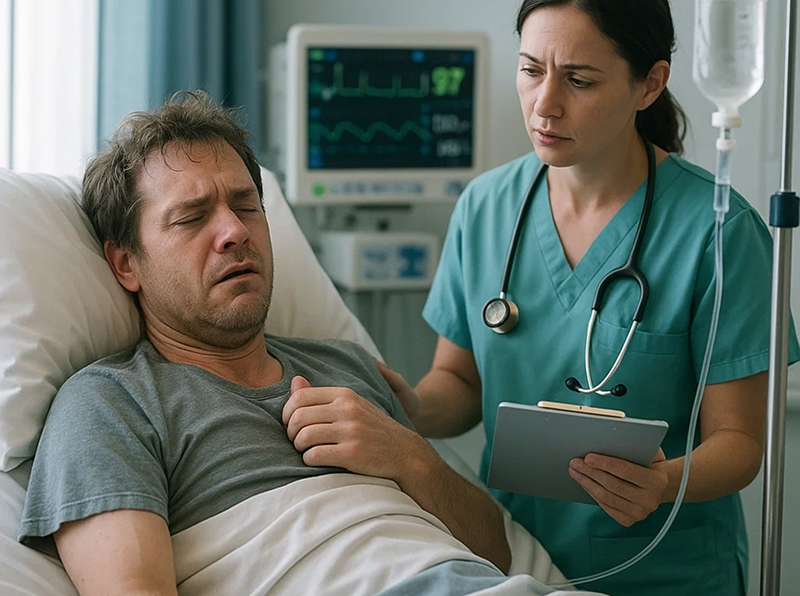
护士正在检查接受药物戒断治疗的患者。

复发预防

We provide education, planning and psychological support to help clients stay substance-free after rehab.

两名男子正在讨论预防复发的策略。

紧急康复

Fast admission options for people in urgent crisis due to MDMA, other substances, or a combination of drugs and alcohol.

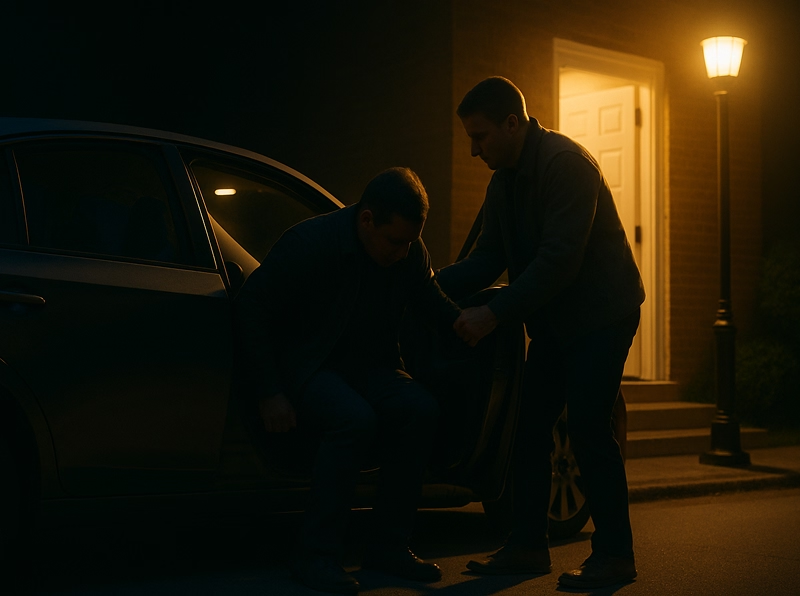
危机干预期间,协助人员将当事人扶入车内。
Real voices from real recovery

Stories and testimonials from our clients

Hearing from others who’ve been through the process can offer clarity, connection and hope, whether you’re just starting out or supporting a loved one.

阿里·阿德米

历经多年的创伤、成瘾与失去,阿里在充满同情心的团队支持、社区归属感以及对长期康复的承诺中,找到了重建人生的力量。

在32年的成瘾困扰后,明·范在哈德诊所找到了希望、治愈与新生之路。他的经历见证了社区力量、同情心与勇气的非凡力量。

彼得·埃尔-库里

历经多次复发后,彼得在哈德的帮助下实现了长期康复。了解治疗、社区支持和临床护理如何助他重获新生。

A safe and supportive healing environment

Where treatment happens matters

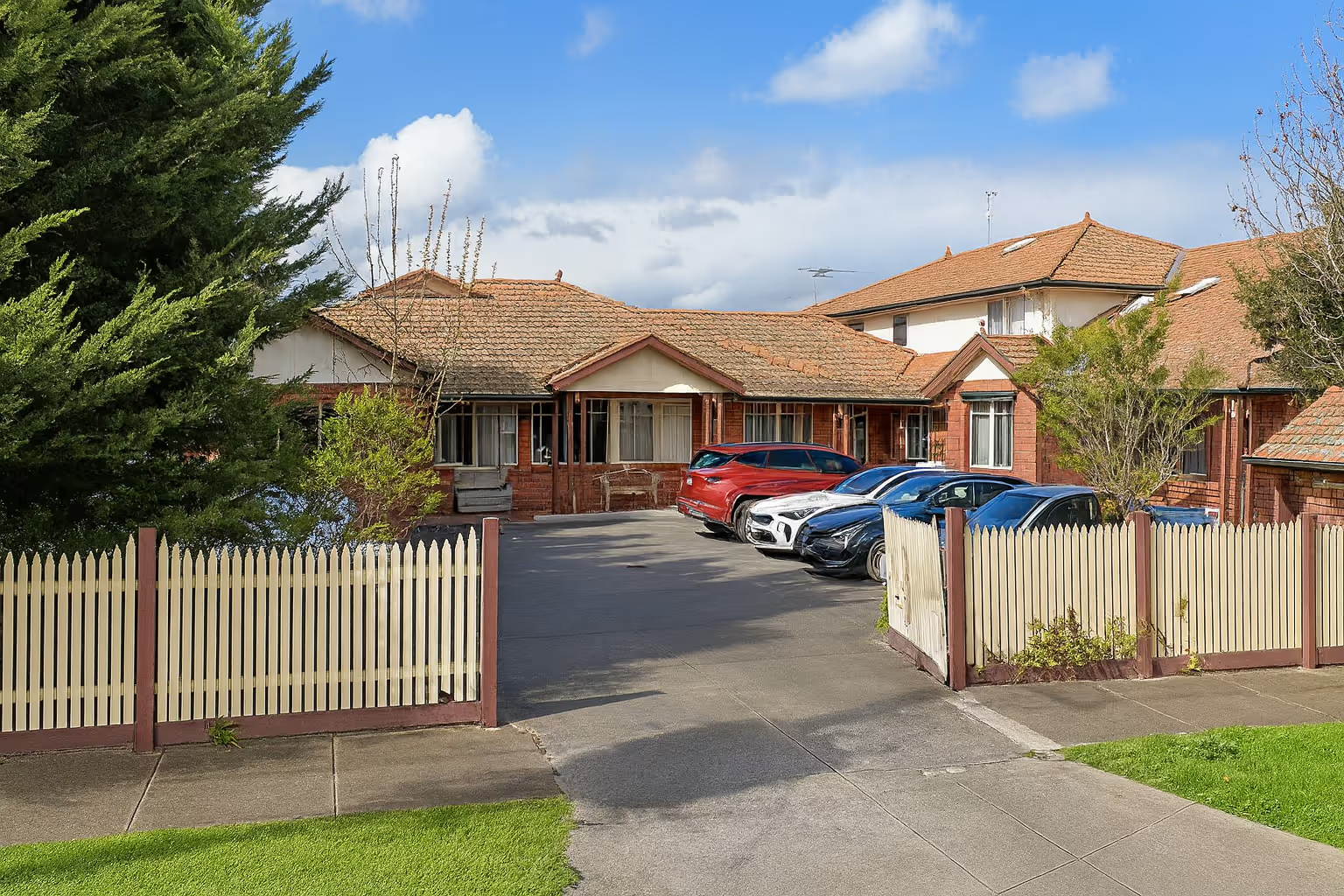
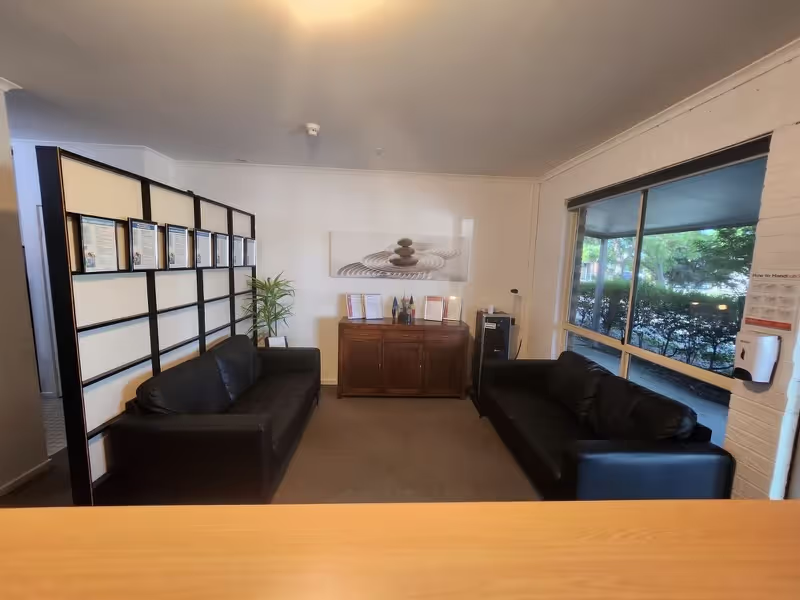
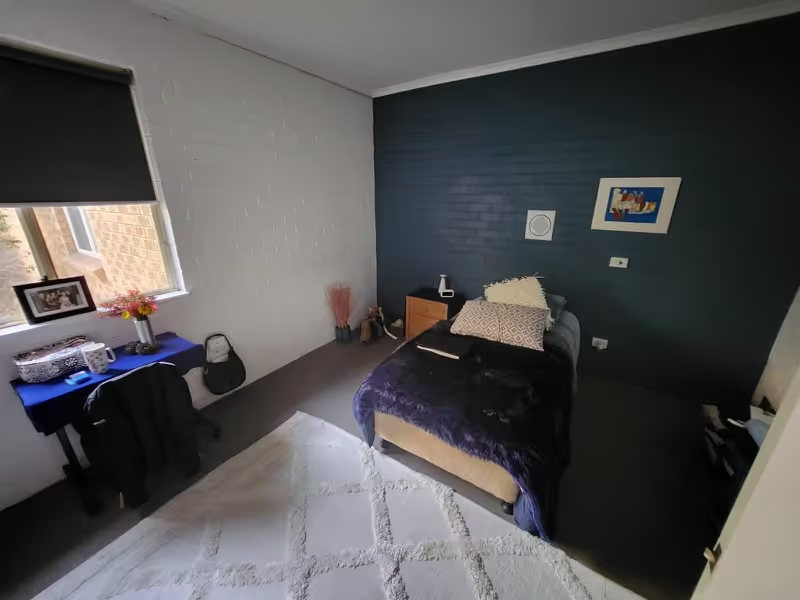
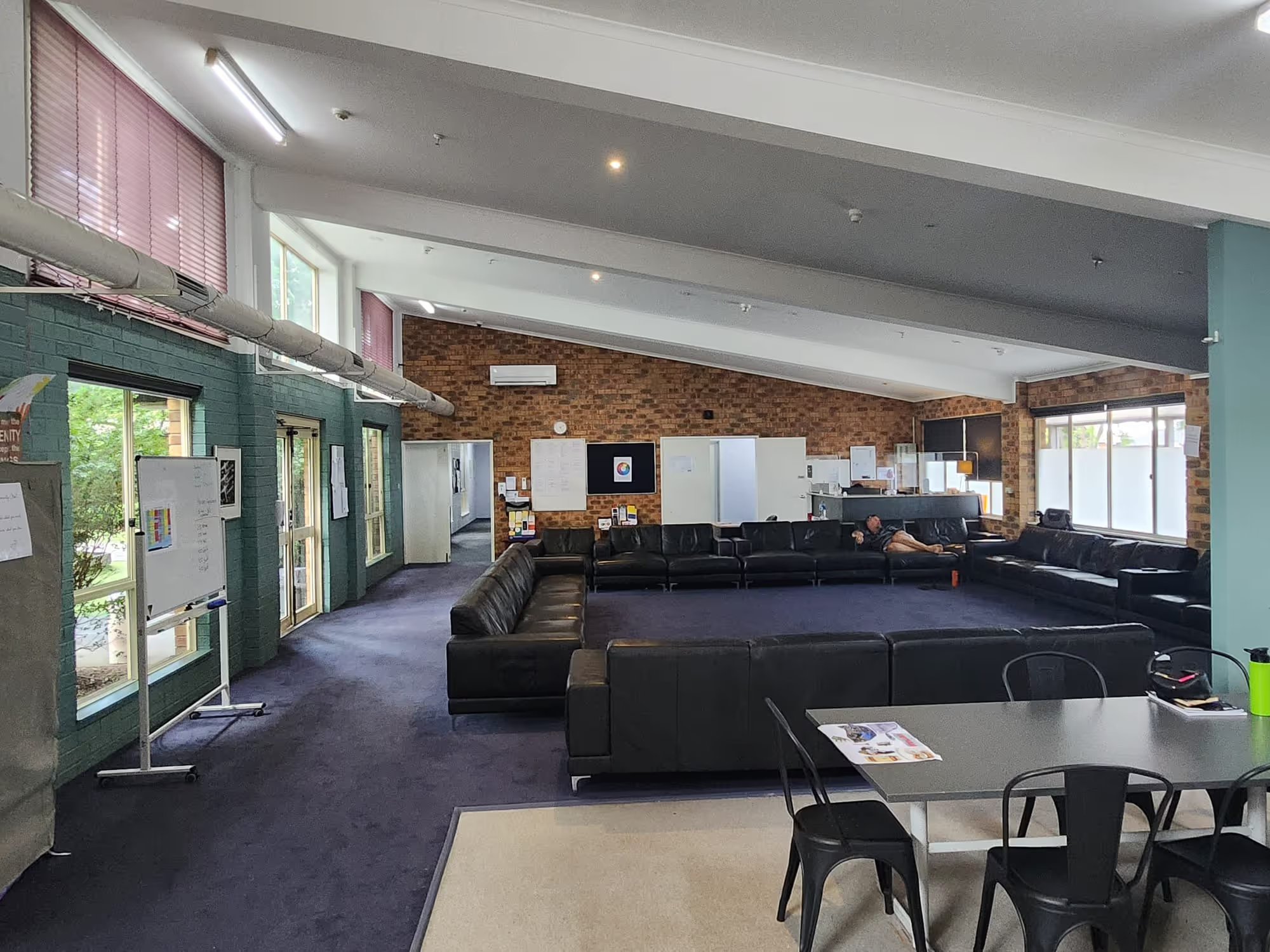
We offer purpose-built facilities in peaceful settings, designed to support emotional safety, physical wellbeing, and strong therapeutic outcomes across every stage of recovery.

住院康复计划与过渡性住房计划

埃森登
库珀街150-152号,埃森登,维多利亚州,邮编3040

医院康复中心——28天戒断与排毒项目

吉朗
6-8汤森路,圣奥尔本斯公园,维多利亚州 3219

100%

客户获得了个性化的治疗方案。

92%

完成了其建议的全部住院治疗期。

72%

出院时报告心理健康状况有所改善。

89%

在康复治疗后的前30天内未出现复发。

Evidence of long-term success

Real results from people who chose recovery

We don’t just measure success by abstinence, but by long-term stability, mental health, and quality of life. Our approach is proven to reduce relapse risk, rebuild relationships, and help people find lasting change after addiction.

请查看以下来源:

Ready to talk about treatment?

Whether you're exploring options or feeling unsure, we're here to listen. Reach out today for a confidential, obligation-free conversation about support.

参加免费在线评估

立即进行简短的私密测评,了解康复治疗是否对您有效,并探索安全可靠的支持方案。

预约免费咨询

 请选择适合您的时间,与专家安排一次保密通话。

立即致电我们

 立即与他人沟通以获取指导和支持。

Understand your options

What does MDMA rehab cost?

We’ll guide you through costs and funding options. Whether you're self-funding or using private health, we’ll help make treatment achievable.

Funding and insurance

Learn how private health, WorkCover, or other funding options may apply to your situation. We'll help you navigate the process.

探索融资方案

康复计划费用

Get a detailed breakdown of fees for each program type and what’s included. Payment plans and flexible options are also available.

了解更多关于康复治疗费用的信息
Our team is here for you

Meet the people behind our care

From lived experience to clinical expertise, our multidisciplinary team understands addiction from every angle and walks beside you every step.

一位参与我们创意康复项目的居民,正坐在花园里绘制花卉艺术作品。
安迪·塔尼亚的图像
Behind the programs

关于海德尔诊所

We’ve supported recovery for more than 20 years. Learn how our evidence-based model, compassionate care, and long-term focus set us apart.

For you or someone you love

Asking for help is a brave first step

Whether you're struggling yourself or supporting a loved one, we're here to help you take that step. You don’t have to figure this out alone.

为你自己

If you’re feeling lost, overwhelmed or unsure, we’ll guide you through what to expect from treatment and how to begin.

一位女子蜷缩在明亮窗边的沙发上,神情若有所思又忧心忡忡。

致挚爱之人

We’ll help you understand what your loved one is facing and how you can support them without sacrificing your own wellbeing.

一对夫妇坐在心理治疗师的办公室里,带着关切与支持倾听着。
Insights and resources

Learn more about MDMA addiction and recovery

Explore practical guides, client perspectives, and evidence-based info to help you understand MDMA, its risks, and what recovery can look like.

你并不孤单

Start your recovery with the right support

Everything we do is built on honesty, connection, and evidence. If you’re ready to take the first step, we’re ready to walk with you.

找个懂你的人聊聊

谢谢!您的提交已收到!
哎呀!提交表单时出了点问题。
Honest answers to your MDMA concerns

What people ask us before starting MDMA rehab

How does MDMA impact recovery for people with trauma or PTSD?

For people with a history of trauma or PTSD, MDMA can feel like a shortcut to emotional relief. It affects brain chemicals like dopamine and serotonin, sometimes creating a fleeting sense of connection. But this short-term effect often comes at a cost. The emotional intensity, flashbacks, and confusion that follow can deepen existing distress and delay true healing.

MDMA rehab must go beyond detox. If you're managing trauma or anxiety, it's critical to find a program that understands the link between drug addiction and mental health. A trauma-informed treatment program will gently support you through both the psychological effects of the MDMA drug and the deeper emotional wounds underneath.

Are there signs that someone is using MDMA to self-medicate emotional pain?

Yes, and it’s more common than you might think. People struggling with substance use often turn to synthetic drugs like MDMA to block out emotional pain or feel connected in ways they otherwise can’t. They may be withdrawing from others, skipping responsibilities, or showing sudden bursts of emotion followed by burnout.

When someone is using MDMA to cope rather than to connect, it’s a sign they may be dealing with a substance use disorder. Our drug rehab centre can offer real relief, addressing not just drug use but also the emotional drivers beneath it. Early treatment can prevent long-term dependence and allow space for recovery.
Can I join a program even if I’m still unsure whether I’m addicted?

You can. Rehab isn’t just for people who’ve hit rock bottom. If you're taking MDMA regularly or finding it hard to stop, that’s reason enough to speak with someone. You don’t need to be certain you have an addiction to start the conversation.

A compassionate, professional assessment can help you understand your use and addiction more clearly. If MDMA use is impacting your well-being or relationships, exploring a treatment program now could make recovery more straightforward. You’re allowed to take the first step towards support before things worsen.
If I’ve relapsed on MDMA multiple times, is rehab still worth it?

Yes. Relapse is not the end of your journey; it’s a signal that something in your approach needs adjusting. For many people who use MDMA, the triggers are emotional or social, and repeated attempts to quit alone can feel disheartening.

The good news is that a specialised MDMA rehab program can help you understand what hasn’t worked and create a treatment plan that suits your life. Whether you need structure, therapy, or a new support system, inpatient drug rehab can help you build lasting recovery skills.

Can MDMA rehab help if I’m also using other drugs or alcohol?

Absolutely. Many people who come to us for MDMA treatment are also using other substances, including alcohol, cannabis, or stimulants. Treating one without the other often leads to relapse or frustration.

At The Hader Clinic, our drug rehab programs address the full spectrum of substance use. Whether you're seeking detox and rehab under one roof or ongoing care for co-occurring issues, we provide a safe, evidence-based environment for recovery from multiple forms of drug abuse.

What role do support groups play in MDMA addiction recovery?

Support groups can be a lifeline in recovery, especially when dealing with a drug like MDMA that’s often tied to social experiences. These groups help you rebuild honest connections and stay accountable without judgment.

Whether you're in inpatient treatment or outpatient support, sharing space with people facing similar struggles reduces isolation. Groups also complement one-on-one care, offering practical tools for addiction recovery and space to process setbacks or cravings. The structure and consistency can make all the difference.

How does long-term MDMA use affect motivation, memory, or relationships?

MDMA may offer a temporary sense of euphoria, but over time, the effects on brain chemistry can be disruptive. Chronic use can lead to memory issues, low motivation, and emotional detachment, often straining close relationships.

People who use MDMA frequently often report difficulty feeling joy or focus even after stopping. These symptoms don’t mean recovery is impossible; they reflect real neurological impacts that can be healed through addiction rehab and mental health support. With time, stability, and connection, these side effects often improve.

How is MDMA rehab different from ecstasy rehab?

Although MDMA and ecstasy are chemically linked, ecstasy is often cut with unknown substances, which makes the effects more unpredictable. This is especially important during detox and rehab, where knowing what you're treating matters.

MDMA rehab focuses on treating the psychological patterns and emotional triggers that come with pure MDMA use. If you or someone you love has been using mixed substances, it's worth exploring what to expect from ecstasy rehab to understand the risks and treatment differences. Our programs address both with clarity and care.