Age-specific addiction support

Addiction rehabilitation for seniors in Melbourne

Substance abuse and mental health issues in elderly individuals are often complex, shaped by health changes, grief, isolation and long-term medication use. Our rehabilitation centre in Melbourne can offer rehab programs tailored to senior individuals.

Take a self-assessment or speak to someone now, with no pressure to commit.

A group of older adults undergoing a rehab for seniors.

Medication-aware addiction treatment

AHPRA-registered clinicians

Support for grief, loss and isolation

Slower-paced, closely monitored recovery

A senior sharing his addiction story during a group therapy session
Understanding addiction later in life

Why rehab for seniors needs a different approach

Addiction in older adults (aged 65 and above) often presents differently than in younger individuals. Seniors are more likely to experience substance misuse alongside chronic illness, pain, grief, cognitive decline, or long-term prescription medication use. 

These factors increase medical risk during withdrawal and can mask symptoms of addiction. Rehab for seniors must account for ageing physiology, slower recovery, and interactions between substances and prescribed medications. 

  • Older adults may develop substance use disorders later in life following retirement, bereavement, injury, or social isolation.
  • Ageing changes how the body processes alcohol, medications and other substances, increasing sensitivity and medical risk.
  • Effective rehab for seniors integrates physical health monitoring, mental health care and ongoing medication review throughout treatment.
  • Please note that seniors must be mobile, able to dress, wash and eat for themselves.
Evidence-based recovery for seniors

Why rehab works for seniors

When addiction is identified and treated appropriately, elderly individuals can achieve meaningful recovery outcomes. Structured rehab provides medical oversight, routine, and support tailored to the health, cognitive, and emotional needs of older adults.

Key benefits of rehab for seniors

  • Medically supervised detox reduces withdrawal risks and supports safer stabilisation for elderly patients.
  • Structured daily routines support cognitive function, sleep patterns and emotional regulation in older adults.
  • Integrated mental health care addresses grief, anxiety and depression commonly present in later life.
  • Medication review and monitoring reduce harm from interactions, overuse and long-term dependence.
  • Smaller groups and slower pacing improve engagement, comprehension and treatment adherence.
  • Ongoing aftercare planning helps seniors maintain their recovery while transitioning back to independent or supported living.
CONFIDENTIAL SELF-ASSESSMENT TOOL

Worried about your drinking or drug use?

This short, confidential quiz takes less than two minutes and can help you make sense of what’s going on. Choose the category that feels most relevant to you — whether it’s alcohol, drugs, or a mix of concerns — and we’ll guide you through a few simple yes/no questions.

At the end, we’ll let you know if your answers suggest it might be time to consider rehab, and share safe, confidential options for getting started.

Take the quiz now
All of our testimonials

Honest feedback from real people

These five-star reviews reflect the voices of people who felt genuinely seen, heard, and cared for, not just during treatment, but in how they were treated as human beings.

The staff at the Hader Clinic are absolutely unbelievable and have helped me so much in my recovery great rehab with a fantastic program

Read more
Stavros Tsimbidas
Stavros Tsimbidas
January 23, 2024

The Staff at the Hader clinic saved my life and restored me to a person I never thought I’d see again. If you unsure about coming just remember you have only more stuff to lose if you don’t. Highly recommend.

Read more
VIXEN Unfiltered
VIXEN Unfiltered
May 29, 2023

I highly recommend the Hader Clinic it change my life. Jakline, Peter and all staff are compassionate and understanding. I'm forever grateful to Hader.

Read more
David Braione
David Braione
December 4, 2022
OUR PROCESS

How it works

Step1

Confidential assessment

A senior-focused review of substance use, medical history, prescribed medications, cognitive health and immediate safety.

Step2

Medical intake and planning

Our team develops an age-specific plan, addressing withdrawal risks, medication interactions and co-existing conditions.

Step3

Supported recovery pathway

Seniors receive structured, closely monitored care that includes integrated therapy, health support, and aftercare planning.

We’re here whenever you’re ready – book a call or speak to someone now.

Trusted care for older adults

Why choose The Hader Clinic

Hader Clinic provides hospital-based addiction rehab in Melbourne with experience supporting older adults who present with complex health needs, prescription medication use and co-occurring mental health concerns. We prioritise clinical stability, dignity and continuity of care, while supporting families at every step.

Hospital-based medical supervision

Seniors receive 24/7 monitoring, reducing risks linked to withdrawal, ageing and drug interactions.

Experience with complex health needs

Our clinicians regularly support elderly patients with chronic illness and other conditions.

Family-informed treatment planning

Where appropriate, families are included in assessments and discharge planning to support safer outcomes.

Continuity beyond residential care

Aftercare planning helps seniors transition to independent, assisted or supported living environments.

Independent accreditation and clinical governance

Accredited, regulated addiction treatment

Hader Clinic, accredited by the DHHS and operates following the NSQHS Standards. Our registered clinicians ensure safe addiction treatment for elderly adults.

OUR SERVICES

Addiction treatment options for seniors

We provide structured rehab for seniors, addressing substance misuse alongside physical health, mental wellbeing and age-related care needs.

Medically supervised detox and residential rehab for seniors, adjusted for health needs, medication use and safer recovery pacing.

A group of people during rehab services at Hader Clinic

Guidance for seniors and families dealing with alcohol misuse, prescription dependence and late-onset substance use.

A bearded man showing concern over another patient suffering from addiction

Integrated support for addiction alongside depression, anxiety or grief, delivered within a clinically supervised setting.

A psychotherapist working with a group of people undergoing recovery treatment

Relapse prevention support for older adults, focused on building coping strategies and maintaining long-term recovery.

A therapist leading a session at Hader Clinic.
Recovery stories from our clients

Recovery experiences to inspire you

Many seniors and families share how structured rehab, medical support and aftercare helped restore stability, independence and confidence in later life. 

Ali Ademi

After years of trauma, addiction, and loss, Ali found the strength to rebuild his life through the support of a compassionate team, a sense of community, and a commitment to long-term healing.

Minh

After 32 years of addiction, Minh Pham found hope, healing, and a new path at The Hader Clinic. His journey is a testament to the power of community, compassion, and courage.

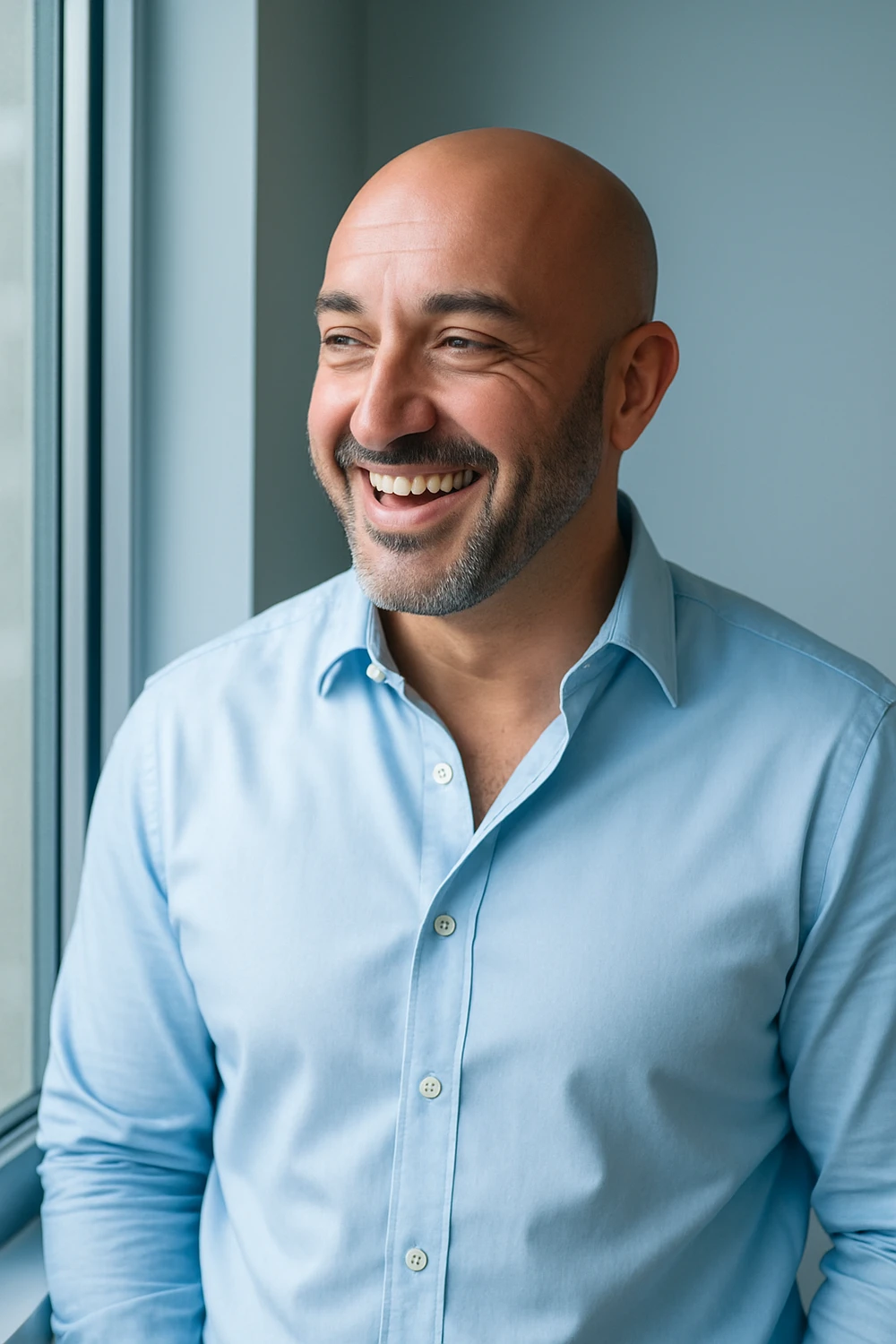
Peter El-Khouri, our Program Director, laughing.

Peter El-Khouri

After multiple relapses, Peter found long-term recovery with Hader. Read how therapy, community and clinical care helped him reclaim his life.

WHERE TO FIND US

One central location supporting seniors

The Hader Clinic operates from a single, purpose-designed facility in Melbourne, delivering medically supported detox, residential rehabilitation, and transitional housing in one integrated setting.

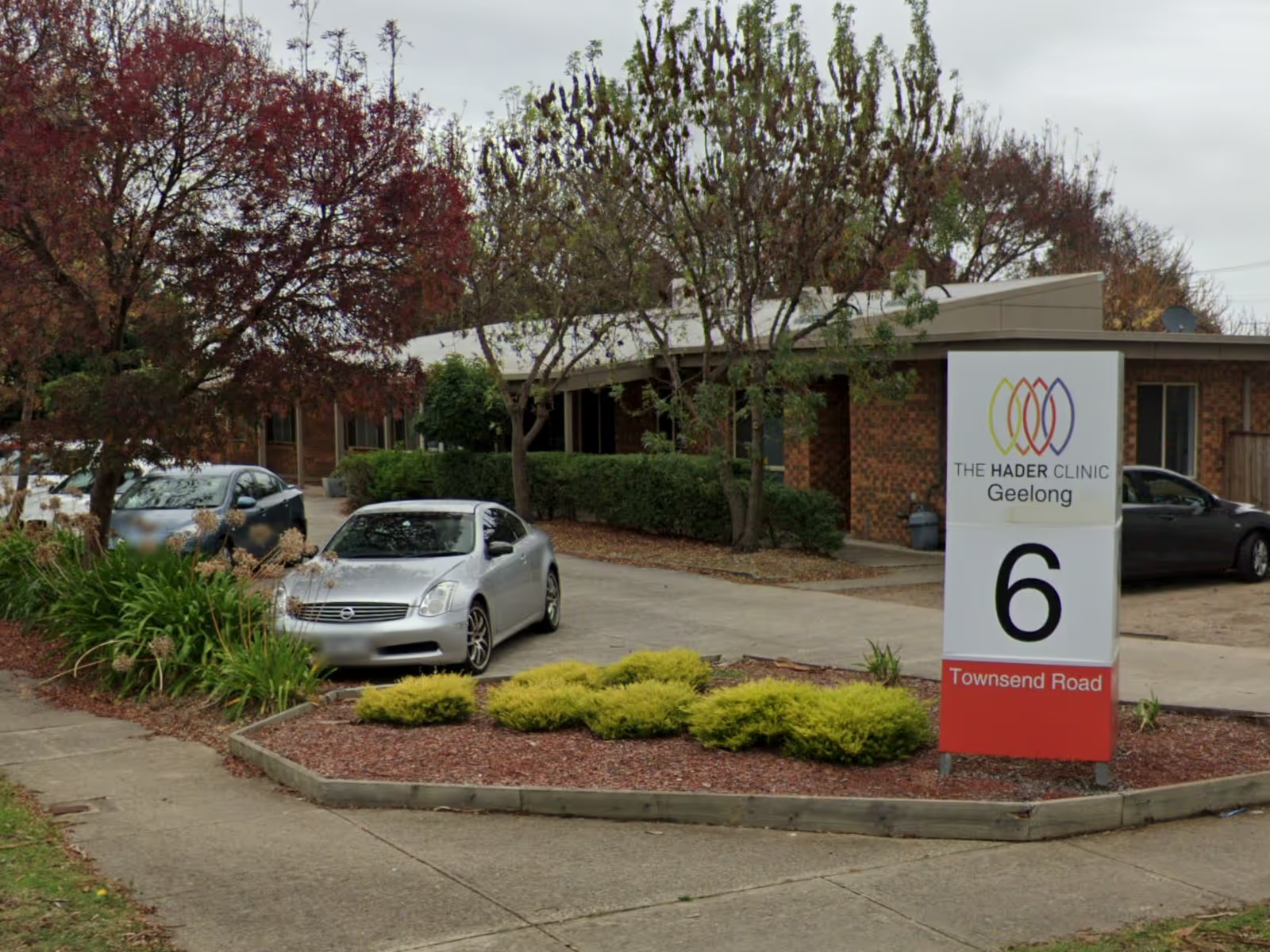
Geelong

Medically supported detox, inpatient residential rehabilitation, and transitional housing programs.

6-8 Townsend Road,St Albans Park VIC 3219

1 in 4

clients remained drug-free 12 months after completing treatment.

91%

reported an improved quality of life after completing drug detox

72%

continued with structured aftercare following discharge.

78%

progressed into longer-term treatment after drug detox

Recovery outcomes in older adults

Recovery experiences to inspire you

Many seniors and families share how structured rehab, medical support and aftercare helped restore stability, independence and confidence in later life. 

Care that respects complex health needs

Talk with our team about senior-focused treatment planning.

Take a free online assessment

Take a quick, private quiz to explore safe support options.

Book a free chat

 Schedule a confidential call with a specialist at a time that suits you.

Call us now

Speak to someone immediately for guidance and support.

FUNDING OPTIONS AND COSTS

Costs and funding pathways

Knowing the financial details upfront helps families plan with confidence. We explain treatment costs clearly and discuss funding options early, so expectations are set before admission.

Exploring payment options

Funding options depend on individual circumstances and eligibility. Senior citizens may use private health insurance coverage, approved access to superannuation, or payment plans. Our team explains suitable options during assessment.

Explore funding options

What treatment fees cover

Program costs vary depending on the length of stay and clinical requirements. Before admission, families receive a full breakdown of what’s included, such as accommodation, therapy sessions and medical support.

Learn more about rehab costs
Decades of clinical care

Specialist care for people with complex health needs

Hader Clinic is a private, hospital-based rehabilitation provider in Melbourne with 28+ years' experience, offering around-the-clock supervised treatment for complex health needs. 

A group of six young adults stand in a circle on a grassy field surrounded by trees, engaged in a cheerful outdoor team-building activity. A woman with long dark hair, holding a clipboard, appears to be leading the discussion, while the others smile and listen attentively.
Image of Andi Thania
Care delivered by experience

Specialists in addiction and ageing

Our multidisciplinary team comprises doctors, nurses, psychologists, and allied health professionals with experience in addiction treatment for older adults. 

Rehab for yourself

Woman sits curled on a couch by a bright window, appearing reflective and concerned

Rehab for a loved one

A couple sits together in a therapist’s office, listening with concern and support
Guidance for later-life recovery

Curious to know more about rehab for seniors? Our articles explore addiction in older age and available treatment options. 

Struggling with addiction?

Get an immediate assessment

If you or your loved one needs help with alcohol, medication or substance use, a confidential assessment can help clarify risks and suitable treatment options.

Speak to someone who understands

Thank you! Your submission has been received!
Oops! Something went wrong while submitting the form.
Answers for seniors and families

Common questions from seniors about rehab

What signs indicate an older adult should seek rehab for substance use?

An older adult may need professional support when alcohol, prescription medication or other substance use begins affecting their health, safety, relationships or ability to manage everyday life.

Possible warning signs include drinking or taking medication more frequently than intended, running out of prescriptions early, becoming confused or unsteady, withdrawing socially or neglecting meals, appointments and personal care. Repeated falls, mood changes or unsuccessful attempts to reduce substance use may also indicate that an assessment is needed.

These changes do not always mean that a person has an addiction. They may also be connected to illness, medication side effects or cognitive changes, which is why a professional assessment is important.

Why are withdrawal and detox more medically complex for seniors?

Withdrawal can be more medically complex for seniors because ageing affects how the body processes alcohol, medications and other substances. Older adults are also more likely to have chronic health conditions or take several prescribed medications, which can increase the risk of interactions and complications.

Not every senior requires hospital-based detox, but an individual medical assessment should take place before they suddenly stop using alcohol or medication. 

Once the person is medically stable, they may transition into residential rehabilitation or another recovery program. This ensures detox is treated as the beginning of recovery rather than the complete treatment.

How are rehab programs adapted for older adults’ health, medication and mobility needs?

Rehab for seniors should account for physical health, prescribed medications, mobility, cognitive needs and the person’s ability to participate comfortably in treatment.

Programs may use a slower treatment pace, smaller group settings and closer medical monitoring. Medication reviews can identify possible interactions, overuse or dependence, while therapy can be adjusted to support concentration, hearing or other age-related needs.

Are there alternatives to full inpatient rehab for seniors?

Yes. Some seniors may be suitable for outpatient or at-home rehabilitation instead of a full residential program, particularly after withdrawal risks have been assessed and their health is stable.

Outpatient treatment may allow the person to remain at home while attending scheduled therapy, group sessions and relapse-prevention support. An online or at-home program may provide further flexibility for someone who has reliable support, stable accommodation and difficulty travelling regularly.

How are mental health, grief and addiction treated together in older adults?

Mental health and substance use should be assessed together because grief, loneliness, anxiety, depression and major life changes can contribute to substance use in later life. Alcohol or medication use can also worsen emotional and cognitive symptoms.

Treatment may involve counselling, psychological therapy, psychiatric support and a review of prescribed medications. The aim is to understand how the person’s emotional well-being and substance use affect each other rather than treating them as unrelated concerns.

Families and clinicians should provide information about recent bereavement, isolation, changes in mood, psychiatric history and any concerns about self-harm or confusion. This helps the treatment team develop a safer and more personalised plan.

Can a family member help arrange rehab for an older adult?

Yes. A family member can help an older adult contact a rehab provider, organise an assessment and gather the information needed for admission. This may include details about substance use, medical conditions, prescribed medications, mobility, previous treatment and current healthcare providers.

With consent, relatives may also help by:

  • Attending assessment or admission discussions
  • Providing medication and medical history
  • Coordinating transport and practical arrangements
  • Participating in family support or discharge planning