





WHERE TO FIND US
Our Melbourne treatment centre
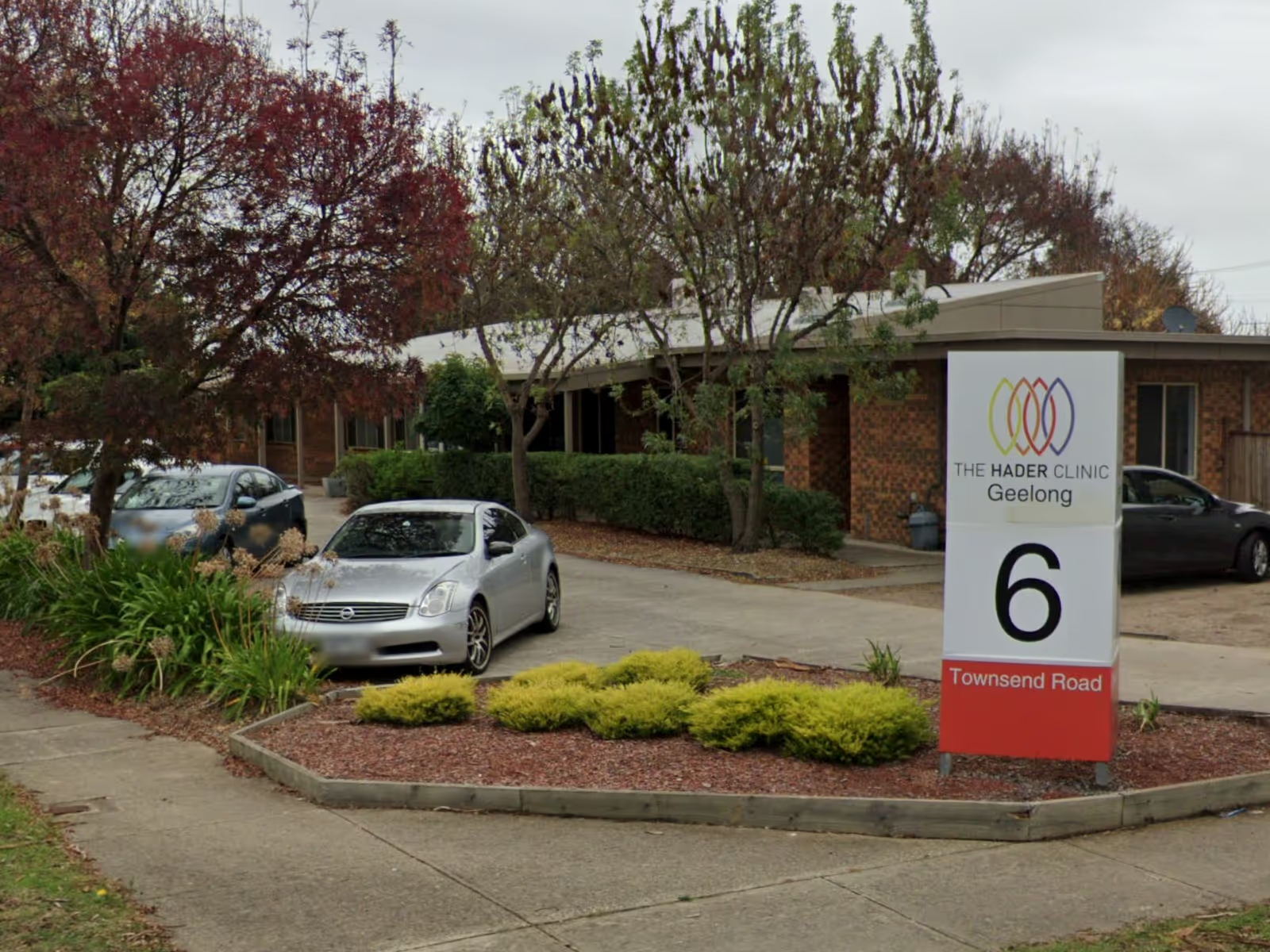
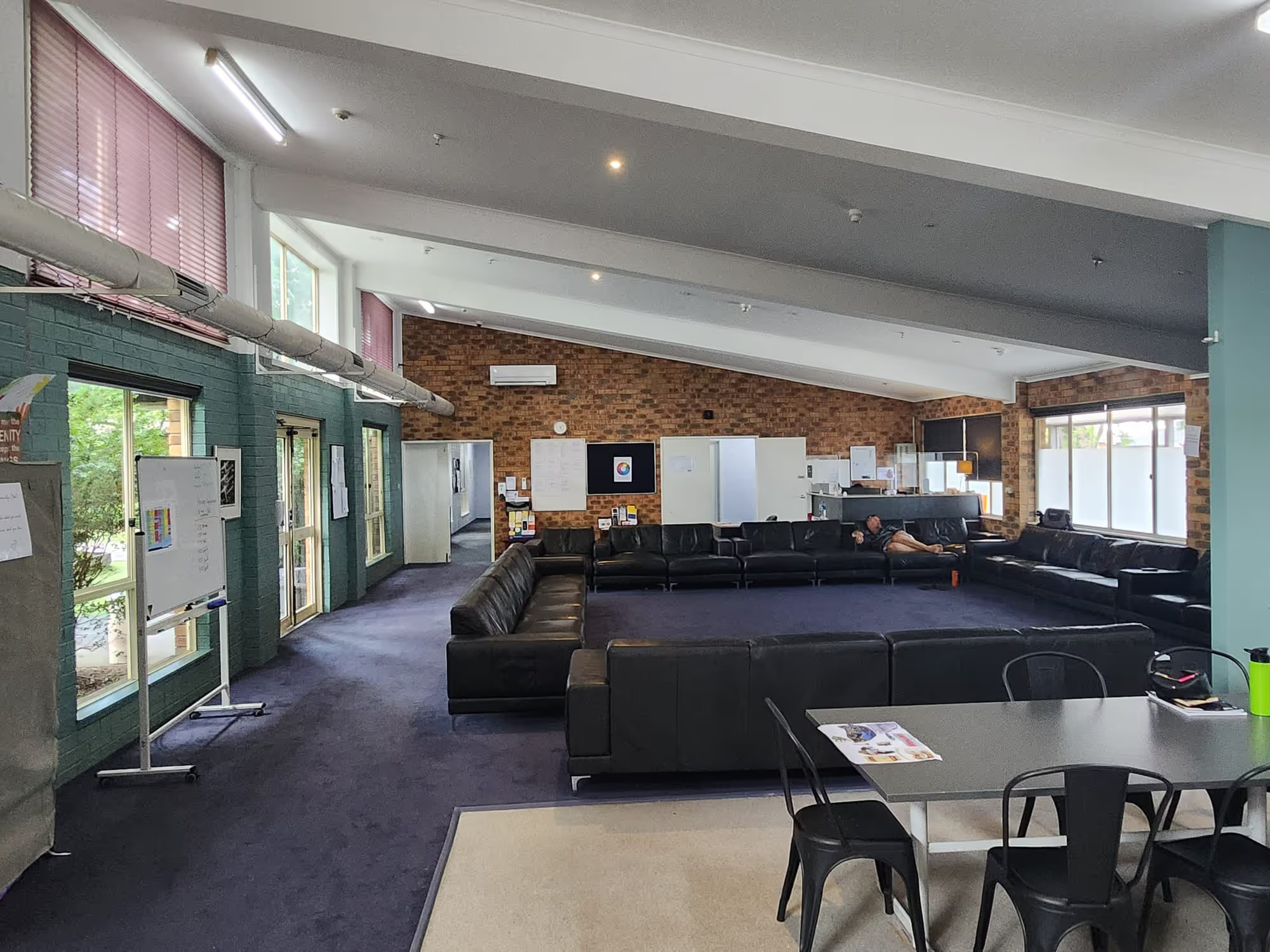
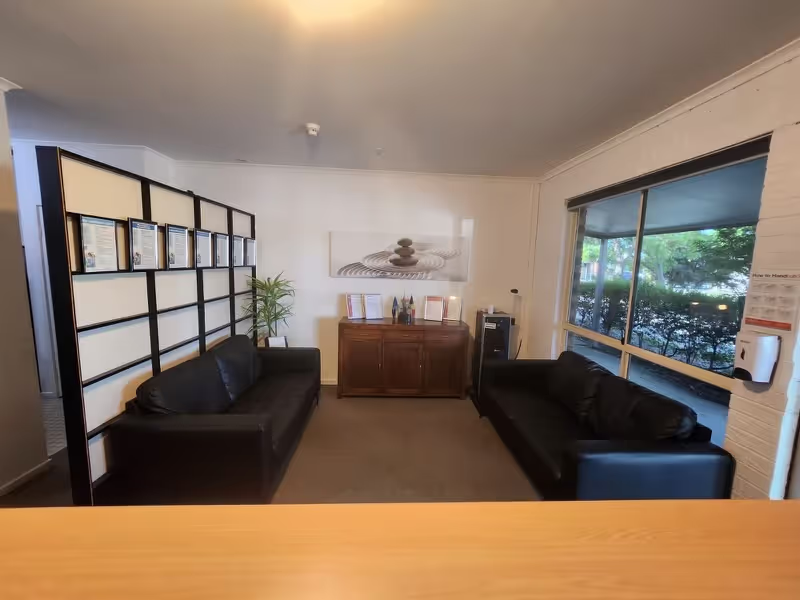
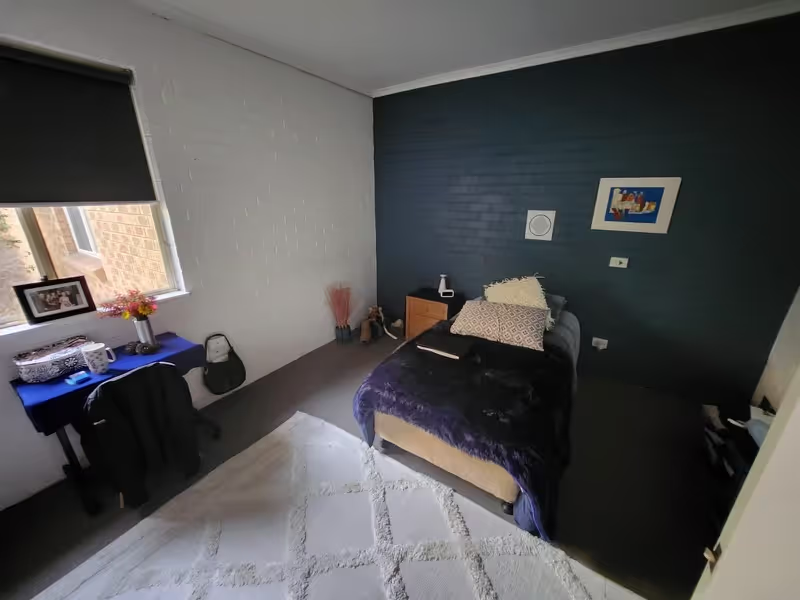
The Hader Clinic operates from a single, purpose-designed facility in Melbourne, delivering medically supported detox, residential rehabilitation, and transitional housing in one integrated setting.
If you have a client in need of substance abuse treatment, we can support your referral. We provide timely access to residential alcohol and drug rehab, with confidential assessment, detox planning, and coordinated admissions.
Take a self-assessment or speak to someone now, with no pressure to commit.


Clinically led residential rehabilitation

Medically supervised detox and withdrawal

Structured programs with proven outcomes

Accredited facilities and experienced staff

A coordinated referral to residential rehabilitation supports client safety, engagement, and treatment outcomes. We work collaboratively with referring health professionals, carers, and community services to facilitate timely access to appropriate care.
We also offer a stepped range of rehabilitation options, including intensive outpatient and non-residential programs. This allows referrers to align treatment pathways with individual clinical needs and risk profiles.
Residential rehab provides a safe, medical, and therapeutic environment for alcohol and other drug use. Clients step away from triggers and focus on recovery through structured treatment programs in Australia.


This short, confidential quiz takes less than two minutes and can help you make sense of what’s going on. Choose the category that feels most relevant to you — whether it’s alcohol, drugs, or a mix of concerns — and we’ll guide you through a few simple yes/no questions.
At the end, we’ll let you know if your answers suggest it might be time to consider rehab, and share safe, confidential options for getting started.

These five-star reviews reflect the voices of people who felt genuinely seen, heard, and cared for, not just during treatment, but in how they were treated as human beings.
The Hader clinic changed my life. I’ve been sober for over two years thanks to the Hader clinic and their wonderful staff. I cannot thank them enough for the support they gave me while I was in their care. At the darkest time in my life the Hader clinic helped me turn my life around and helped me become the person that I wanted to be. I will forever be grateful for everything they did for me and the lessons they taught me. Truly a wonderful place for anyone trying to get sober and stay sober.
Read more
The staff at the Hader Clinic are absolutely unbelievable and have helped me so much in my recovery great rehab with a fantastic program
Read more
I highly recommend the Hader Clinic it change my life. Jakline, Peter and all staff are compassionate and understanding. I'm forever grateful to Hader.
Read more
Step1

We conduct an assessment to understand alcohol or other drug use, psychological needs, and appropriate intervention.
Step2

Our specialists plan immediate admission and detox planning to facilitate safe withdrawal for drug or alcohol dependence.
Step3

Our services provide alcohol rehab programs that aim to help people successfully reduce dependence and support recovery.
We’re here whenever you’re ready – book a call or speak to someone now.
We are an established organisation delivering residential drug and alcohol rehabilitation services in Melbourne. Our services support adults who experience alcohol or other drug dependence and may need structured residential treatment. Each rehabilitation program is delivered in a licensed residential facility, combining medical oversight, detoxification, and therapeutic care.

Our treatment programs meet Australian standards and provide structured care.

Treatment combines medical detoxification and evidence-based therapy.
Rehabilitation program pathways help referrers choose appropriate treatment options.

We’ve supported individuals with addiction treatment for over 28 years.
Our services follow the National Safety and Quality Health Service Standards (NSQHS) and are licensed by the Victorian Department of Health for residential alcohol and drug treatment.


We provide a range of services supporting adults with alcohol and drug treatment needs. We provide government-approved rehab programs and ongoing recovery support across Victoria.
Our addiction support services provide counselling and treatment options for people experiencing substance use and drug dependence.

We deliver structured residential rehab programs combining detoxification, therapeutic care, and daily support for alcohol or other drugs.

We provide integrated rehabilitation services supporting mental health needs associated with alcohol and drug treatment.

A structured relapse prevention program that equips referred clients with the tools, clinical support, and strategies needed to maintain long-term recovery.

Reflect on these stories and discover how our treatment helped clients reclaim their lives.
The Hader Clinic operates from a single, purpose-designed facility in Melbourne, delivering medically supported detox, residential rehabilitation, and transitional housing in one integrated setting.
Medically supported detox, inpatient residential rehabilitation, and transitional housing programs.



days median wait from first contact to admission.
of clients report improved mood, daily functioning, or overall well-being after treatment.
of clients with dual diagnosis complete their recommended treatment program.
of clients report continued abstinence from alcohol or other drugs at 3-month follow-up
Reflect on these stories and discover how our treatment helped clients reclaim their lives.
Book an assessment to coordinate detox and residential admissions.

Take a quick, private quiz to explore safe support options.

Schedule a confidential call with a specialist at a time that suits you.

Speak to someone immediately for guidance and support.
Before admission, we explain treatment costs, funding pathways, and payment options clearly. This helps families plan with confidence and avoid unexpected financial stress during care.

Funding options are based on personal circumstances and can include private health cover, self-funded arrangements, or compassionate early release of superannuation where eligible.

Program fees depend on the length of stay, treatment intensity, and medical or withdrawal support needs. We explain what is included, such as accommodation, clinical oversight, and therapeutic services.
We are an Australian organisation providing alcohol and drug rehabilitation services for adults from all walks of life. For 28 years, we have supported individuals experiencing substance dependence through structured treatment programs.


Our team includes doctors, nurses, psychologists, and counsellors with experience in alcohol and drug rehabilitation. They work collaboratively to deliver safe, structured, and person-centred care.


Explore our evidence-informed articles on alcohol and drug treatment, rehabilitation programs, and recovery support.
If you are seeking support for a client, an assessment helps clarify treatment needs and next steps. We offer confidential guidance on suitability and available residential treatment options.
Speak to someone who understands
Start by contacting the treatment provider to discuss the client’s needs and arrange an assessment. You do not need to determine the right program before making the referral, as the admissions team can recommend detox, inpatient rehab, outpatient treatment or another pathway.
Useful information includes the substances used, the frequency and duration of use, previous withdrawal symptoms, current medications, physical and mental health conditions, previous treatment, and any immediate safety concerns. Details about the client’s living situation, support network and willingness to engage can also help determine the right level of care.
The client should generally be aware of and consent to the referral before personal health information is shared. The Hader Clinic can then complete a comprehensive assessment and develop an individual treatment plan.
Residential rehabilitation may be suitable for clients who need more structure, support and separation from their usual environment than outpatient treatment can provide.
It may be appropriate when a client has significant substance dependence, has experienced repeated relapse or has struggled to engage with previous treatment. Residential care can also help when the client has limited support at home, lives in an unsafe or substance-exposed environment, or needs a structured routine to participate consistently in therapy.
The Hader Clinic completes an individual assessment before recommending inpatient rehab. Some clients may be better suited to outpatient rehabilitation, particularly when their risks are manageable, and they have stable accommodation and reliable support. The aim is to match each client with the level of care most suited to their needs.
Yes. A client can be referred before completing detox, allowing withdrawal management and rehabilitation to be planned as part of one treatment pathway.
Detox focuses on safely managing the symptoms that can occur when alcohol or drugs are reduced or stopped. Rehabilitation then addresses the behaviours, triggers, mental health concerns and circumstances connected to the addiction.
We can assess whether medically supervised detox is required before inpatient rehab. Where appropriate, the client may move directly from detox into rehabilitation, reducing gaps in care.
Clients experiencing both substance dependence and a mental health condition may still be suitable for rehabilitation. This is often referred to as a co-occurring condition or dual diagnosis.
Both concerns should be considered during assessment because substance use and mental health symptoms can affect each other. Helpful referral information includes known diagnoses, prescribed medications, treating clinicians and any history of psychiatric admission, self-harm, suicidal thoughts or psychosis.
Some people experiencing acute psychiatric instability may need hospital assessment or stabilisation before entering rehab. This does not necessarily prevent future admission. It means the client’s immediate safety and clinical needs must first be managed in the most suitable setting.
Referrers can remain involved when their participation supports the client’s recovery and the client has provided appropriate consent.
During treatment, The Hader Clinic may communicate with the client’s GP, psychologist, psychiatrist, case manager or other provider about matters that affect their care or discharge plan.
Client privacy and confidentiality still apply, so not everything discussed in therapy will be shared. Communication should be limited to information required for safe and coordinated treatment.
With consent, updates may include treatment progress, medical follow-up requirements, expected discharge timing and recommended next steps. In limited circumstances, information may need to be disclosed without consent due to a serious safety risk or legal requirement.
Before a client leaves residential rehabilitation, the treatment team should develop an aftercare plan based on their progress, risks, living situation and ongoing support needs.
The plan may include outpatient counselling, mental health treatment, medical reviews, peer support and relapse-prevention strategies. It should also identify triggers, early warning signs, and clear steps the client can take if they begin to struggle.
Some clients may return home and continue with outpatient rehab or aftercare. Others may benefit from transitional housing, which provides a more gradual move from residential treatment into independent living.

Private Health Clients
$0 admissions available for eligible private health clients with top gold cover *subject to availability.
Non-Private Health Clients
$6,990 per month. Clients required to be 7 days sober prior to admission (at home or at our facility).

