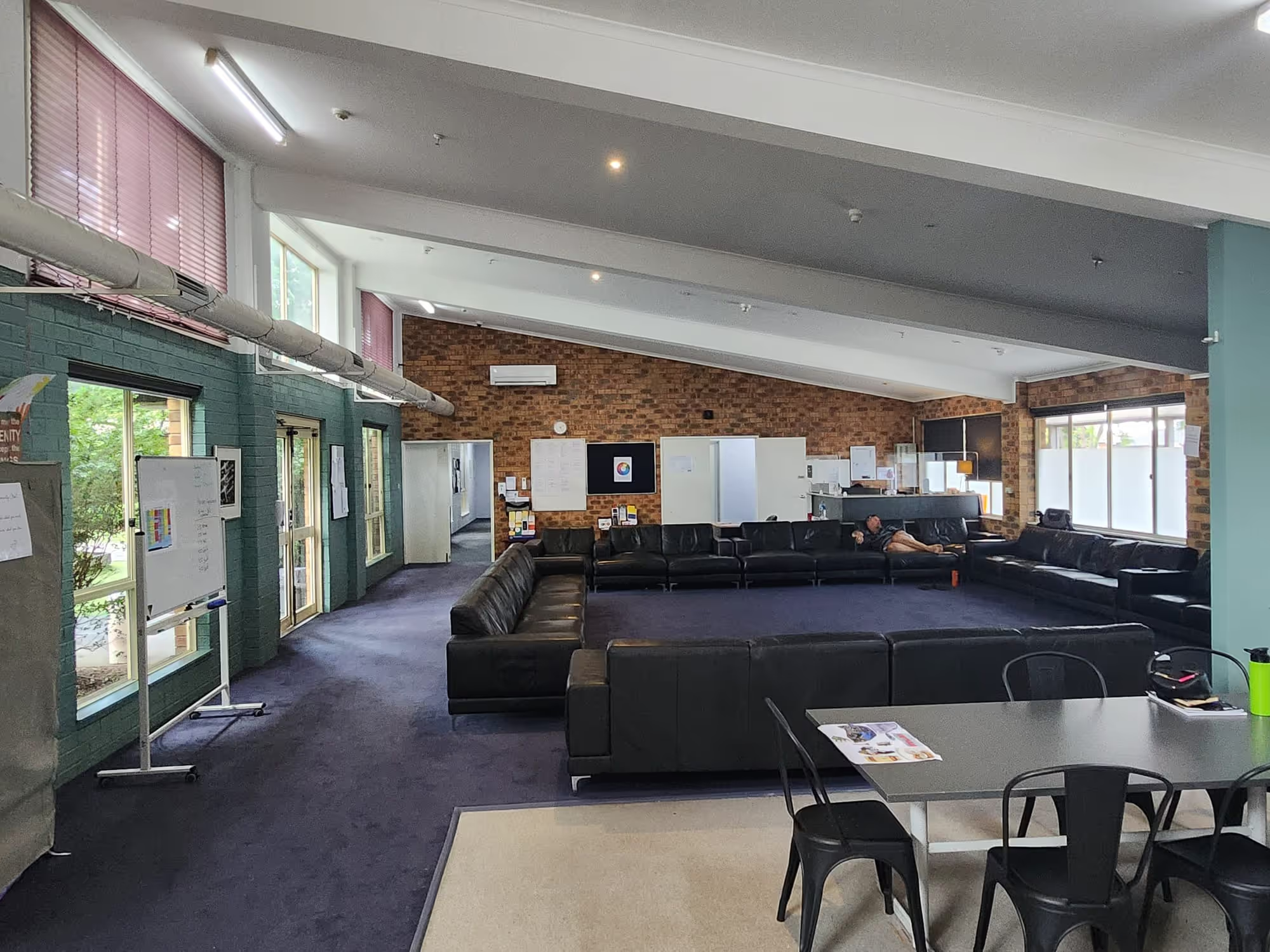
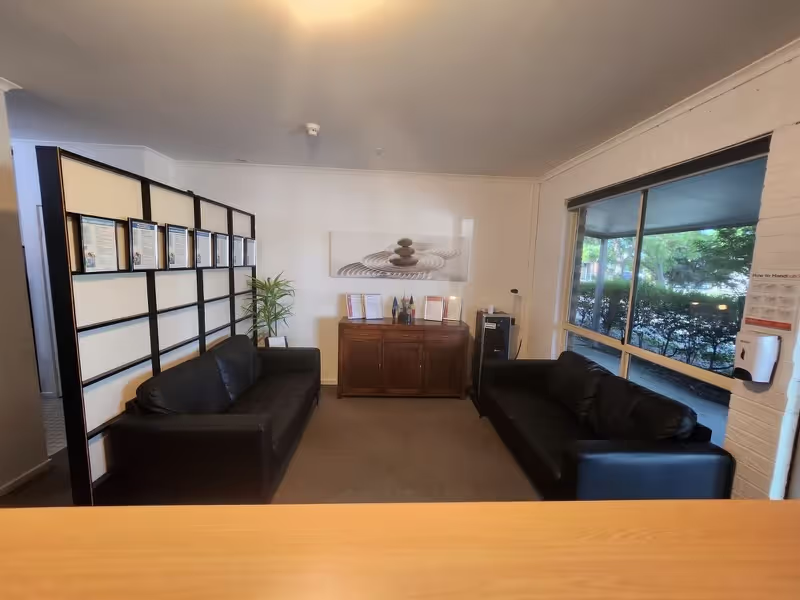
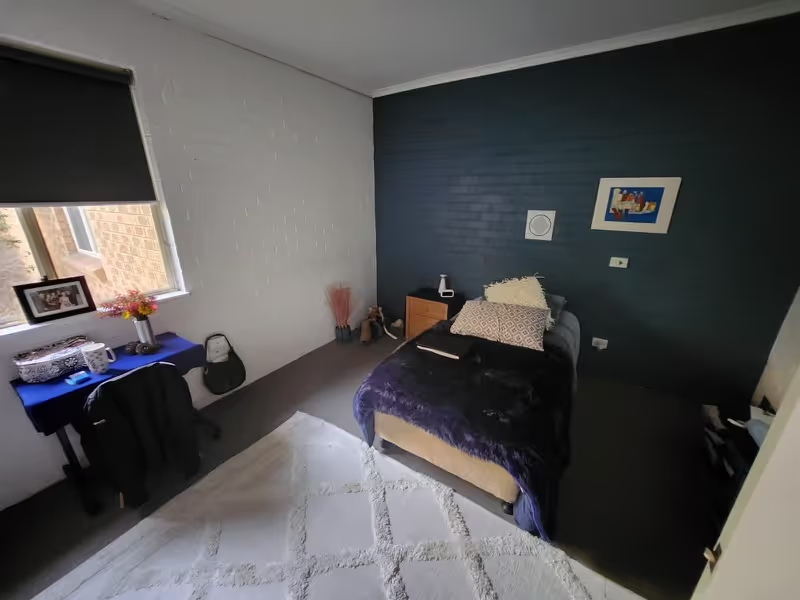
Our rehabilitation centre in Melbourne
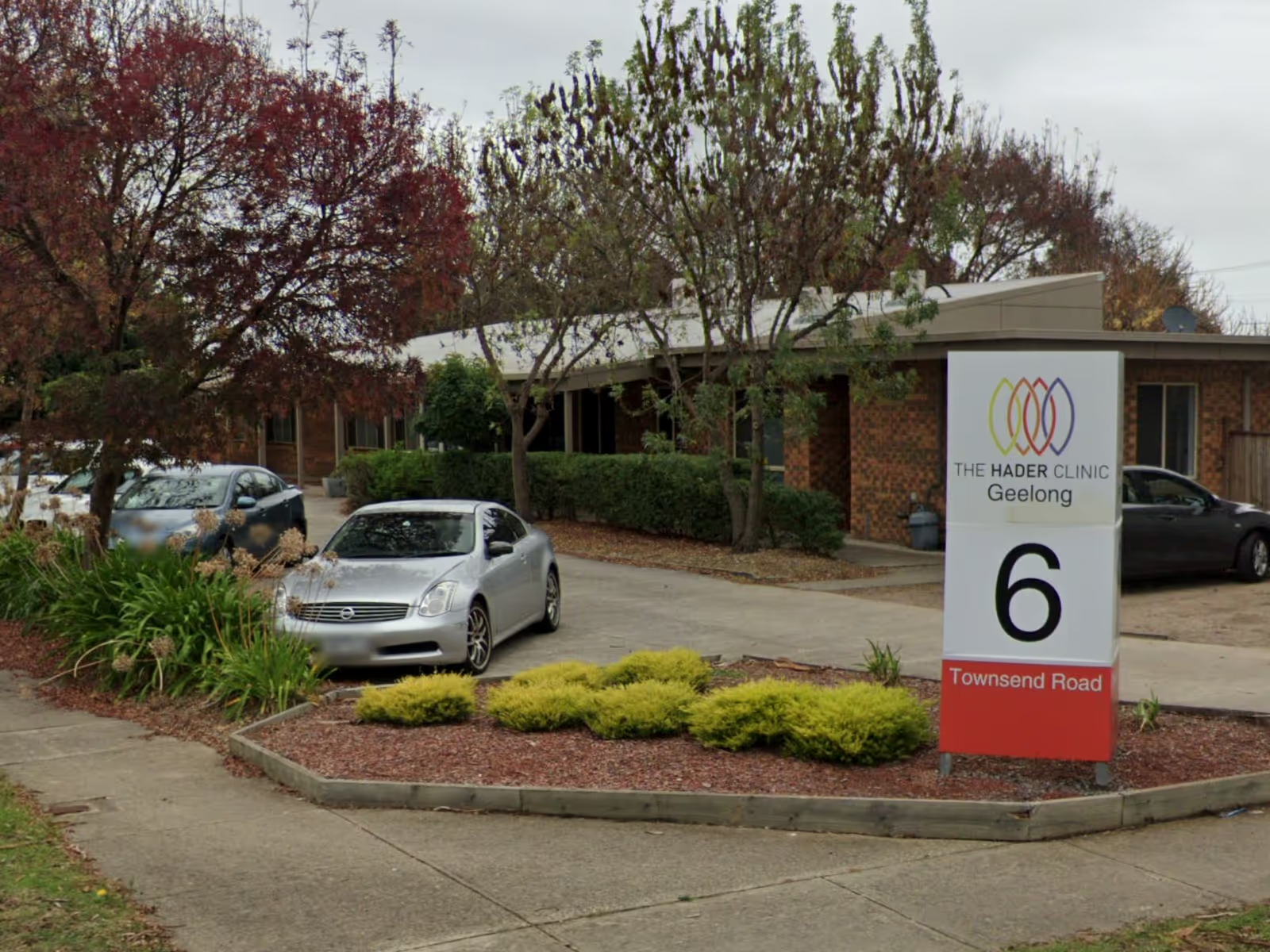
The Hader Clinic operates from a single, purpose-designed facility in Melbourne, delivering medically supported detox, residential rehabilitation, and transitional housing in one integrated setting.
Young people aged 18 and over may experience alcohol or drug use alongside psychological concerns. Our youth rehabilitation services provide structured treatment, clinical care, and family support in a safe and supportive environment.
Take a self-assessment or speak to someone now, with no pressure to commit.


Our youth rehab service supports young people aged 18 and over who need structured help for alcohol and drug use. Treatment is delivered in a clinically supervised setting, with tailored programs that consider age, development, family context, and safety. We provide assessment, detox support where required, and ongoing rehabilitation designed to stabilise health, build skills, and support long-term change.
In Australia, substance use often starts in the teen years and can escalate quickly without support. AIHW reports the average age of young children and adults (14–24) who first try alcohol is 16.1 years (2022–23), and the average age of first trying any illicit drug is 19.5 years.

Early, youth-focused rehab can interrupt patterns sooner—especially when alcohol and drug use are linked with psychological and school, work, or family stress.
This short, confidential quiz takes less than two minutes and can help you make sense of what’s going on. Choose the category that feels most relevant to you — whether it’s alcohol, drugs, or a mix of concerns — and we’ll guide you through a few simple yes/no questions.
At the end, we’ll let you know if your answers suggest it might be time to consider rehab, and share safe, confidential options for getting started.
Step1
We start with a private assessment covering alcohol or drug use, age, safety, and family context.
Step2
Young people aged 18 and over receive structured alcohol and drug treatment with integrated psychological support.
Step3
We plan referrals, aftercare, and family support to help maintain progress beyond rehabilitation.
We’re here whenever you’re ready – book a call or speak to someone now.
The Hader Clinic provides drug and alcohol rehabilitation grounded in clinical governance and evidence-based care. Our services support young people aged 18 and over, with programs designed to address substance use and other needs in an age-appropriate environment. We work with families and referrers to ensure continuity of care and clear pathways before, during, and after treatment.
The Hader Clinic operates under Australian healthcare standards, with governance systems that support safe, ethical, and accountable drug and alcohol rehabilitation services.


We offer comprehensive services supporting alcohol and drug use and rehabilitation pathways for those aged 18 and over.
The Hader Clinic operates from a single, purpose-designed facility in Melbourne, delivering medically supported detox, residential rehabilitation, and transitional housing in one integrated setting.
Medically supported detox, inpatient residential rehabilitation, and transitional housing programs.
of clients were drug-free at 12 months
continued structured aftercare after discharge
of 90-day program completers reported sobriety at 12 months
of 60-day program completers reported sobriety after one year
Drawing inspiration from young people and families who have accessed rehabilitation services can help others feel less alone. Learn how they took control of their lives back.
Discuss detox, therapy, and routine-based rehab for young adults.
Take a quick, private quiz to explore safe support options.
Schedule a confidential call with a specialist at a time that suits you.
Speak to someone immediately for guidance and support.
Understanding costs early helps families make informed decisions. We provide clear pricing information and discuss funding options upfront, so there are no unexpected costs during admission.
Funding options depend on age, eligibility, and family circumstances. Options may include private health insurance held by a parent or guardian, or self-funded arrangements.
Fees vary based on program length and clinical needs. Before admission, families receive a detailed outline of inclusions such as accommodation, therapy, and medical care.
Hader Clinic delivers structured drug and alcohol rehabilitation with integrated mental health care. We support young people aged 18 and over through evidence-based programs delivered in clinically governed settings.


Our multidisciplinary team includes medical, mental health, and alcohol and drug professionals experienced in rehabilitation. Care is delivered with clinical oversight, safeguarding, and age-appropriate practice.
Our articles share evidence-based information on substance use, early intervention, and family support to help young people make informed decisions.
If you’re concerned about a young person’s alcohol, drug, or mental health needs, our team can provide a confidential assessment and discuss suitable next steps.
Speak to someone who understands
Our rehab services support young people aged 18 and over who need help with alcohol and other drug use, mental health concerns, or related wellbeing issues. Eligibility is confirmed through a clinical assessment.
Services may include assessment, detox support, residential rehabilitation, mental health care, and referral to community alcohol and drug services, depending on individual needs and age.
Family involvement is encouraged where appropriate. Support may include family meetings, education, and planning to help improve communication and ongoing support after rehabilitation.
Where clinically necessary, hospital detoxification is provided under medical supervision. Not all young people need withdrawal support, and this is determined during assessment.
In Australia, those under 18 typically require the consent of a parent or guardian, and the type of program must be clinically suitable. At Hader Clinic, we can only offer residential rehab for individuals 18+. Where residential rehab isn’t appropriate, we can help families find alternative support.