











Treating more than just the addiction
A holistic approach to healing body, mind, and relationships
We treat addiction holistically, addressing physical, emotional, psychological, social, and spiritual factors for long-term personal change.
Our full-time recovery program provides accommodation, structure, and daily therapeutic support.
Take a self-assessment or speak to someone now, with no pressure to commit.


Live-in program for post-detox care

30-, 60- or 90-day residential rehab program options

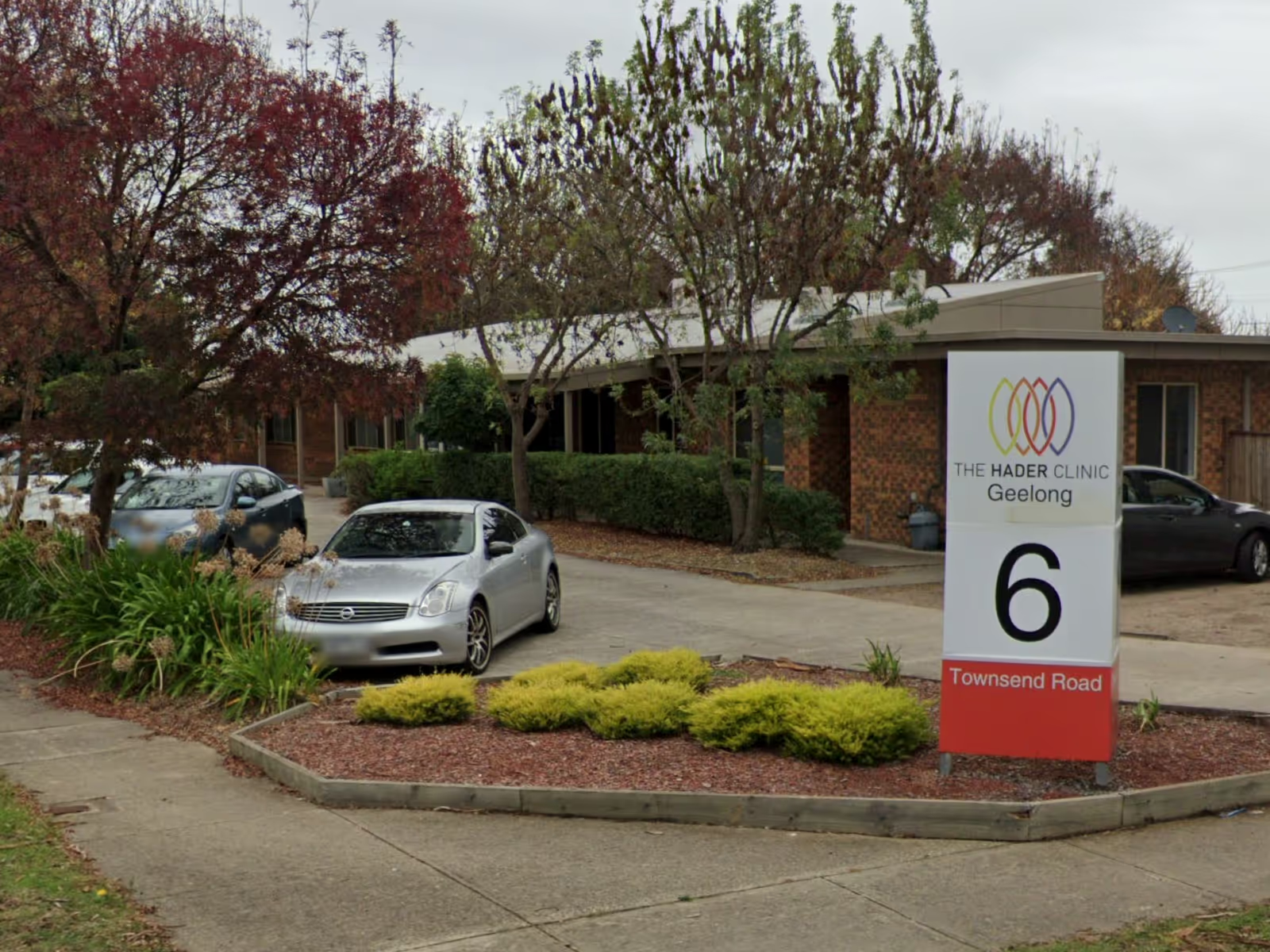
Located in Geelong

24/7 therapeutic support staff
This full-time accommodation-based program provides structure, support, therapy and community to help stabilise recovery after detox and before transitioning to more flexible care.
This program is for people who have completed withdrawal but still need supervision, support and daily therapeutic structure.
The program provides time and space to strengthen new habits, process your experiences and build emotional resilience.
Our integrated approach helps people break cycles, shift patterns, and start showing up differently in life and relationships.
Clients stay onsite in Geelong and participate in a full-time program that includes therapy, meals, support, and accommodation for the duration of their stay.
The program is delivered in three progressive stages, helping clients build momentum and deepen their recovery as they continue their stay.
Unsure where to start? Take a self-assessment or book a time to chat – both are 100% confidential.
The first stage focuses on grounding, safety and stabilisation in a structured, supportive therapeutic environment.
This stage helps clients explore deeper emotional issues, relationship dynamics and past trauma while strengthening positive habits.
The final stage prepares clients for transition, focusing on emotional regulation, relapse planning, and connection to ongoing care.
Many other providers focus only on detox or relapse prevention. We support the hard work in between.


This short, confidential quiz takes less than two minutes and can help you make sense of what’s going on. Choose the category that feels most relevant to you — whether it’s alcohol, drugs, or a mix of concerns — and we’ll guide you through a few simple yes/no questions.
At the end, we’ll let you know if your answers suggest it might be time to consider rehab, and share safe, confidential options for getting started.

Our live-in program at Geelong is available in 30, 60, or 90 day formats. Pricing starts from $14,990, with options for insurance, superannuation or self-funding support.

Total program costs
The total cost of your stay depends on whether you stay for 30, 60 or 90 days in our structured live-in program.



Insurance coverage
Private health insurance may cover part or all of your stay. We also support non-insurance funding options.

Your final cost
We can help you explore funding pathways including private health insurance, superannuation access, payment plans, and other support options based on your circumstances.
Our live-in program at Geelong is available in 30, 60, or 90 day formats. Pricing starts from $14,990, with options for insurance, superannuation or self-funding support.
Total program costs
The total cost of your stay depends on whether you stay for 30, 60 or 90 days in our structured live-in program.
Insurance coverage
Private health insurance may cover part or all of your stay. We also support non-insurance funding options.
Your final cost
We can help you explore funding pathways including private health insurance, superannuation access, payment plans, and other support options based on your circumstances.
We offer a wide range of funding options to help make treatment more accessible, whether you have insurance, are eligible for support, or need a low-barrier way to get started.
Many of our clients use private health insurance to partially or fully cover the cost of their stay. We check your eligibility and handle all paperwork.
If you don’t have private insurance or want to get started quickly, you can pay directly for your program. We’ll provide an invoice and support for managing your payments.
Many people are eligible to use their superannuation to pay for rehab through compassionate release. We guide you through the process and provide all documentation.
If you’re not eligible for insurance or superannuation, we can help set up a payment plan. This allows you to begin treatment without paying the full amount upfront.
Private residential rehab can feel out of reach when you’re waiting for health insurance cover to be finalised. Hader Clinic can support you during this time with counselling, Hader at Home and other care options, so you can start getting help while preparing for residential treatment.

This live-in program helps people strengthen early recovery, develop new habits and prevent relapse during one of the most vulnerable stages of treatment.

Clients follow a consistent routine, developing healthy habits and emotional regulation.

Therapy, community, and 24/7 support staff reduce isolation and support behavioural change.

1:1 and group therapy provide space to process trauma, relationship patterns and self-esteem issues.

Helps clients prepare for semi-independent living or ongoing outpatient support.
This is a voluntary live-in program. All clients must be medically stable, abstinent from substances, and willing to participate in daily therapeutic care.

This program is open to people who have completed detox and are ready for the next stage of treatment. It is not suitable for clients still in active withdrawal or in need of hospital-level care.

Our admissions team will walk you through the process, confirm your eligibility, and help organise any funding, transport or transition logistics needed to enter the program.
Our admissions team can help you decide if this program is the right fit and talk through funding and timing options.

Take a quick, private quiz to explore safe support options.

Schedule a confidential call with a specialist at a time that suits you.

Speak to someone immediately for guidance and support.
From detox and withdrawal support to ongoing recovery, our rehab services provide personalised care for individuals at different stages of their recovery journey.
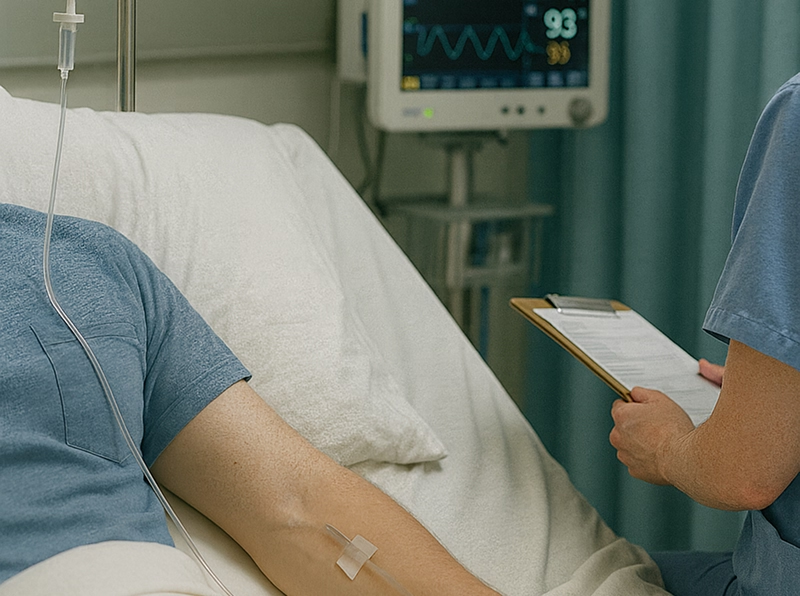
Medically supervised alcohol withdrawal in a hospital setting.

Personalised inpatient care for individuals seeking recovery from alcohol use.

Safe, supported detoxification from a wide range of substances.

Support for all forms of drug addiction, from cannabis to synthetic substances.

Integrated care for addiction with co-occurring mental health conditions.
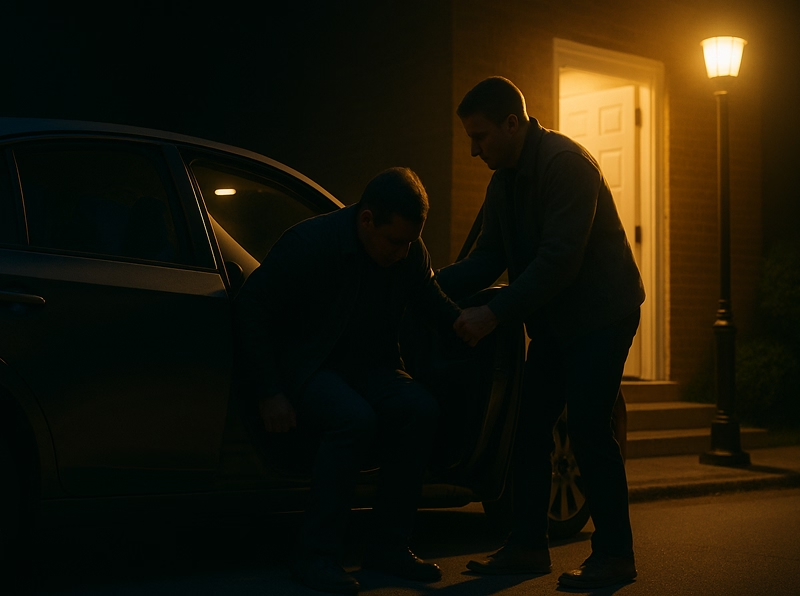
Priority admission options for people in urgent need of care.
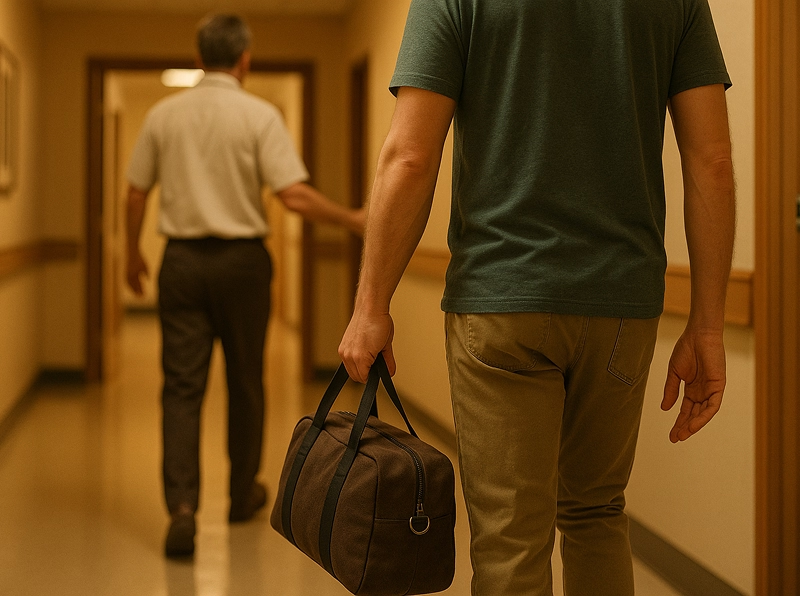
Round-the-clock residential care in a medically supported environment.
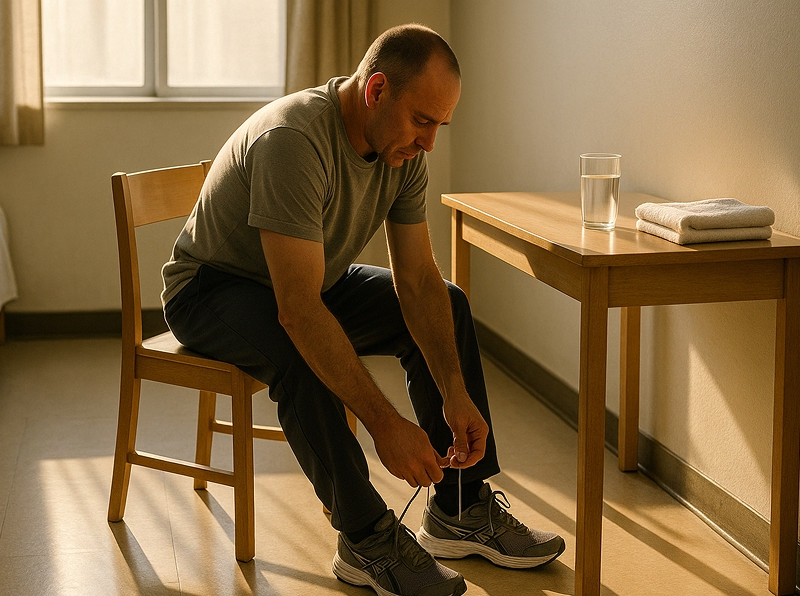
Extended programs for individuals needing deeper, sustained recovery.

Flexible, non-residential treatment for addiction and mental health.

Aftercare and relapse prevention planning through structured programs.

Therapeutic community programs in a structured living environment.
28–30 day programs offering foundational support for recovery.
Our team includes addiction specialists, nurses, psychologists, counsellors, and peer workers, all committed to your recovery. Many bring lived experience and deep compassion.







of clients complete the full 30-day program
transition successfully into aftercare
report improved daily functioning
say the program improved family relationships
This program provides a vital bridge between detox and long-term recovery. Clients leave with stronger emotional tools, a better routine, and a clear plan for what’s next.
The Hader Clinic is fully accredited under the Australian NSQHS Standards, with strong clinical governance, evidence-based treatment, and measurable client outcomes.



We treat addiction holistically, addressing physical, emotional, psychological, social, and spiritual factors for long-term personal change.

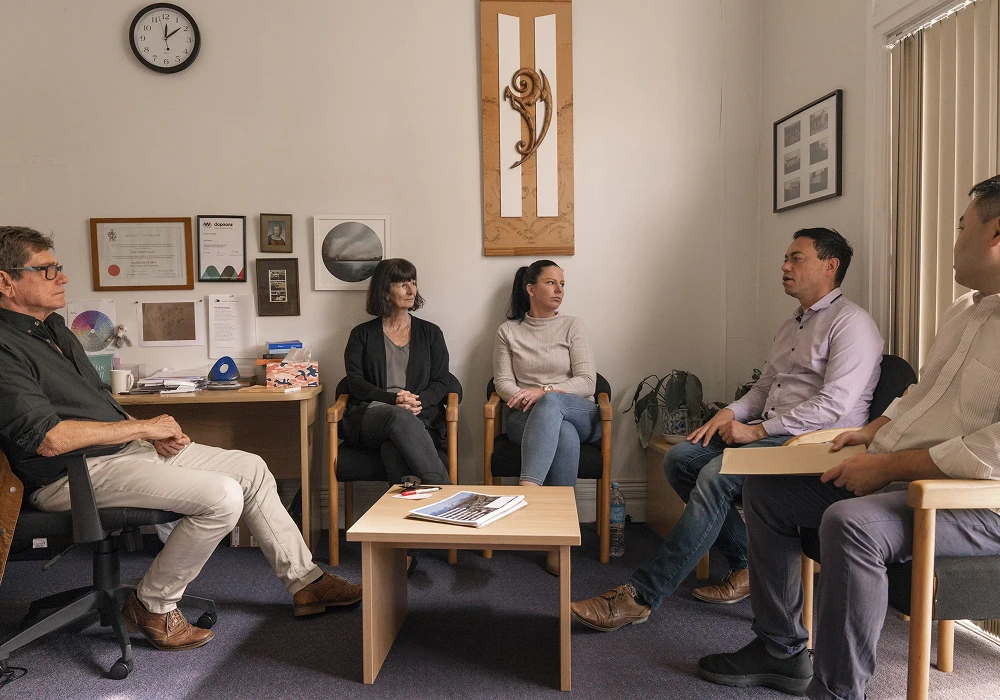
With a dedicated team, proven programs, and decades of experience, we provide an environment where people feel safe enough — and supported enough — to do the work.
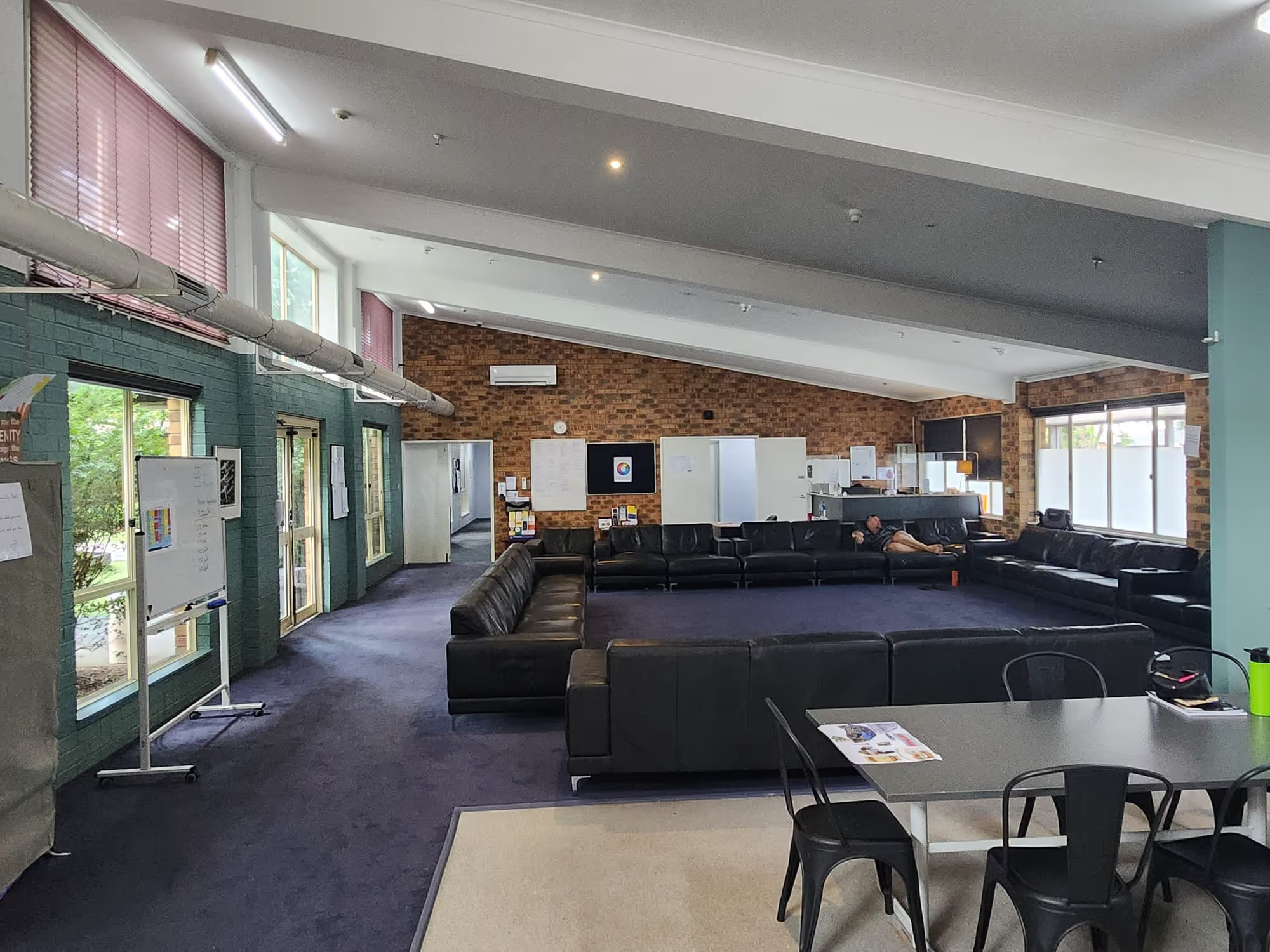
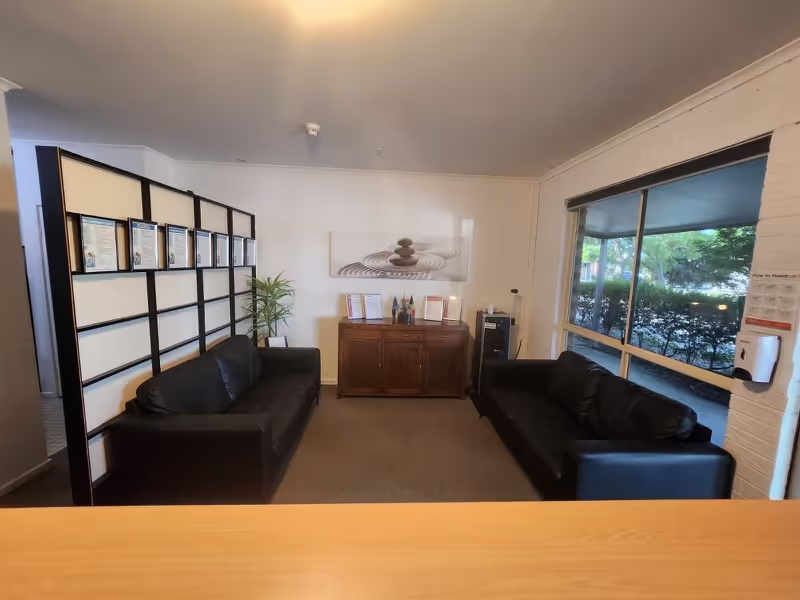
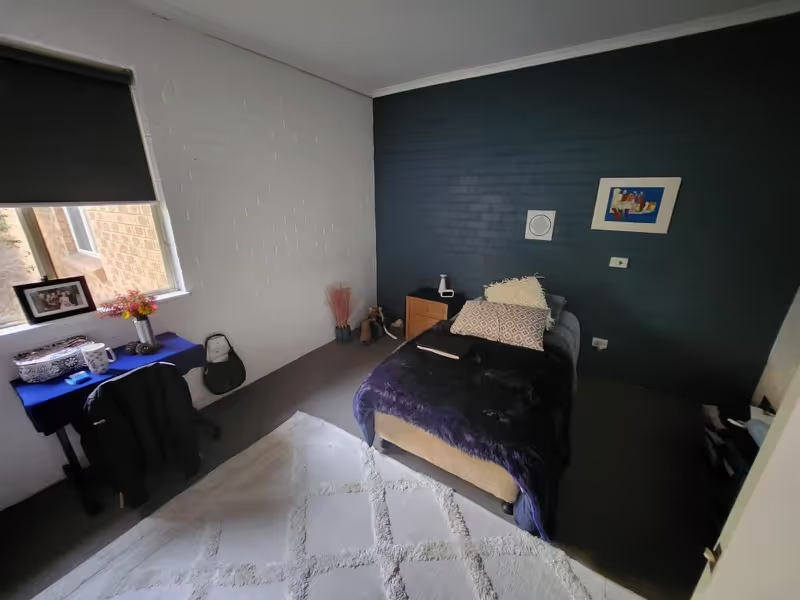
Clients stay onsite in private accommodation with access to therapy rooms, shared spaces, meals, outdoor areas and full-time support staff in a quiet suburban setting.
Medically supported detox, inpatient residential rehabilitation, and transitional housing programs.


Our intake team will guide you through eligibility, funding and next steps. No pressure, just support from people who understand addiction recovery.
Speak to someone who understands
Detox is the first step in treatment, focused on safely withdrawing from substances under medical supervision. It typically lasts 7-14 days and includes:
After detox, many clients still feel emotionally raw and vulnerable. They may not be ready to return home or move into a more flexible program. That’s where the residential program comes in.
This next stage provides:
It bridges the gap between detox and long-term recovery, helping clients build emotional resilience and establish new habits — a transition explored more deeply in our guide on detox versus rehab.
Relapse is a recognised risk in recovery, and we approach it with compassion and structure, not punishment.
If a client uses substances during their stay:
We treat relapse as a learning opportunity. Clients are supported to reflect on what happened, rebuild their plan, and re-engage with recovery from a place of care and accountability.
Yes. Many clients in this program live with both addiction and mental health conditions, such as:
Our team is experienced in dual diagnosis treatment. The program includes:
Our addiction rehab process focuses on emotional safety, regulation, and addressing the underlying drivers of substance use.
This is a closed live-in program. Clients do not come and go freely during their stay. This helps maintain consistency, safety, and focus in the recovery environment.
Any exceptions must be approved on a case-by-case basis for clinical or safety reasons.
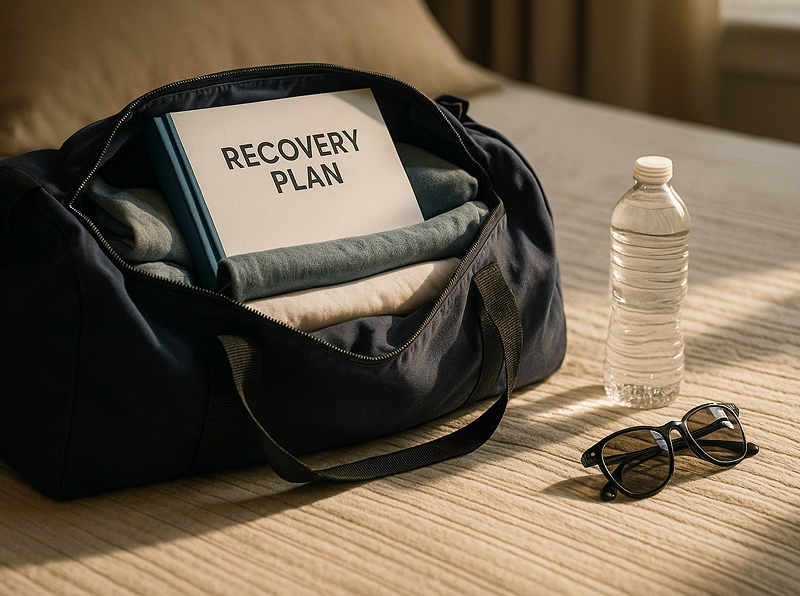
Bring enough clothing for 1-2 weeks, including:
Also bring:
Do not bring:
A full packing list is provided during intake.
Toward the end of your stay, our team helps you build a personalised transition plan.
Most clients move into:
We also support referrals to community services and peer networks. The goal is to help you maintain the stability you’ve built while stepping into more independent recovery.
Our guides and blogs help people understand addiction, learn about signs of alcohol dependence, and find the rehab that works for them.