Support for families and concerned loved ones

Rehab for a loved one struggling with addiction

Watching someone you love struggle with addiction is distressing. We can help you take the first steps to support a family member or friend who needs addiction treatment.

Take a self-assessment or speak to someone now, with no pressure to commit.

A rear-view of a family member undergoing depression due to addiction.

Family-led intervention and admission support

24/7 medically supervised detox care

Dual diagnosis and mental health care

Private residential rehab programs

A young man and a mother smiling to each other as they undergo a family therapy session.
Why family involvement matters in recovery

How your support can open the door to rehab

When someone is struggling with addiction, loved ones are often the first to notice changes and encourage help. Research shows this involvement matters. Family or partner support is associated with higher treatment retention and program completion in alcohol and drug rehab. 

Studies show that people entering treatment with active support were more likely to stay engaged and continue into aftercare, reducing early withdrawal from rehab services.

Here’s how you can support your loved one struggling with addiction: 

  • Speaking with a clinician beforehand helps families approach the conversation calmly.
  • Privacy and respect reduce defensiveness and help keep communication open.
  • Conversations are most effective when the person is not affected by drugs or alcohol.
How structured treatment leads to recovery

Why rehab works for addiction recovery

Rehab removes access to substances while providing medical care, therapy, and routine. Structured treatment helps address dependence, behaviour changes, and mental health issues that families often notice.

Key benefits of structured rehab

  • Clinical withdrawal support reduces health risks and stabilises the body before therapeutic treatment begins.
  • Predictable schedules reduce impulsive behaviour and help rebuild healthy habits disrupted by addiction.
  • Counselling targets the psychological drivers of substance use and teaches practical coping strategies.
  • Integrated care addresses anxiety, depression, trauma, and other conditions linked to relapse risk.
  • Residential settings remove access to substances and high-risk environments during early recovery.
  • Ongoing care improves long-term stability and supports sustained recovery after leaving rehab.
CONFIDENTIAL SELF-ASSESSMENT TOOL

Worried about your drinking or drug use?

This short, confidential quiz takes less than two minutes and can help you make sense of what’s going on. Choose the category that feels most relevant to you — whether it’s alcohol, drugs, or a mix of concerns — and we’ll guide you through a few simple yes/no questions.

At the end, we’ll let you know if your answers suggest it might be time to consider rehab, and share safe, confidential options for getting started.

Take the quiz now

Residential program

Live-in rehab with structured support, therapy, and life skills training in a safe, recovery-focused setting.

Family Program

Education, group support, and counselling to help families understand addiction and support their loved one’s recovery.

Hader at Home

A fully digital recovery program with daily check-ins, online therapy, and self-guided workbooks for post-rehab care.

Intensive outpatient program

Structured addiction support with therapy, group sessions, and relapse prevention, designed to fit around daily life.

Counselling

Trauma-informed therapy, addiction counselling, and family support available in person or via secure online sessions.

Interventions

Professional support to help families stage a safe, structured intervention and guide their loved one into treatment.

Executive rehab

Private, one-on-one treatment in a luxury setting with complete discretion and a personalised recovery schedule.

DVA rehab

Specialised trauma-informed inpatient care for veterans and first responders, fully funded for eligible DVA clients.

Court-ordered rehab

Structured inpatient program with detox, therapy, and forensic reporting to meet bail or sentencing requirements.

Transitional housing

Recovery-focused accommodation with therapy, structure, and support to bridge the gap between rehab and independent living.

Hospital Detox

24/7 medically supervised detox in a licensed private hospital, including withdrawal support and psychiatric care.

OUR PROCESS

How it works

Step1

Talk through your loved one's situation

Speak with our clinic team about what you're seeing at home. We help family members understand addiction and the best next step.

Step2

Plan the right rehab and intervention

Our specialists explain detox and rehab options, including rehab and inpatient care, for a safe, constructive intervention.

Step3

Support admission and ongoing recovery

We support admissions and family involvement, helping your loved one continue recovery with structure and aftercare support.

We’re here whenever you’re ready – book a call or speak to someone now.

Trusted support when a loved one needs help

Why families choose Hader Clinic

When a loved one is struggling with addiction, families need clear guidance, not pressure. Hader Clinic helps people seek treatment through a structured rehab process that supports families, protects boundaries, and avoids enabling. Our centre provides addiction treatment for substance use disorders, including alcohol and drug addiction, with care tailored to each person’s treatment plan.

Family support without enabling behaviour

We help families support a loved one without making excuses, offering guidance and constructive next steps.

Clear treatment options and planning

Our team explains treatment options clearly so families can take action with confidence.

Clinical care beyond substance use

Psychologists treat substance abuse while addressing addiction effects beyond drug or alcohol use.

Support to take action, not wait

When a loved one needs immediate treatment, we help motivate change and move forward without delay.

Accredited care families can trust

Our accreditations and clinical standards

When it comes to rehab, accreditation matters. Hader Clinic is accredited by DHHS, NSQHS, ISO9001, and AHPRA, meeting national standards for safe, accountable rehabilitation care.

OUR SERVICES

Support at every stage

When reaching out for help feels overwhelming, our services guide families and people who struggle with addiction toward treatment right away, within a safe, accredited rehab facility.

Addiction services

We help families seek help, support a loved one, and work with interventionists when needed to encourage treatment without pressure or confrontation.

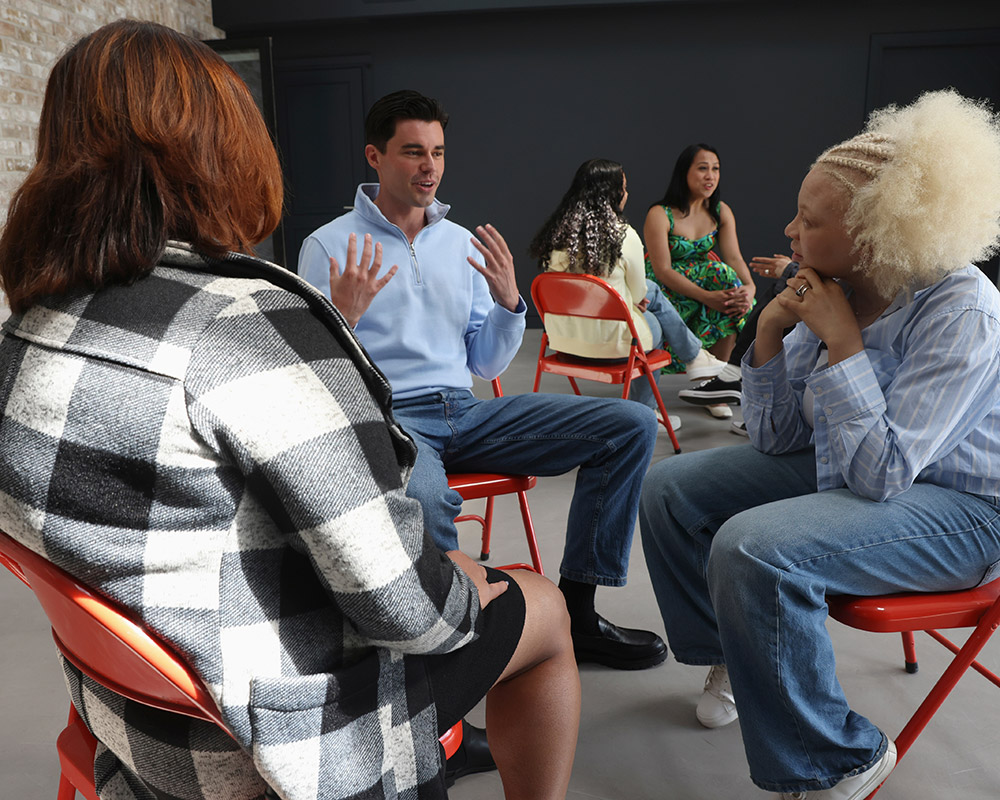
A group of people during rehab services at Hader Clinic

Rehab programs

Our private rehab programs support individuals struggling with addictive behaviour, including drug and alcohol use, through residential rehabilitation.

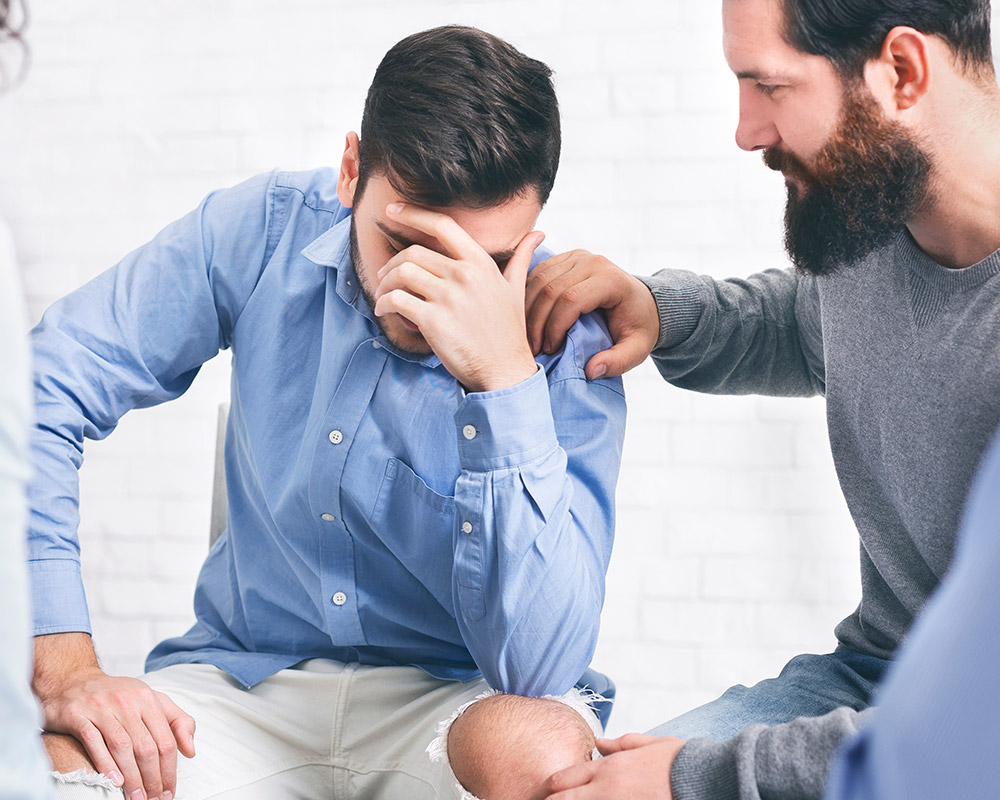
A bearded man showing concern over another patient suffering from addiction

Mental health rehab

Therapists address mental health alongside substance use, helping people stop using drugs and manage temptation safely.

A psychotherapist working with a group of people undergoing recovery treatment

Relapse prevention

A comprehensive relapse prevention program that supports your loved one with the tools, guidance, and care needed to maintain lasting recovery.

A therapist leading a session at Hader Clinic.
Real experiences from families and loved ones

Stories from people who sought help

These stories reflect what happens when people get help, support a friend, and guide a loved one into treatment at a trusted treatment facility.

Ali Ademi

After years of trauma, addiction, and loss, Ali found the strength to rebuild his life through the support of a compassionate team, a sense of community, and a commitment to long-term healing.

Minh

After 32 years of addiction, Minh Pham found hope, healing, and a new path at The Hader Clinic. His journey is a testament to the power of community, compassion, and courage.

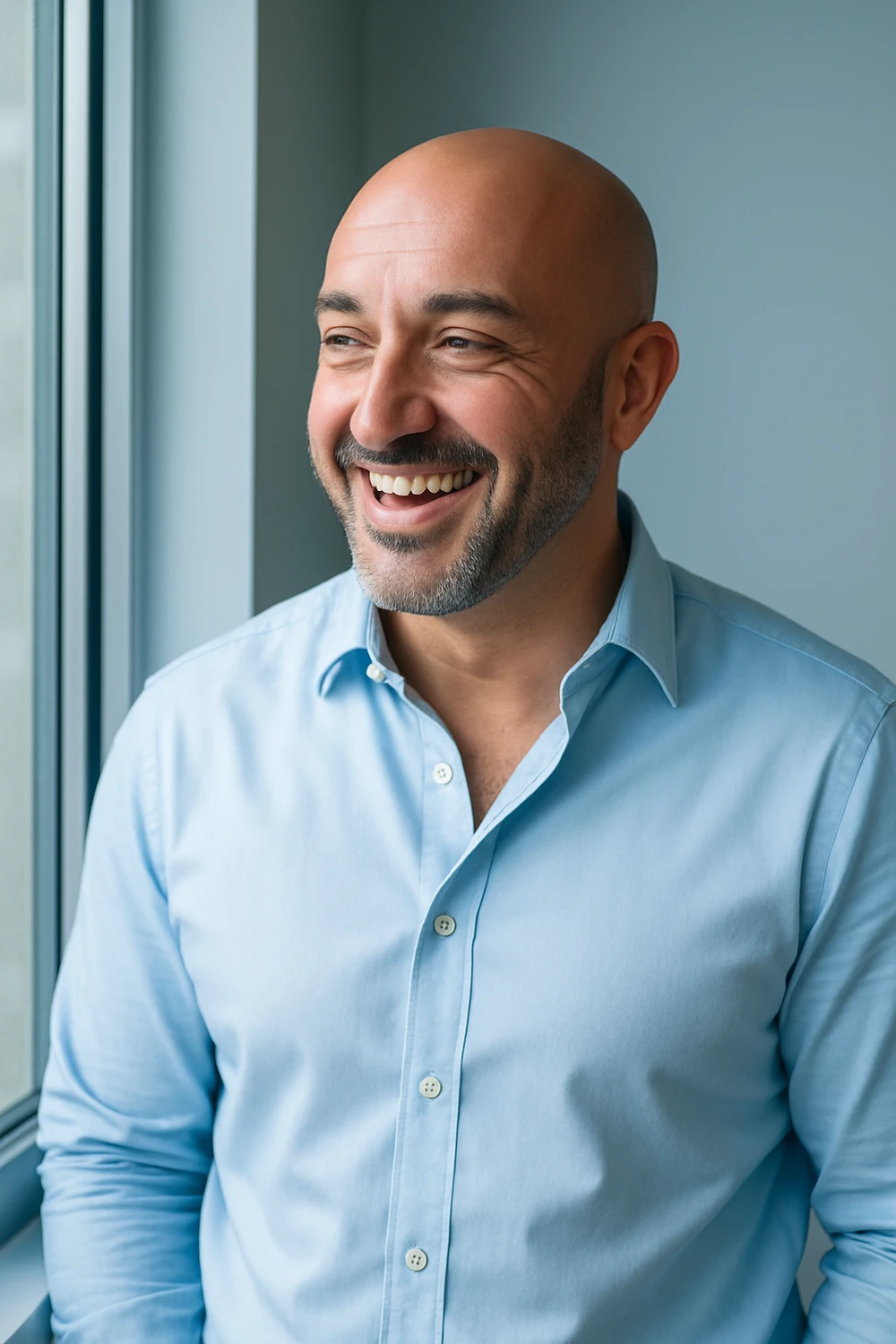
Peter El-Khouri, our Program Director, laughing.

Peter El-Khouri

After multiple relapses, Peter found long-term recovery with Hader. Read how therapy, community and clinical care helped him reclaim his life.

WHERE TO FIND US

A safe rehabilitation centre in Melbourne

The Hader Clinic operates from a single, purpose-designed facility in Melbourne, delivering medically supported detox, residential rehabilitation, and transitional housing in one integrated setting.

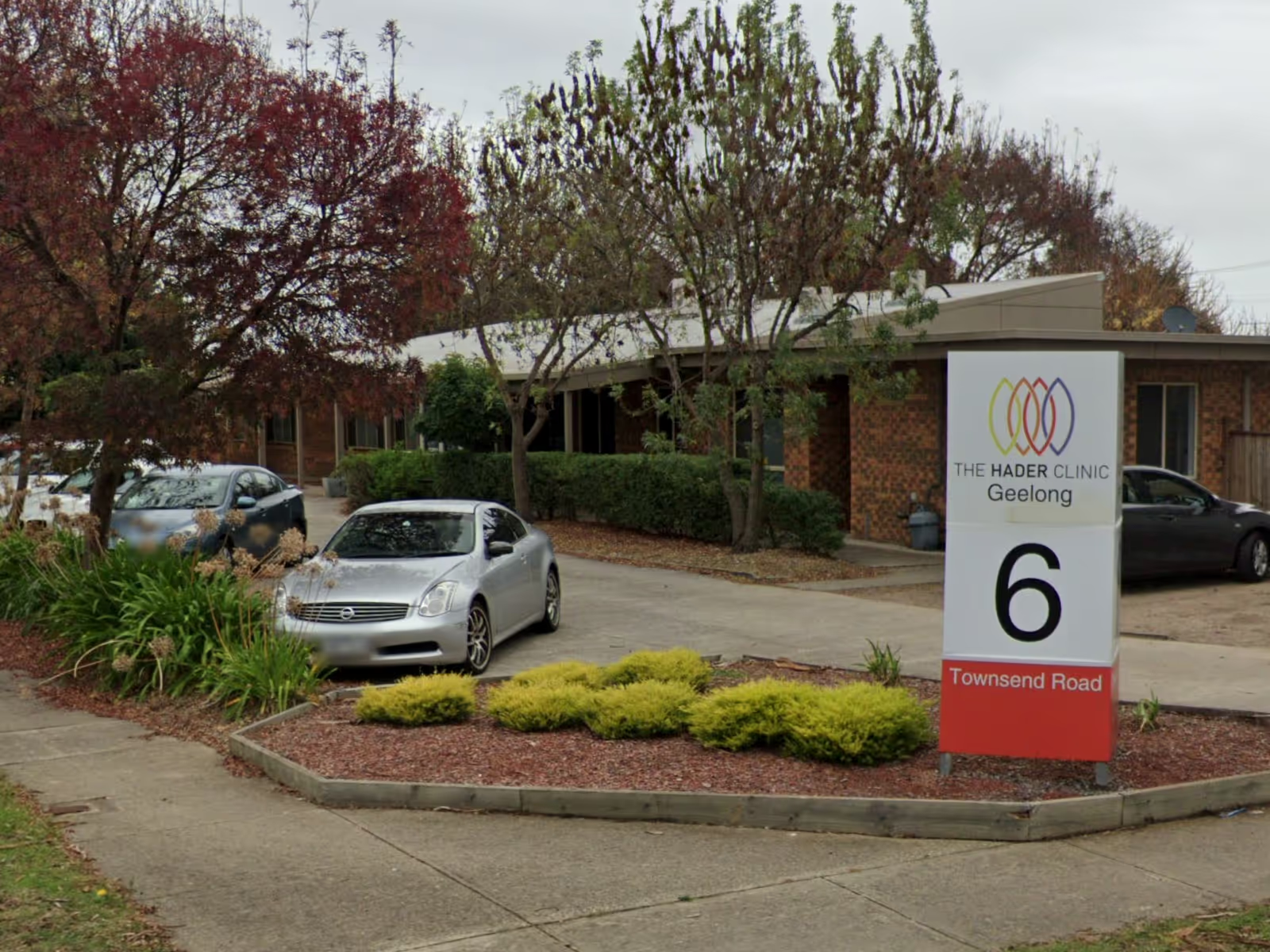
Geelong

Medically supported detox, inpatient residential rehabilitation, and transitional housing programs.

6-8 Townsend Road,St Albans Park VIC 3219

8 in 10

clients with dual diagnosis complete their recommended treatment program.

76%

of clients report better mood, daily functioning, or well-being after treatment.

4

days median wait from first contact to admission.

81%

clients report maintaining abstinence at three-month follow-up.

Recovery outcomes beyond discharge

Stories from people who sought help

These stories reflect what happens when people get help, support a friend, and guide a loved one into treatment at a trusted treatment facility.

Worried about someone you love?

Talk to us about safe next steps and rehab options.

Take a free online assessment

Take a quick, private quiz to explore safe support options.

Book a free chat

 Schedule a confidential call with a specialist at a time that suits you.

Call us now

Speak to someone immediately for guidance and support.

FUNDING OPTIONS AND COSTS

Paying for treatment and getting support

Before admission, we explain treatment costs, funding pathways, and payment options clearly. This helps families plan with confidence and avoid unexpected financial stress during care.

Ways to pay and funding support available

Payment options depend on individual circumstances and may include private health insurance, self-funding, or super early release of superannuation under compassionate grounds. 

Explore funding options

What affects the cost of rehab

Rehab costs depend on program length, clinical complexity, and level of medical support required. We outline inclusions early, covering accommodation, clinical care, and therapy services.

Learn more about rehab costs
Helping families take the next step

About Hader Clinic

For over 28 years, we have helped families support people affected by addiction. We work with loved ones to understand the effects of addiction, plan interventions to help, and give your loved one the best chance to continue recovering.

A group of six young adults stand in a circle on a grassy field surrounded by trees, engaged in a cheerful outdoor team-building activity. A woman with long dark hair, holding a clipboard, appears to be leading the discussion, while the others smile and listen attentively.
Image of Andi Thania
The people supporting recovery

Our multidisciplinary care team

Our multidisciplinary team includes doctors, psychologists and support staff experienced in addiction and mental health care. We provide clear guidance, clinical oversight, and continuity of care throughout the treatment process.

Rehab for yourself

Woman sits curled on a couch by a bright window, appearing reflective and concerned

Rehab for a loved one

A couple sits together in a therapist’s office, listening with concern and support

Insights and resources

Check out our articles covering alcohol and drug treatment, addiction, recovery, and treatment pathways through evidence-based articles.

Let your loved one know you care

Get an immediate assessment

If you’re concerned about a loved one, speaking with a specialist can help clarify next steps. Our confidential assessment enables you to understand treatment options for your loved ones.

Speak to someone who understands

Thank you! Your submission has been received!
Oops! Something went wrong while submitting the form.
Answers to common questions about care

Understanding rehab, treatment and access

How do I know if a loved one needs rehab?

A loved one may need rehab if substance use is affecting their health, behaviour, relationships, or ability to function day to day. Common signs include loss of control, repeated attempts to stop, withdrawal symptoms, or ongoing problems despite consequences. A professional assessment can help clarify whether rehab is appropriate and what level of support is needed.

What if my loved one does not want help yet?

It is common for people to feel unsure or resistant to treatment. You may not be able to convince them straight away, but you can ask your loved one to talk, let your loved one know how their behaviour is affecting you, and set clear boundaries.

Understanding the effects of their addiction and speaking with a professional can help a friend or family member continue conversations about support, including practical concerns such as financial support, when appropriate.

Can families be involved during treatment?

Yes. Family involvement is encouraged where it supports recovery. With consent, families may take part in education sessions, communication planning, and ongoing support discussions. This helps loved ones understand treatment, set healthy boundaries, and support recovery in a constructive way.

How quickly can someone be admitted to rehab?

Admission timing depends on clinical needs, availability, and assessment outcomes. In some cases, people can be admitted within days after an initial assessment. Our team works with families to clarify urgency and support timely entry into treatment where appropriate.

What support is available after rehab ends?

After rehab, support may include follow-up care, referrals to outpatient services, counselling, and community-based programs. Ongoing support helps individuals maintain their progress, manage triggers, and continue their recovery once they return to everyday life.